An Uncertain Lull
March 1-7, 2026

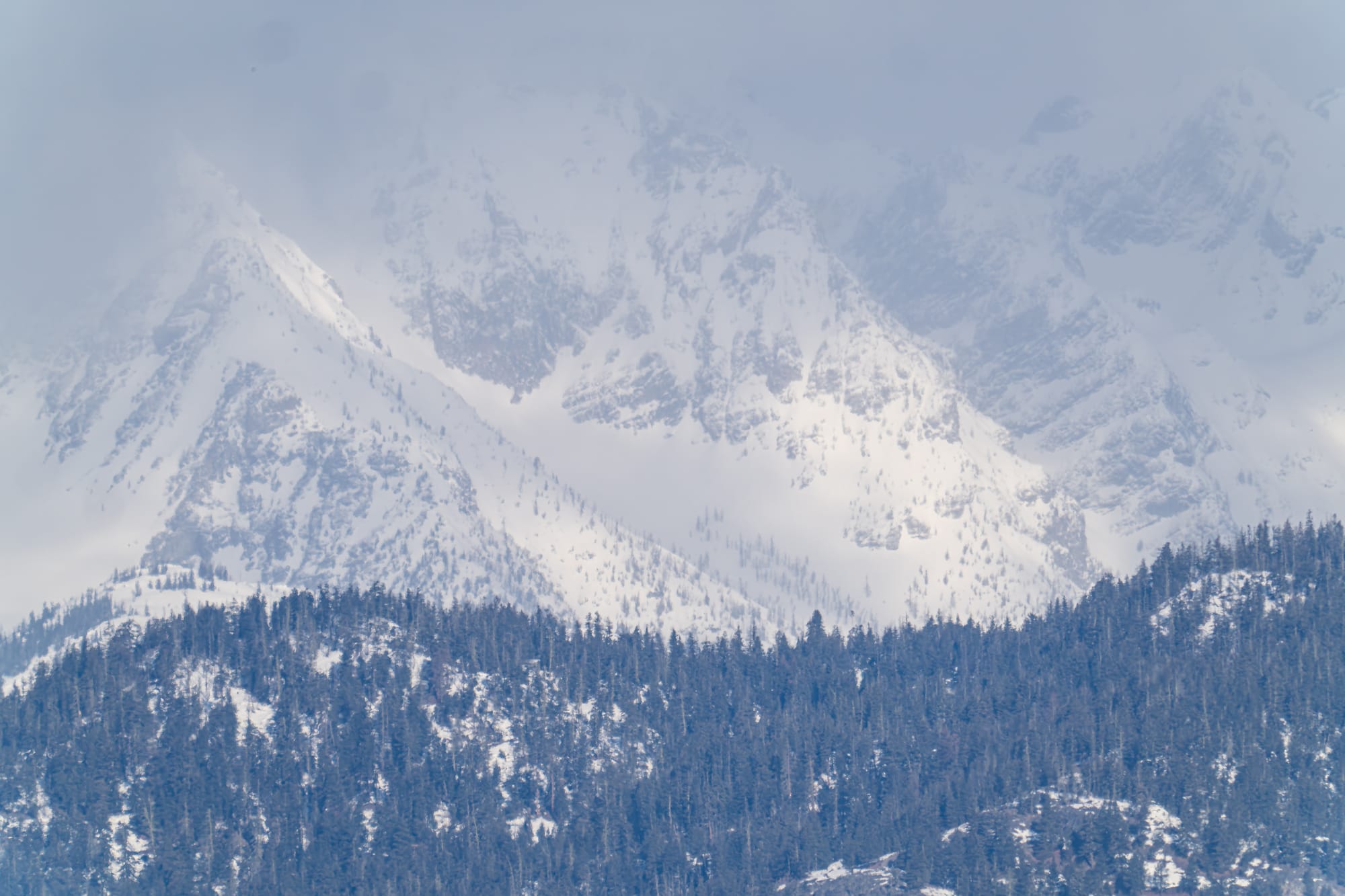
This spring is turning into a classic case of "seasonal mismatch," where the changing seasons are out of sync with the time of year.
Week in Review
We'll have to see how spring progresses, but at this point, things aren't looking too good; the ground is already drying out, and many signs of spring are up to a month earlier than ever recorded. And, in case you think it's too early for spring, our first mosquito was reported this week!
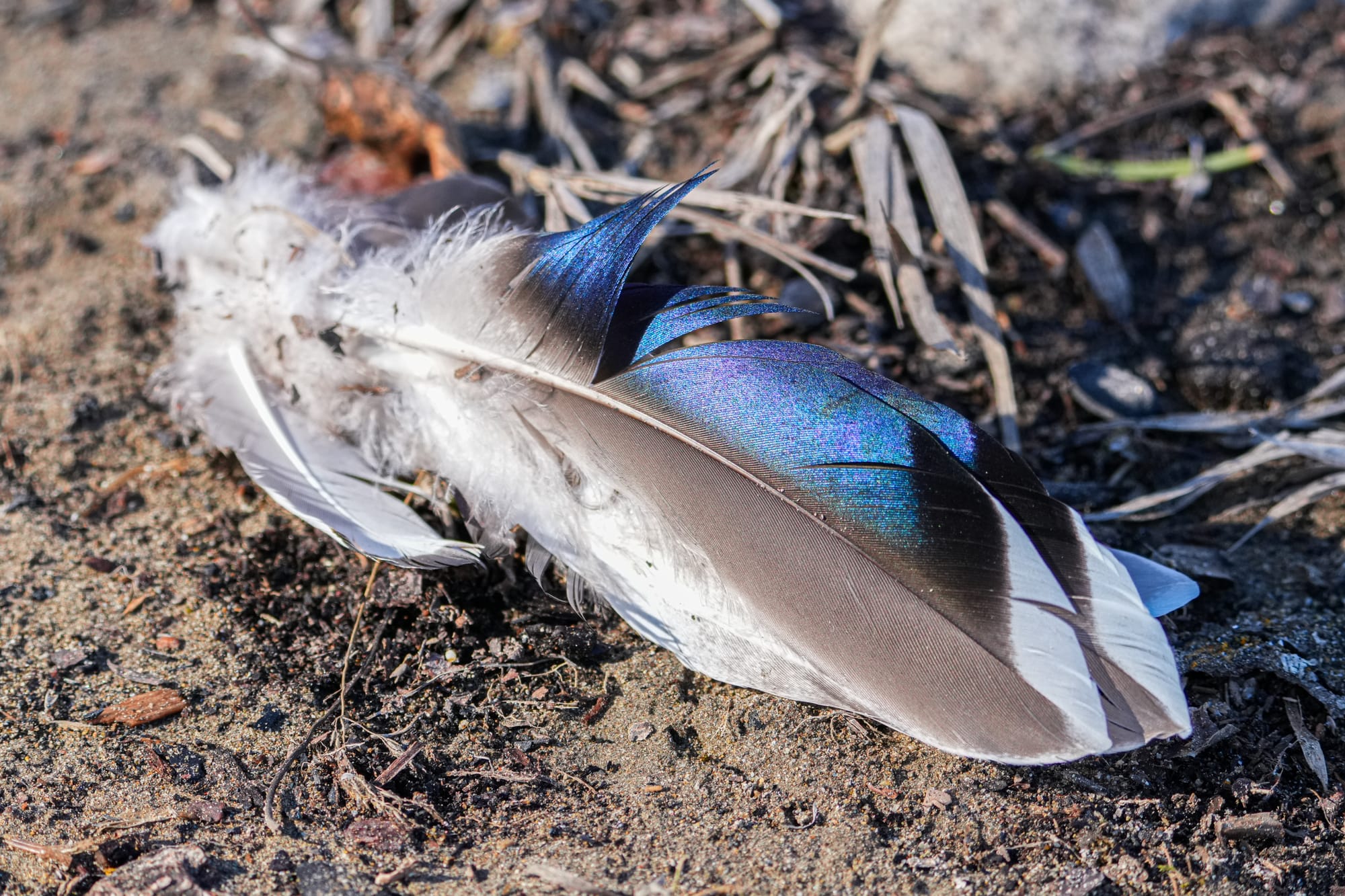
This felt like a very slow week, and I think part of what's happening is that plants and animals are confused by the mixed signals they're receiving. On one hand, spring-like conditions are already here, but on the other hand, the internal clocks of plants and animals aren't ready for spring.
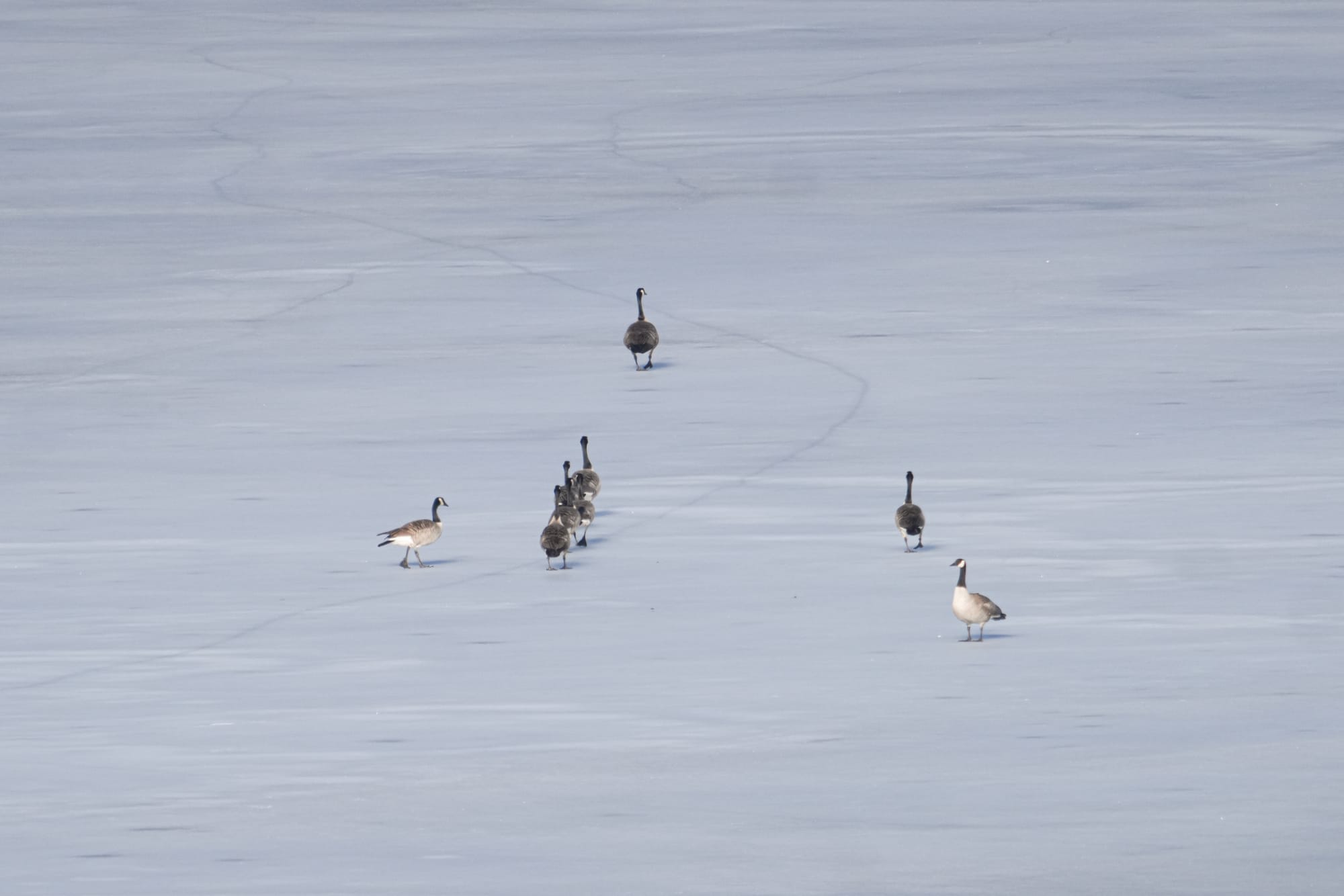
While some early flowers have already made an appearance, and a few birds are notably active, it seems like everything is still waiting with bated breath. After all, it may feel like spring, but assuming that winter is over poses a significant risk.
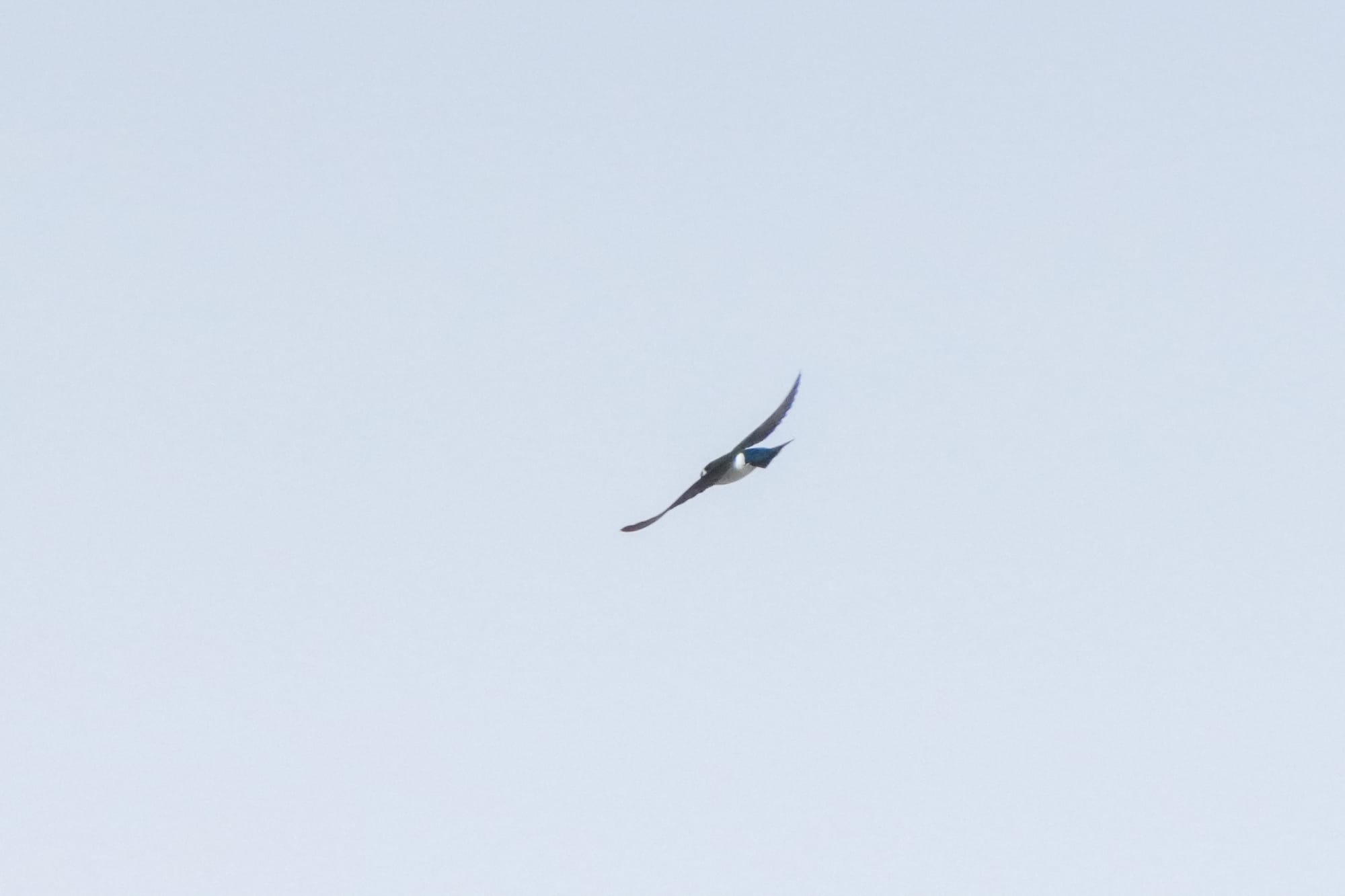
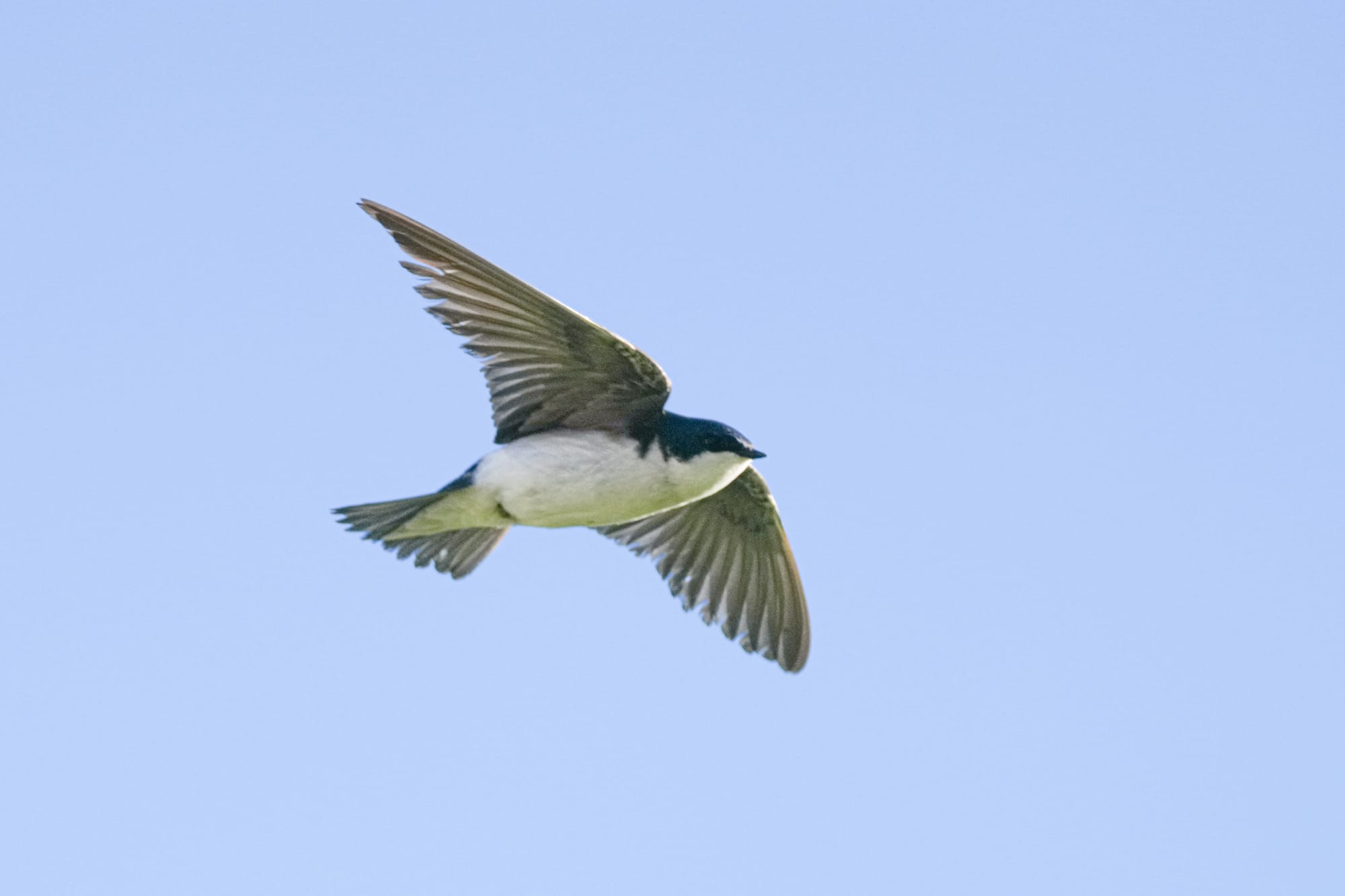
The first violet-green swallows of the year were reported on March 1 (left), and the first tree swallows on March 2 (right). Photos by David Lukas
As expected, spring is further along in the lower Methow Valley, with a handful of wildflowers hinting at the changing season. While it's fantastic to see flowers already, they are remarkably early. Last year, these changes didn't start happening until late March!
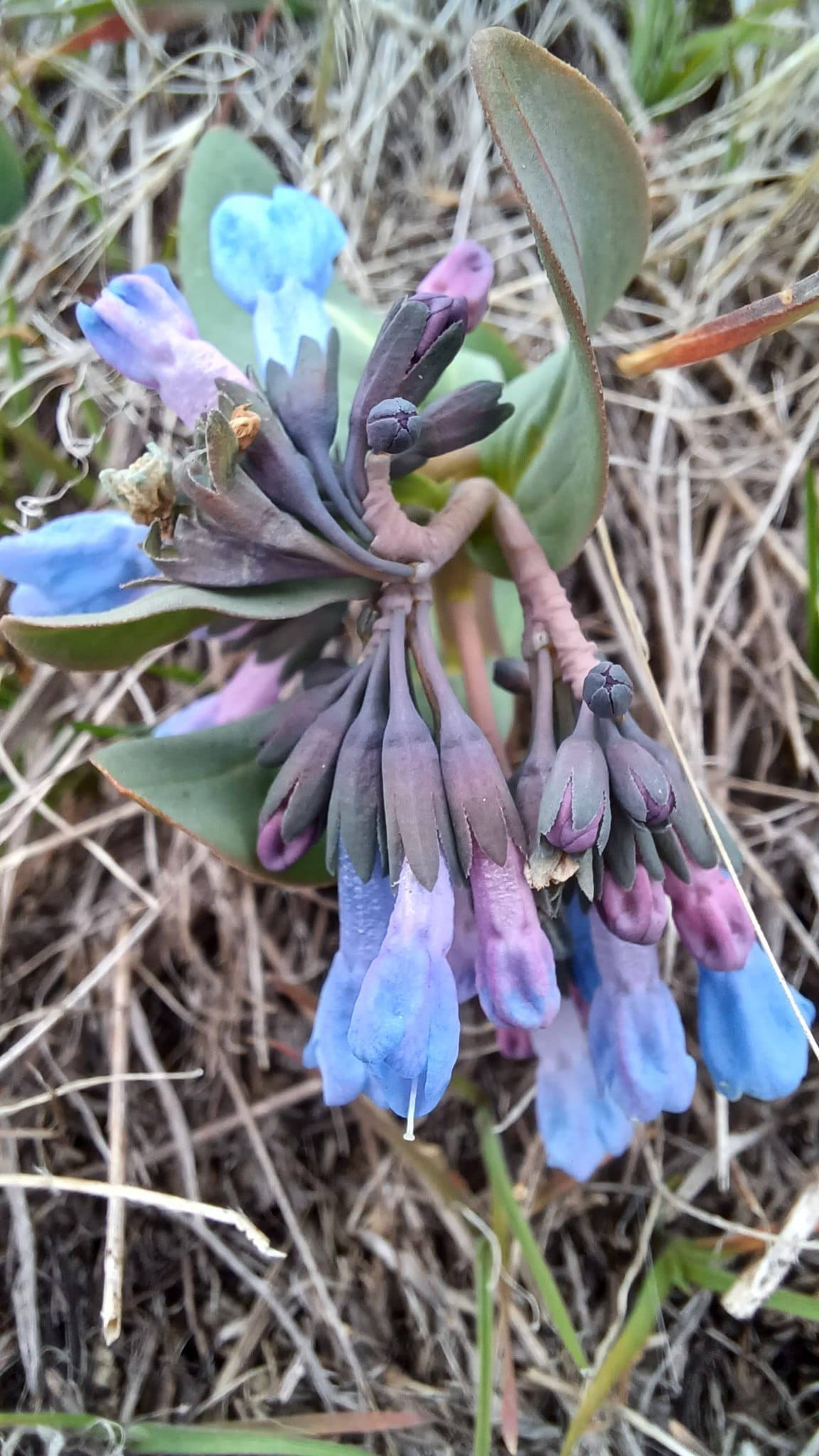
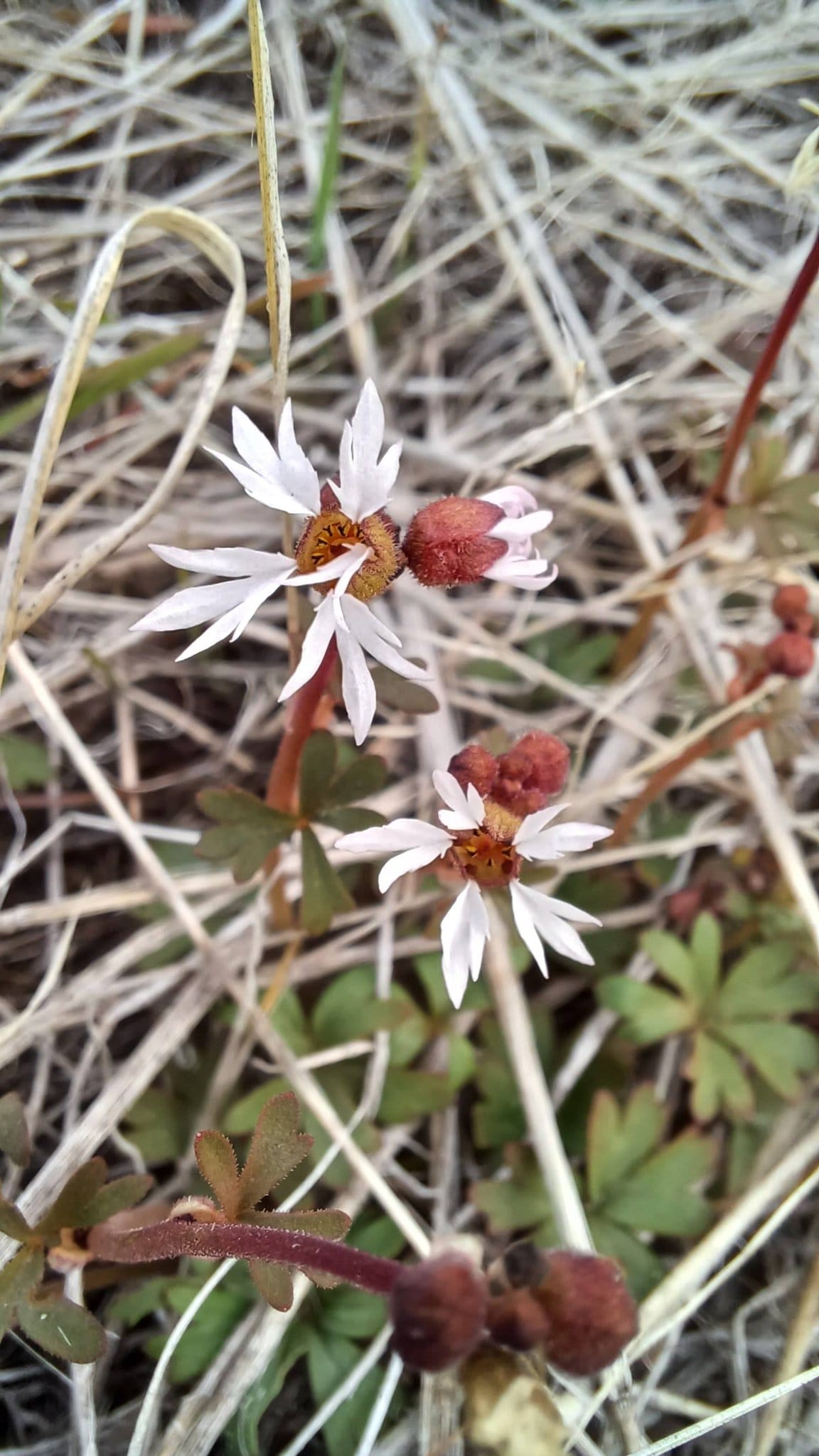
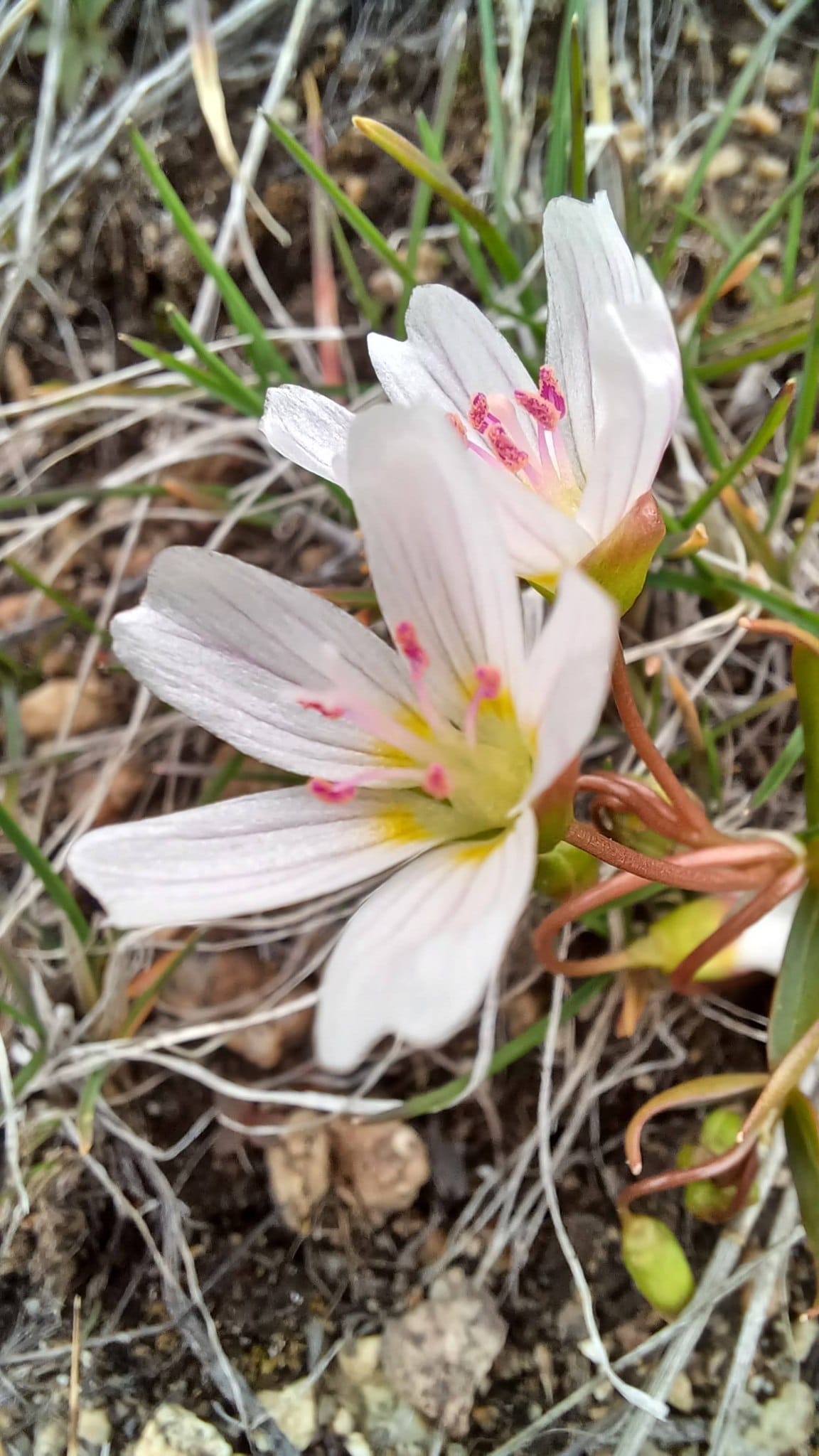
Bluebells, prairie stars, and spring beauties seen in the lower Methow Valley this week. Photos by Wild at Last TanjaThomas
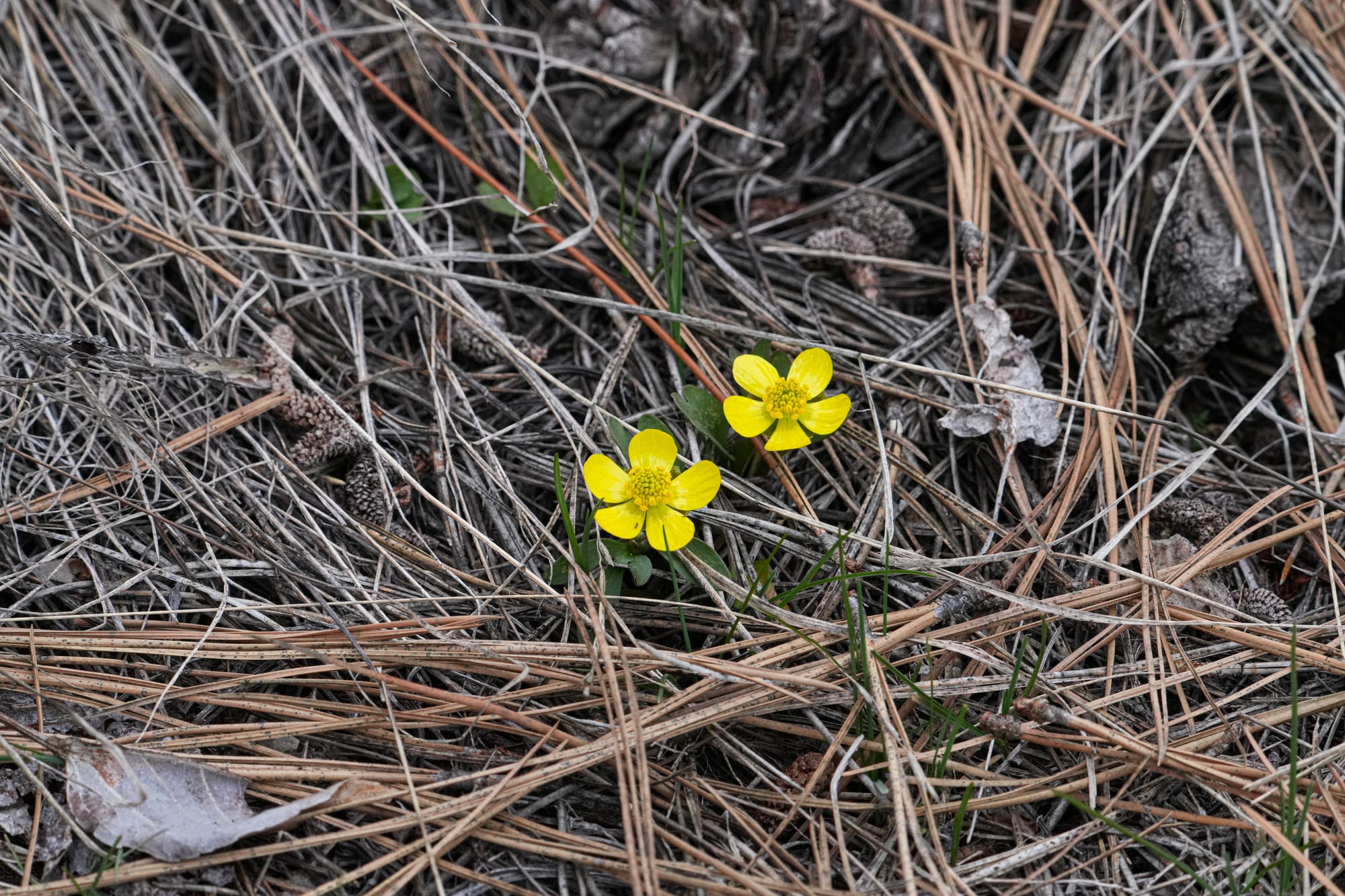
And, just when I thought that spring was only happening in the lower Methow Valley, I was shocked to discover a handful of sagebrush buttercups that were already blooming near Winthrop.
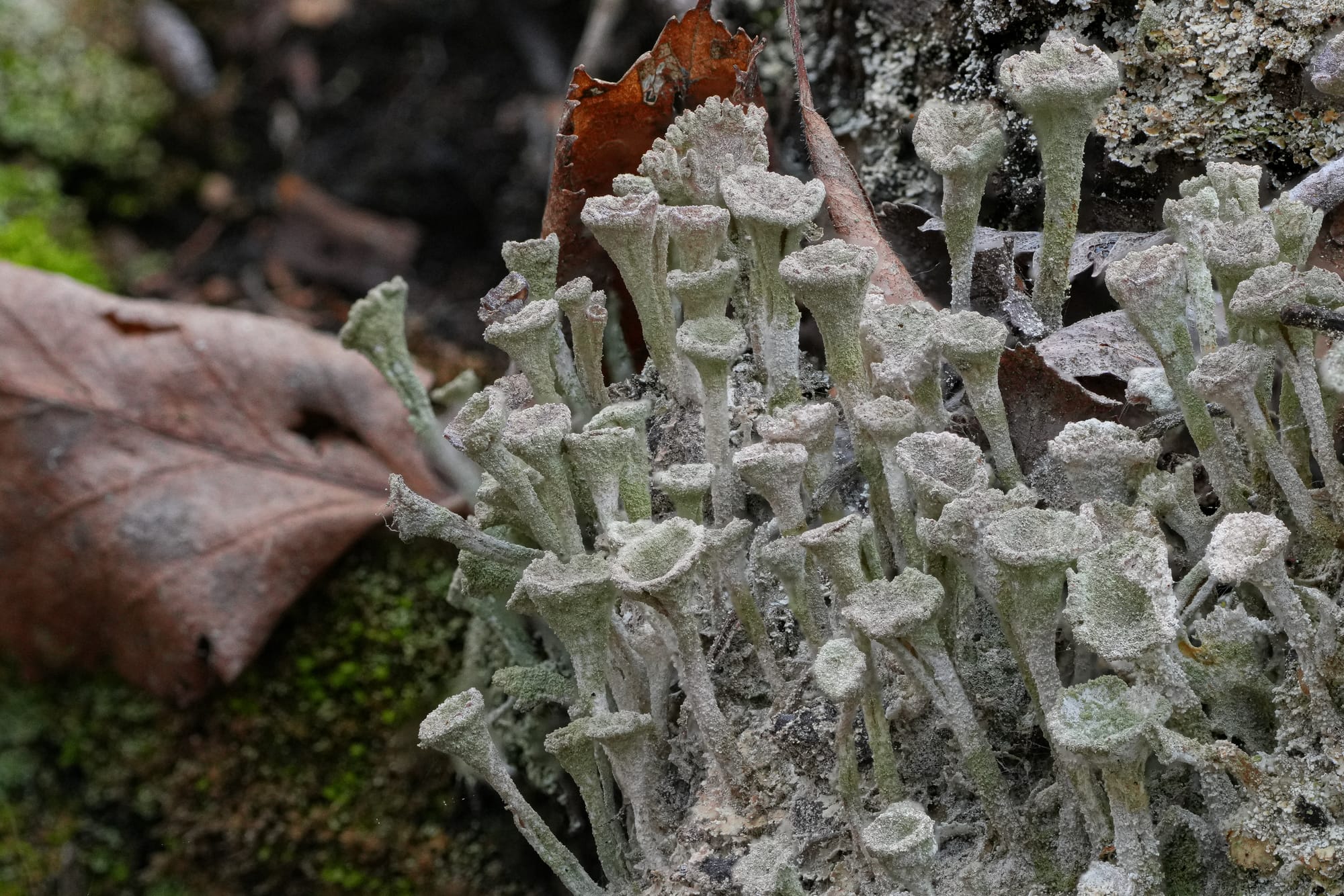
Last week I mentioned how these relatively warm and moist conditions have been favorable for mosses, but you might be noticing that lichens are also thriving because this is their prime time to photosynthesize and reproduce. It would be awesome to have a lichen expert in the valley because we have so many kinds of lichens here.
Other than swallows arriving, there haven't been any other notable arrivals or changes in bird behavior. Birds are still active, of course, but it's easy to be out for hours and see only a few birds.
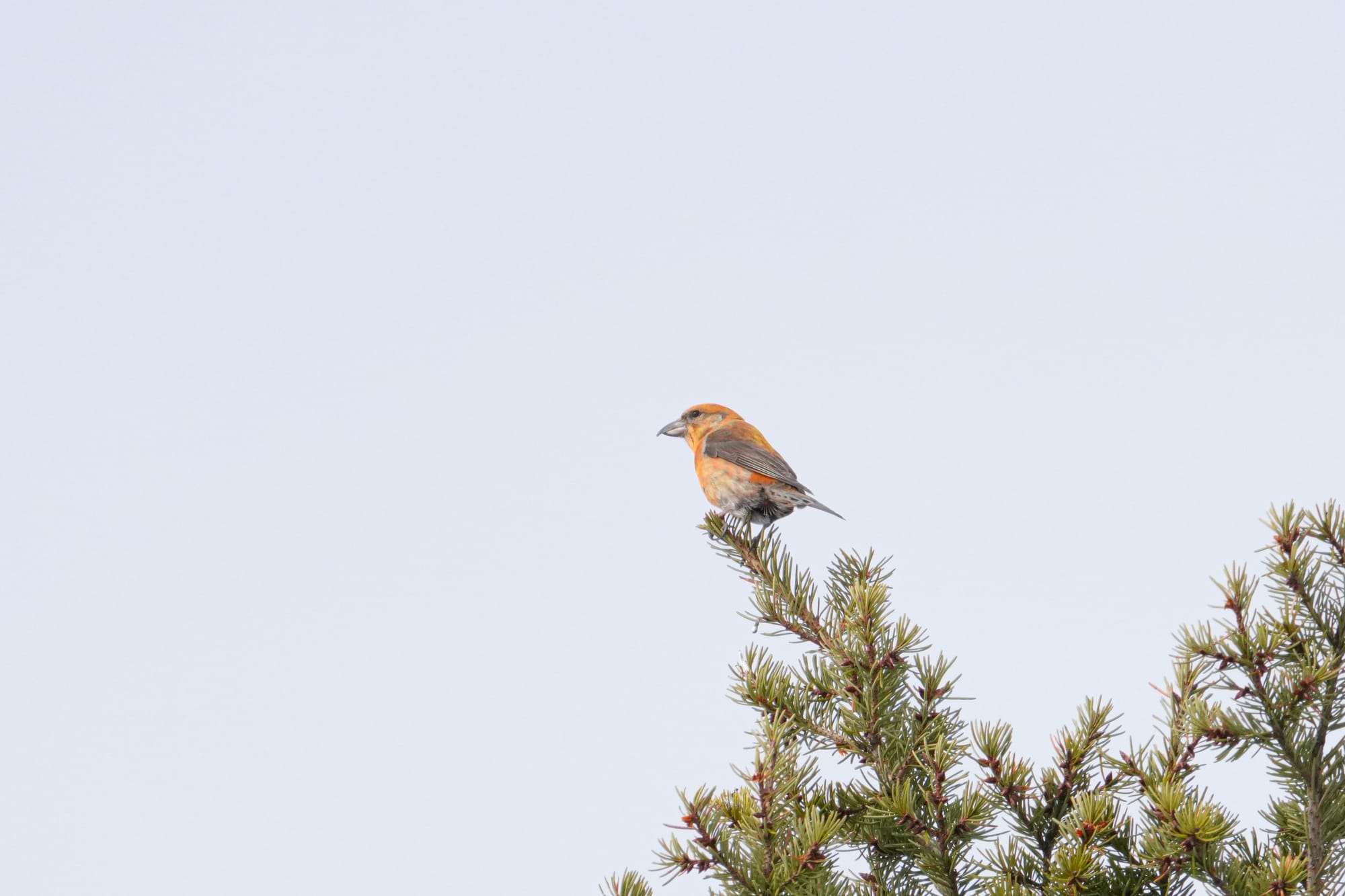
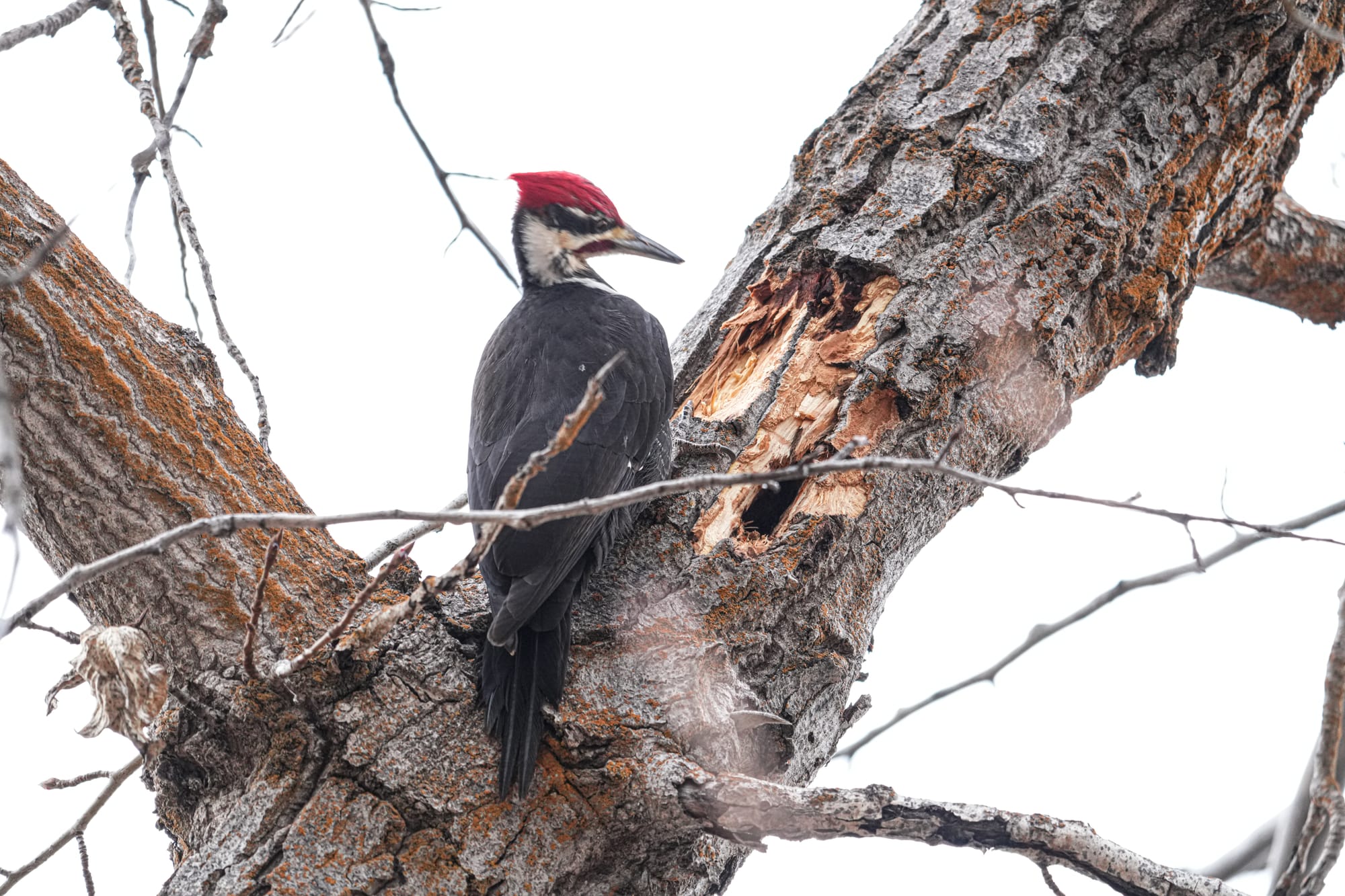
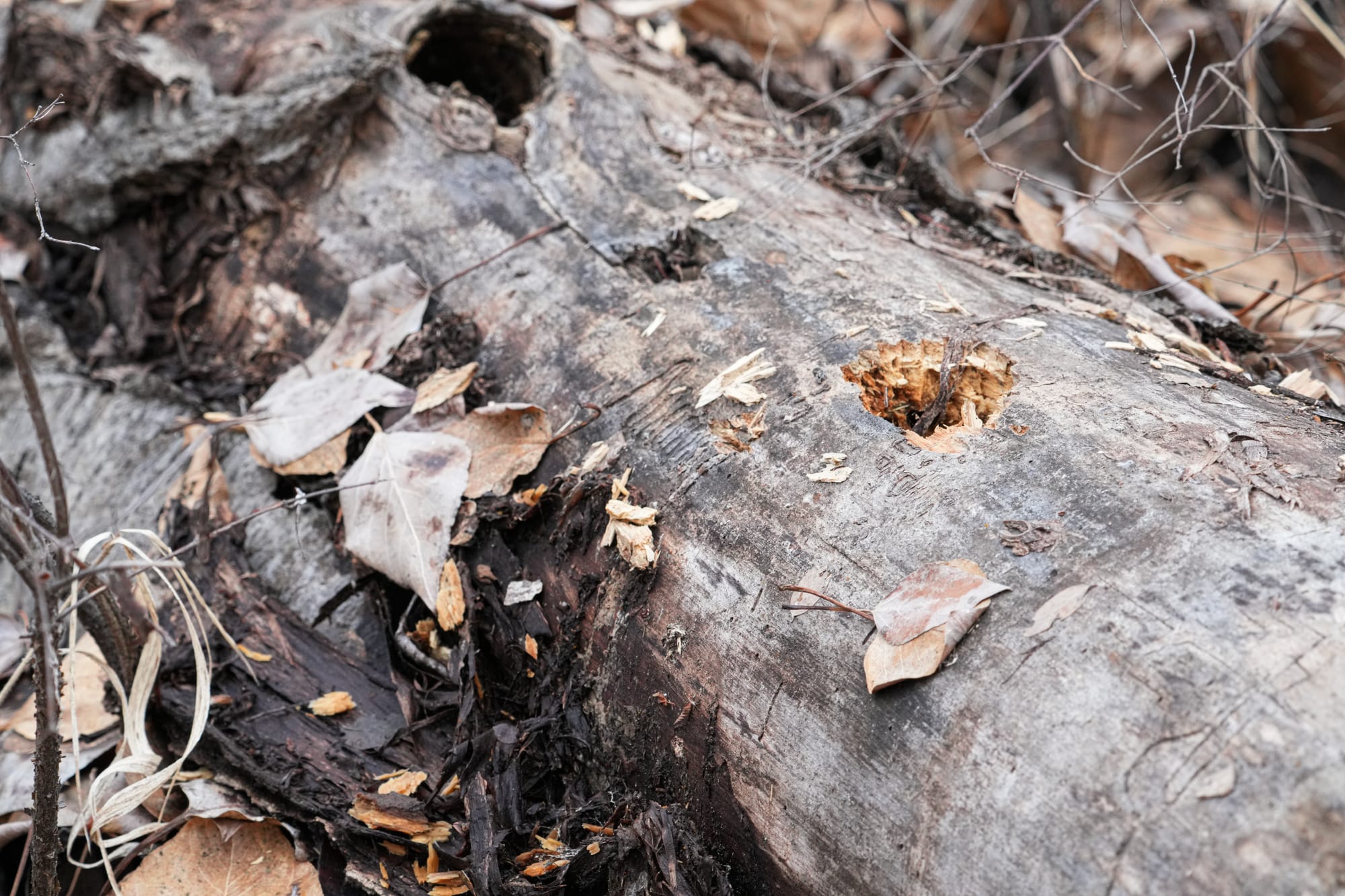
You can always tell where pileated woodpeckers have been active because they leave behind pieces of wood that are 1-4 inches long. Photos by David Lukas
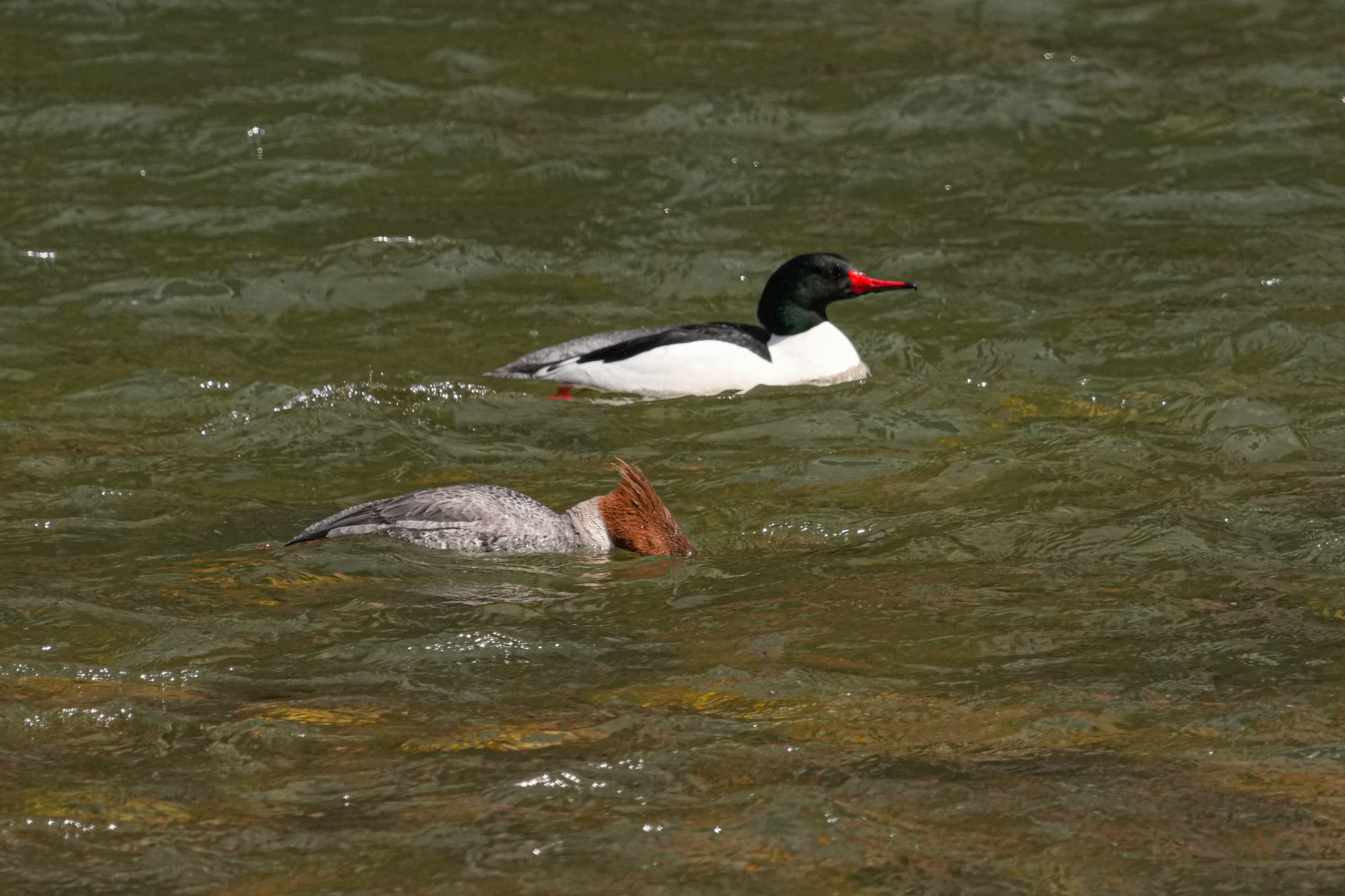
Observation of the Week: Common Mergansers
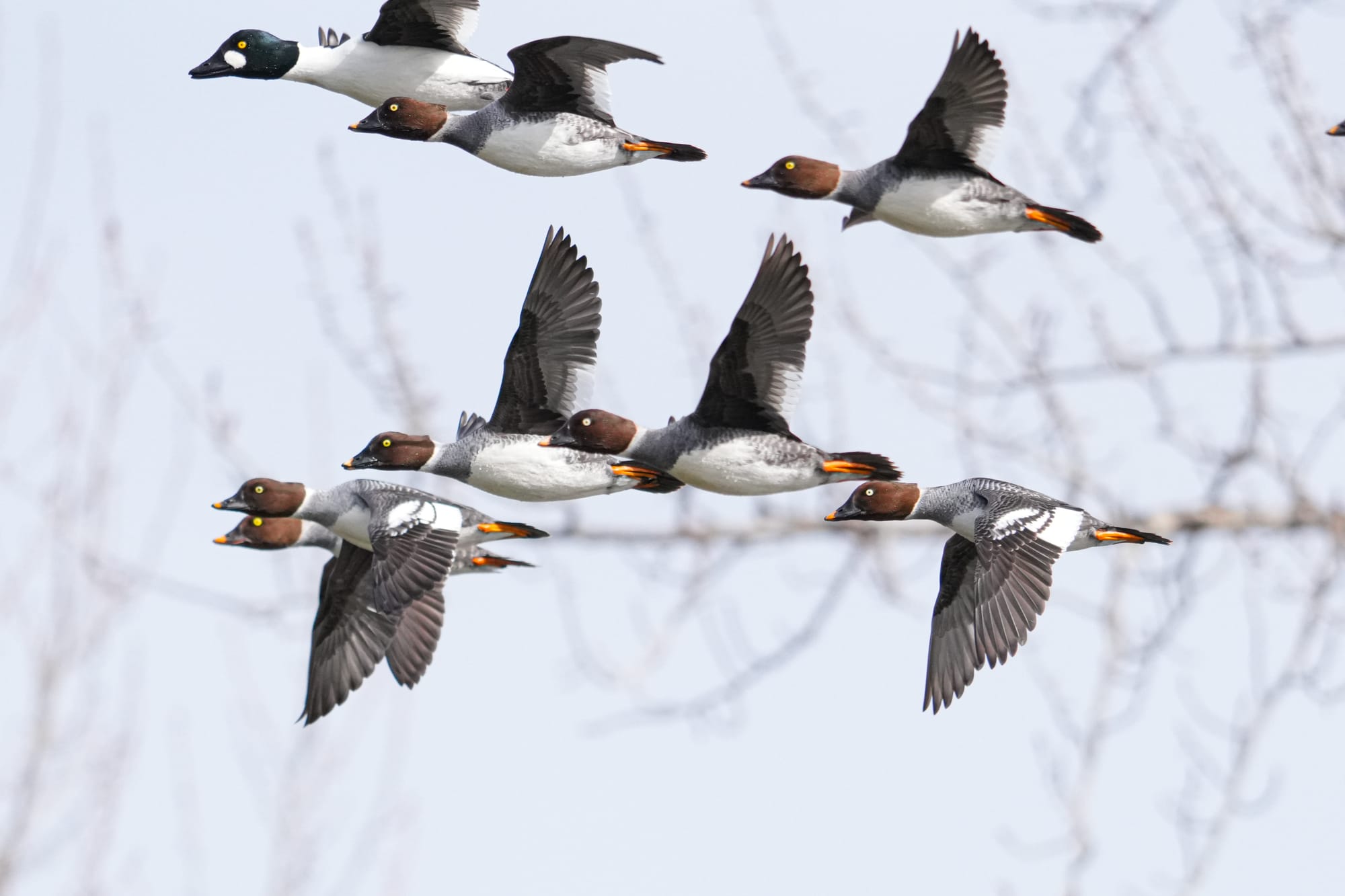
It might be a fluke but it seems like there's been a significant increase in the number of common mergansers along the Methow River this week. And because they're hanging out together they're using this as an opportunity for courtship and mating.
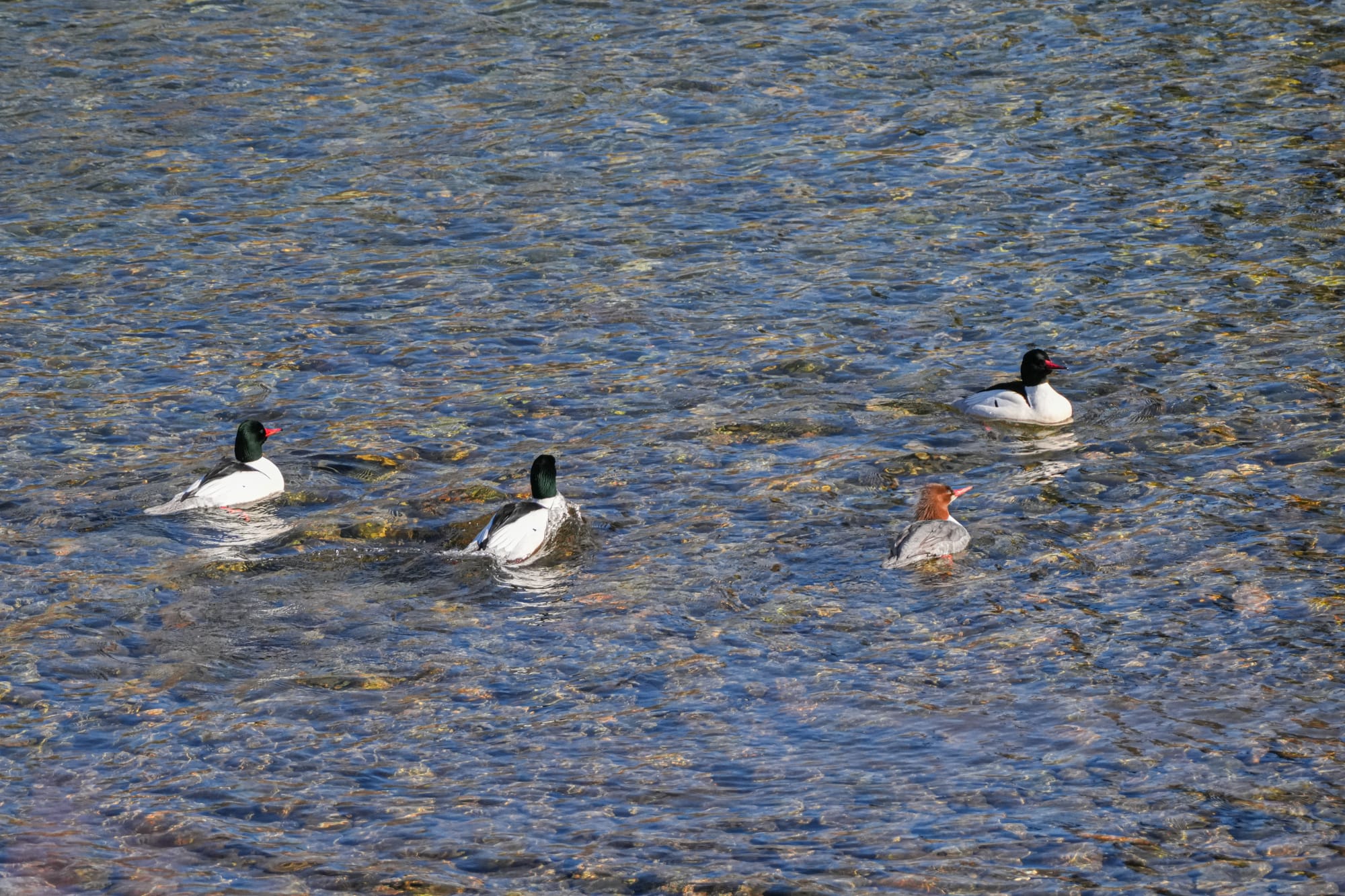
As I drive along the river, I've been noticing numerous pairs and groups of mergansers, and when I stop to watch, they all seem to be doing some type of courtship.
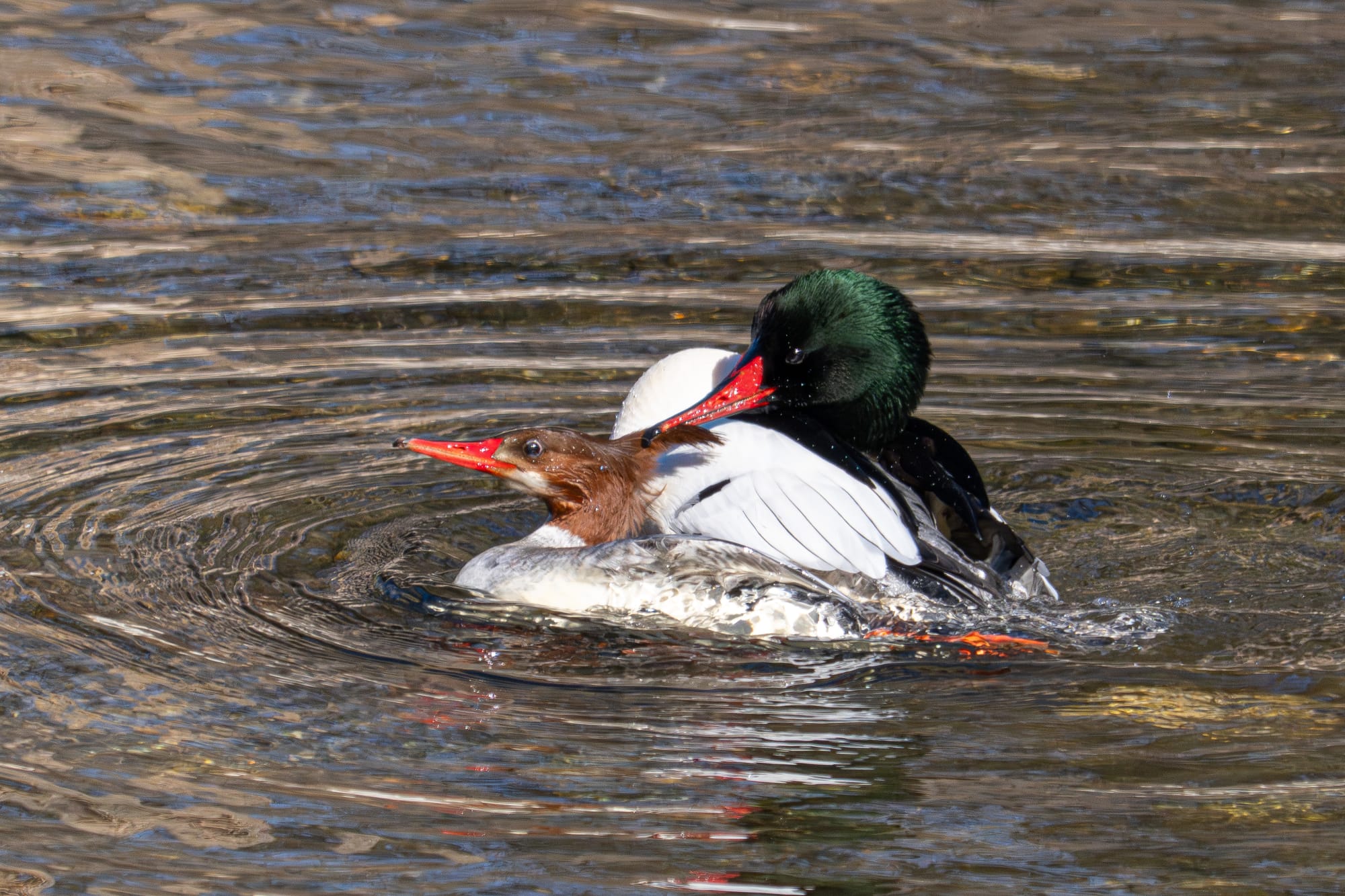
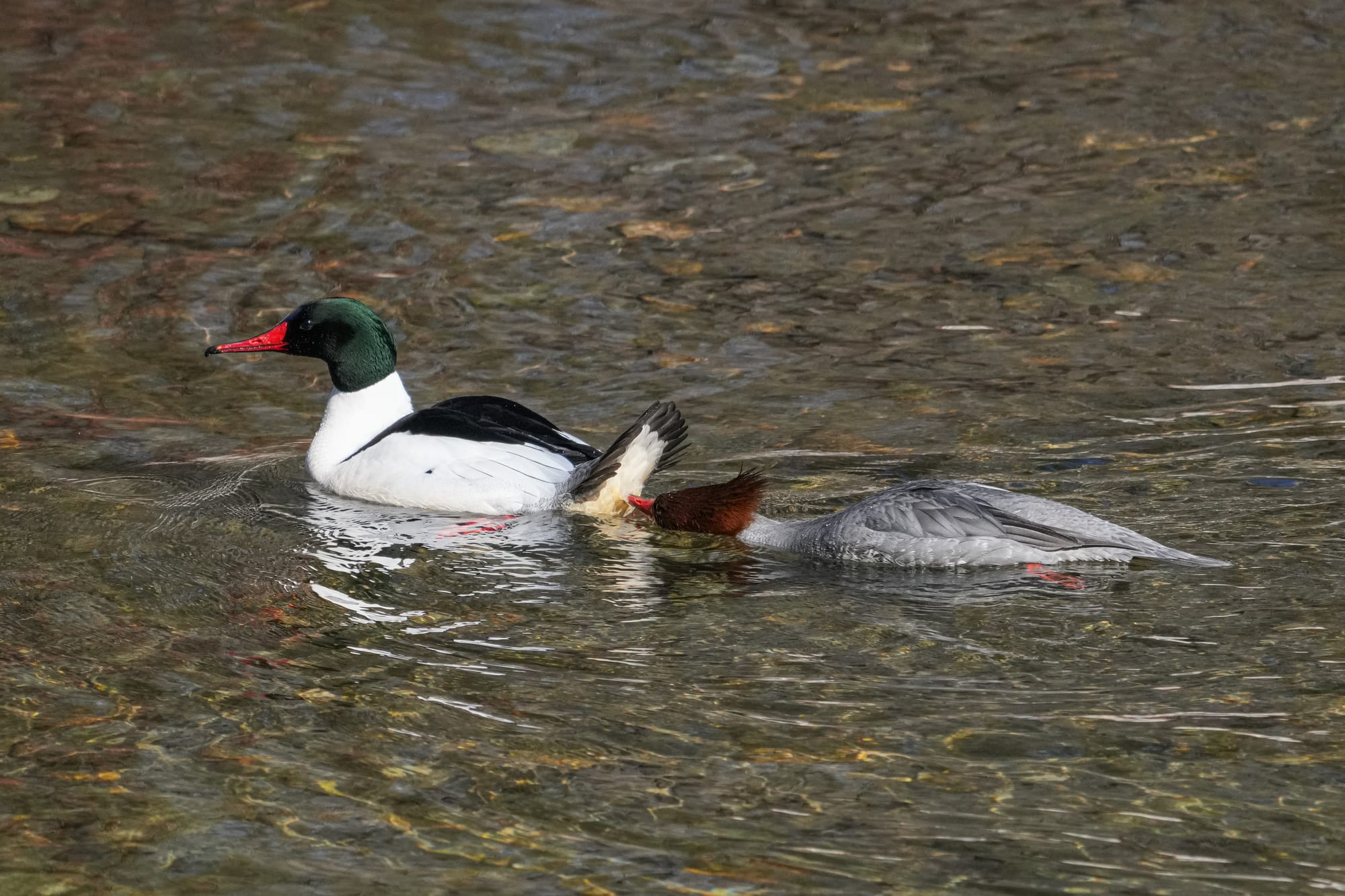
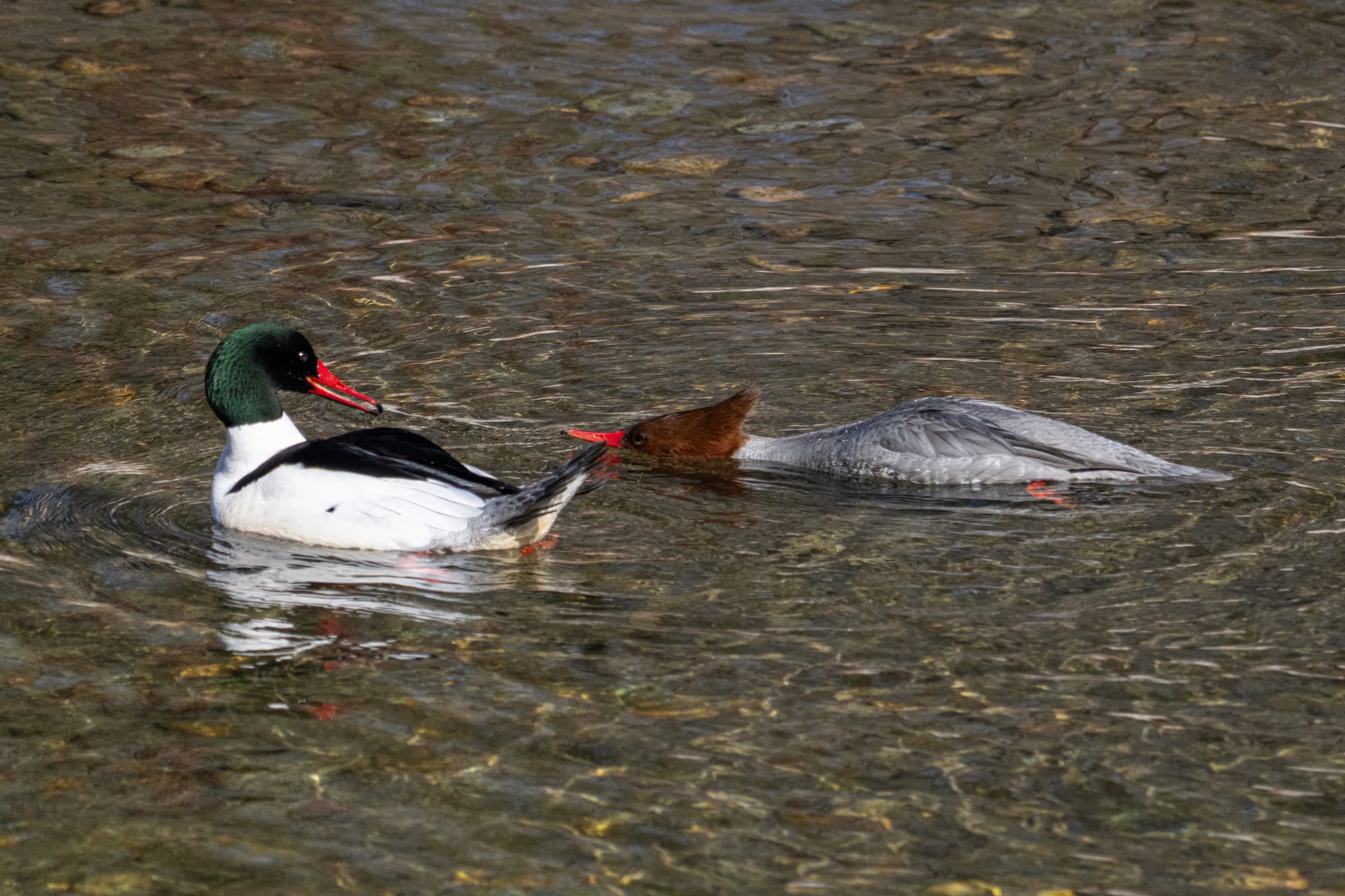
Common mergansers nest in tree cavities along rivers and lakes. They nest in the Methow Valley but at least some of these birds are also migrating north and only stopping briefly in the Methow Valley.