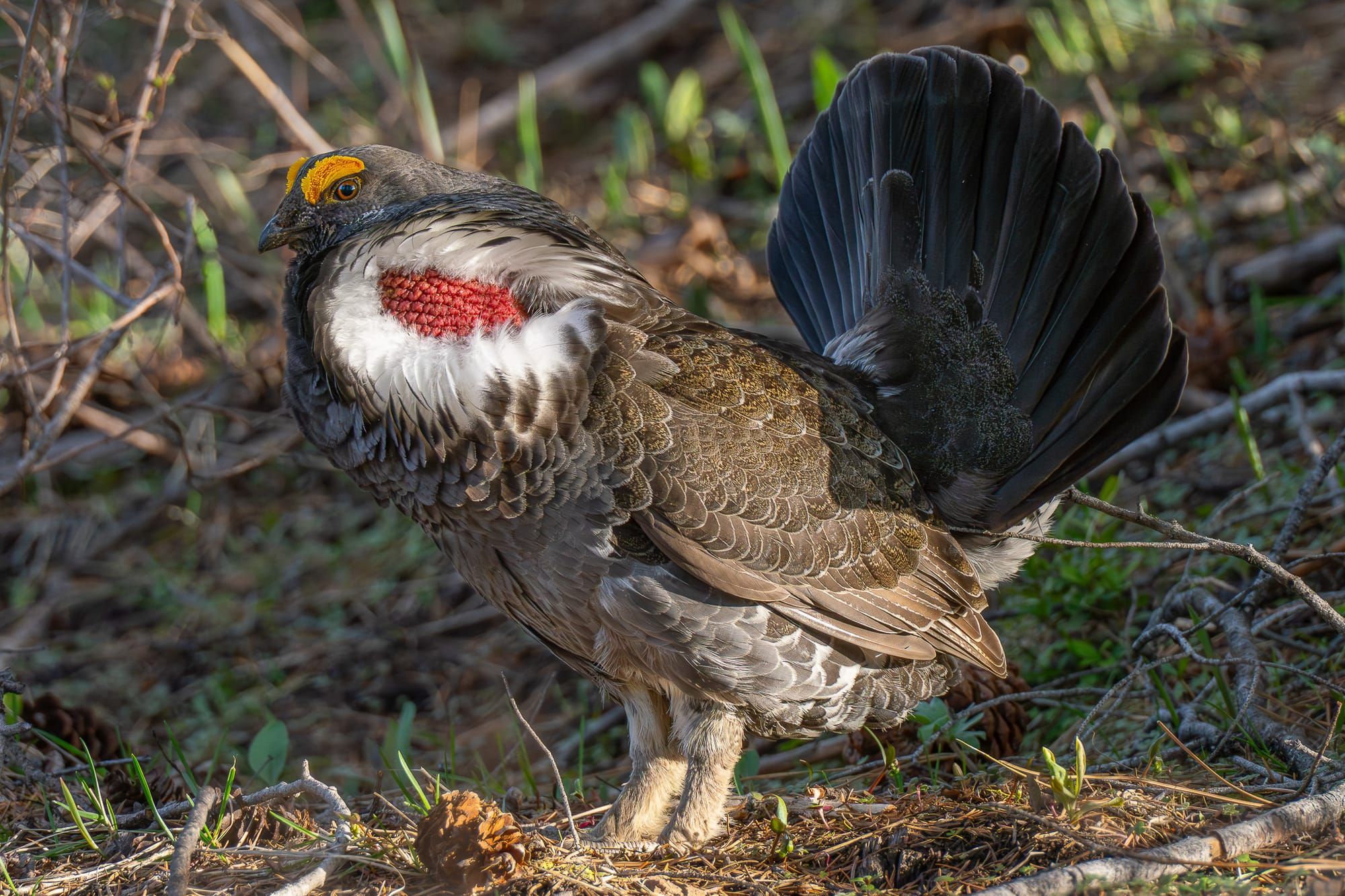
A male dusky grouse in full courtship mode. Photo by David Lukas
It was a mostly sunny week, but with temperatures still dipping below freezing some nights.
🙌
The Methow Valley Citizens Council is currently seeking nominations for the Red-tailed Hawk Fund, created in 2024 to recognize the work of people making a difference in the community. I'd love to throw my hat in the ring if anyone is willing to put in a good word for me, or perhaps there's someone else you'd like to nominate. The deadline is April 20, and you can contact mvcc@mvcitizens.org for more information.
Week in Review
What a week this has been, with spring arriving so fast that it's hard to keep up!!!
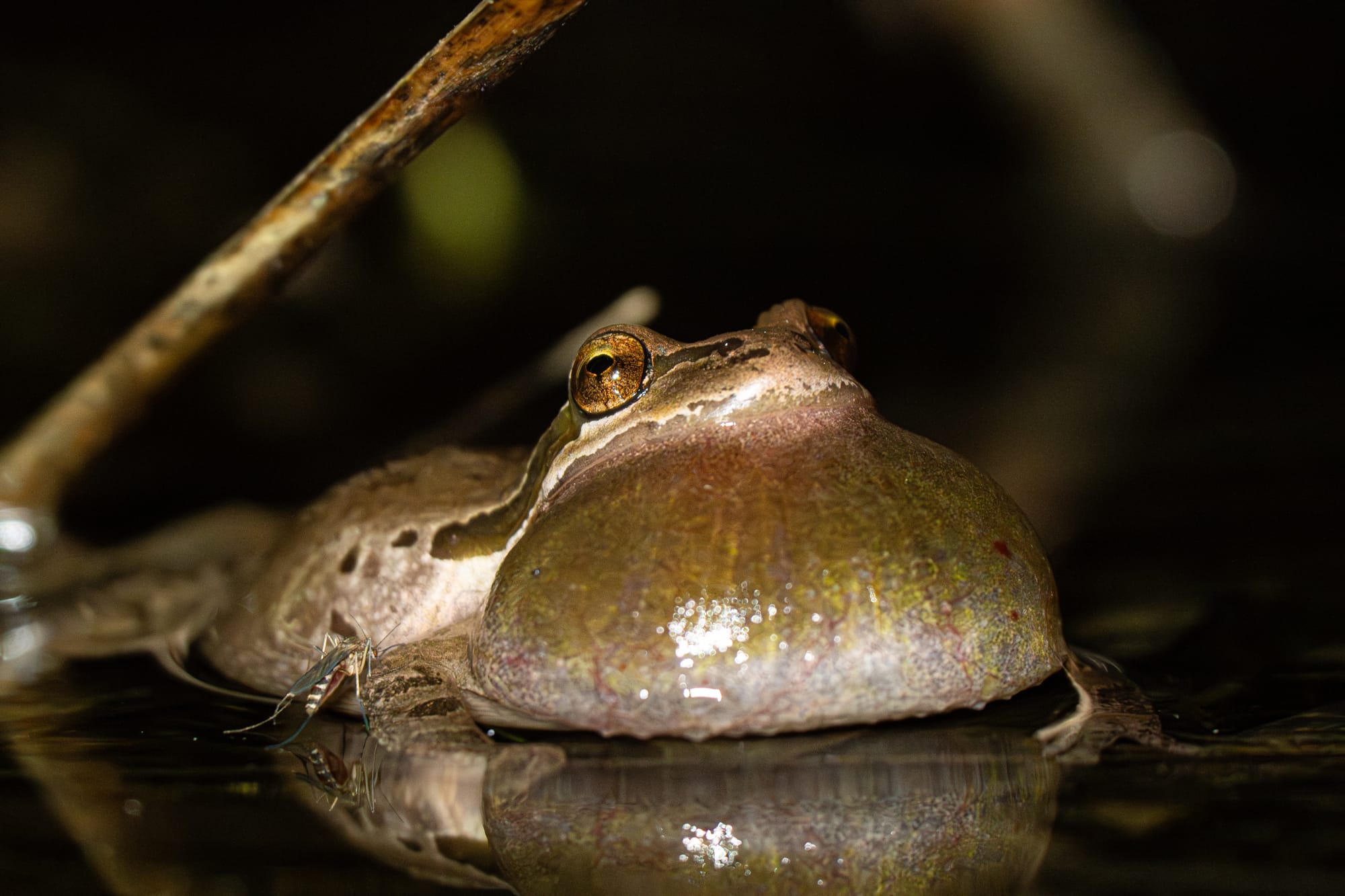
It's a sure sign of spring when Pacific treefrogs start calling (notice the hungry mosquito, too!). Photo by David Lukas
Speaking of frogs, I wrote about frog eggs for my Lukas Guides newsletter this week and I'll be offering a short Zoom talk on this topic next Wednesday at 5 p.m. The live talk will be free and open to all newsletter subscribers, while paid subscribers who can't make it will have access to a recording of the event. Here's the Zoom link for Wednesday's talk.
The natural world is full of wild, restless energy right now, with every plant and animal waking up, shifting from winter into spring behavior, or looking for love.
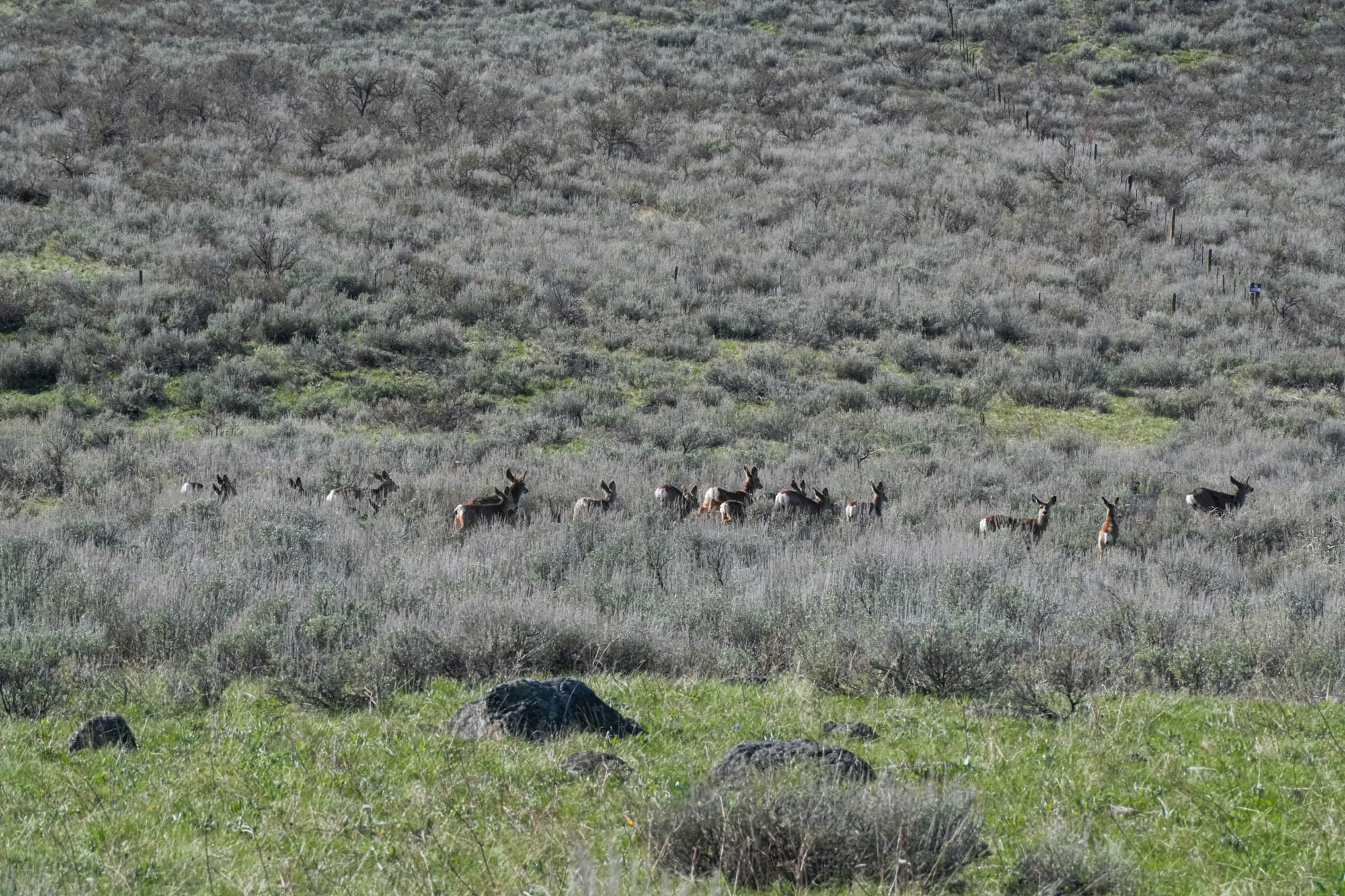
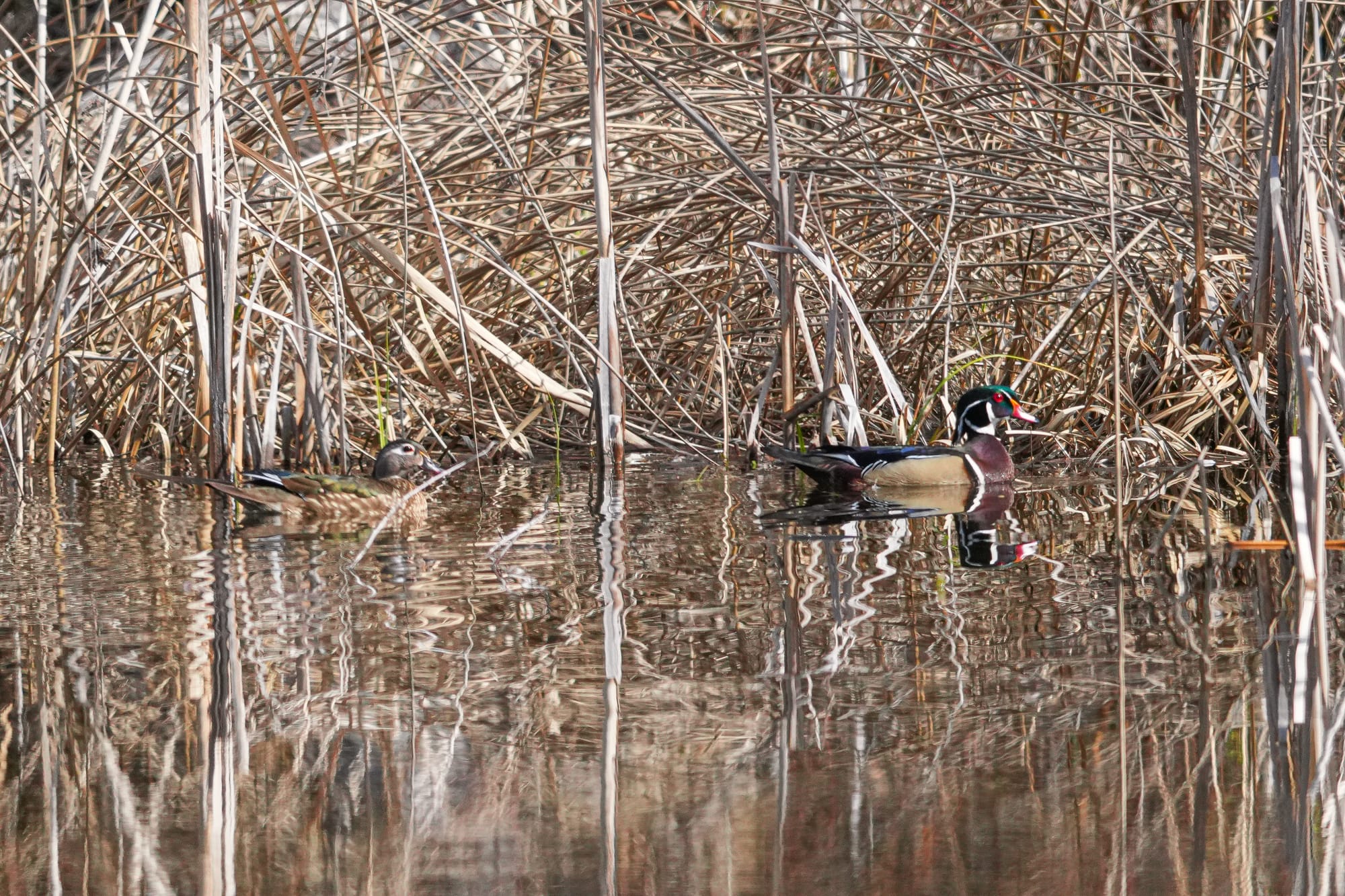
I don't know much about mule deer's seasonal movements, but I've been noticing lots of large groups lately. Photo by David LukasWood duck males will closely guard their mates until they lay their eggs. Photo by David Lukas
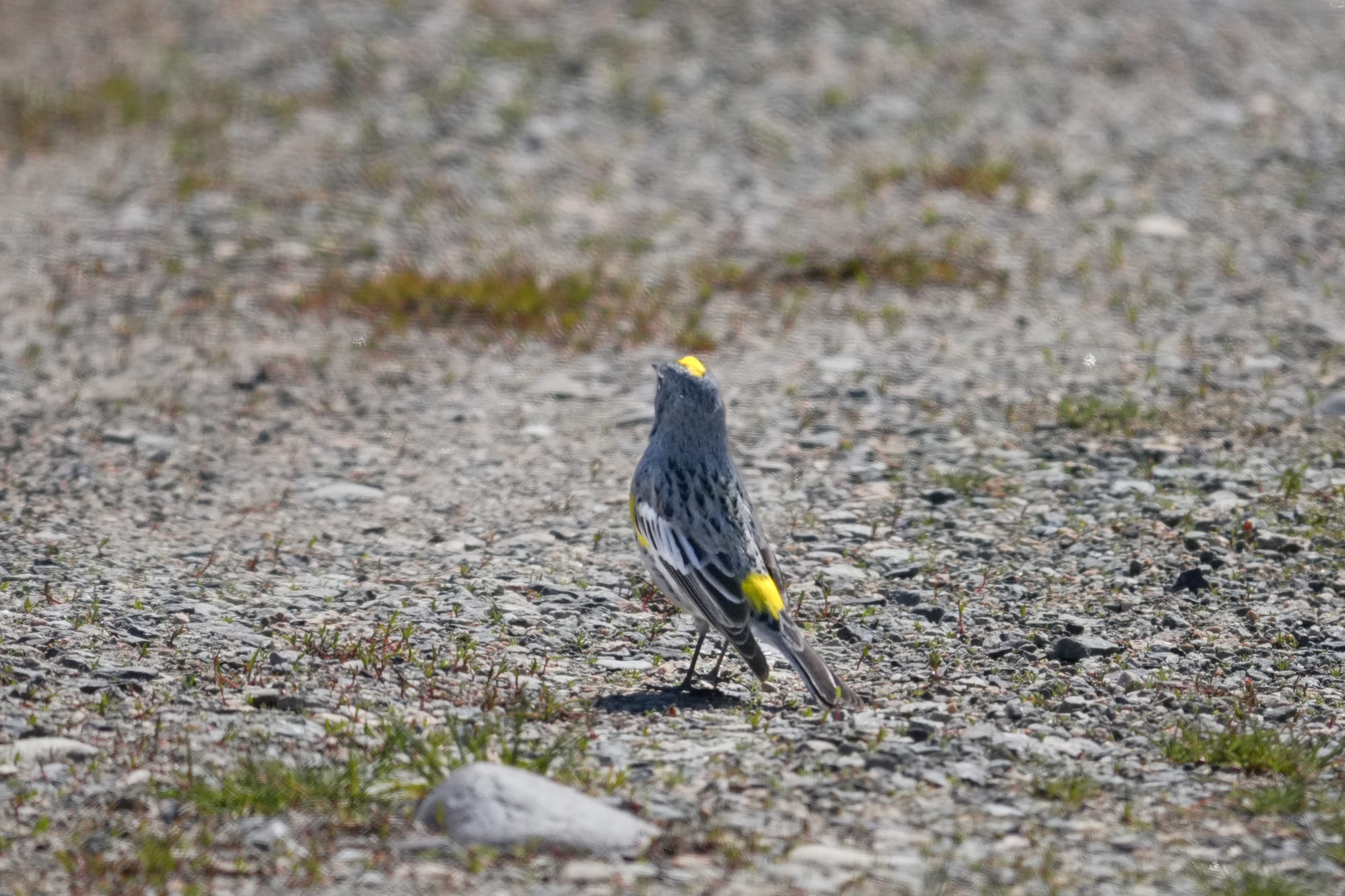
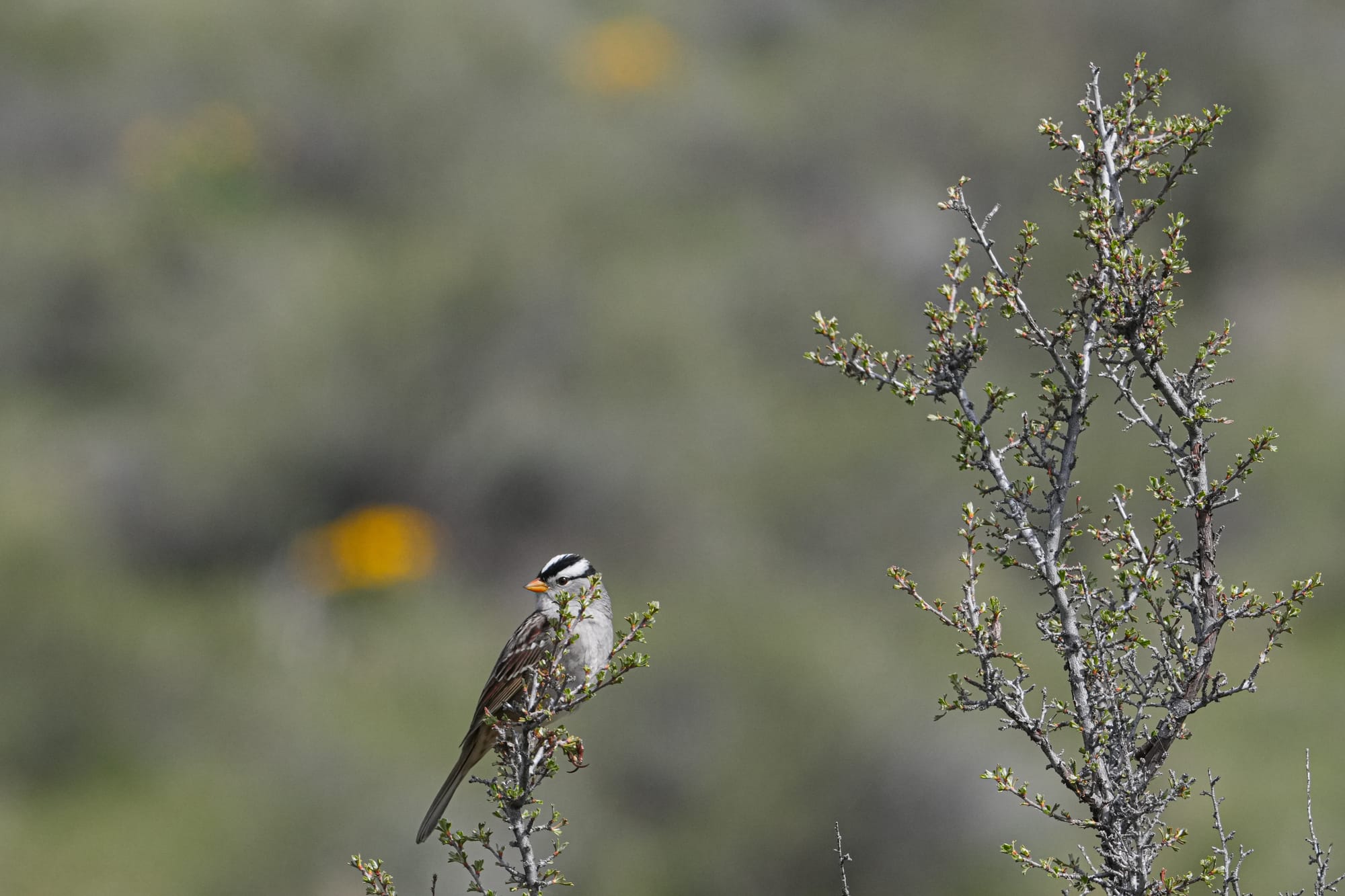
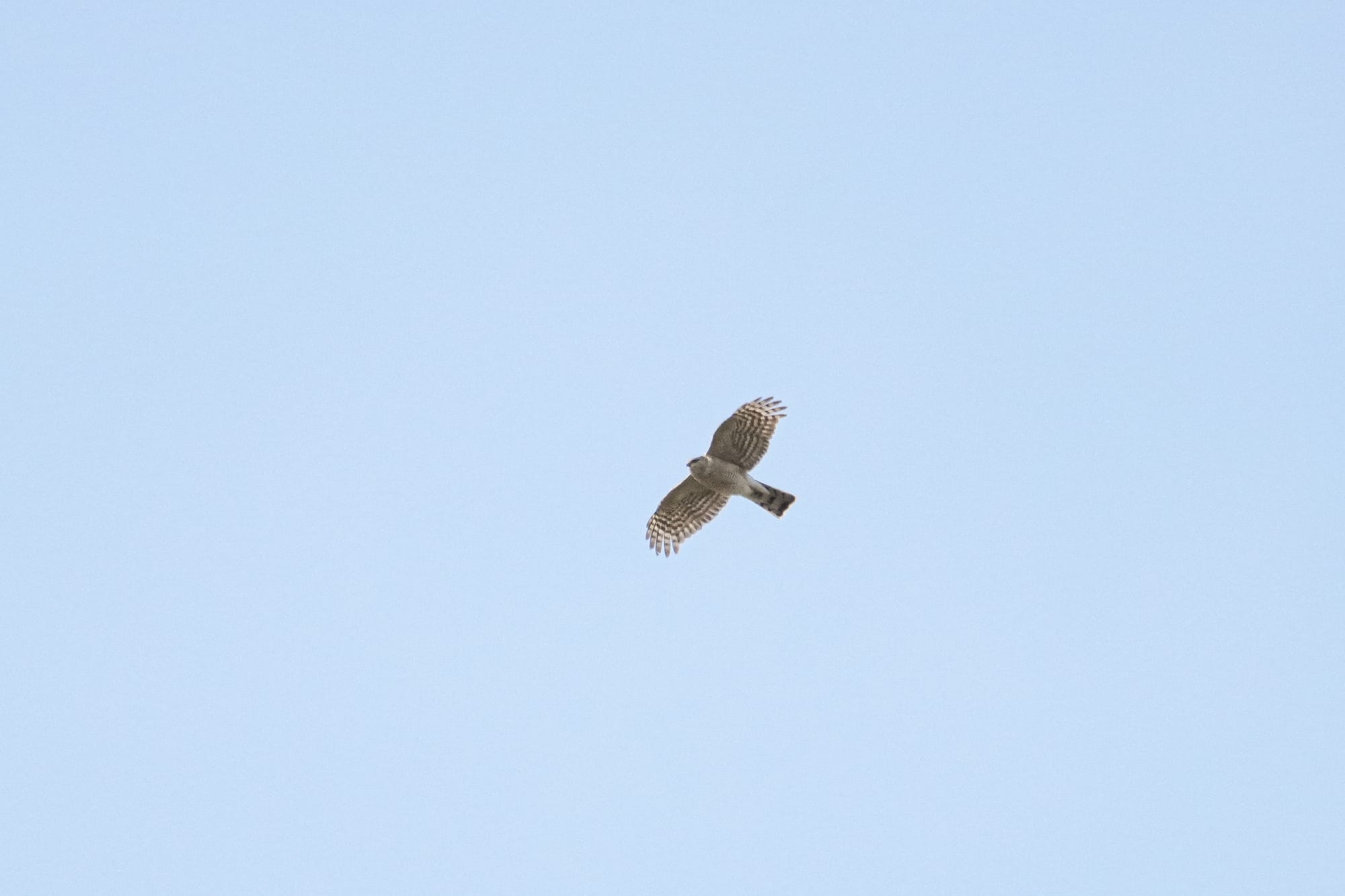
As part of the excitement, we're now seeing our first waves of migrating birds, with yellow-rumped warblers and white-crowned sparrows being some of the earliest and most conspicuous arrivals. On a more subtle level, I've also noticed an uptick in accipiters (mostly sharp-shinned and Cooper's hawks), which suggests that they're migrating as well, and I even spotted what looked like a rare black merlin zipping past me.
Have you been noticing the small, loosely organized groups of yellow-rumped warblers that arrived this week? Photo by David LukasSome years, we get large numbers of white-crowned sparrows congregating in the valley as they wait for snow to melt in the mountains. Photo by David LukasYou might spot sharp-shinned (with square tails) and Cooper's (with rounded tails) hawks circling overhead or streaking at high speed through your yard. Photo by David Lukas
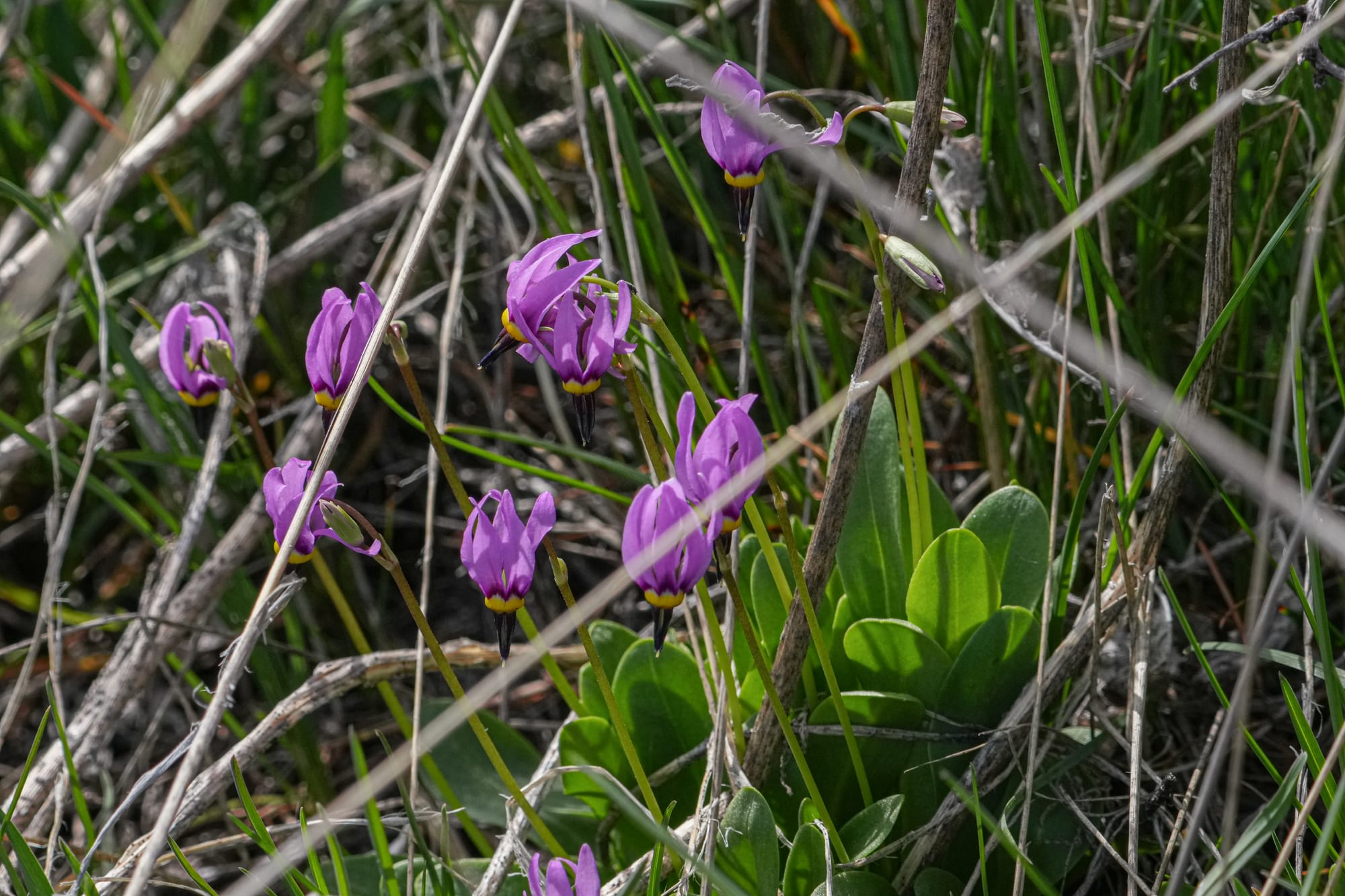
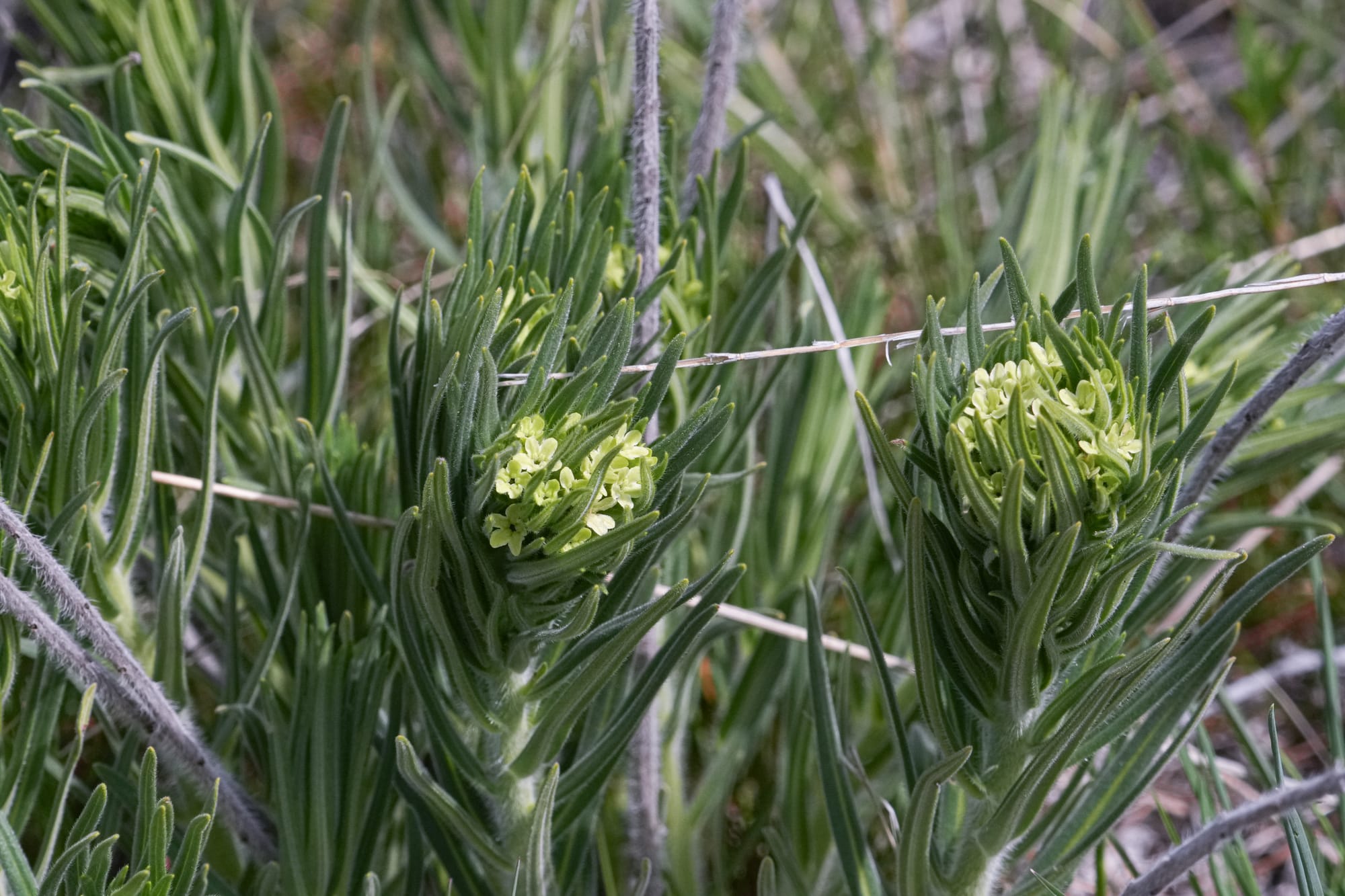
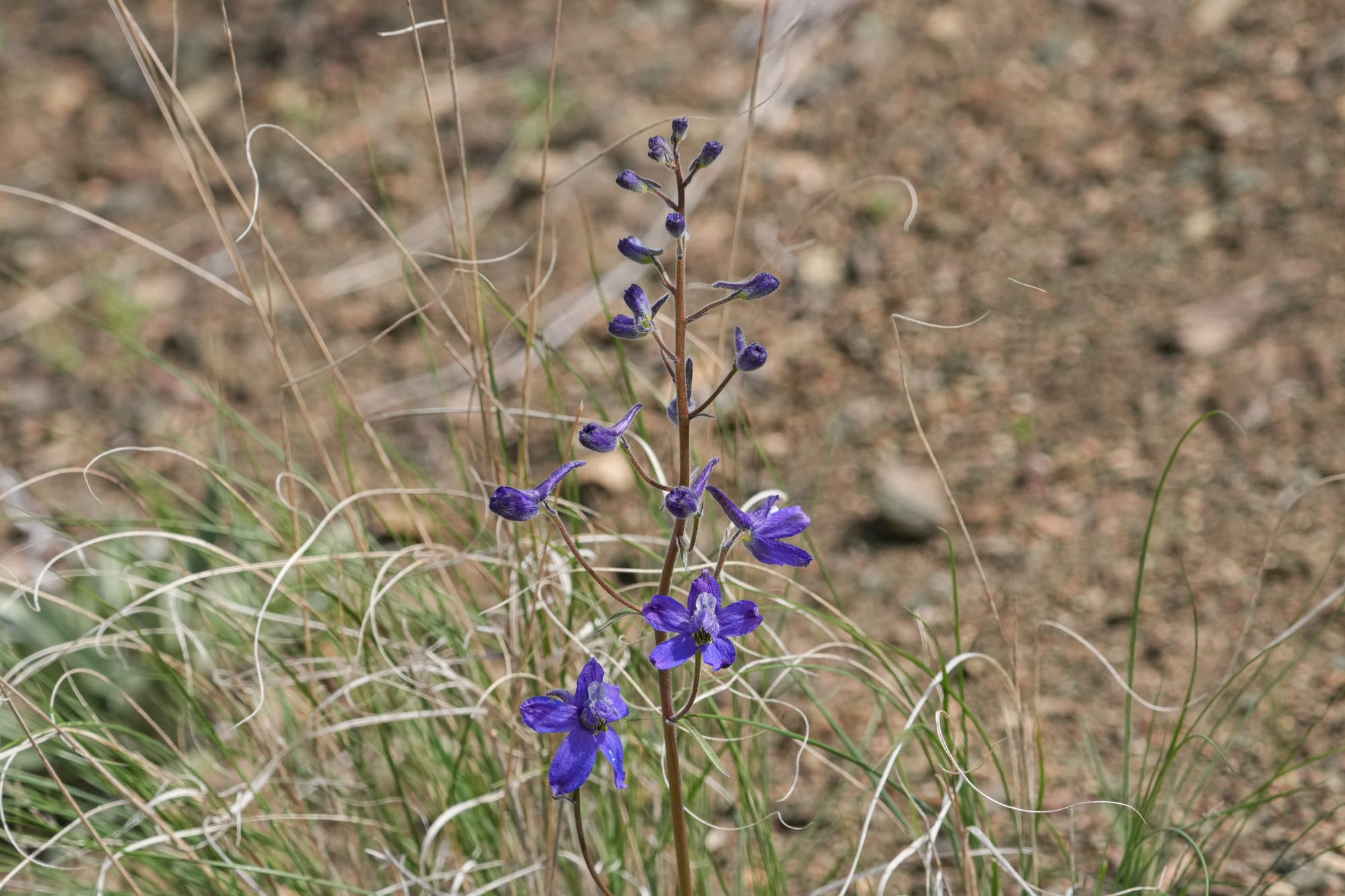
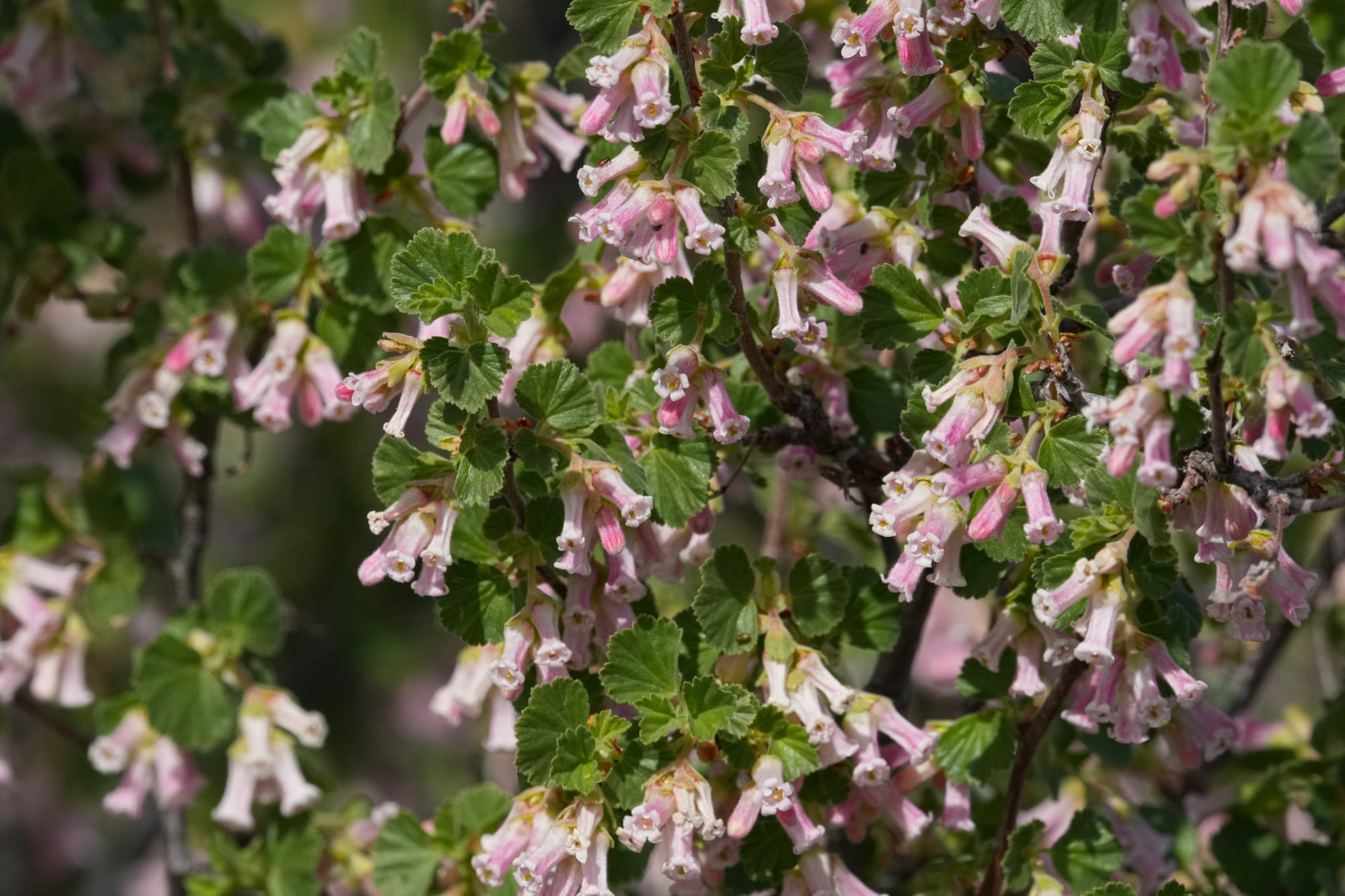
The first wave of spring flowers (sagebrush buttercup, yellow bell, bluebells, spring beauty, and prairie star) is now being joined by a rapidly expanding variety of other flowers, turning any walk in the shrub steppe habitat into a delightful outing. Some of the species in this second wave of flowers includes shooting stars, puccoon, larkspur, and wax currant.
Several species of shooting stars are common in the valley, but are generally found at scattered locations. Photo by David LukasPuccoon (Lithospermum ruderale) is a flower with an unusual color and look. Photo by David LukasUpland larkspurs (Delphinium nuttallianum) hide their nectar in long, upwardly curved spurs visited by specialized pollinators. Photo by David LukasWax currants (Ribes cereum) are an explosion of colorful flowers right now. Photo by David Lukas
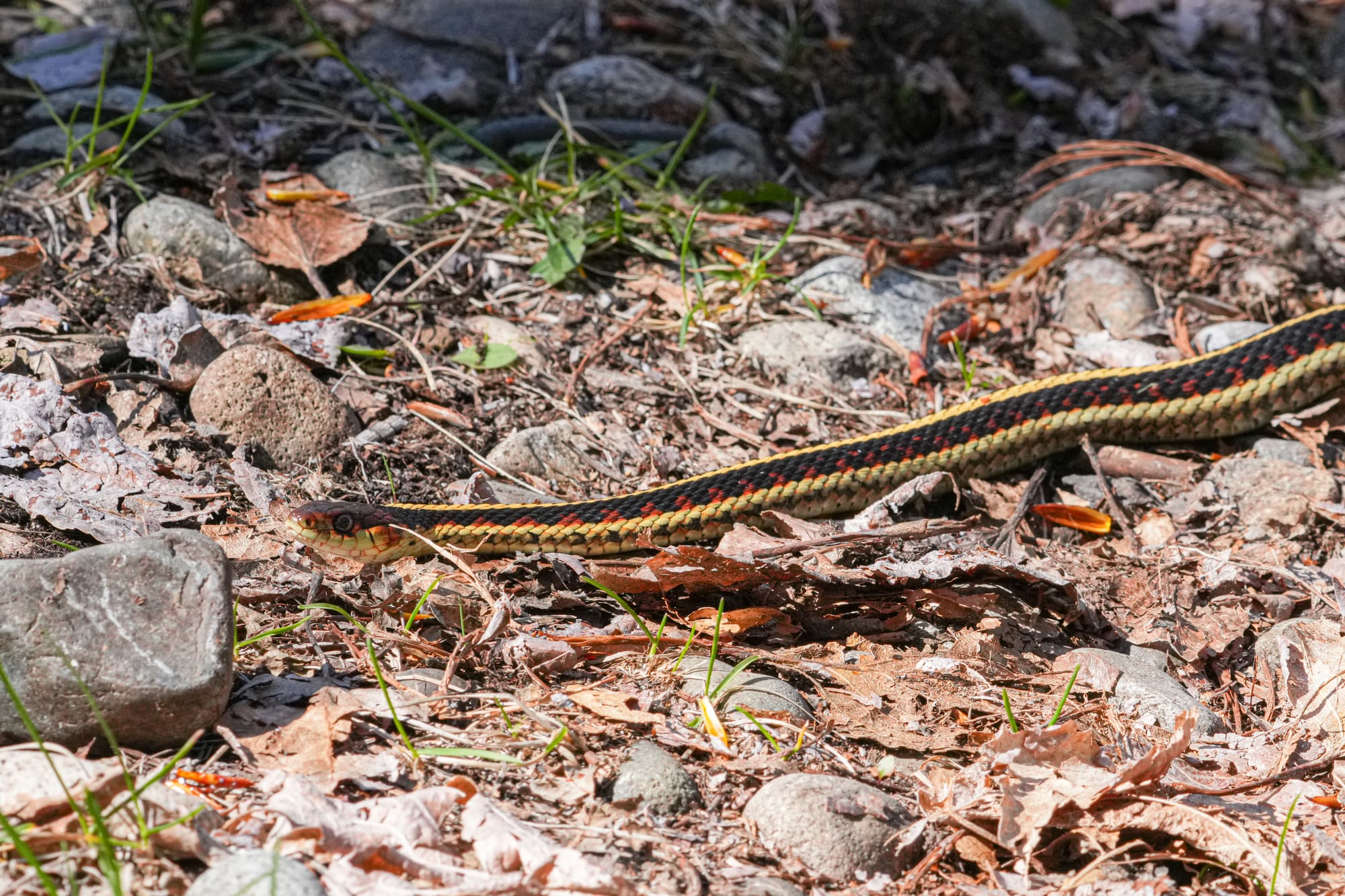
There's a lot more going on than just flowers and birds, with frogs singing and reptiles starting to make an appearance. I saw my first snake this week, but someone told me that they saw a rattlesnake on March 3, which would be very early, and other people have been seeing rubber boas.
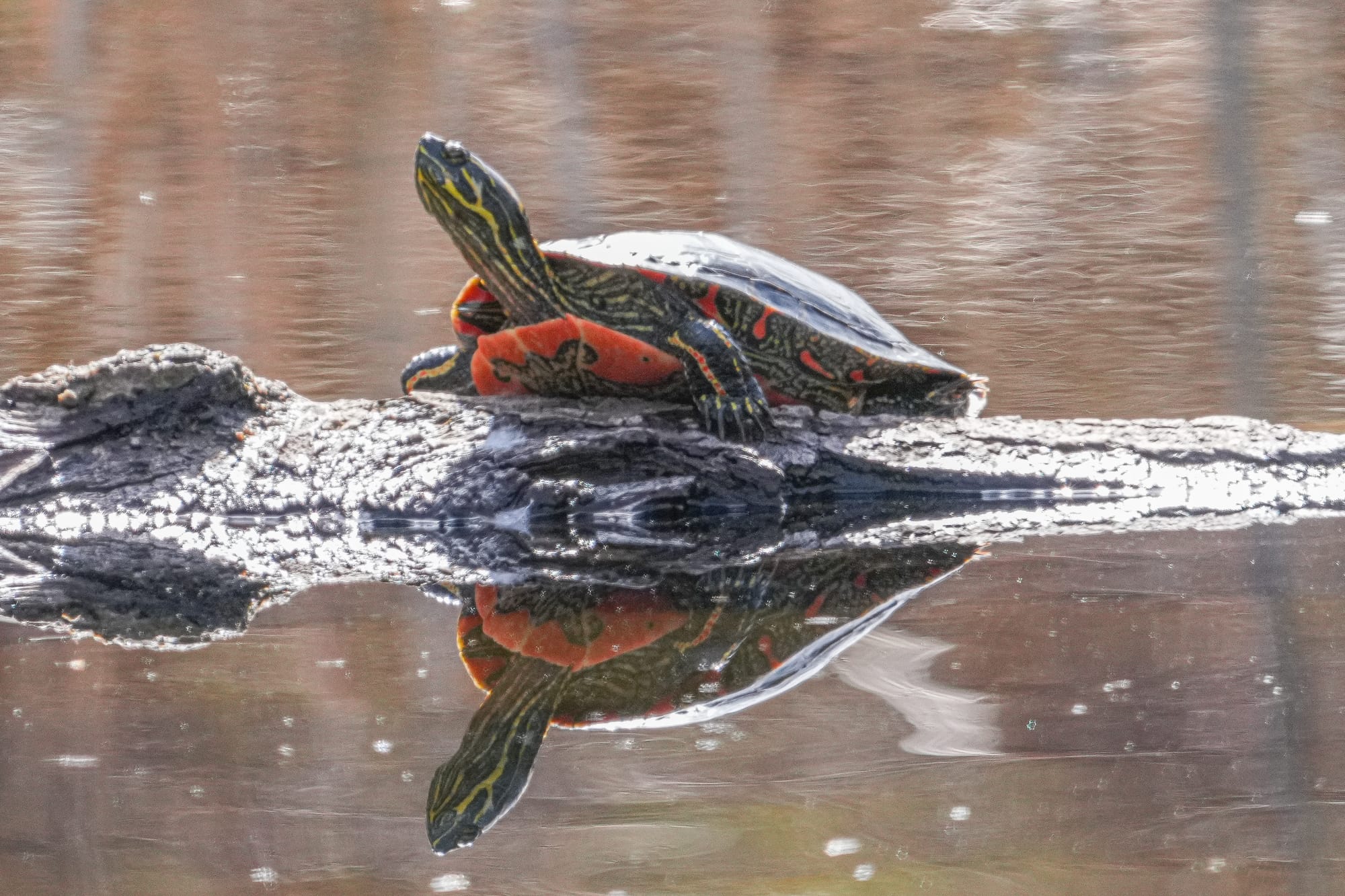
My first snake of the year was this gorgeous valley garter snake. Photo by David LukasWhen the water is this cold, it must be a relief to bask in the sun! Photo by David Lukas
Observation of the Week: Propolis
If you look closely at the leaf buds and early leaves of cottonwood trees, you'll notice that they are all shiny and glistening in the sun. This shininess is due to propolis.
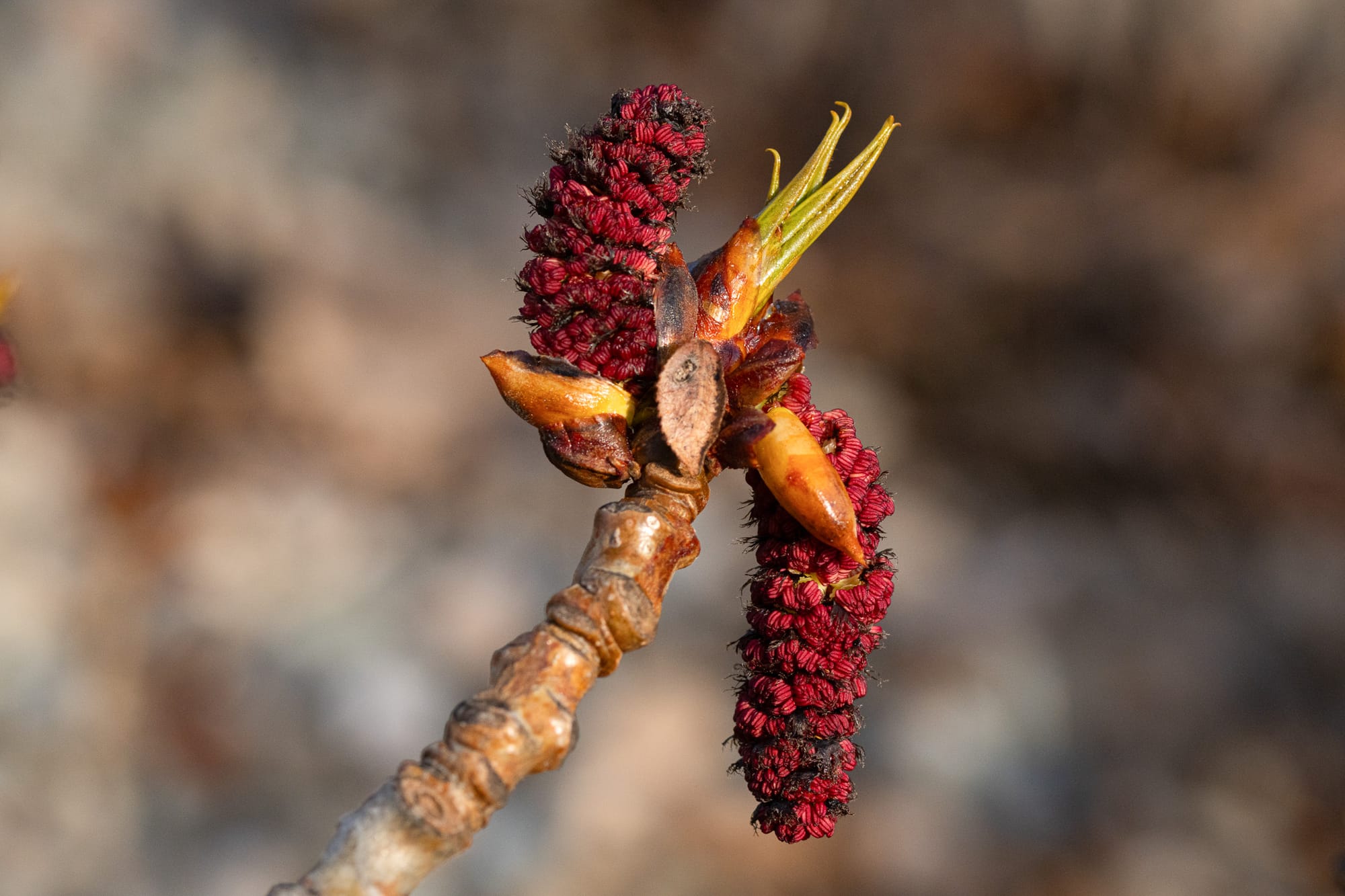
Cottonwood catkins alongside newly emerging leaves. Photo by David Lukas
You might be familiar with propolis as a product that's sold in health food stores, but it's actually a complex natural substance with an important ecological role.
"Raw propolis typically consists of approximately 50% resins, 30% wax, 10% essential oils, 5% pollen, and 5% various organic compounds. The chemical composition of propolis includes substances from several major groups of compounds, such as polyphenols, benzoic acids and their derivatives, cinnamic alcohol, cinnamic acid and its derivatives, sesquiterpenes, triterpenic hydrocarbons, benzaldehyde derivatives, alcohols, ketones, heteroaromatic compounds, terpenic and sesquiterpenic alcohols with their derivatives, aliphatic hydrocarbons, minerals, sterols, sterolic hydrocarbons, sugars, and amino acids." Glevitzky et al.
Propolis has powerful antimicrobial and antifungal properties that help protect tender young plant tissues from being attacked by bacteria, fungi, yeasts, and herbivores.
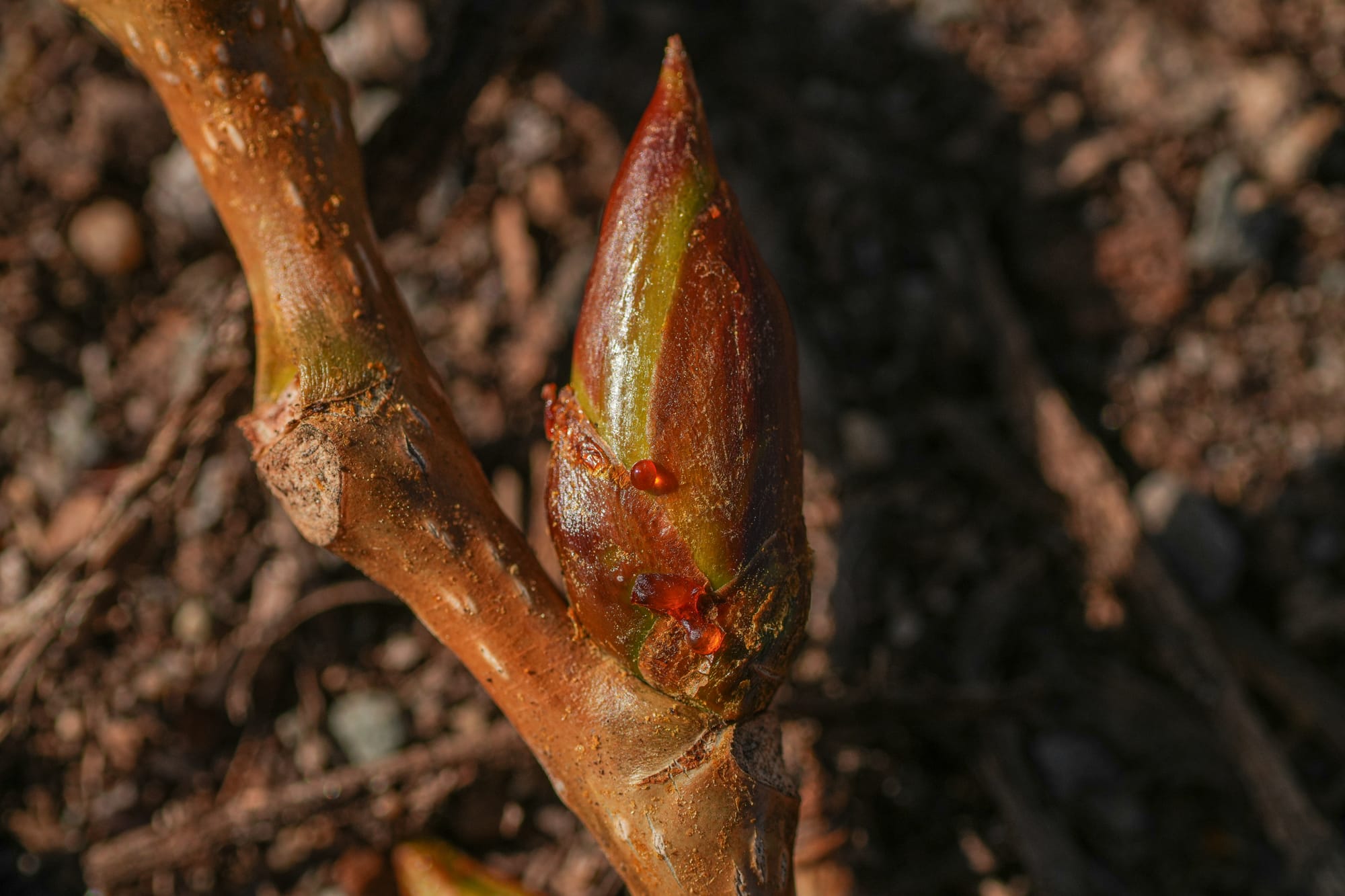
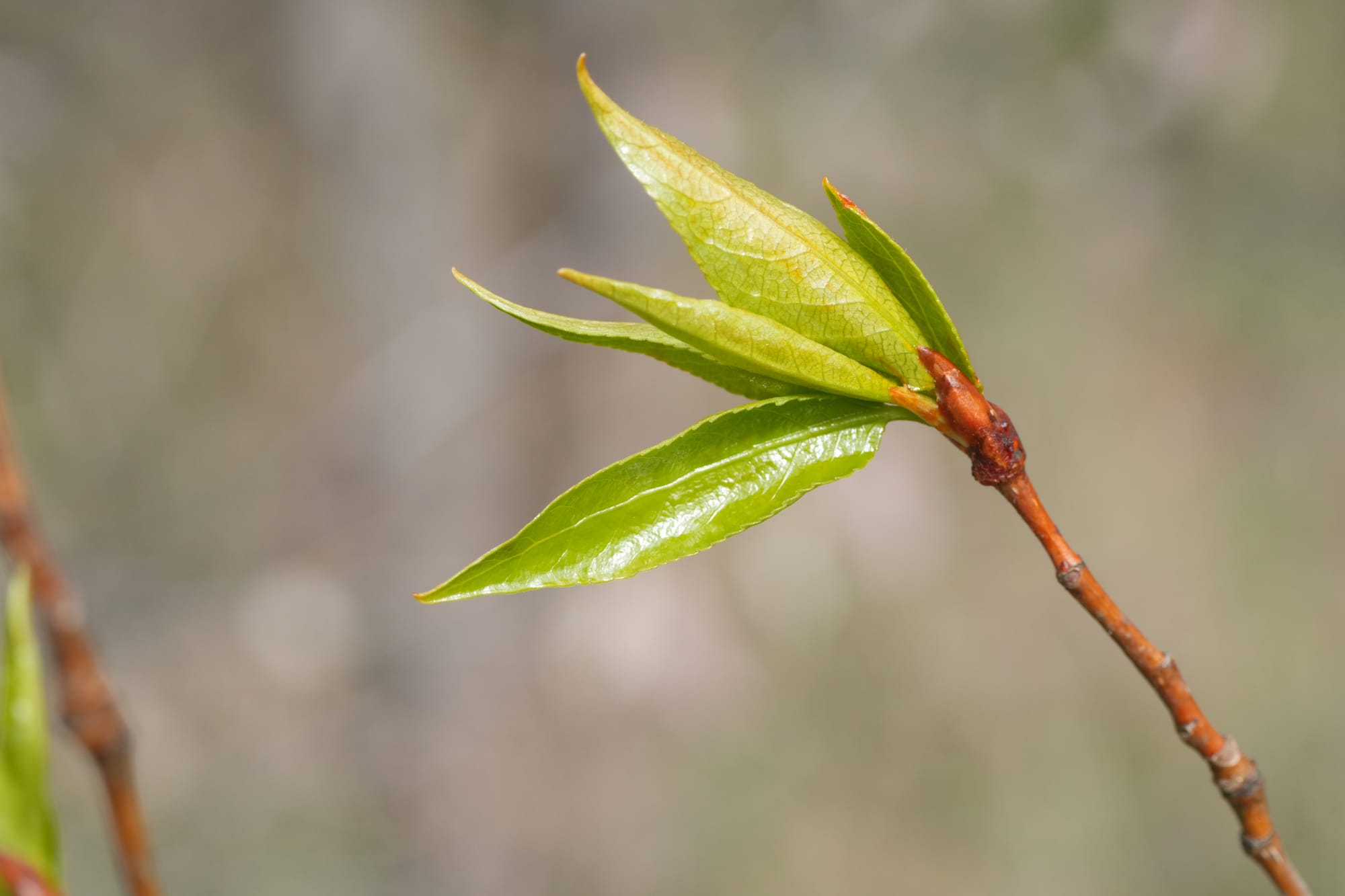
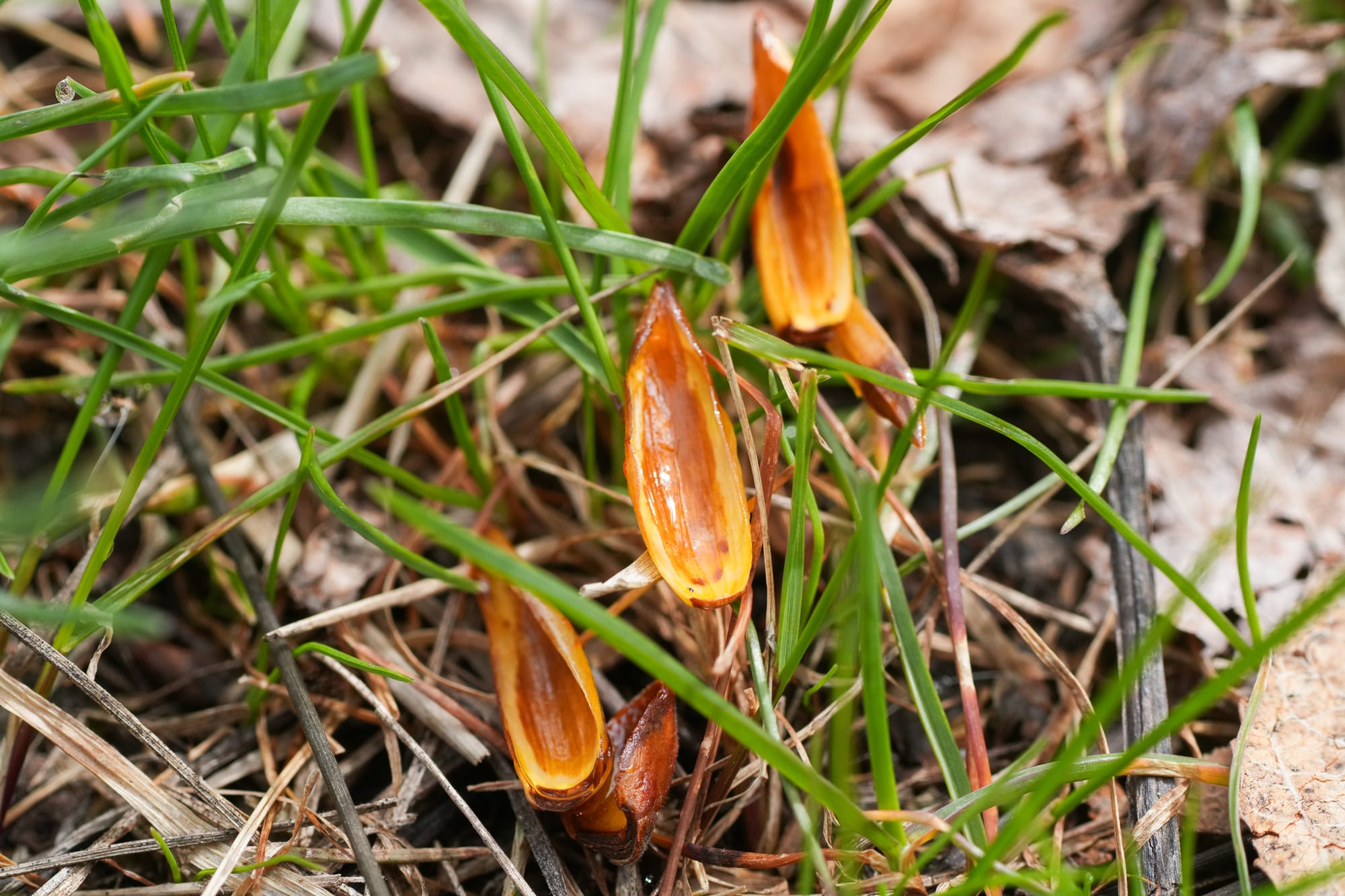
Notice the beads of amber-like propolis on these cottonwood leaf scales. Photo by David LukasThe leaf scales fall off as new leaves emerge, but even young leaves are protected by a shiny coat of propolis. Photo by David Lukas
Humans have been collecting and using propolis as a health supplement since ancient times, while bees collect propolis and mix it with wax to help control bacterial and fungal outbreaks in their nests.
After cottonwood leaves emerge, the propolis-coated scales that protected the leaf bud fall on the ground. Photo by David Lukas
One thing you'll notice about propolis is that it's also very sticky and after a walk along the river you might come home with cottonwood leaf scales sticking to the soles of your shoes!
🌟
The Nature Notes newsletter is a valuable community service supported entirely by your generous donations and paid subscriptions. If you haven't already, please help support the newsletter today!!! Thank you, and please share the newsletter with other folks.
This is a great time to remind folks that I've created 12 videos exploring the natural history of common Methow Valley wildflowers. You can check out the species I've covered so far on my YouTube playlist.