Change Is In the Air
February 22-28, 2026

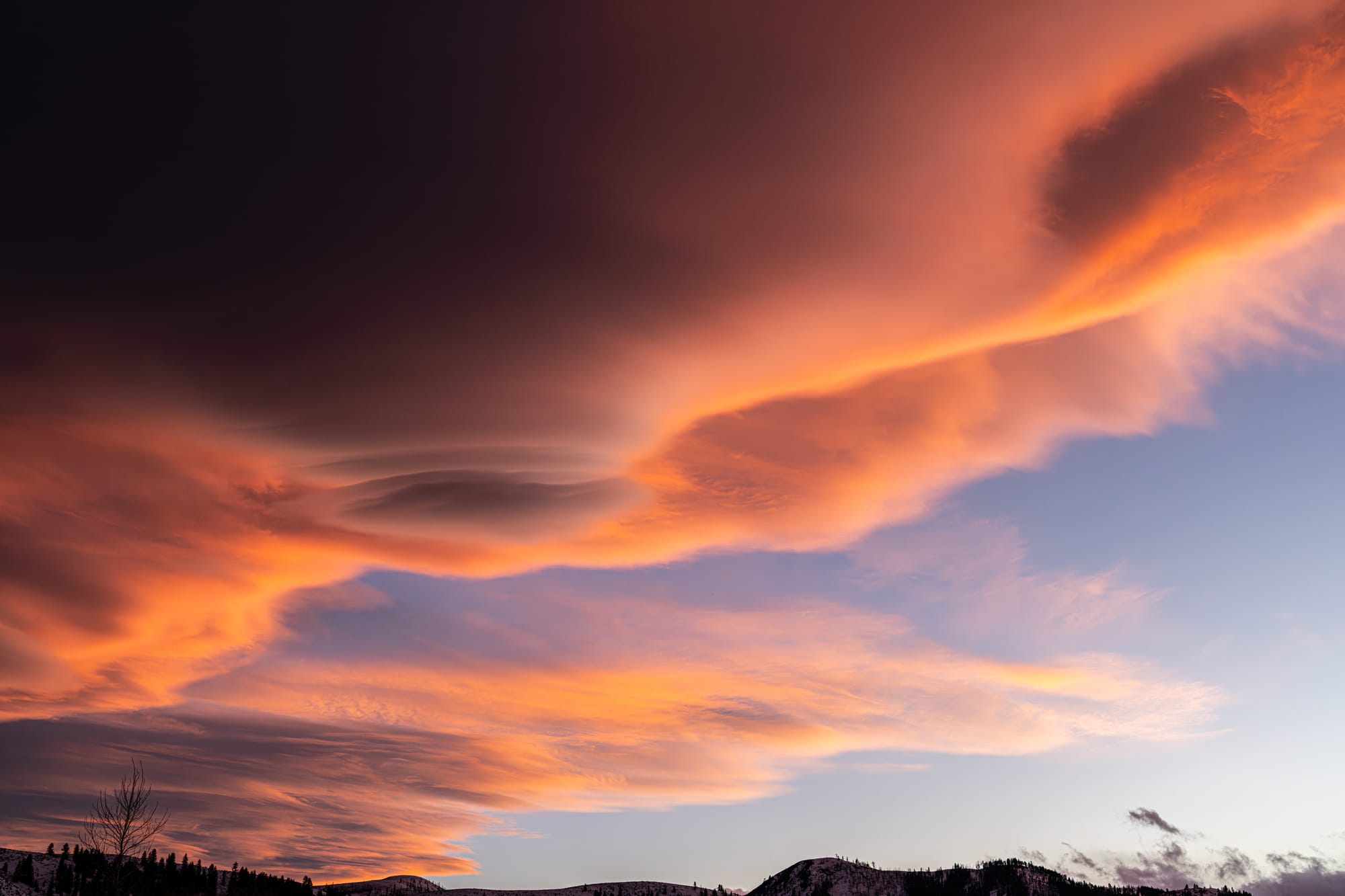
The transition from late winter into early spring may be a fickle time, but this was the first week that truly felt like winter was on its way out.
Week in Review
This week's forecast was for snow and rain every day, but something switched, and we ended up instead with a long succession of warm, sunny days. This might not be great in terms of needing more water in the system, but boy, did it make a difference in terms of how things are feeling.
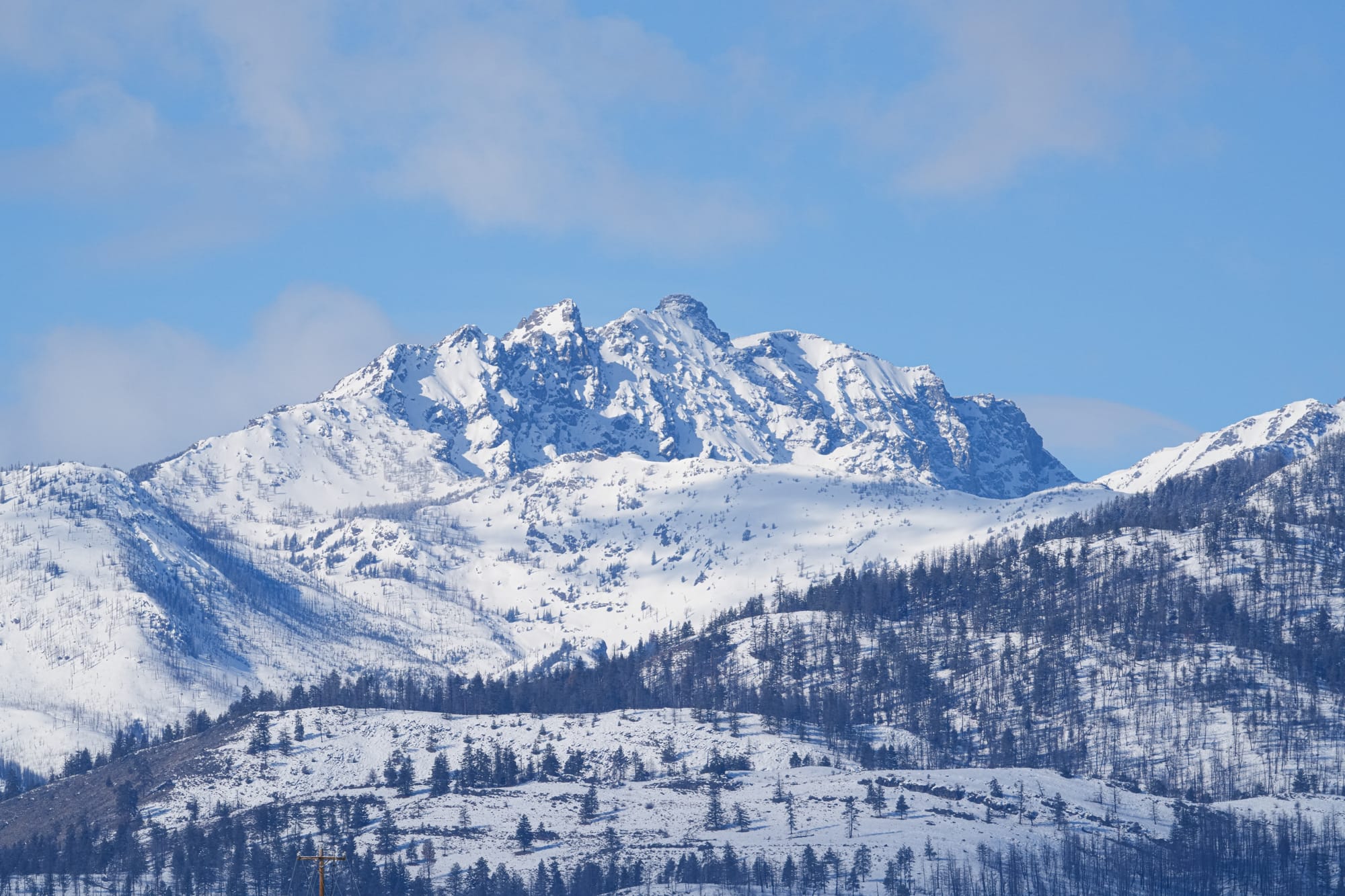
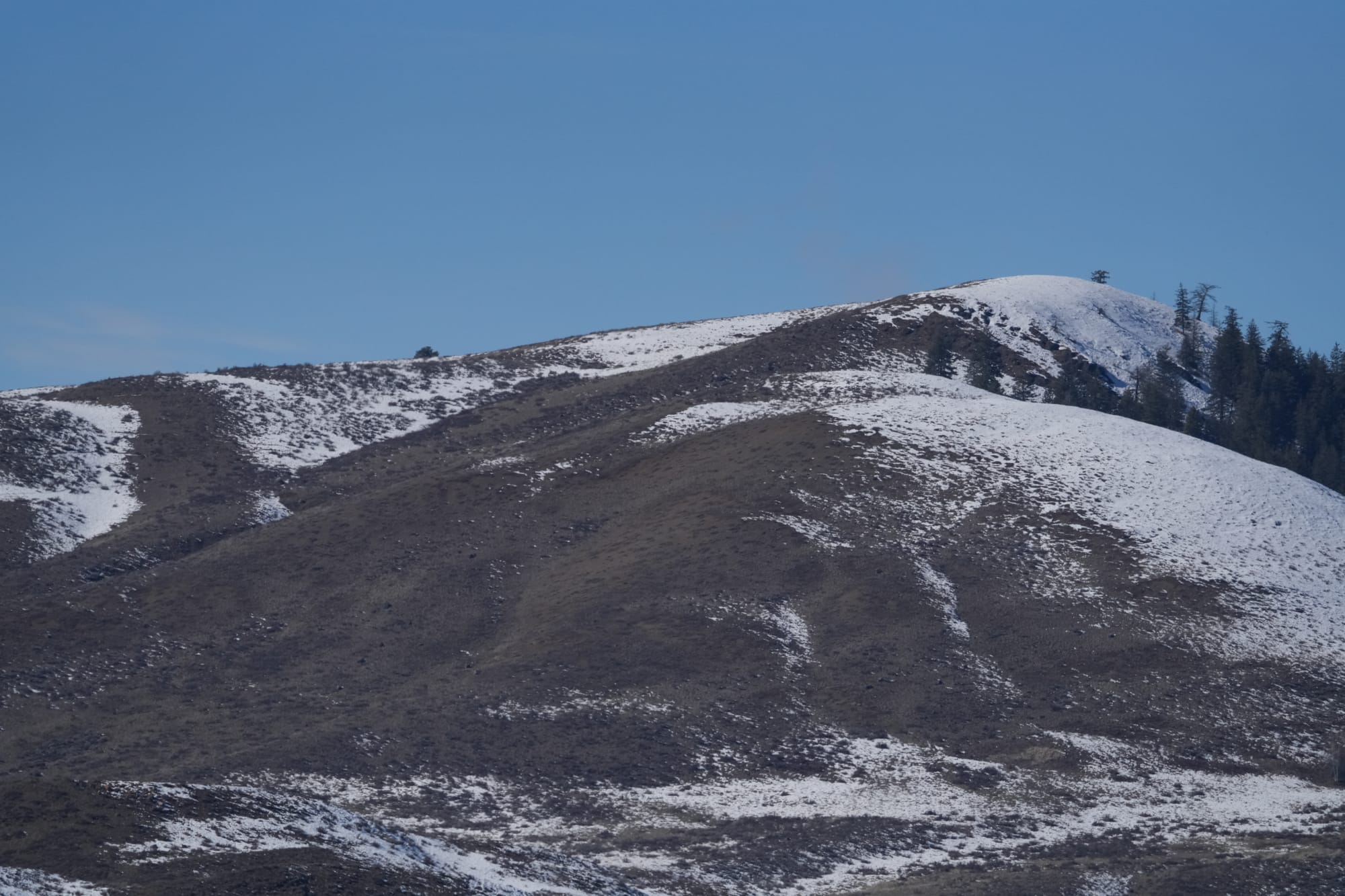
These two images capture the mercurial nature of this year's winter: Deep snow at high elevations on Gardner Mountain, and bare hills around the valley, including Lewis Butte. Photos by David Lukas
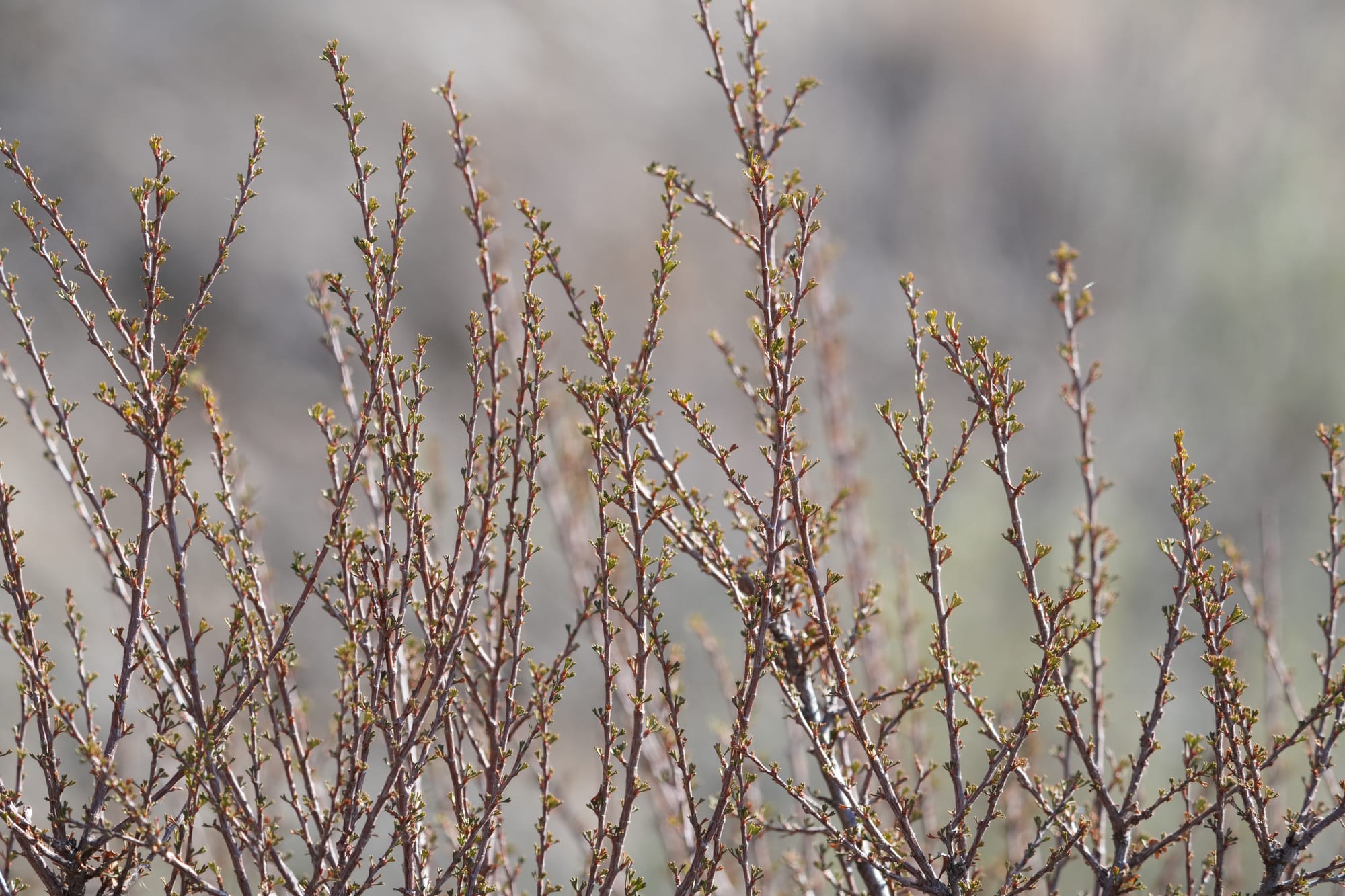
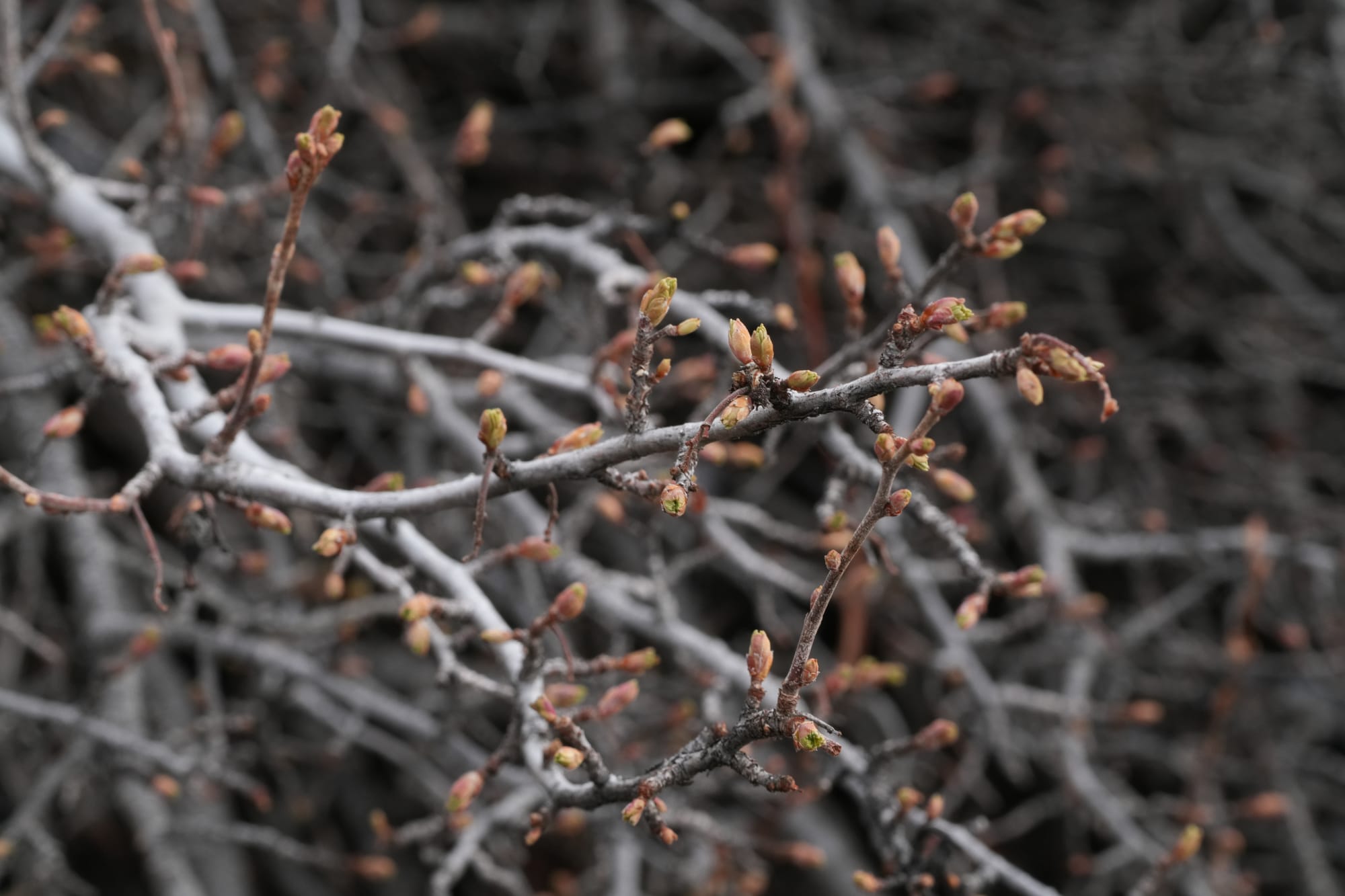
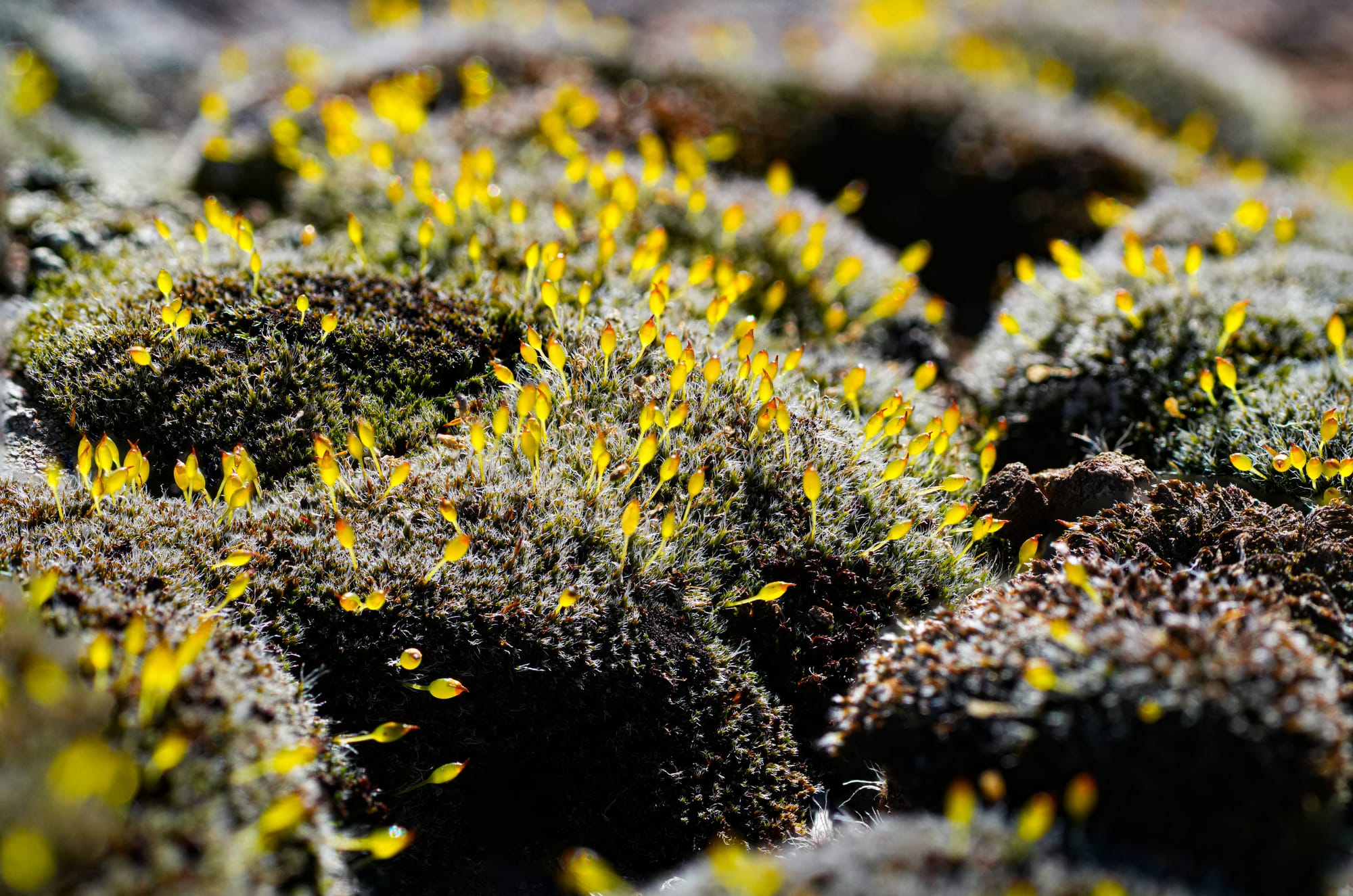
One of the notable changes this week was the sudden appearance of leaf buds on shrubs and trees, plus new sprouts carpeting the ground (more on this below). This is a risky time for these tender new tissues because warm days encourage growth, but freezing temperatures could kill these vulnerable tissues. If warm, sunny days continue, expect to see a lot more new leaves over the next couple of weeks.
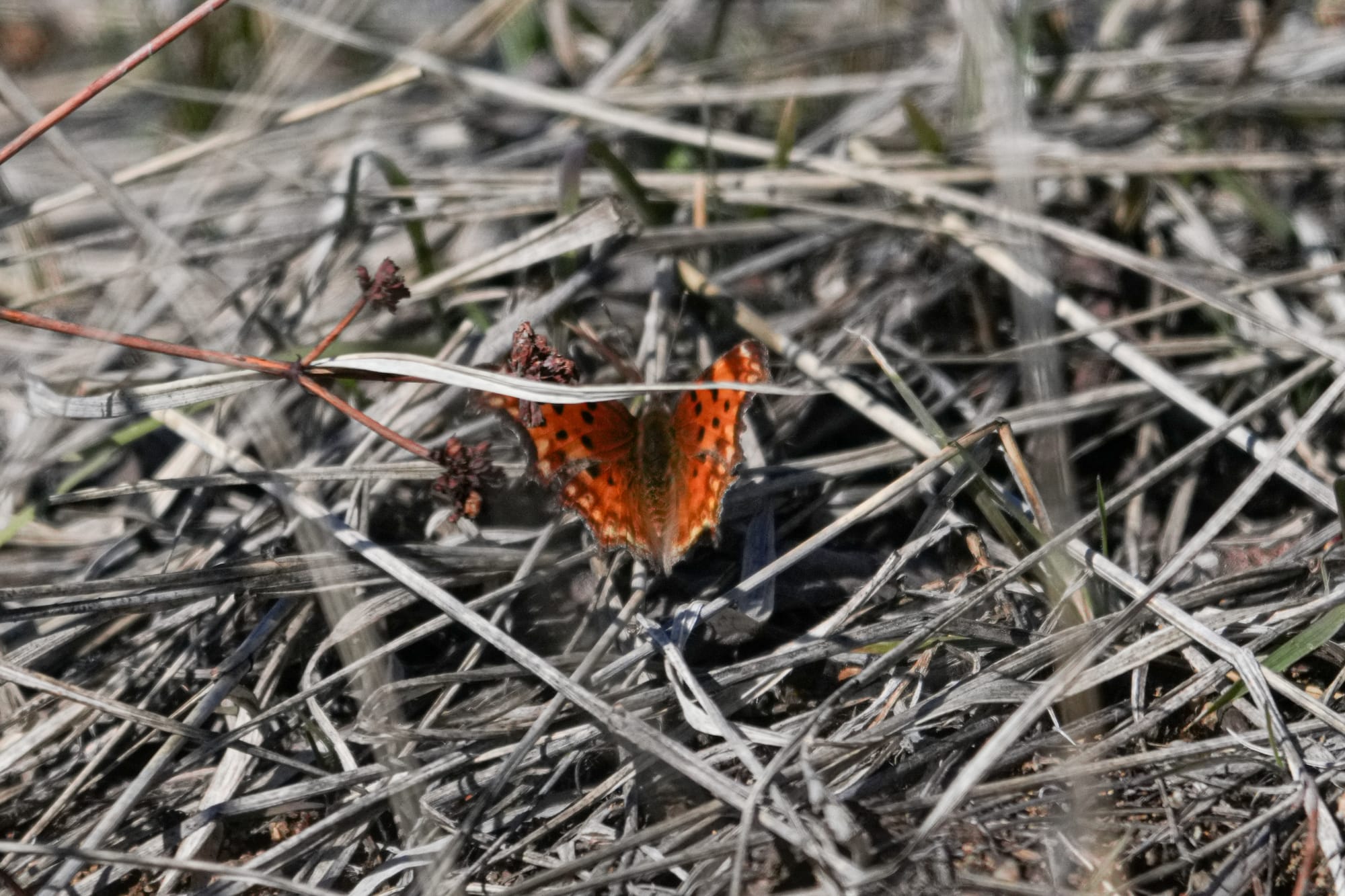
In a sure sign of the changing seasons, I also spotted my first butterfly of the year this week. It was a fleeting glimpse, but with all these sunny, warm days, there are assuredly more butterflies and more species flying around. Some early butterflies to look for include mourning cloaks and tortoiseshells.
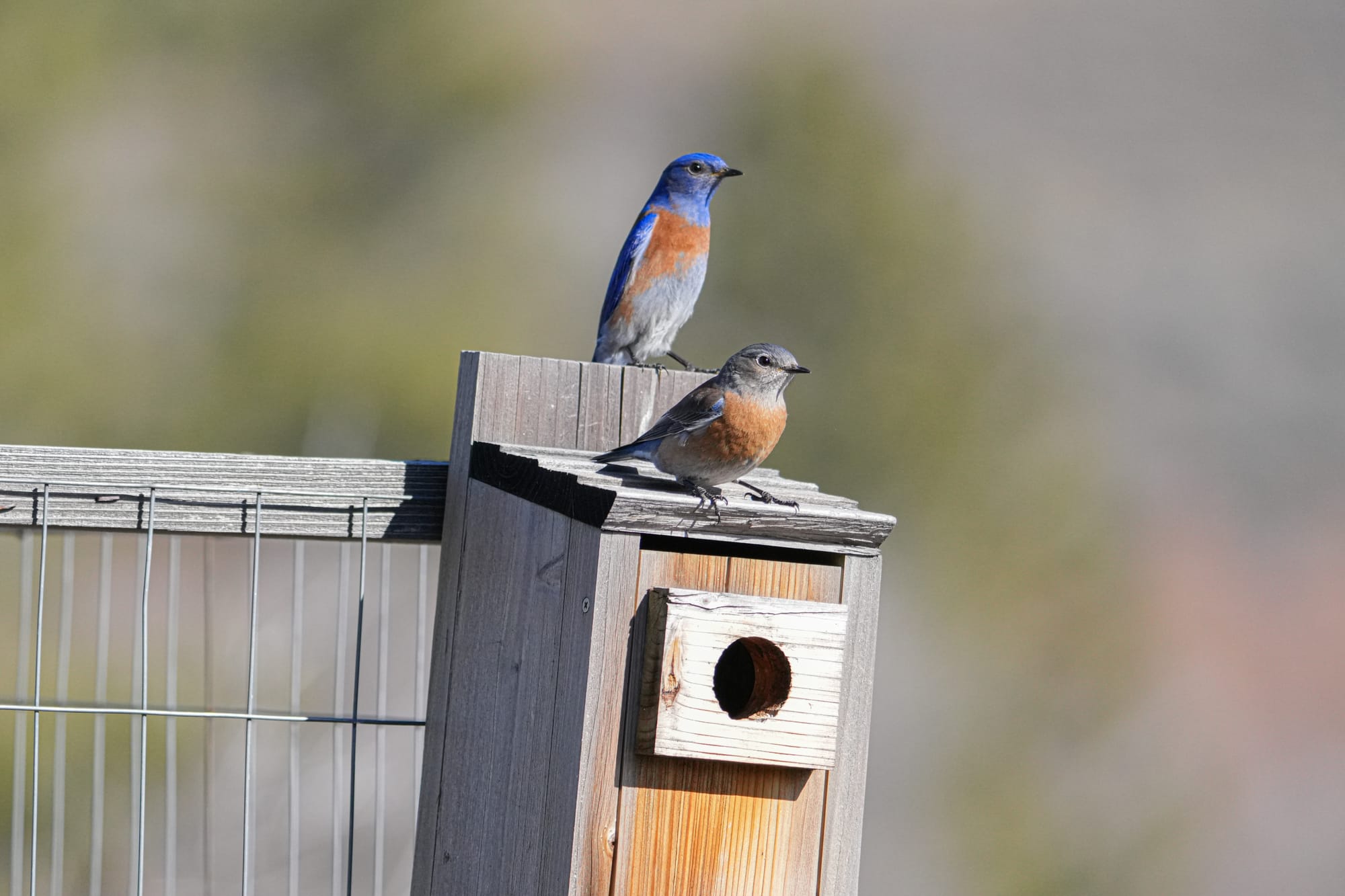
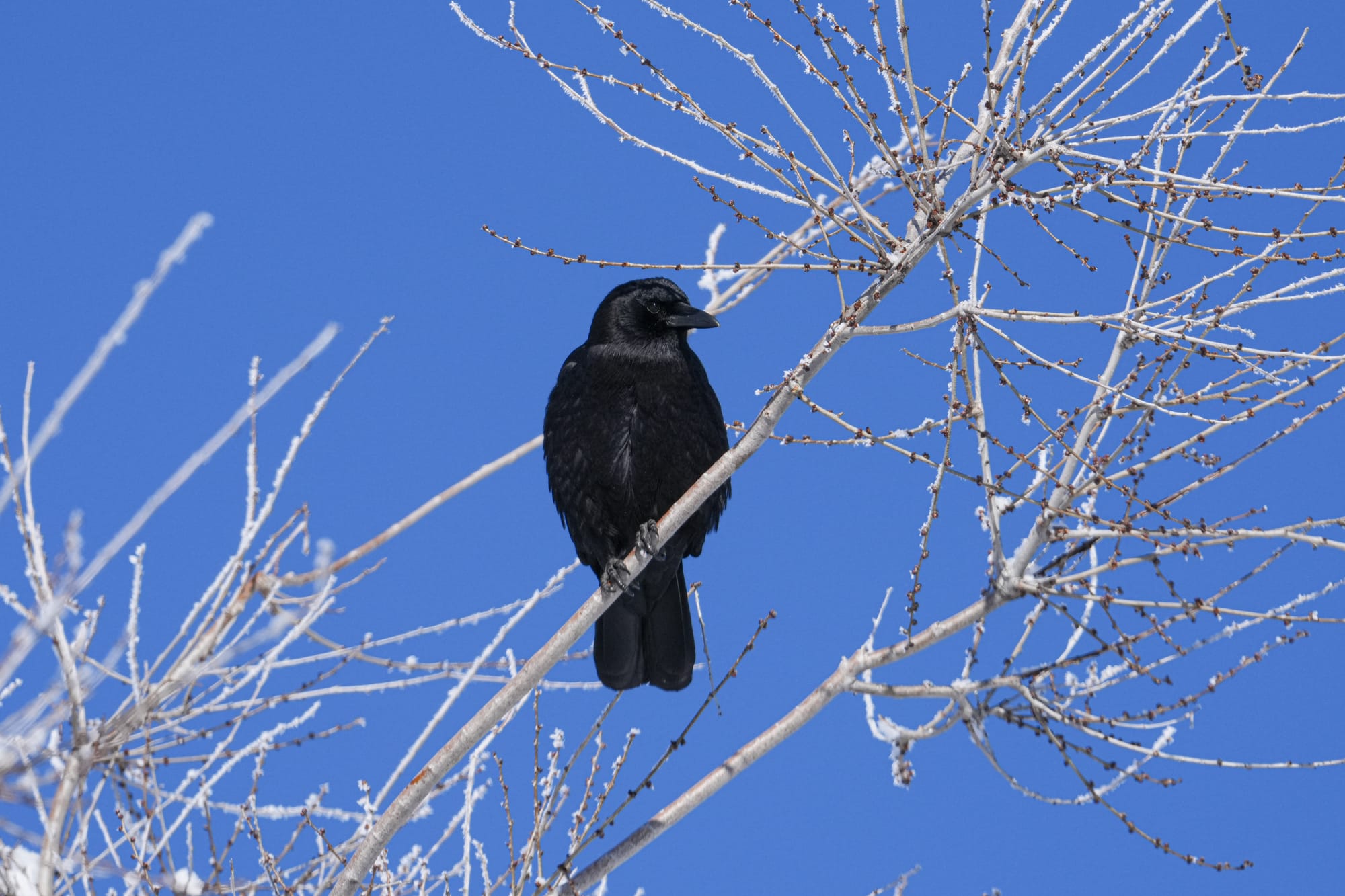
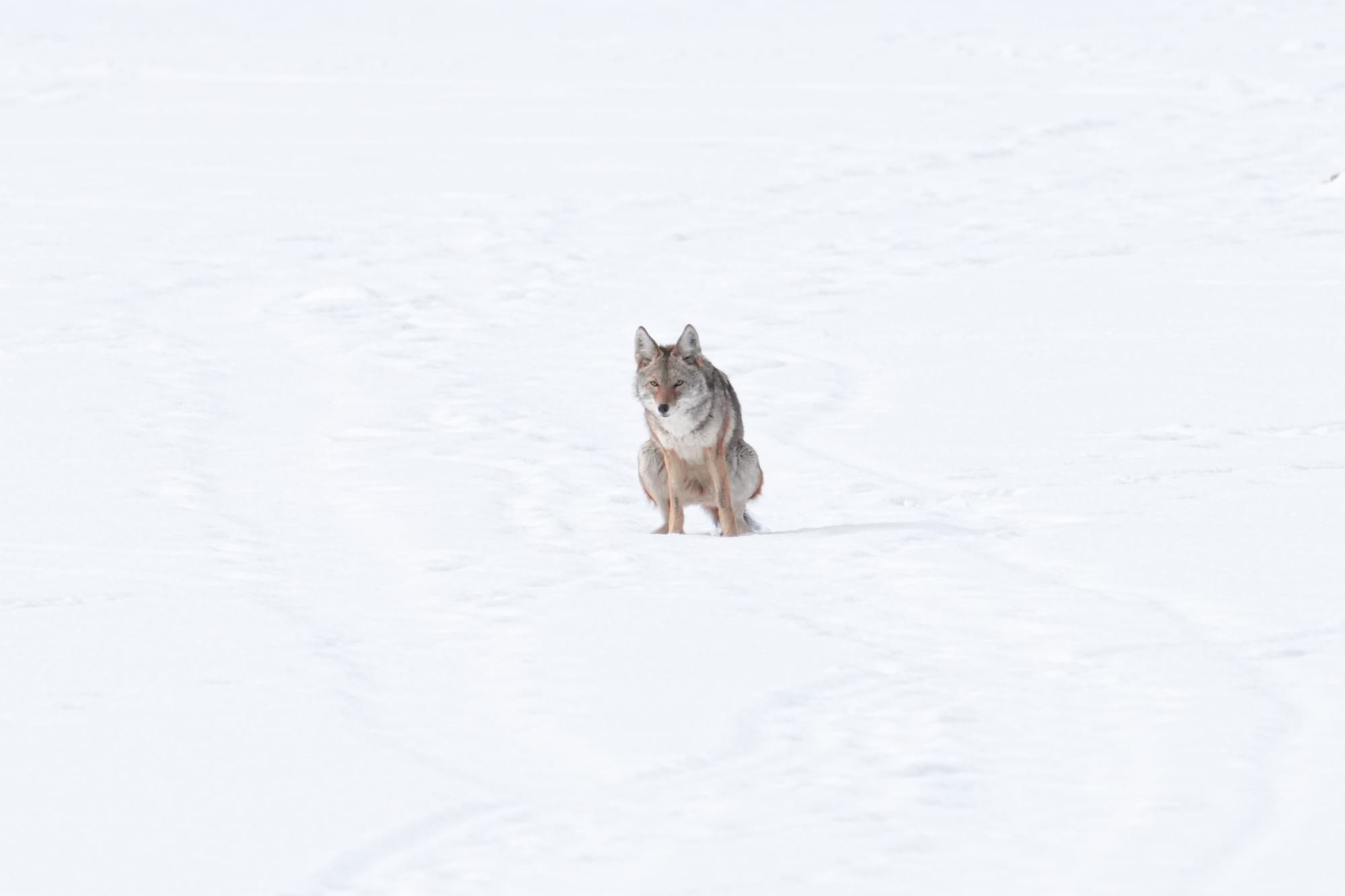
Many other changes are in the air: clouds of midges, western bluebirds and black-capped chickadees checking out nestboxes, noisy crows, and the coyote breeding season, to name just a few of many examples.
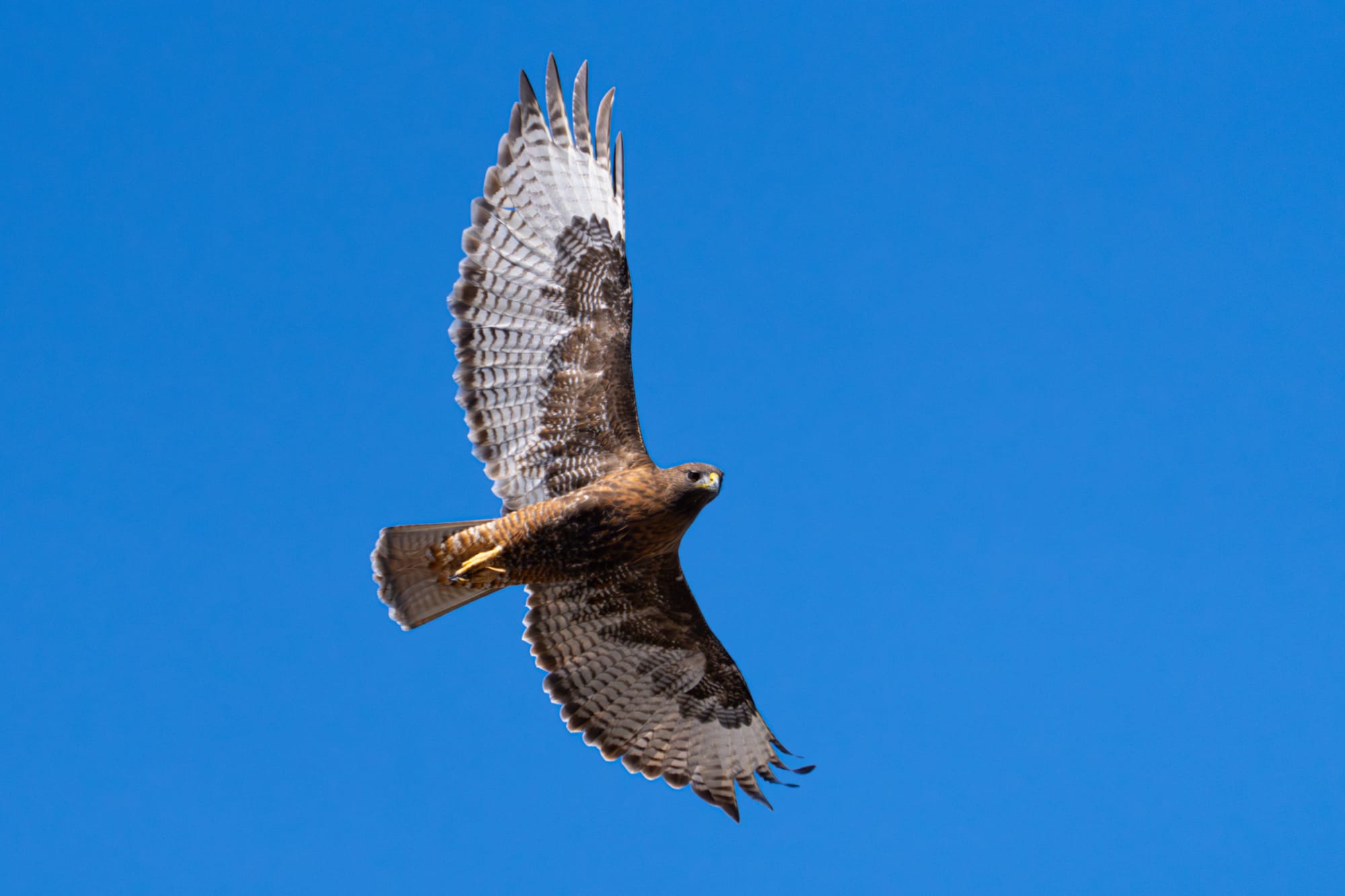
Finally, I think the exuberant spirit of the changing seasons is best captured in the free-wheeling flights of red-tailed hawks. These birds seem especially alive on a sunny day after a long winter, and you can't help but feel your heart soar as they circle overhead.
Side Note: Turkeys Underfoot
Turkeys have been in the news recently because the town of Winthrop is tired of dealing with these birds and wants WDFW to do something about them. While people have a range of, often very strong, opinions about turkeys, the reality is that these birds don't belong here, and they are ecologically destructive.
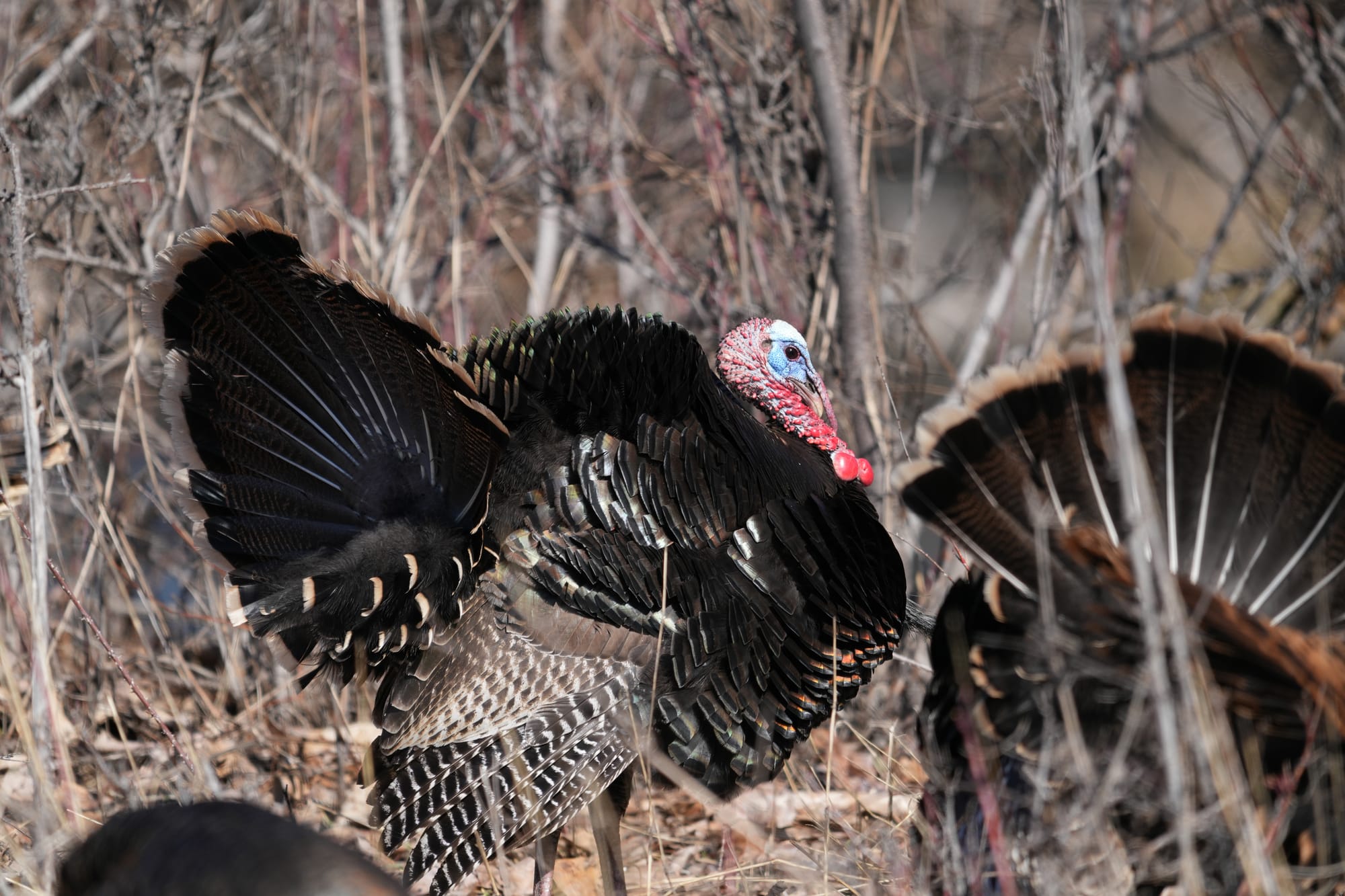
I have over 20 years of experience with fish and wildlife agencies doing the same thing in the Sierra Nevada: introducing these nonnative birds with utter disregard for local communities and the ecological damage they cause. I'm sure this same story is being repeated in communities all over the American West.
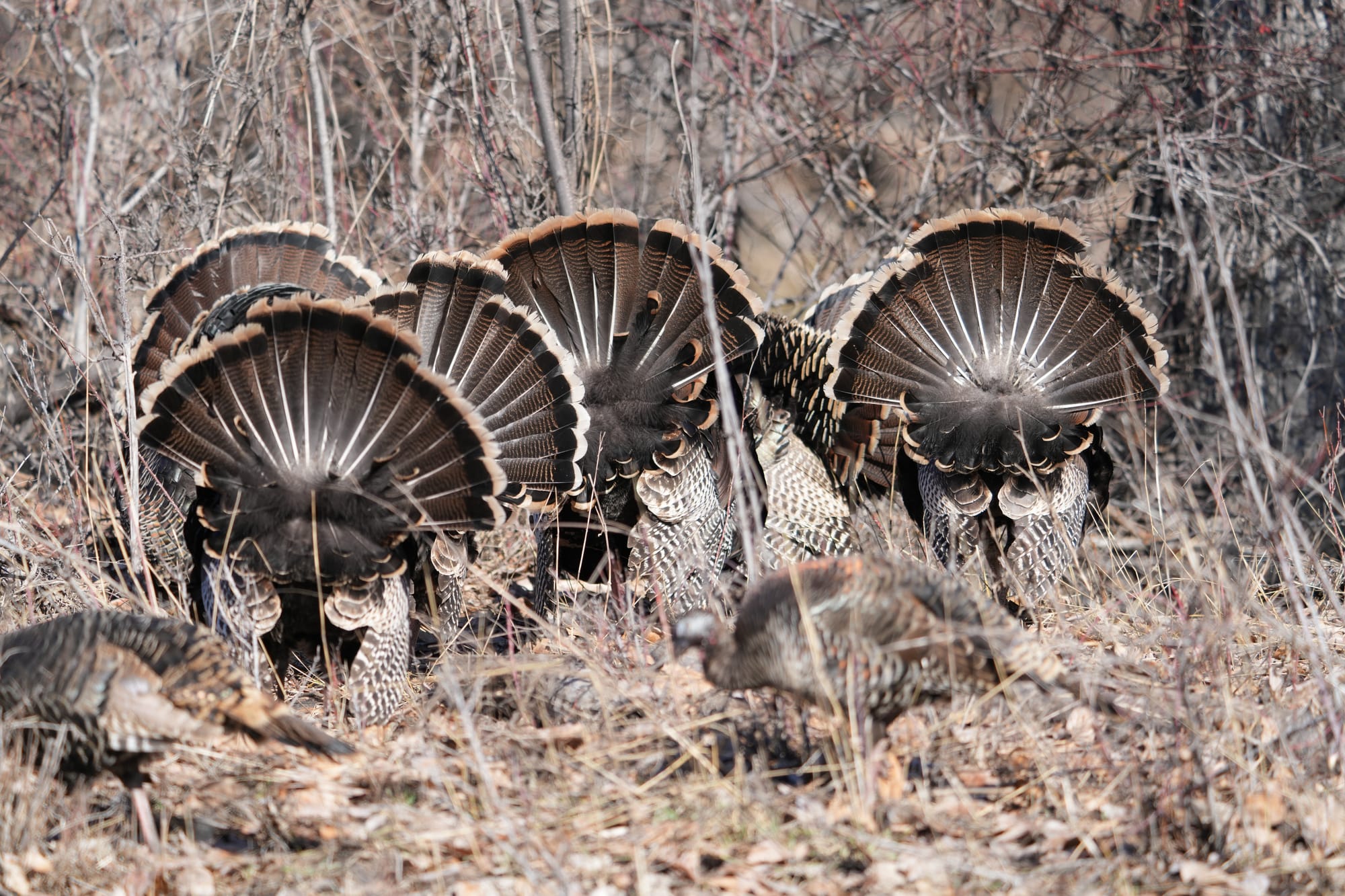
Once introduced, wild turkeys breed prolifically until they're underfoot and a widespread nuisance. Even worse, fish and wildlife agencies protect these birds as "game" species, which leaves little recourse for controlling their numbers beyond a limited hunting season.
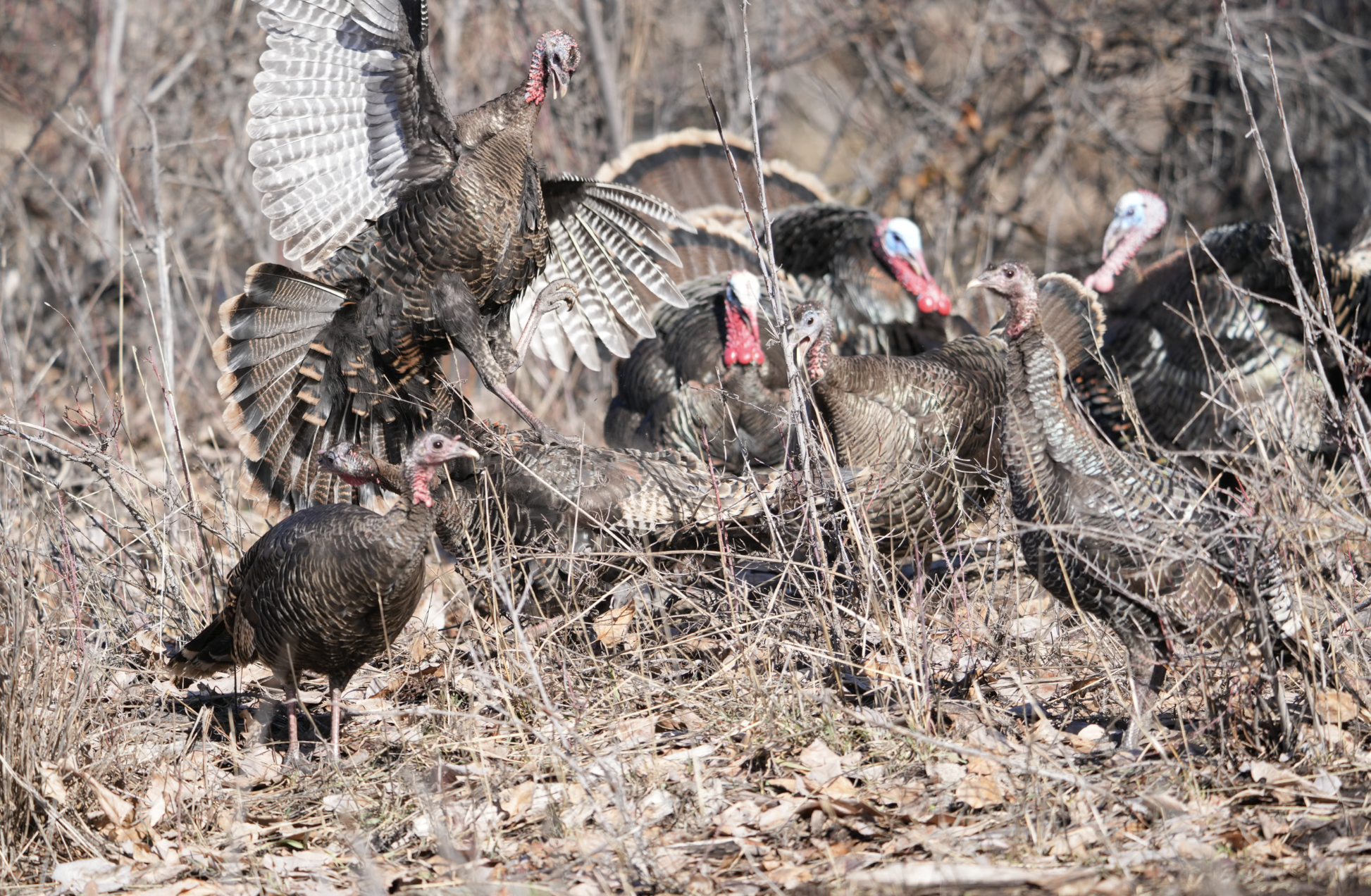
I love turkeys because they are goofy, charismatic birds with bright colors and fascinating vocalizations. But I also detest turkeys because they are vacuum cleaners that strip the landscape of lizards, snakes, insects, bird eggs, seedlings, and more. Yes, some people enjoy hunting wild turkeys, but in my opinion, these birds have no place in the Methow Valley.
Observation of the Week: Seed Leaves
The ground is carpeted in new seedlings right now, so it's worth taking a moment to look at seed leaves.
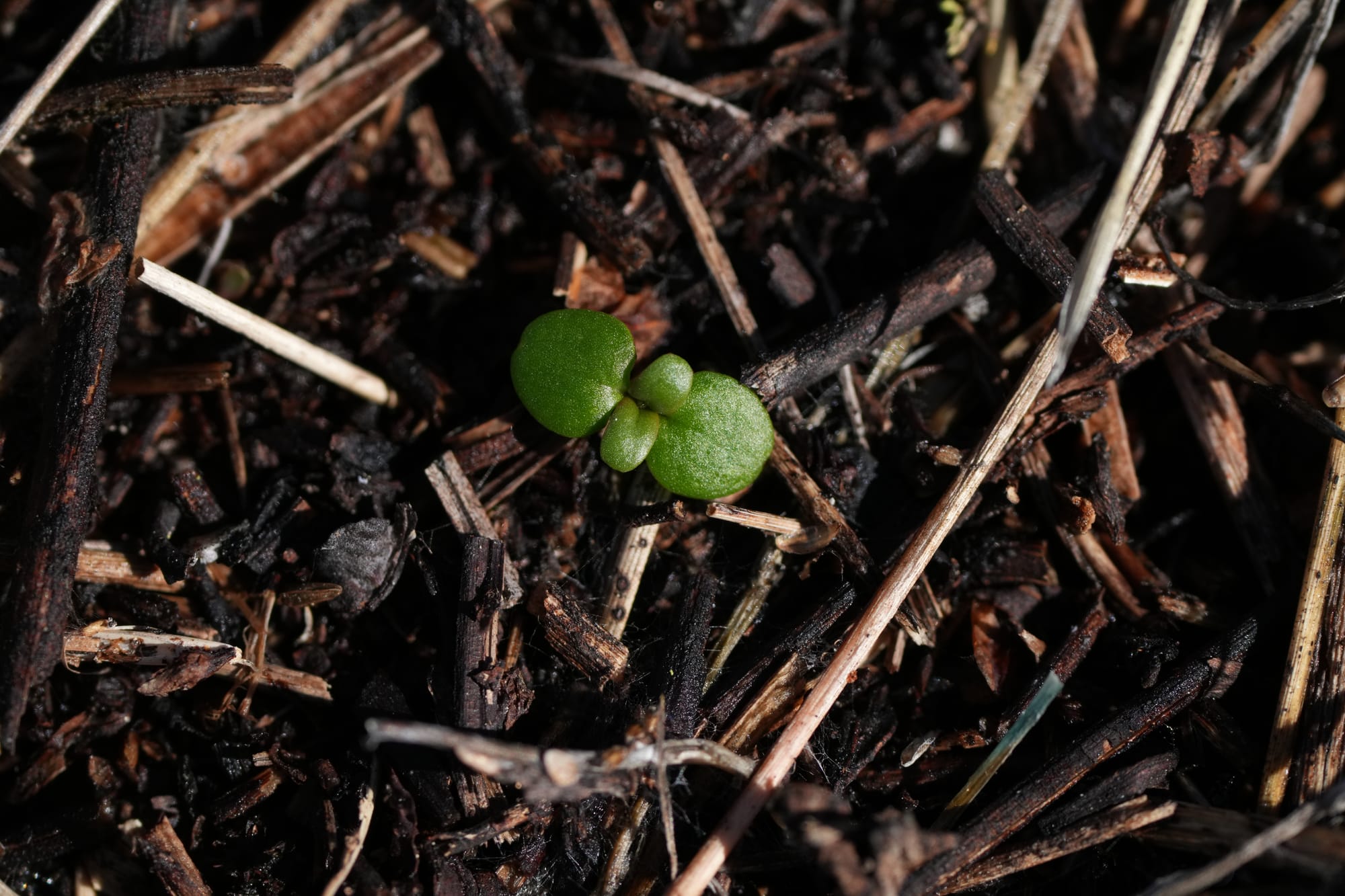
Also known as cotyledons, seed leaves are usually the first leaves that emerge from the ground. They make identifying new sprouts almost impossible because the seed leaves of many plants have the same shape and don't resemble the leaves of adult plants.
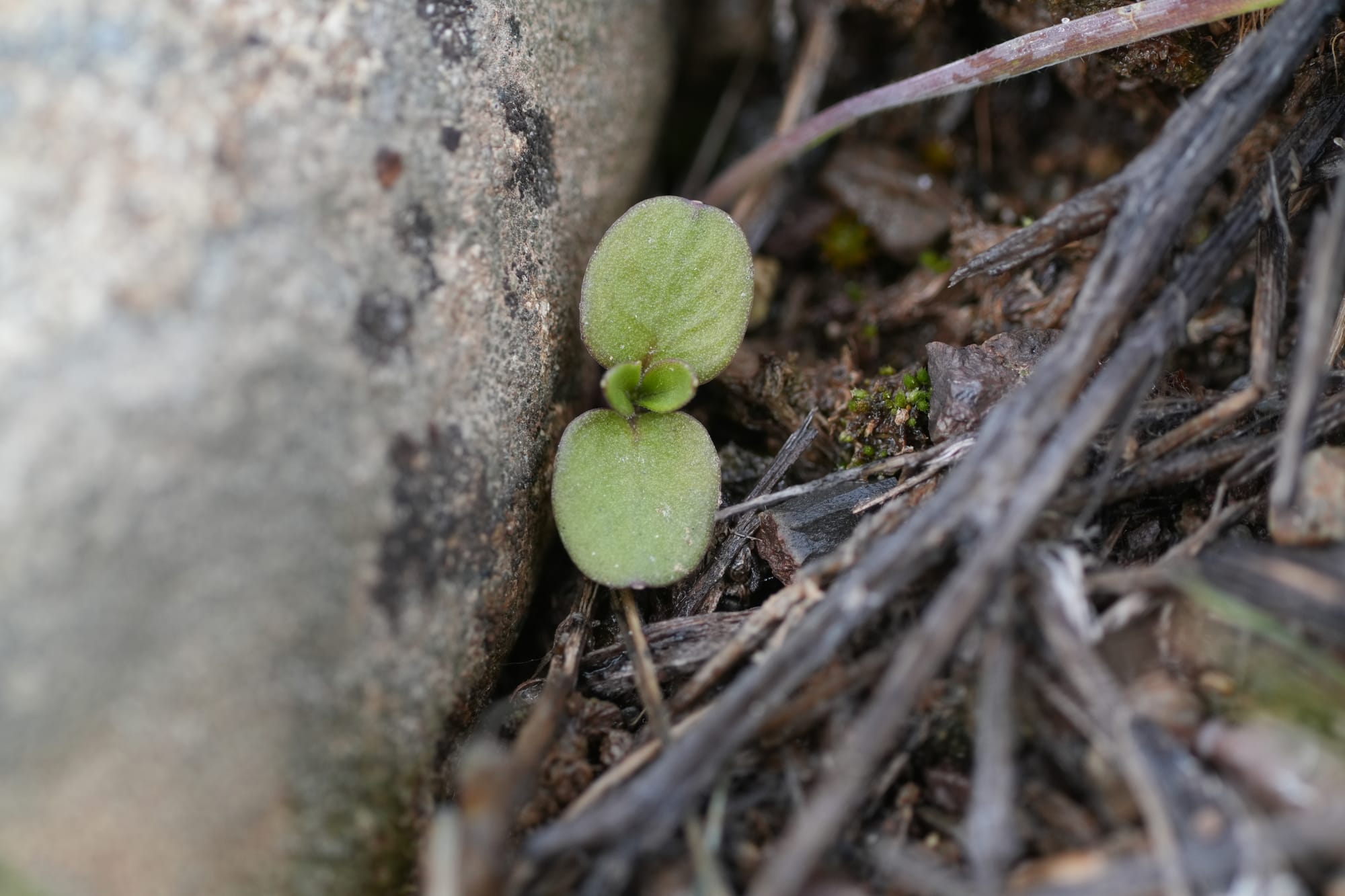
To understand what seed leaves are, it helps to look at a kidney bean, as in the video below. The two halves of a bean store nutrients that a new seedling needs as it starts growing, and then, when a seed germinates, the two halves split and are lifted out of the ground to become seed leaves. In many plants, seed leaves turn green and begin providing photosynthetic energy that helps the tiny seedling produce its first true leaves.
A short and simple introduction to seed germination.
As soon as the seedling has a few true leaves, and the supply of nutrients stored in the seed leaves is used up, the seed leaves wither and drop off—their primary job finished. It's a fleeting moment worth appreciating.
