Early Courage
March 29-April 4, 2026

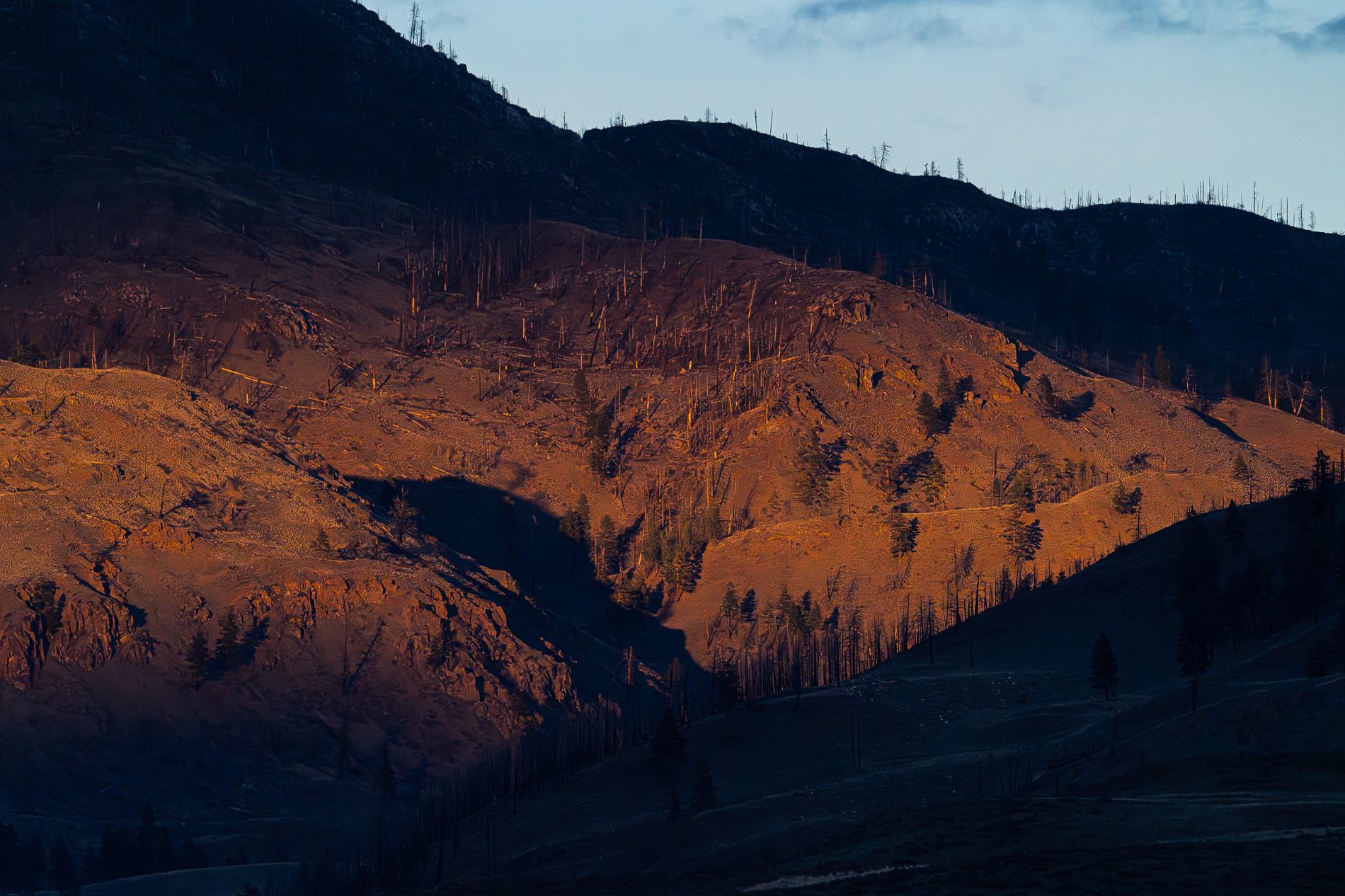
Following the pattern of the past couple weeks, we had a mix of warm sunny days and another round of snow this week.
Week in Review
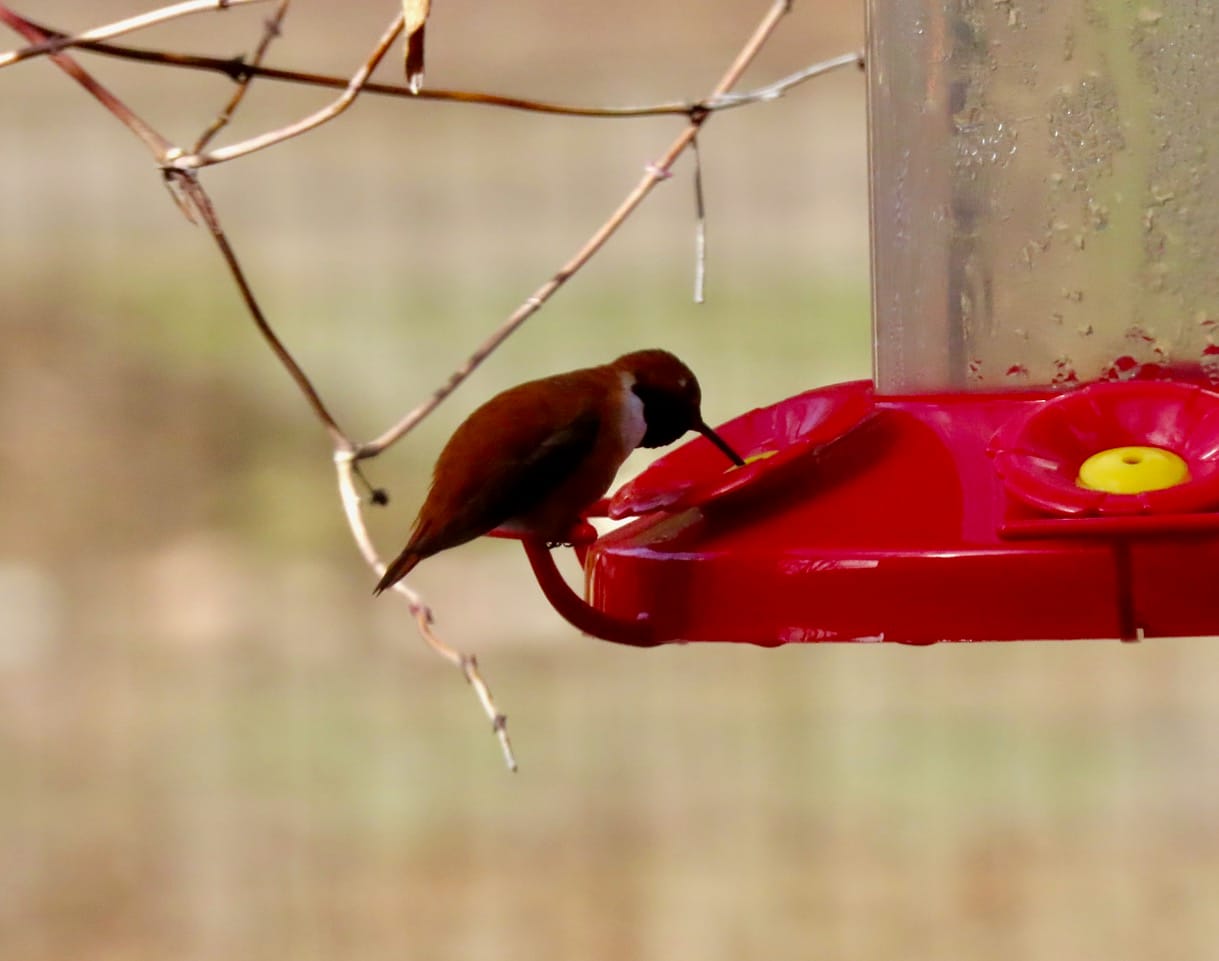
The courage of early arrivals and early flowers is best captured by the sighting of this year's first rufous hummingbird on the 29th (the earliest record in the past 30 years!), followed by a day of snow and rain on the first of April. This can make life pretty hard for a hummingbird, but luckily, the snow didn't last long, and there are more and more flowers every day.
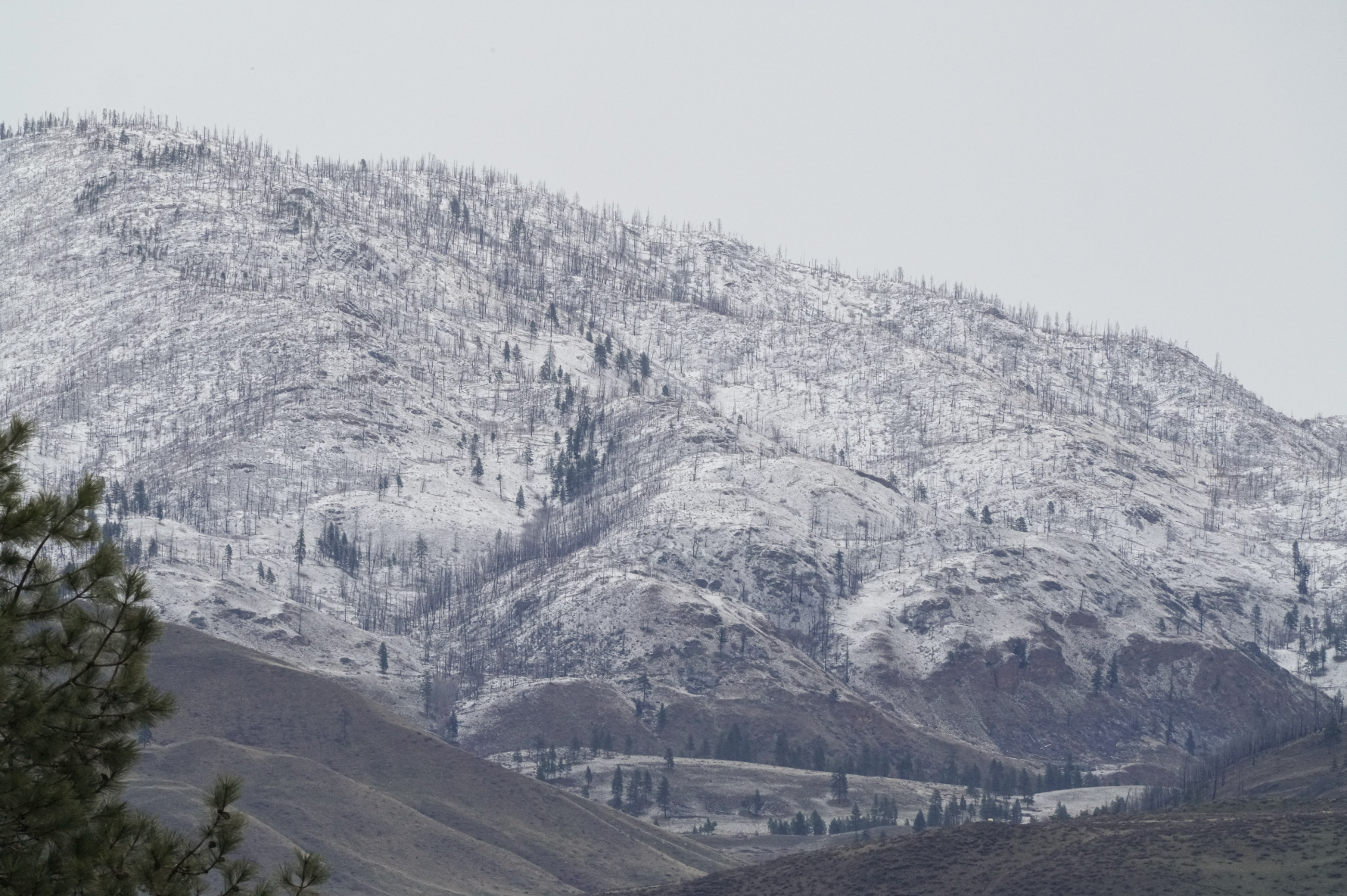
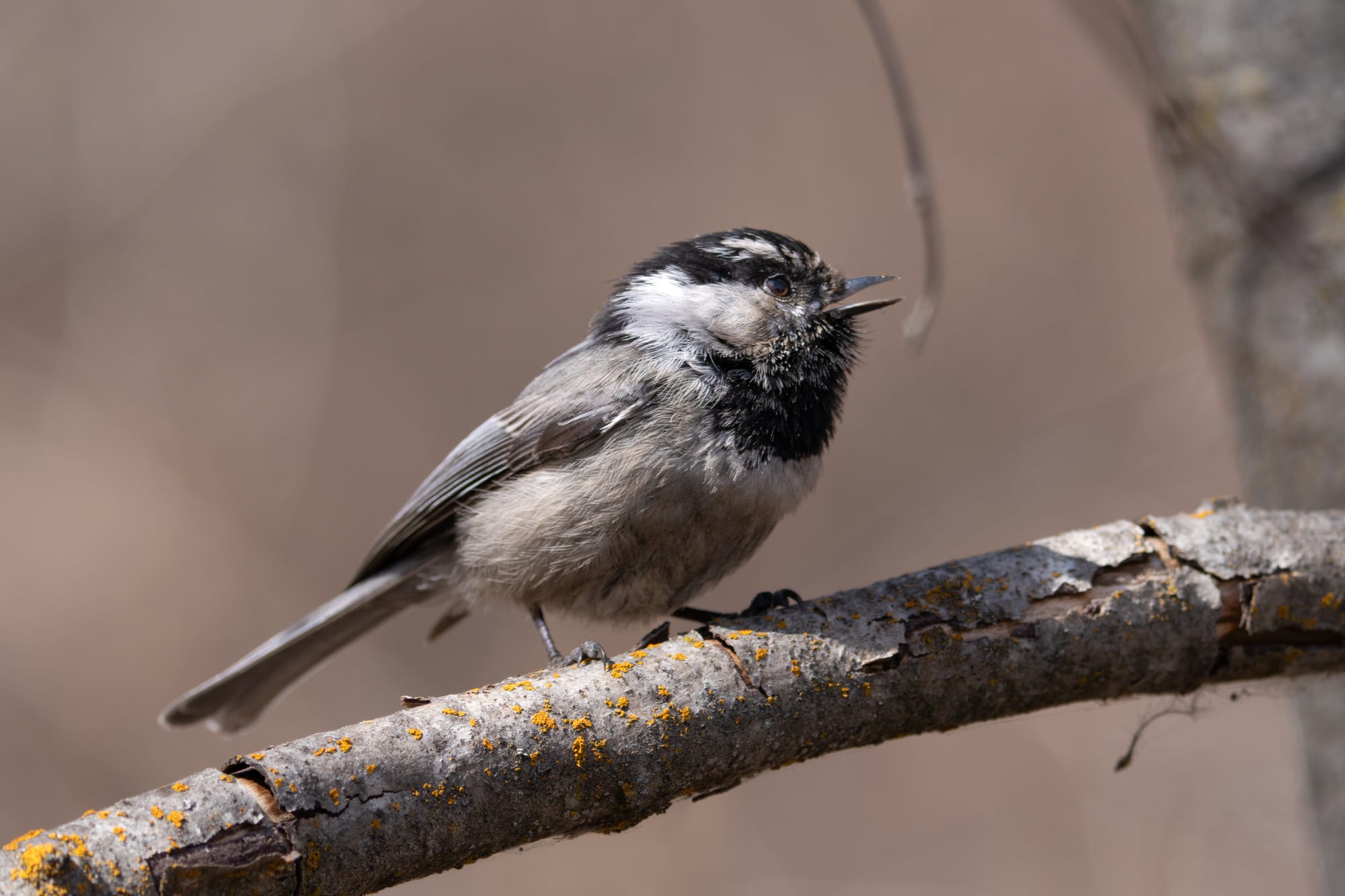
Despite the lingering vestiges of winter, the energy of spring is unstoppable, and I was amazed that even when it was snowing and raining, birds were still singing everywhere. Although we haven't gotten our first waves of migrating songbirds yet, resident chickadees, robins, blackbirds, and other birds are busily singing and thinking about nesting.
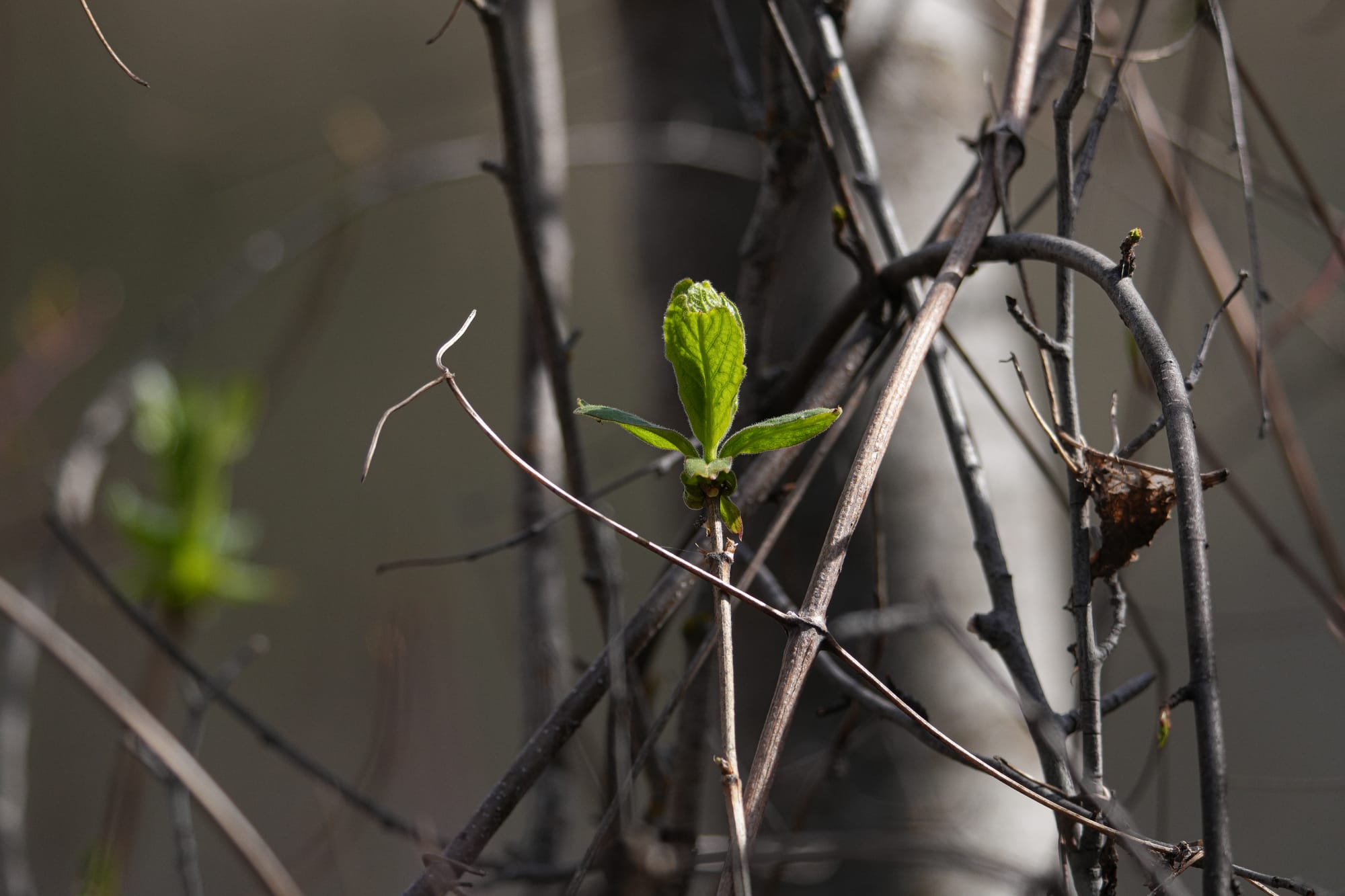
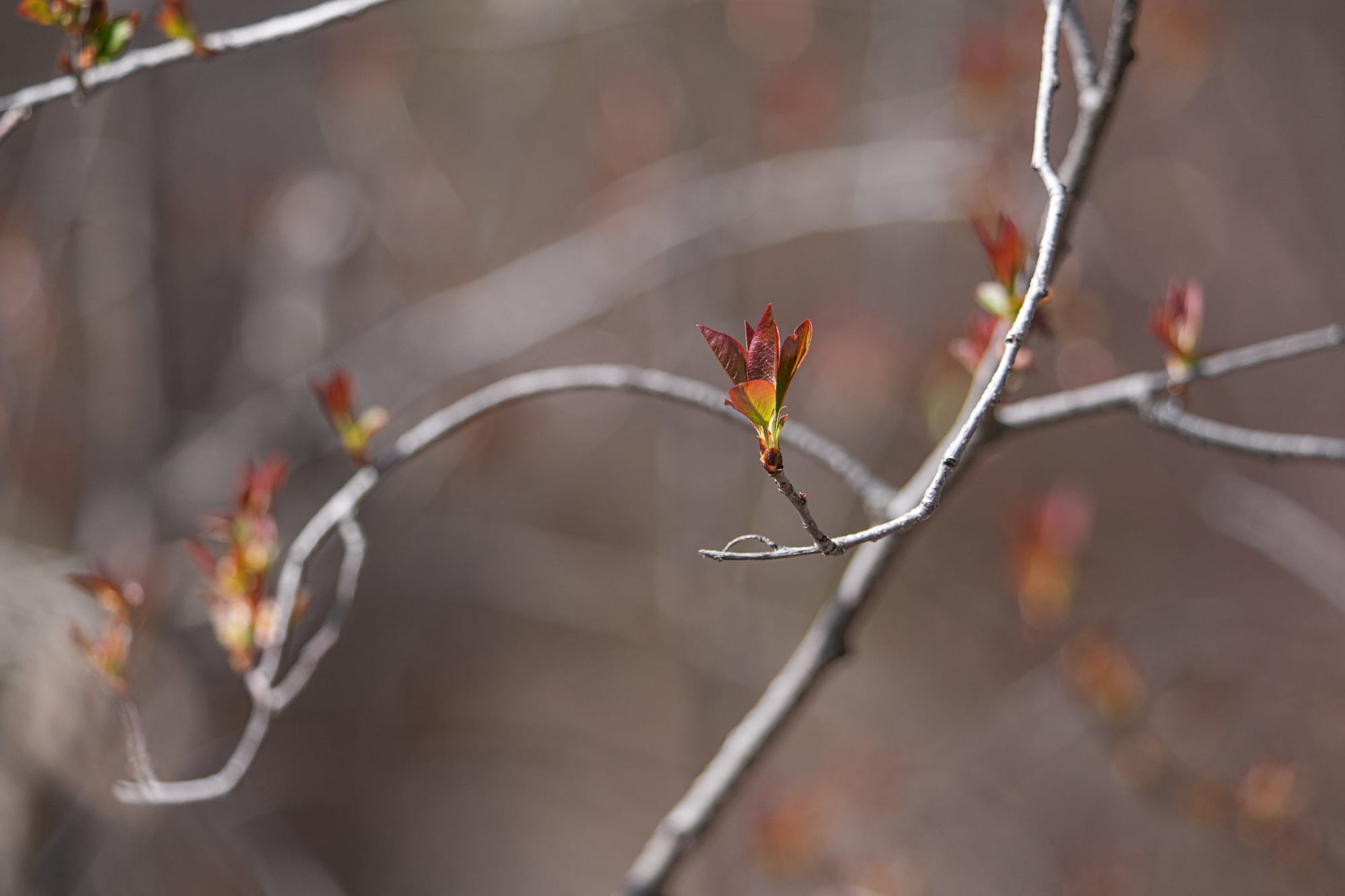
The leaves of shrubs and trees are finally beginning to break, replacing the fuzz of catkins with hints of green (and in some cases, red). In turn, these early leaves will be immediately targeted by emerging caterpillars that will attract the first migrating songbirds of the year. We could start seeing our first warblers within days!
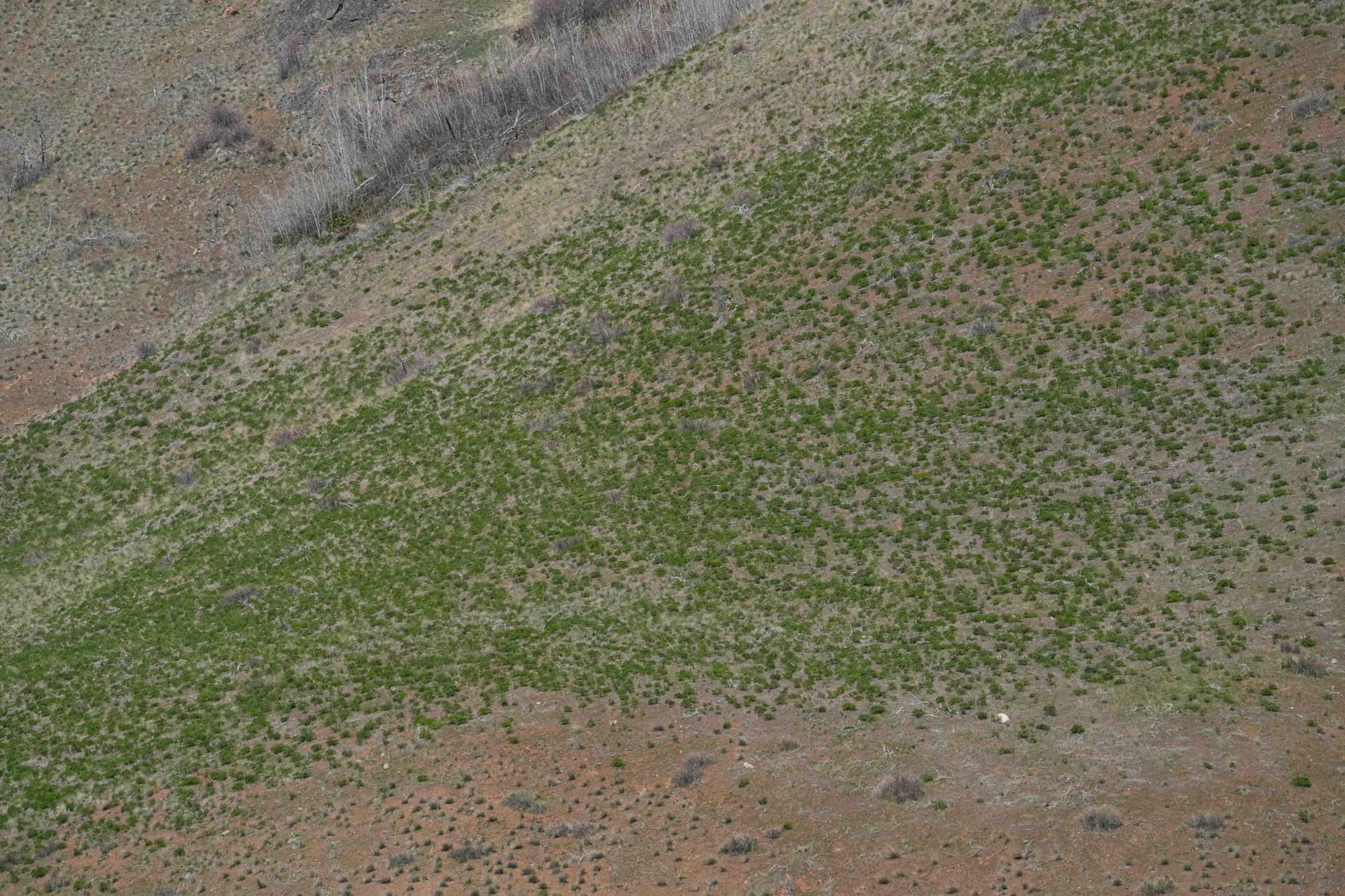
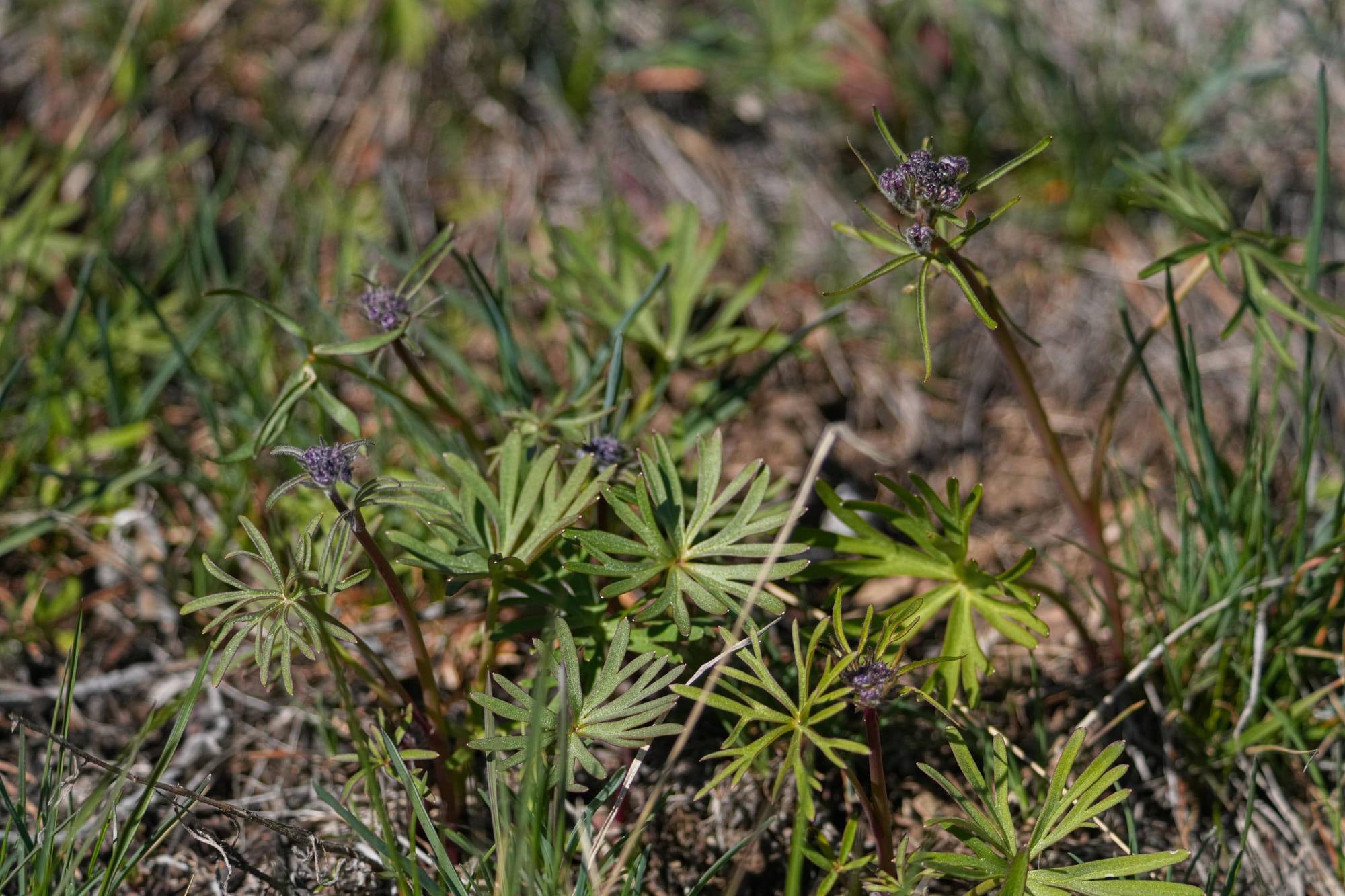
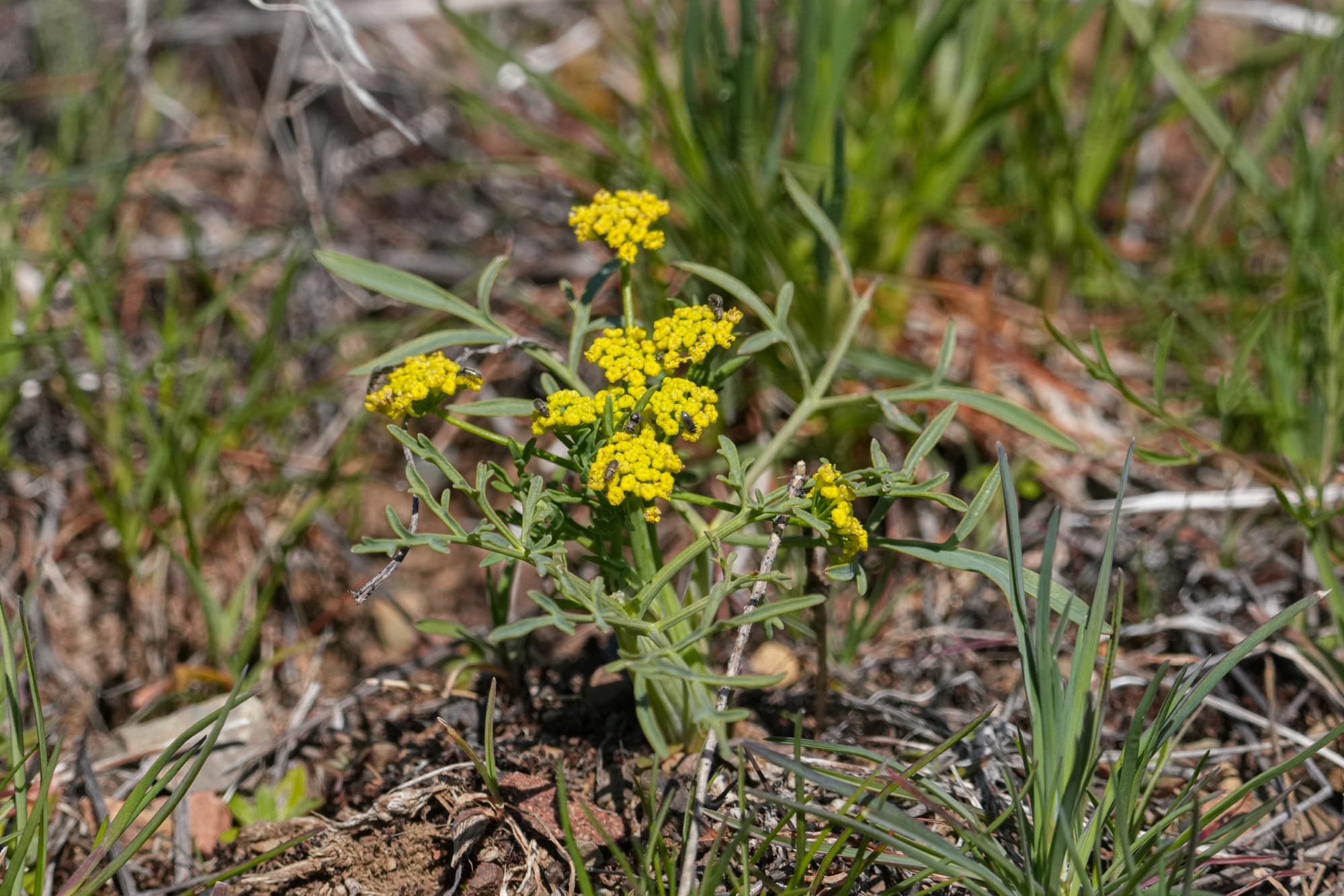
While hillsides around the valley have been turning green with early grasses, you might also spot some bright green patches. These are fernleaf desert-parsley, and if you see them up close, you'll notice that they've already started producing their odd chocolate-brown flowers.
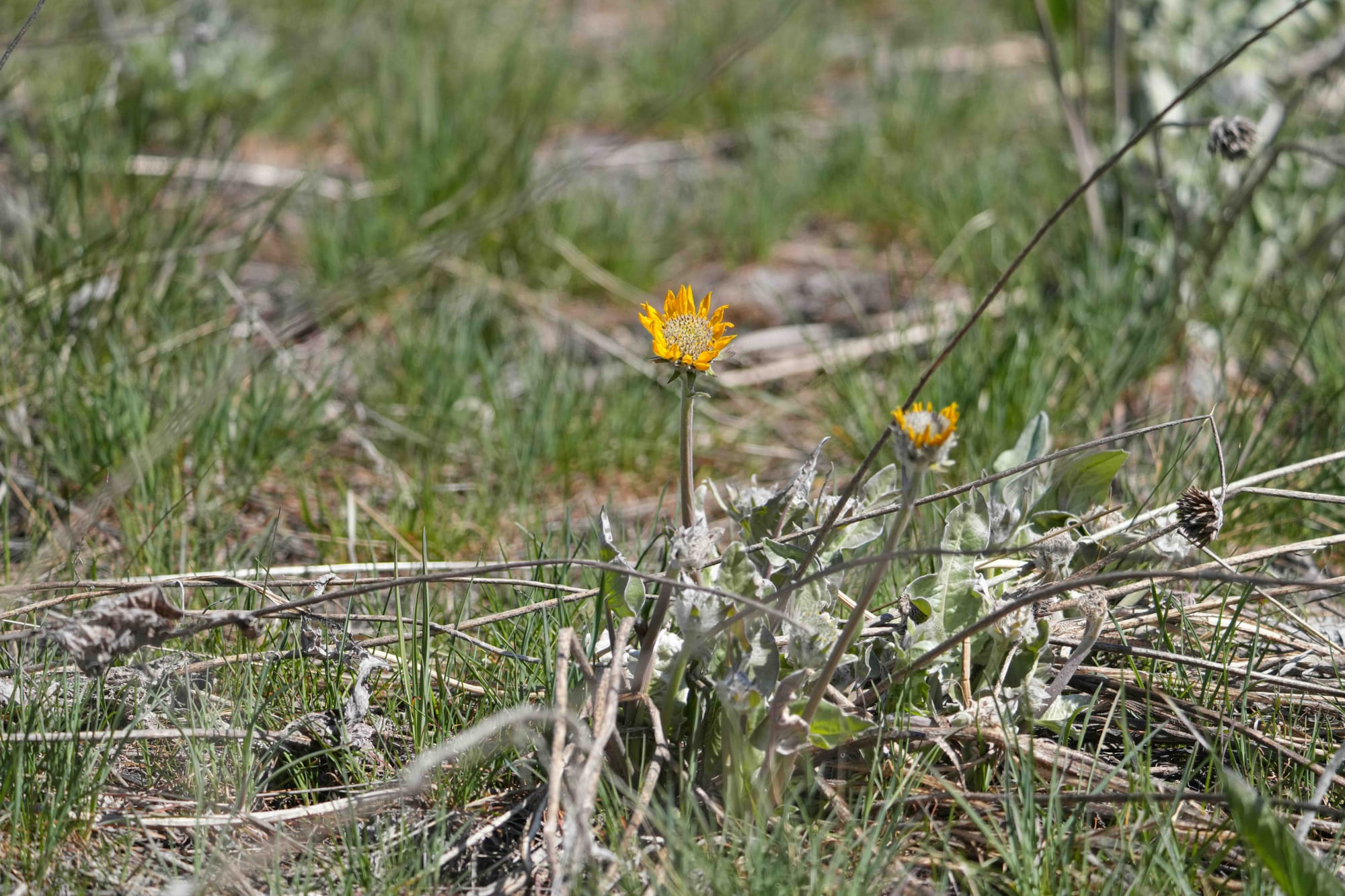
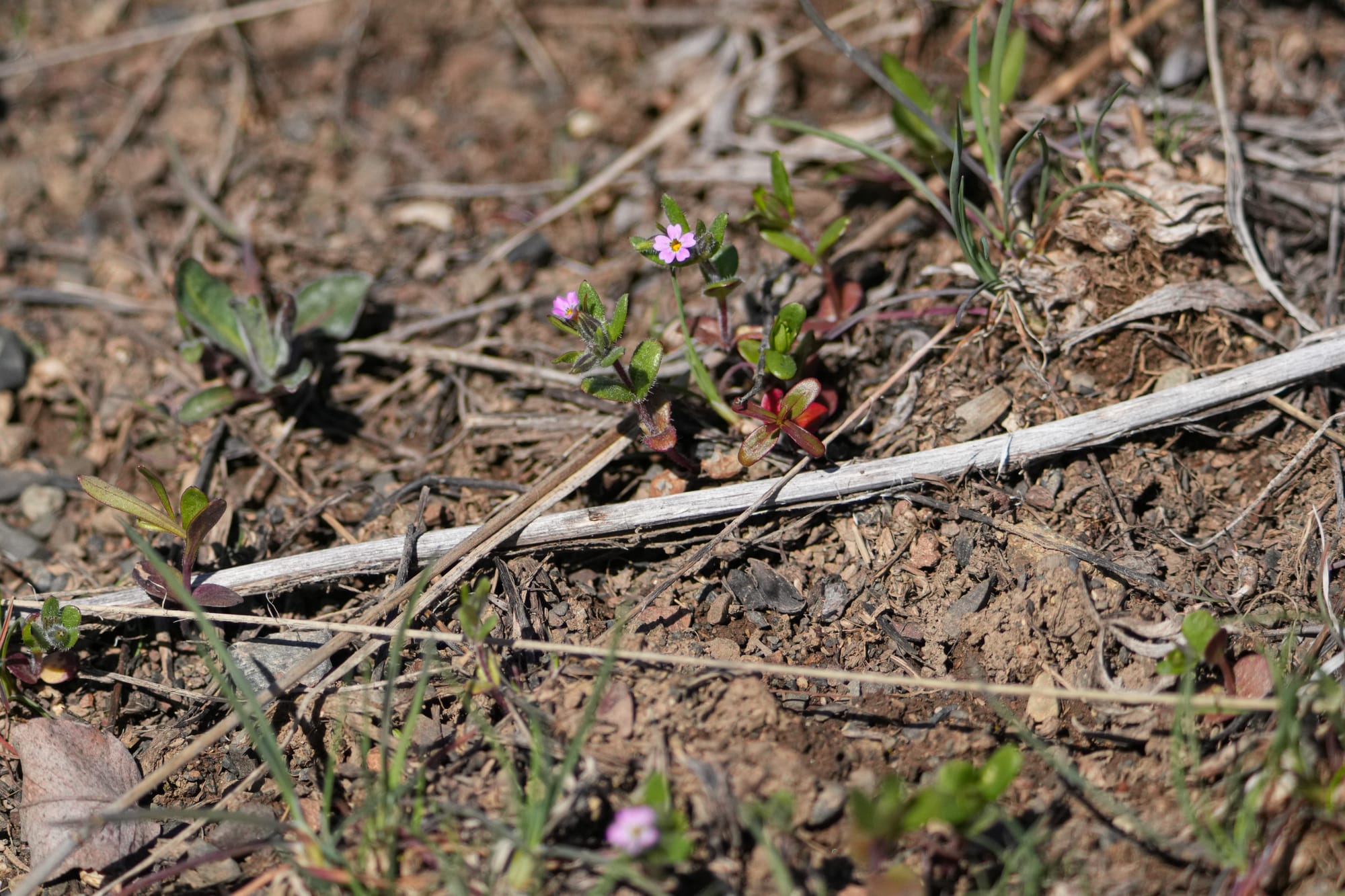
And speaking of getting close, this is a fantastic time to explore shrub-steppe habitats, with insects everywhere and flowers ready to burst into bloom. People may take shrub-steppe habitats for granted because it seems so ubiquitous, but we're very lucky to have large intact areas of this amazing habitat around the valley!
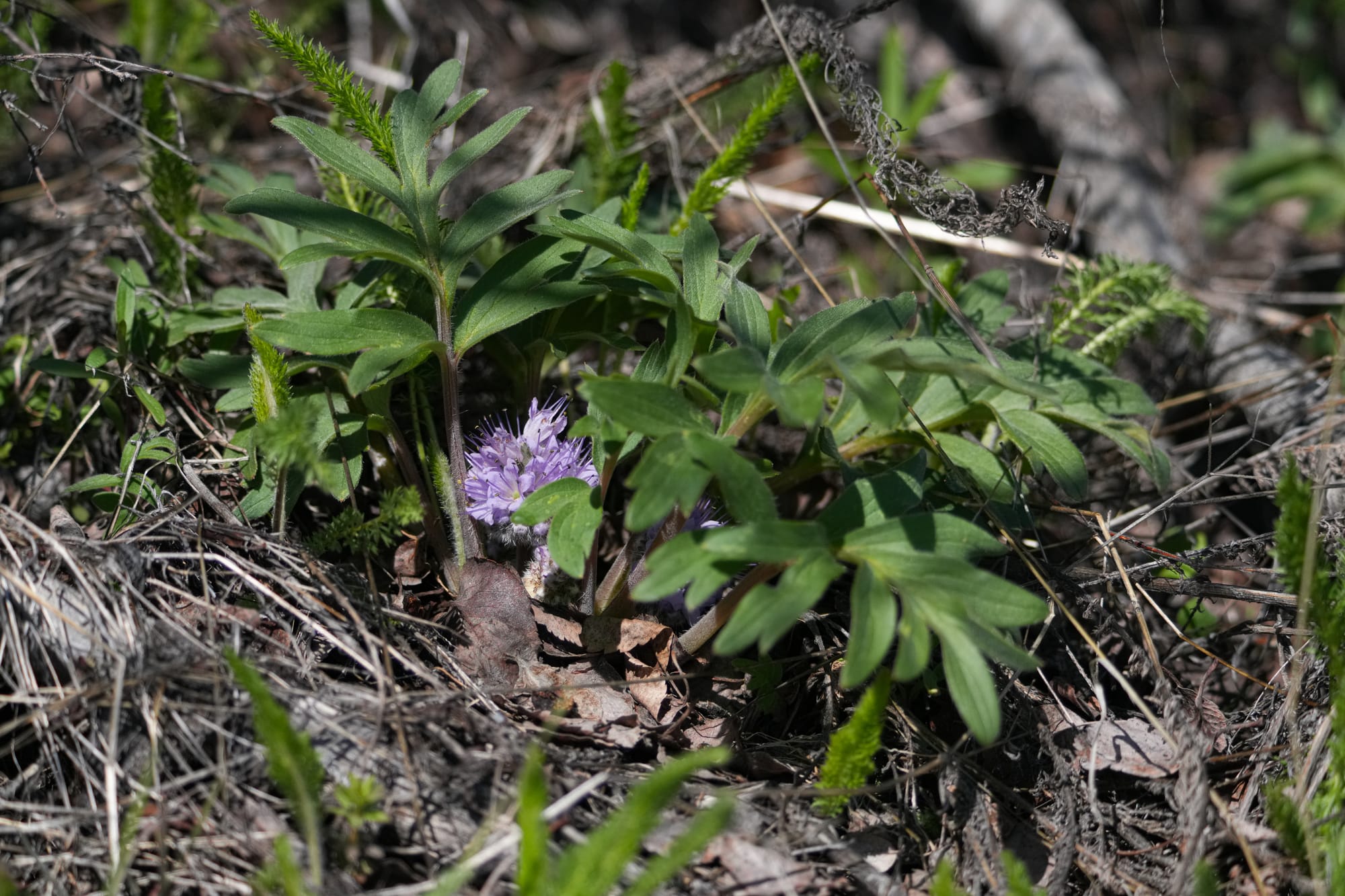
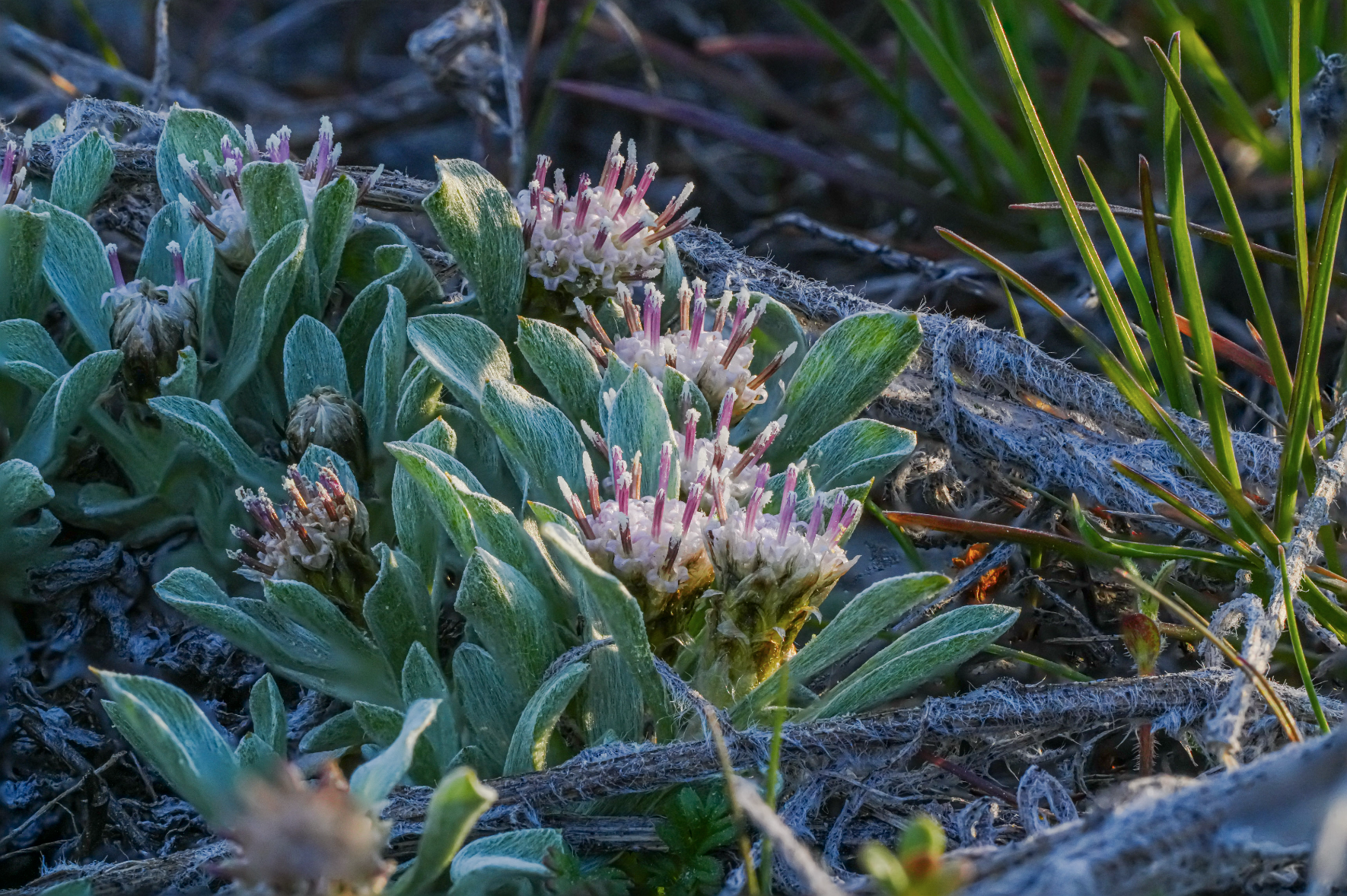
Observation of the Week: Catkins
Catkins are a defining sign of spring and have been in their full splendor over the past couple weeks. In case you don't know, catkins are the oddball flowering structures found on common trees like aspens, willows, cottonwoods, alders, and birches.
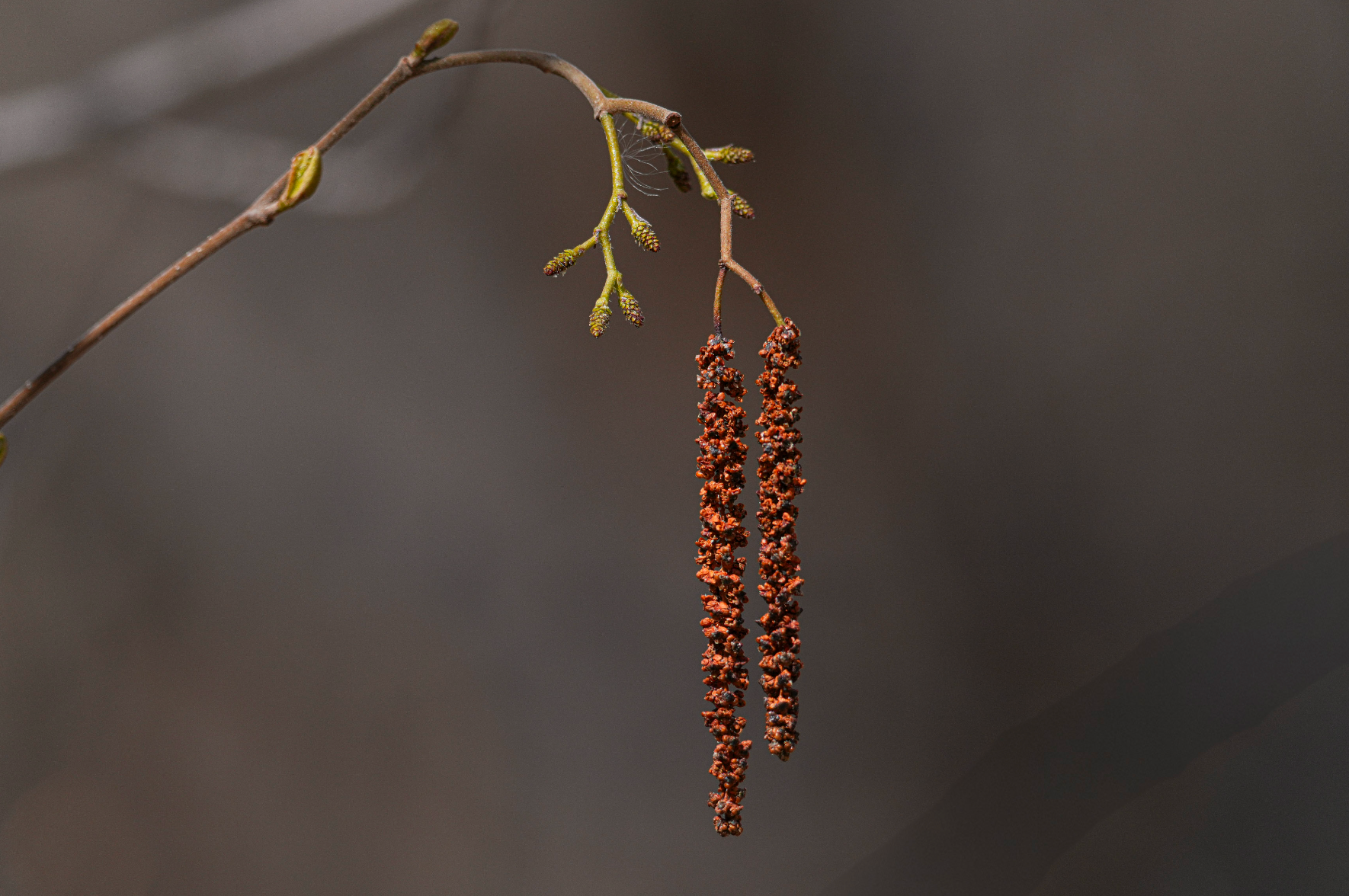
You might enjoy catkins for their delicate beauty, or you might dread them because they release copious amounts of pollen, but few people realize that they play a critical ecological role. I explored this topic in depth in an issue of my Lukas Guides newsletter, and here's a brief glimpse of why they matter.
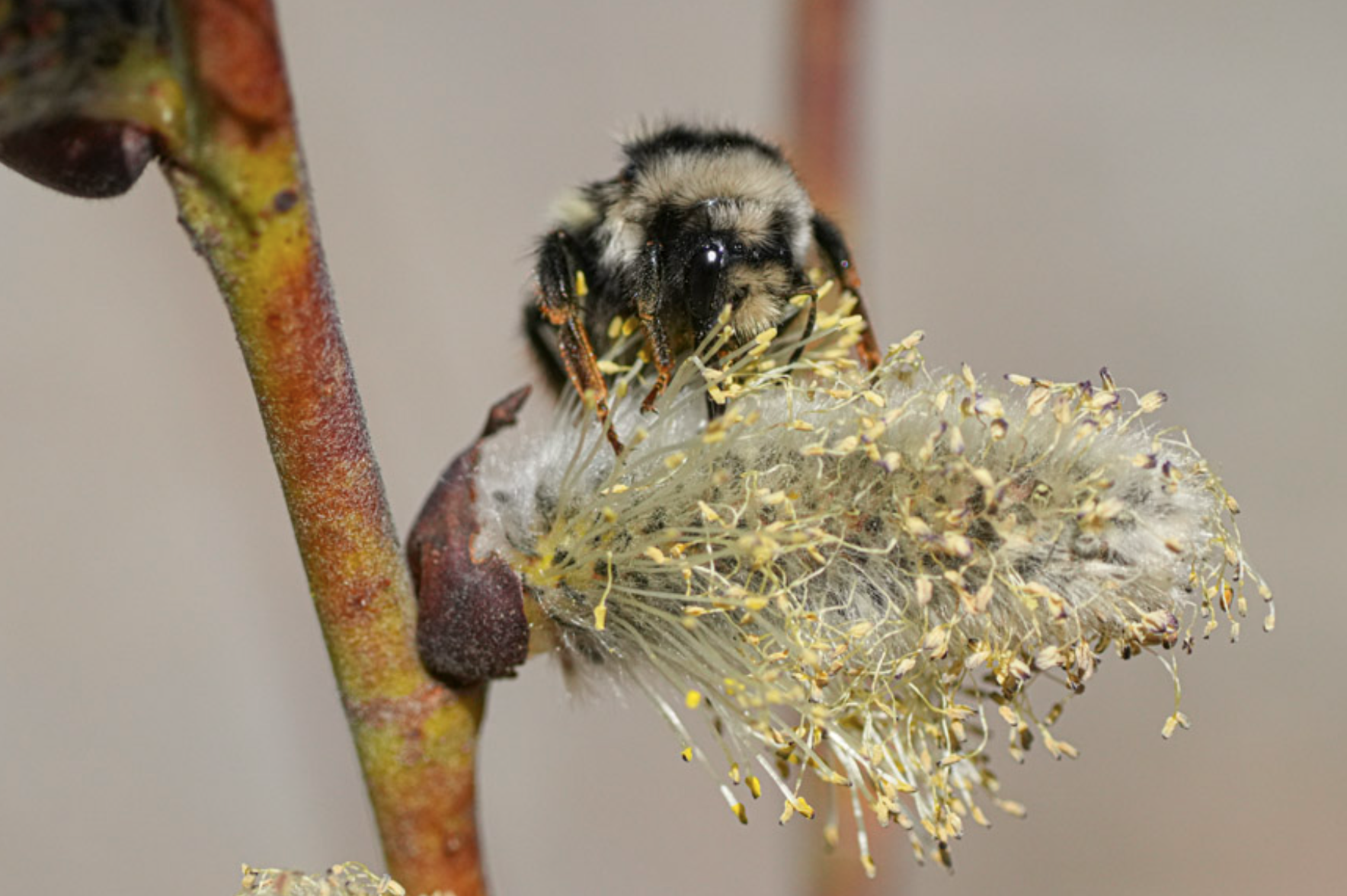
Not only are catkins loaded with nutrients like protein, carbohydrates, phosphorus, potassium, and calcium, but they emerge early in the year when there are few other foods available. For this reason, they are a bonanza for insects, and for the animals that eat insects. They are also a staple food item for animals like squirrels and bears (85% of a bear's diet in the spring can be catkins).
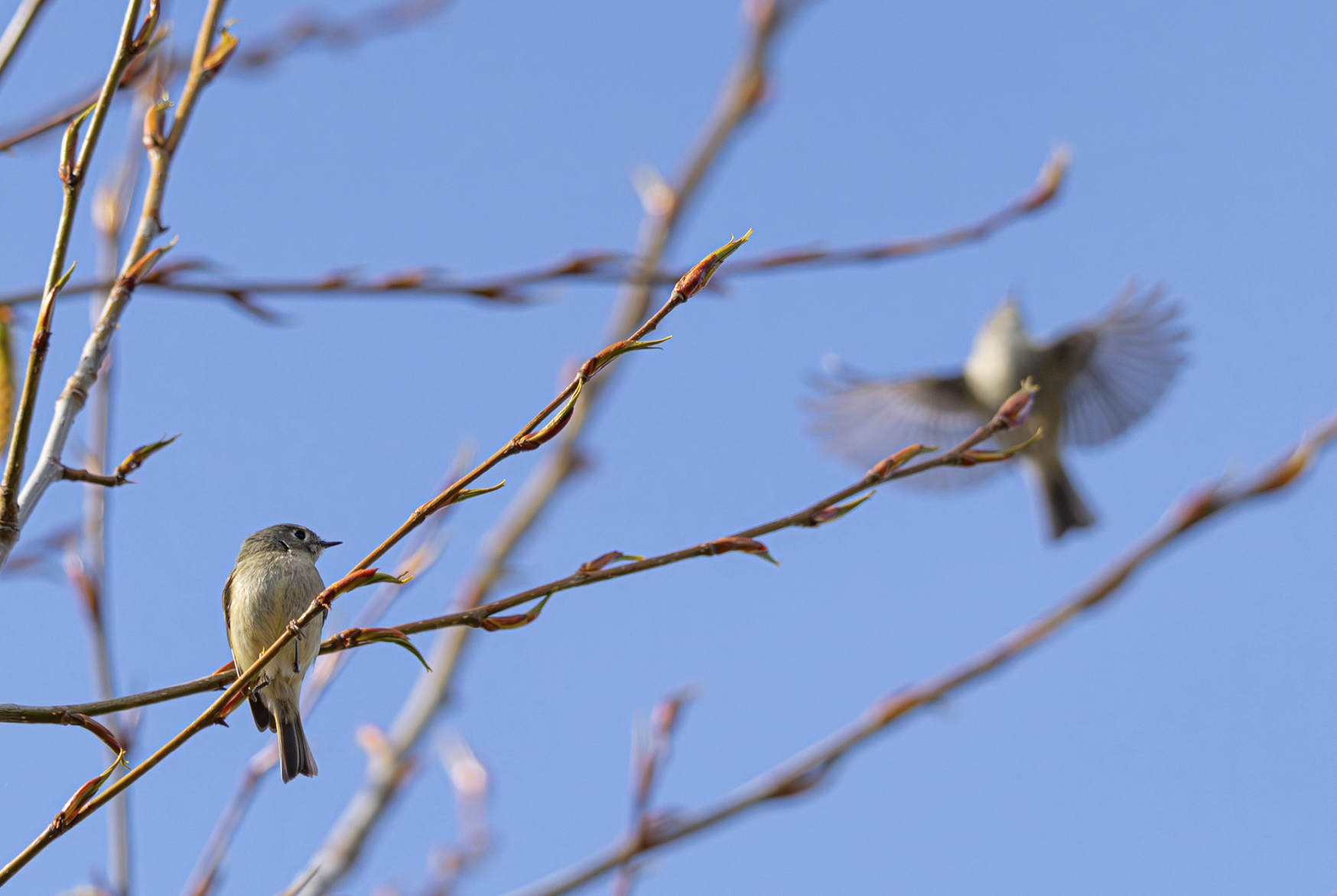
The bigger value of catkins comes when they fall to the ground, because catkins are rich in nitrogen and can add 11-16 pounds of nitrogen per acre to the soil. And the real significance of catkins comes from the fact that catkin-bearing trees typically grow along rivers, where catkins fall into the water and jumpstart a river's web of life at the end of winter.
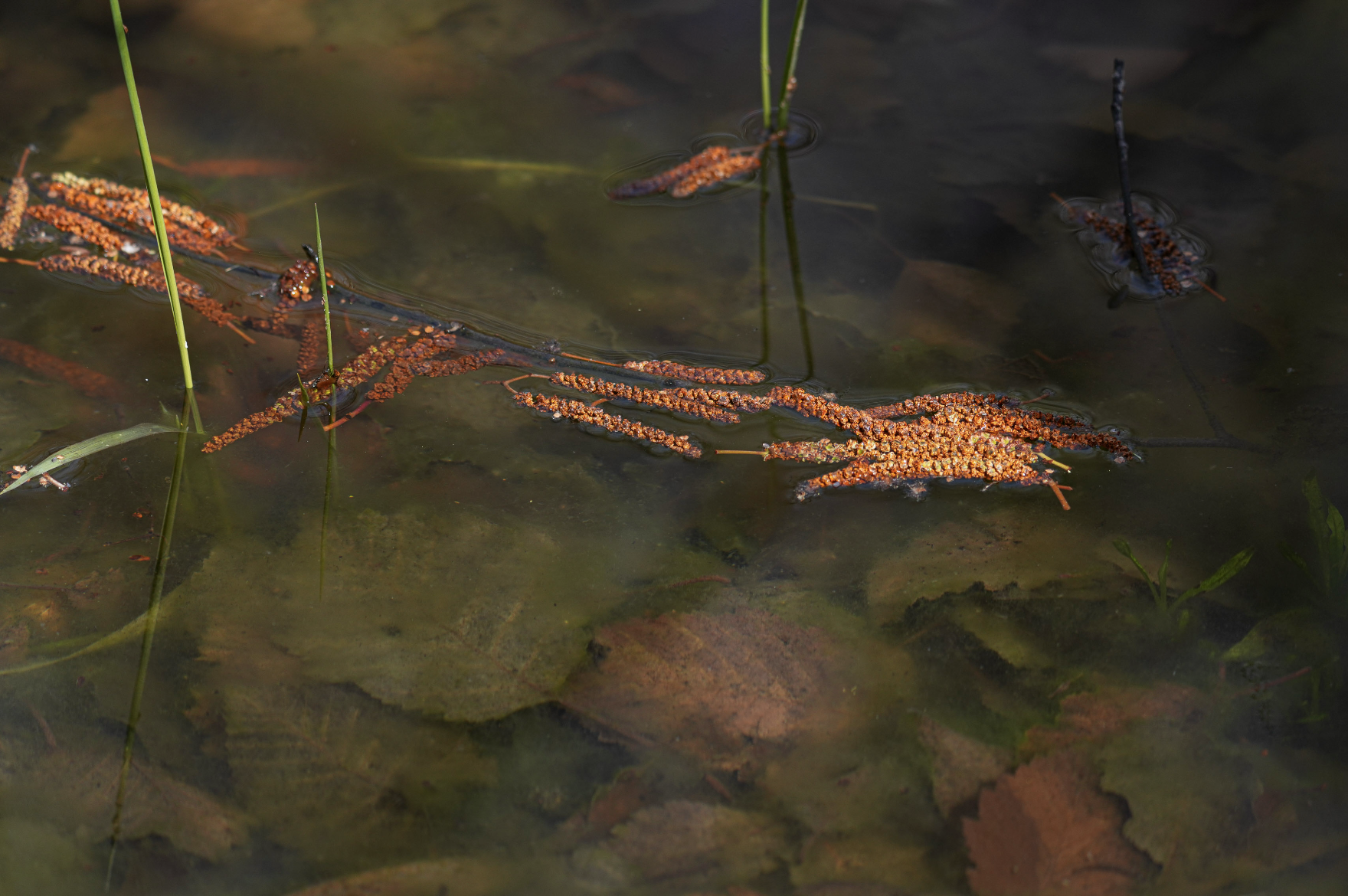
This matters because we've lost vast stretches of riverside forest in the Methow Valley, and losing these catkin-bearing trees has a huge impact.
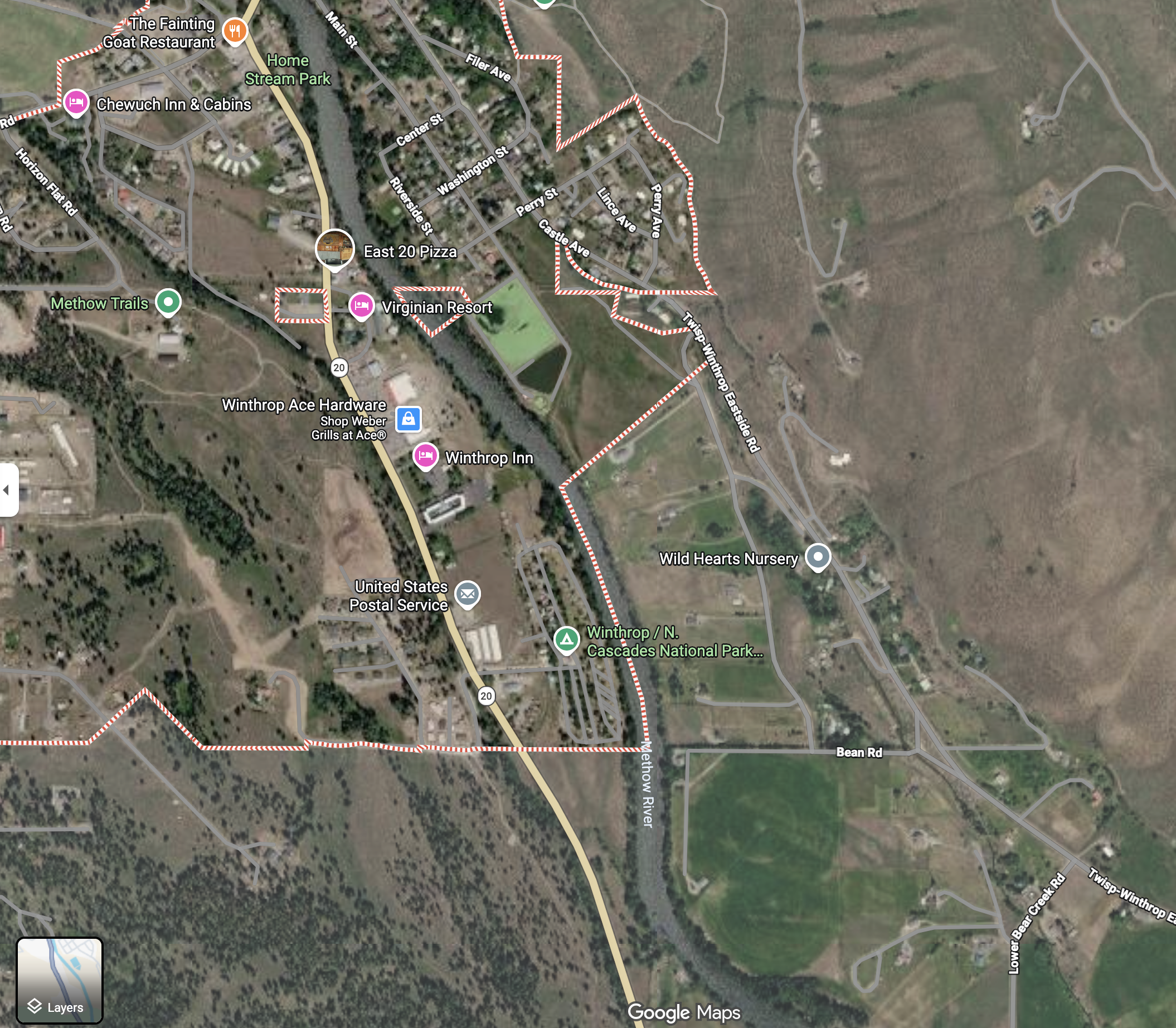
It's imperative that we restore as many of our riverside forests as possible for the long-term health of our rivers!
