Flying into the New Year
December 28-January 3, 2026

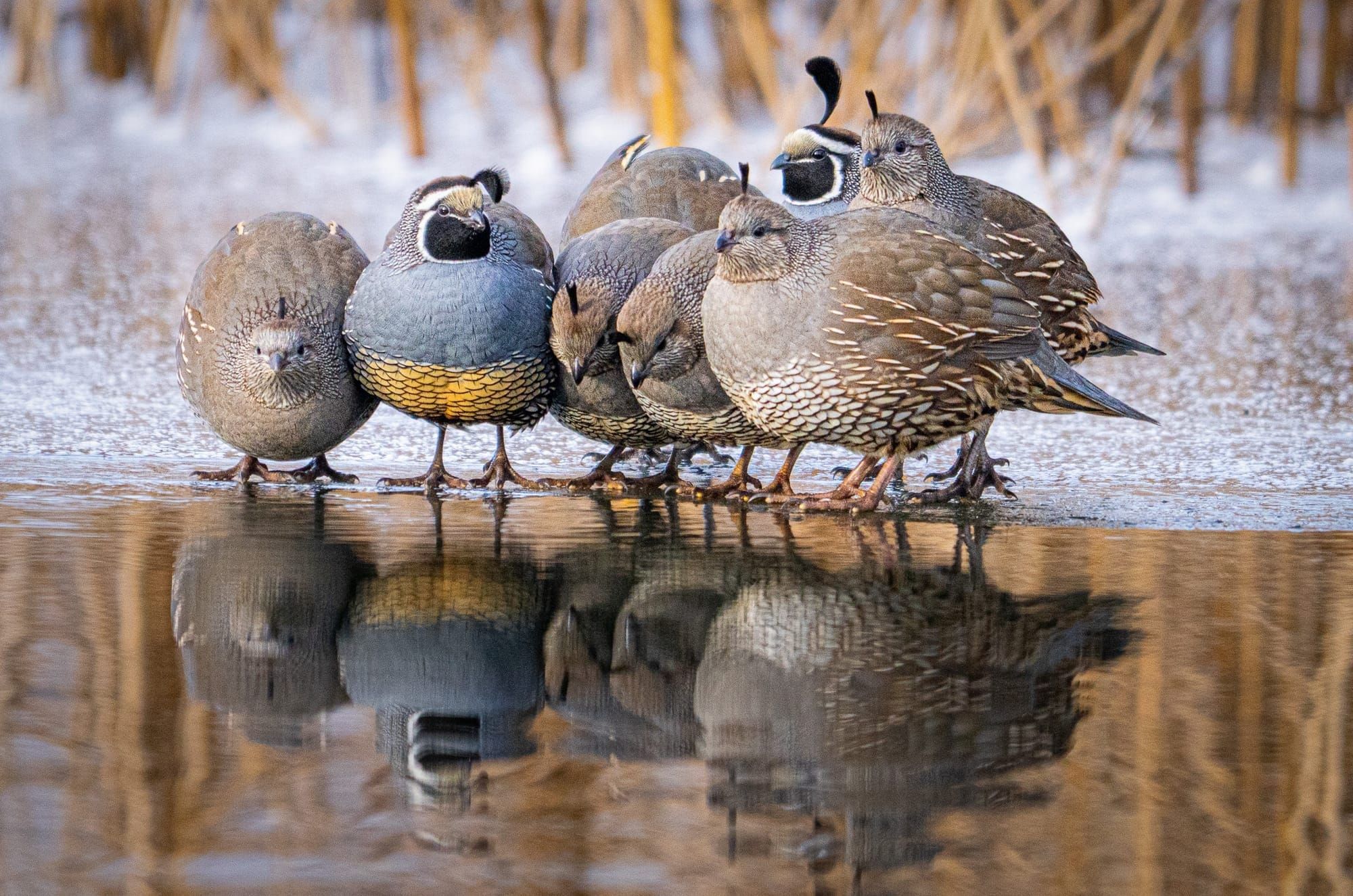
It seems as if we're stuck in a weeks-long holding pattern with a skimpy 4-8 inches of snow on the ground and not much going on.
Week in Review
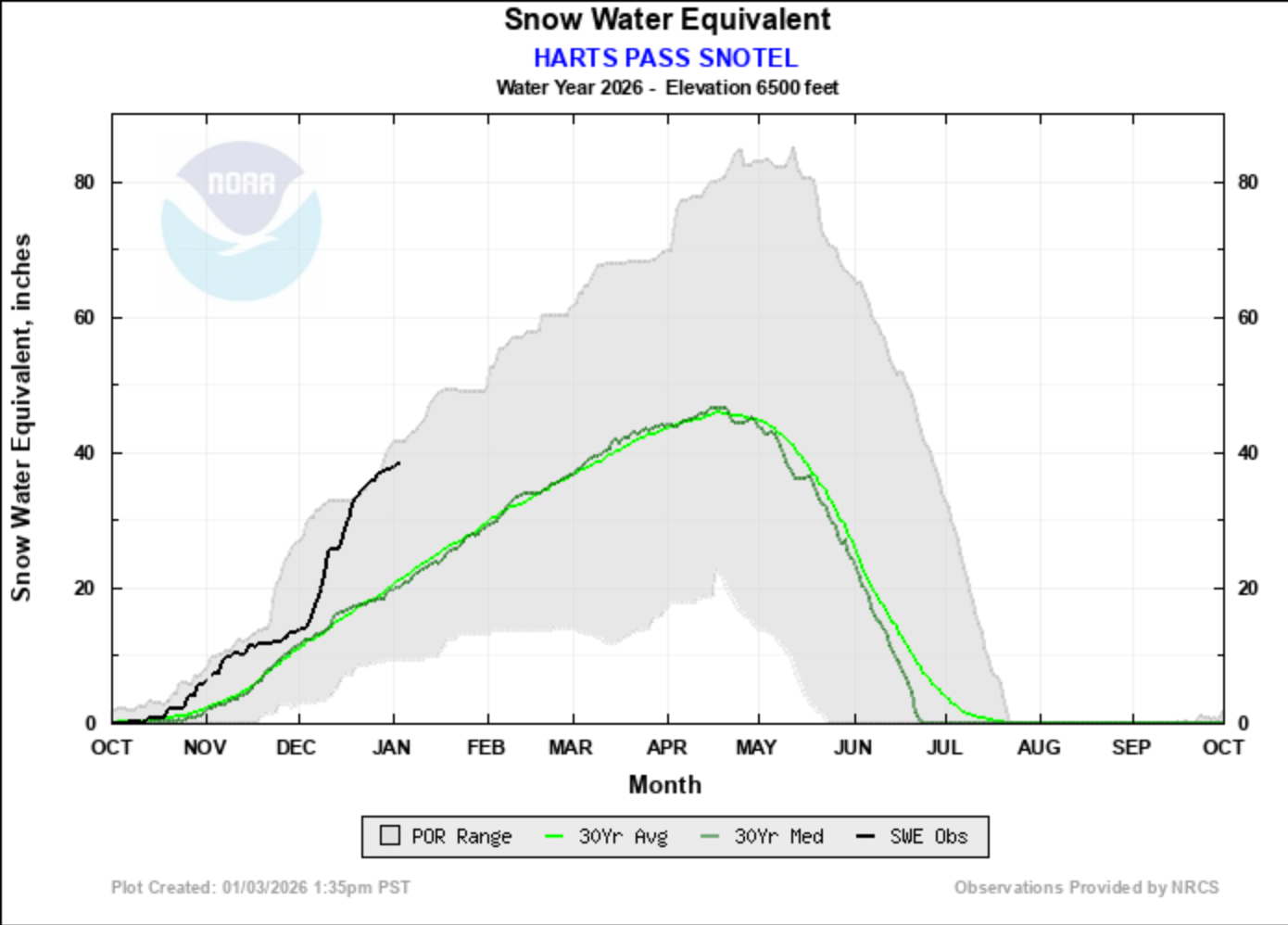
What an odd winter this is turning out to be. There's relatively little snow in the valley and we haven't been getting enough snow to recharge our water table. At the same time, the monitoring station at Harts Pass is reporting historic snow levels so that bodes well. Unfortunately, I don't have a way to get into the high country so I don't have firsthand experience with the current conditions, but folks heading up to ski probably have a better feel for this year's snowpack.
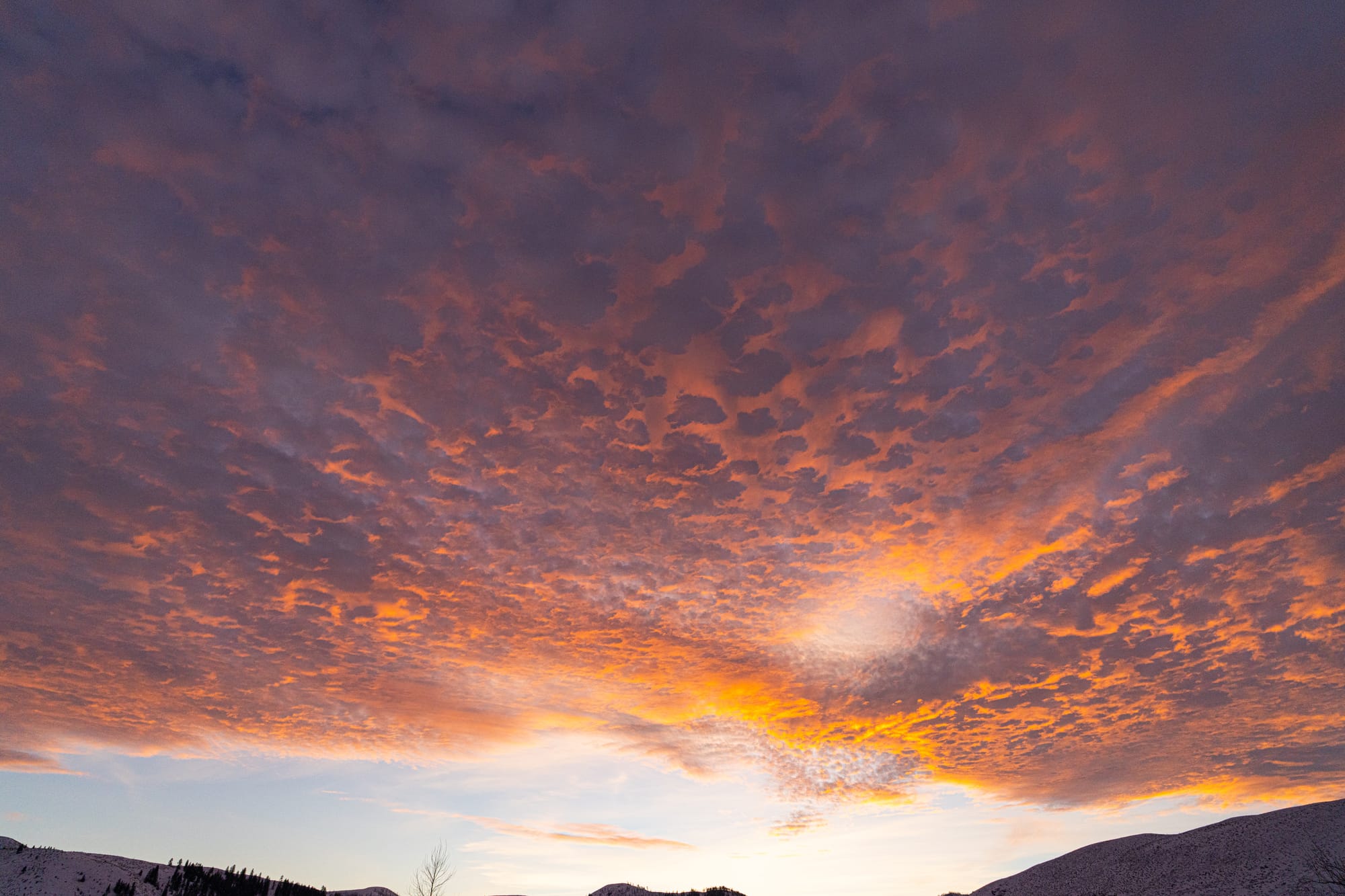
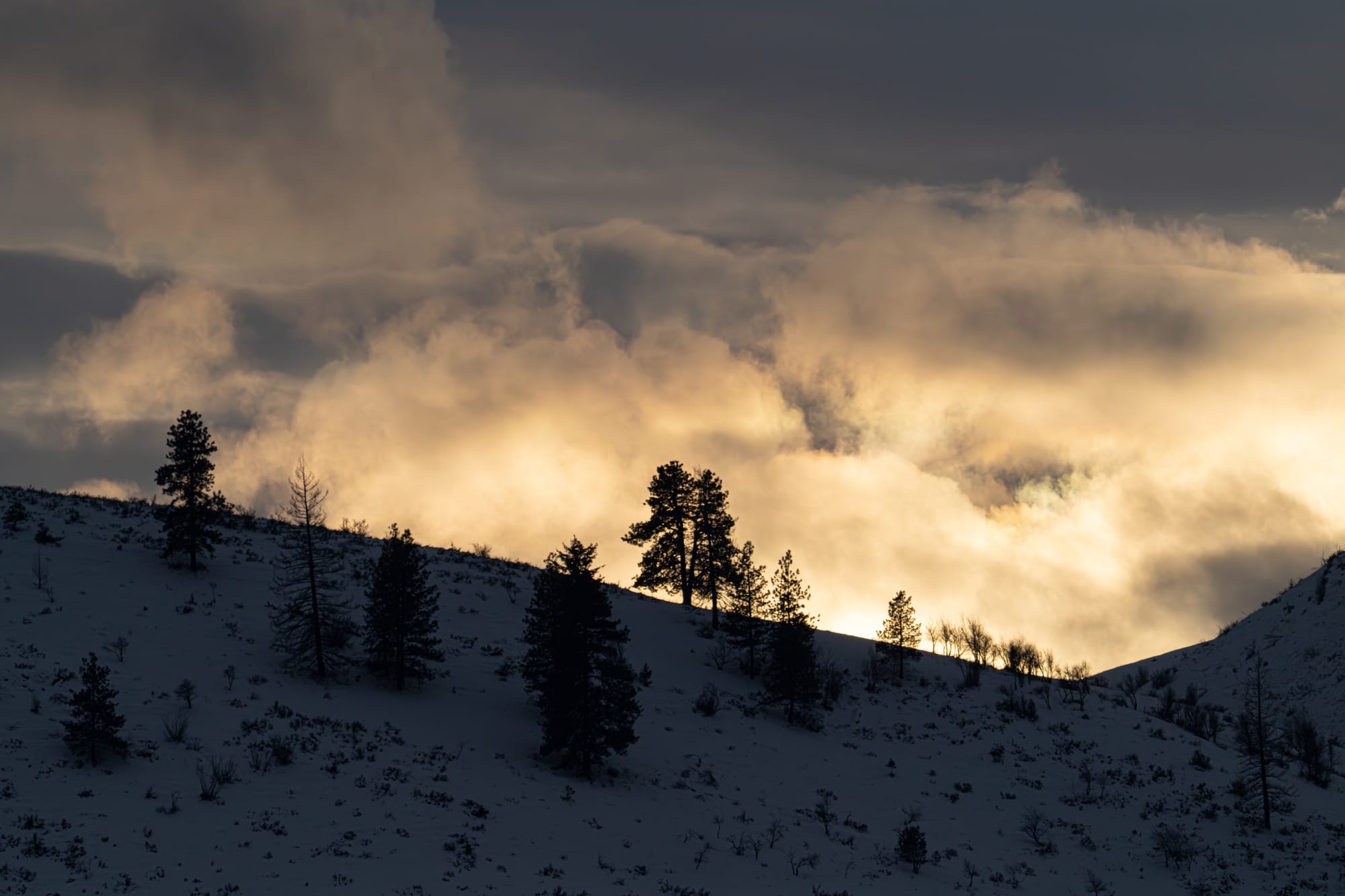
With a range of cloud systems moving into the valley, and delivering a mix of cloudy and sunny days, we've had some amazing skies over the past week. Did you see that spectacular sunset that delighted observers all over the valley a couple days ago?!
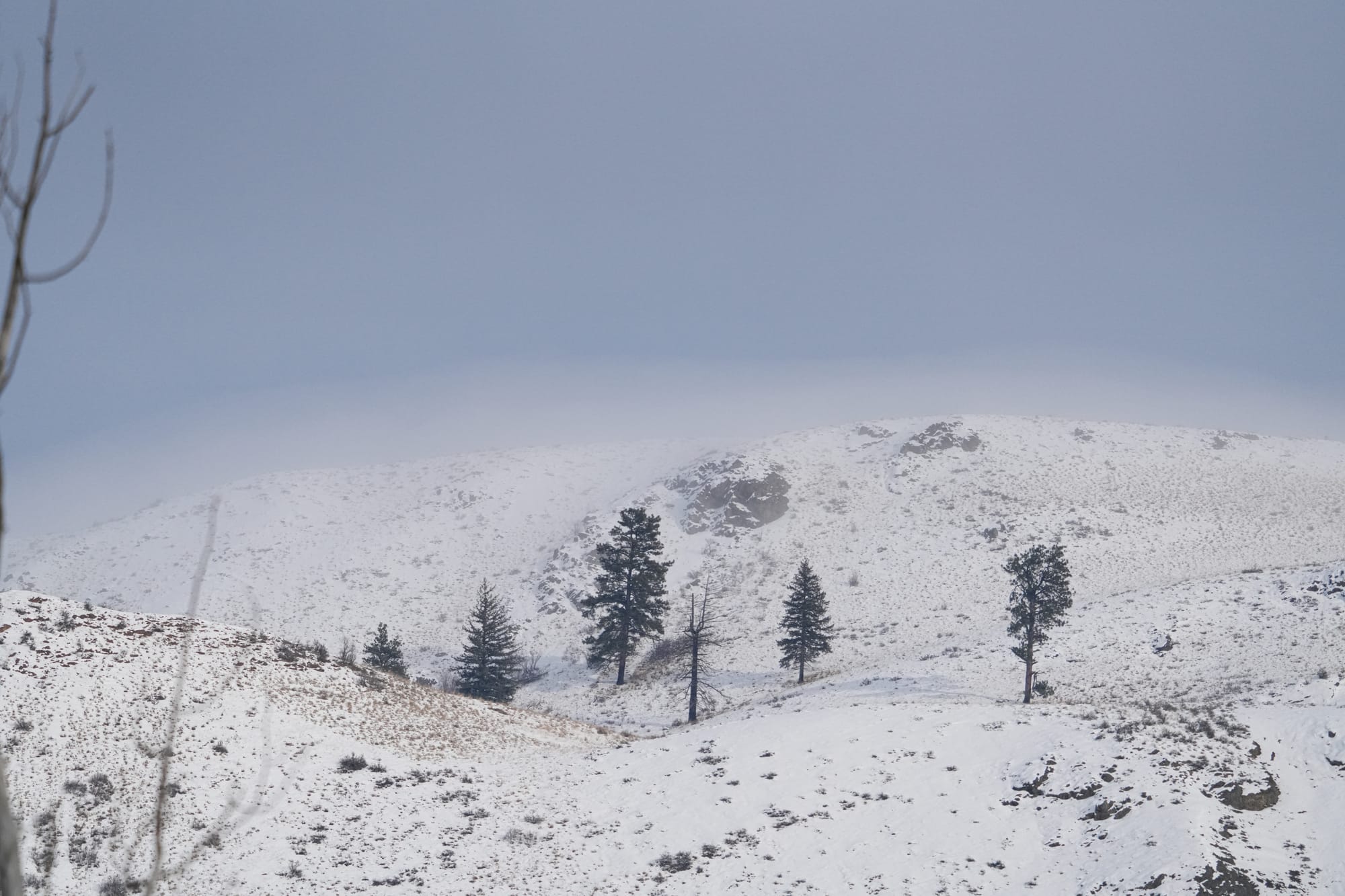
No notable activity was reported this week. Other than a handful of animals like red squirrels, deer, and birds that you'd expect to see in the middle of winter, it feels like a very slow time.
Observation of the Week: Winter Birds
Walking around this week, I found myself thinking about the lifestyles of winter birds and how this determines which birds we see in the Methow Valley. This is especially timely now that we now have results from the annual Christmas Bird Count.
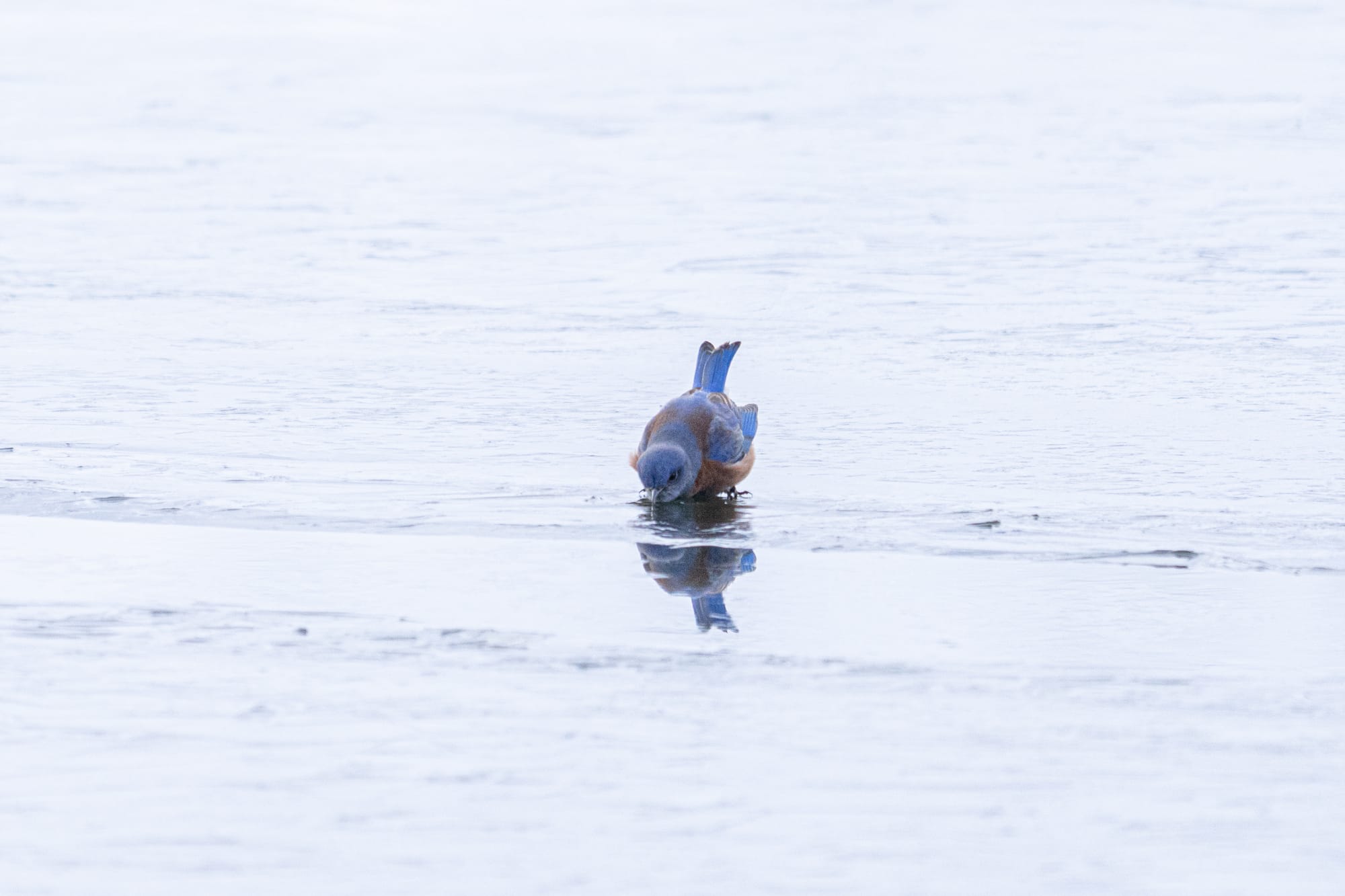
Winter is a particularly challenging time for birds. For example, some of our smallest birds, like golden-crowned kinglets, lose so much body heat that they need to find something to eat every four seconds. In the winter, birds have to deal with frigid temperatures, limited daylight hours, limited food, and limited liquid water.
Birds must head south if they don't have access to a dependable source of food, so diet is an excellent predictor of which birds stick around. Common winter birds in the Methow Valley include ducks, raptors, and finches.
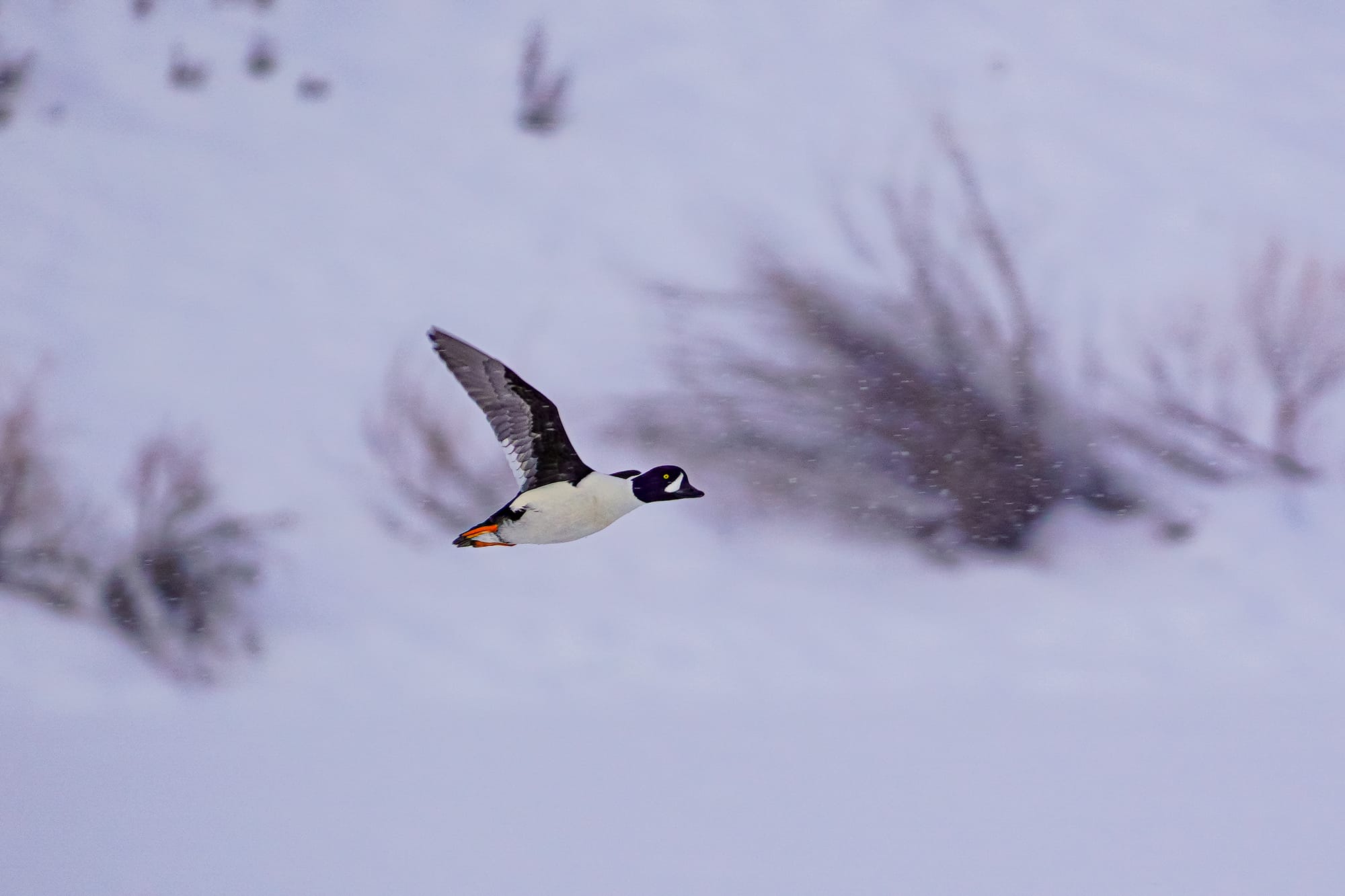
Ducks are among our most spectacular winter residents, especially the large flocks that descend on Big Twin Lake each night. A handful of dabbling ducks like mallards, American wigeons, and green-winged teal persist into the winter, but these ducks depend on plants that grow at the shallow edges of lakes and ponds, so winter is not an easy time for them. You're more likely to see diving ducks like ring-necked ducks, common and Barrow's goldeneyes, and common mergansers that feed on the small fish and molluscs they can readily capture in open or deeper bodies of water.
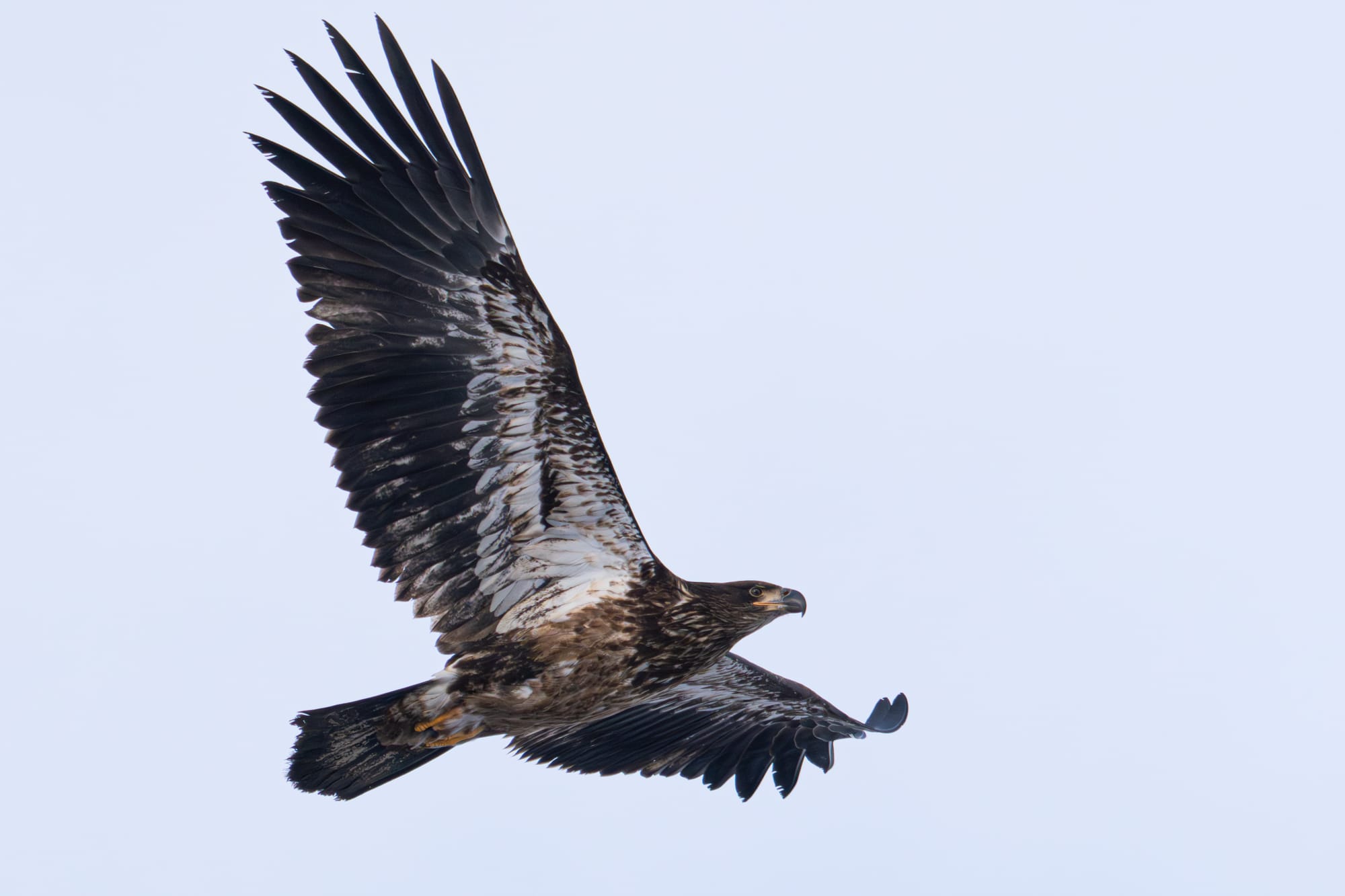
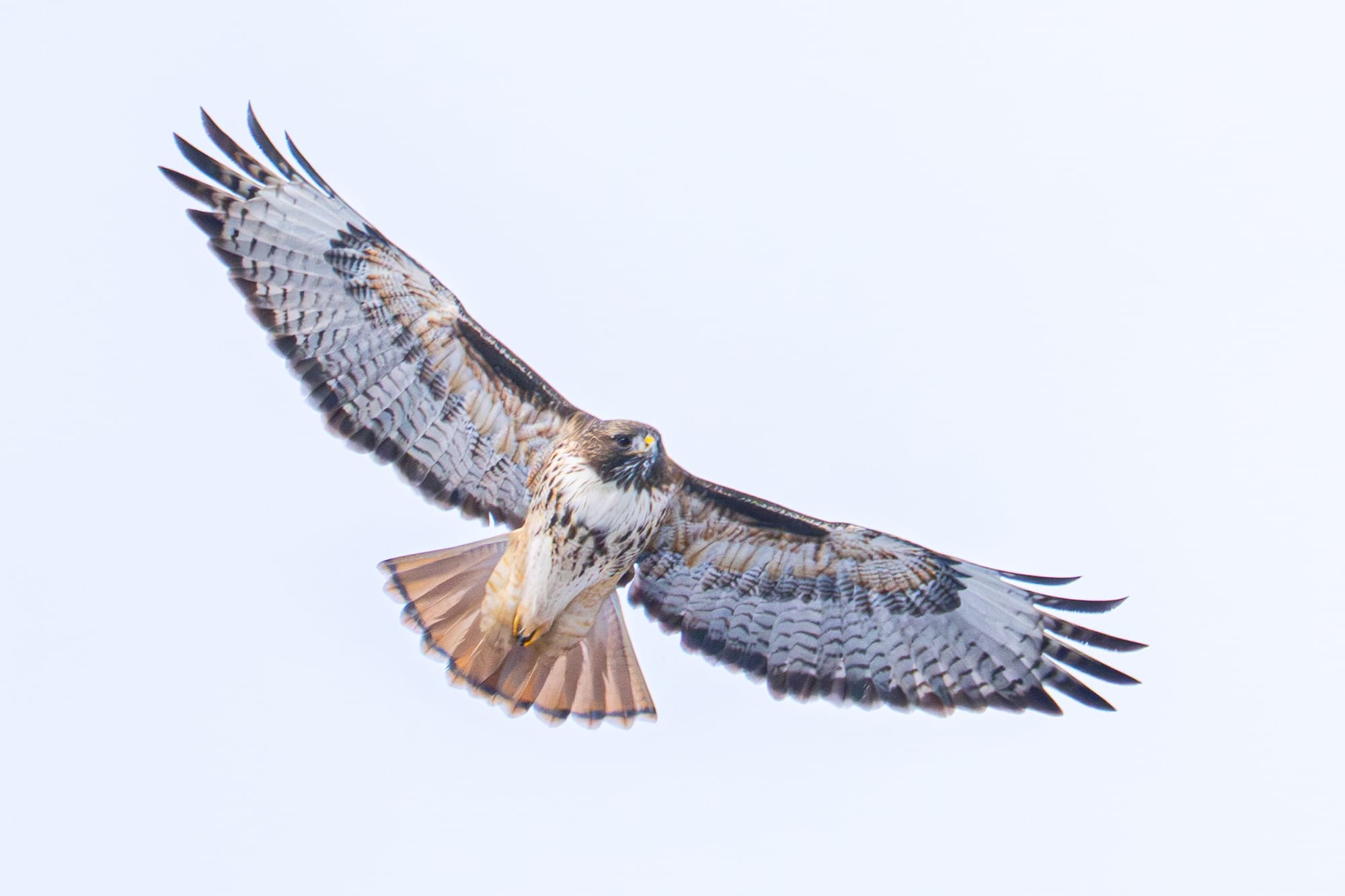
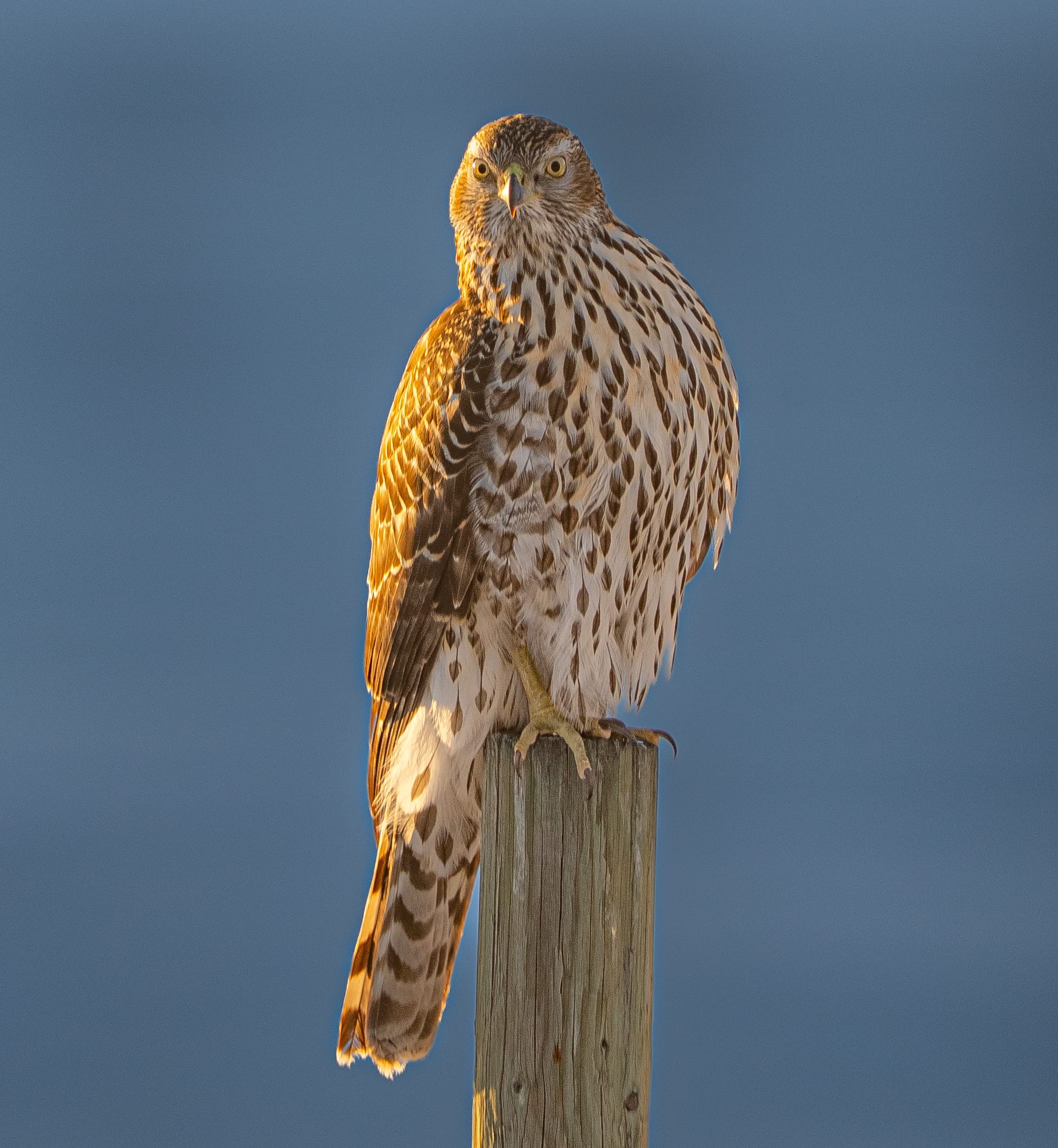
Raptors (including owls) can always find small animals to eat, so they tend to be fairly common. Red-tailed hawks hunt for voles and mice over open fields in the day, while great horned owls take over at night, and bald eagles watch for dead or dying fish along rivers. Raptors are especially fun to watch because some species wander widely in the winter so rare species can show up at any moment. You might see northern goshawks in the valley some years, while very rare species like hawk owls or snowy owls are always a possibility.
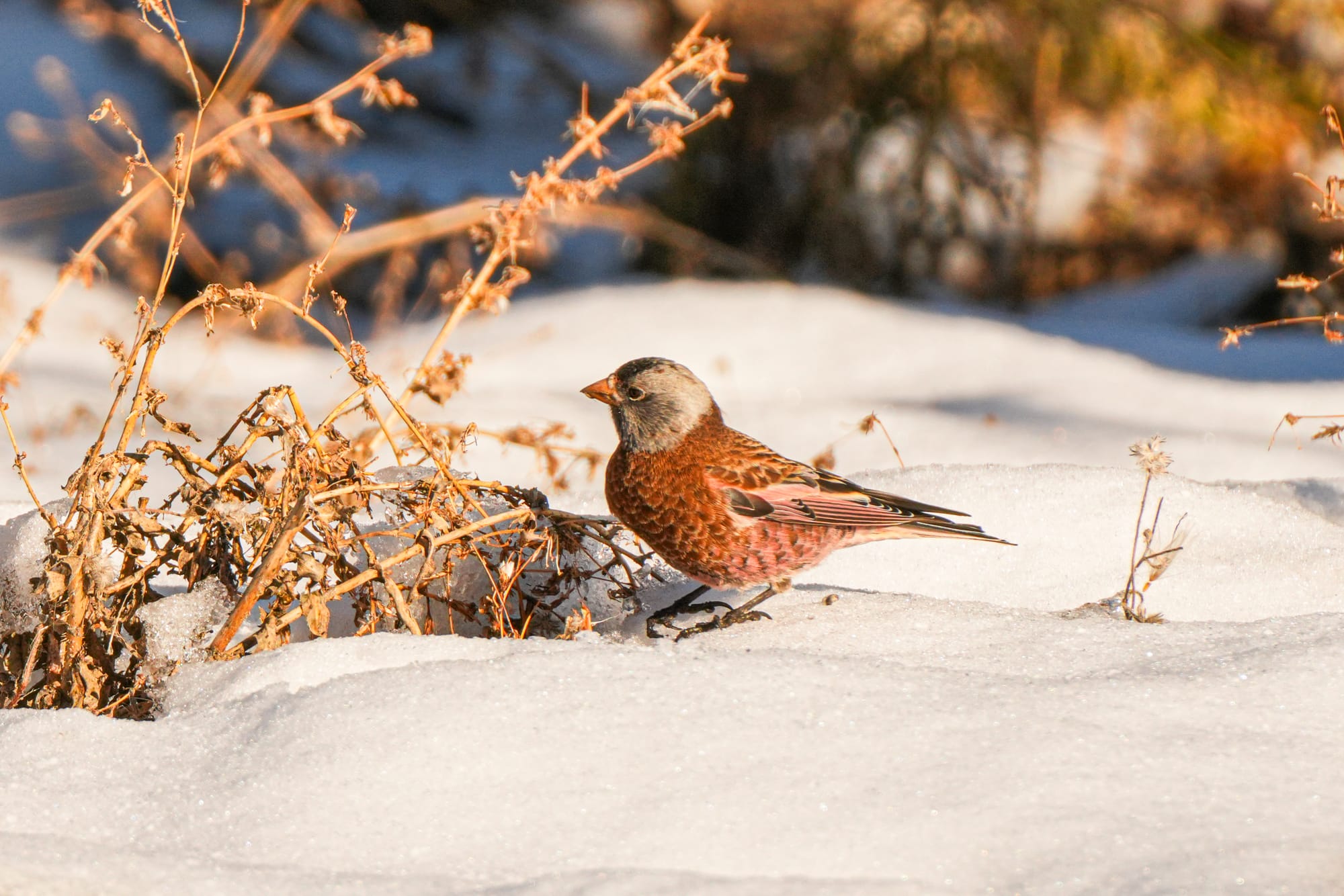
However, the most dependable winter foods are seeds, so many of our winter birds are seed-eaters. You'll notice this right away if you put out a bird feeding station with high quality seeds. House finches, American goldfinches, pine siskins, red crossbills, and pine grosbeaks are abundant and you might spot other seed-eating birds like Steller's jays and red-breasted nuthatches.
While many winter days feel eerily quiet and empty, there are more birds than you realize in the Methow Valley. On the recent Christmas Bird Count, held in mid-December, seventy-four species are observed in a single day. That's inspiration to get out and see what you can find.
