How Time Flies
Late winter uncertainties

Well, this has been an interesting week. One moment, it feels like spring is just around the corner, and the next moment, we're getting fresh snow, with temperatures dropping into the low teens.
Week in Review
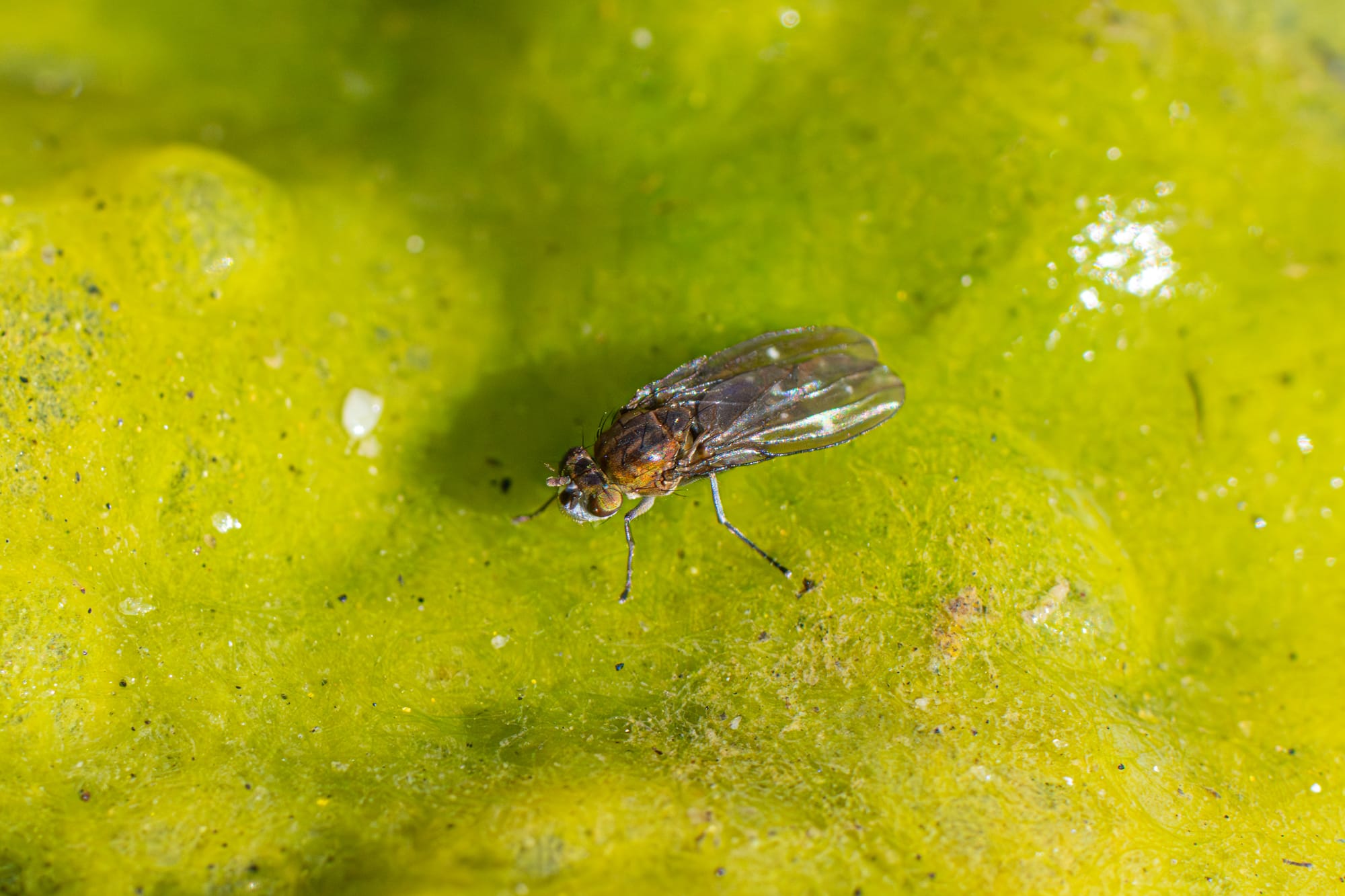
When there's no snow for skiing, winter can turn into a tiresome succession of cold, gray days, but even if you love winter, there comes a point when all of us start longing for spring. I realized that I'd reached that point this week when I found myself spending an inordinate amount of time lingering around a patch of green algae, photographing tiny flies.
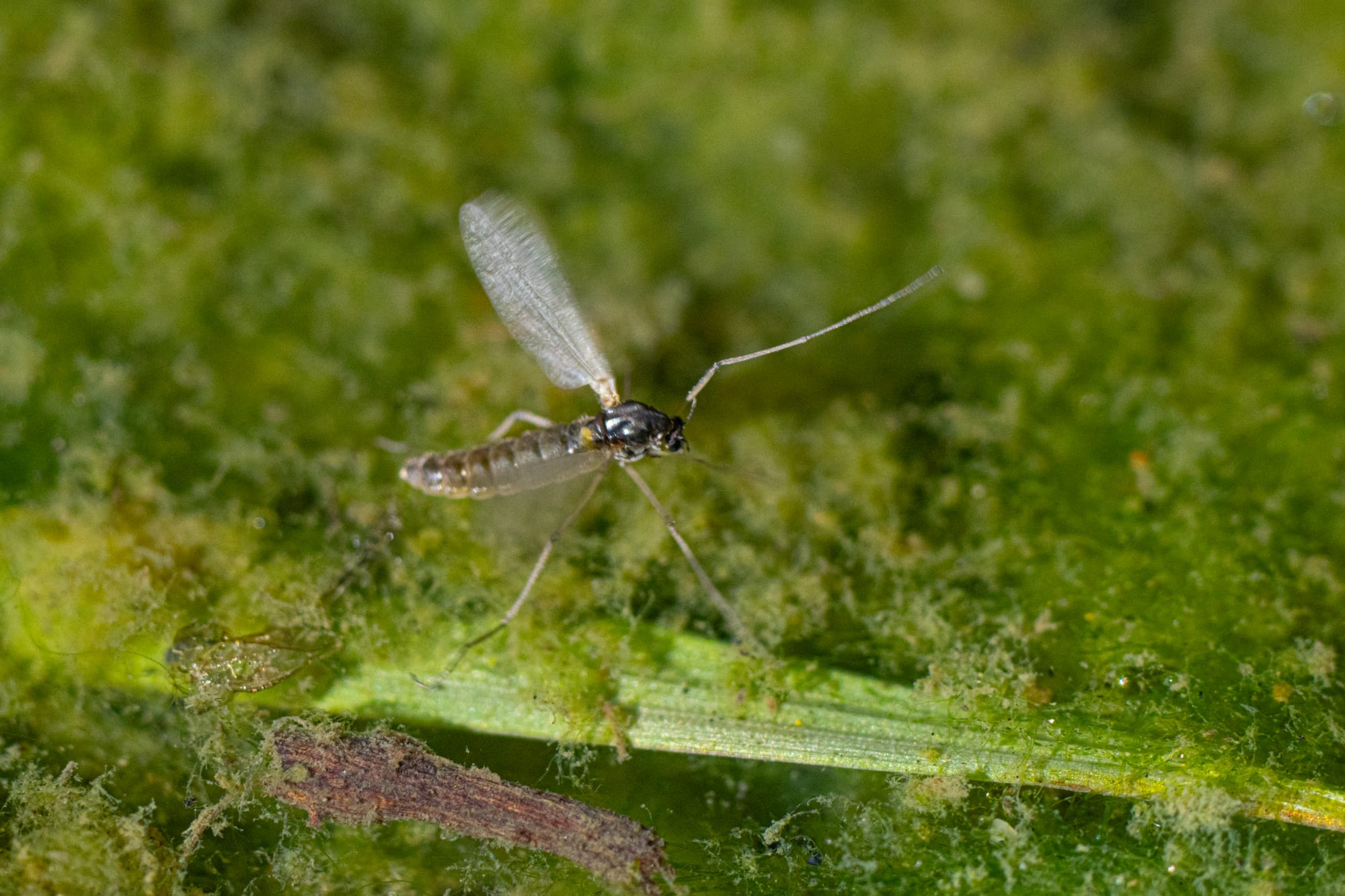
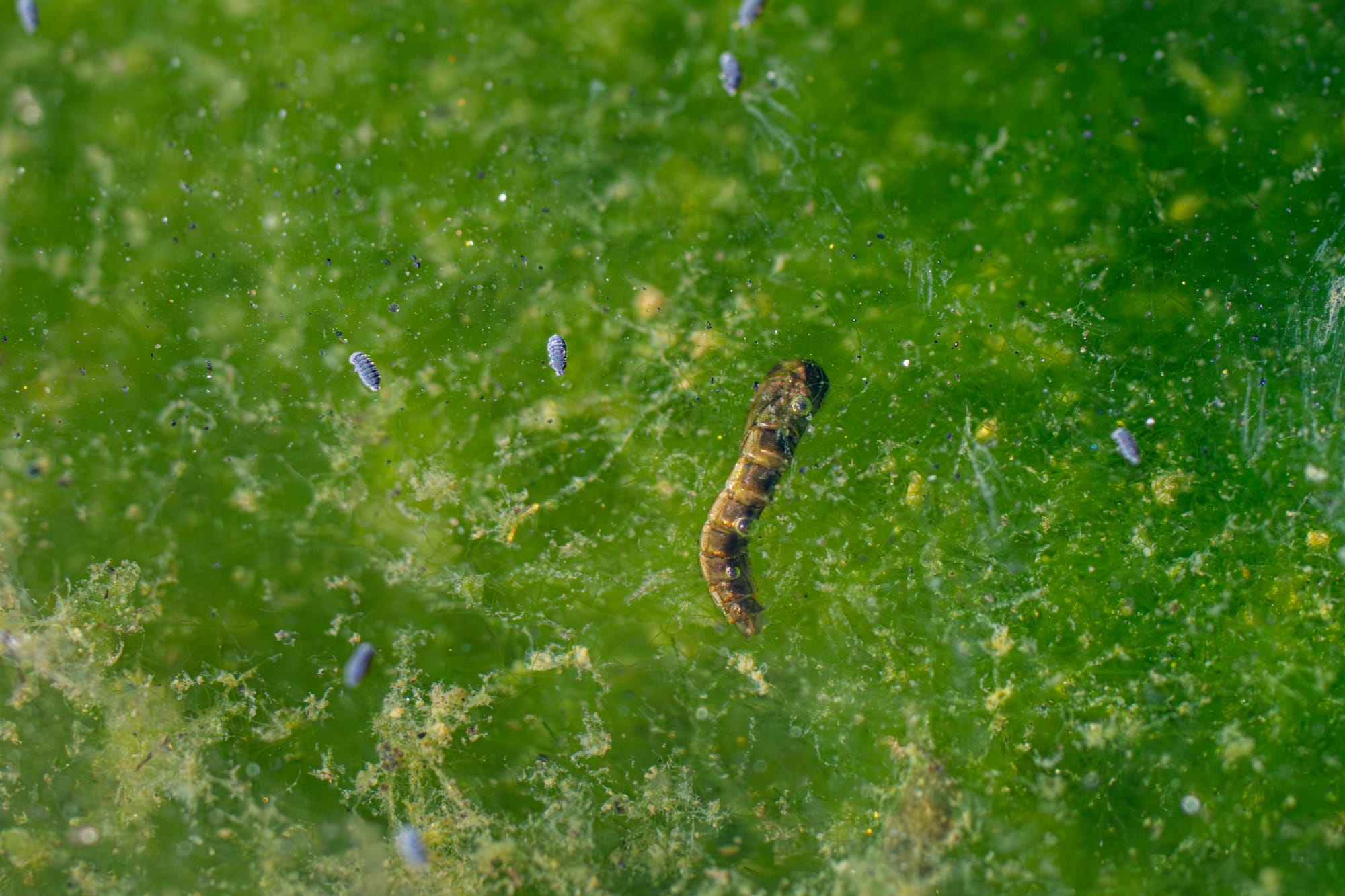
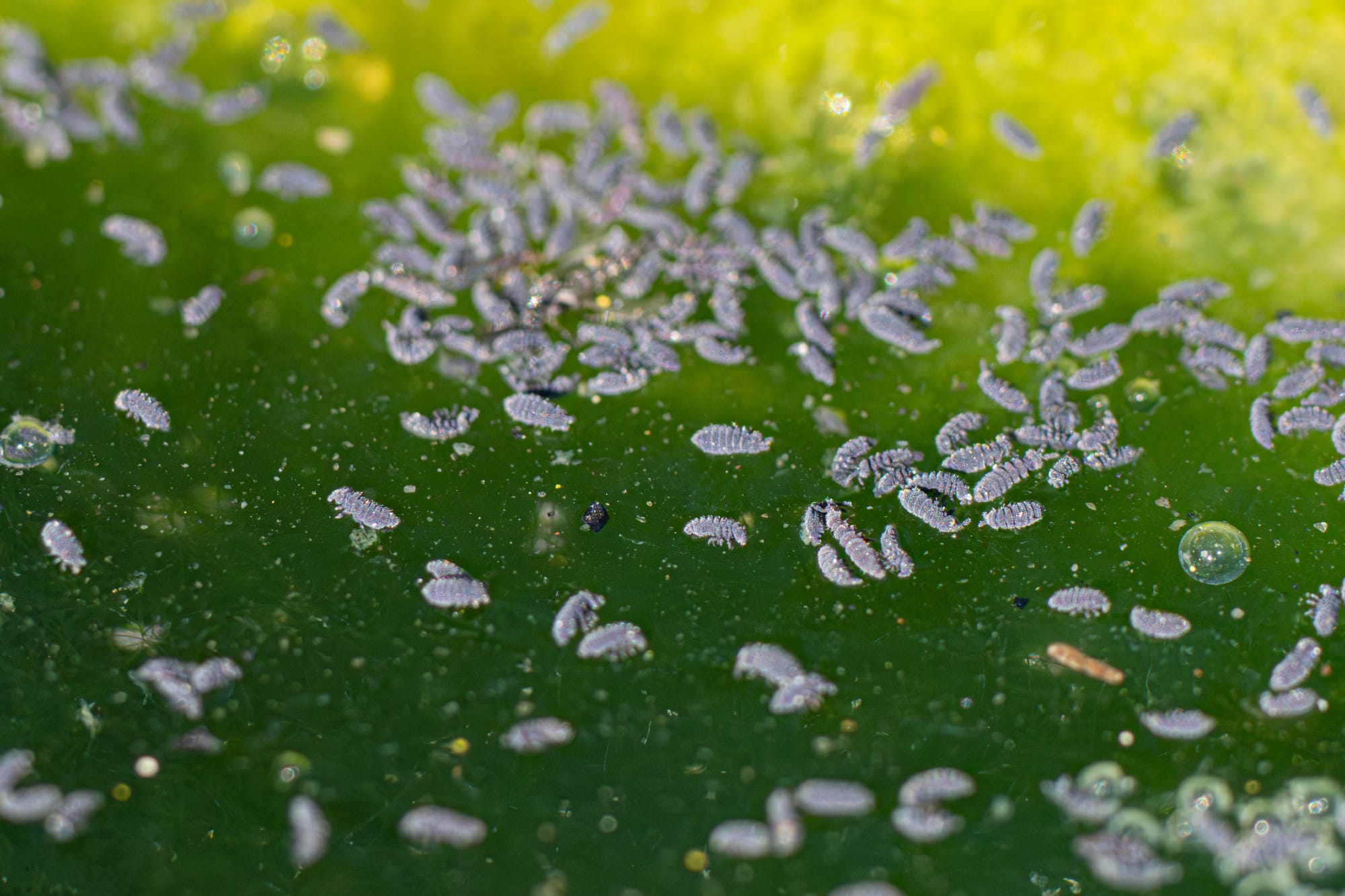
I always check out this spot along Highway 20, just above Early Winters, because it melts early, and it's often the first place I see butterflies in early spring. I didn't see any butterflies this week, but the roadside runoff was bright green with algae and had attracted a surprising number of small animals.
So, that was on a warm, sunny day at the beginning of the week, when it felt like spring was already here; then the weather did a 180-degree turn and winter returned with several days of snow and temperatures dropping into the teens.
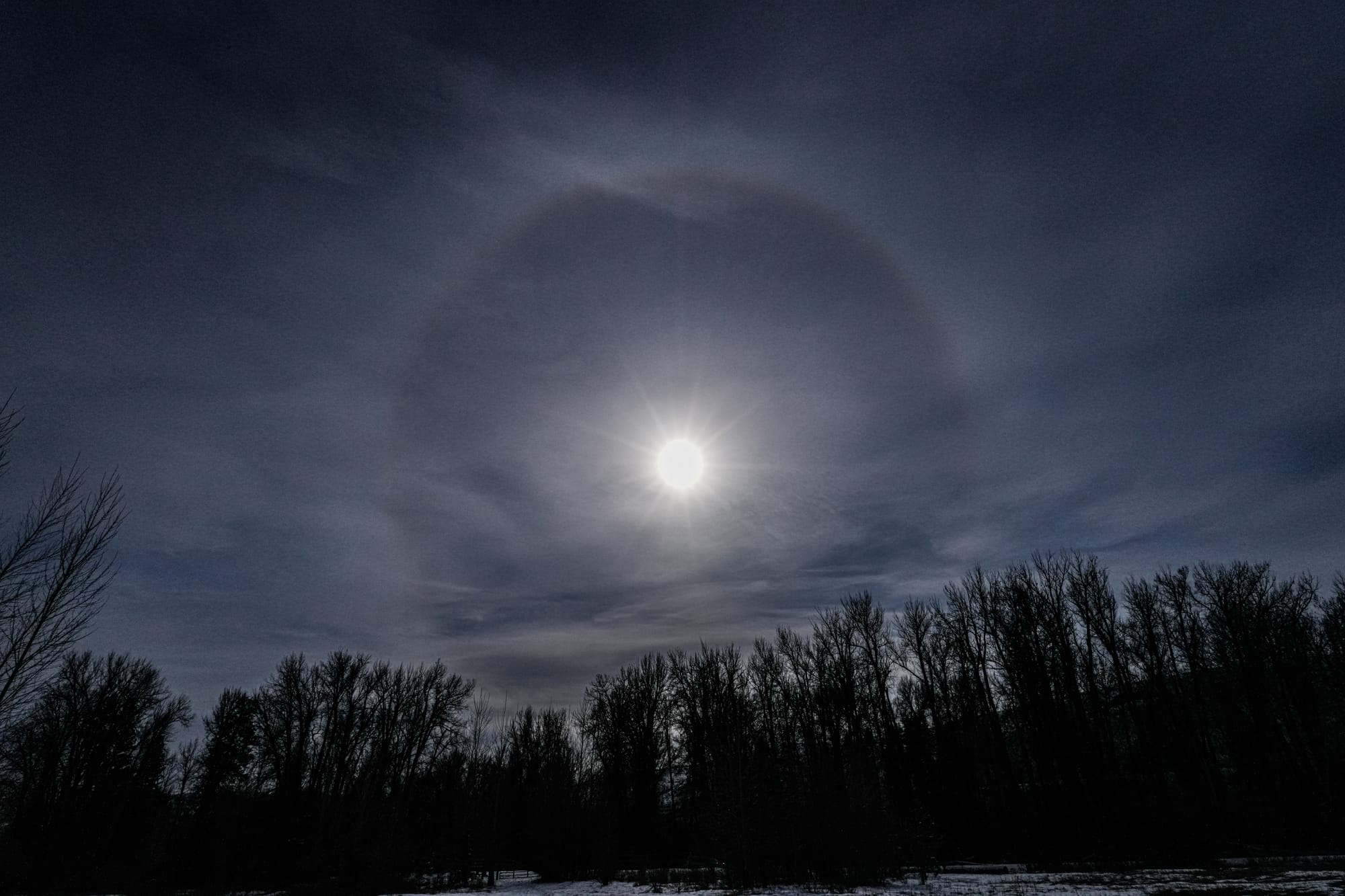
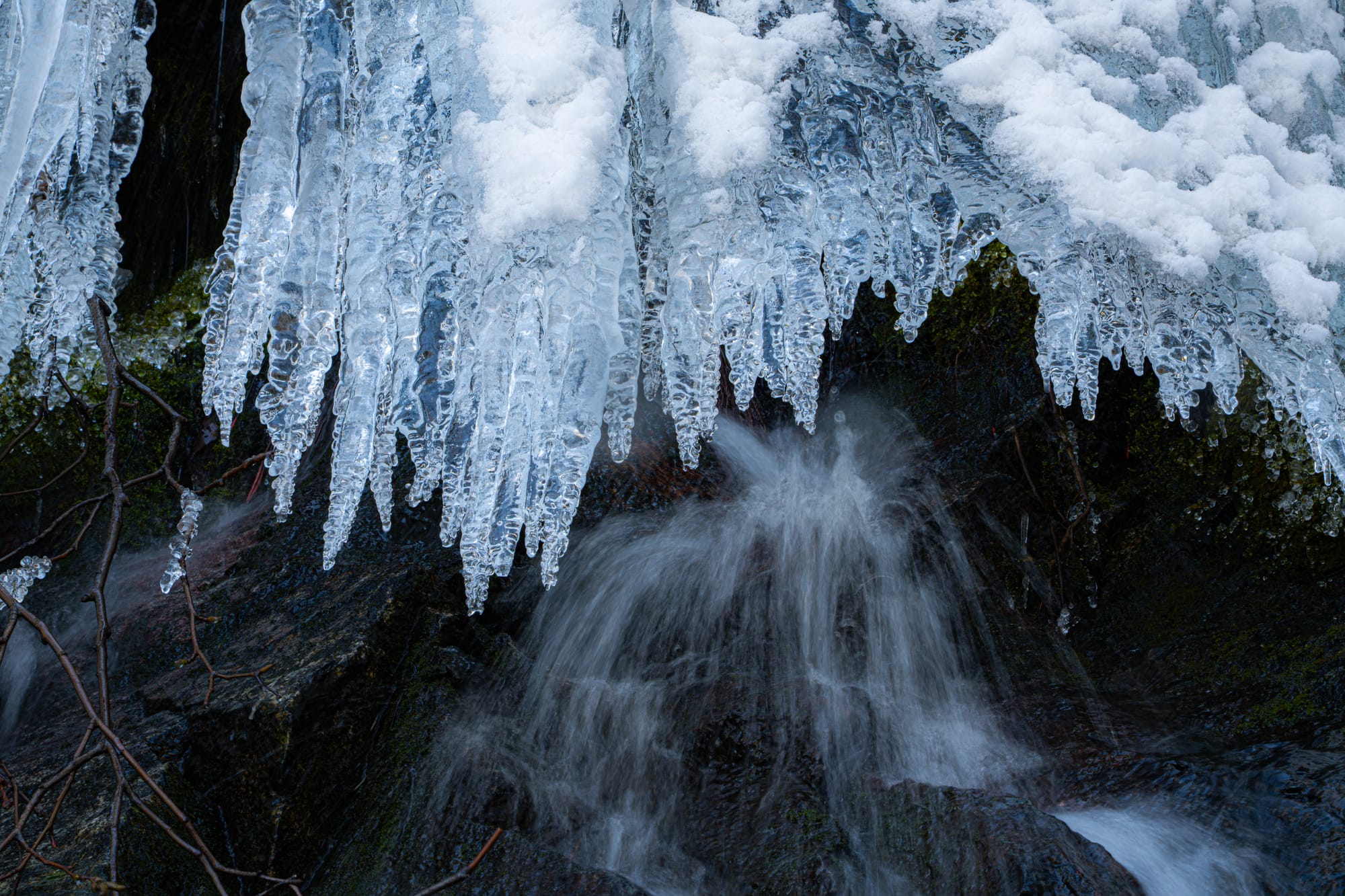
In terms of wildlife, this felt like a very slow, quiet week. Despite getting out on several outings, I had to work really hard to find any activity. All the early plants, insects, and singing birds that I'd been noticing over the past couple of weeks seemed to disappear with the arrival of frigid temperatures.
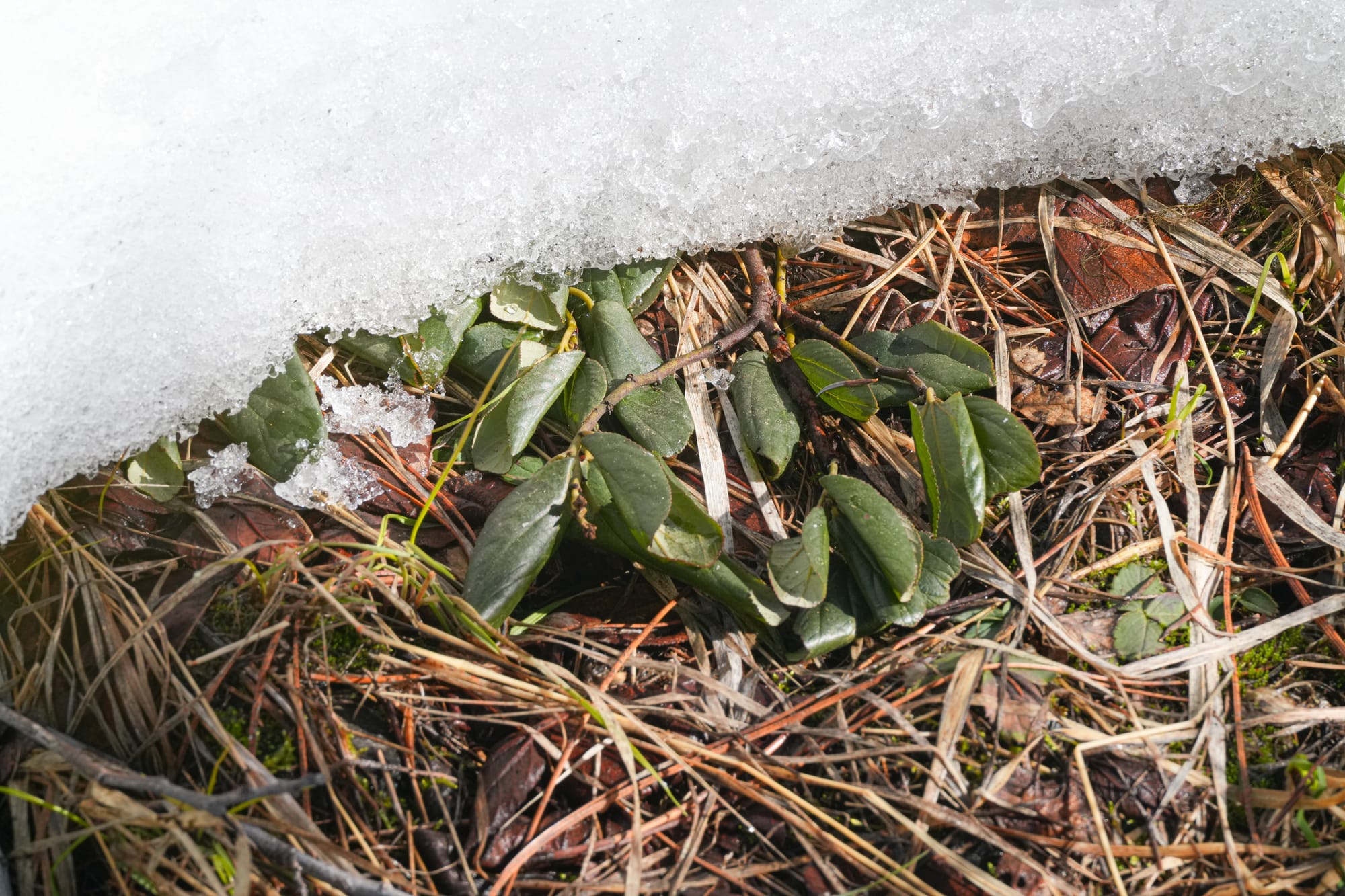
The only notable change in bird behavior I've noticed has been the sudden appearance of dark-eyed junco groups in the past week. Juncos move around the valley all the time, so this observation may not mean anything, but I pay attention to juncos because migrating juncos typically arrive early in the valley and start piling up as they eagerly wait for mountain meadows to melt out.
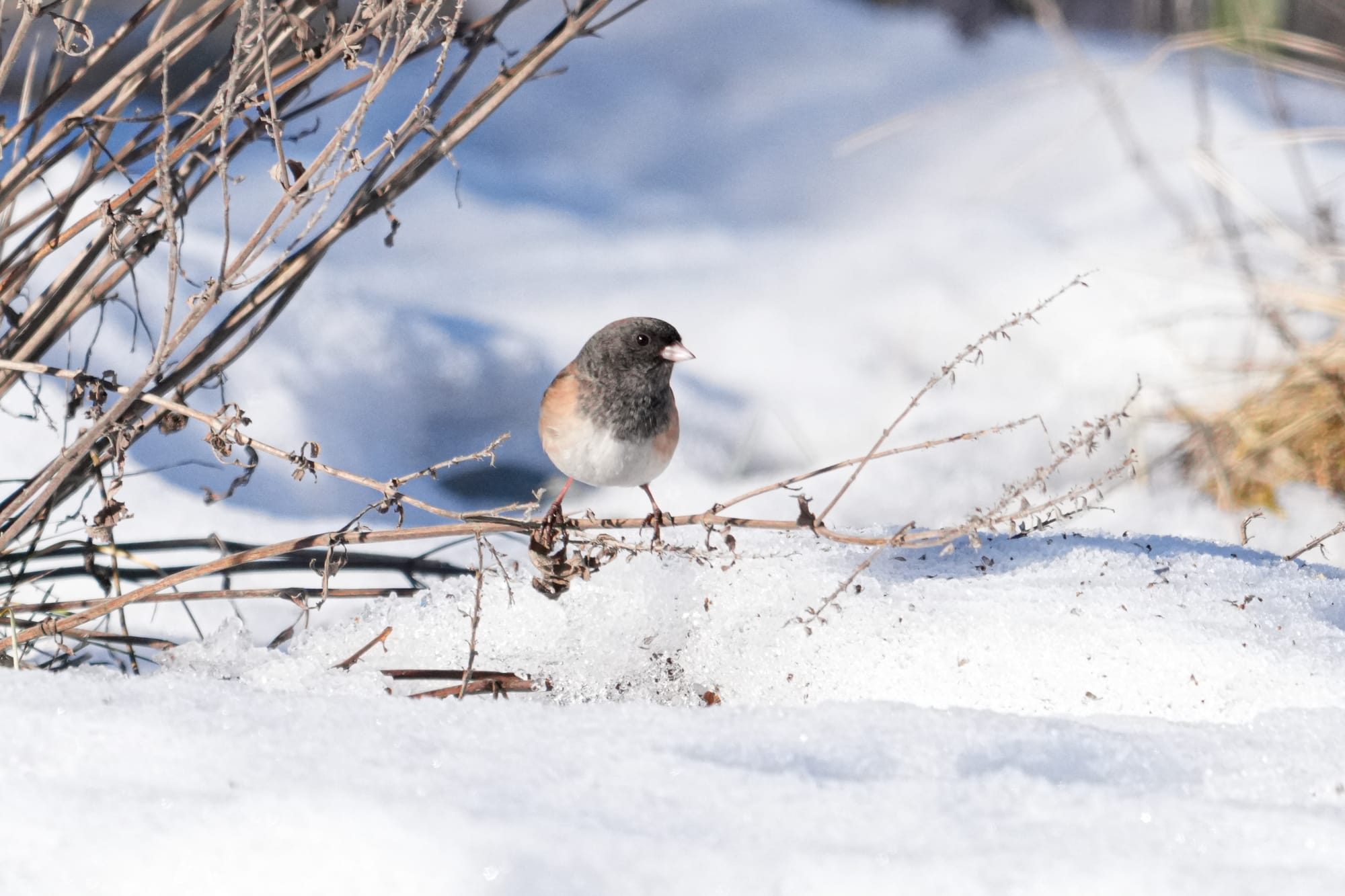
Observation of the Week: Ice-Marginal Lakes
One of the things we tend to overlook in the Methow Valley is that every aspect of our local landscape was shaped by massive glaciers that buried the valley in ice as recently as 10,000 years ago. It's easy to miss these clues today, but local glacier expert Alan Gillespie taught me to see one of the most obvious features staring us in the face every day.
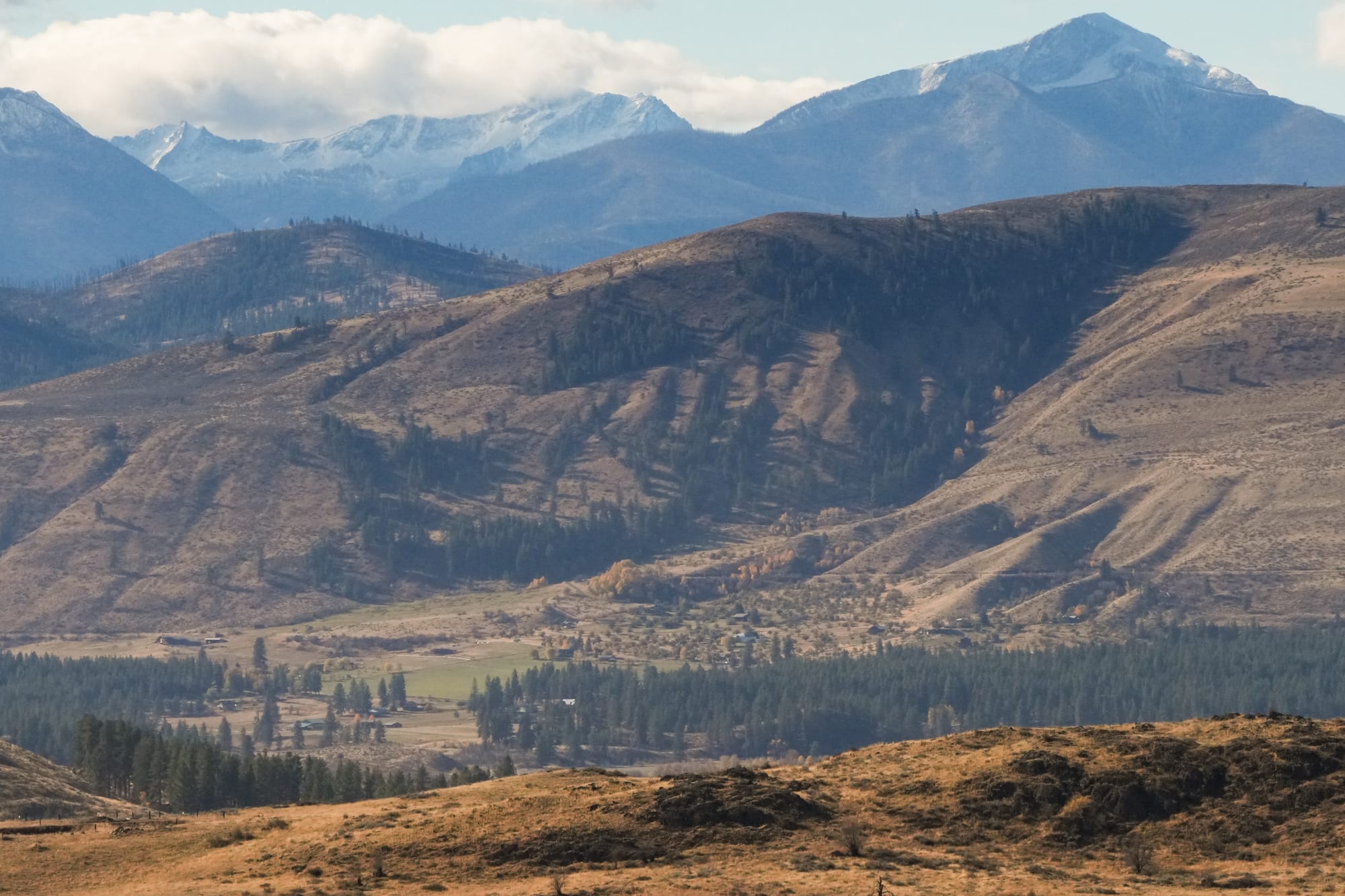
Everywhere you look in the Methow Valley, you'll see small hillside gullies. I'd never thought twice about this because it seems obvious that gullies form on hillsides. But Alan pointed out that gullies can only form where there's a source of water, and these gullies start in the middle of hillsides where there's no source of water.
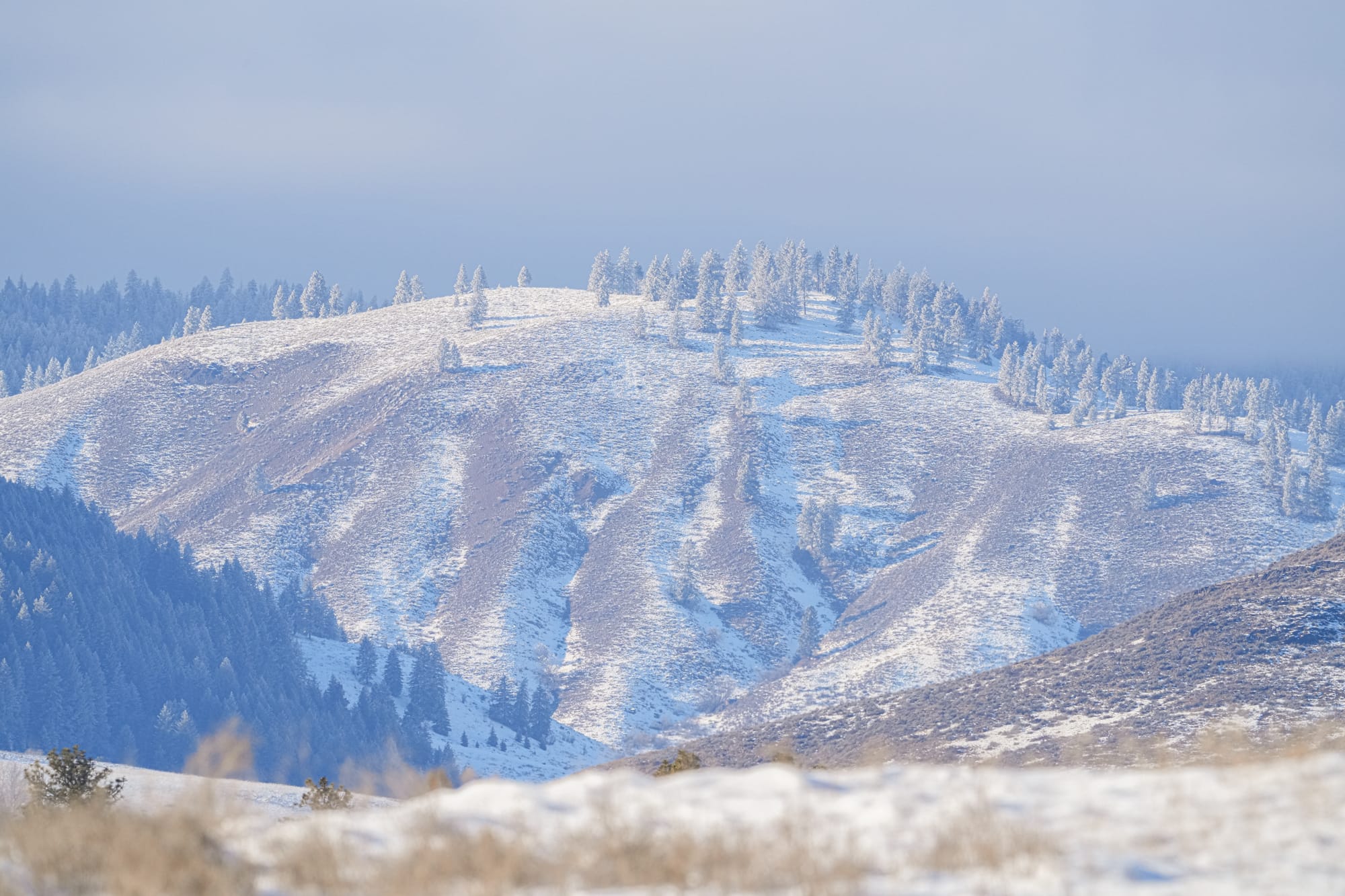
The only obvious answer is that these gullies formed around the perimeter of glaciers, when melting ice created what are called ice-marginal lakes that form where a glacier runs along a slope that constrains the glacier. These lakes then drain into the space between the glacier and the hillside, creating gullies.
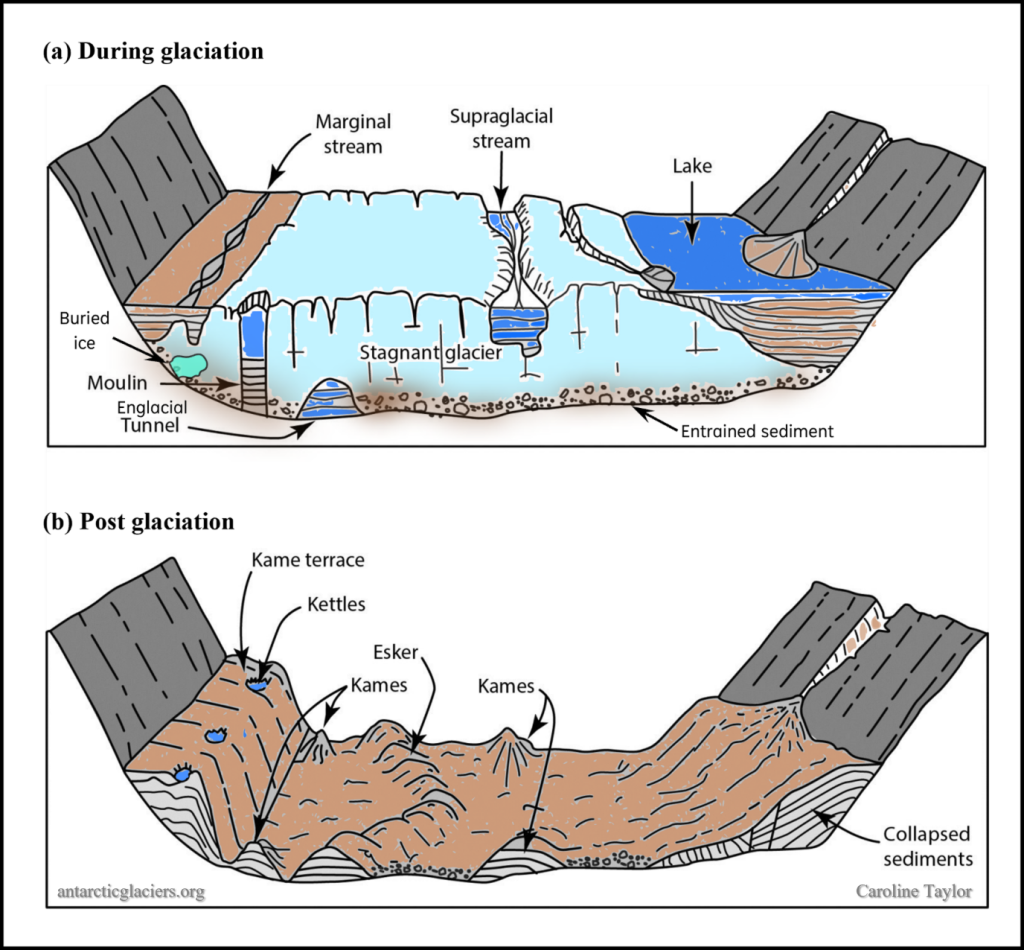
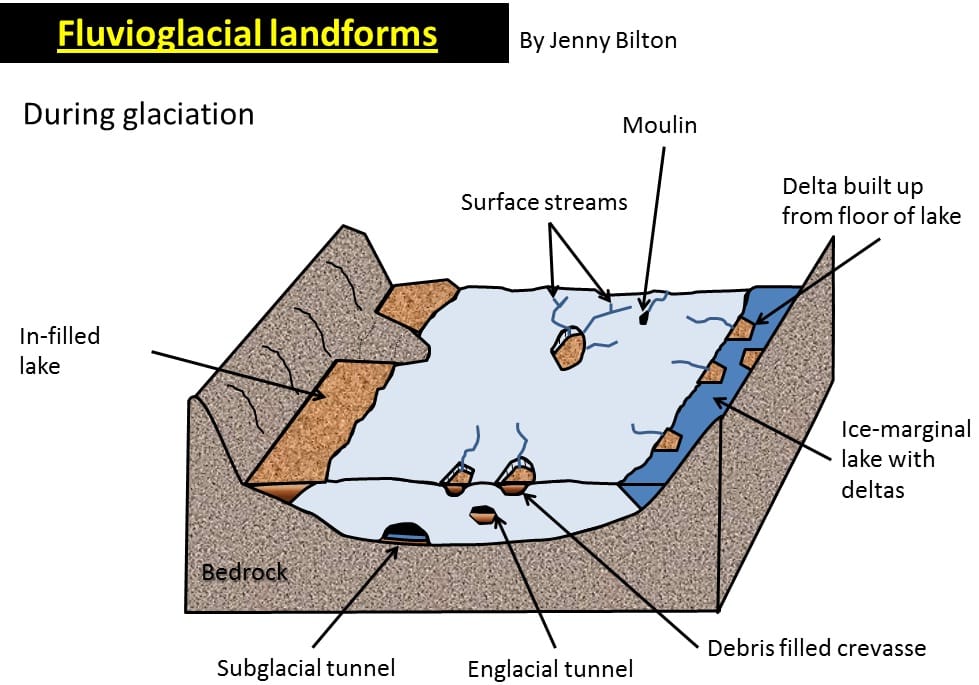
Two views of how ice-marginal lakes and kame terraces form. Images by Caroline Taylor and Jenny Bilton
Ice-marginal lakes also gather sediments, and when the glacier melts, they leave behind flat ridges called kame terraces. These terraces are another prominent glacial feature found all over the Methow Valley.
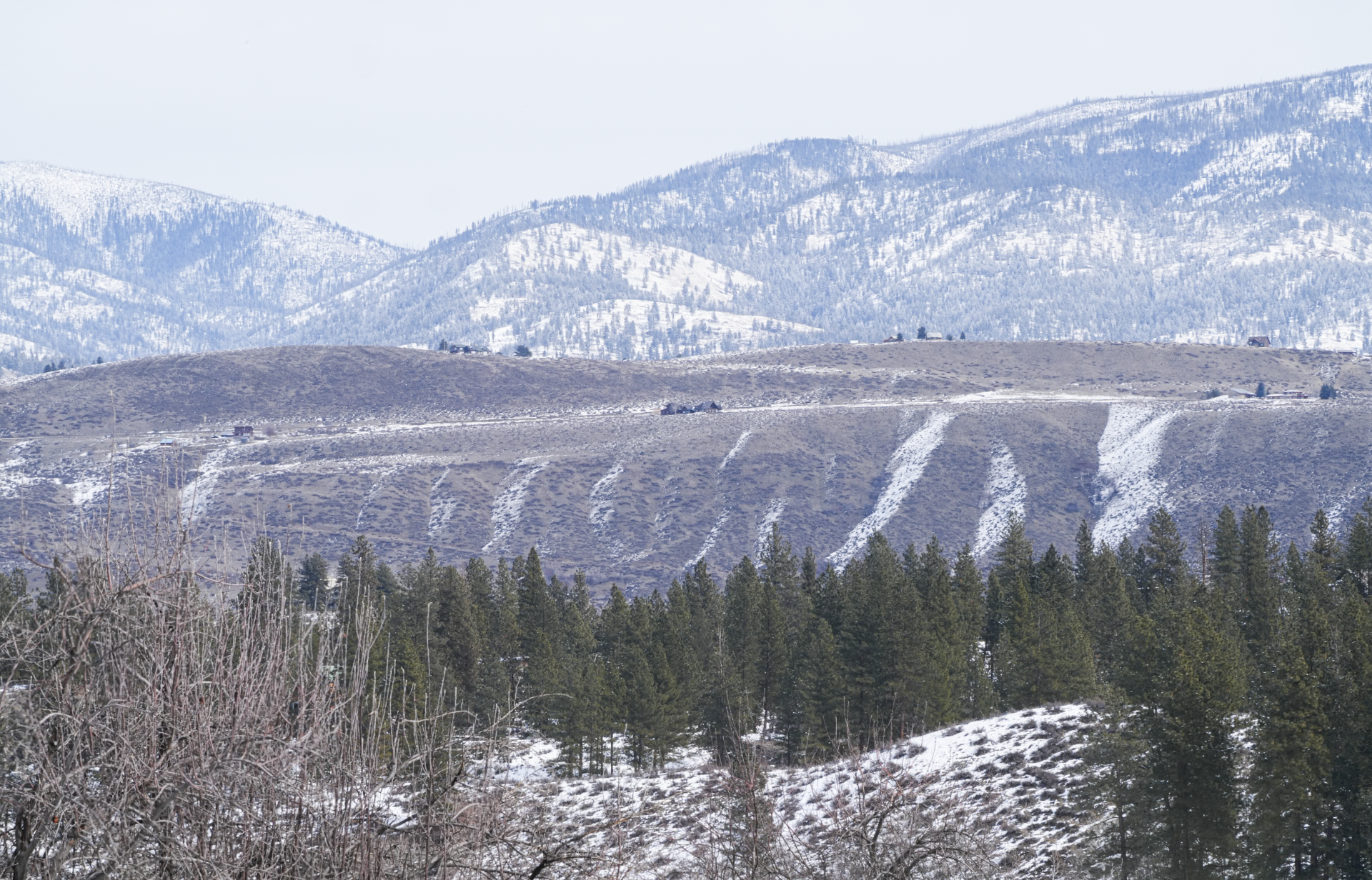
Once you start looking, you'll discover glacial evidence everywhere in the valley; it's just a matter of learning how to see it.
