November 30-December 6, 2025
Covered in snow lightly

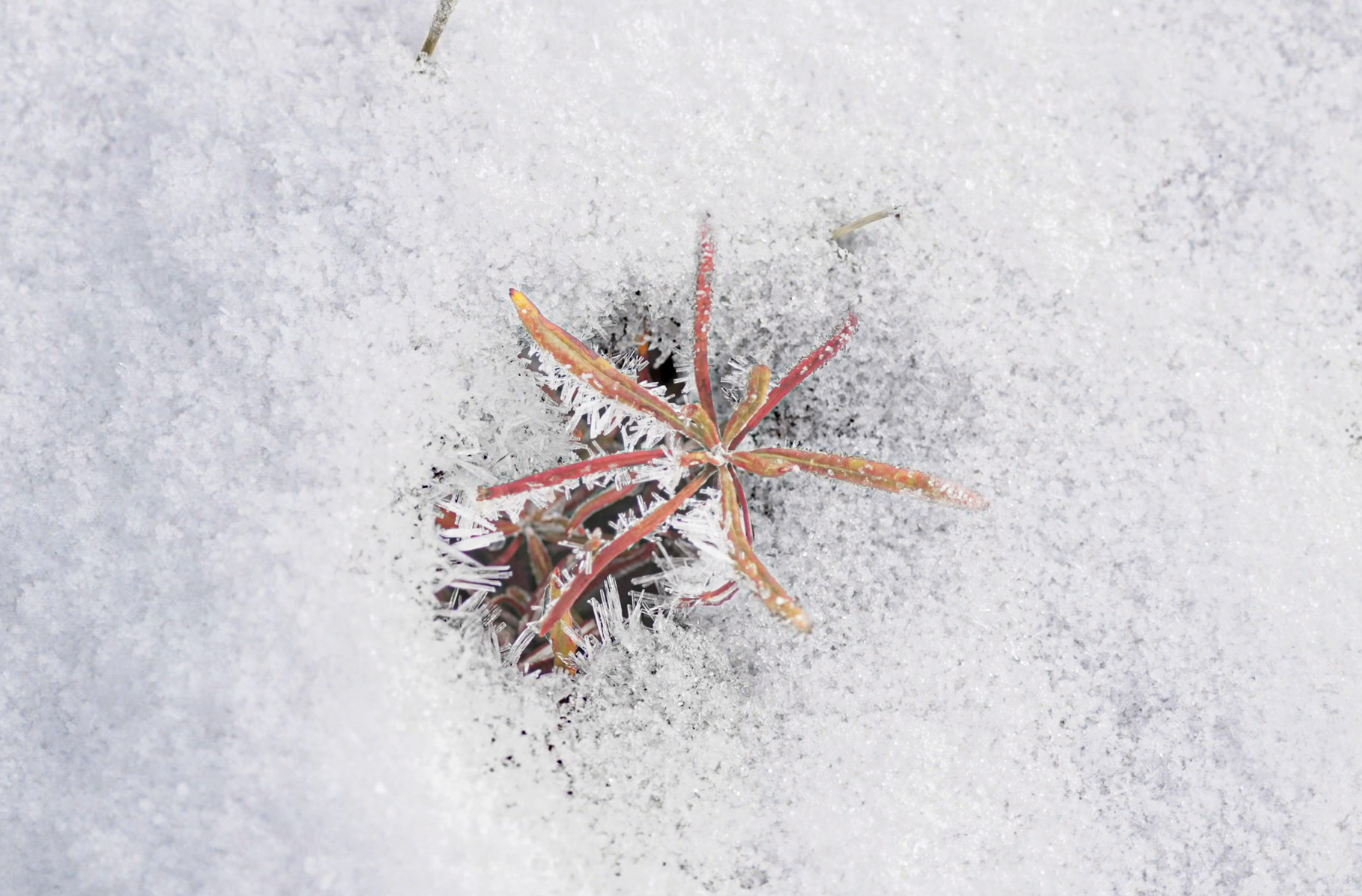
Other than a welcome dash of sunshine at the beginning of the week, things have been gray and foggy, with a round of fresh snow covering the ground by week's end.
Week in Review
We finally got enough snow to blanket the valley and start thinking about skiing! Yes, the snow is still a thin layer but this time it looks like it's going to stick around (compared to the snow that promptly started melting last week).
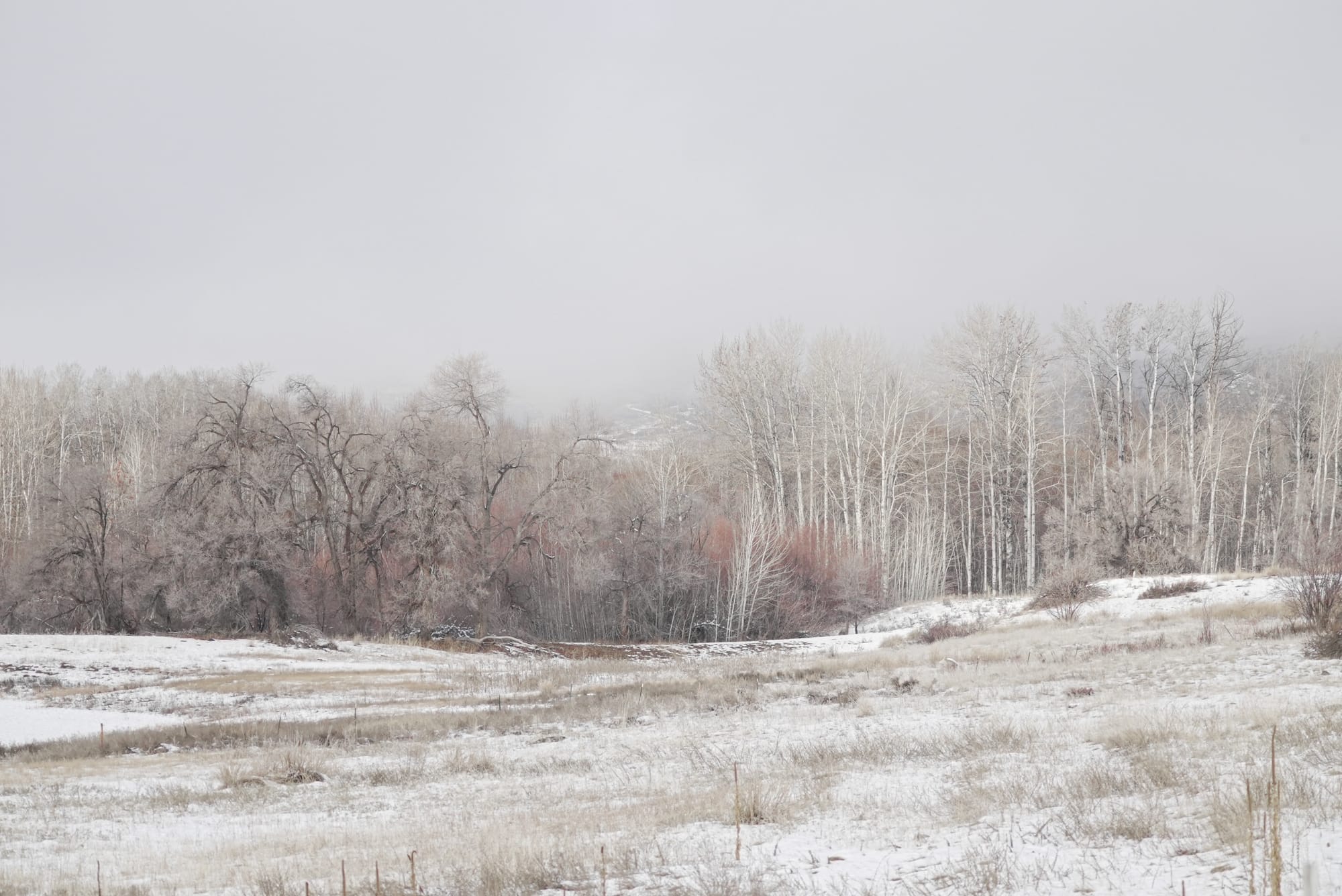
With temperatures dropping into the low 20s, we're also beginning to see some of our smaller lakes ice over, though I haven't seen ice on the larger lakes yet.
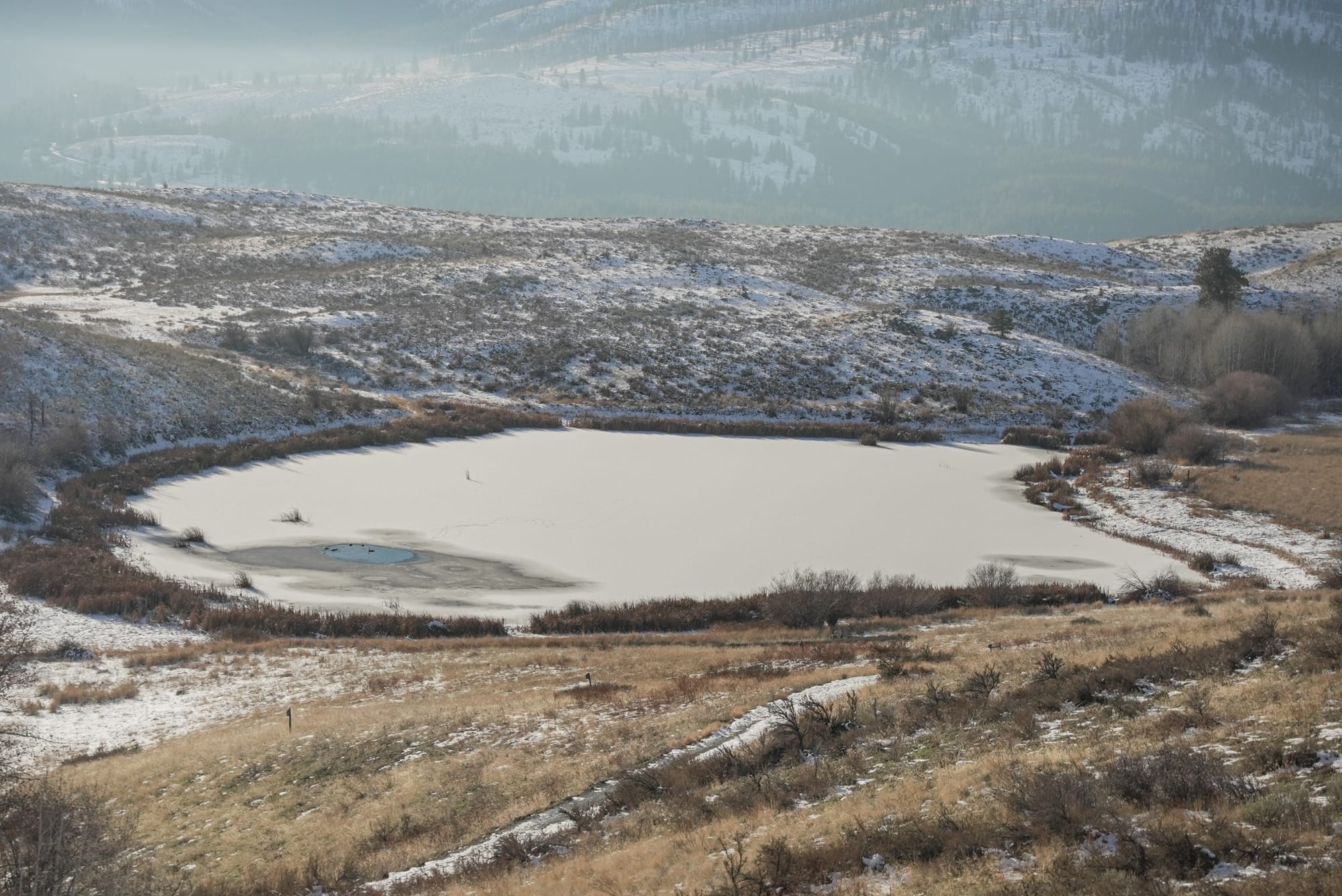
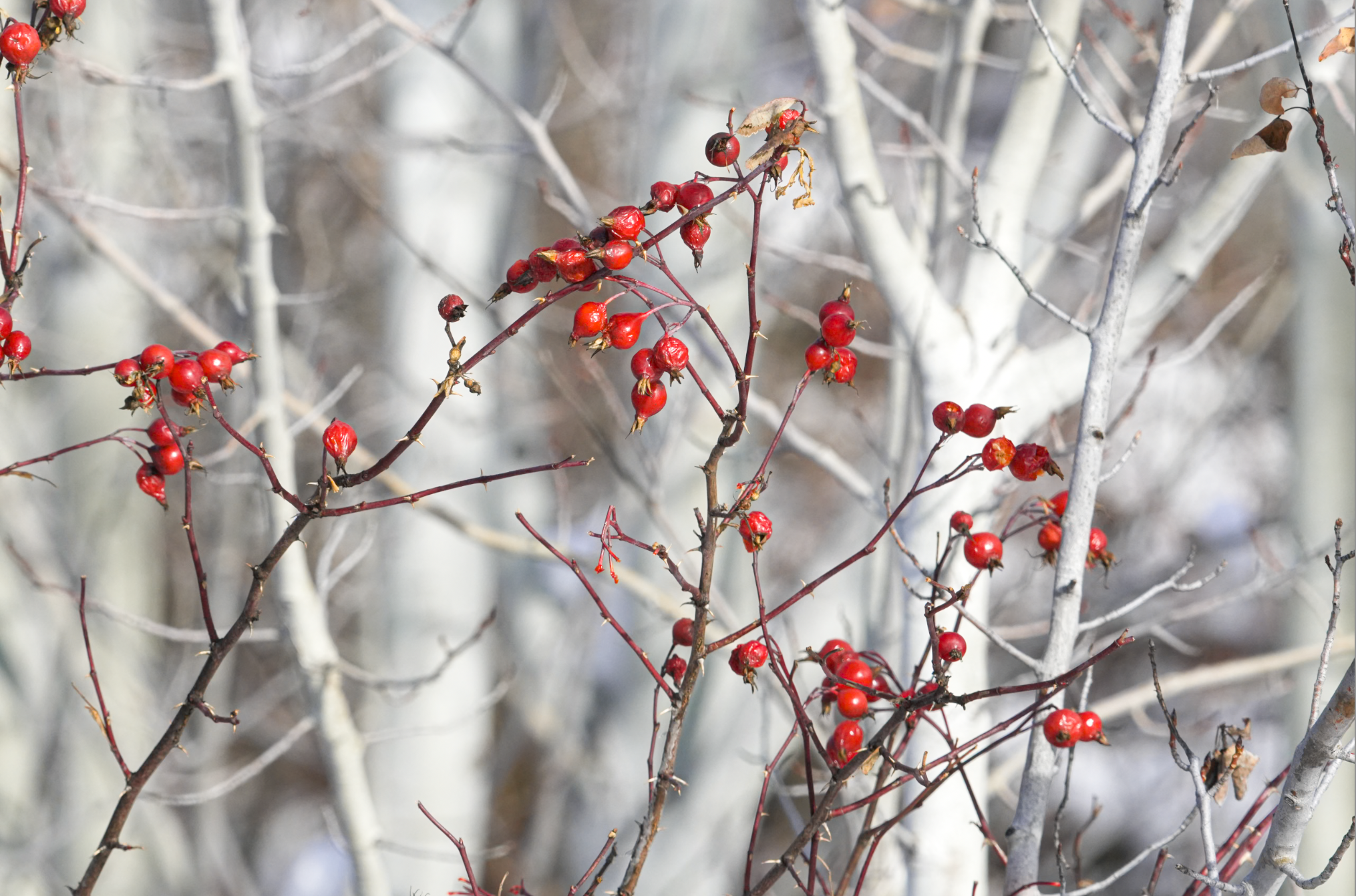
With the sky gray and foggy, and the ground white, you might find yourself paying more attention to hints of color and movement. A great example is the red pop of rose hips in an aspen grove. We notice these red colors, and so do the squirrels who devour rose hips as soon as the snow gets high enough that they can reach the fruits amid the prickly branches.
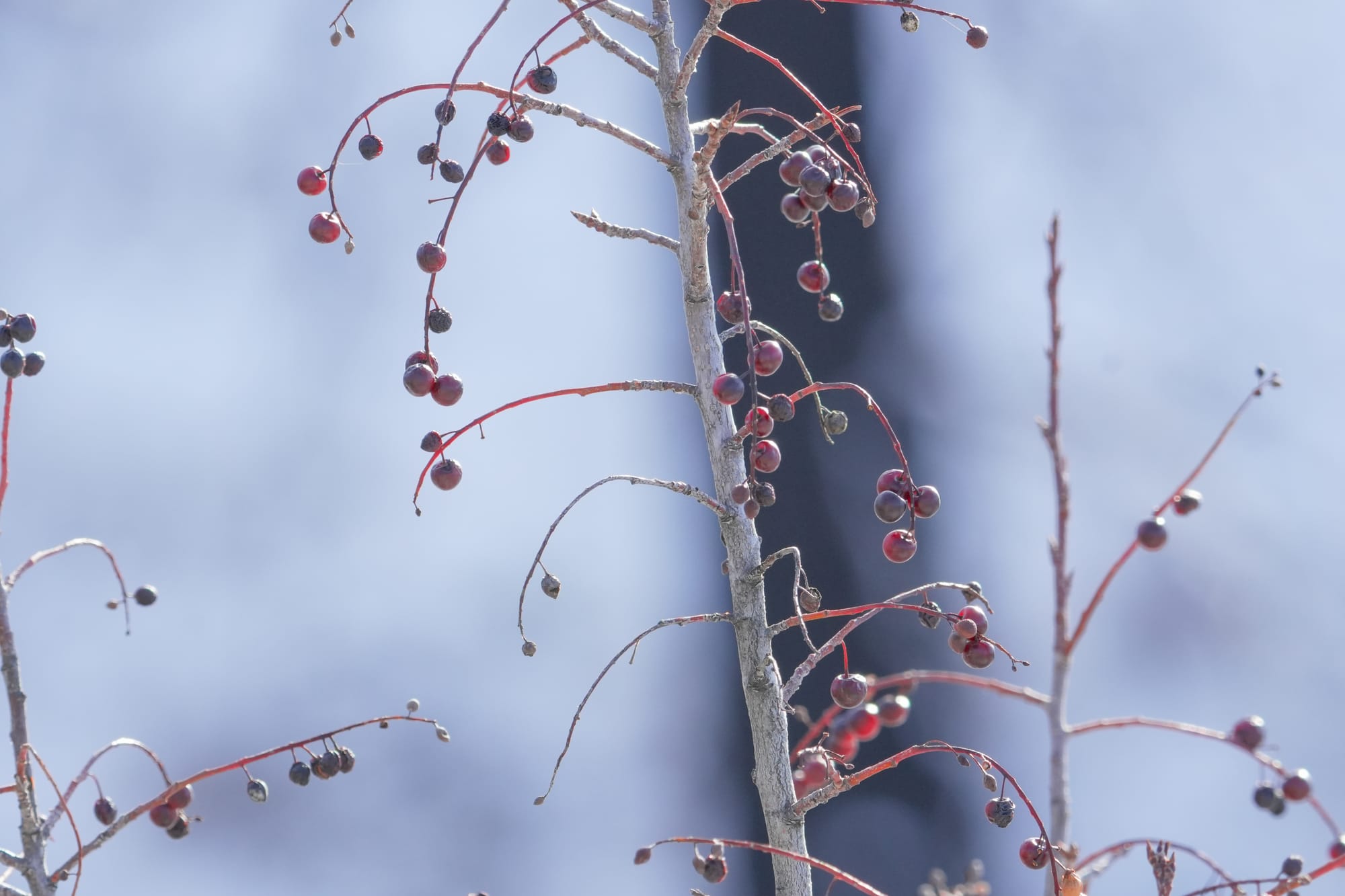
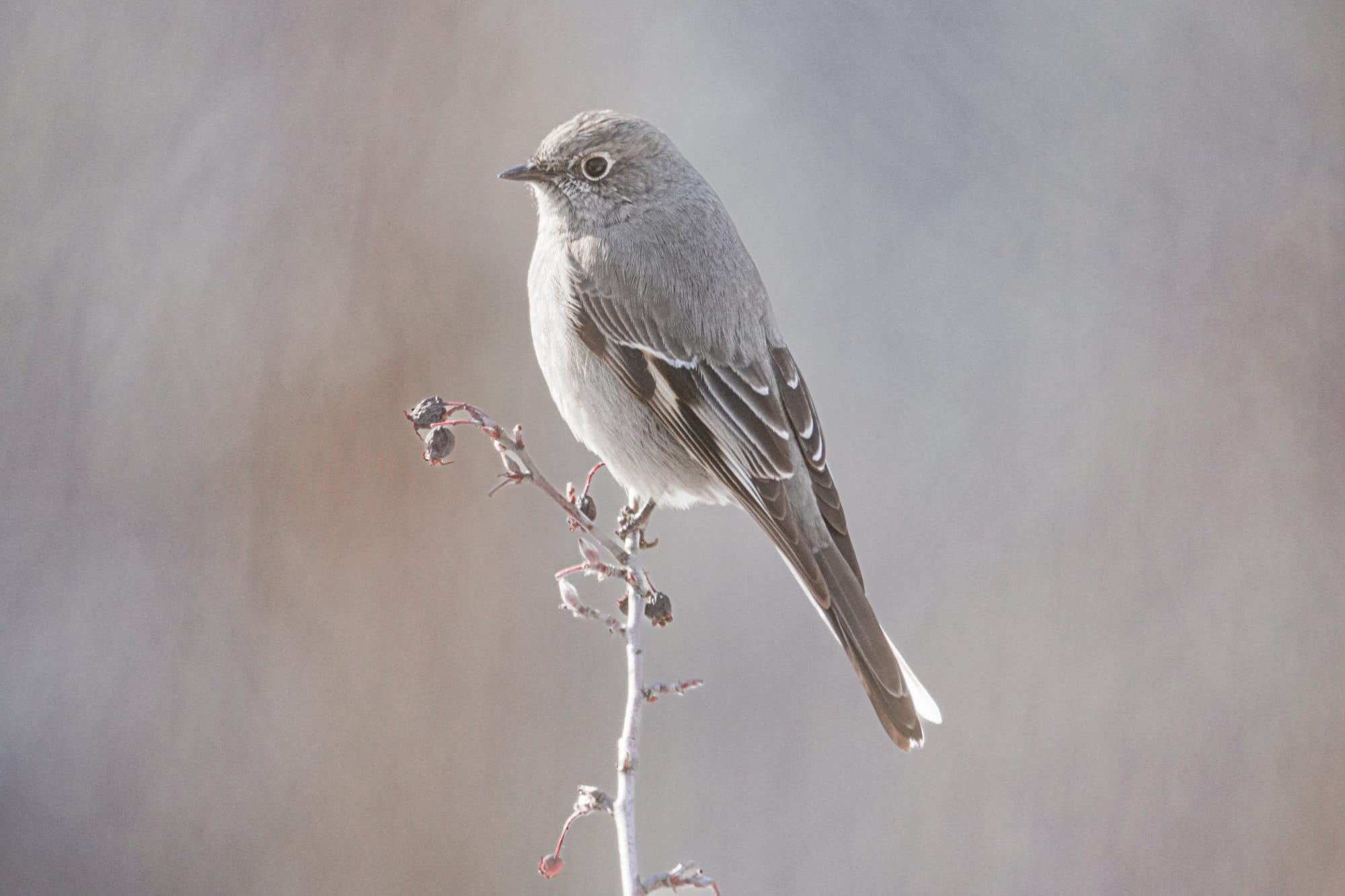
While not as conspicuous, there are still lots of chokecherries around, and birds love to eat these fruits. This might explain why I was seeing so many Townsend's solitaires along Lester Road, and was able to get close to one of these normally skittish birds as it flitted along the road.
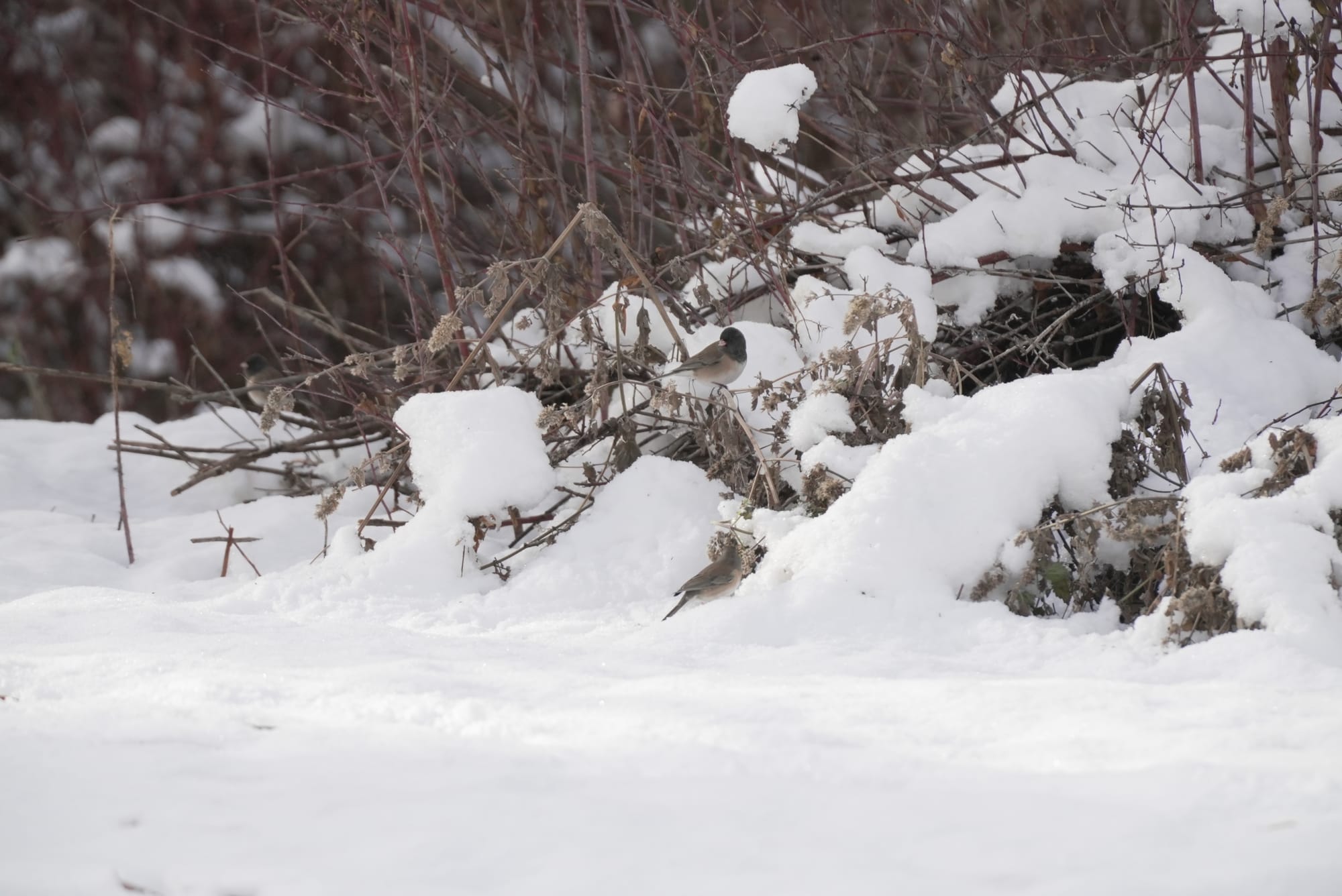
I've continued to find groups of dark-eyed juncos on most of my outings. They are one of the valley's most common winter birds, and I'm happy to see that they're here now because they are such a cheery and lively presence.
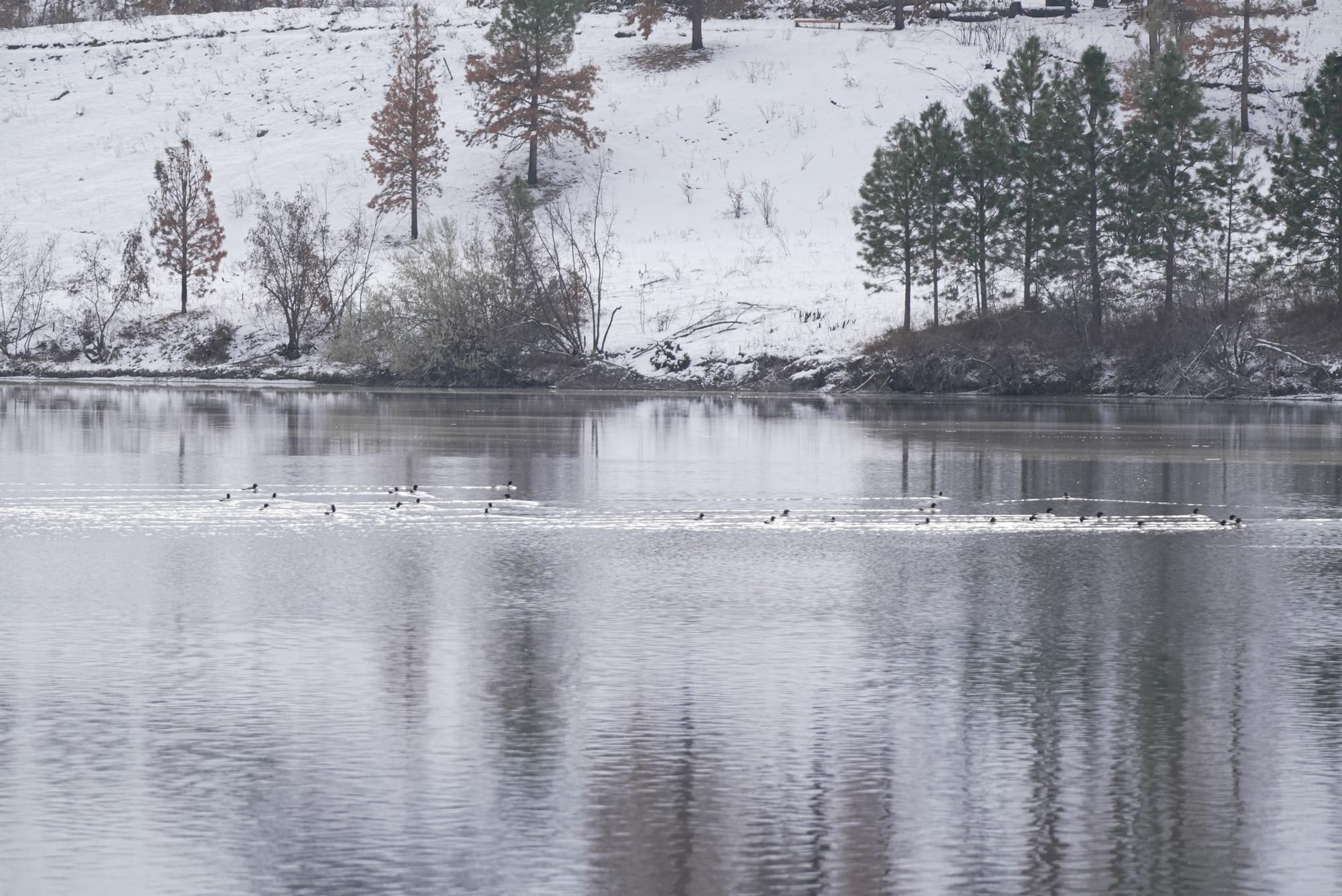
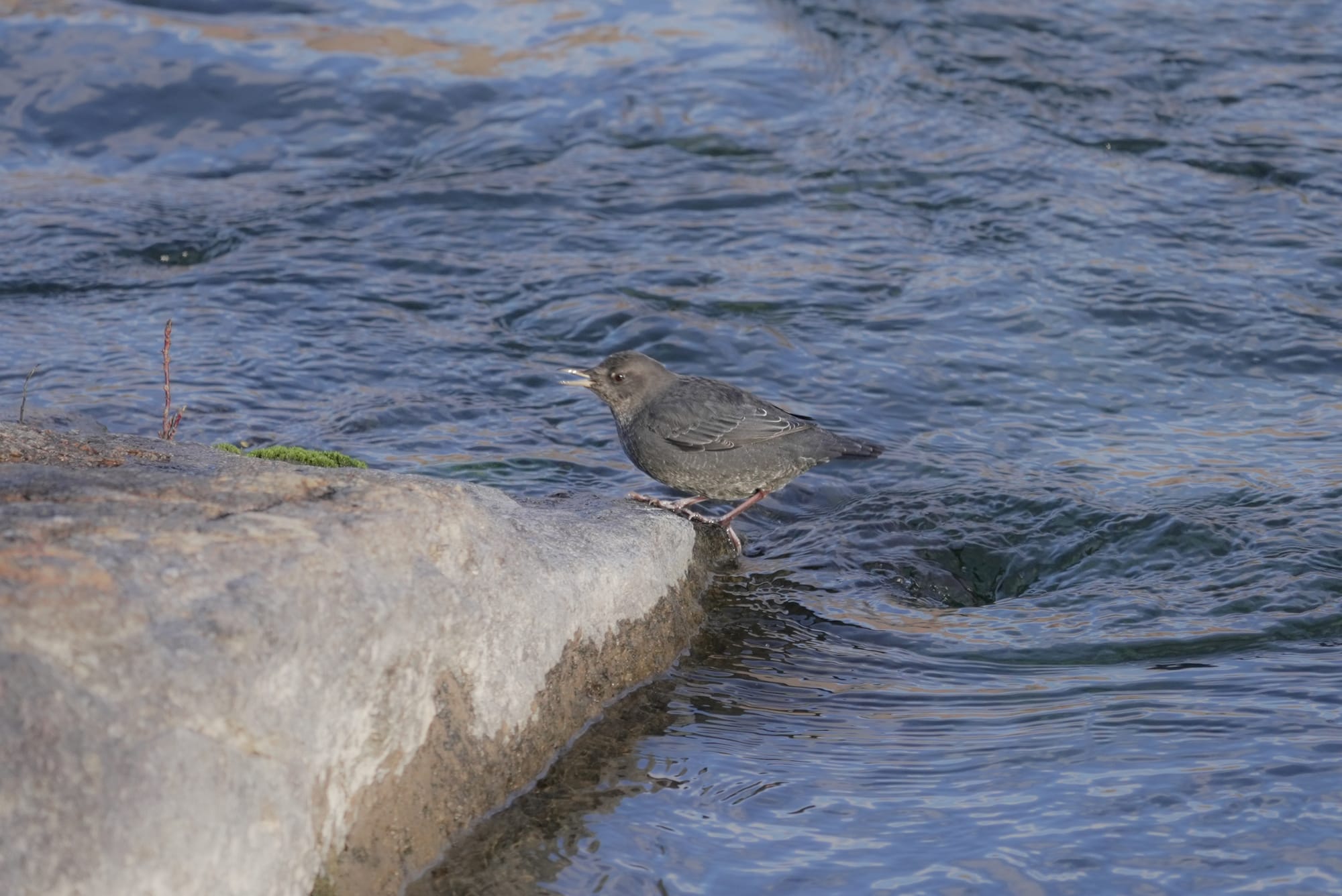
The best places to see birds continue to around water, including any ice-free lake or river. Swans and a handful of ducks have been hanging out at Big Twin Lake, and I spotted a huge group of common mergansers with many other ducks at Pearrygin Lake.
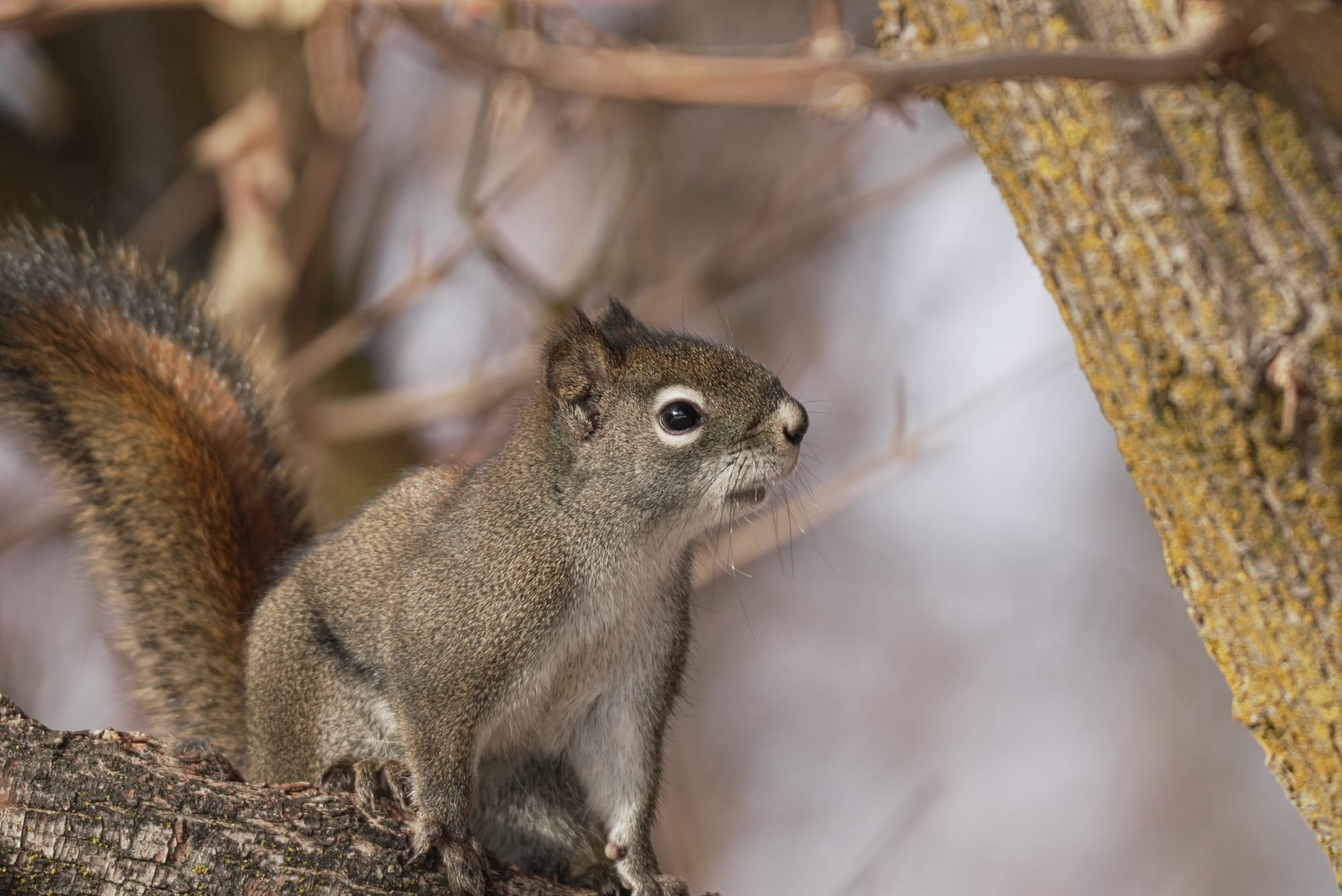
Finally, no cheerful winter day is complete without spotting a few red squirrels. These hardy squirrels tend to lie low on cold dreary days, but if you're outside on a sunny day you're likely to see them energetically collecting food and scolding intruders (like you).
Observation of the Week: Bohemian Waxwings
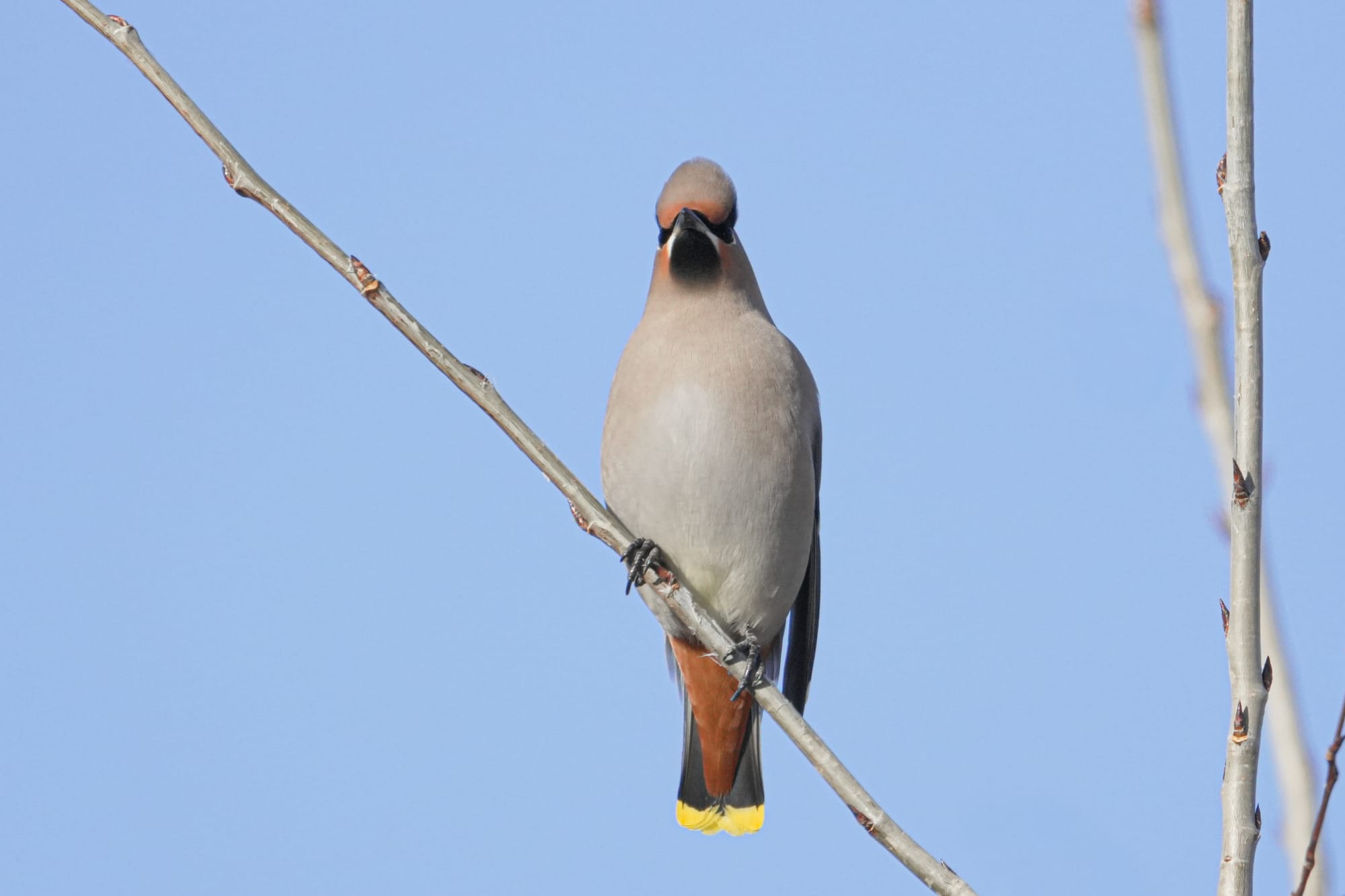
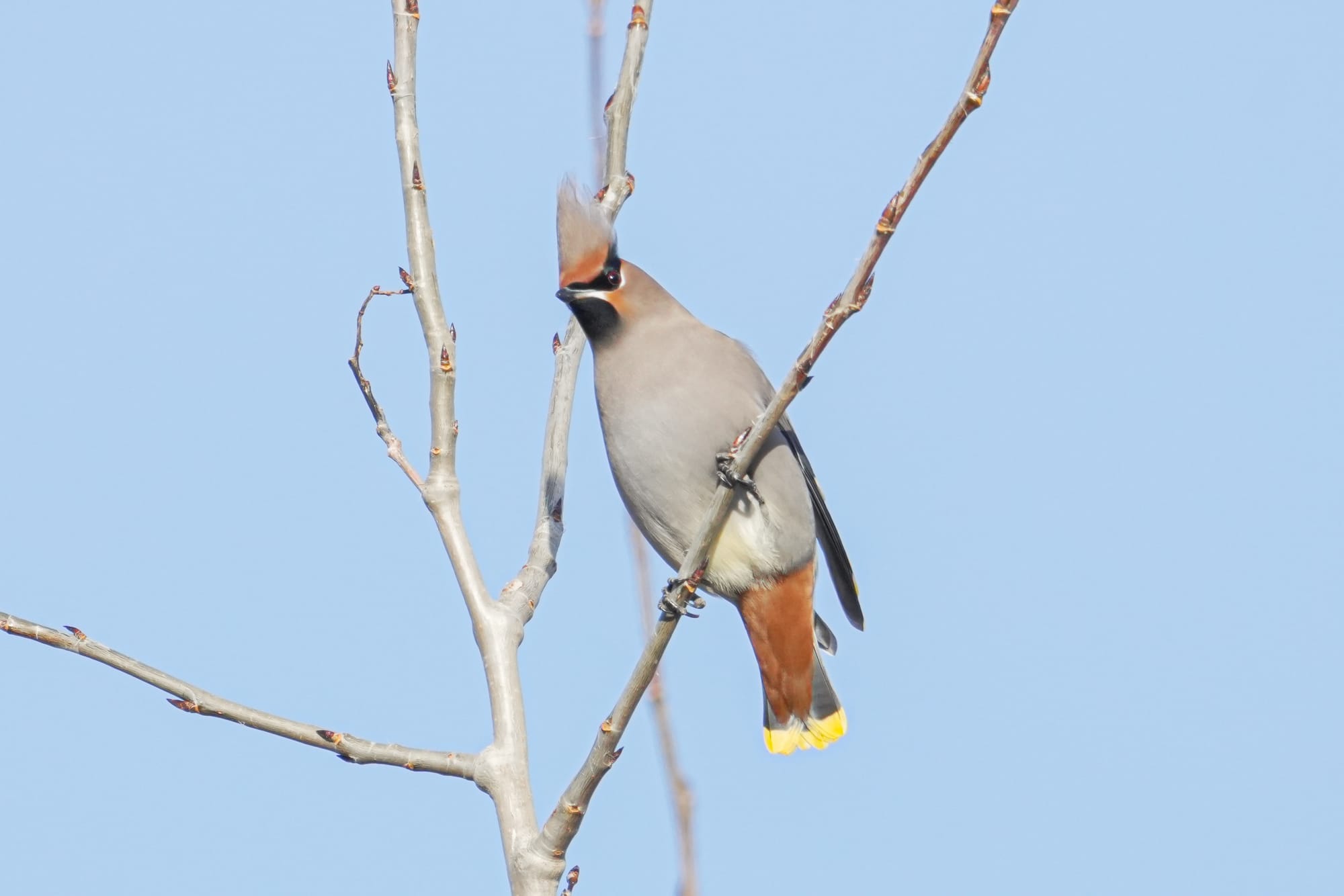
In the midst of a gray and somber winter, it might come as a shock to spot one of North America's most colorful and exotic looking birds in the Methow Valley. Sporting pompadour hairstyles, black masks, and brilliant red and yellow spots, Bohemian waxwings are an enigma in the bird world.
Very little is known about the biology and behavior of these birds, and their breeding range is mostly a mystery. In general, they breed in the boreal forests of northern Canada and Alaska, but there are scattered breeding records at higher elevations throughout central British Columba and at least two suspected breeding records in the Pasayten Wilderness.
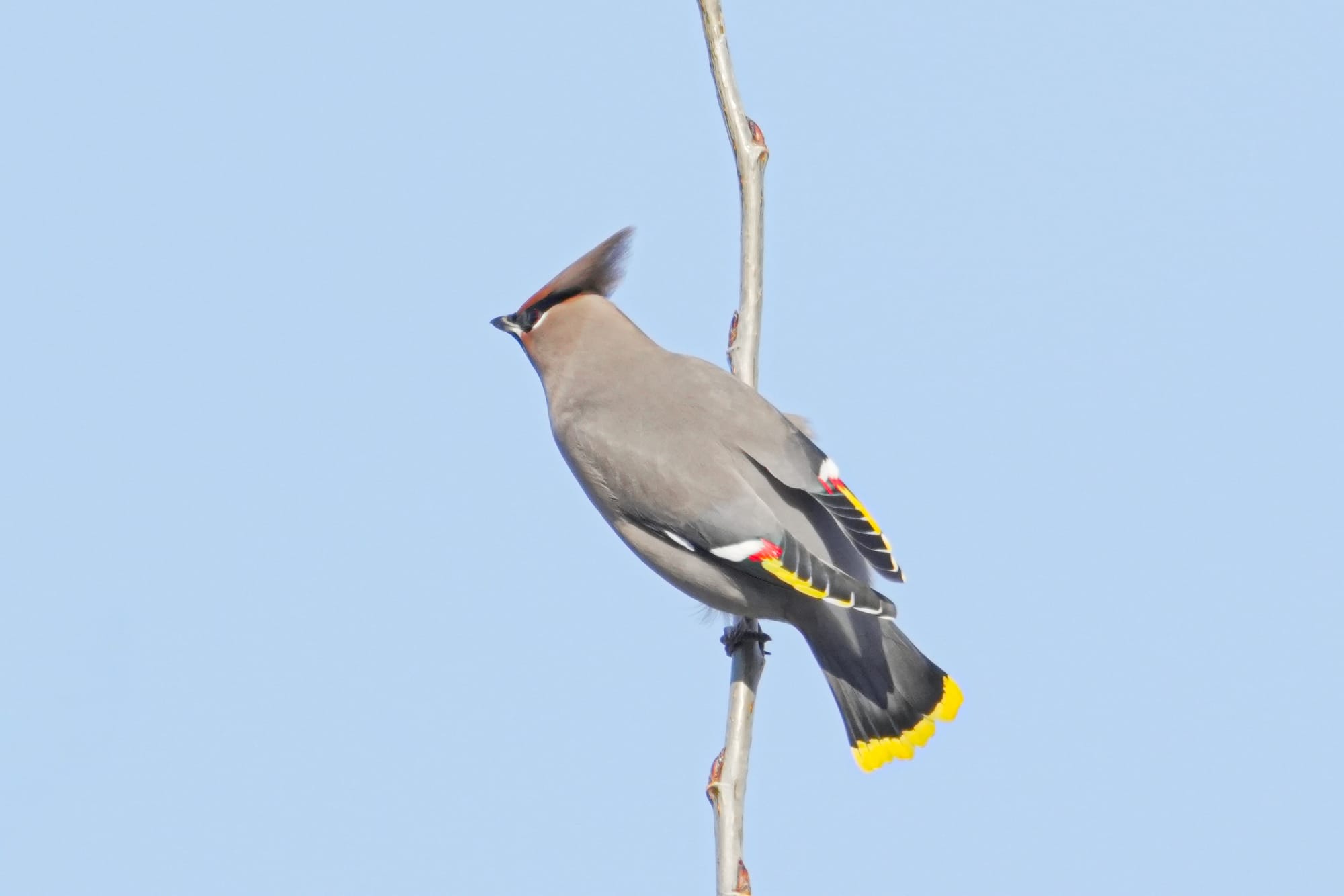
Bohemian waxwings are best known for their unpredictable, and always spectacular arrival at southern locations in the winter. Hundreds to thousands at a time can show up, although the timing and magnitude of these events is unpredictable because Bohemian waxwings are entirely dependent on finding large crops of wild berries and fruits.
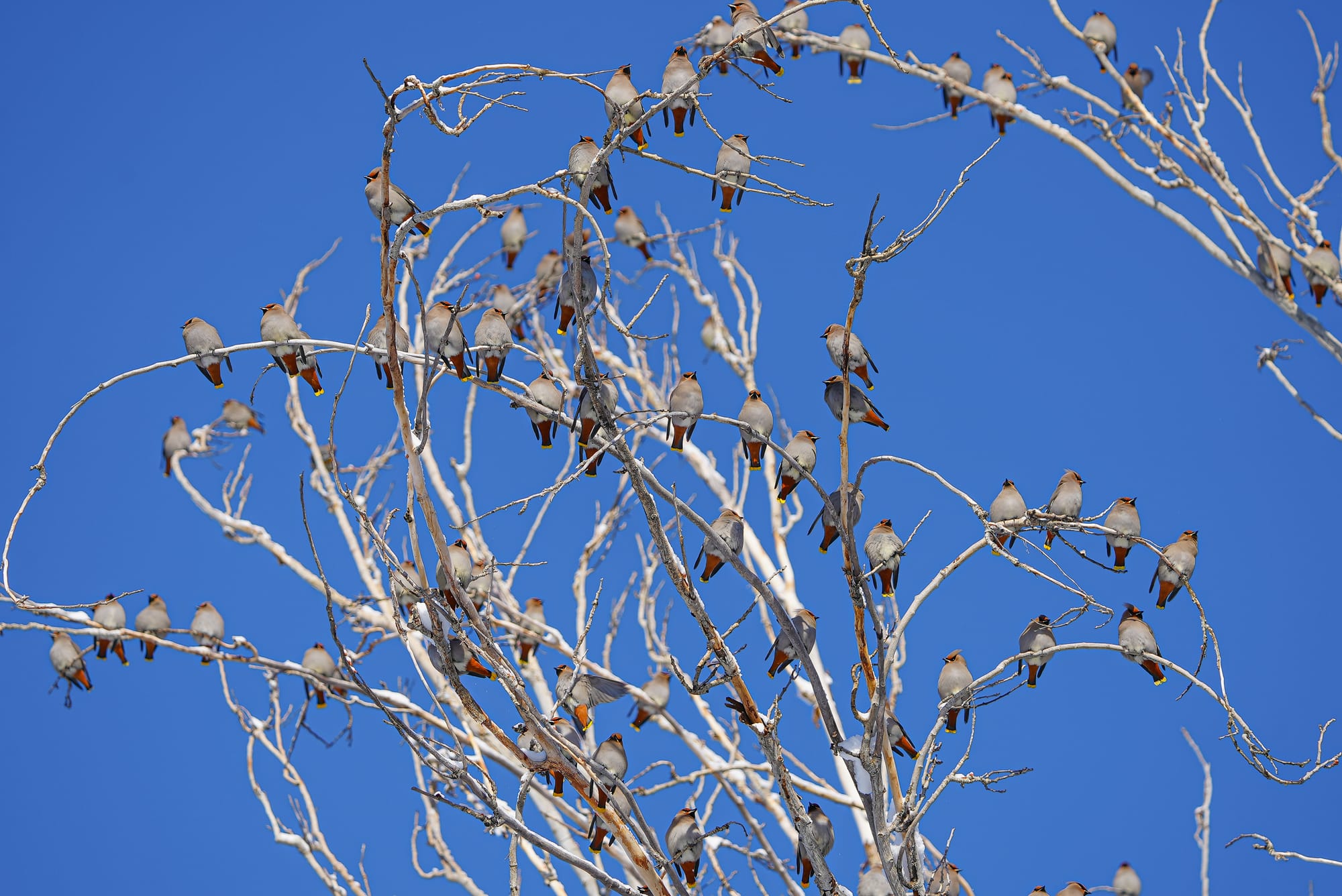
This means you can go years without seeing Bohemian waxwings, or be overwhelmed by them for months at a time. We are incredibly lucky in the Methow Valley because the greatest, and most dependable, concentrations of Bohemian waxwings in North America are found in southern British Columbia and northern Washington, though these far-ranging birds have appeared in locations as far south as the Mexican border.
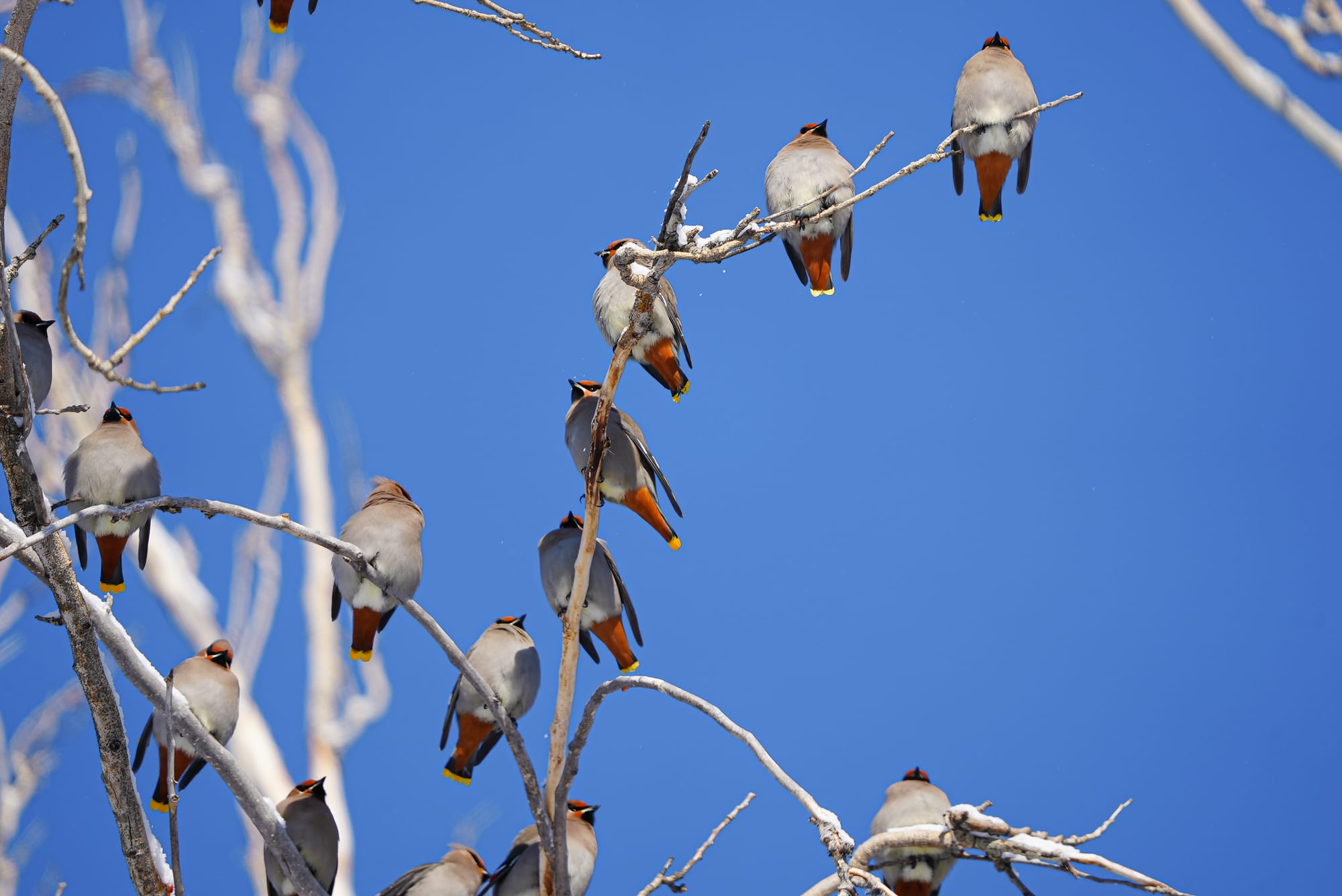
Some of the other things that make these birds unique is their calm and highly sociable demeanor. They live and breed in groups, and because pairs of birds don't maintain territories they are one of the only songbirds in the world that don't sing songs.
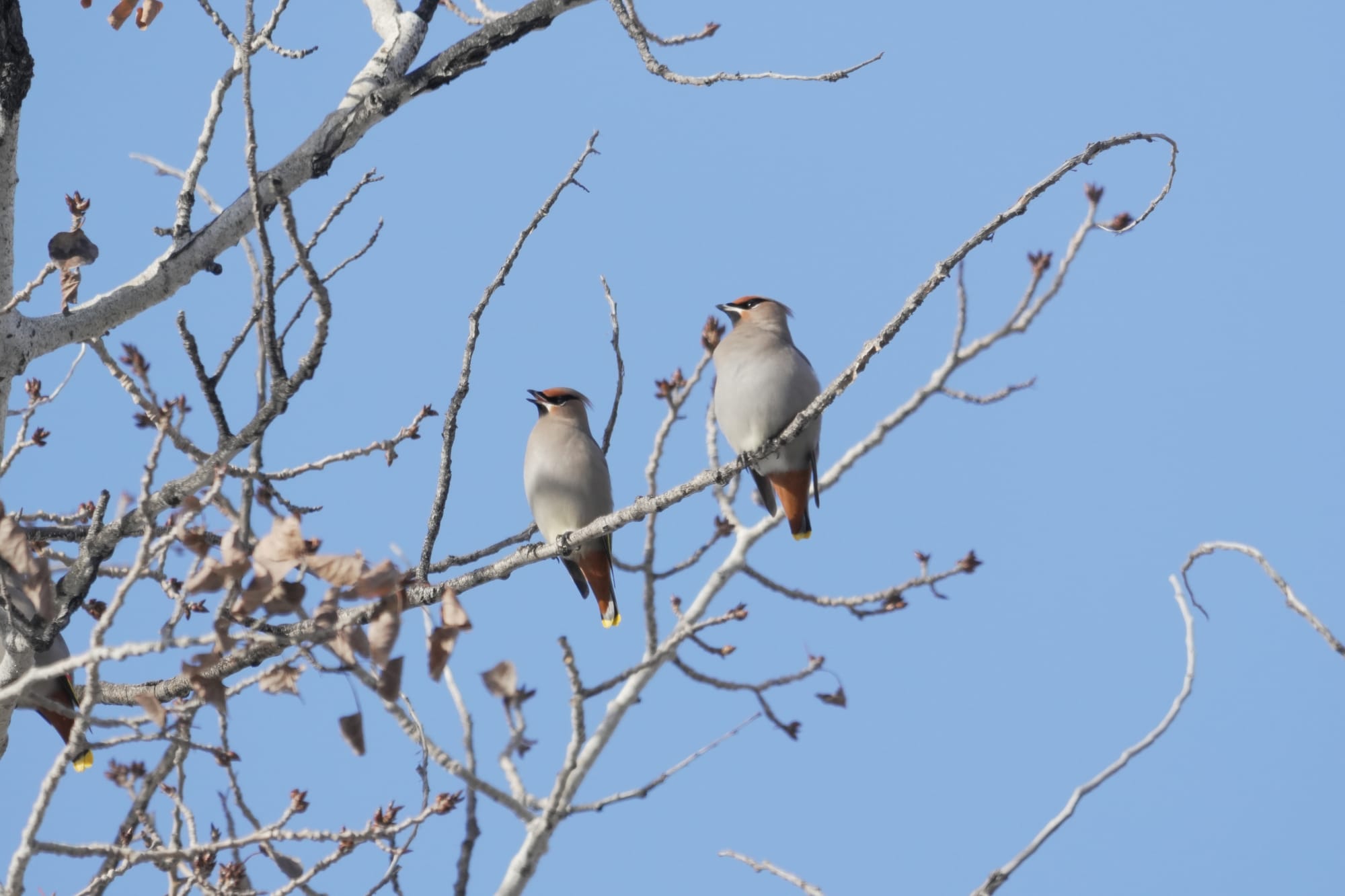
If you're seeing Bohemian waxwings this winter, keep an eye on them because starting in January you might begin noticing early courtship behaviors, which include gift giving and passing food back and forth between males and females. It's one attribute that makes these birds so delightful to watch.
