Peeking Through Fog
January 18-24, 2026

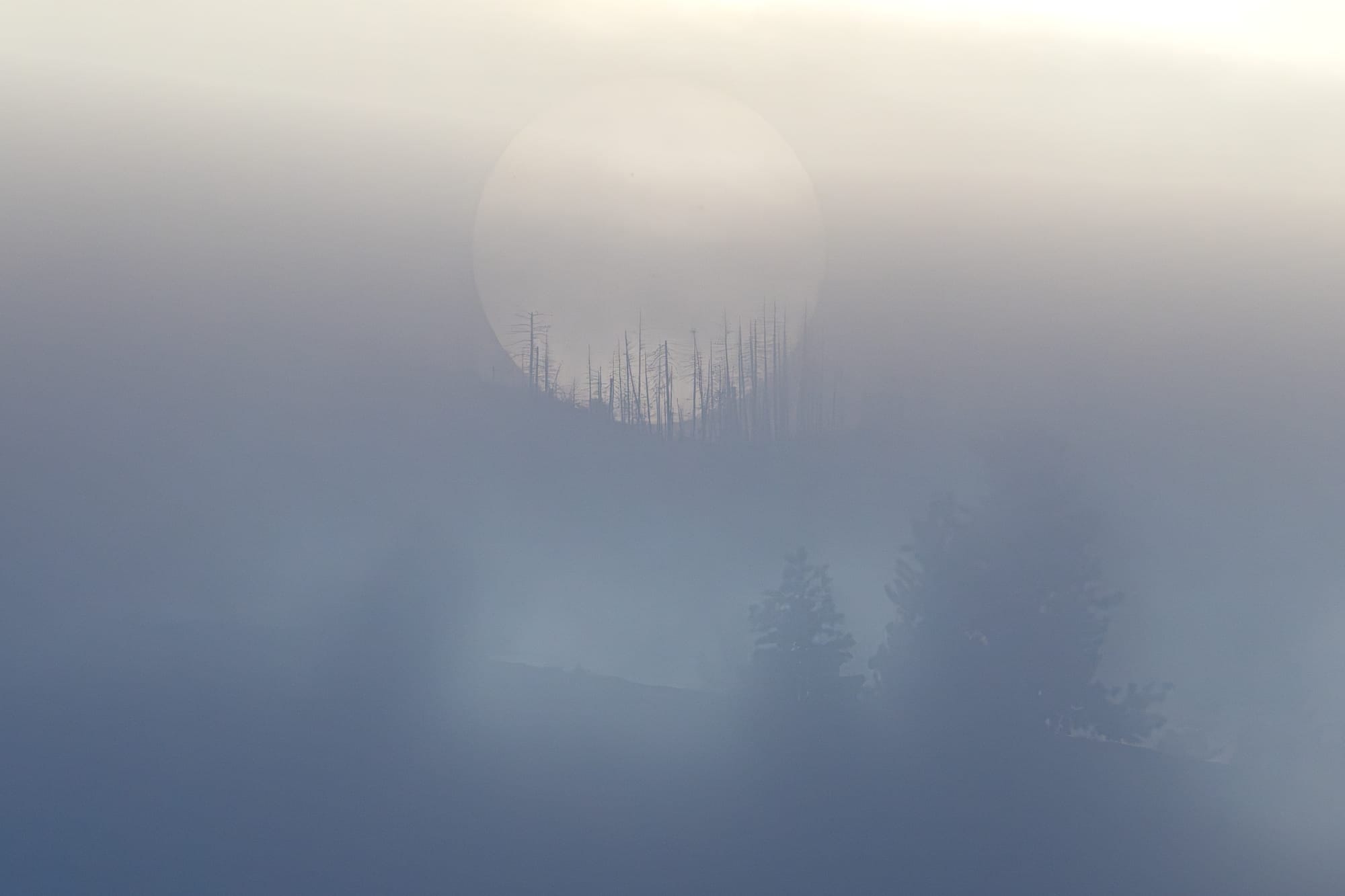
The week was dominated by some combination of dense fog and low clouds, with low temperatures and the scant snow scattered around the valley turning into sheets of ice.
Week in Review
The headline story this winter is turning out to be the lack of snow, and I don't even remember how many weeks it's been since our last significant snowfall. On top of that, we've been locked in a gray cave of clouds and fog for days on end, and it's so cold that any snow on the ground is turning into slippery ice.
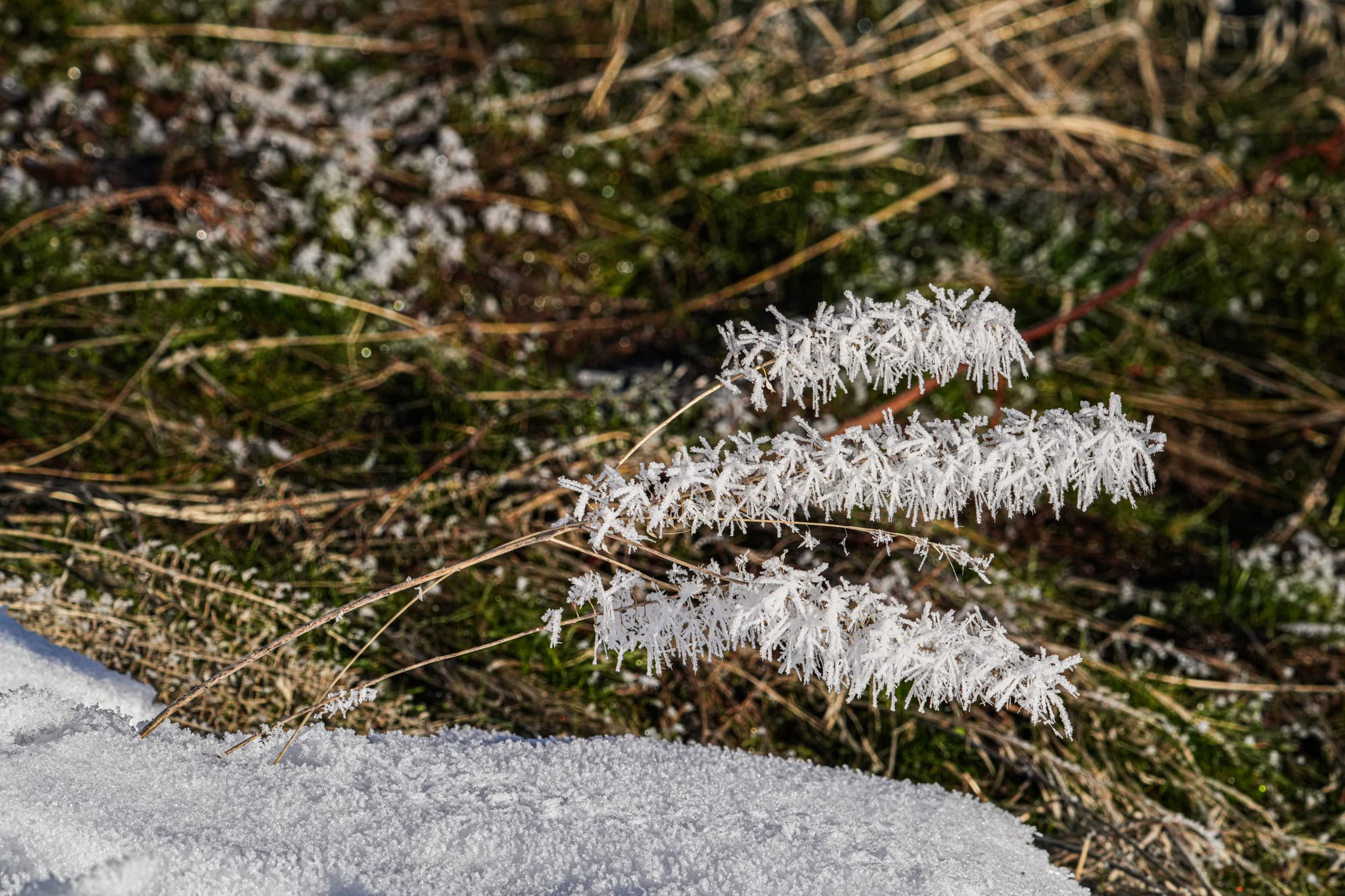
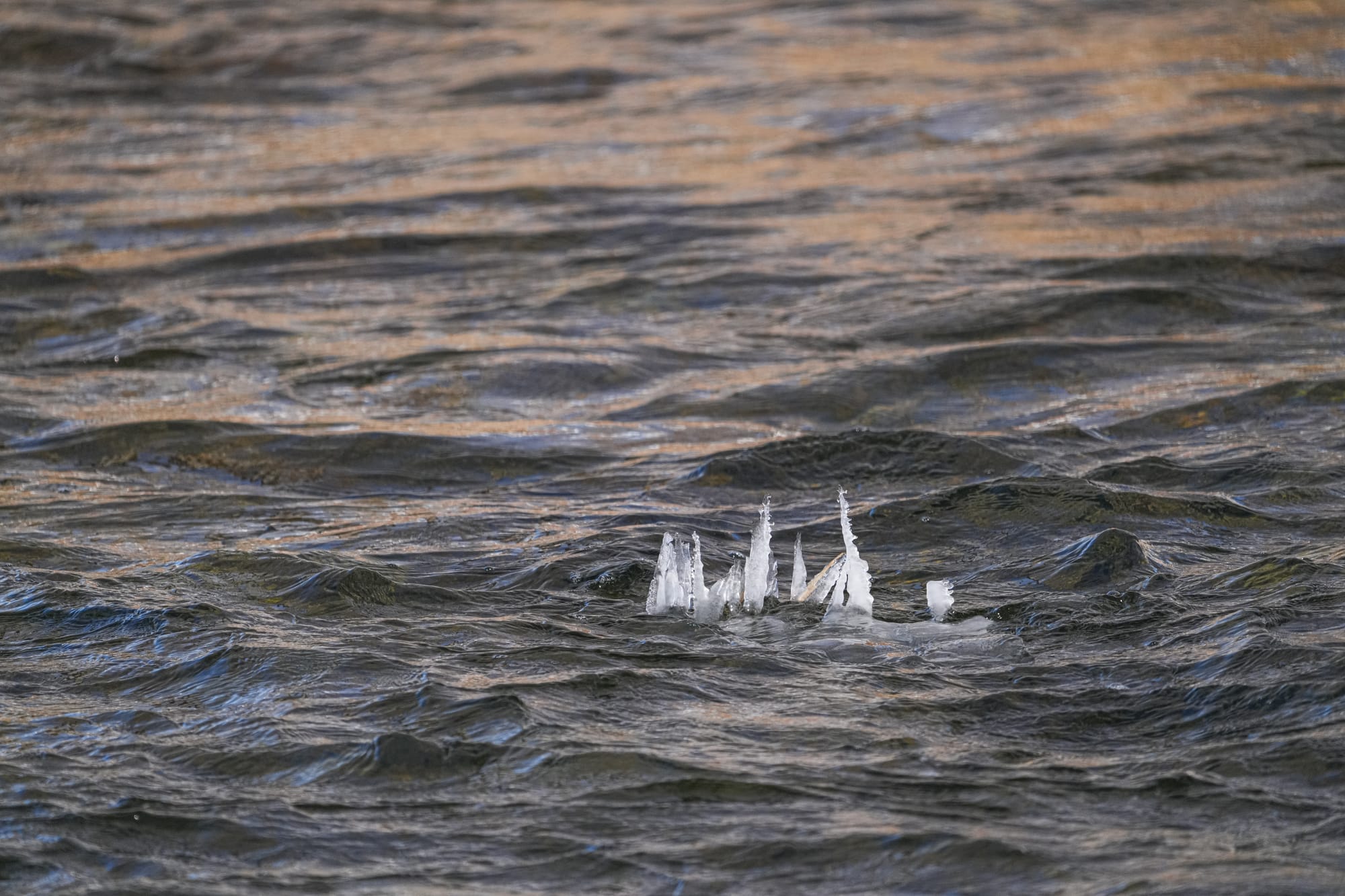
The coming week will bring us a long string of sunny days and it signals a troubling trend that's occurring over much of Washington, Oregon, and Northern California, where precipitation levels are far below average. Higher elevations in the North Cascades are an anomaly because snow levels up there are well above average, but you wouldn't know this when you're in the Valley.
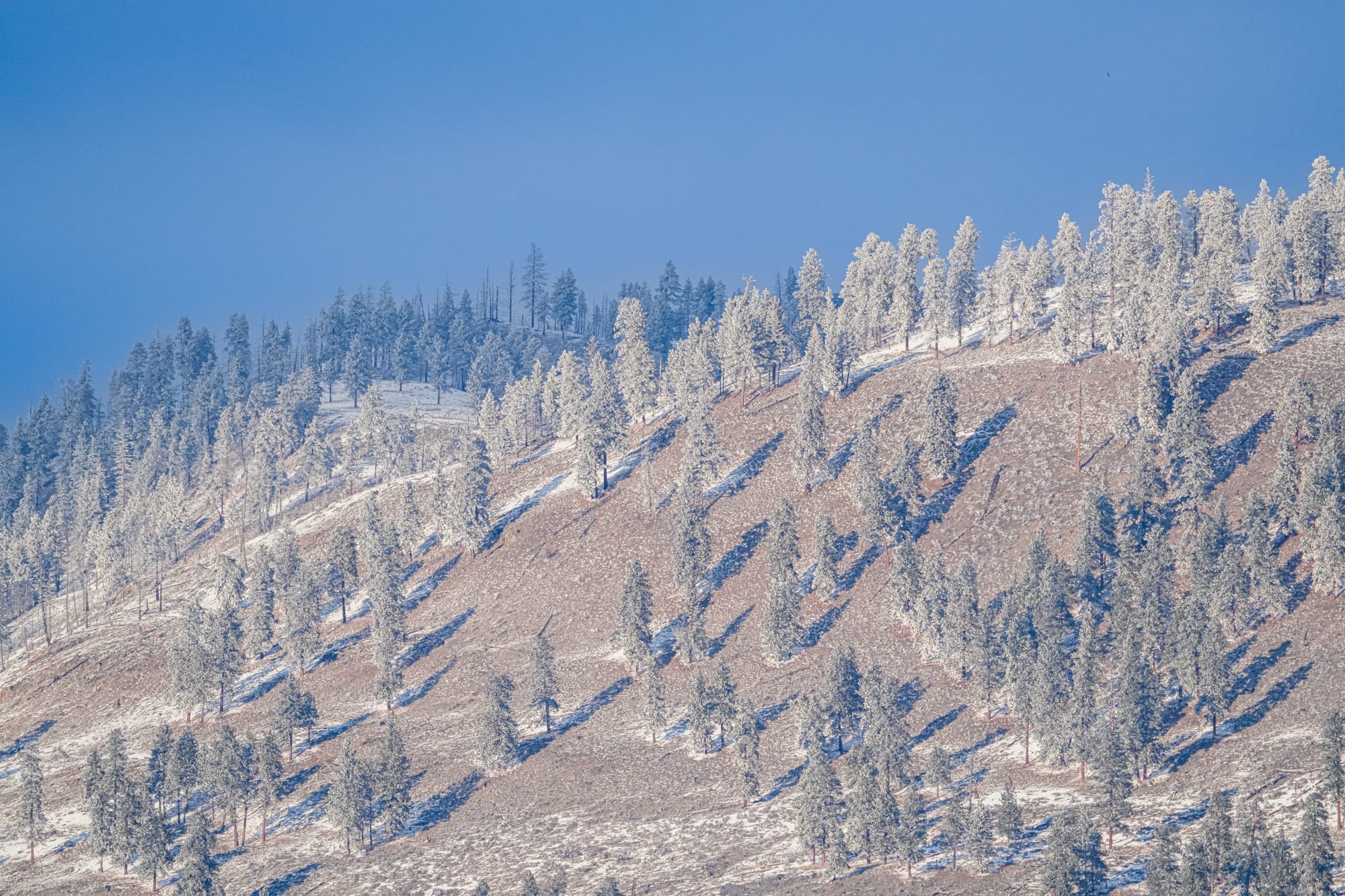
That said, there have been small pockets of light, both literally in terms of the sun peeking through the clouds and in terms of a few animals that are already feeling the calling of spring.
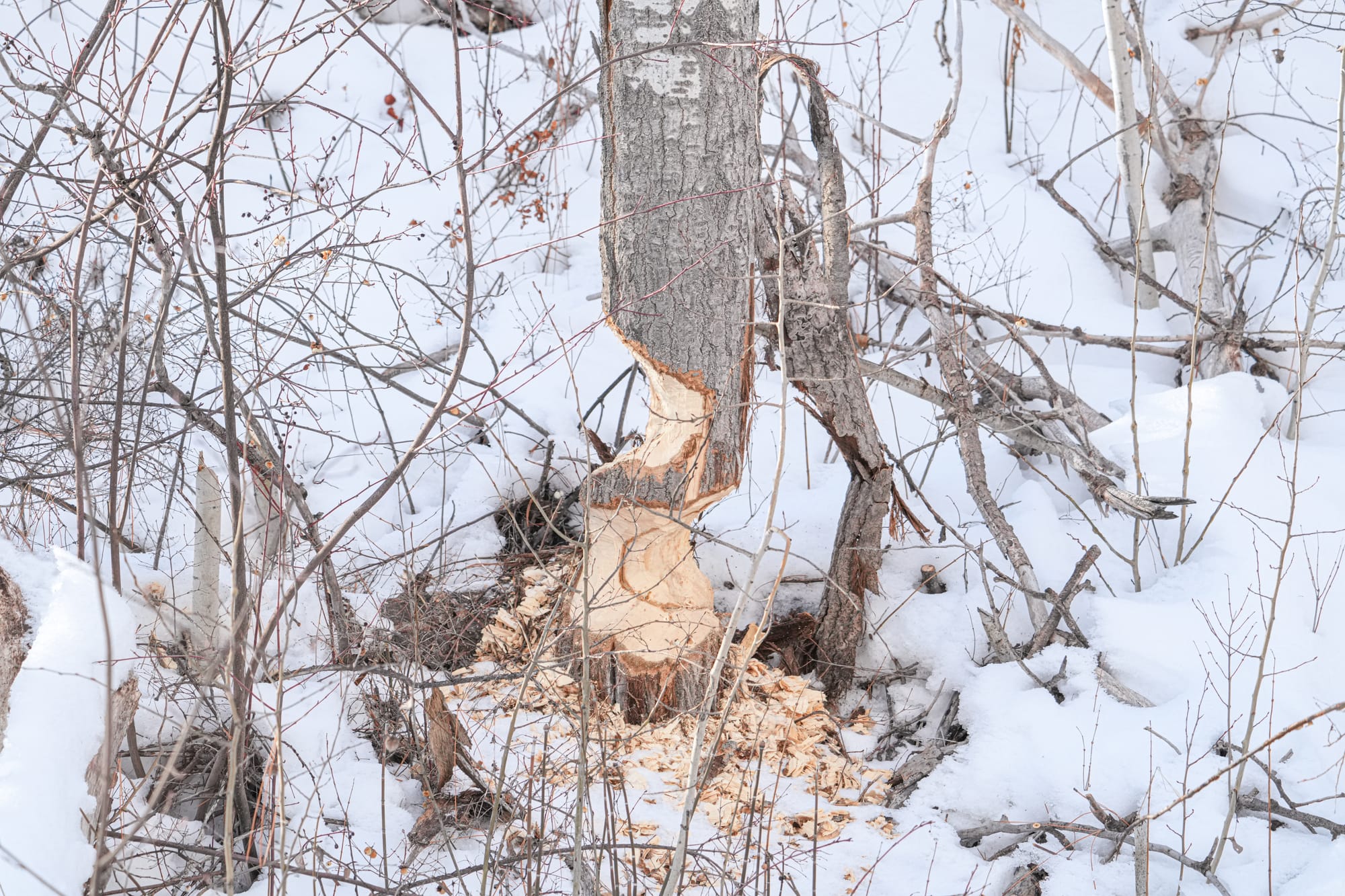
It's a bit shocking how quiet things have been this winter, and you can easily go hours or days without seeing a single animal. However, if you're out long enough, you'll find an occasional pocket of energy, even if it's just a red squirrel scolding in the distance or a few black-capped chickadees chattering as they hop through branches in search of food.
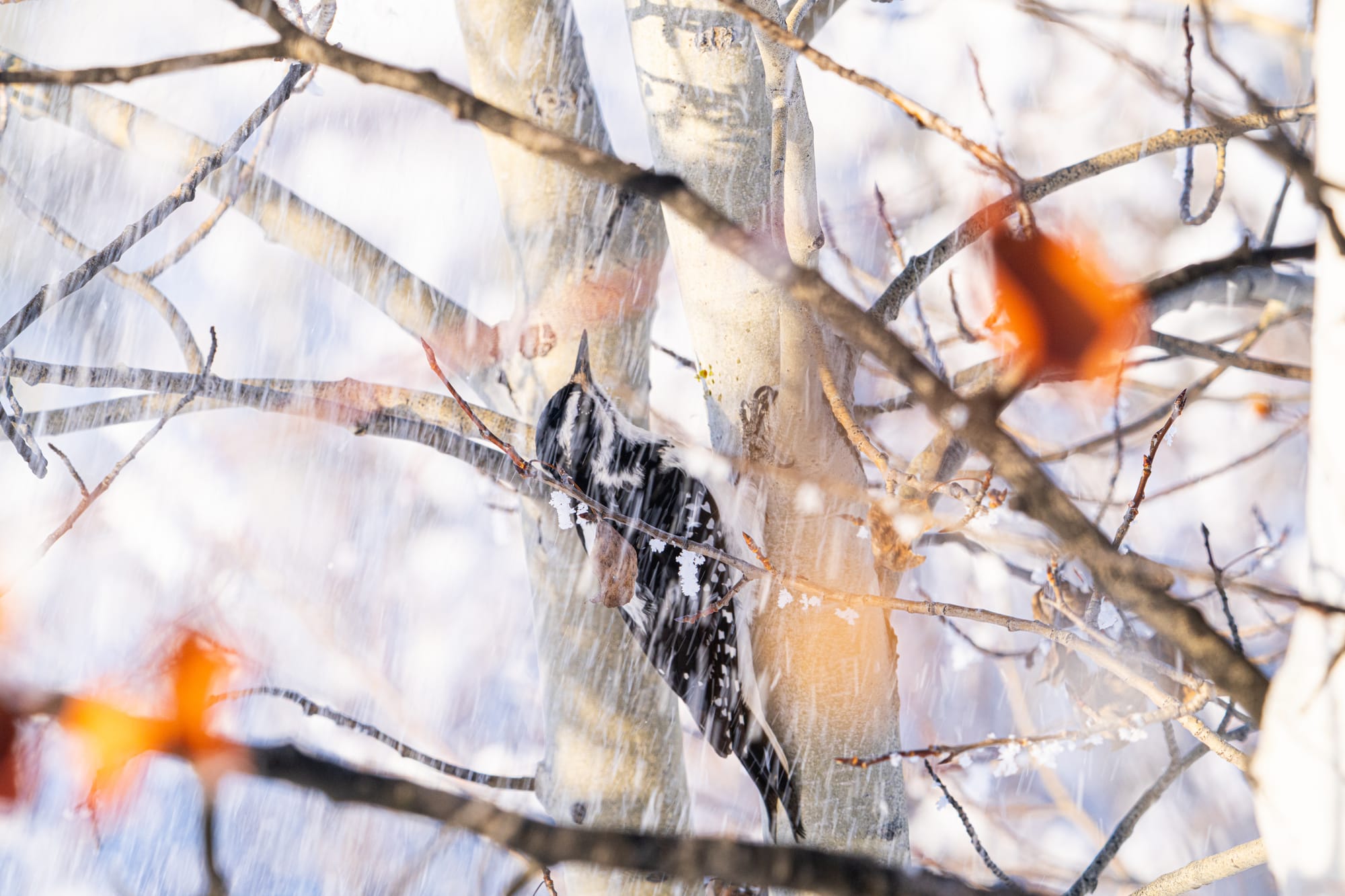
For example, during one break in the weather, I was surprised to find a male ruffed grouse courting a female. These birds are extremely skittish, so it's rare to see this type of behavior. Ruffed grouse typically breed in the early spring, but I don't think we can call this "early spring," so maybe this male spotted a female and got a little excited?
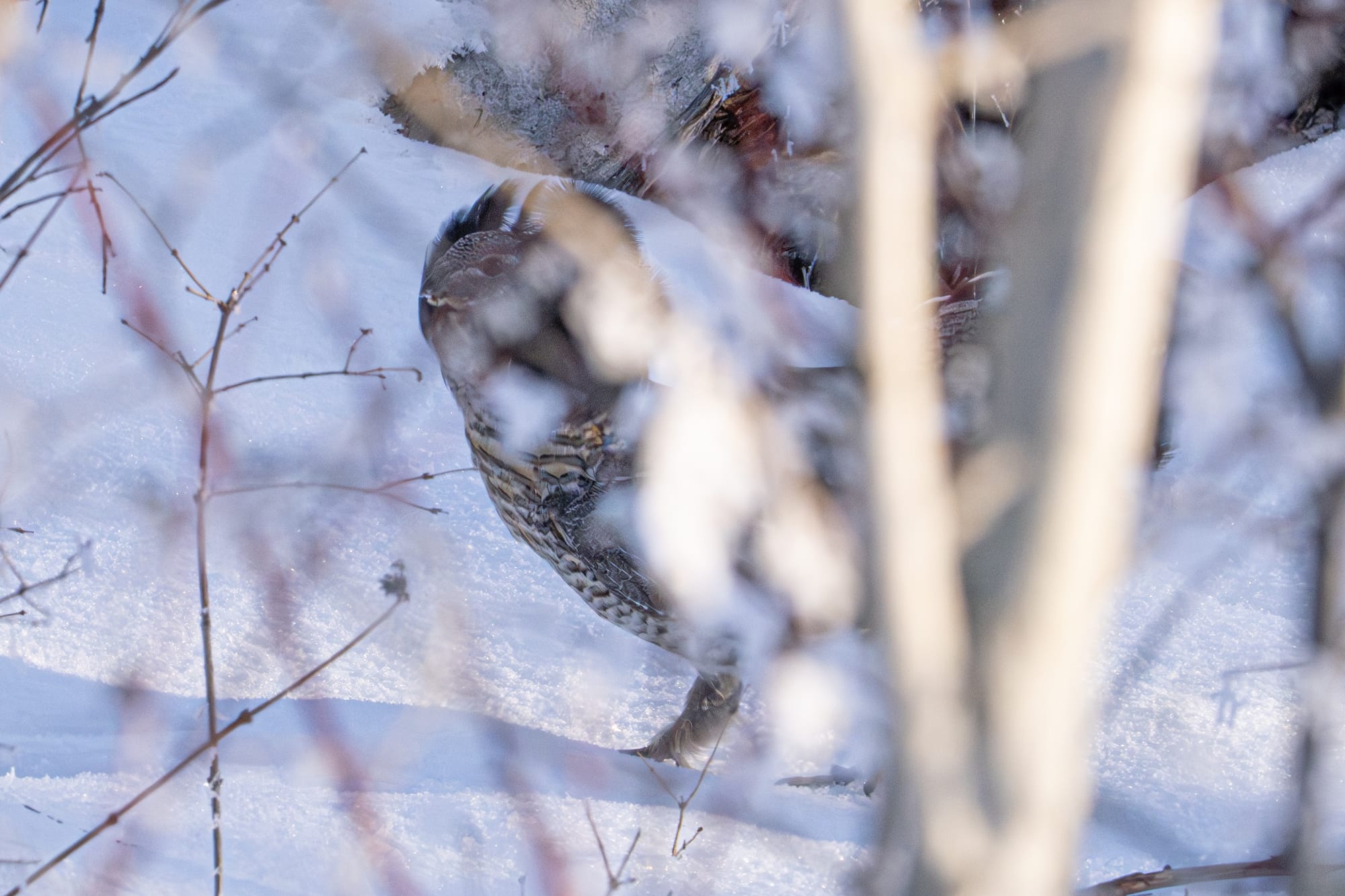
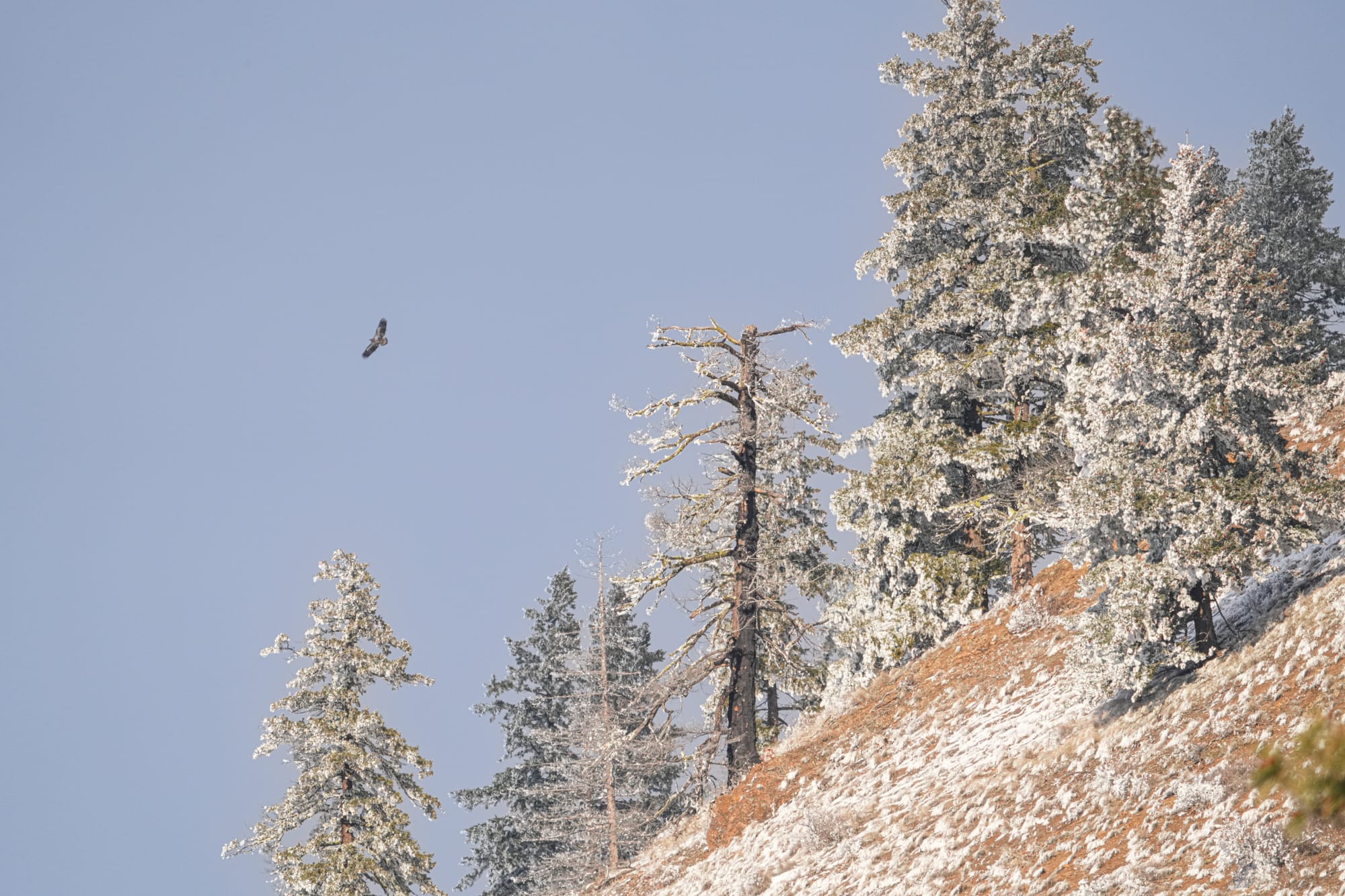
I've also noticed that our hawks and eagles seem to be very active when the sun is out, and I wonder if they're trying to make up for all those cold and cloudy days when it is much harder to fly and hunt.
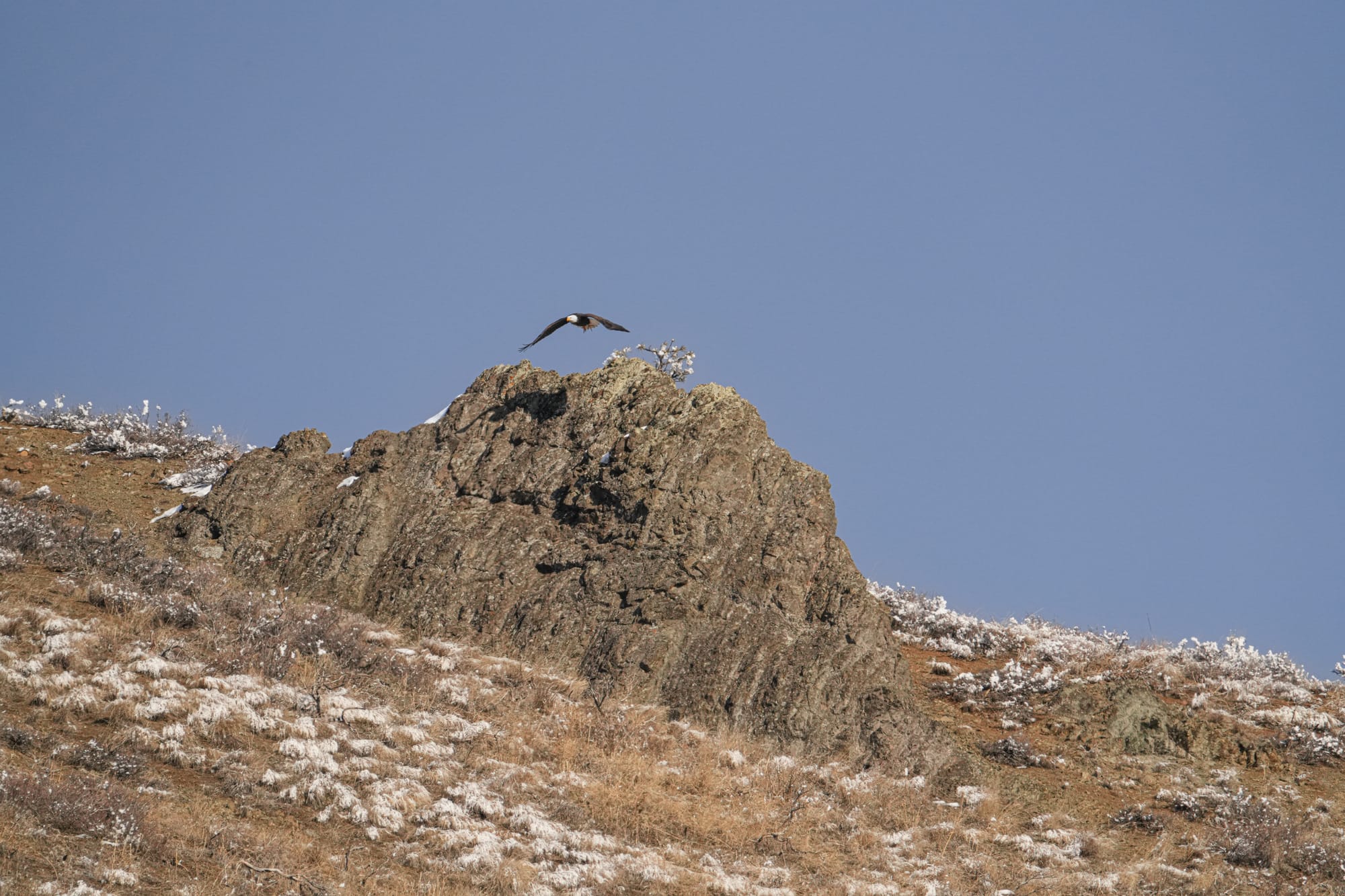
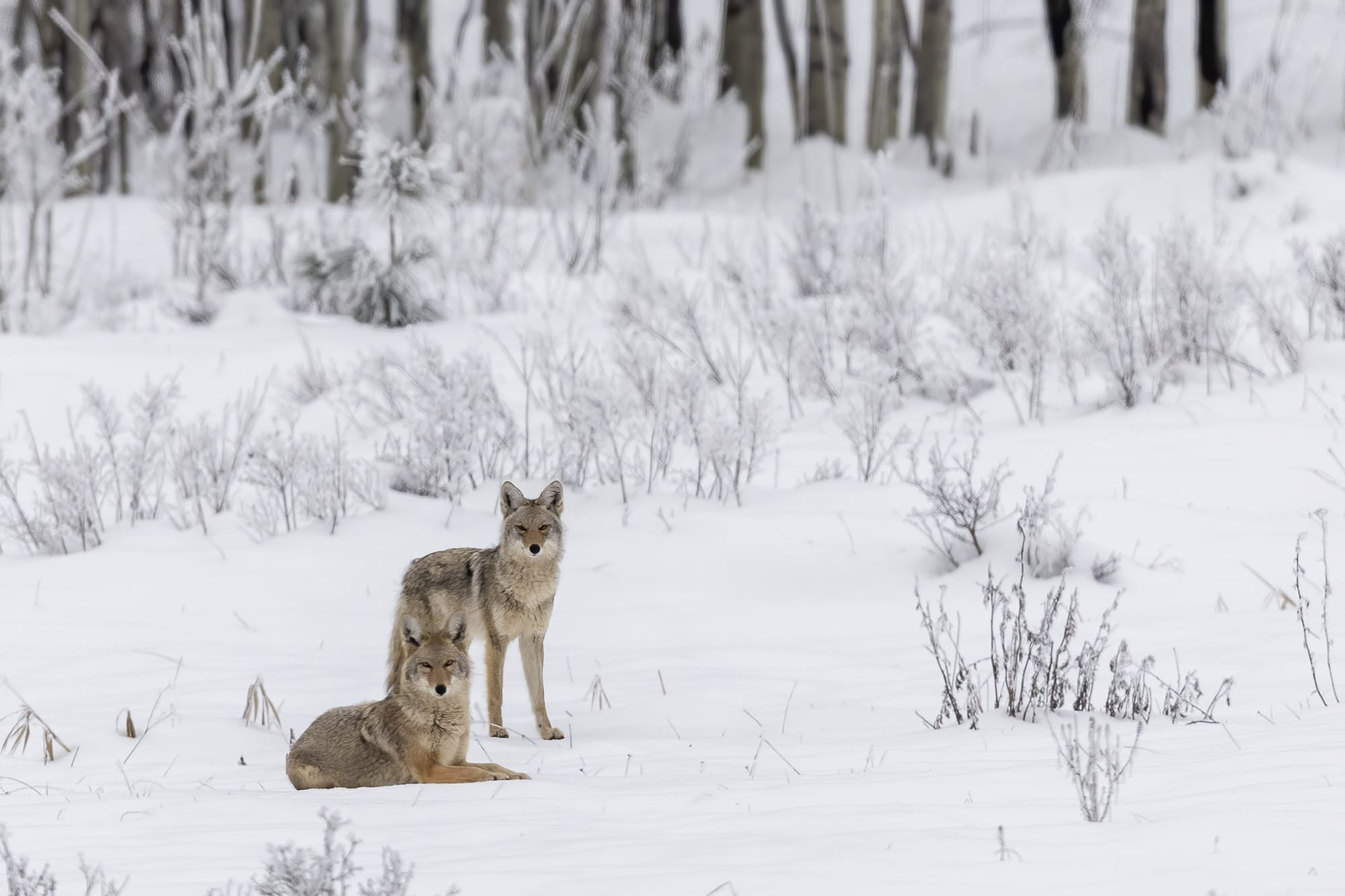
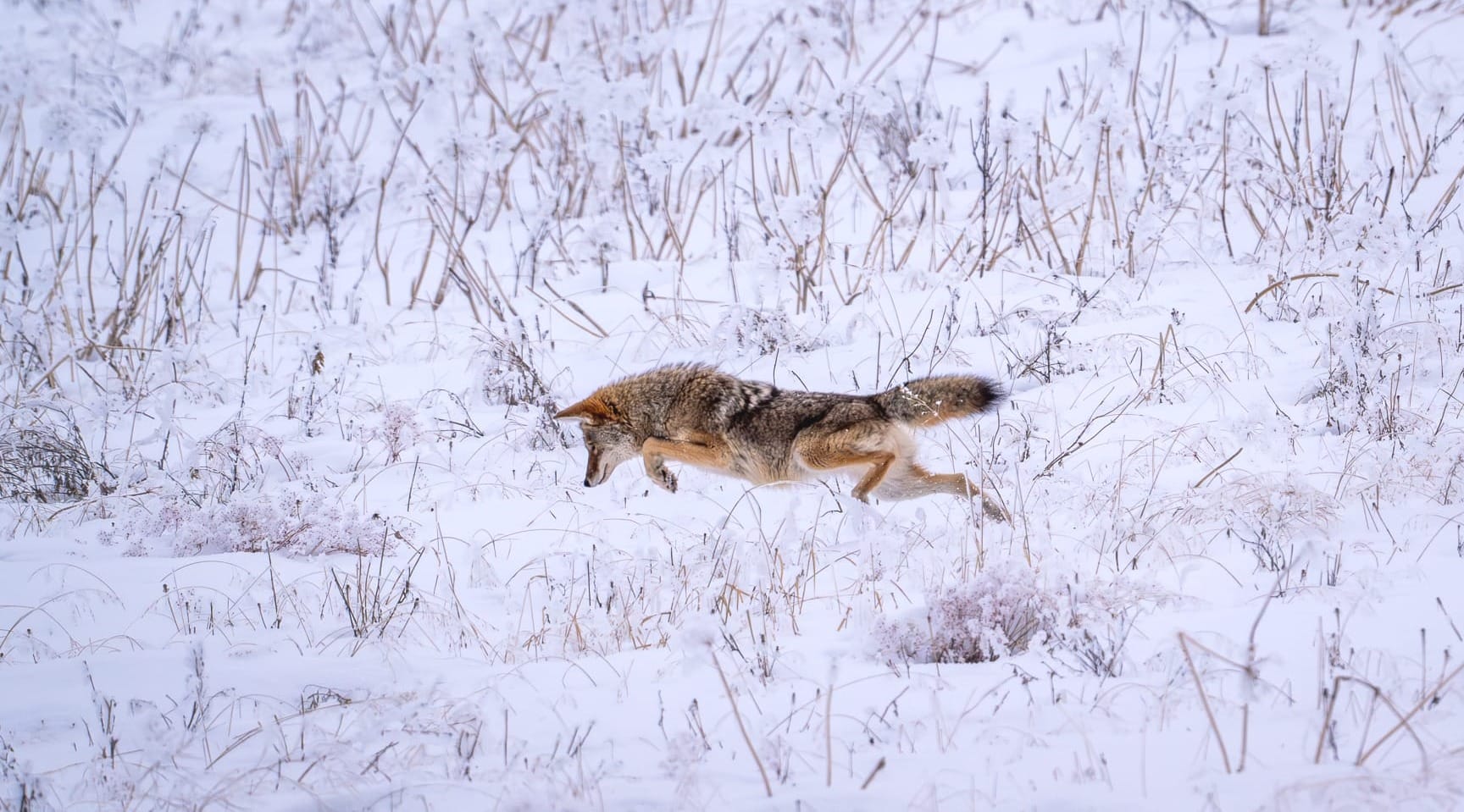
Observation of the Week: Coyote Breeding Season
We are just starting the short coyote breeding season, with peak activity occurring in February, and it seems like folks have been seeing more coyotes over the past week.
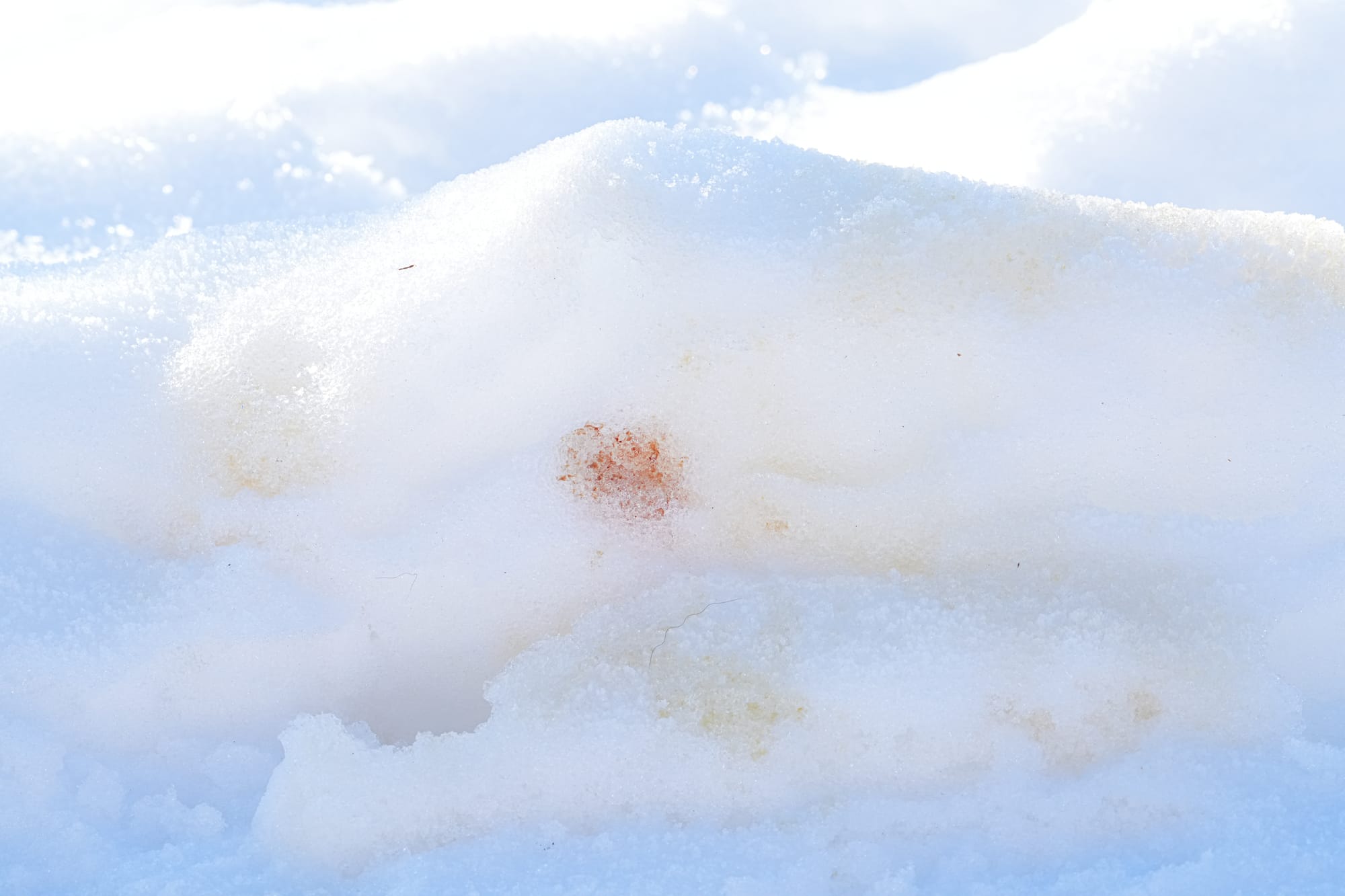
Along with coyote sightings, you might also notice patches of urine and blood in the snow, which are left by female coyotes as they go into proestrus in preparation for mating.
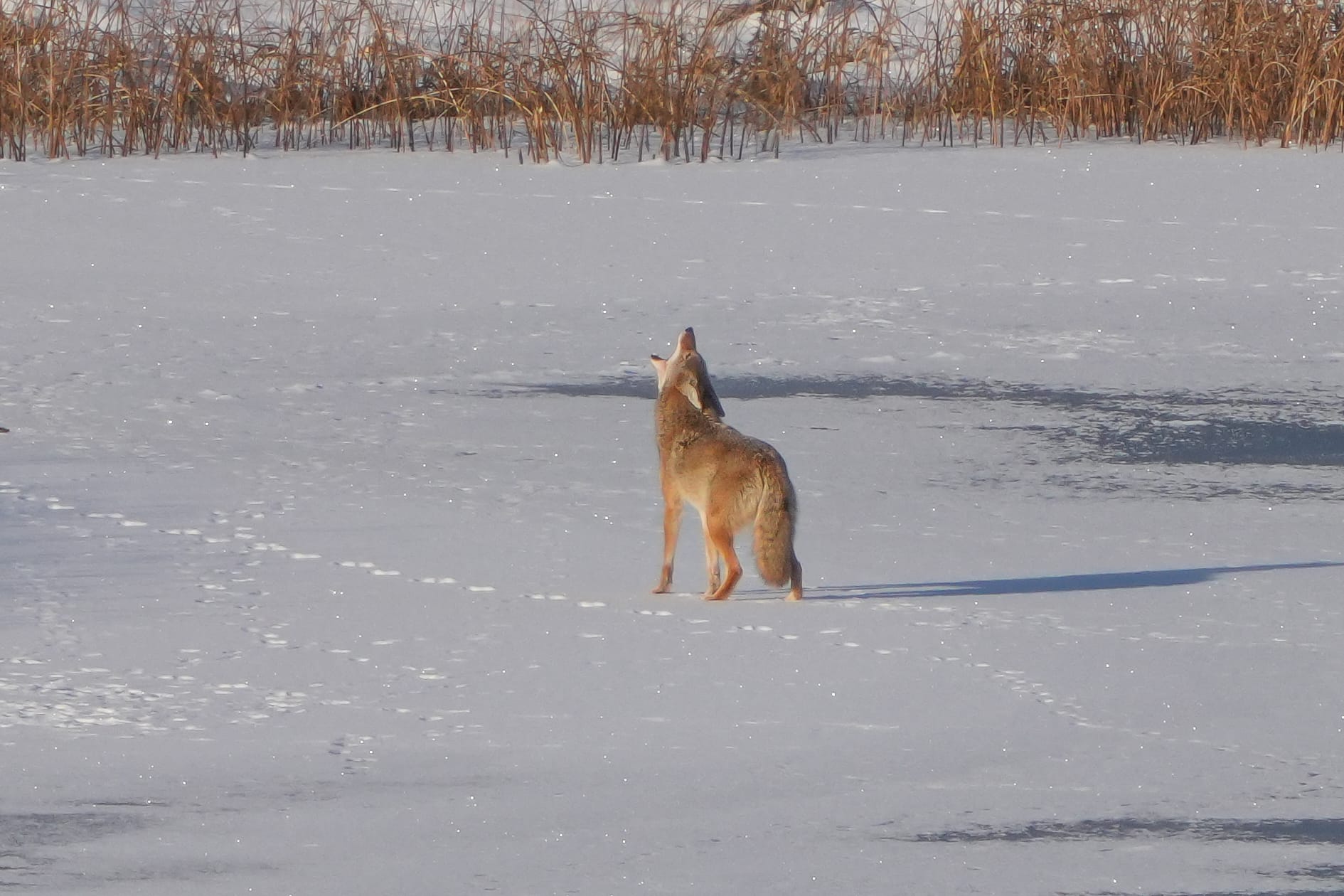
Another sign of the breeding season is an increase in howling as coyotes look for mates or call to strengthen their pair bonds.
In most areas, coyotes are much maligned, but we are fortunate in the Methow Valley that so many people appreciate these remarkably resilient animals and the vital roles they play in our local ecology!
More to Share:
In the winter ecology talk that I offer at the library, I mention how bacteria create snow! It's such an incredible story that I wrote about it in my Lukas Guides newsletter, and I also made this short video about the topic.
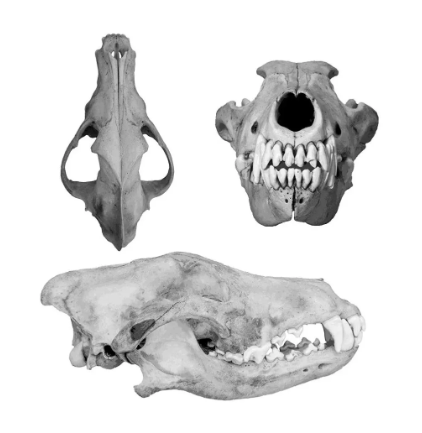
Our very own tracking and wildlife expert David Moskowitz is teaming up with Nyn Tomkins to offer a unique two-part course, doing a deep dive into animal skeletons and how skeletal structures shape the form and function of mammals. It's a very detailed course, but the coverage is generous and clear, with a focus on paying attention and fostering deeper connections with animals. This is a fantastic course, and I'm learning a ton. If you're an artist or nature enthusiast looking to learn more about the structure of mammals, I can't recommend this course highly enough.
