A Snowy Surprise
March 8-14, 2026


This was a week of warm, sunny days bracketing two snowfalls, including over six inches of snow in one night.
Week in Review
When I woke to heavy snowfall and a thick blanket of snow this week, I immediately thought about all the birds that had been arriving to take advantage of this unusually warm winter. Earlier in the week, for example, dozens of swallows had been flying around, but there would be no way for them to find food in a heavy snowfall. And the same went for a group of killdeer that I saw desperately looking for food in the bare tiretracks left by a single car in the snow. But I didn't need to worry, because hours later the snow was already starting to melt and swallows were flying around chasing insects.

While the snow was a pleasant surprise, the real story this week has been all the plants and animals responding to the quickly warming days we've been experiencing. Everywhere you look, there are trees covered in catkins that are dispersing pollen before the first leaves come out (we discussed this topic in a previous newsletter).
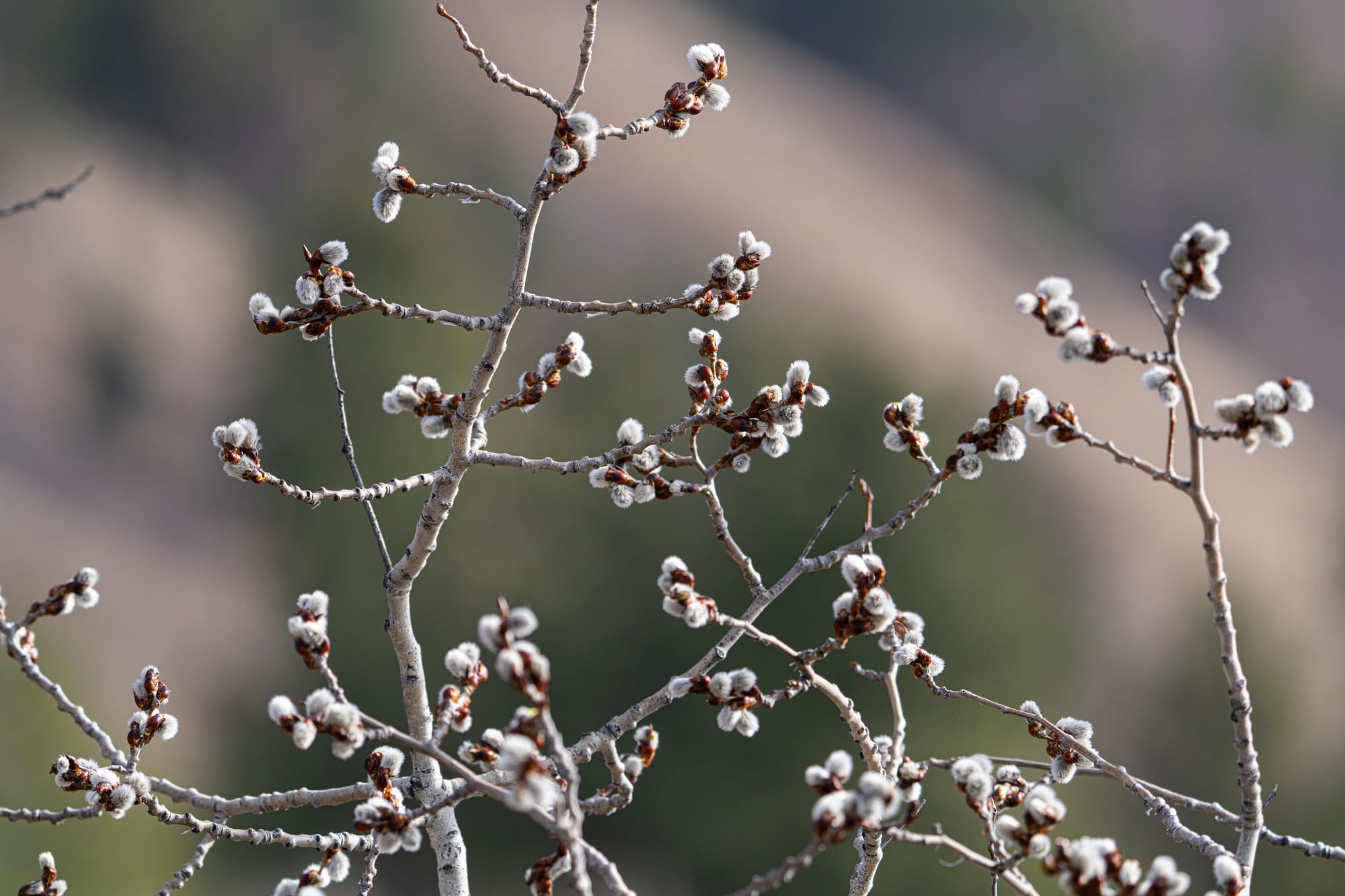

Speaking of leaves, it's still early but there are signs of leaves everywhere you look. Most new growth is still happening at ground level but even a few shrubs are starting to leaf out. Unless we get a long cold snap, I expect that leaves will start emerging in abundance over the next couple weeks.
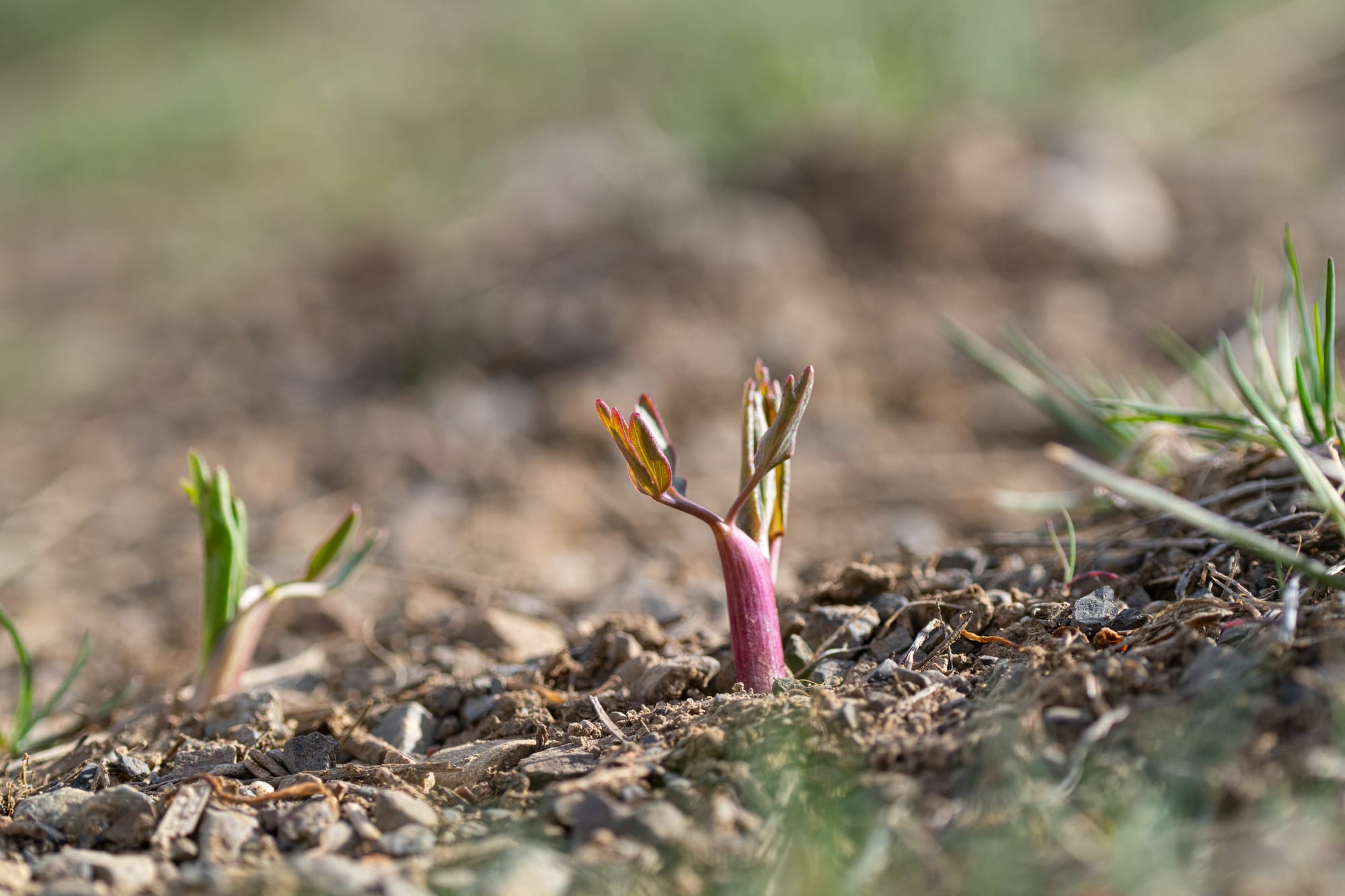
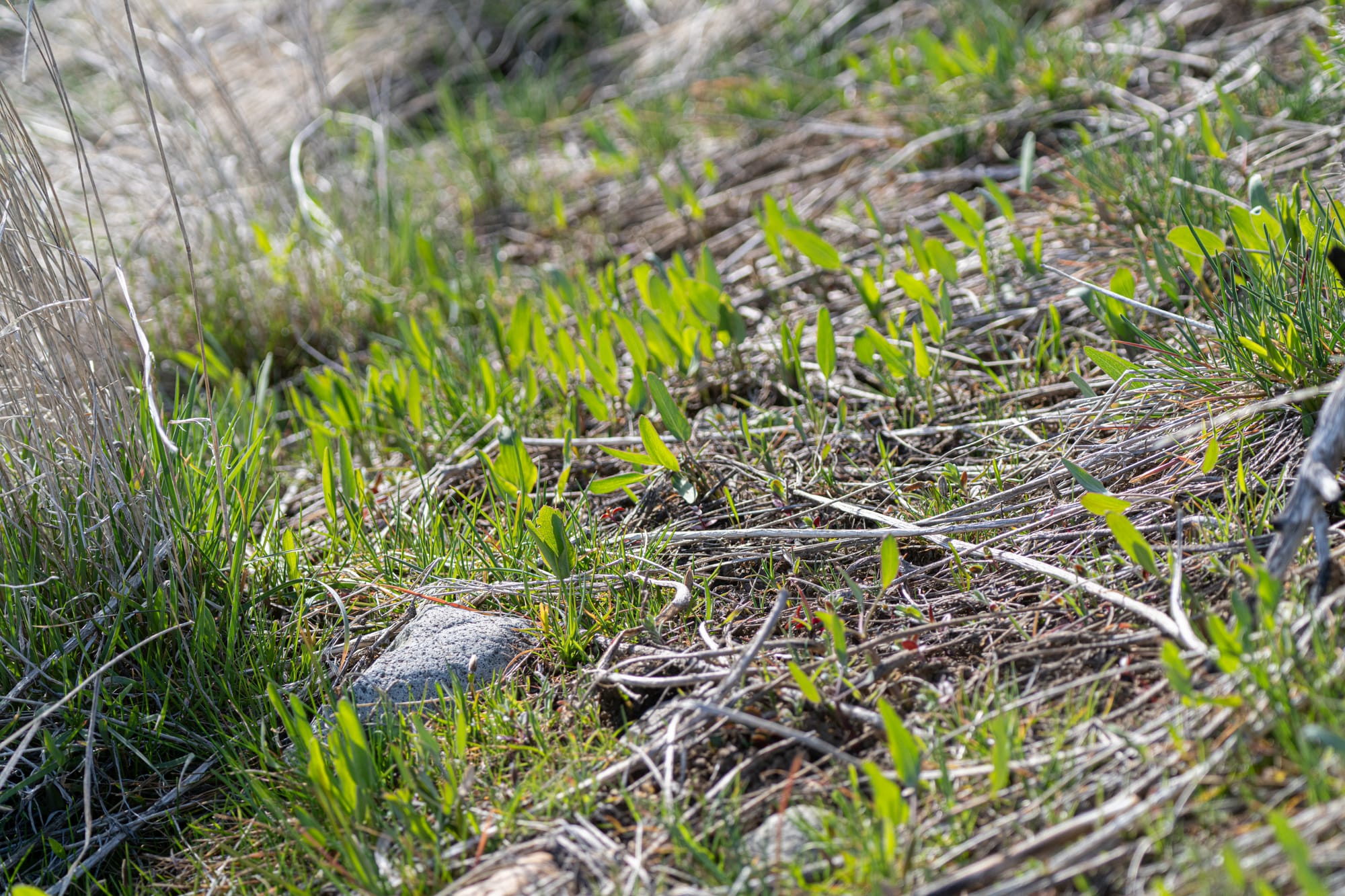

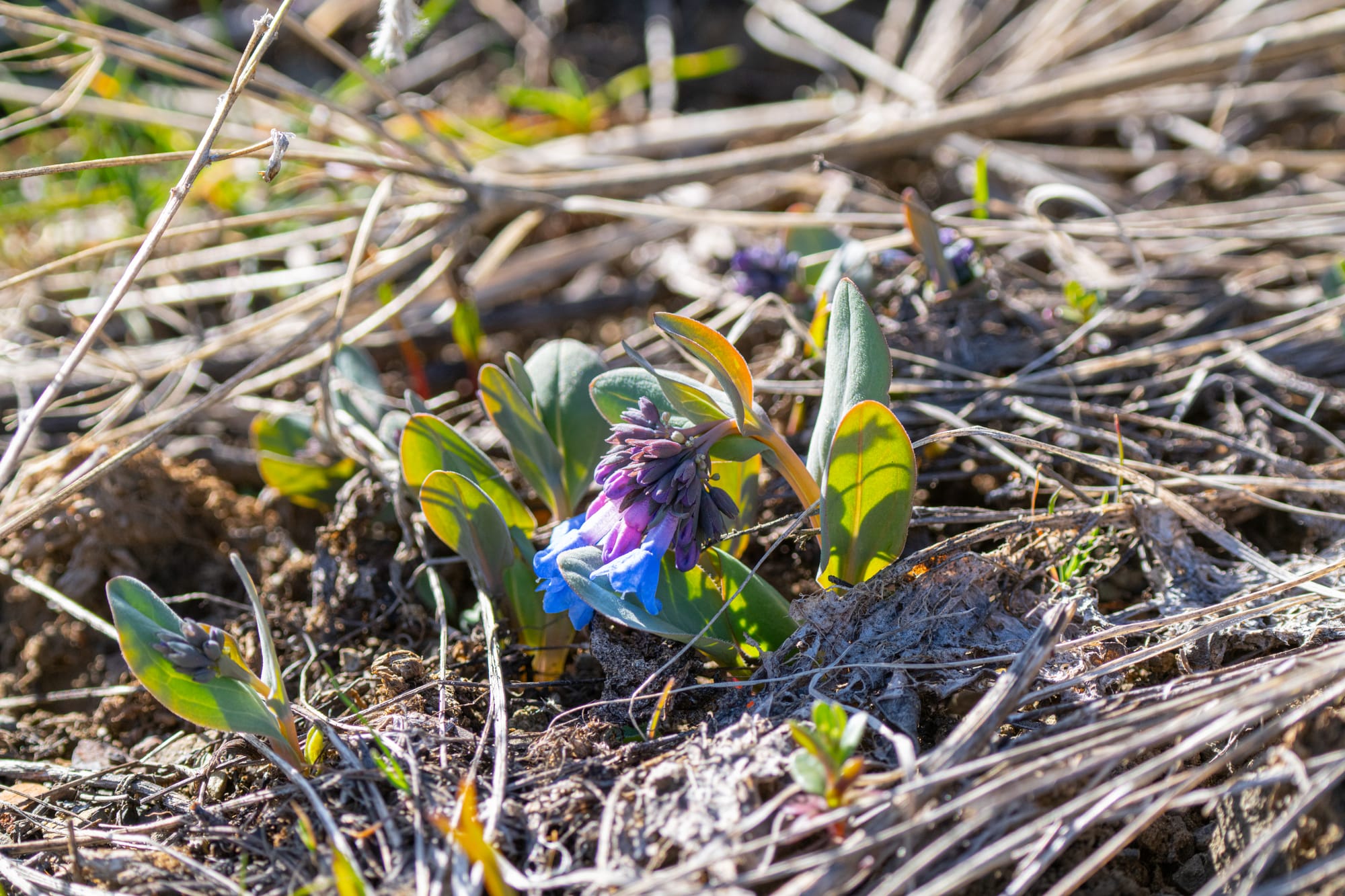
Flowers were reported in the lower Methow Valley last week, and we're just starting to get a few flowers in the upper reaches of the valley now. I'm never sure which flower is the first one of the year, but it's probably a toss-up between spring beauty and yellow bell, with bluebells close behind. What do you think?


This is also a great time to start looking for the trickster flower, Puccinia monoica. This parasitic rust fungus grows on rockcress and mimics flowers to attract insects that spread its spores. We discussed this in an earlier newsletter if you're interested in learning more about this unique strategy.

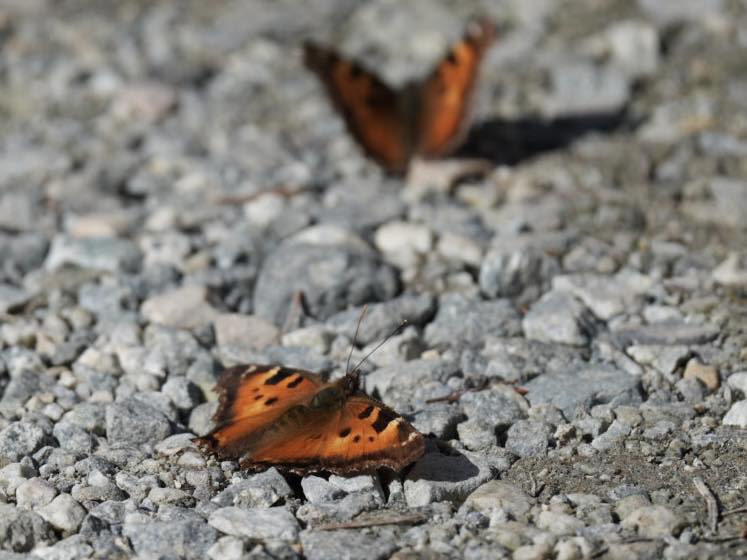
Along with flowers, insects are becoming increasingly active now too. I've been seeing a few small flies and groups of midges, as well as a scattering of butterflies. You're not likely to see insects when it's cold and snowy, but they're definitely active on warmer days.
With the appearance of insects, there's now enough food for the handful of insect-eating birds that have shown up. As mentioned above, there were dozens of swallows flying around the valley earlier this week, but it's a risky strategy, as these birds discovered when it started snowing a couple days later!

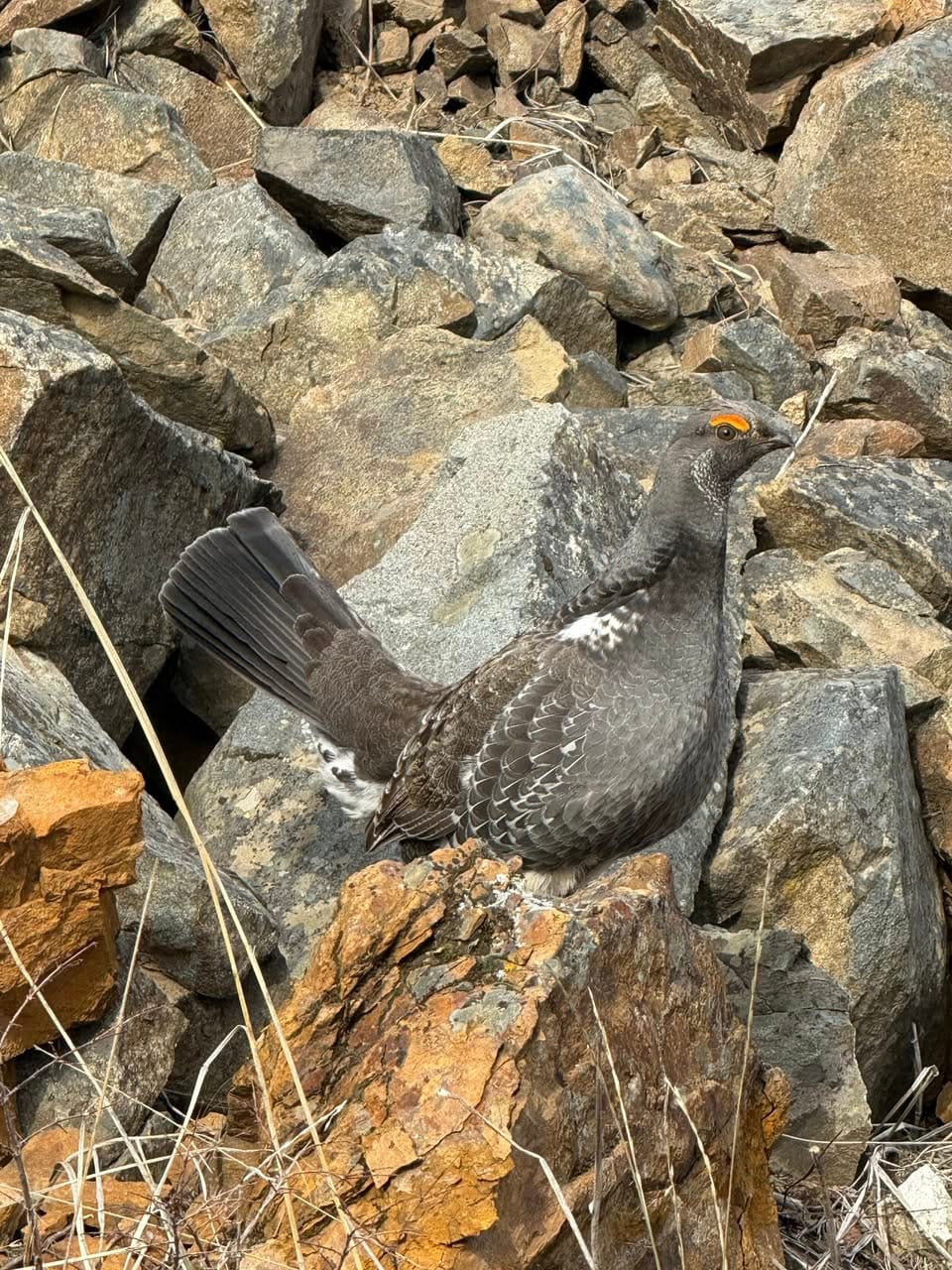
And speaking of birds, the first dusky grouse have shown up. They spend the winter in the security of dense conifer forests at higher elevations, then move downslope to feast on new buds and insects in preparation for breeding. I've been looking for them for the past couple weeks and I still haven't heard one calling.
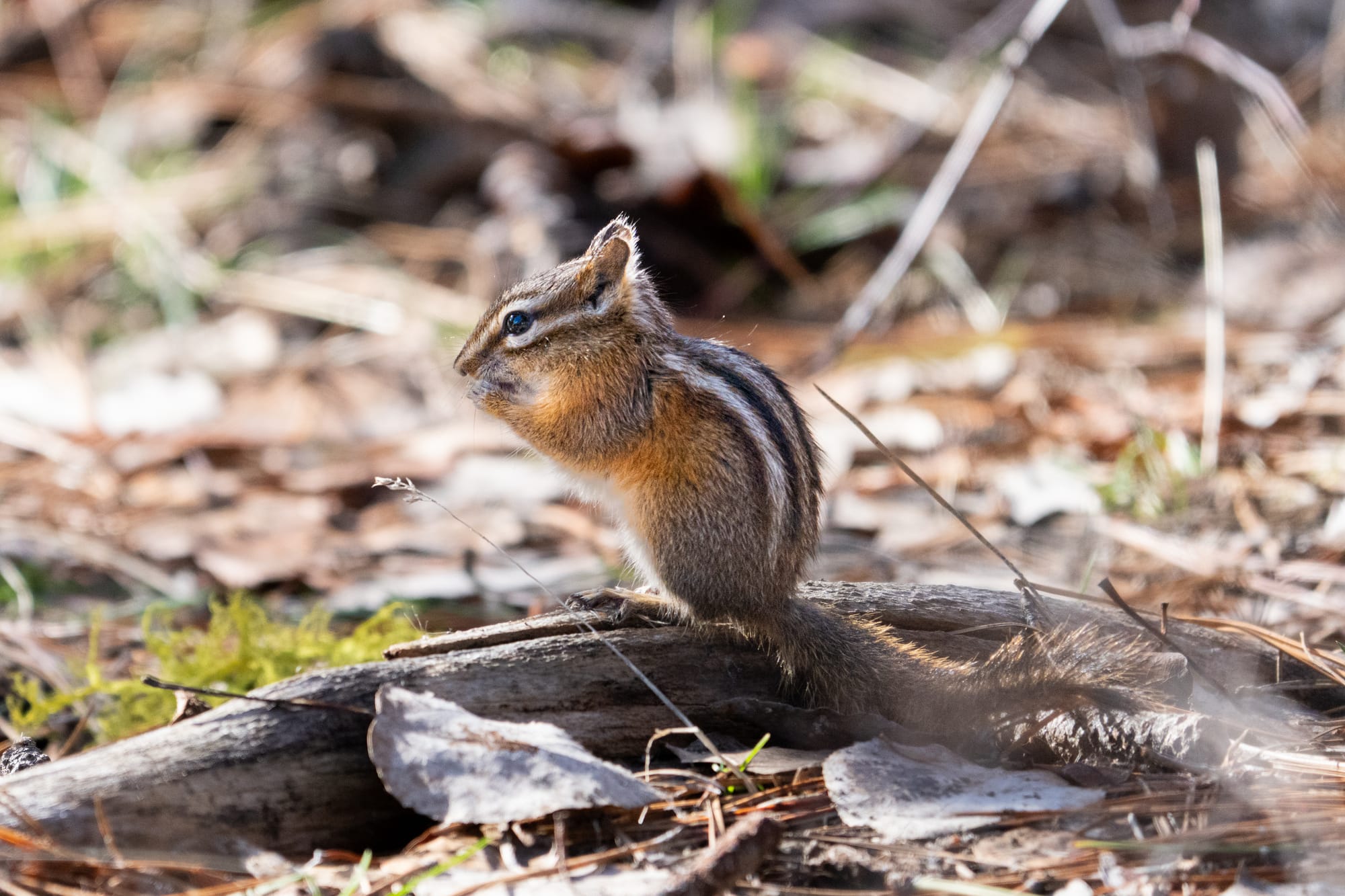
There was a wonderful moment earlier this week when I was out on a sunny day with red-winged blackbirds and northern flickers calling loudly from all sides. It was thrilling, and even more exciting, there were more chipmunks than I've ever seen running all over the forest floor. They seemed to be more focused on looking for food than chasing and showing off, so maybe they're just waking up from their winter sleep and eagerly eating fresh foods.
Even more exciting, my best sighting of the week was finding a skunk walking around in the daytime. I've only seen a few skunks in my life and this was my first time seeing one in the Methow Valley. According to Dana Visalli, they are a relatively recent arrival in the valley and they aren't common.

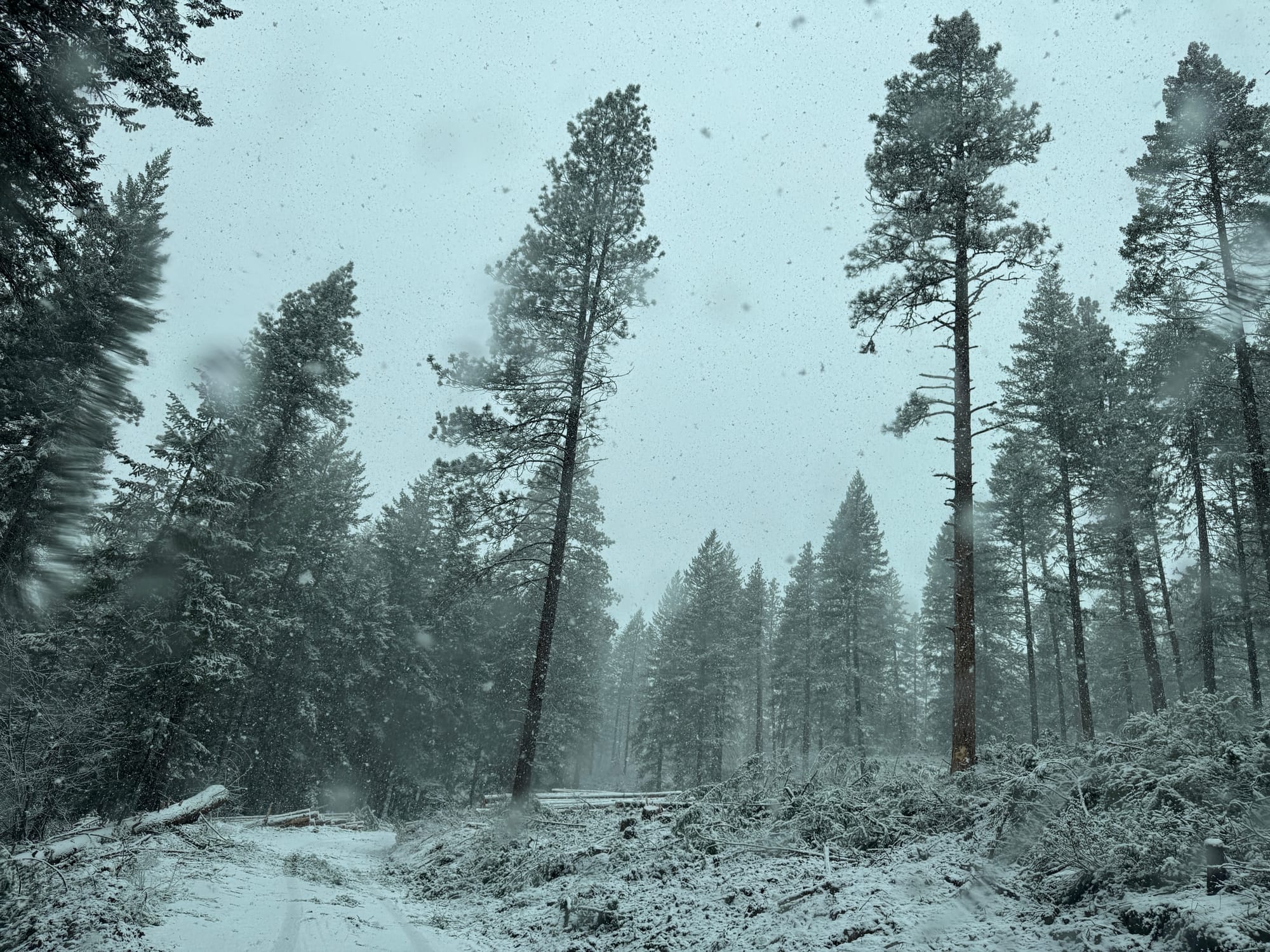
Finally, I'm sad to report that the Forest Service has begun intensive logging along Poorman Creek. If you've ever driven through these magnificent forests, you'll be shocked to see what they look like now. These gorgeous, healthy stands of trees once made the drive to Black Pine Lake a delightful, peaceful outing, but they won't anymore. This matters because it's how we begin losing the scenic, recreational values that make the Methow Valley a draw for visitors from all over the world.
