Spring Abounds
April 19-25, 2026

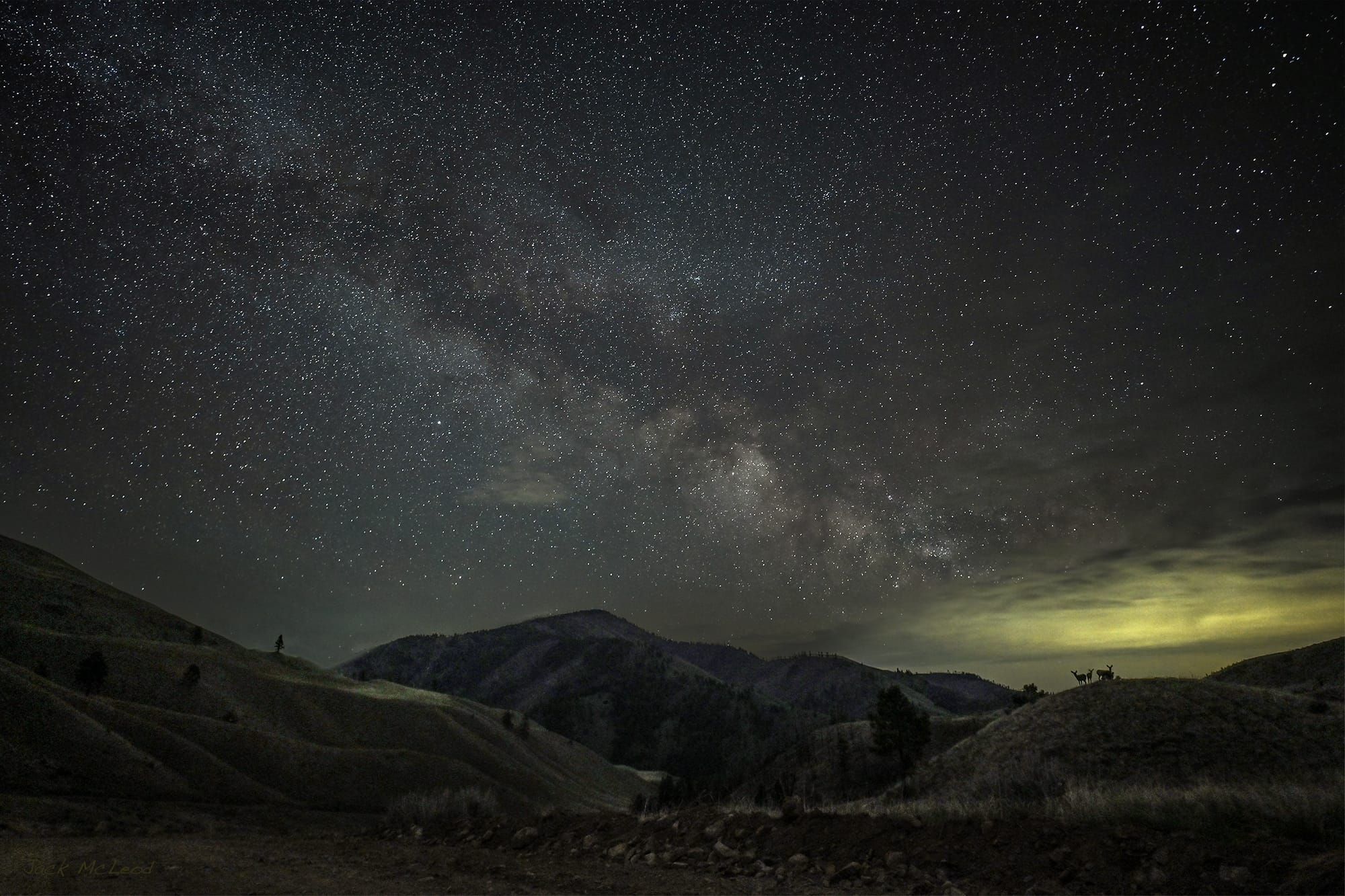
With the arrival of warm, sunny days, we are approaching peak spring conditions in the Methow Valley.
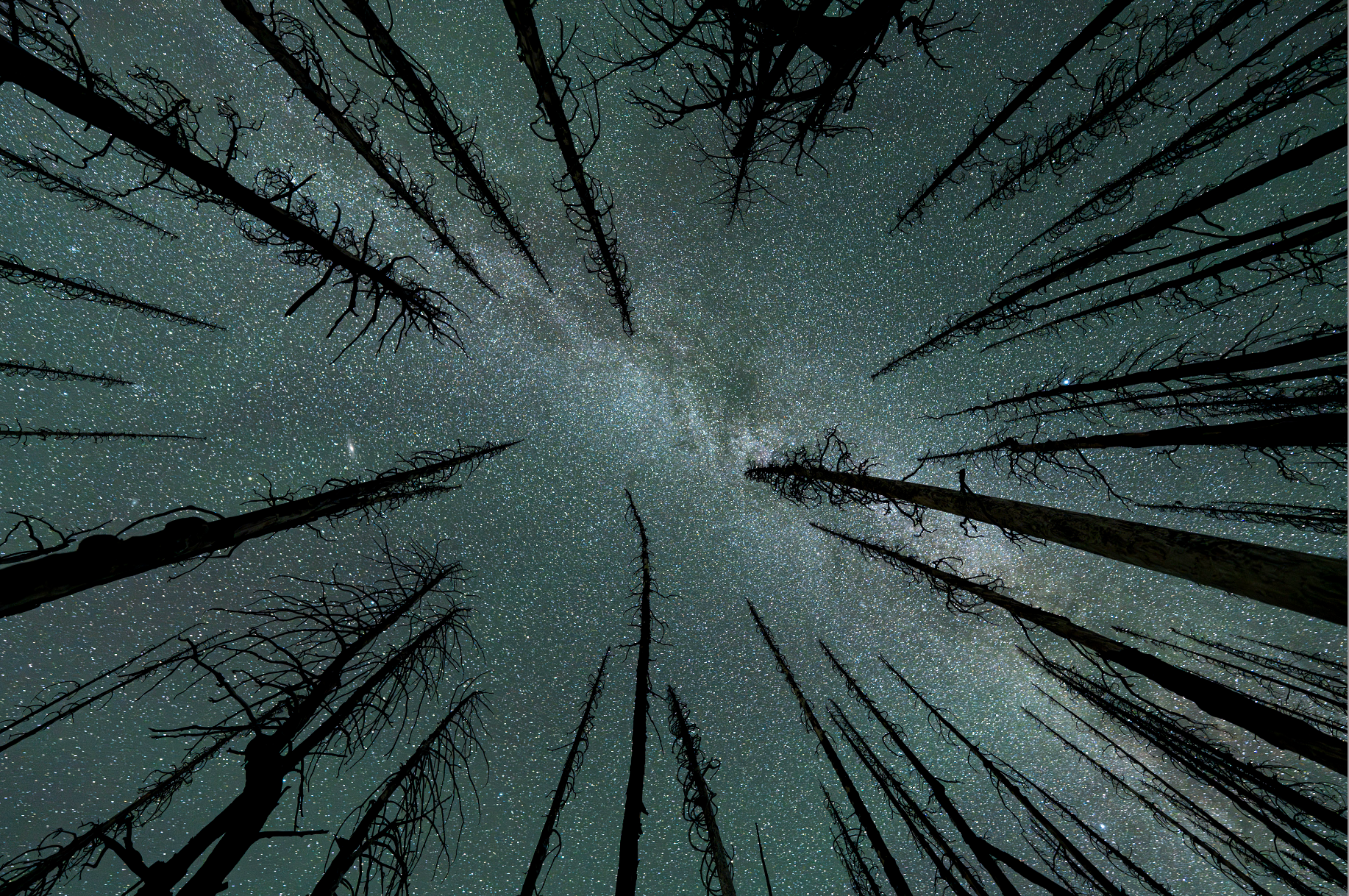
Celebrating the Night Sky!
Last week, the Methow Dark Sky Coalition hosted a range of exciting and well-attended events in celebration of the International Dark Sky Week. We are fortunate that we still have dark skies in the Methow Valley, but there's more work to do to ensure we all turn off our Christmas lights and outdoor lighting.
Week in Review
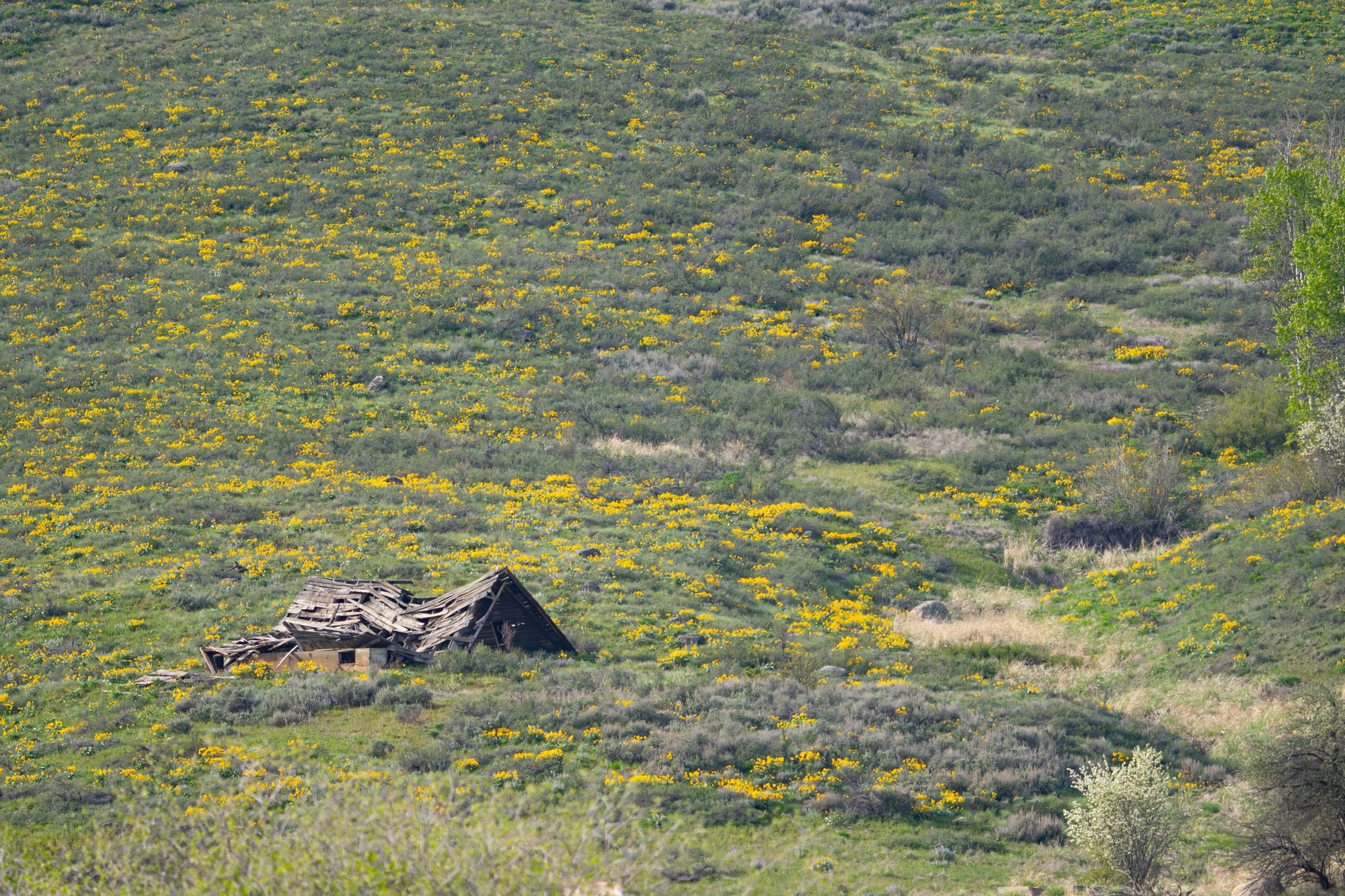
Although many spring songbirds have not arrived, and many flowers still haven't bloomed, this is that precious and fleeting moment when everything in the valley feels impossibly green and fresh. Take a moment to notice and celebrate "peak spring," because things dry out so quickly here!
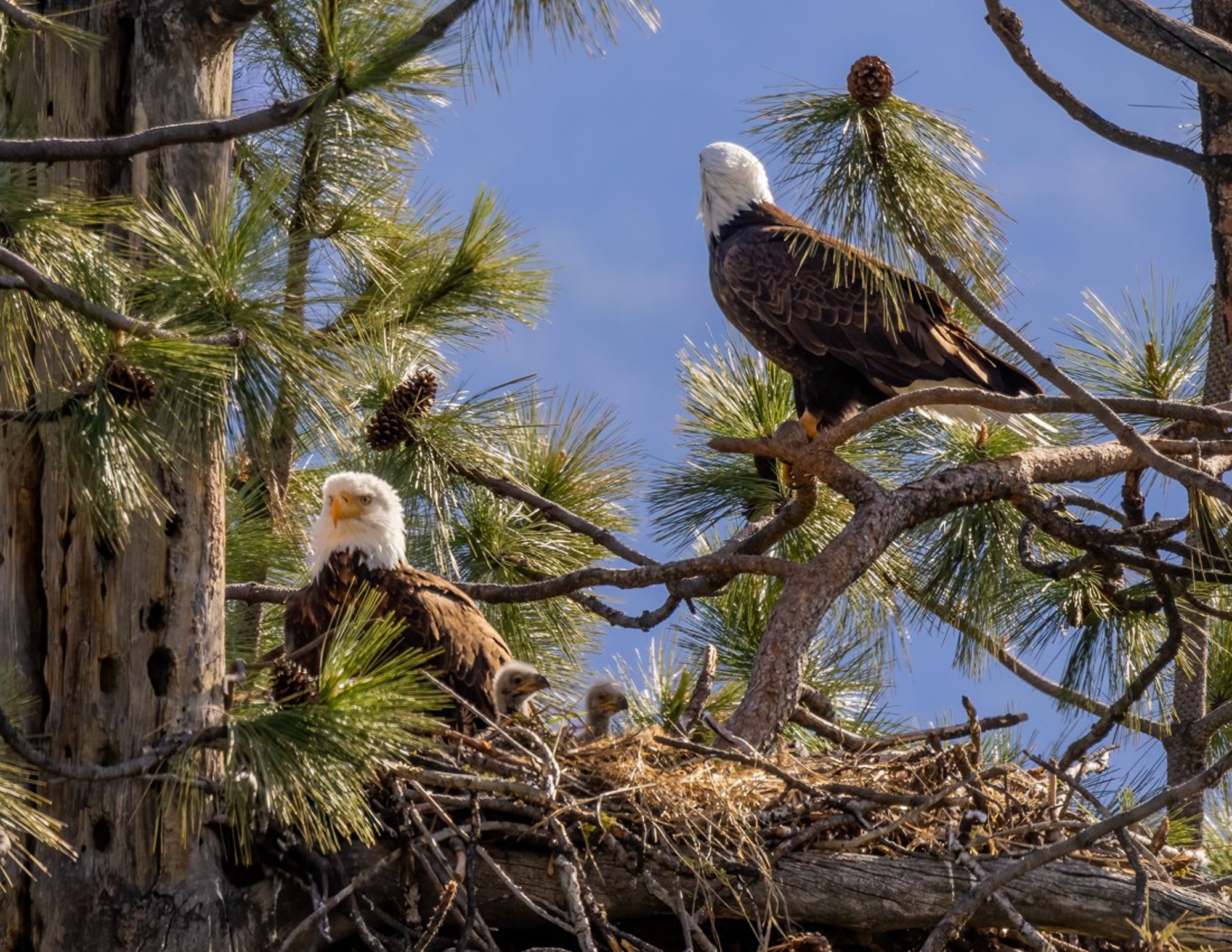
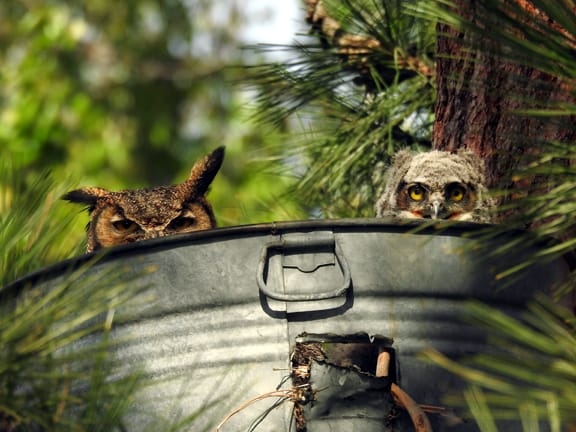
There's so much going on right now. For example, it's astonishing that early nesting birds already have babies, even as other birds are only now arriving or just beginning to sing and court. Early nesting birds are usually those species whose babies take longer to grow up and need a head start.
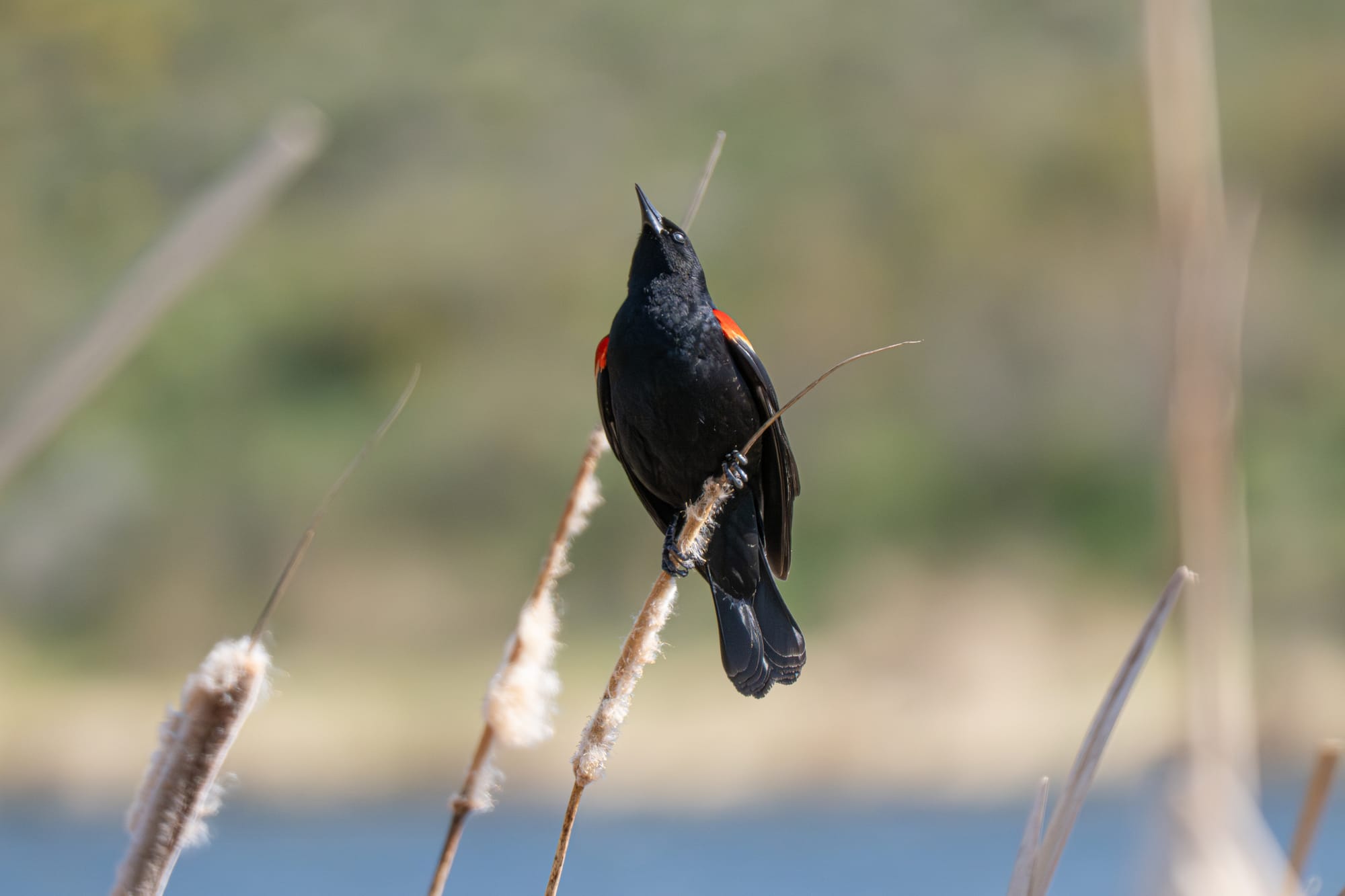
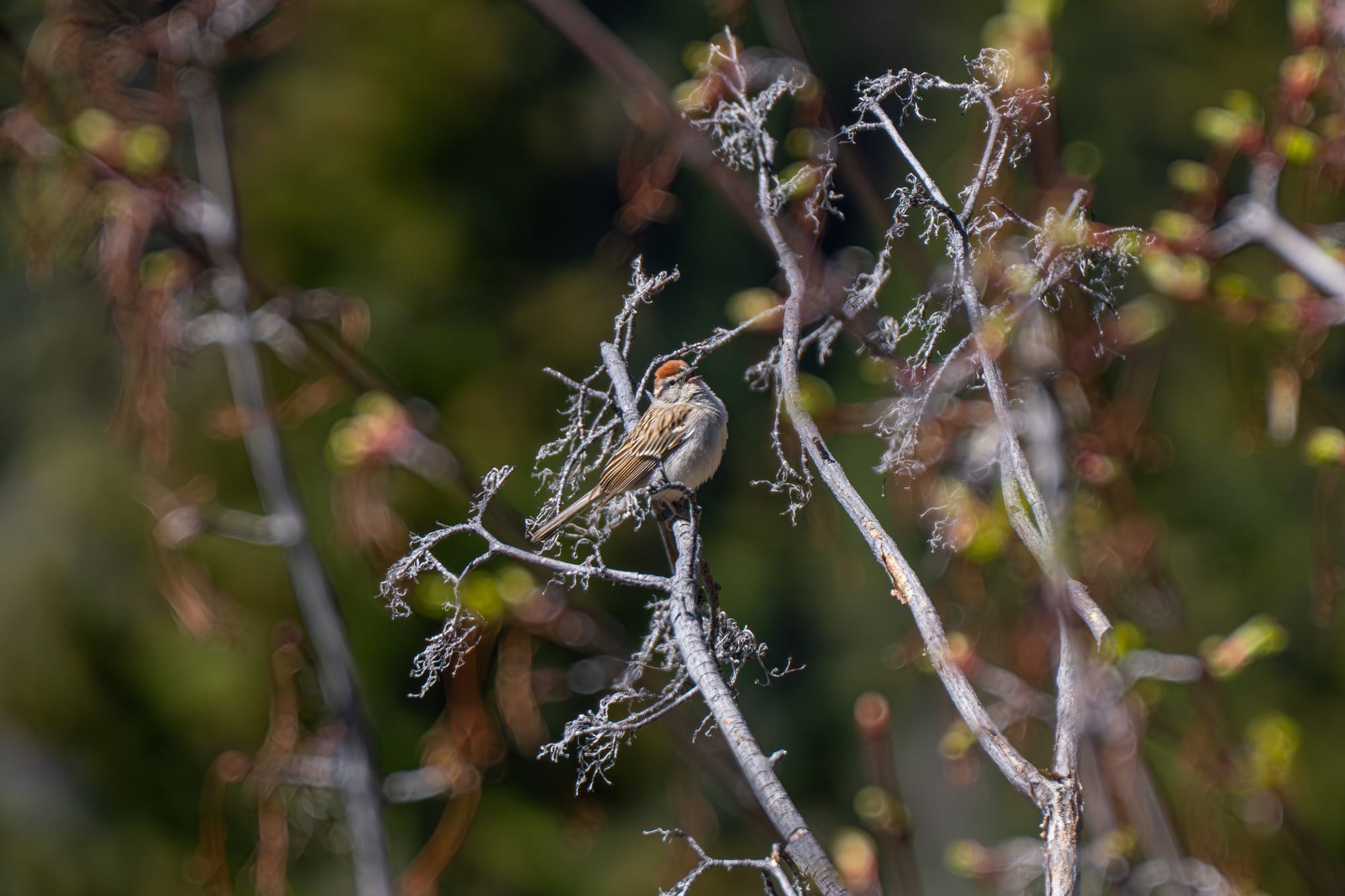
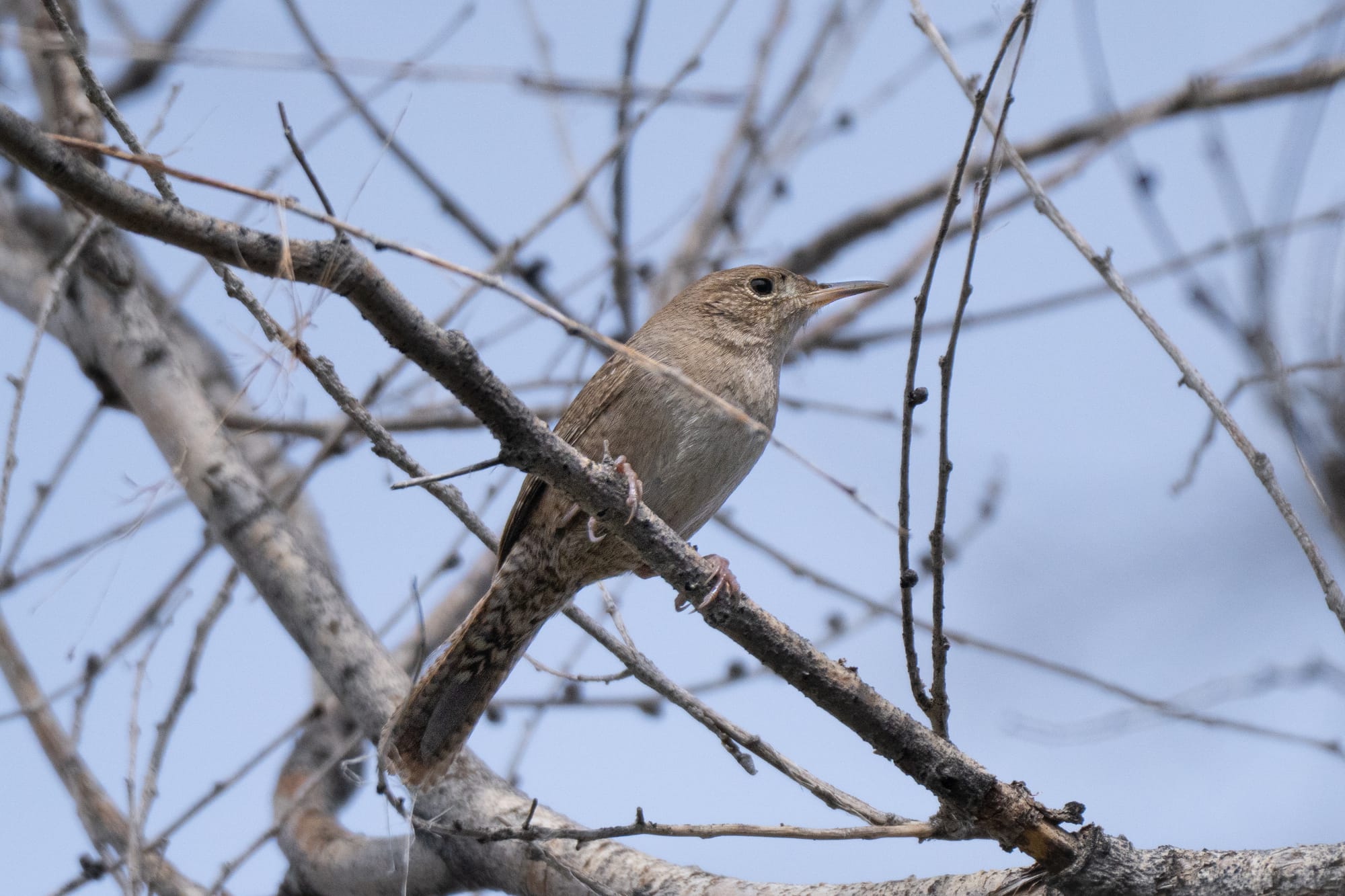
Among the many other birds I've been noticing, I've been thrilled to see that chipping sparrows have arrived. These lovely little birds are a lively presence in forested areas throughout the summer, where you often hear their fast, trilling songs. I was a bit less thrilled to start hearing the loud, bubbling songs of house wrens because I know they'll try to evict the tree swallows and western bluebirds that have claimed the nest boxes in our yard.
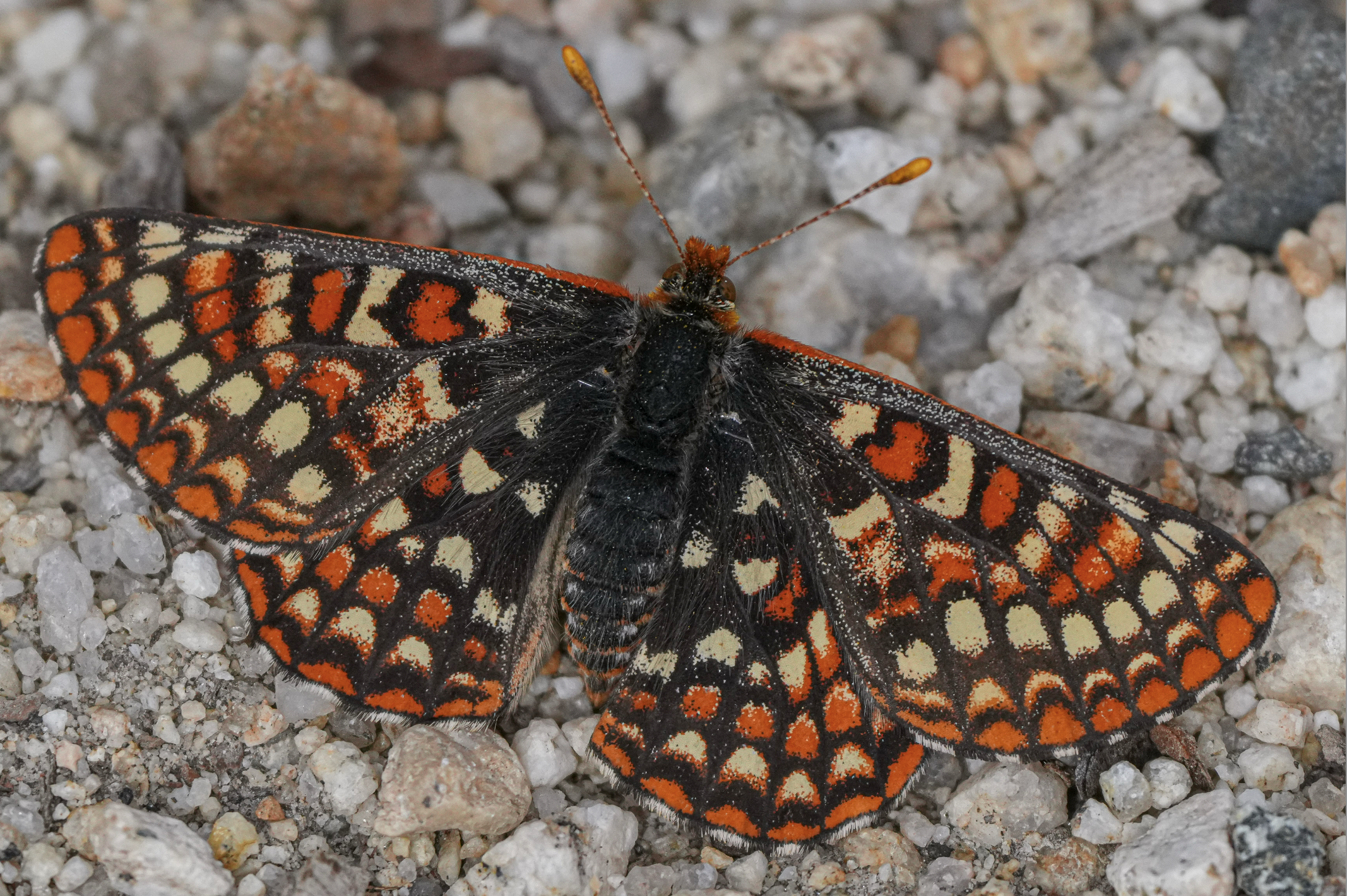
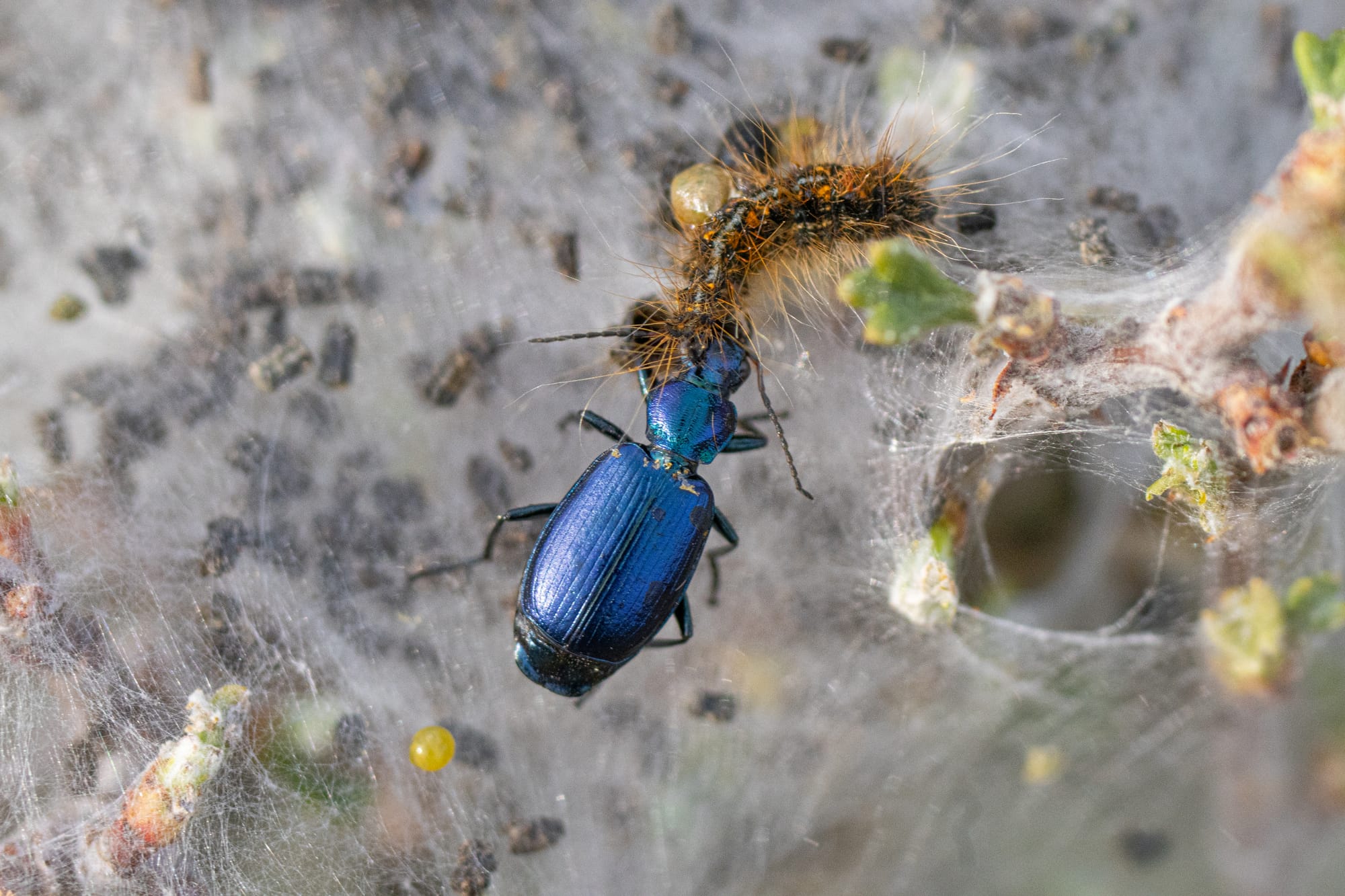
We are also noticing more and more insects every day, and I've been spending a lot of time on my belly photographing them. It's especially easy to spot butterflies, and walking along a dirt road, it felt like checkerspots were flying up from underfoot almost continuously.
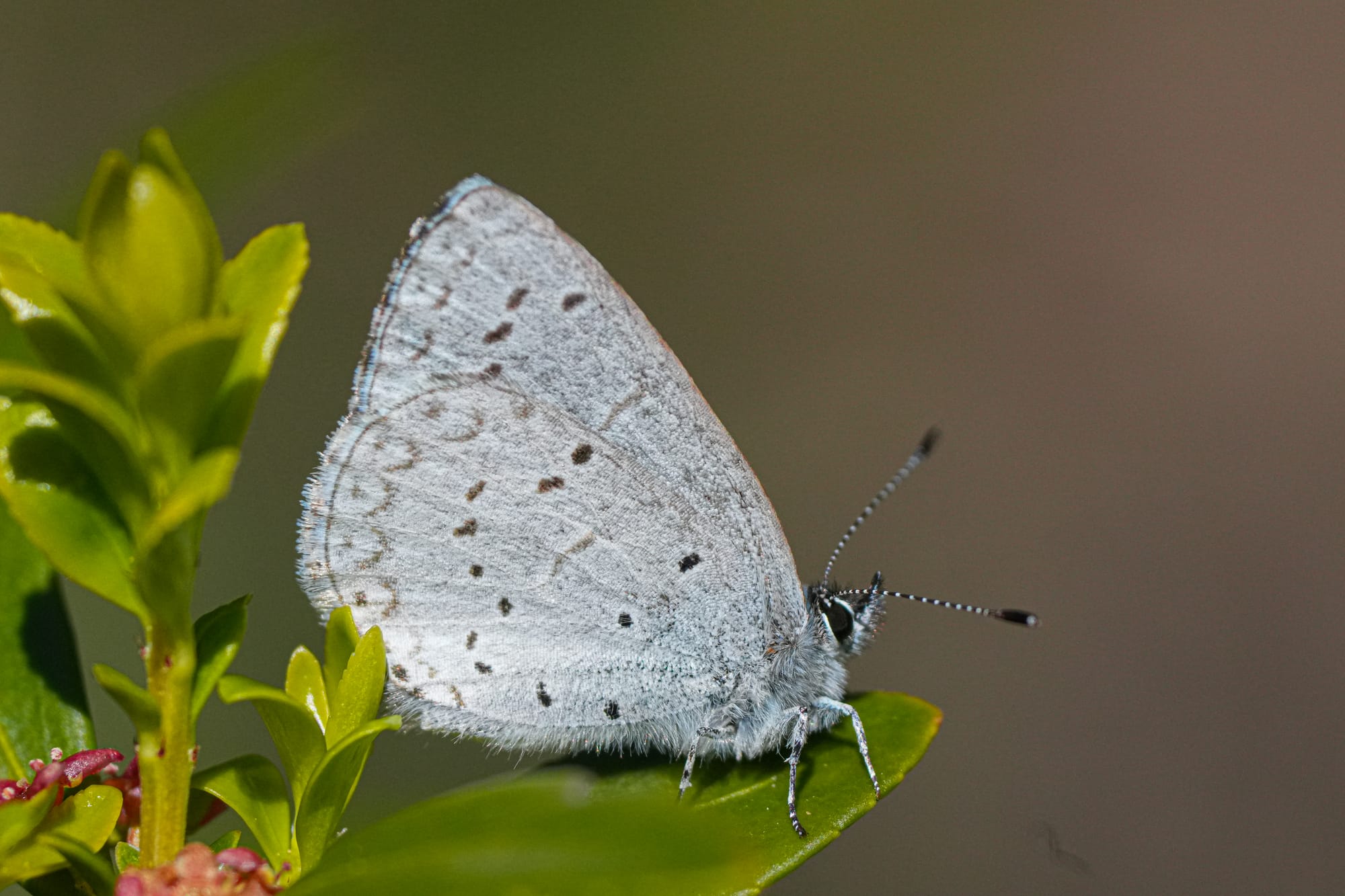
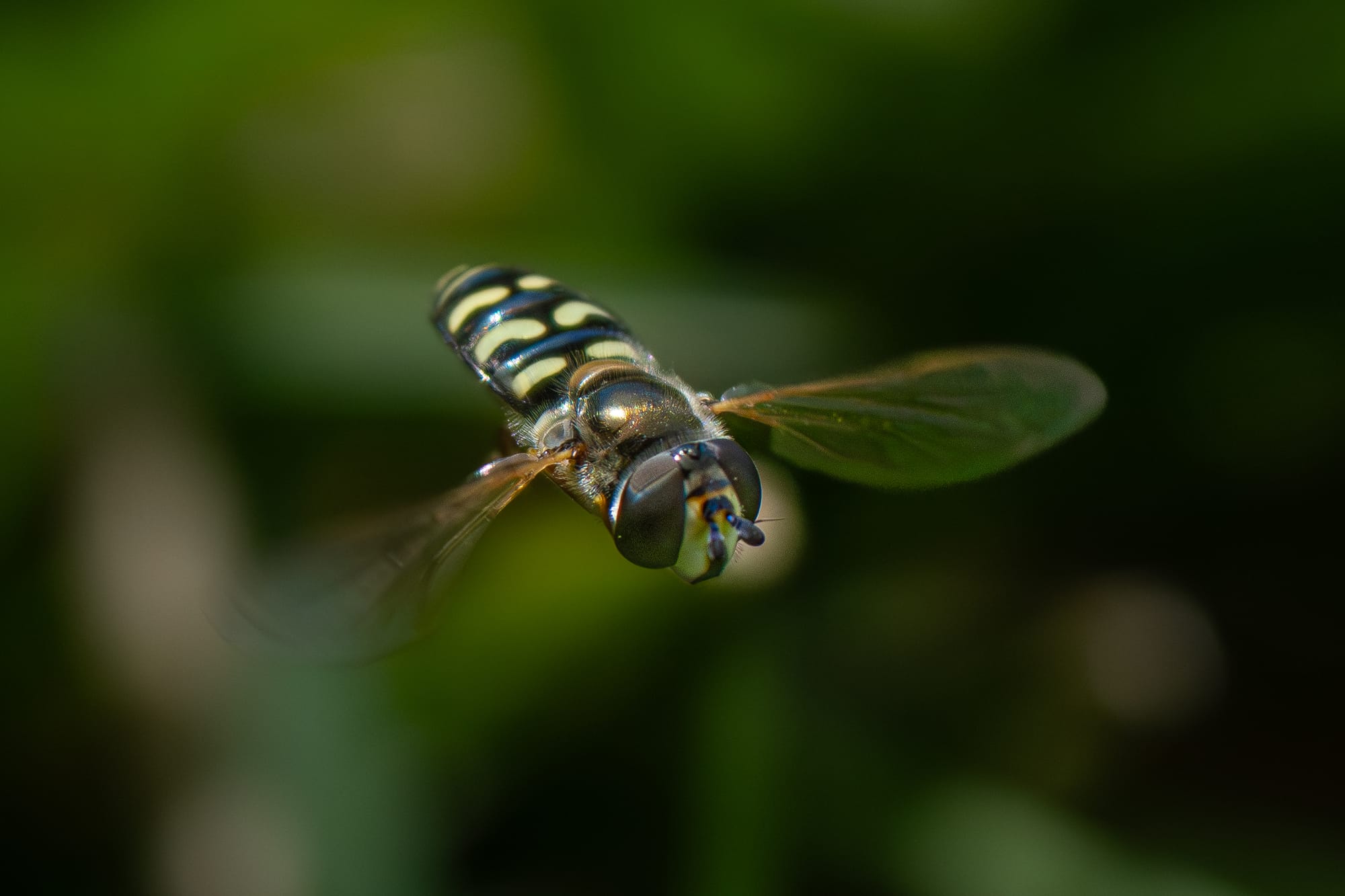
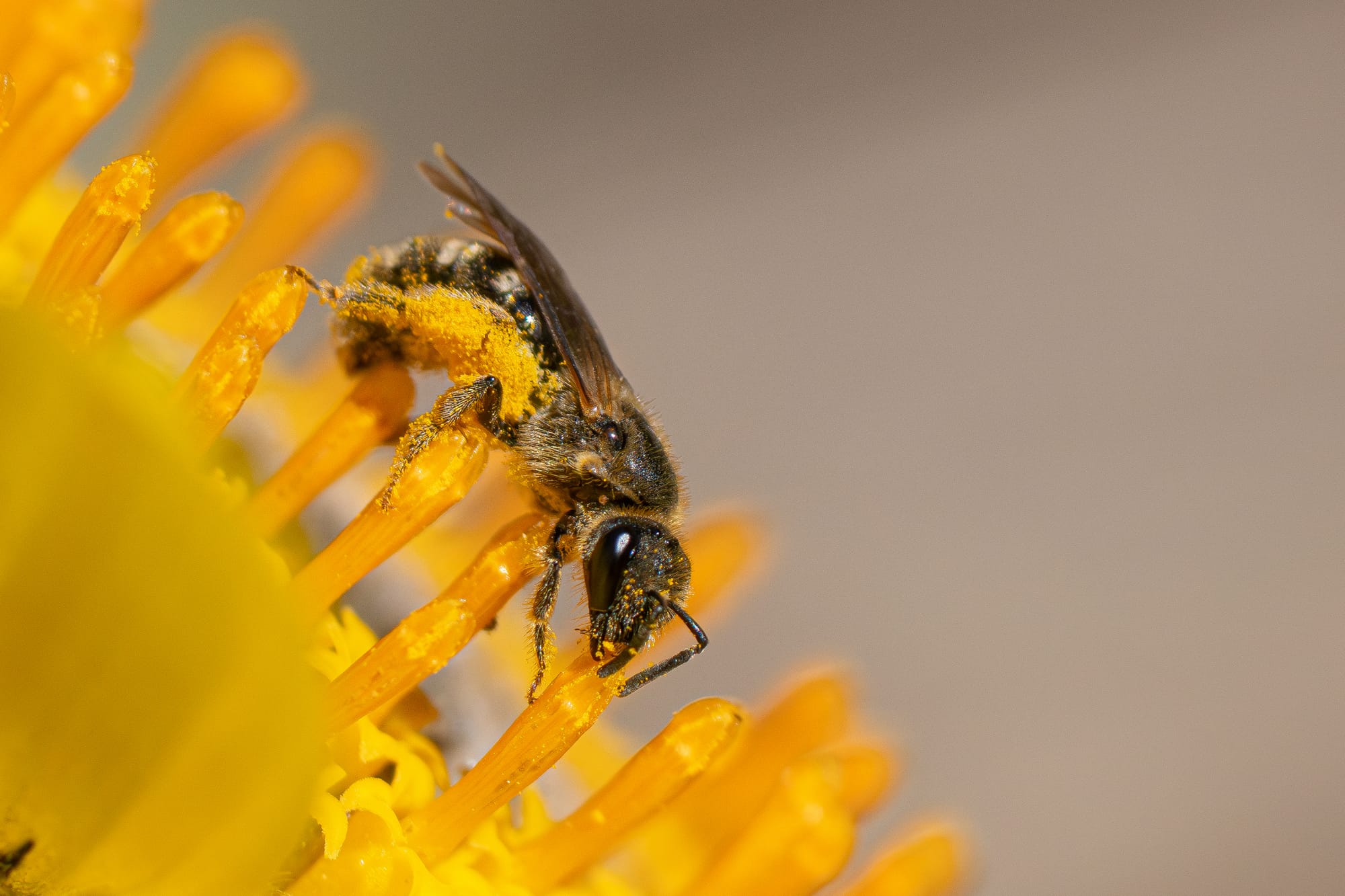
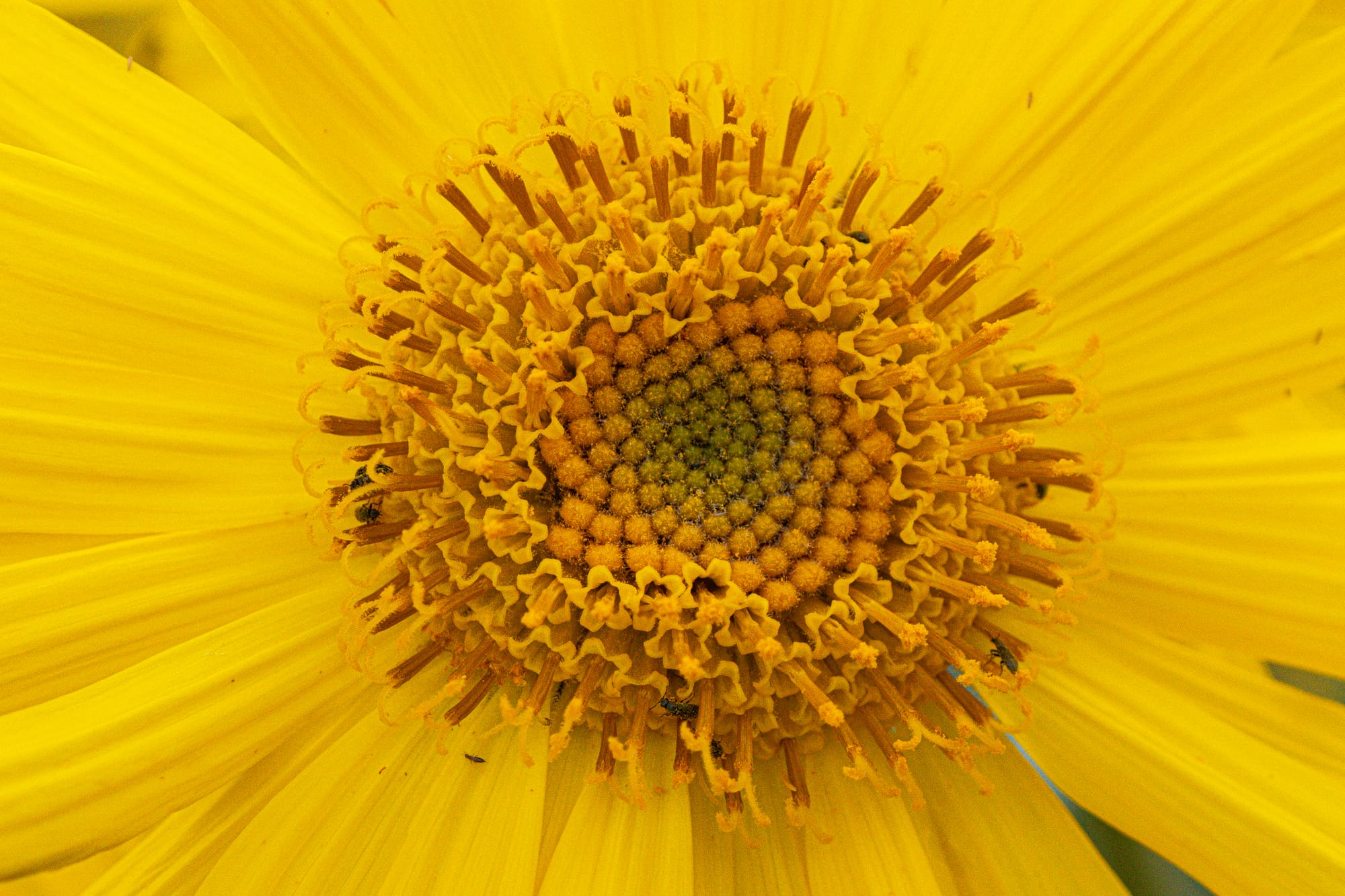
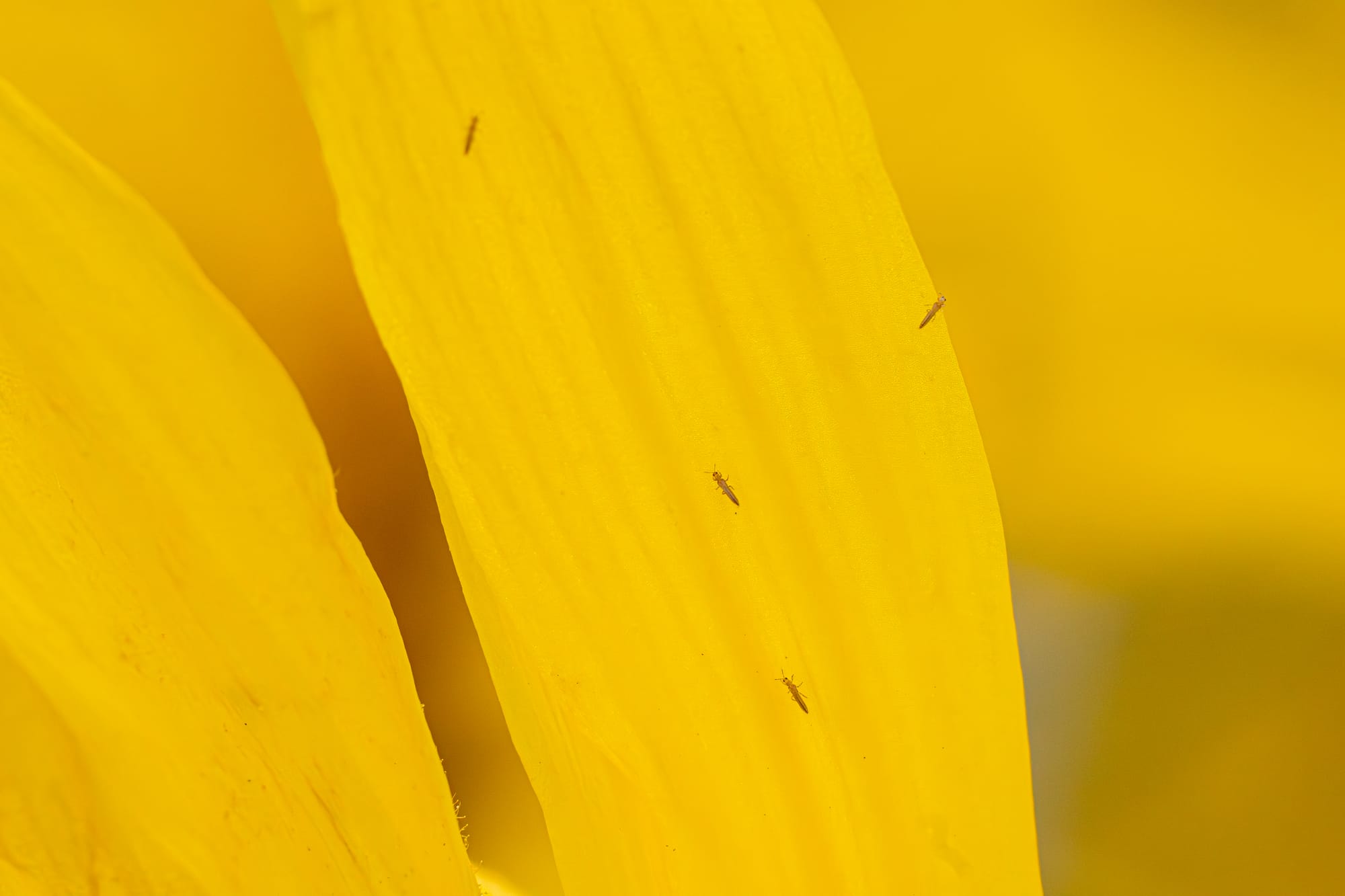
It's especially interesting to pick one type of flower and study it closely to see how many types of insects visit those flowers. A great example might be the big showy faces of balsamroot flowers because it's so easy to watch who visits them.
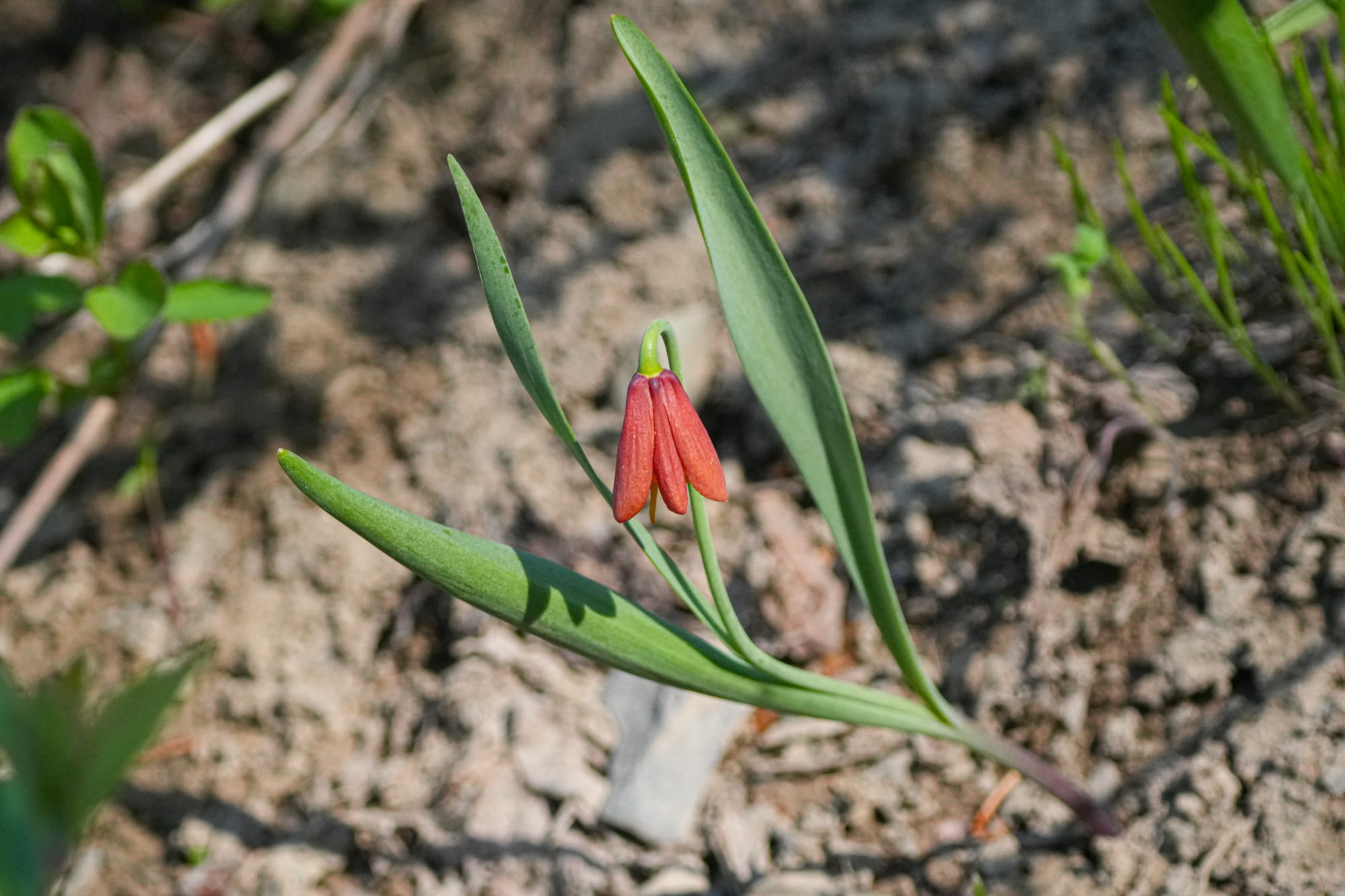
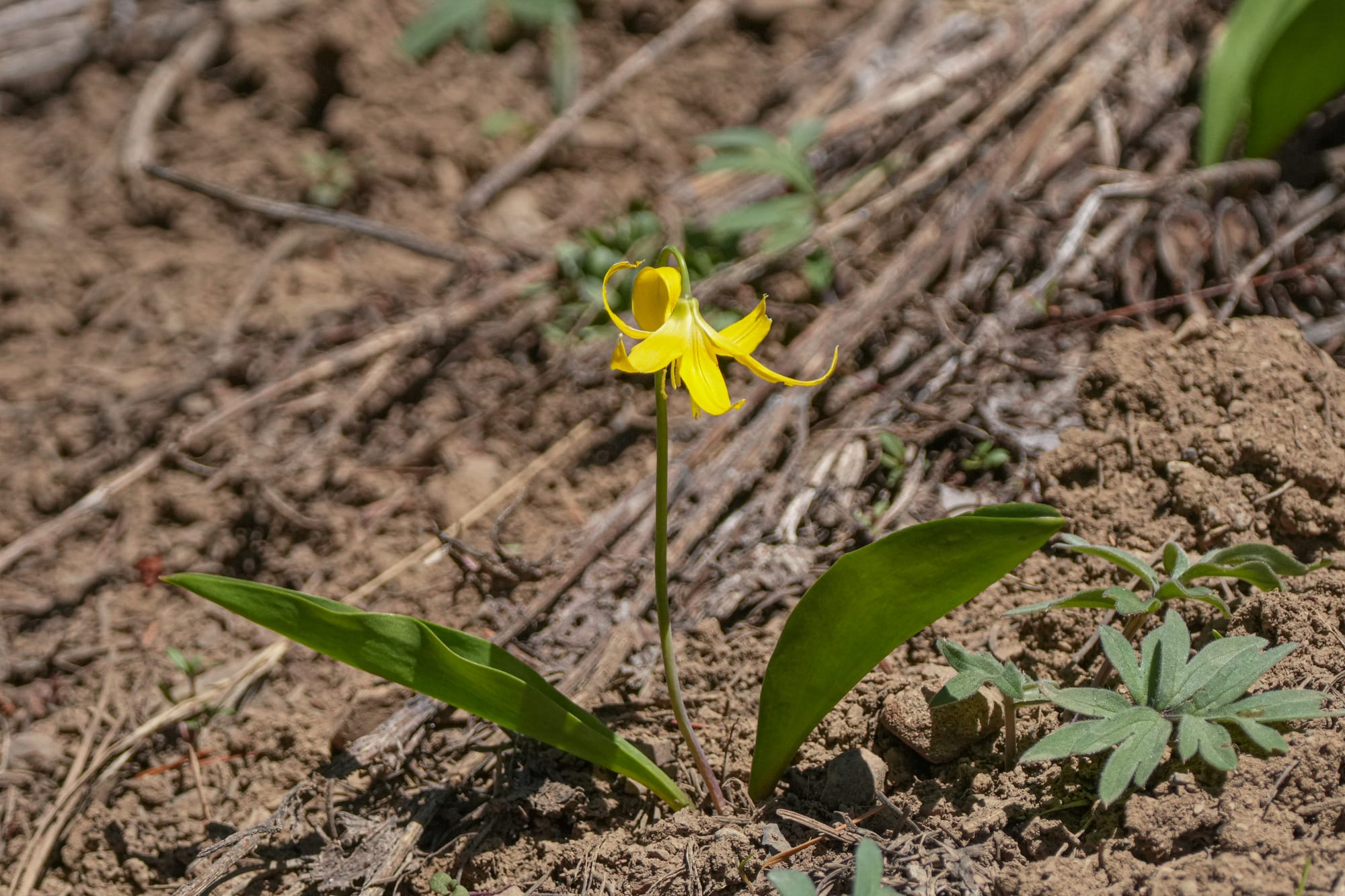
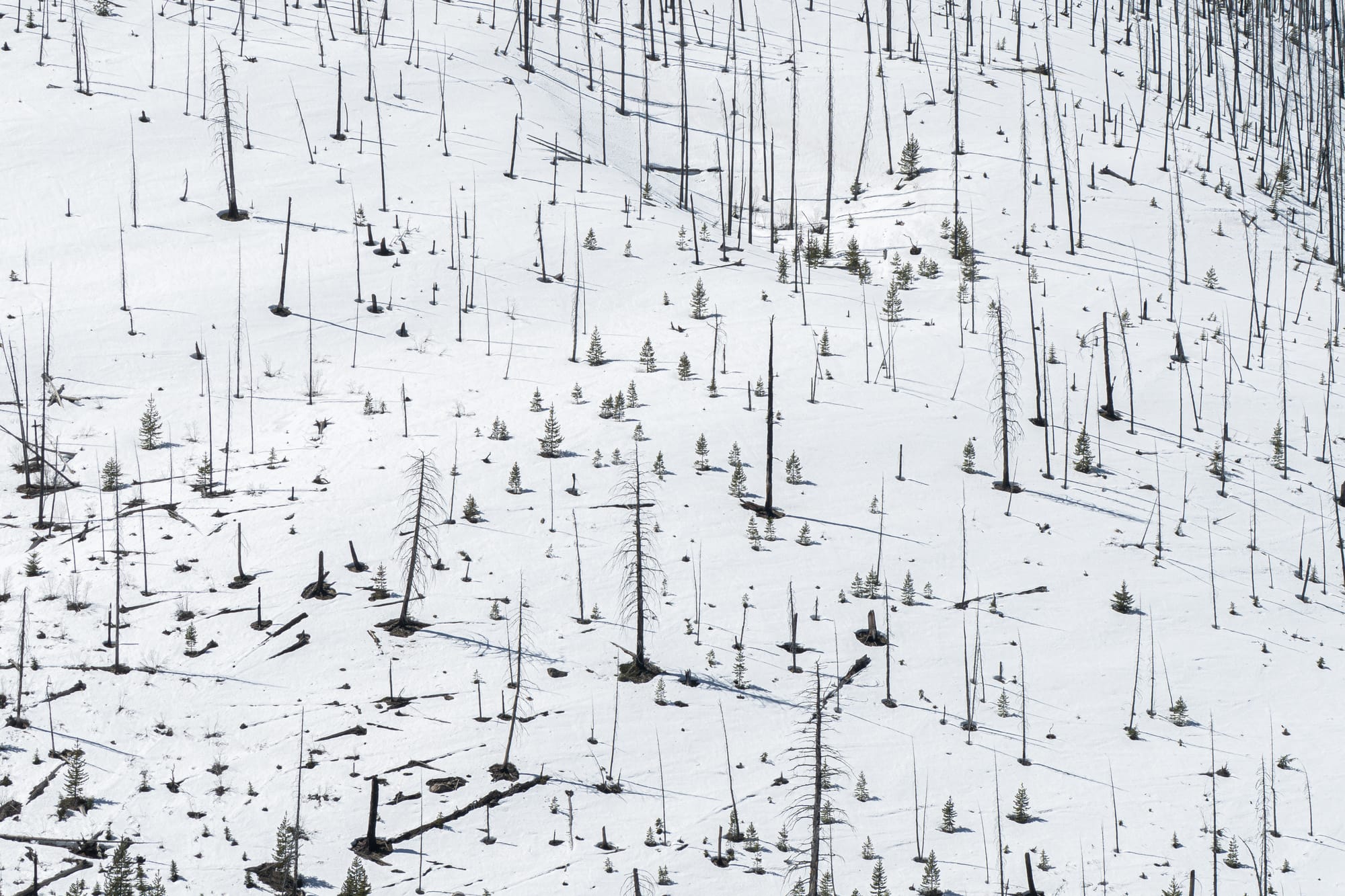
And speaking of flowers, it's fun to notice that there's a distinct elevational gradient going on right now. For example, hiking up Driveway Butte I observed that yellow bell and glacier lilies were already going to seed at the lower end of the trail but 500 feet higher they were still in full bloom. And, adding to the mix, the top of the trail was completely covered in snow and there were no flowers at all!
Observation of the Week: Explosive Synchronicity
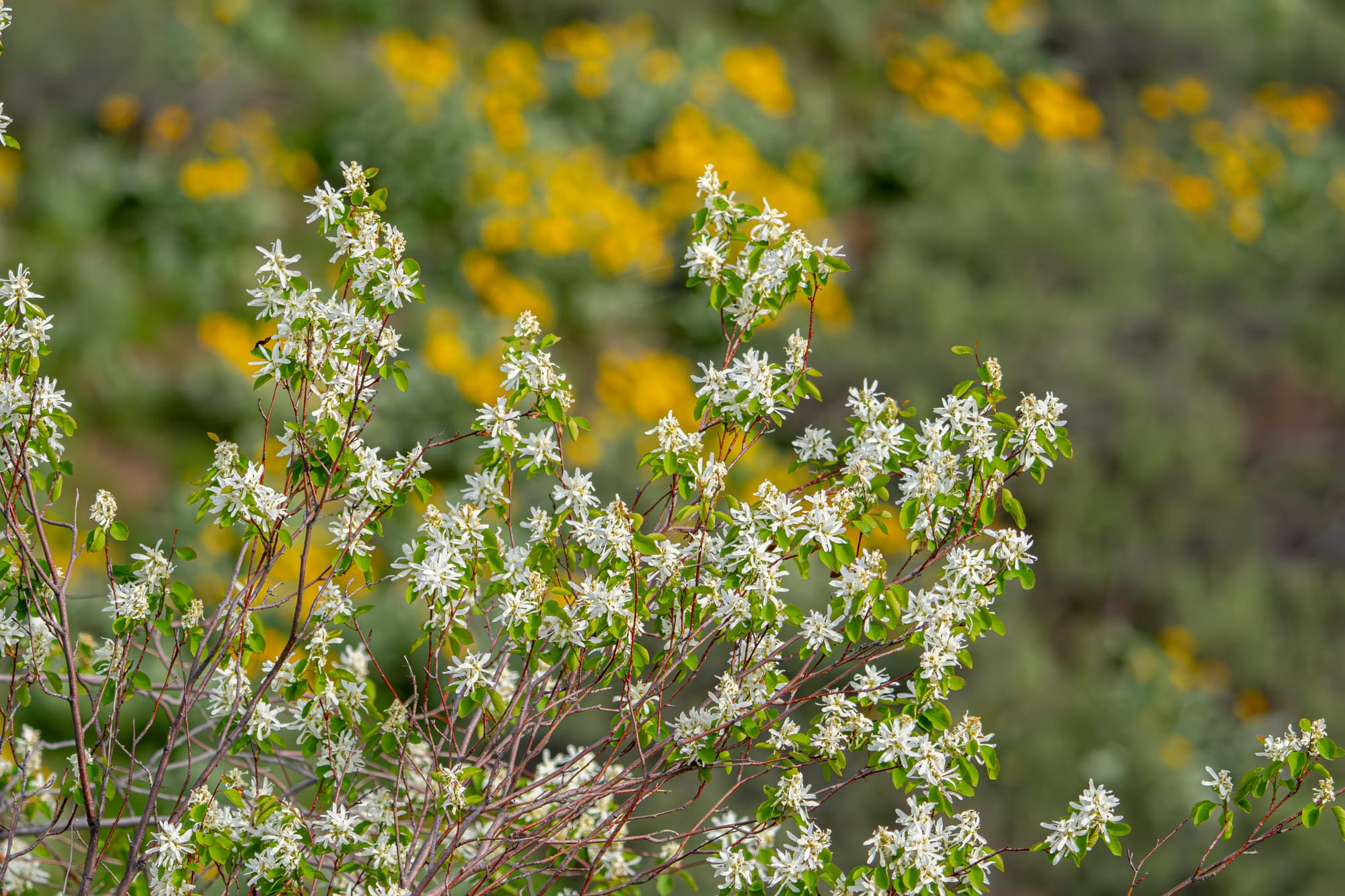
Have you seen all the serviceberries in flower right now?! They are literally everywhere, and there are so many flowers that some hillsides seem to glow in the sun.
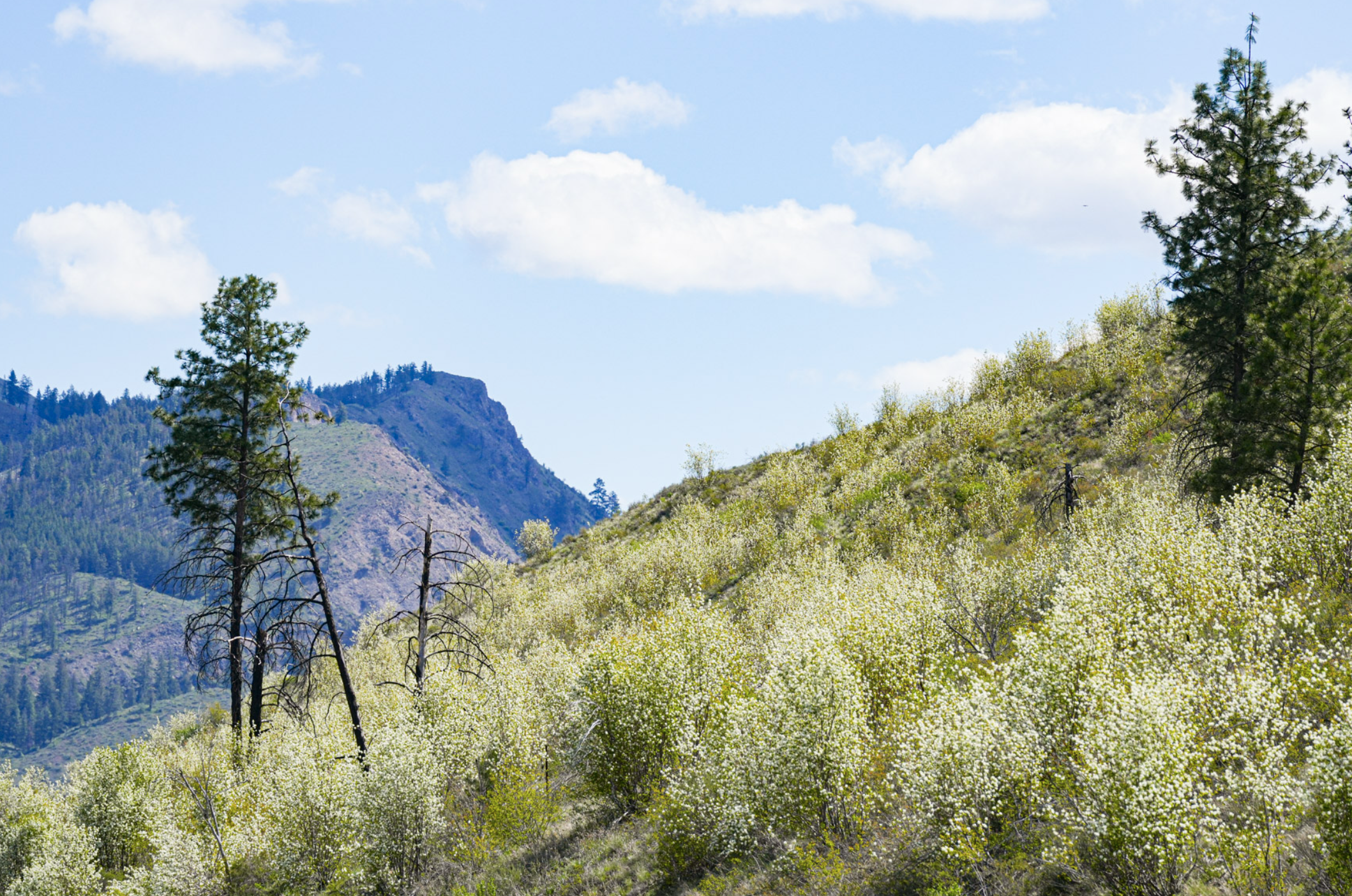
Serviceberries are one of our most important plants. Many insects are attracted to their copious flowers, and many animals (including humans) eat their highly nutritious fruits. [For a brief introduction to this fascinating plant check out my YouTube video about serviceberries.]
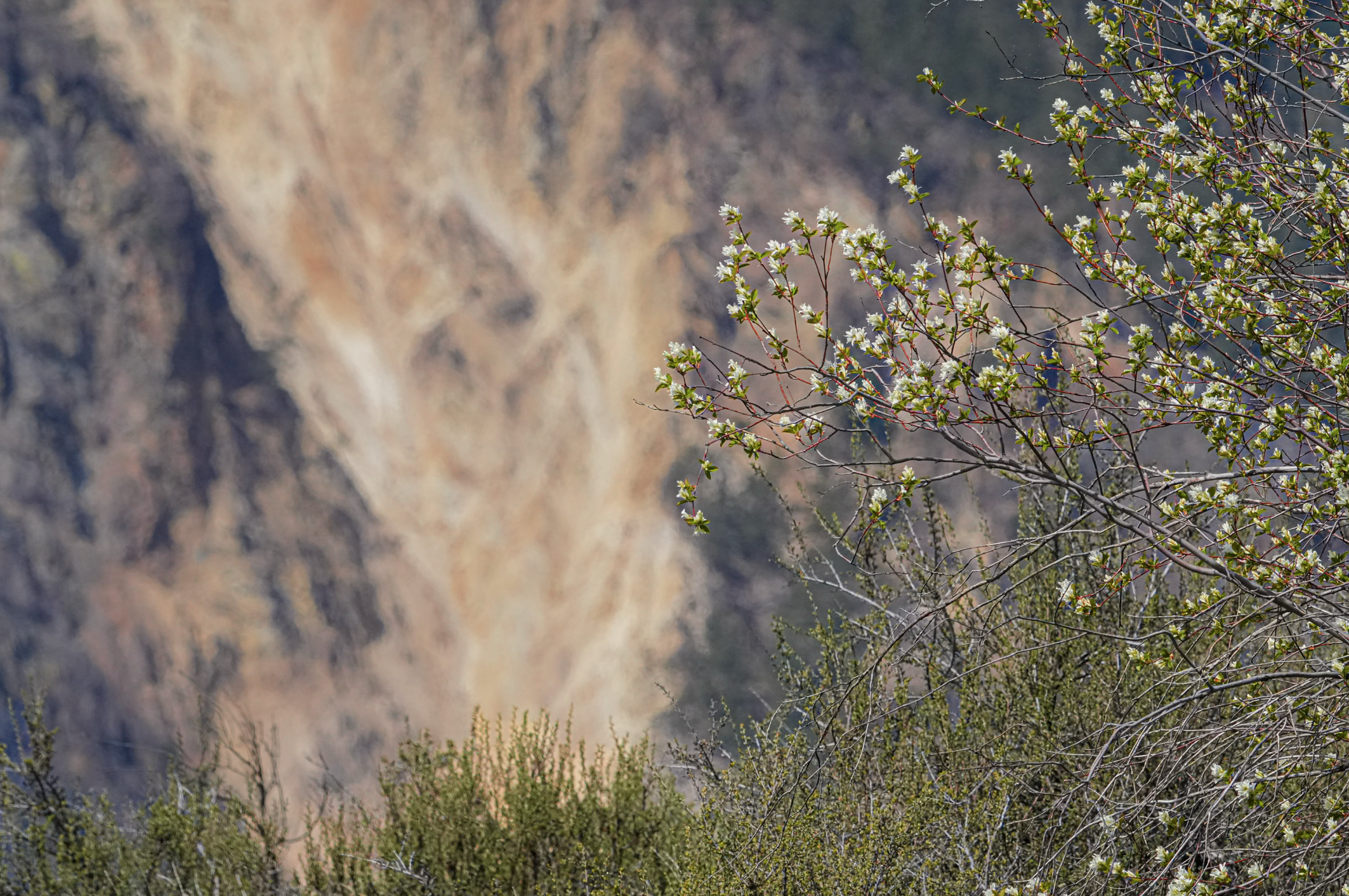
By blooming explosively, and all at the same time, serviceberries attract huge numbers of pollinators to ensure that all their flowers will be pollinated and go to seed.
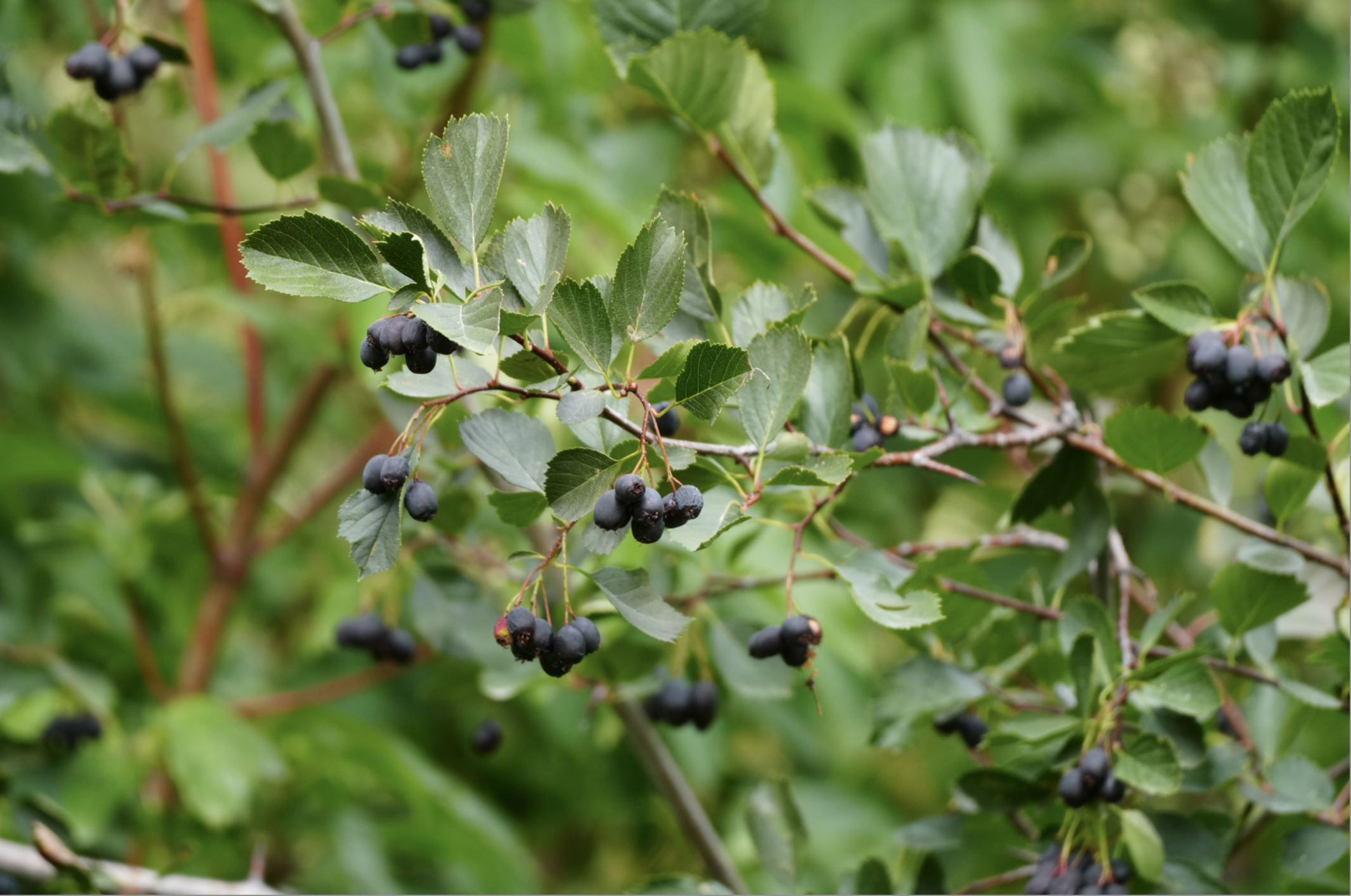
And this is where their story gets interesting. Once their flowers are pollinated, serviceberries have two fruiting strategies. During the summer, serviceberries are loaded with berries at various stages of ripening, ranging in color from green to red to blue-black. These multicolored displays are conspicuous and attract the attention of hungry birds, so each berry contains up to 10 seeds, which ensures that the maximum numbers of seeds get dispersed.
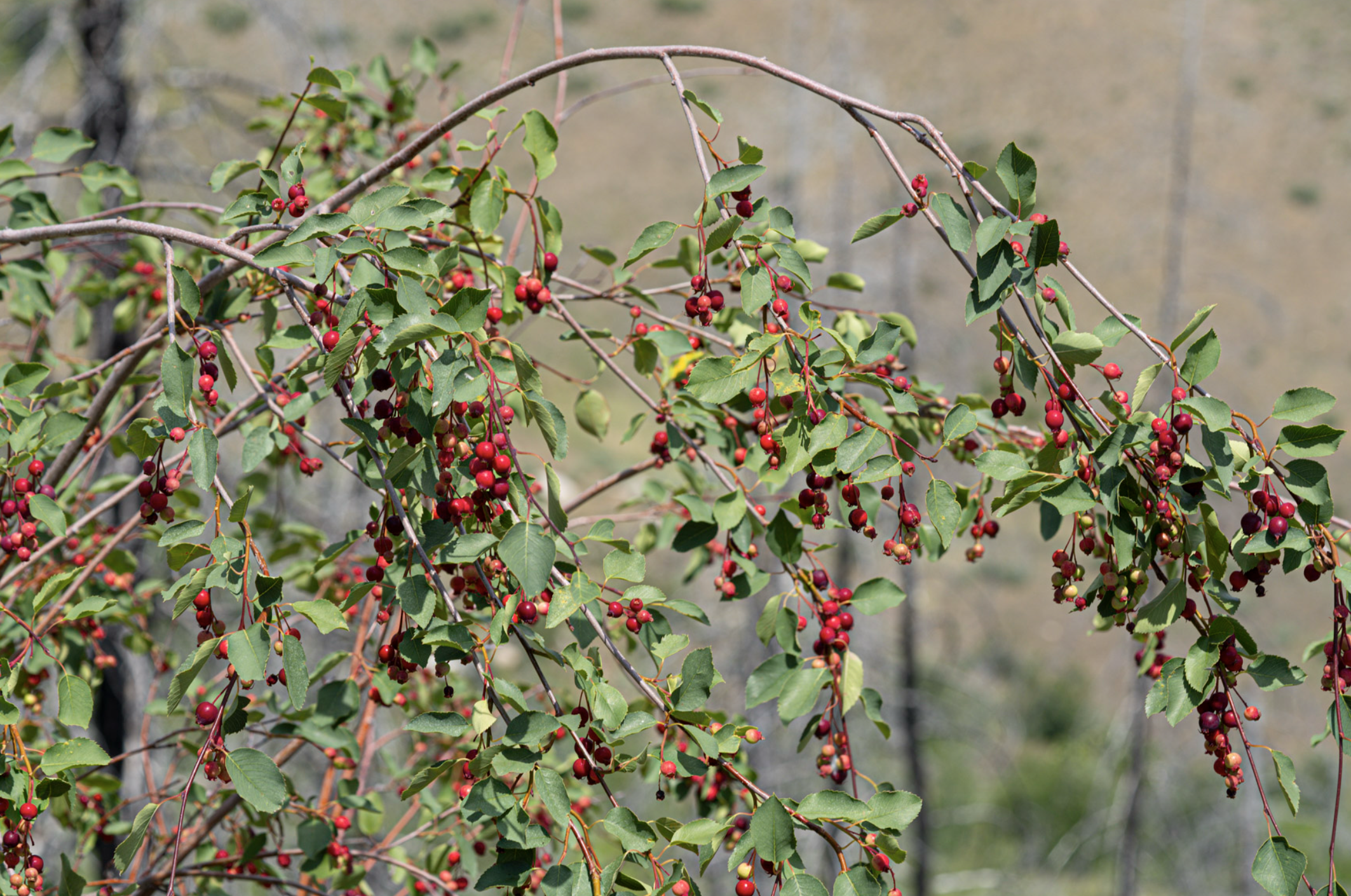
However, later in the summer the remaining berries are all blue-black and inconspicuous. Birds have a harder time spotting these berries and are more easily distracted by the conspicuous bright red berries of plants like mountain ash. Because these late berries are less likely to be noticed, and because seeds are expensive to produce, serviceberries hedge their bets by putting only 1-2 seeds in those berries. It's smart to have a primary strategy, plus a back-up strategy like this!