Riding the Crest
April 26-May 2, 2026

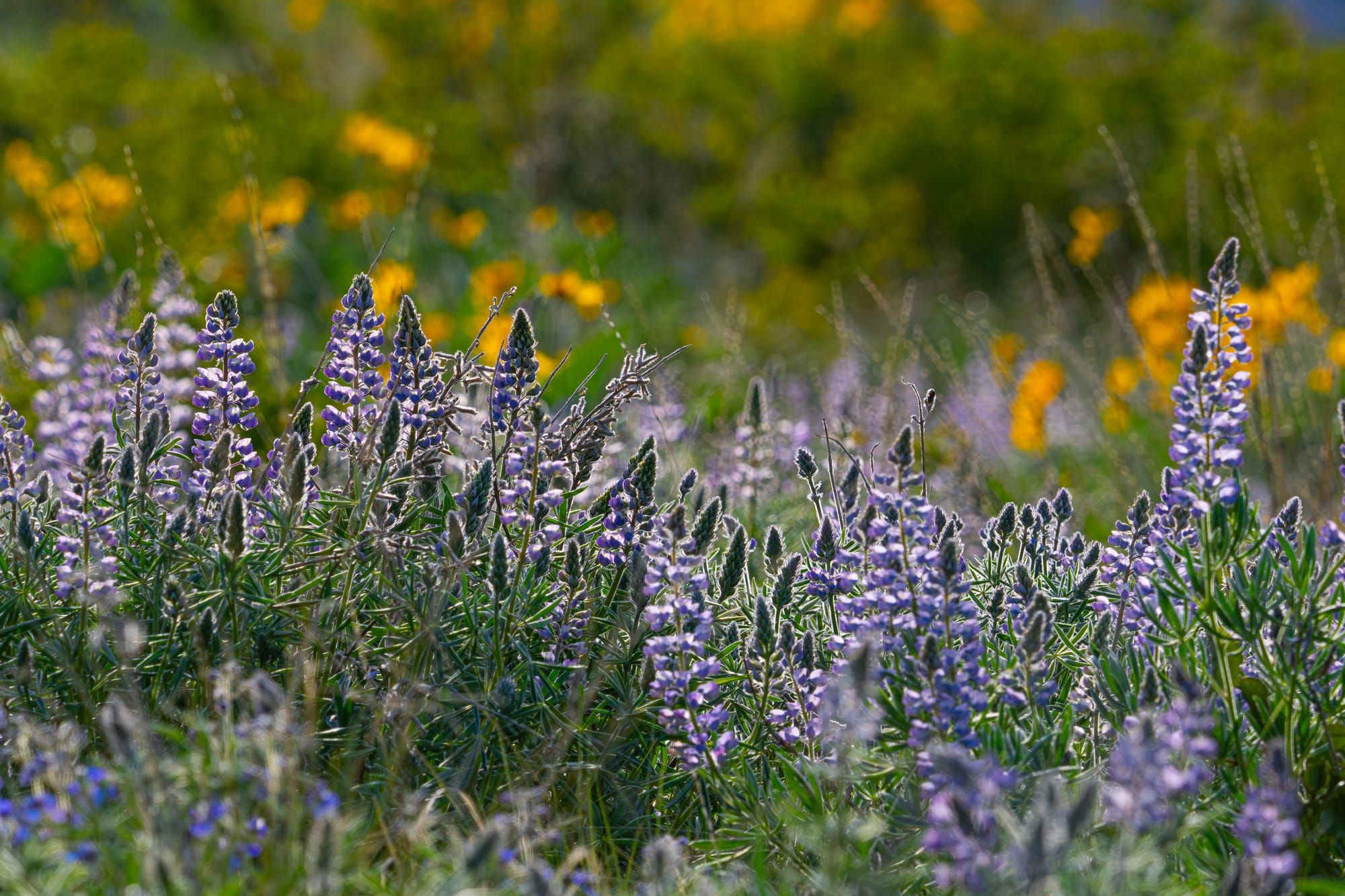
The ongoing trend of warmer temperatures is keeping "peak spring" alive.
Week in Review
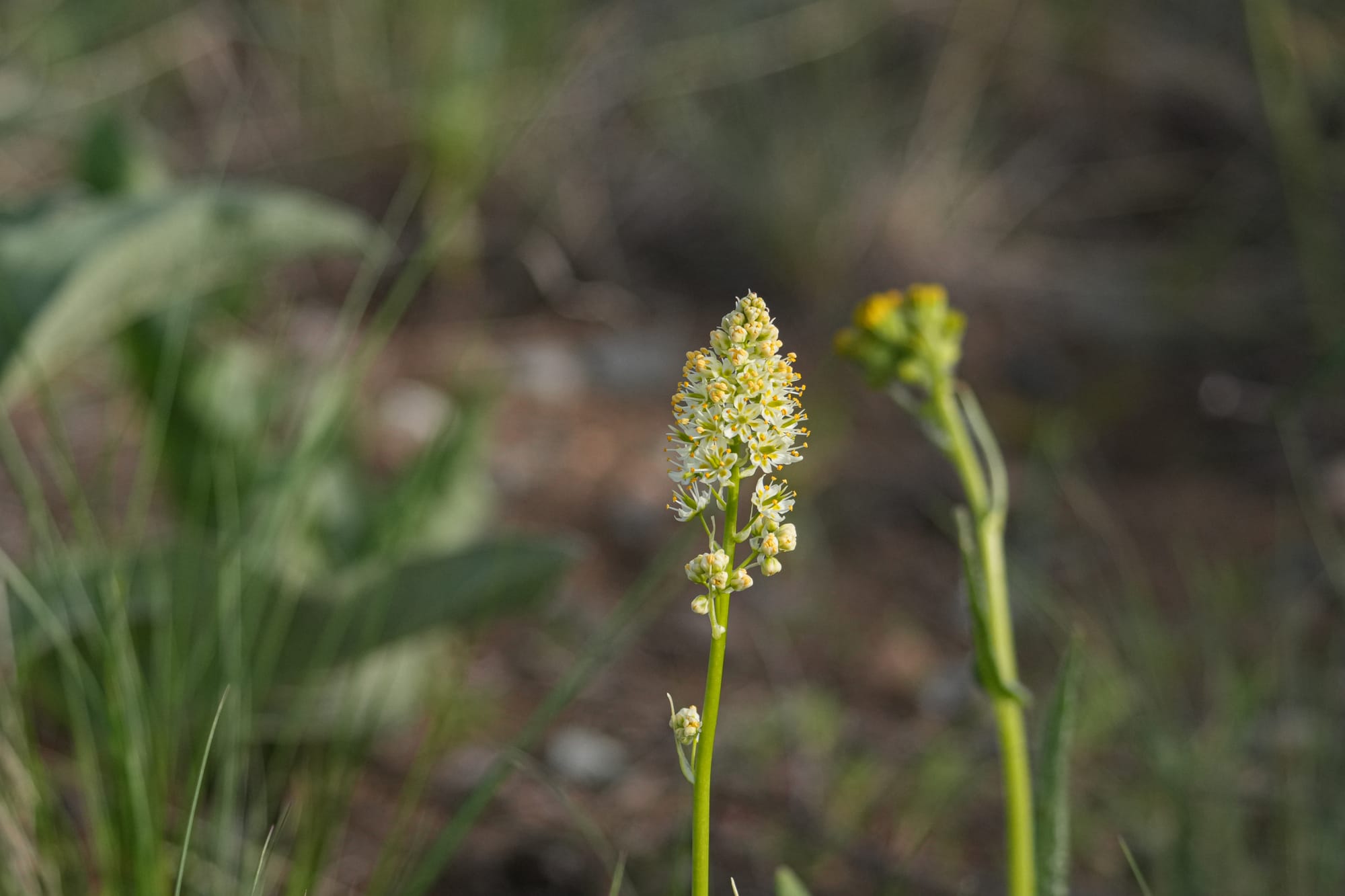
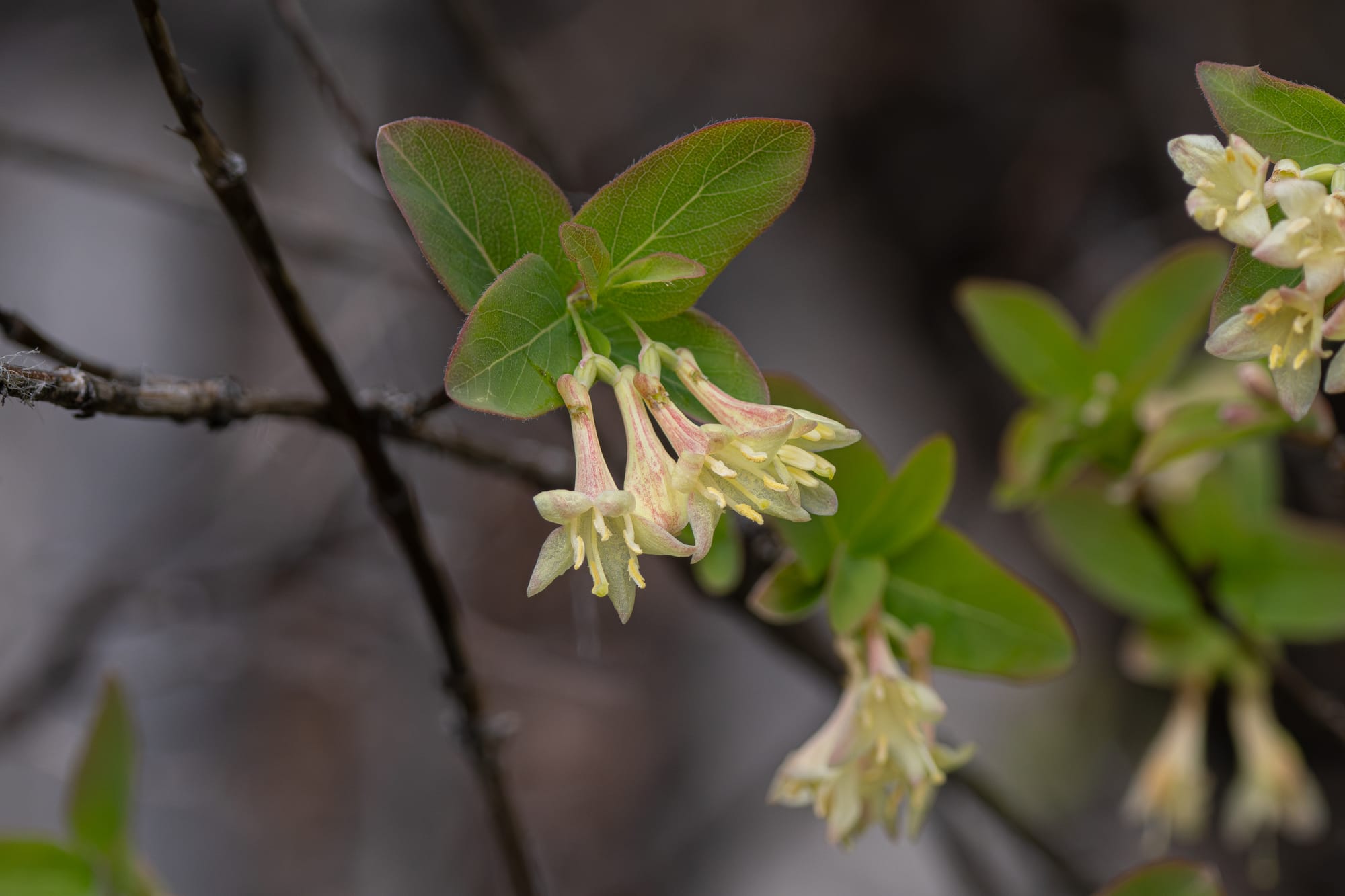
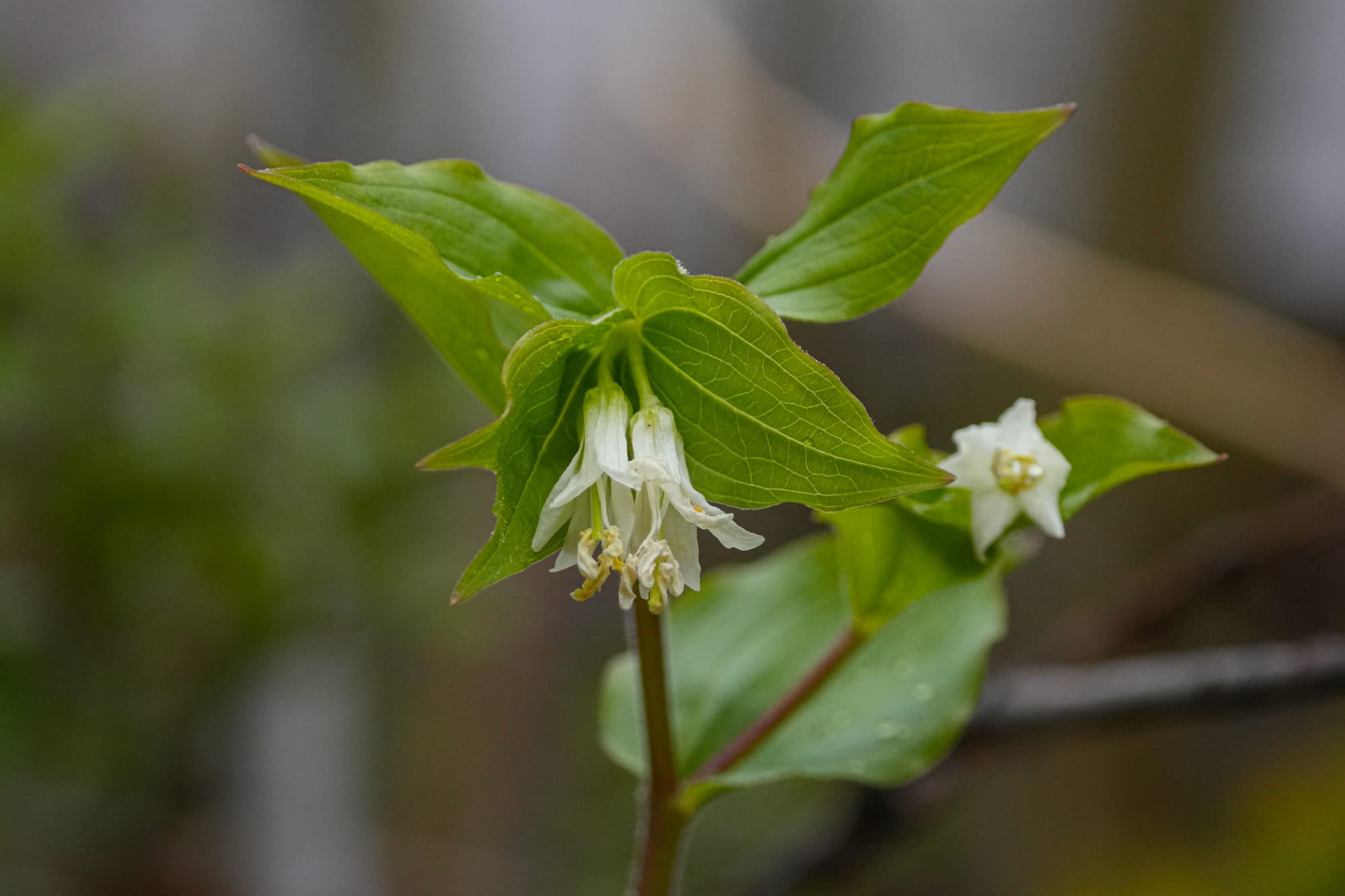
Flowers are going bonkers, birds are singing and building nests, and clouds of butterflies are flying up as you walk trails—we are definitely in peak spring right now! Soak it up while you can because we're already seeing the first hints of leaves hardening and drying in shrub-steppe habitats!
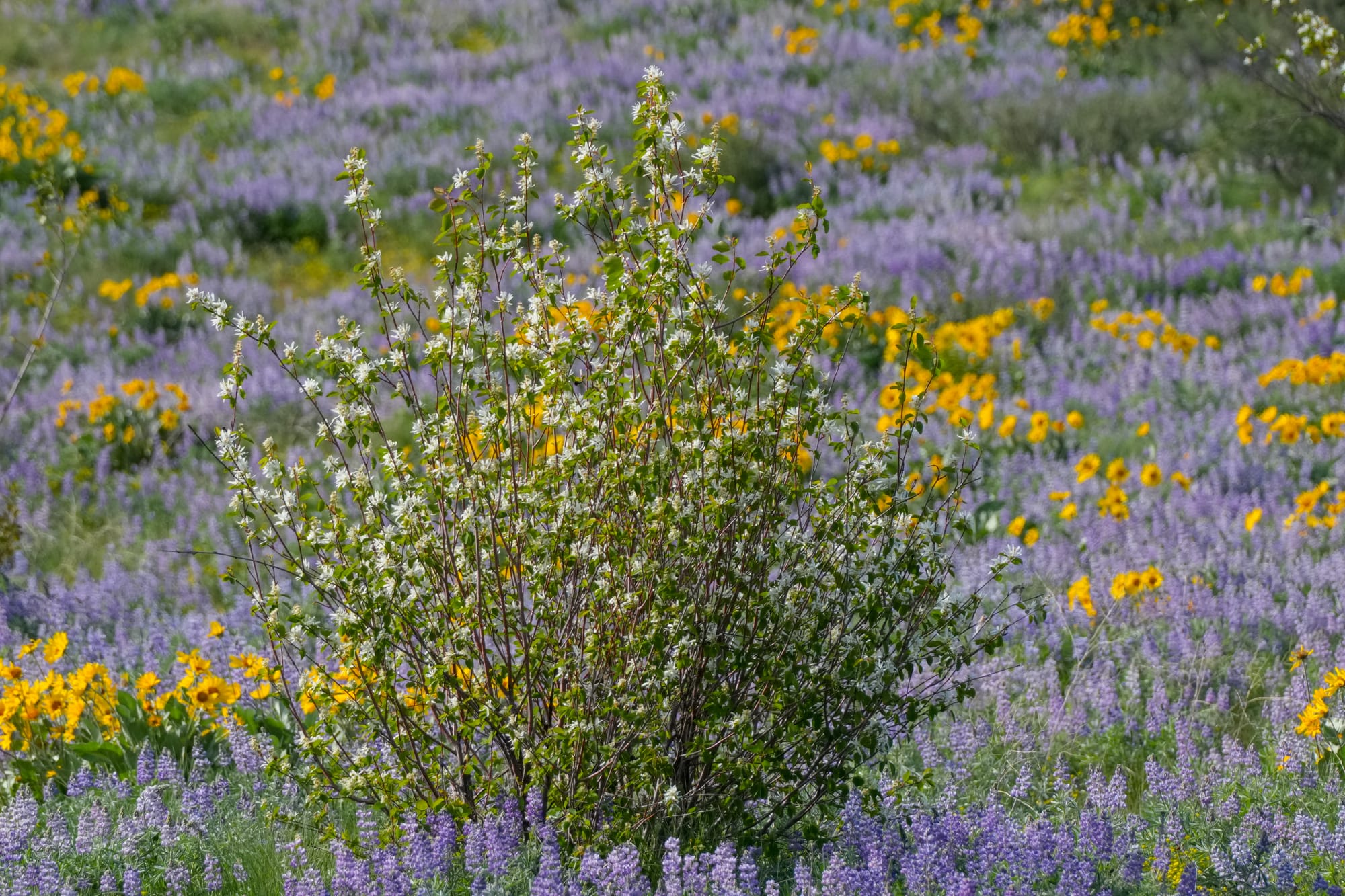
It might seem a bit odd that flowers are blooming like crazy while their leaves are drying, but in general, a plant can't allocate scarce resources to maintaining both flowers and leaves in peak condition at the same time. A common strategy is to first put energy into producing fresh, green leaves to soak up maximum sunlight, then shift energy into producing flowers. Some plants will then drop their leaves, but other plants hold onto mature, hardened leaves through the summer so they can send energy to their developing seeds and store excess energy in their roots in preparation for next spring.
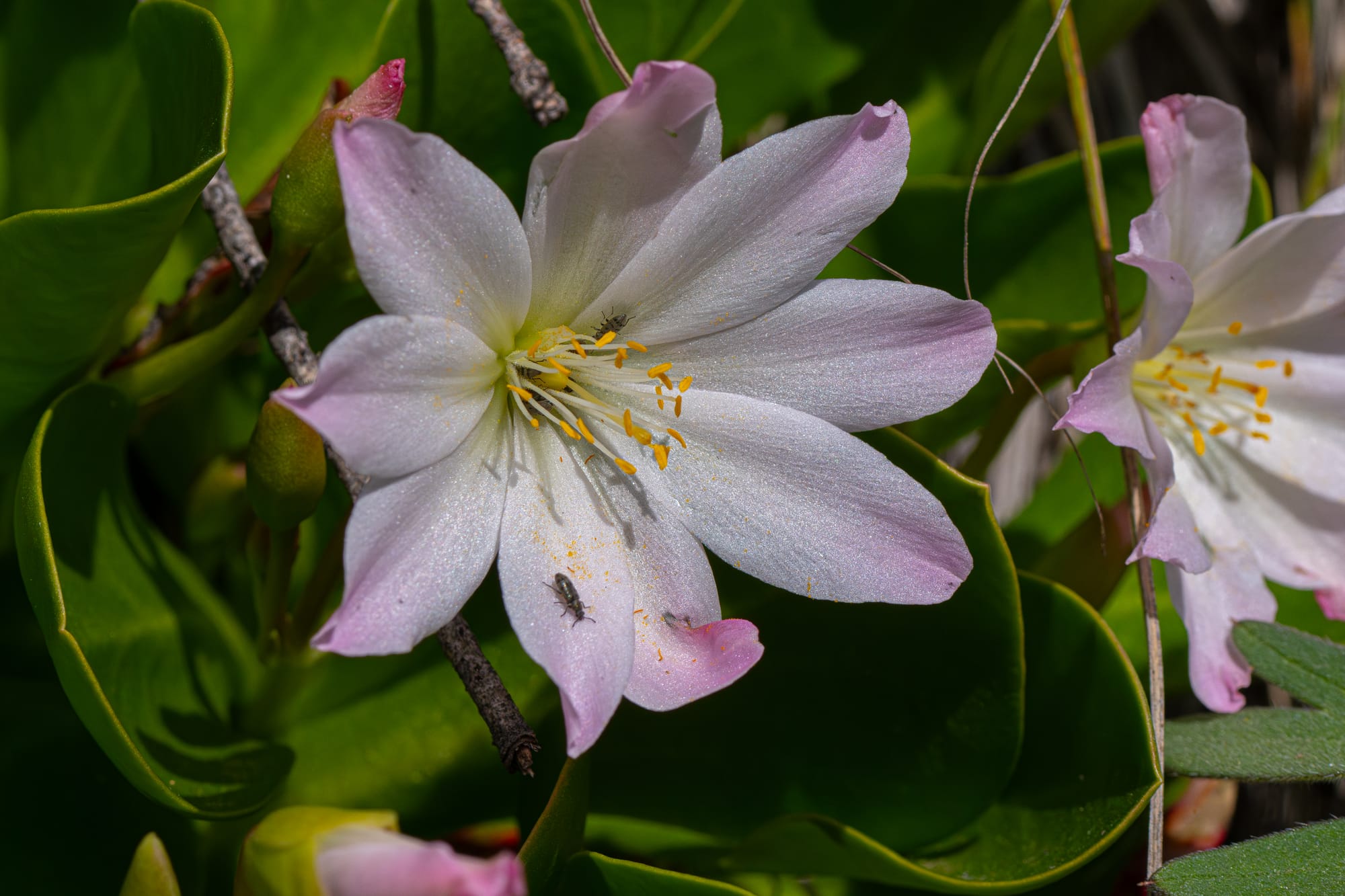
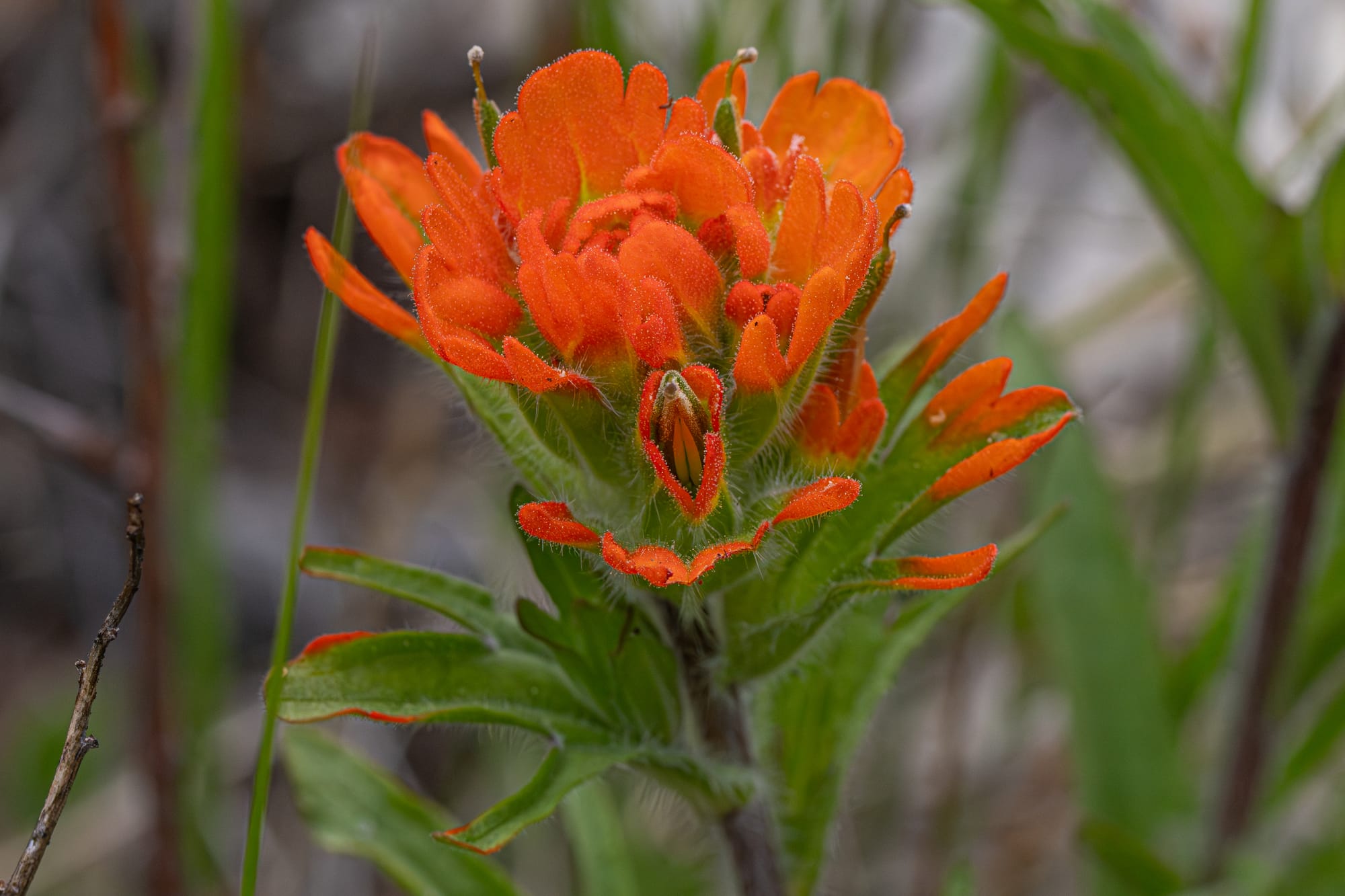
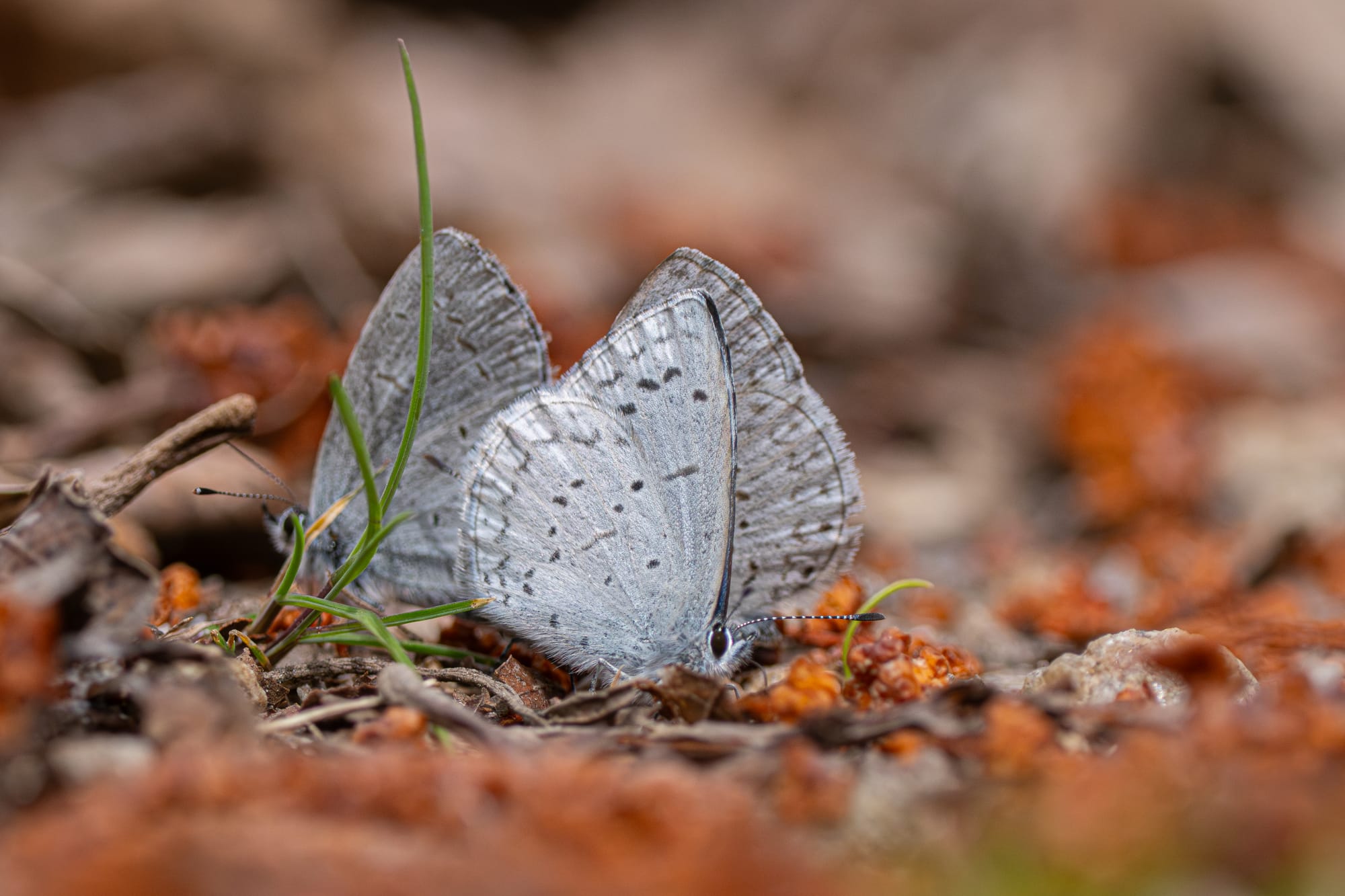
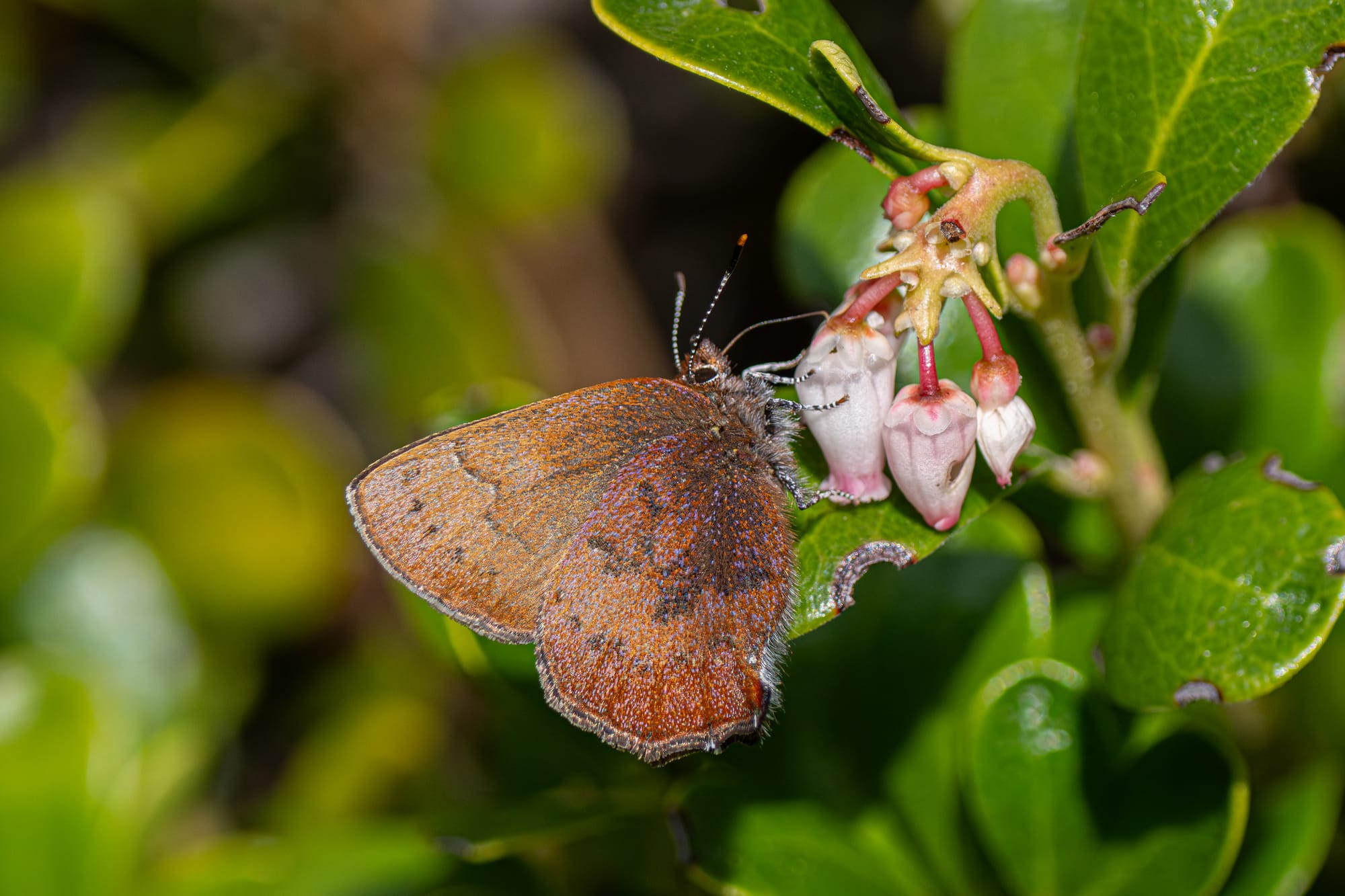
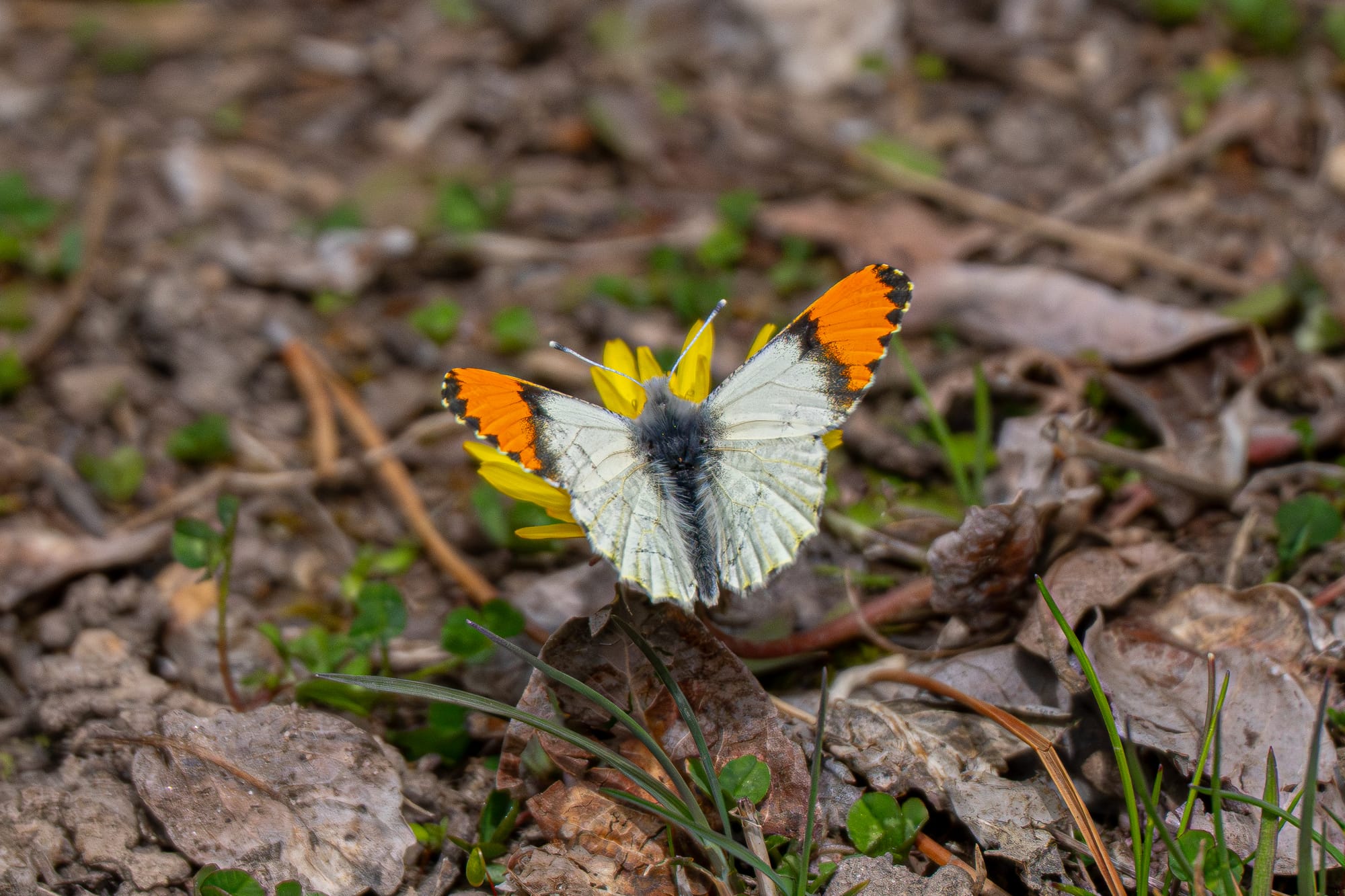
And what a fabulous time for butterflies! Hiking along one trail this week, I was astounded at the numbers of butterflies that flew up from my feet at every step. Many of these butterflies were spring azures, but I was astonished to see that brown elfins, a butterfly I've never seen before, were almost as common. And that wasn't all, because there were also tortoiseshells, orangetips, mourning cloaks, and many other butterflies in the mix.
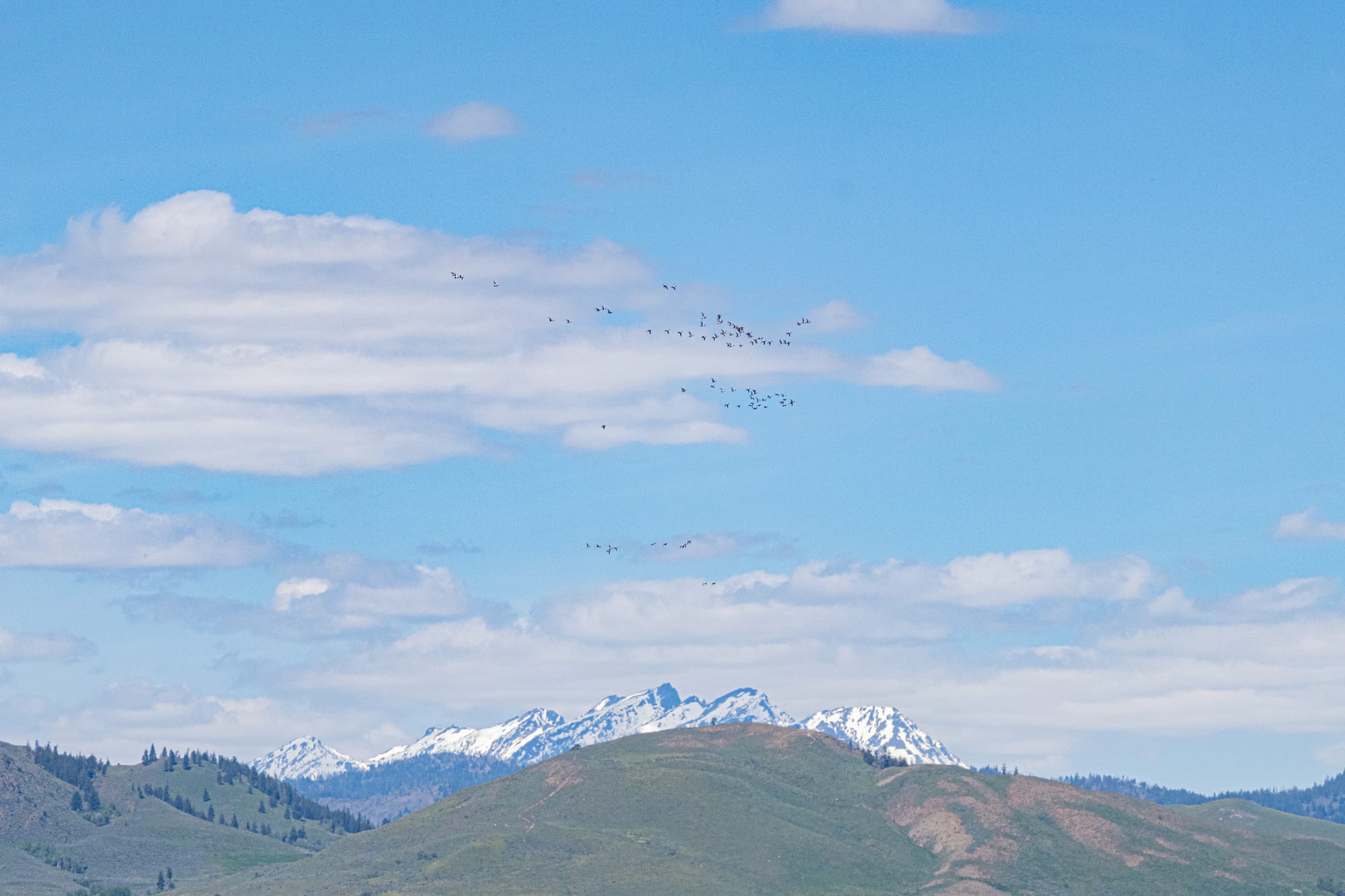
Finally, we should take a moment to acknowledge some of what's going on with birds. This has been a very busy week for ducks, and it feels like they're on the move. Large numbers of migrating ducks had been stopping and resting at Twin Lakes, so it's deeply unfortunate that this is the exact moment when the fishing season starts and boats descend on the lake to scare them away.
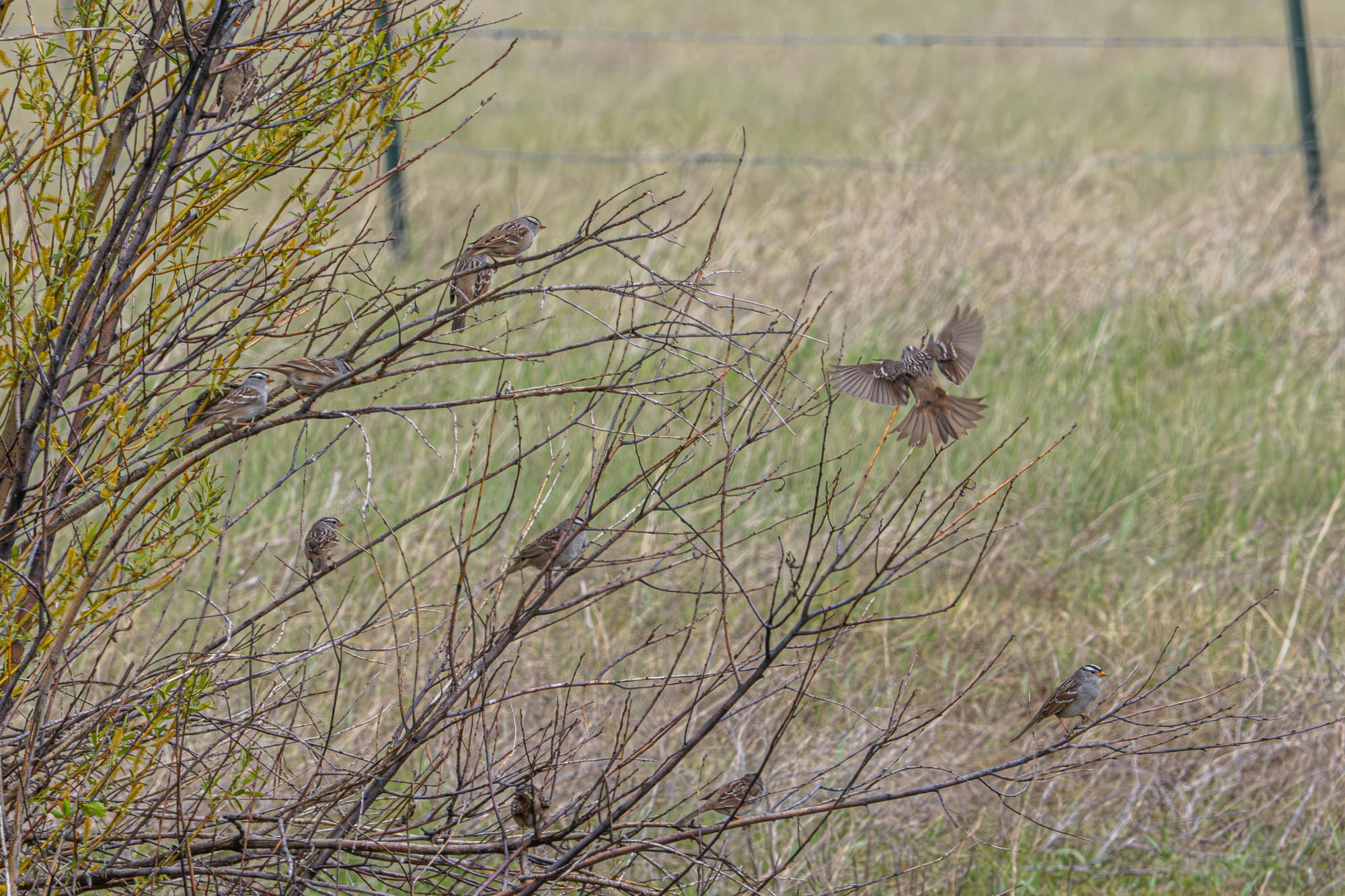
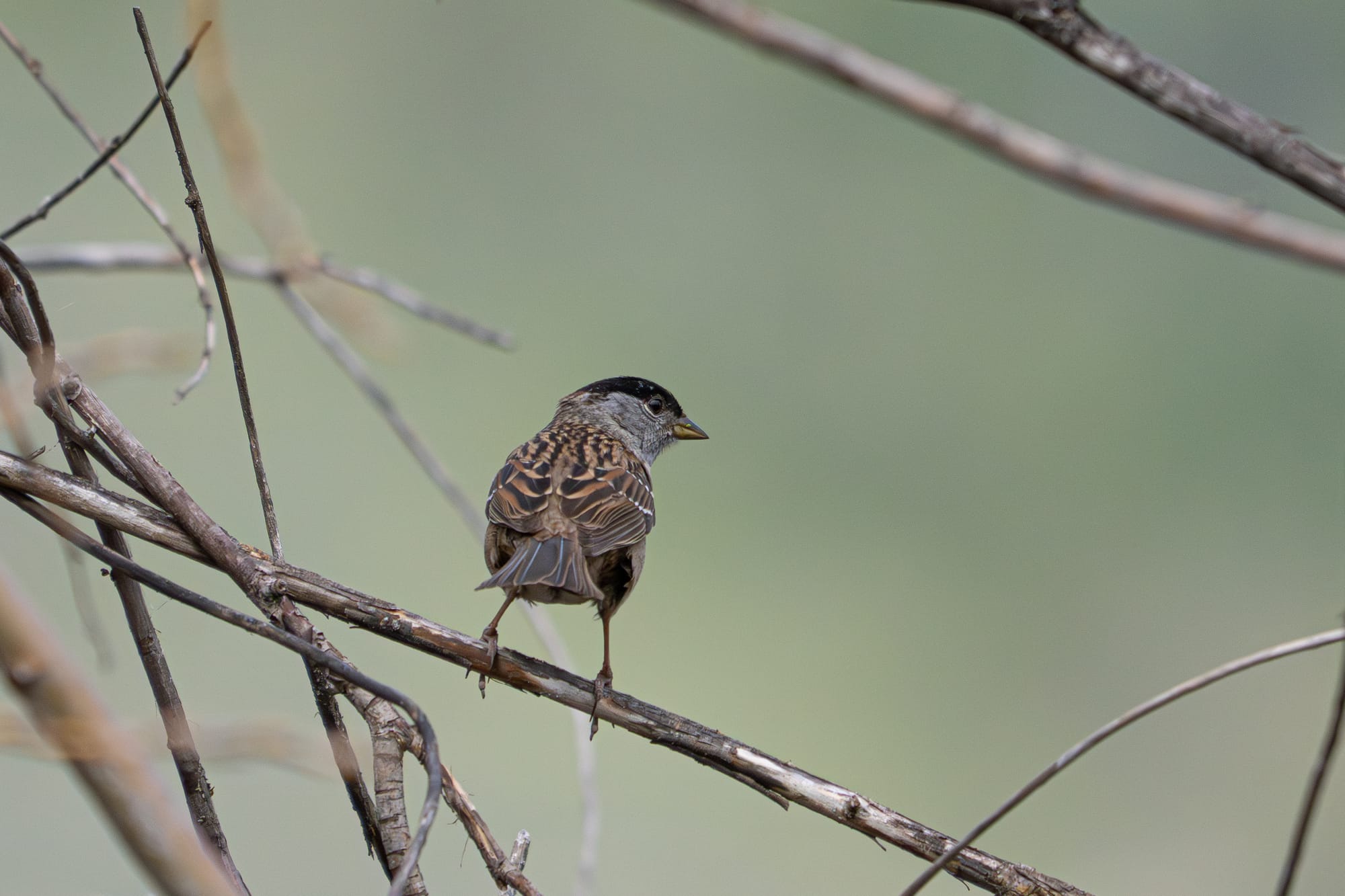
All of last week and into the early part of this week, white-crowned sparrows were everywhere in the valley. While they're still here, it feels like their numbers have dropped dramatically over the past couple days. At the same time, many other migrating songbirds have just arrived, with a flurry western tanagers, black-headed grosbeaks, and other birds suddenly showing up.
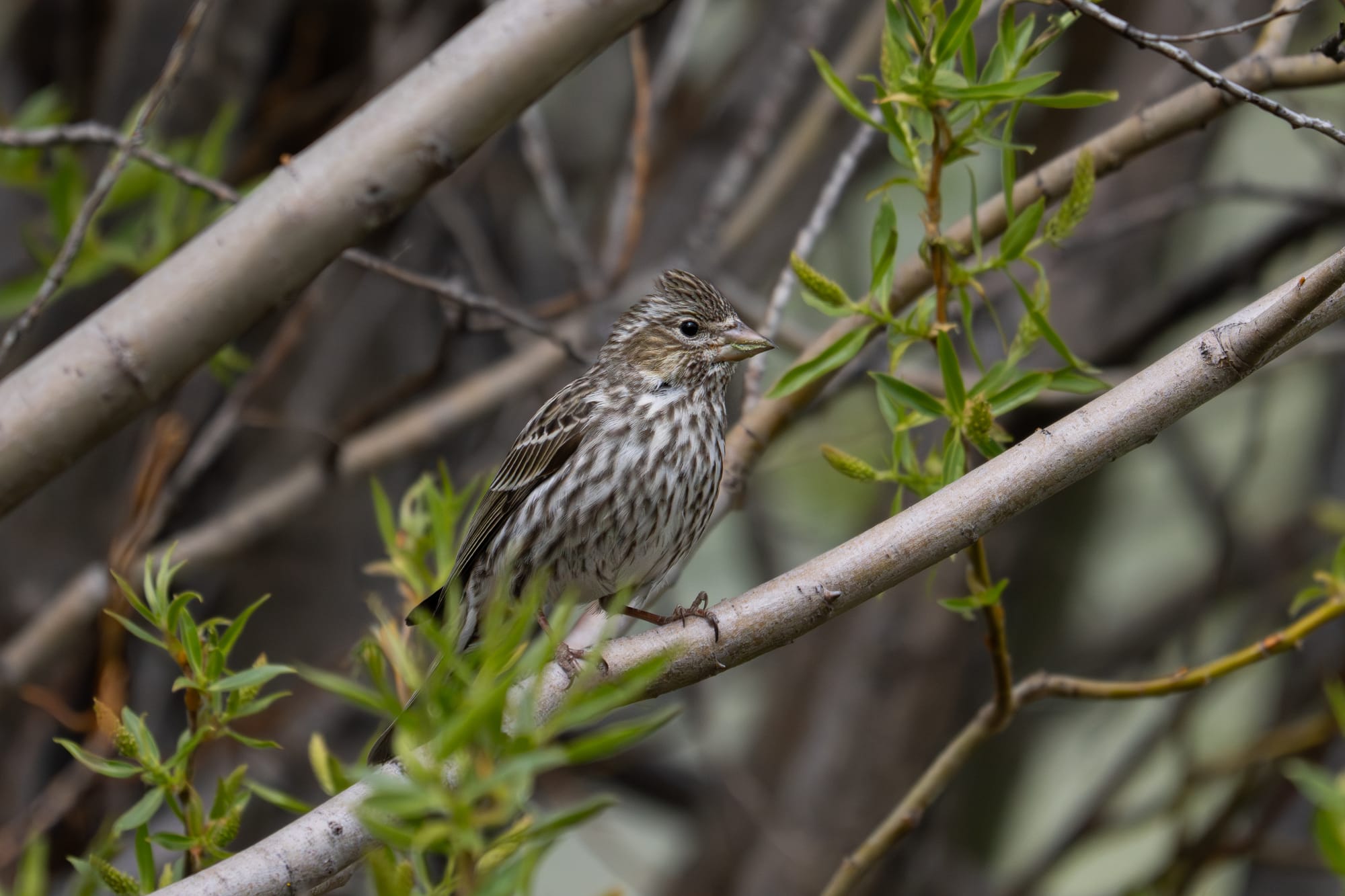
I've also noticed a crazy amount of birdsong ringing through the forests while hiking around the valley. Using my Merlin app, it turns out that most of these birds have been Cassin's finches, so this must be their peak season for picking territories and mates. While it's easy to overlook these birds because they are cryptically colored and spend much of their time near the tops of trees, once you learn their songs you'll be startled to realize how common they are.
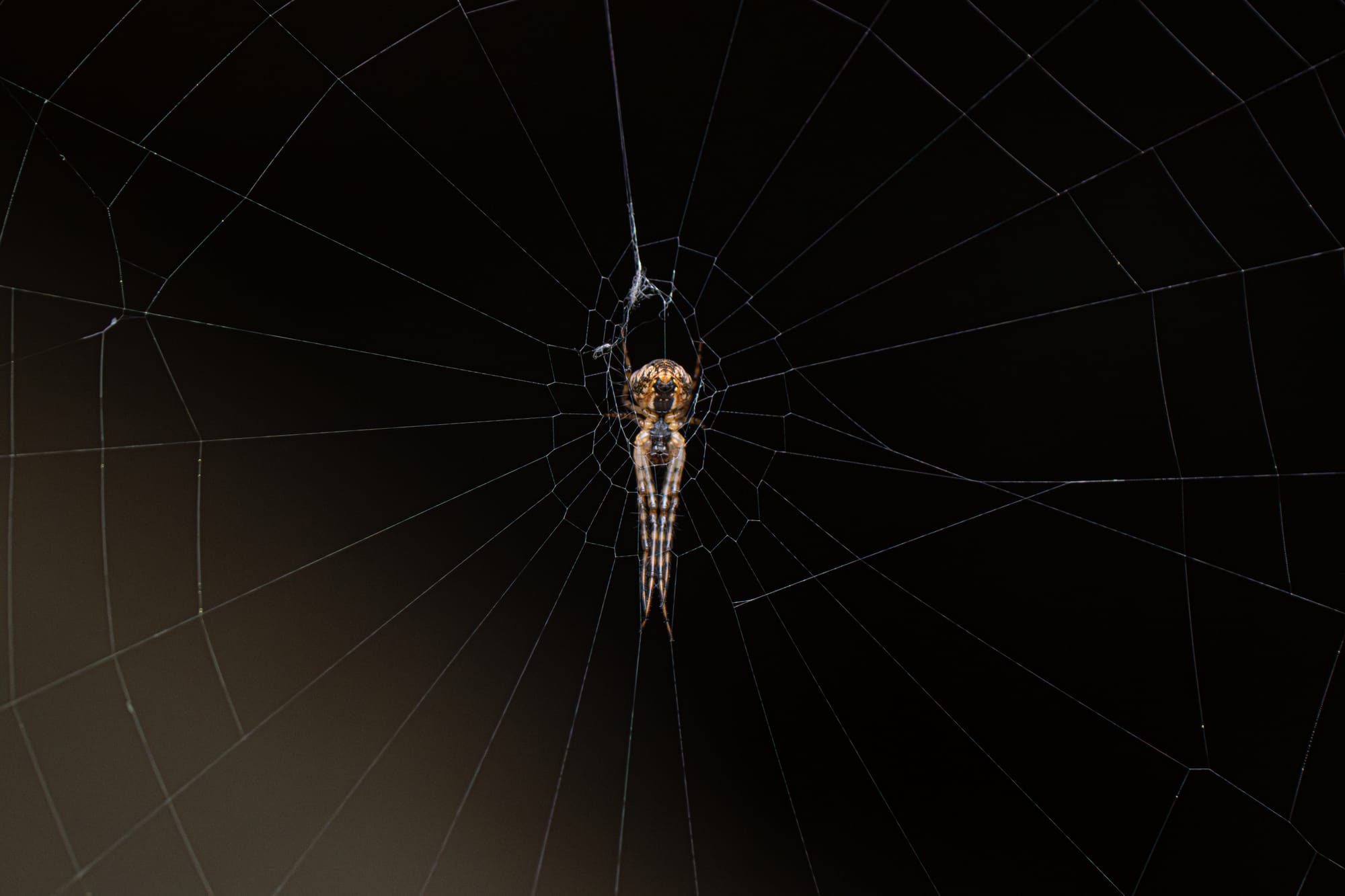
Observation of the Week: Spider Hunting Techniques
Spider webs are conspicuous and easily viewed, so we tend to assume that all spiders build webs. And, while this is a common strategy, spiders use many other techniques to catch their food.
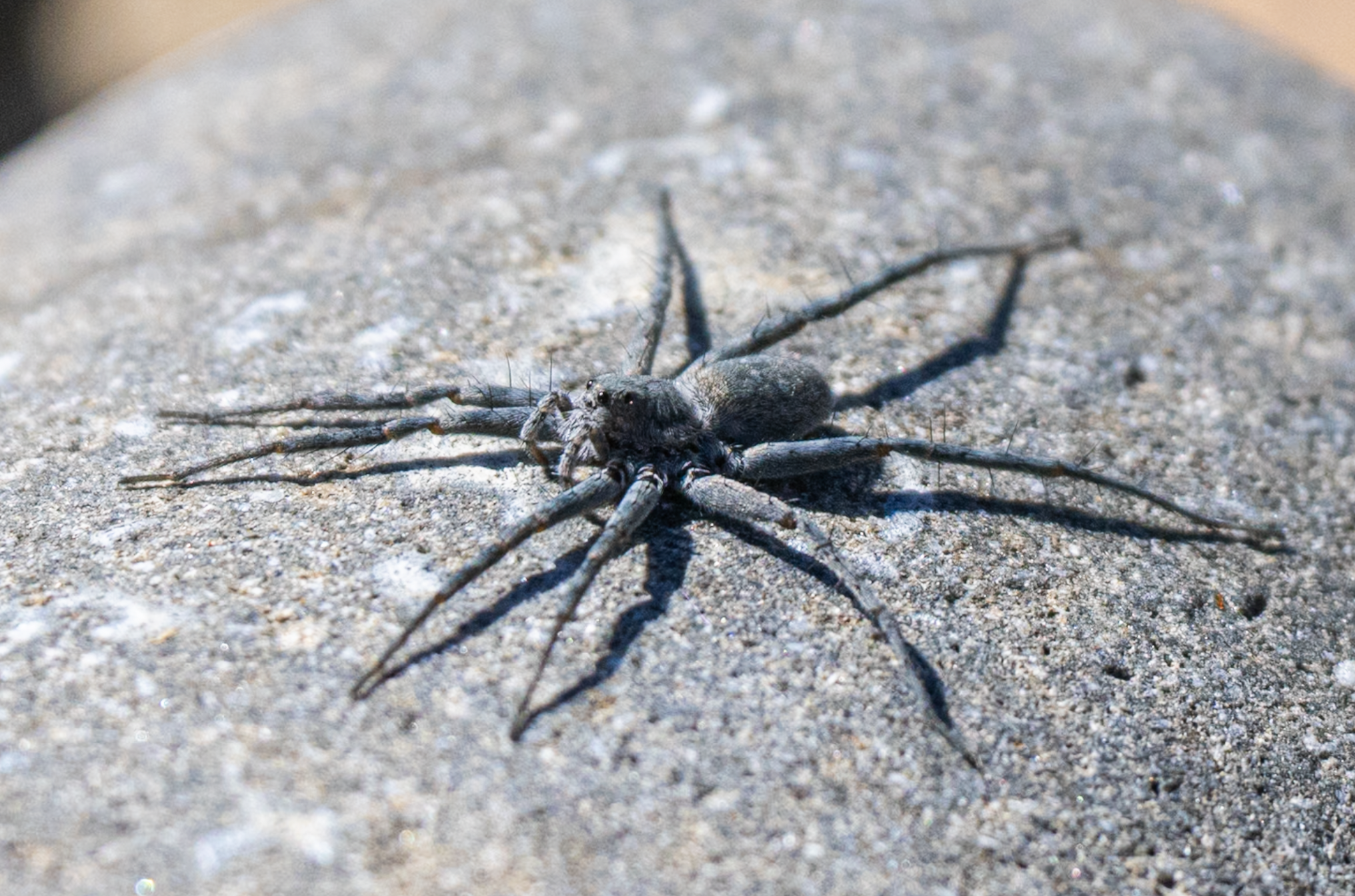
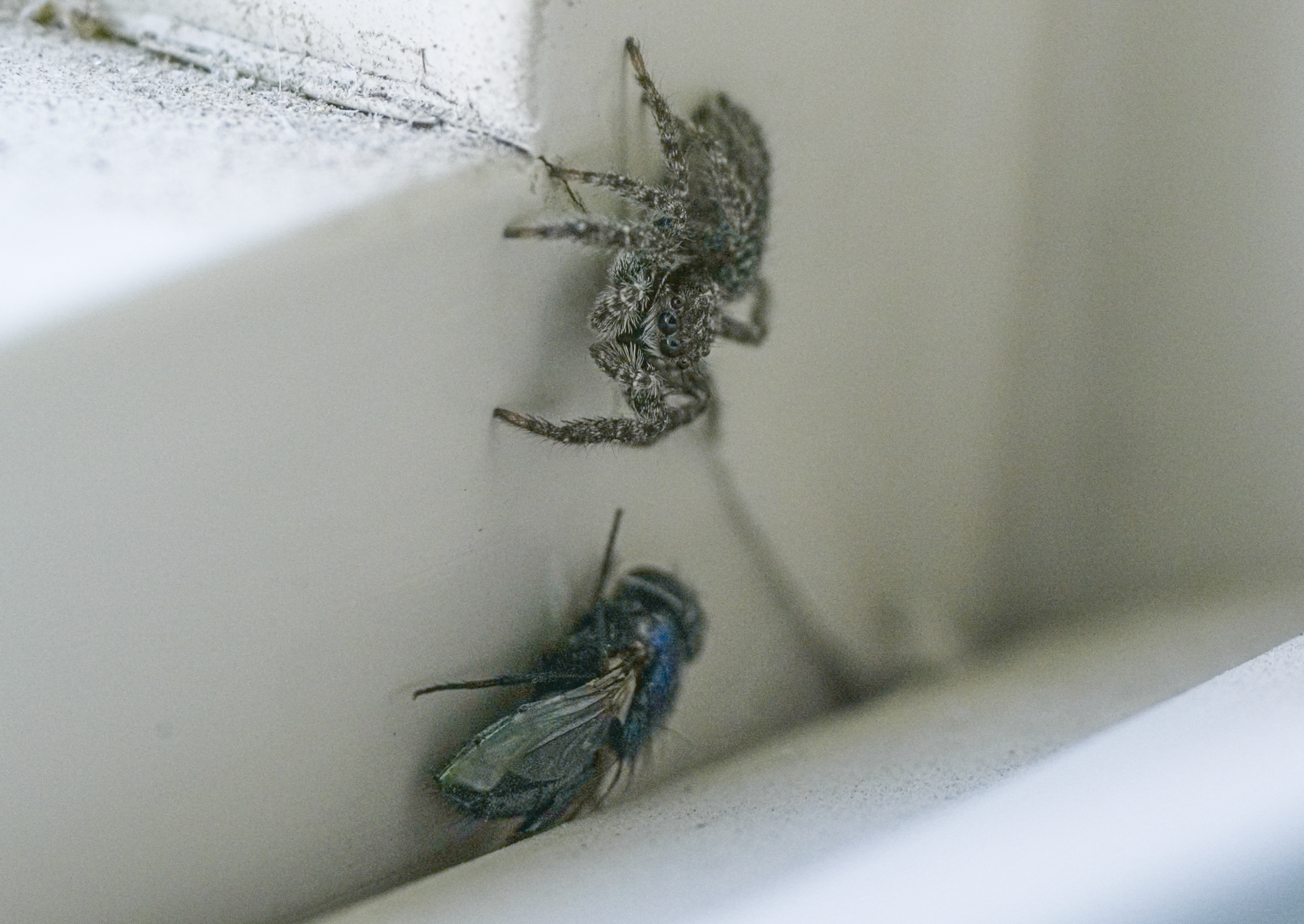
All spiders produce silk that they use for different reasons, but hunting spiders catch their prey without webs. Jumping spiders, for example, slowly and cautiously stalk their prey then pounce like a cat. And wolf spiders are fast runners that find food while moving quickly over the ground.
Another common hunting strategy is to sit motionless then suddenly grab prey that comes to you. This strategy is frequently used by spiders that hide in flowers and catch insects who stop to drink nectar.
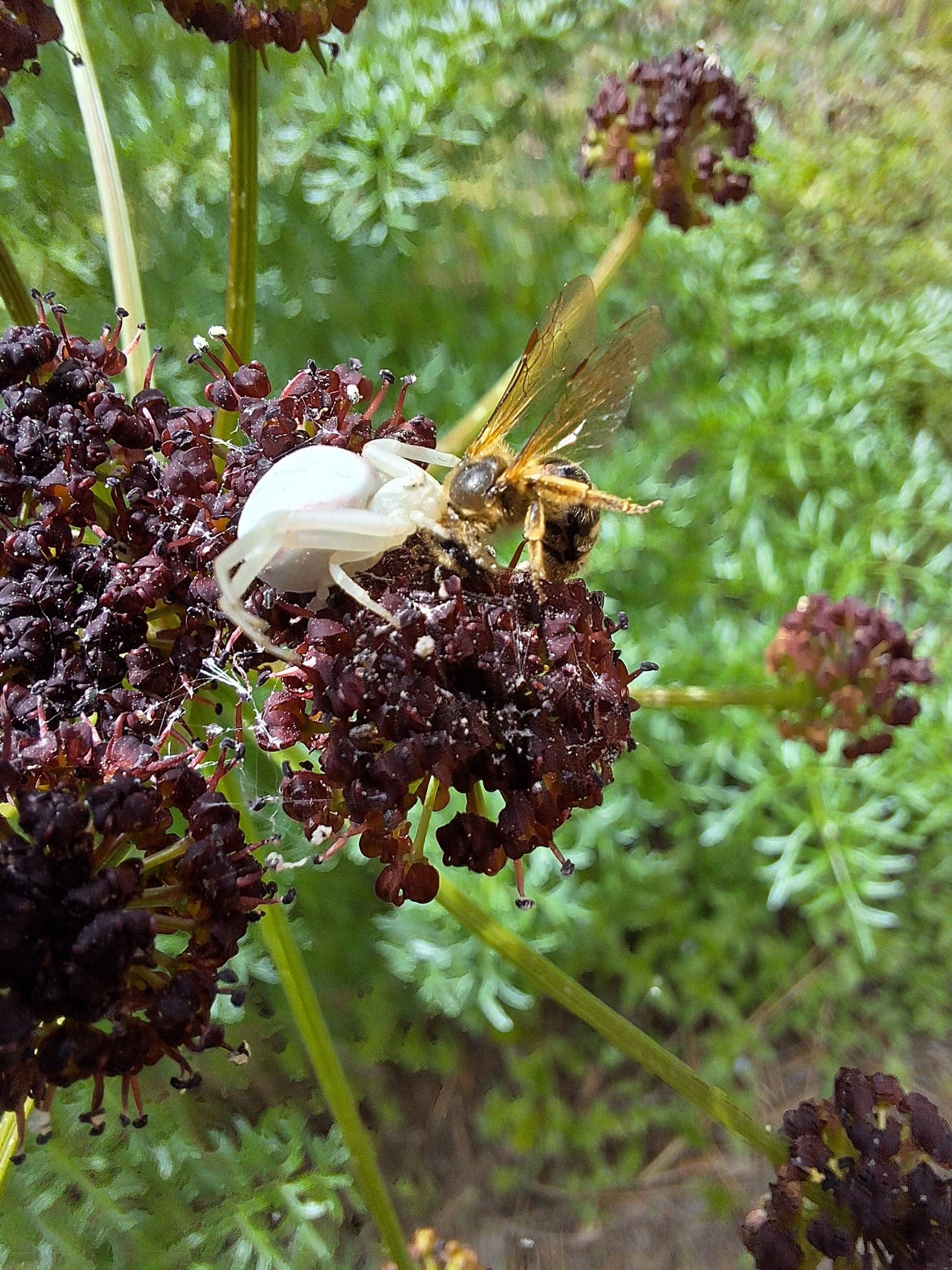
One fascinating part of this story is that web-spinning spiders catch prey trapped in their sticky webs then quickly wrap them in a cocoon of silk, so these spiders don't need strong venoms to subdue struggling insects. Hunting spiders, on the other hand, are dealing with wildly struggling prey without the benefit of a web so these spiders have potent venoms designed to very quickly paralyze their food. Another key difference is that web-spinning spiders masticate (chew) their food so there's nothing left but microscopic fragments, while hunting spiders pierce and suck their prey dry, leaving behind a perfectly intact shell of an insect.
Bonus Observation: Harlequin Ducks
We are extremely fortunate to live in one of the few parts of Washington where harlequin ducks nest. Small numbers of these gorgeous and unique ducks are found in Washington, and they are a high priority species whose numbers are declining due to human activity.
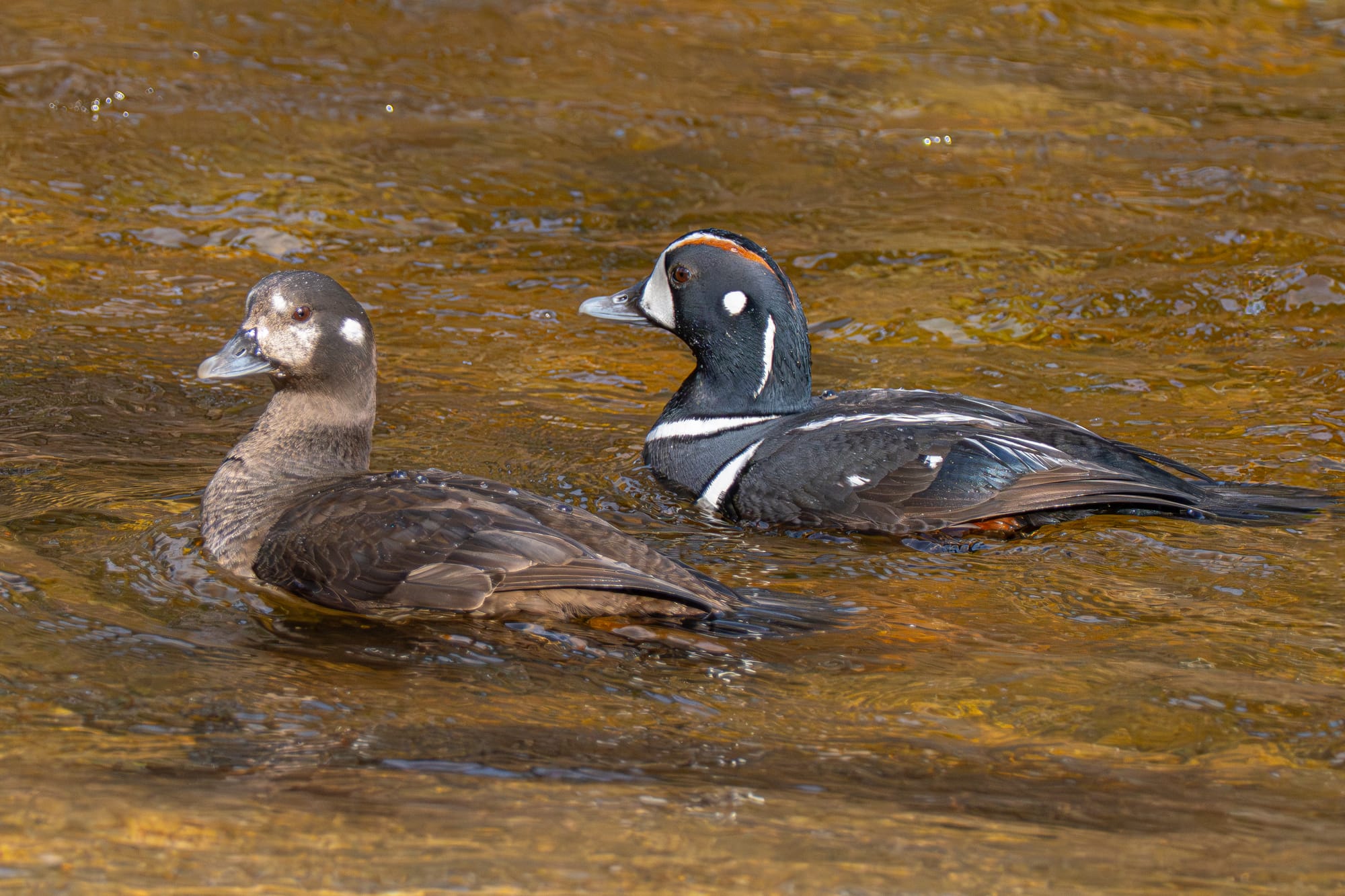
Though colorful, these ducks blend in surprisingly well with the foaming waters they live on year-round, making them one of the hardest ducks to spot. They spend the winter feeding in rough surf and crashing waves along the coast, and during the breeding season they fly inland and nest along cascading rivers in the mountains.
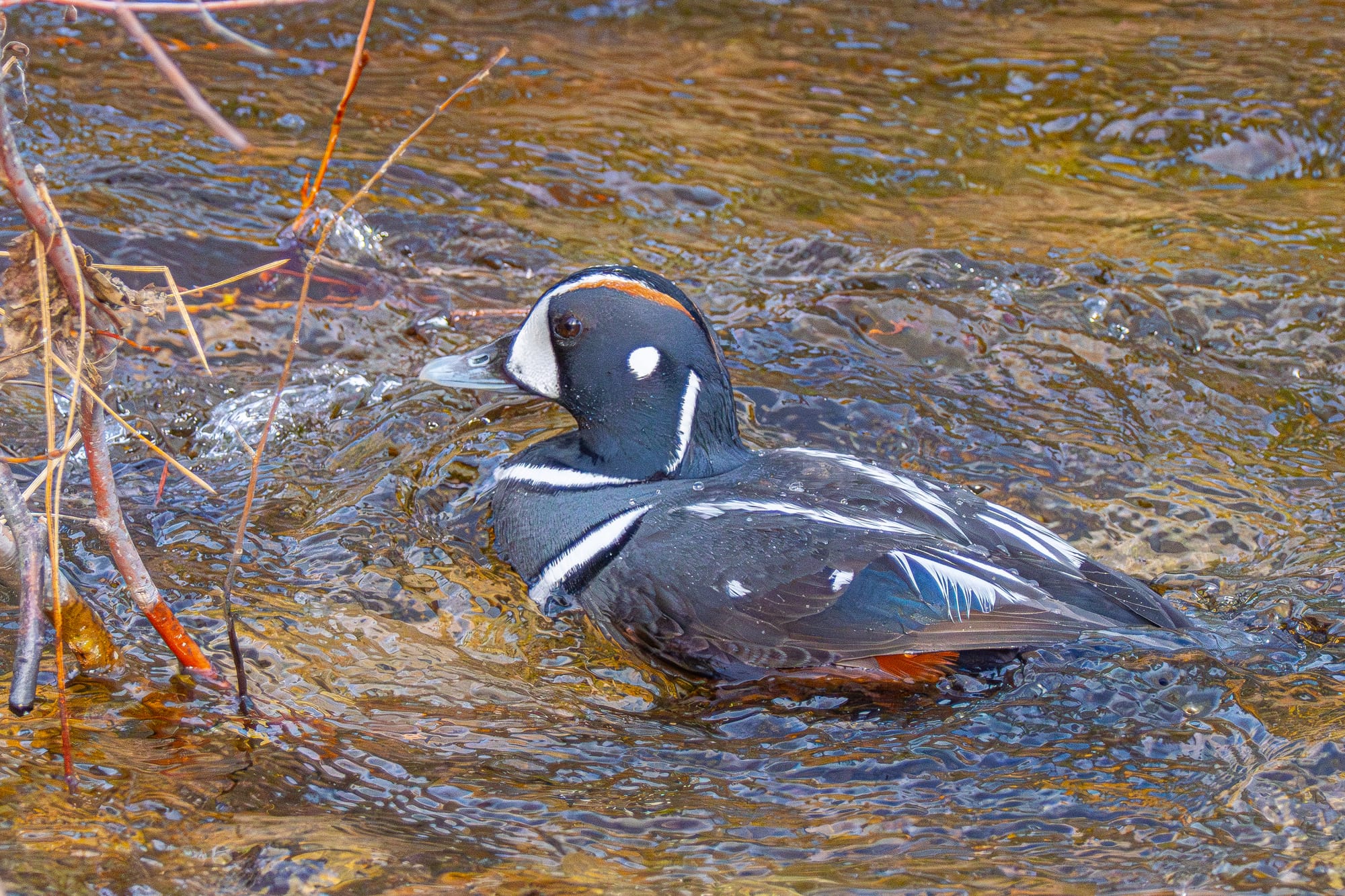
Despite occurring around the Methow Valley, harlequin ducks are easily observed for only a few weeks while pairs scout out potential nest sites, even then they are incredibly skittish and hard to approach. As soon as the female starts building her incredibly well-hidden nest, the male departs and the female spends the next couple months in intense secrecy while hiding the location of her nest and babies.
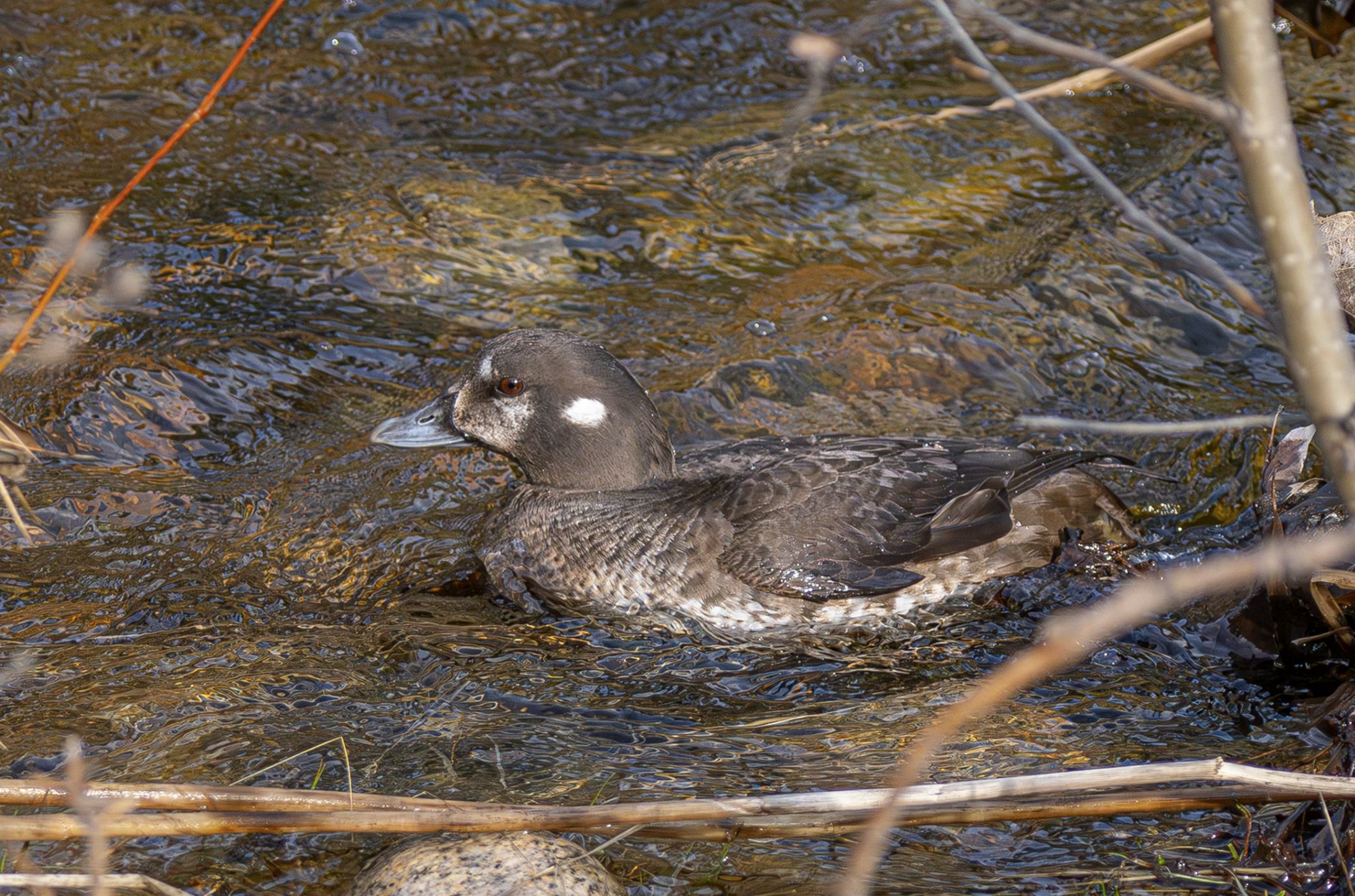
In other words, this is your best, and perhaps only, opportunity to look for these ducks before they disappear from sight for the rest of the season. I've heard from folks that harlequin ducks can be spotted along the Methow River as low as Methow, but it's likely that all of them head upriver to nest in the upper reaches of the Methow, Twisp, and Chewuch Rivers where they're more often observed.
