Bring on the Heat
May 3-9, 2026

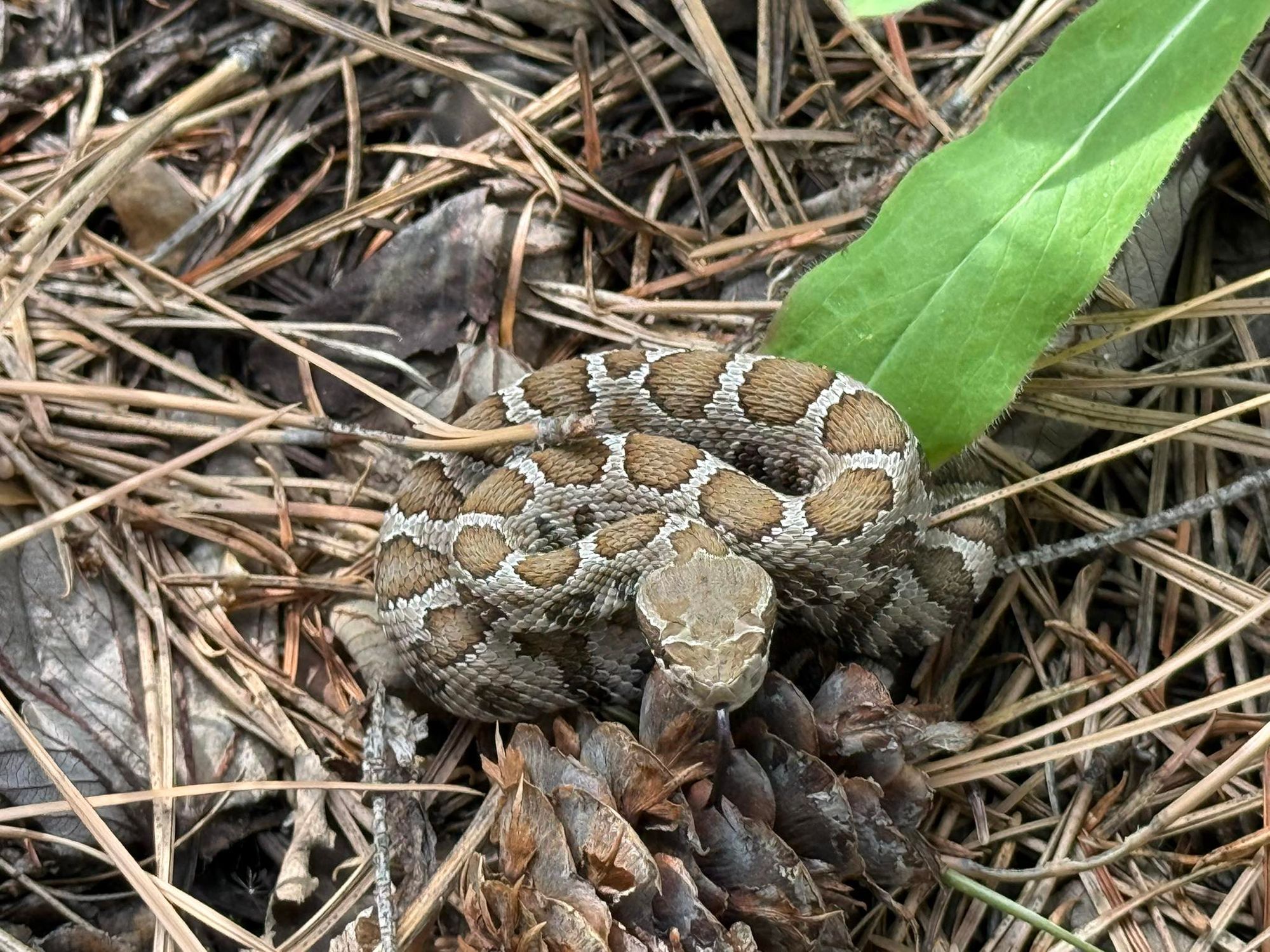
Whew! This has been such a hot week that it's felt almost like peak summer.
Week in Review
This has been another fantastic and very busy week in the natural world, and once again, there's so much going on that there's not enough room to include everything in one newsletter.
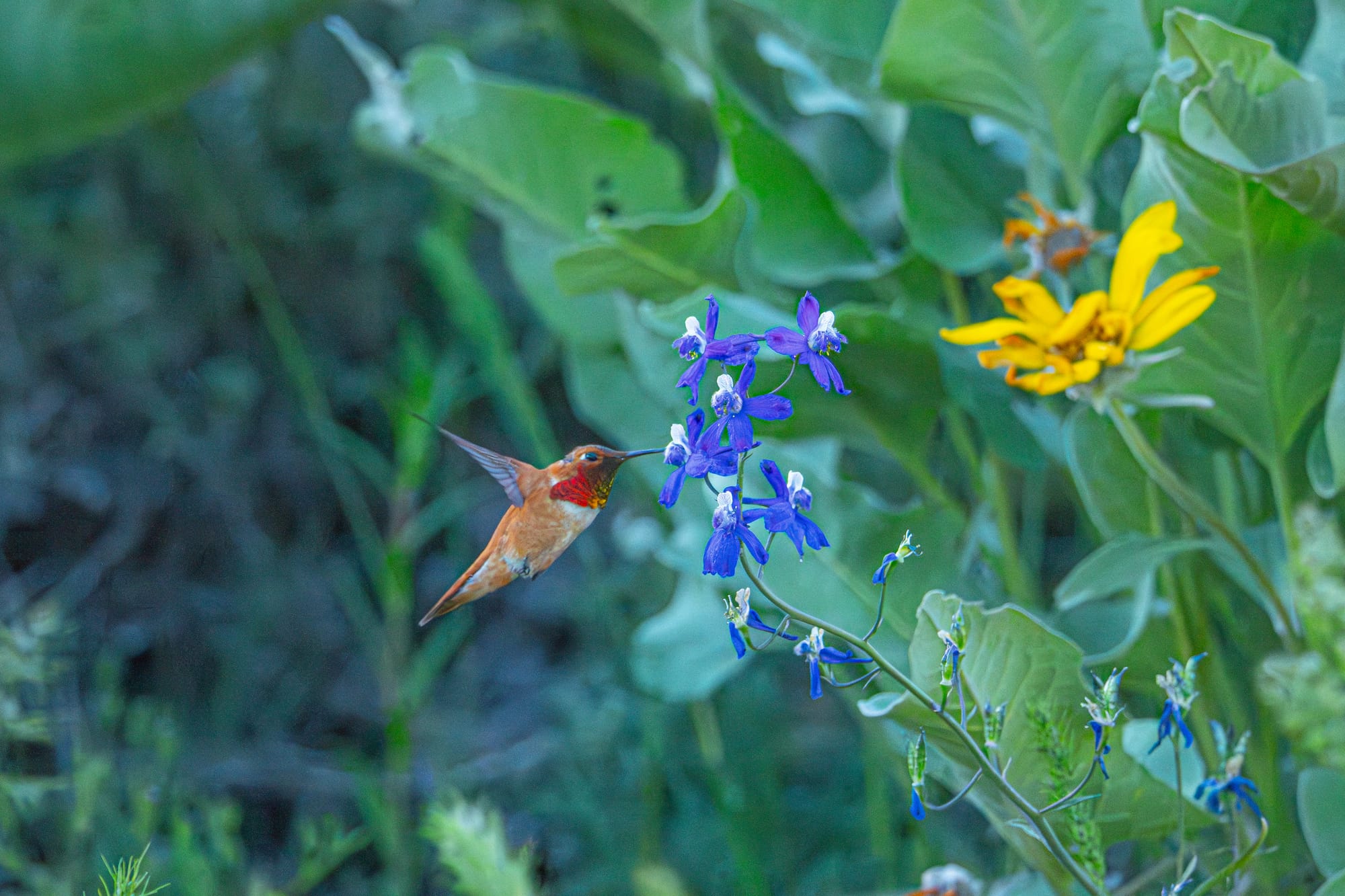
It's thrilling to see that most of our birds have arrived, including a big push of migrating rufous hummingbirds and the arrival of brilliant lazuli buntings.
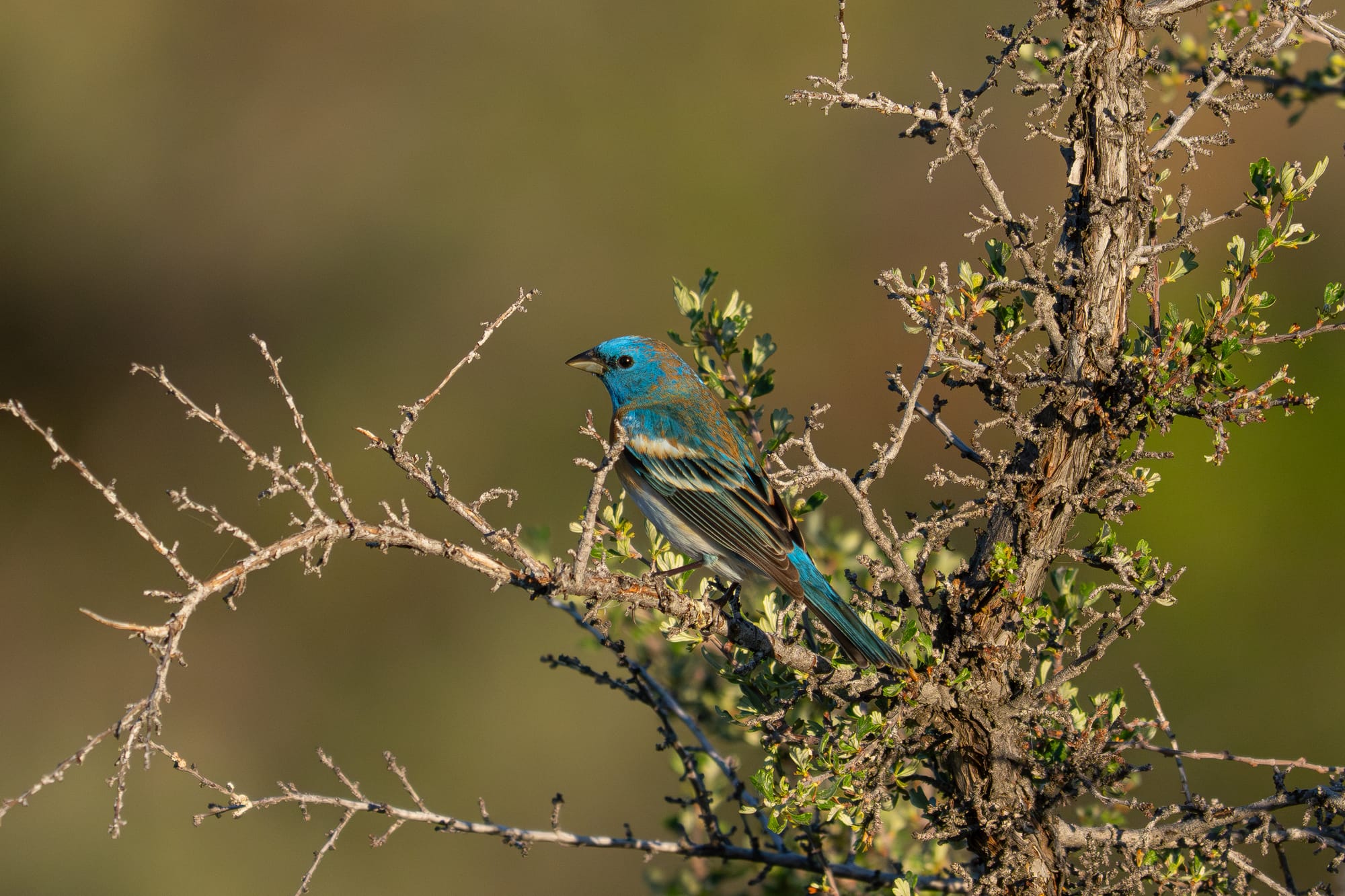
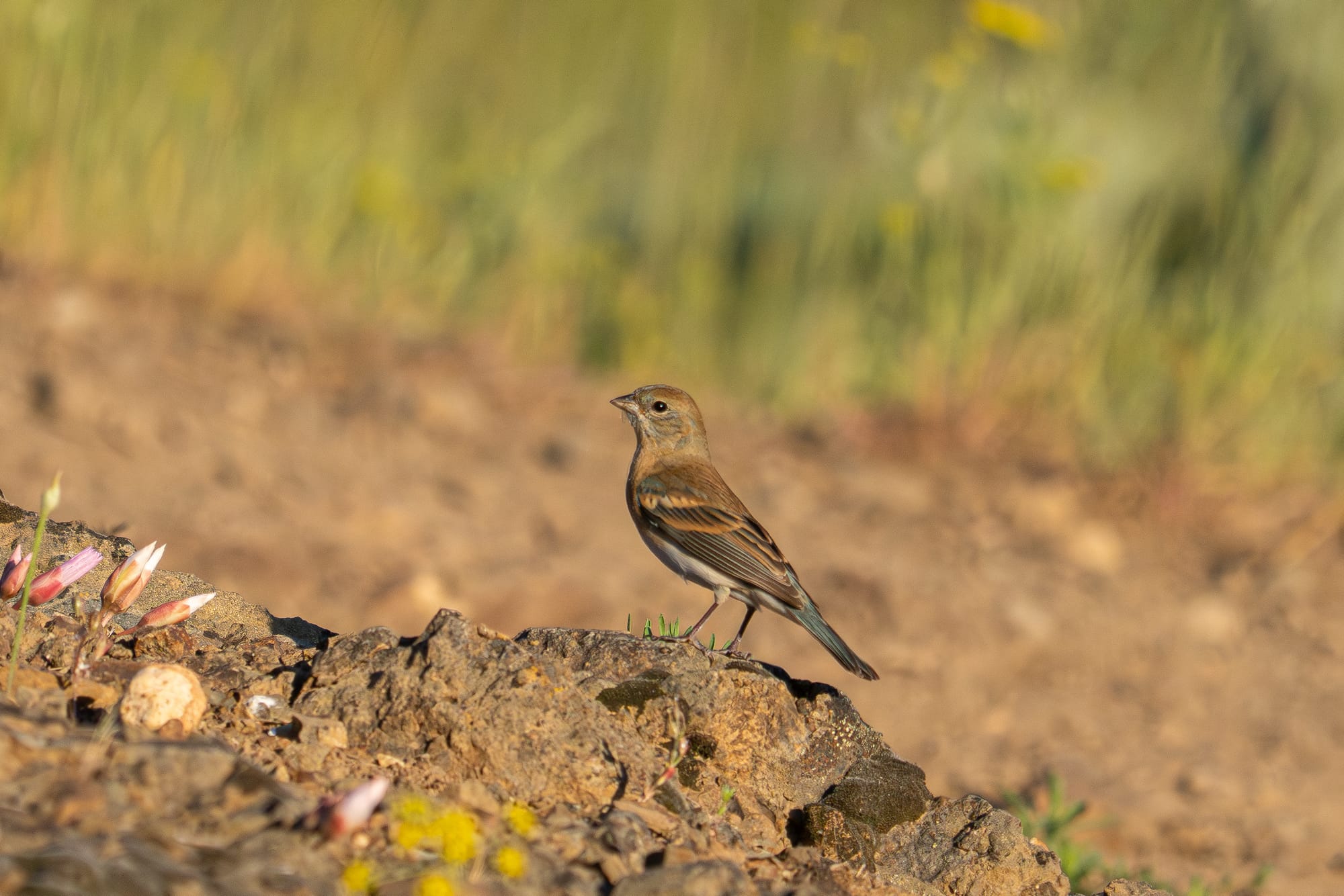
And with the arrival of so many birds, nesting and courting are in full swing, along with all the energy and fanfare that takes!
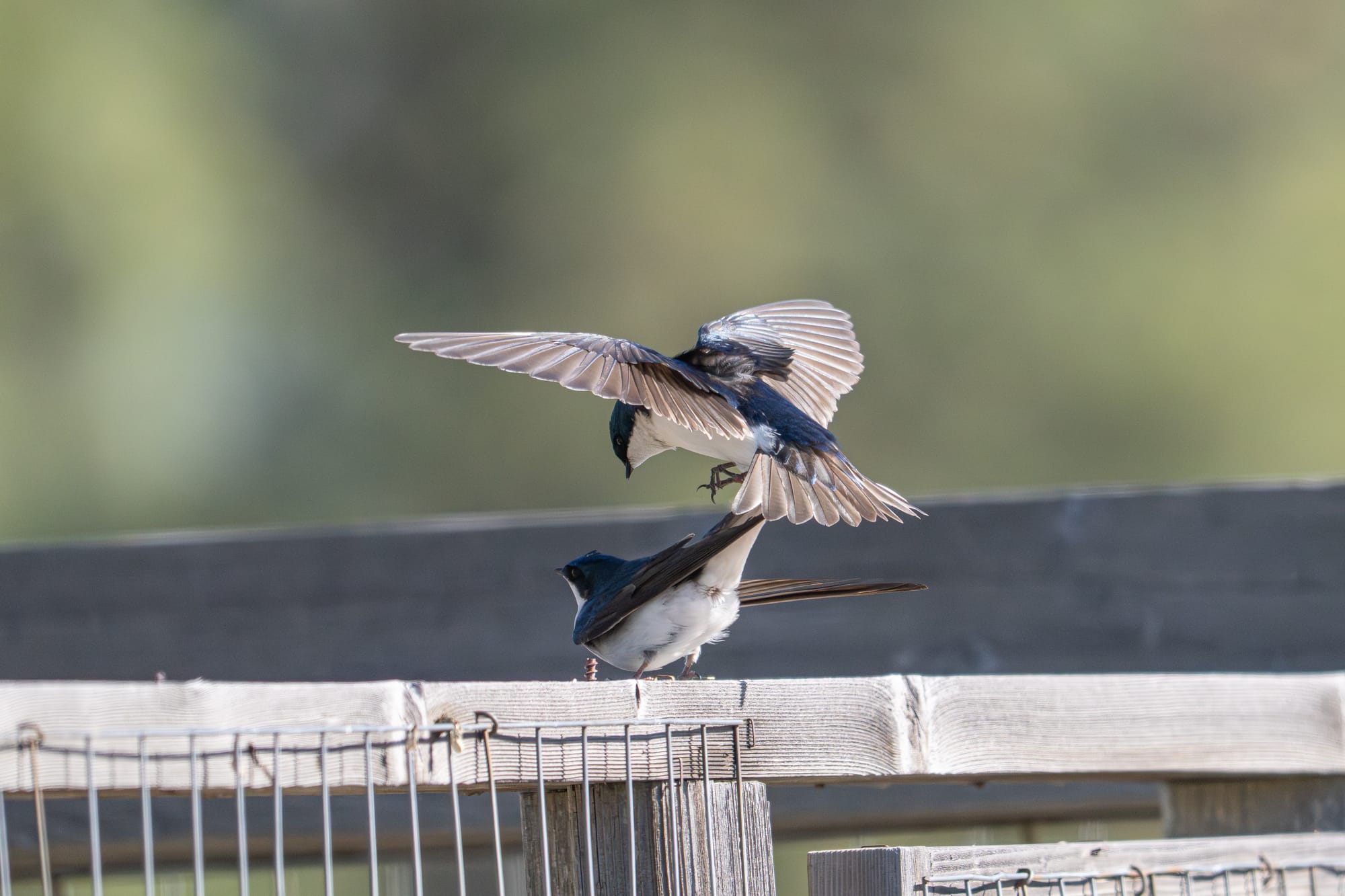
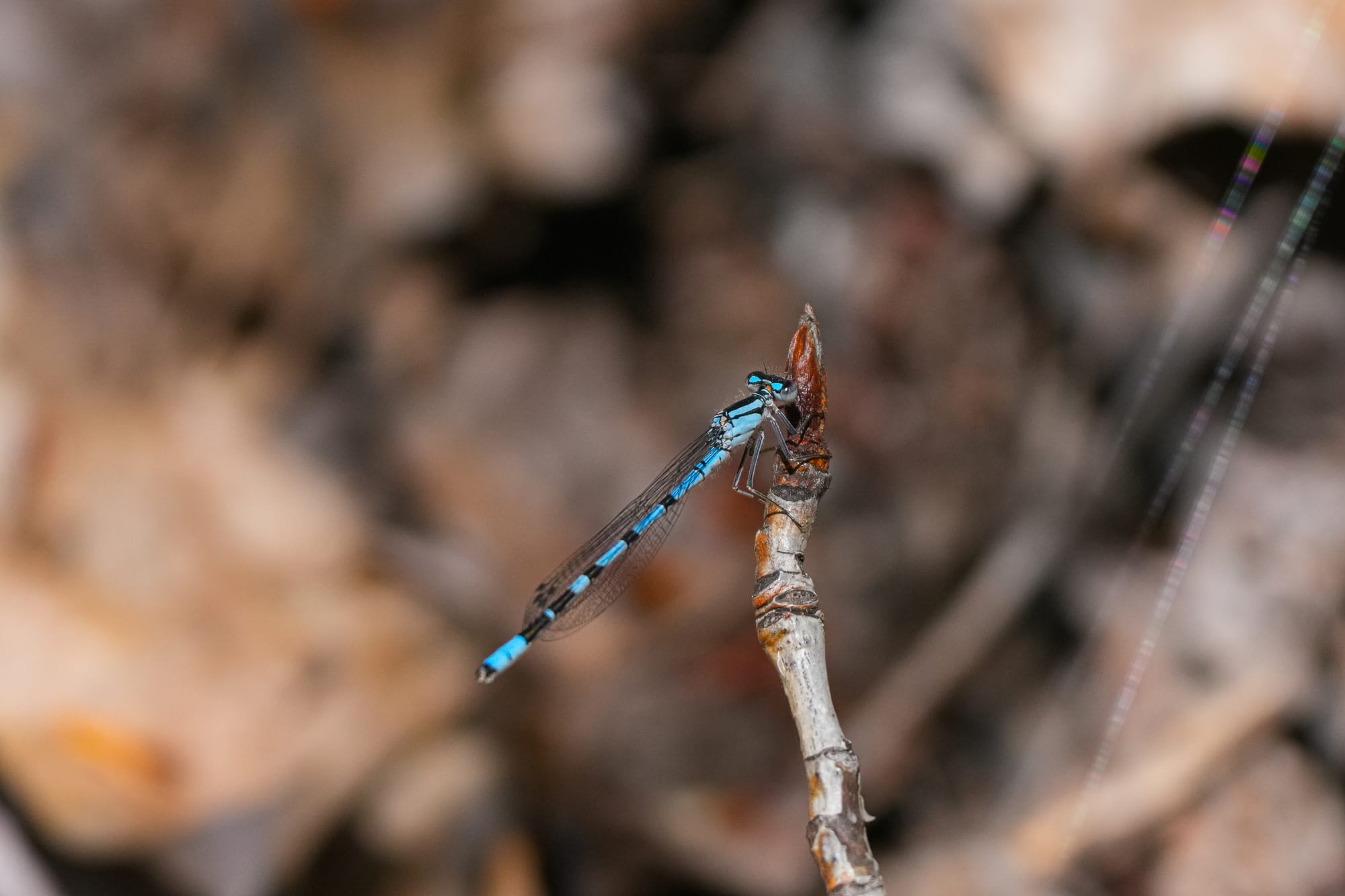
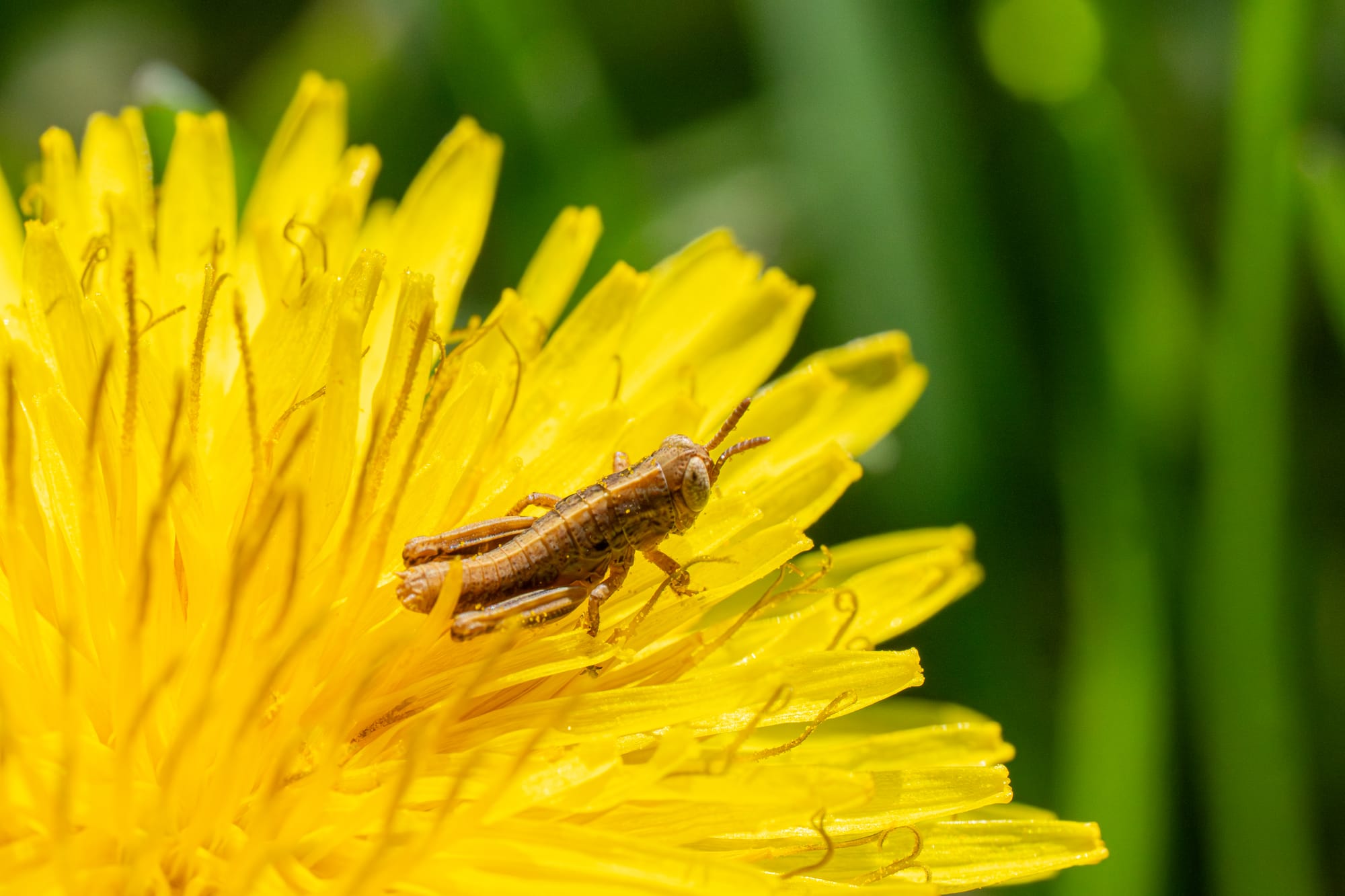
Sparked by the warming weather, many new insects are also making an appearance, including this year's first damselflies, dragonflies, and baby grasshoppers.
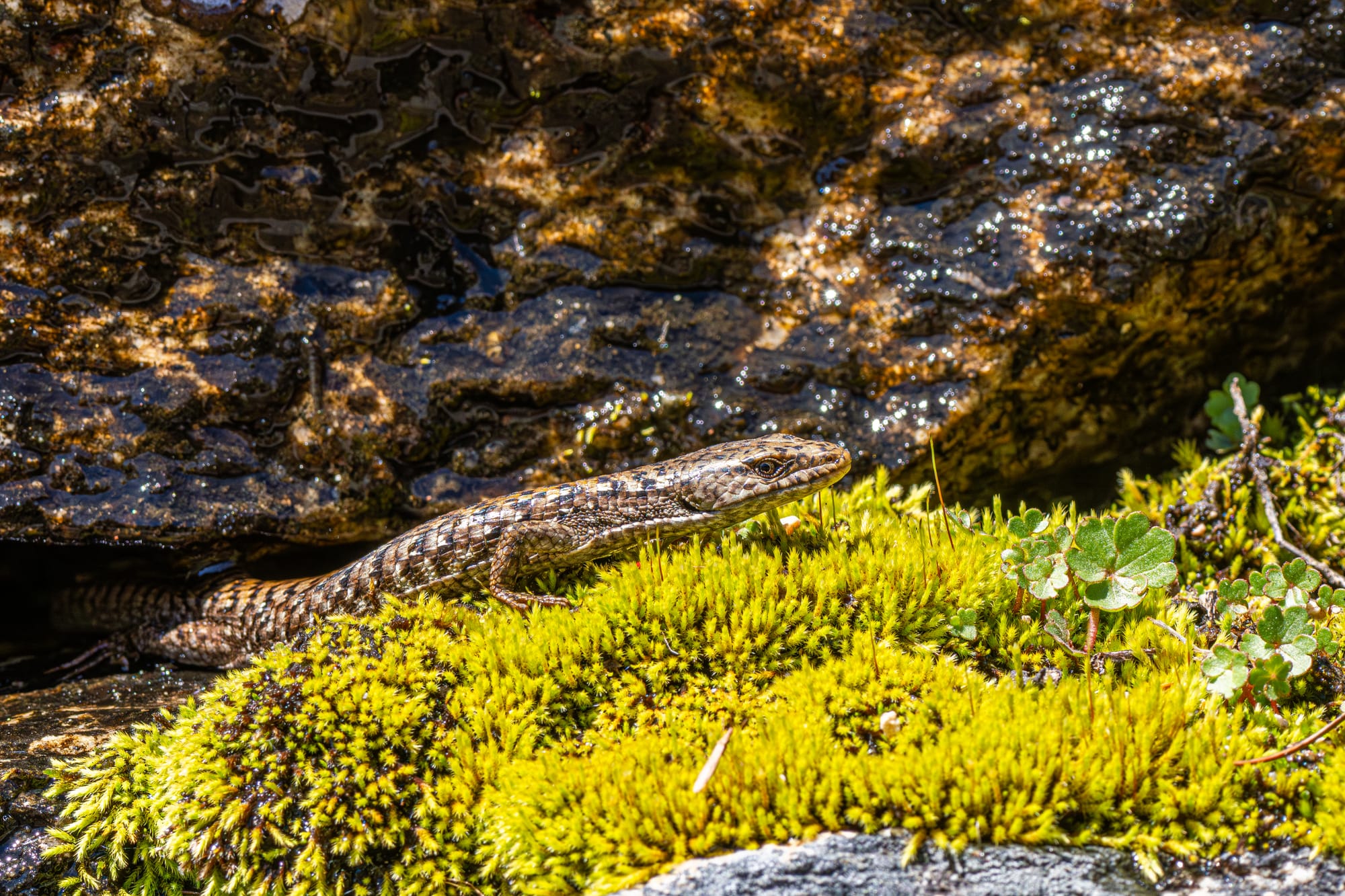
My favorite moment of the week was driving up the highway to check out Rainy Pass and finding a northern alligator lizard poking around a mossy roadside seep near Washington Pass. The snow is still melting up there, so I was astounded to see a lizard.

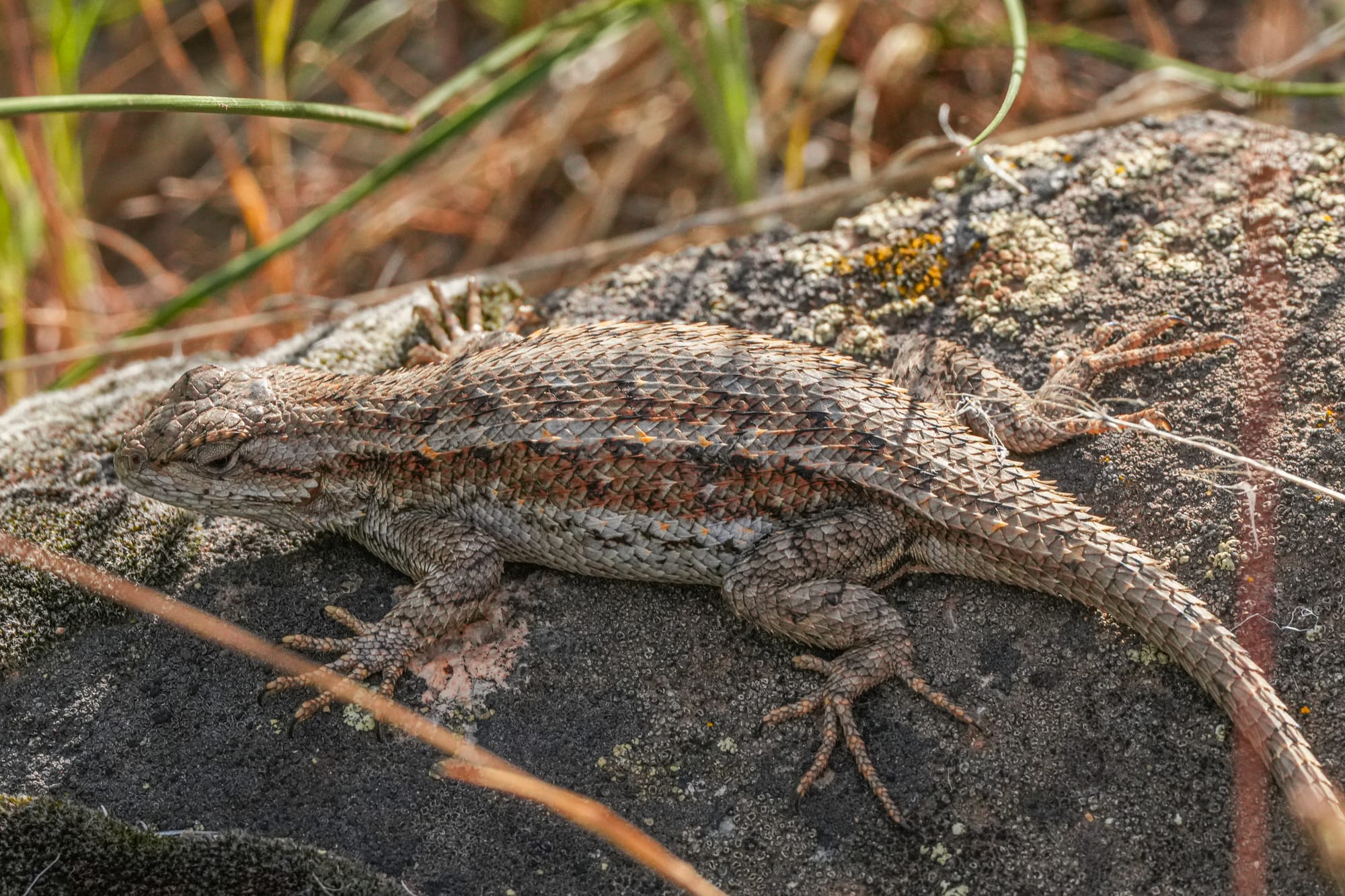
And speaking of lizards, I've already seen more fence lizards in the last week than I normally see in an entire year. Even better, one of them was a very pregnant female, which is awesome because it gives me a sense of when they might lay eggs.
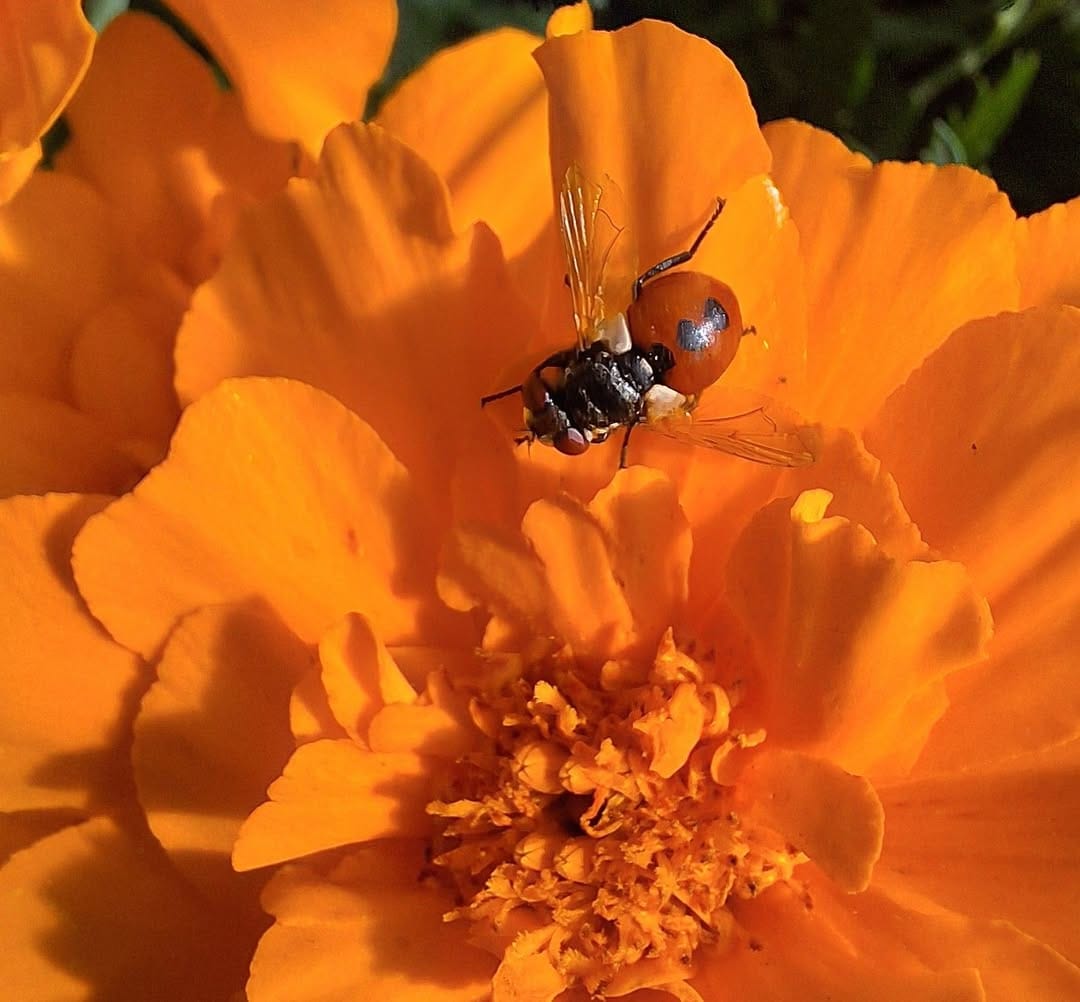
Finally, someone spotted an insect that's notable because it doesn't occur in North America. I'm not sure if this a bad sign or a fluke, but it's typically not a good thing when an introduced insect shows up and seems to be thriving. Quickly noticing things like this is one reason why I'm thankful for this group and for people who are paying close attention to the natural world!
Observation of the Week: Tricky Violets
There are countless violets blooming right now (we have 11 species in the Methow Valley!) and it's a good thing because they are the sole food for caterpillars of our beautiful fritillary butterflies (we have four species). Violets also have a couple fascinating adaptations that are worth noting.
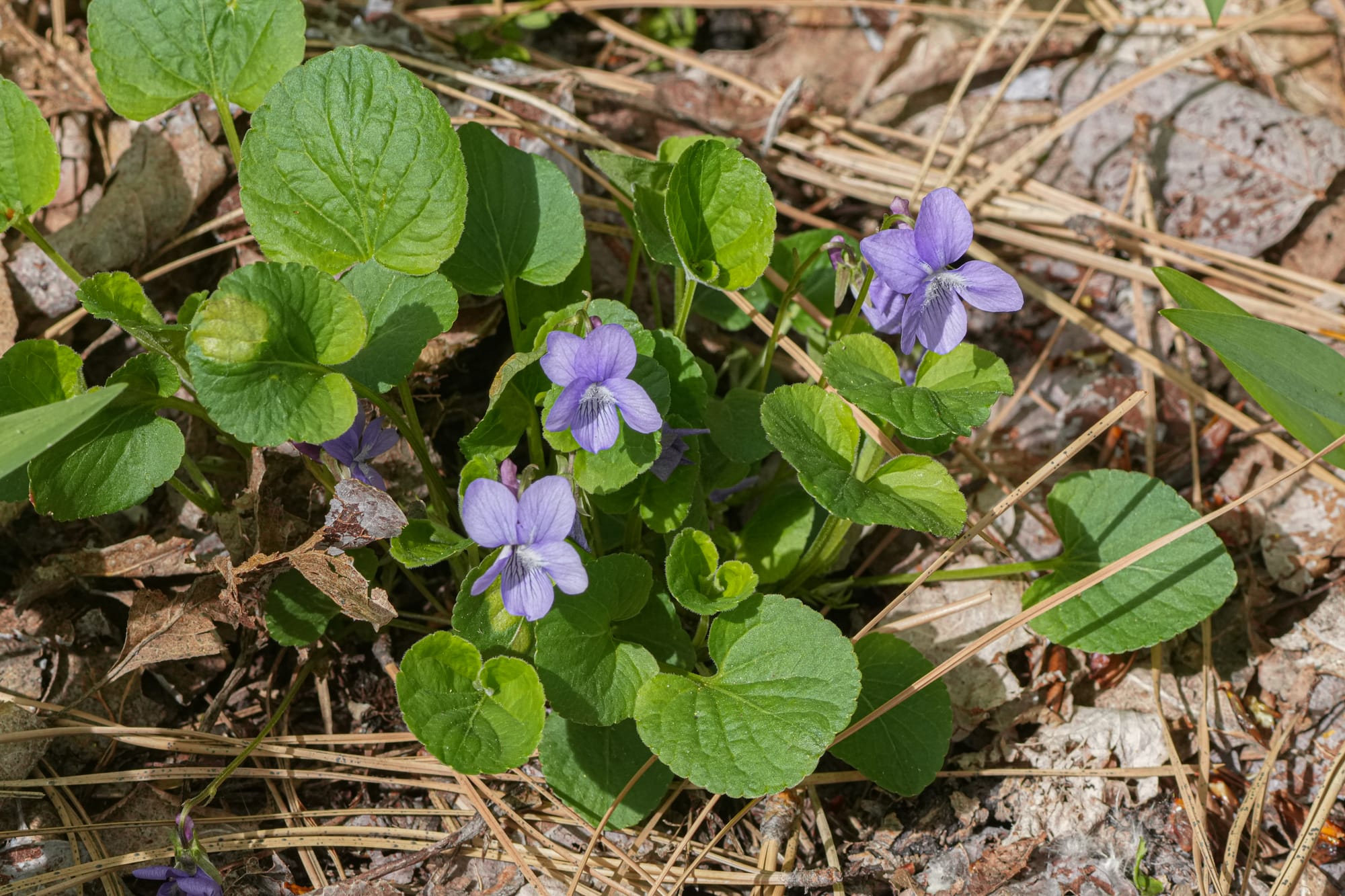
The early season flowers we're seeing now are large and strong-smelling to attract pollinators like bees and bee flies. However, these flowers don't produce many seeds, so violets produce a second round of flowers in the summer that remain closed up and stay hidden under the leaves or even partly buried in the soil. These closed (cleistogamous) flowers fertilize themselves and produce bigger seeds which are clones of the parent plant.
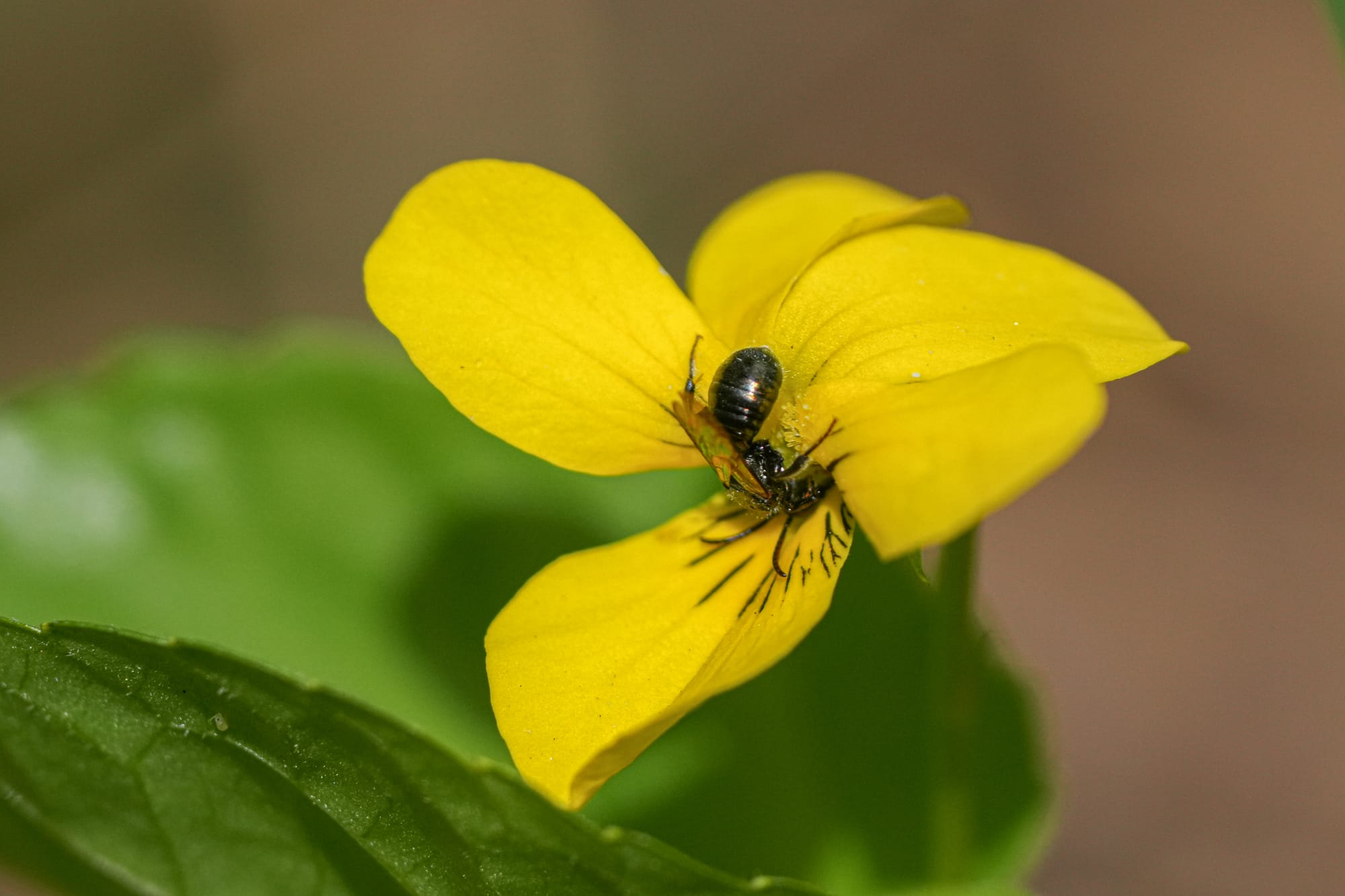
Not only that, but seeds from these later flowers are attached to little, tasty fat packets called eliasomes that attract ants, who harvest the seeds and take them into their nests, where the seeds germinate and produce plants the following spring.
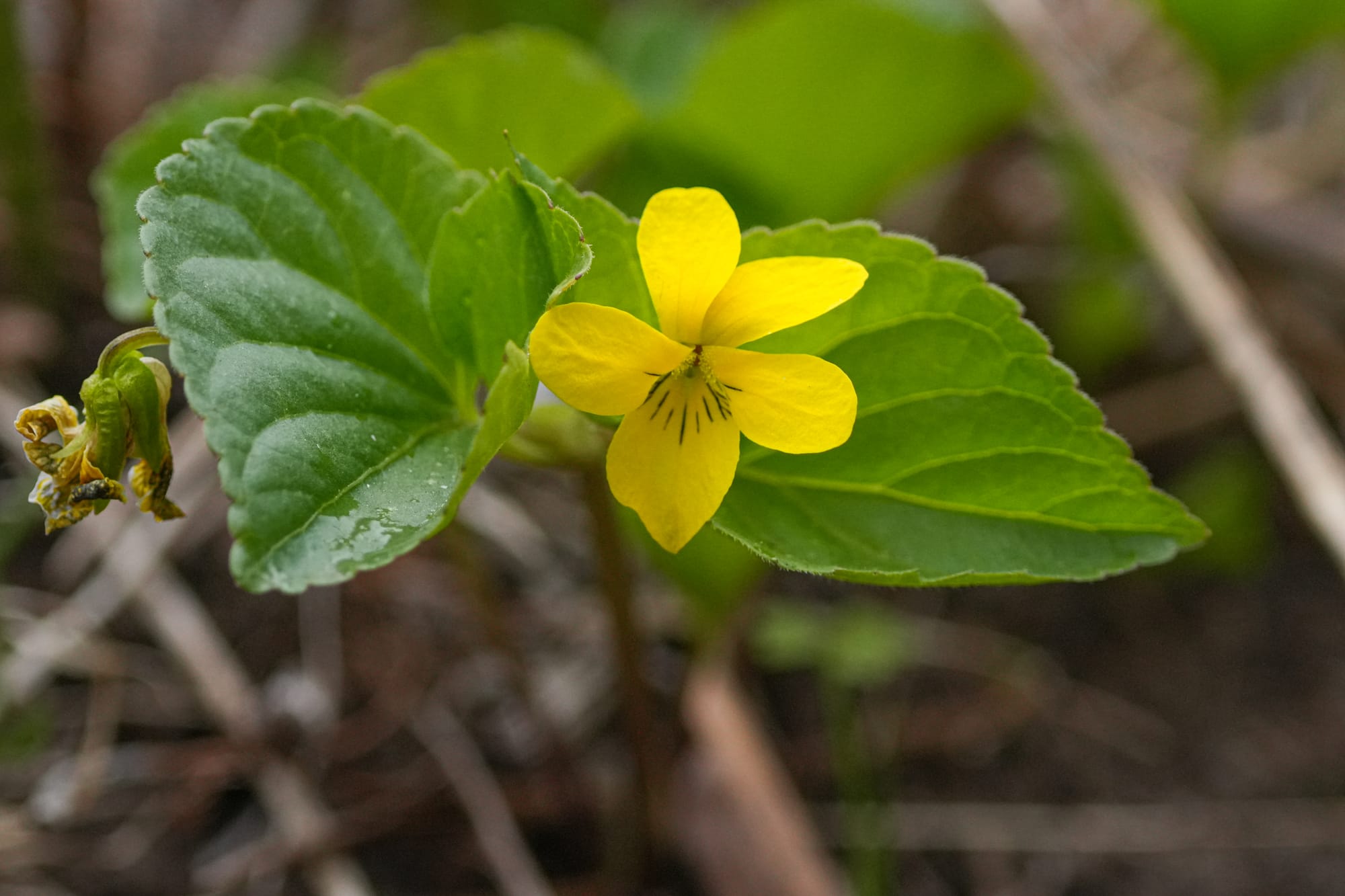
It's not ideal to produce clones of yourself, but it's energetically cheaper and it's a guaranteed backup in case your first flowers aren't visited by pollinators. [Here's another description of this strategy with more pictures.]
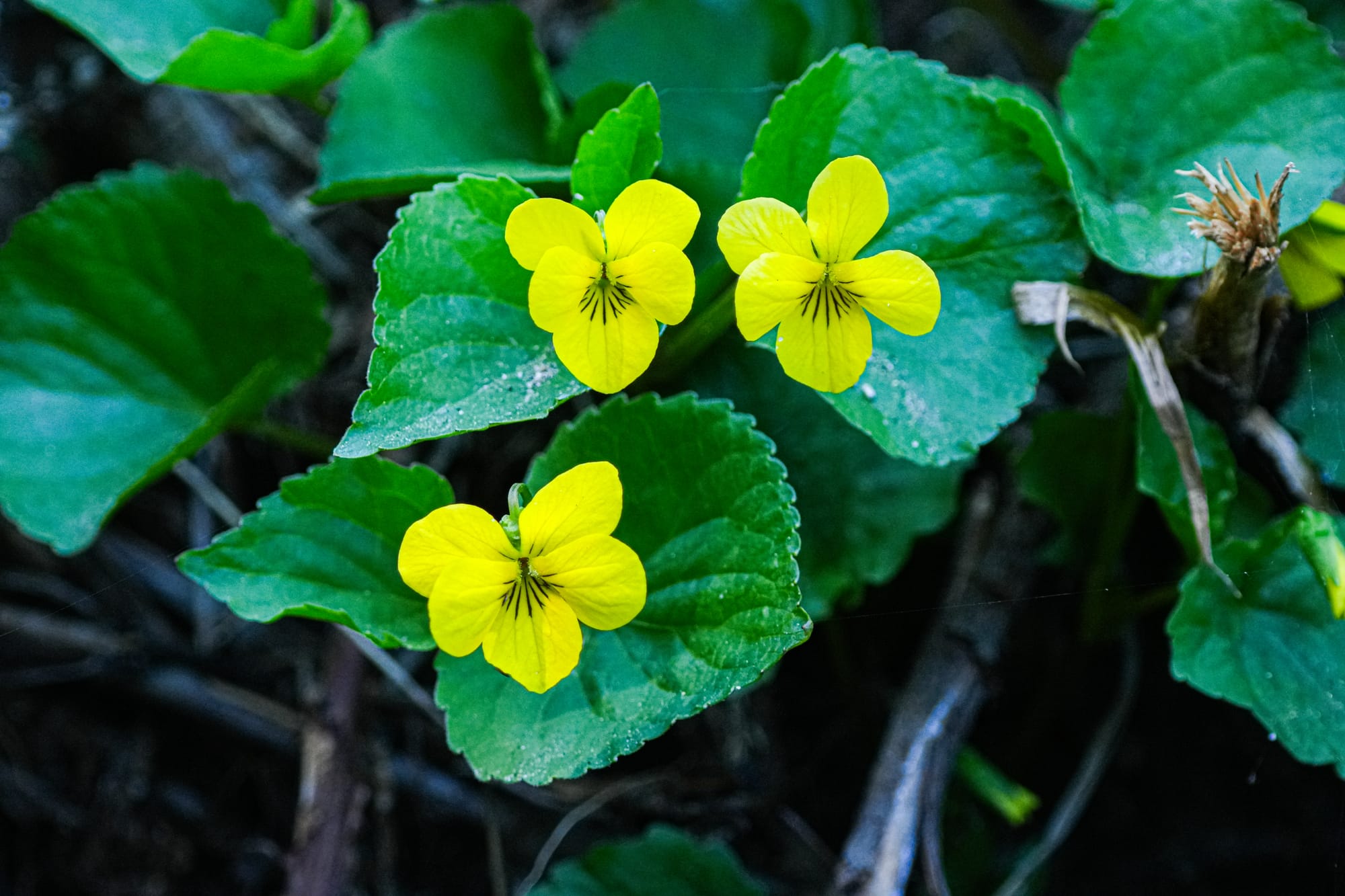
The other fascinating trick violets have is that the female pistil is hollow and filled with sticky mucous. When a lumbering insect lands on the flower its weight bends the pistil over and sticky mucous oozes out. The mucous helps pollen grains stick to the insect's body, and when the insect flies away, the pistil springs up and pulls mucous and pollen grains back into the pistil where it fertilizes the flower. Pretty cool!
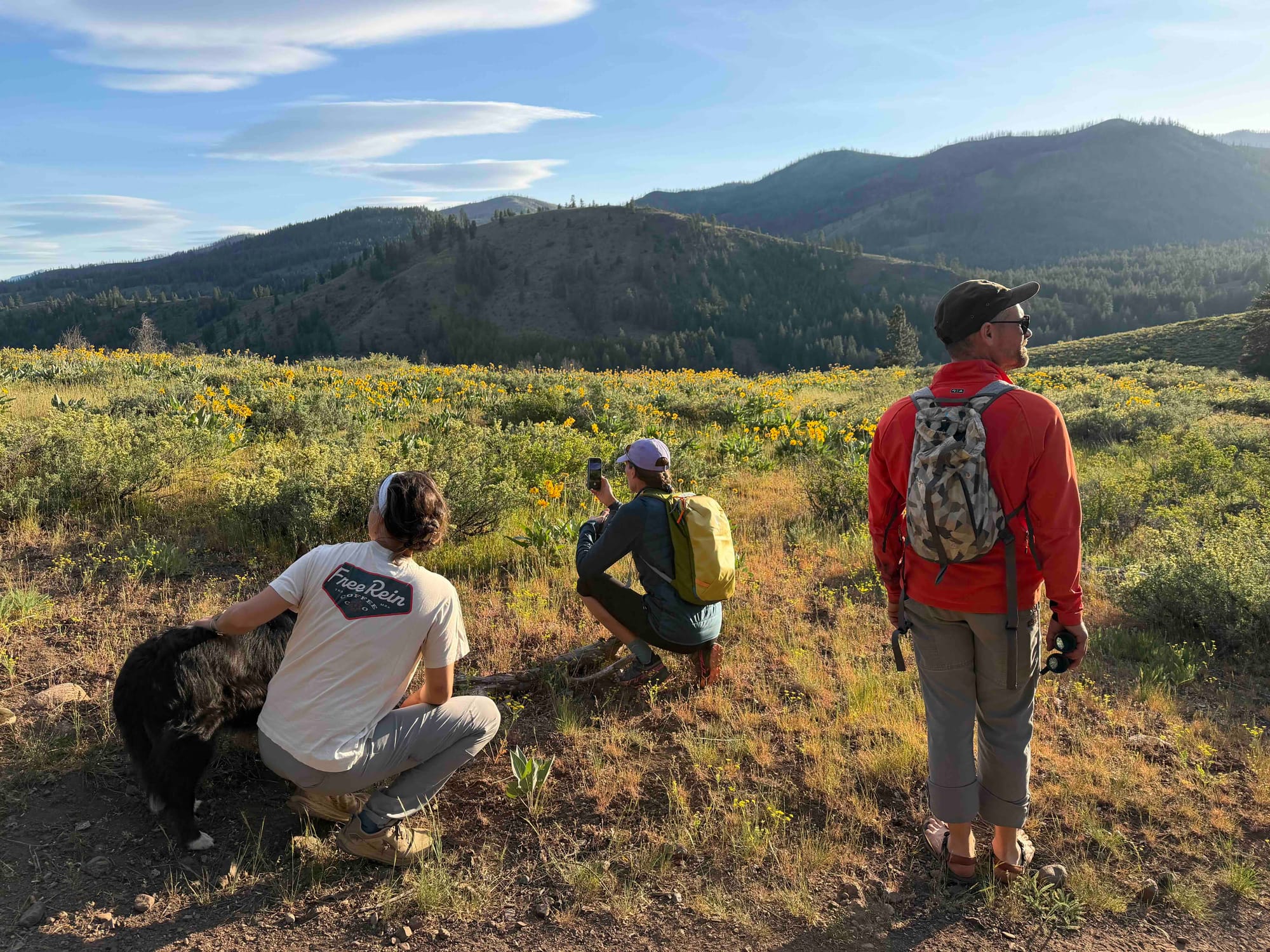
A Special Outing
It was a blast to offer an exclusive nature walk for subscribers this week. I was curious to see if anyone would be interested because I'd love to offer more outings like this as a perk for subscribers, and I was thrilled by the feedback I received. Your paid subscriptions and generous one-time donations are making the newsletter possible, so I want to express my gratitude in any way I can! Thank you, and please share the newsletter.
