Change Without
August 9-15, 2026

Another week spent living in the grip of wildfire smoke, along with a few rounds of thunderstorms.
Week in Review
Despite the oppressive smoke, I discovered on a handful of outings that the seasons are steadily changing around us, and that a lot is going on outside right now. In fact, I ended up with so many photographs and observations that I can't possibly fit them into a single newsletter.
In particular, I wanted to understand what's happening at both lower and higher elevations, so my outings this week included a short walk in the valley and a trip up to Cutthroat Pass.
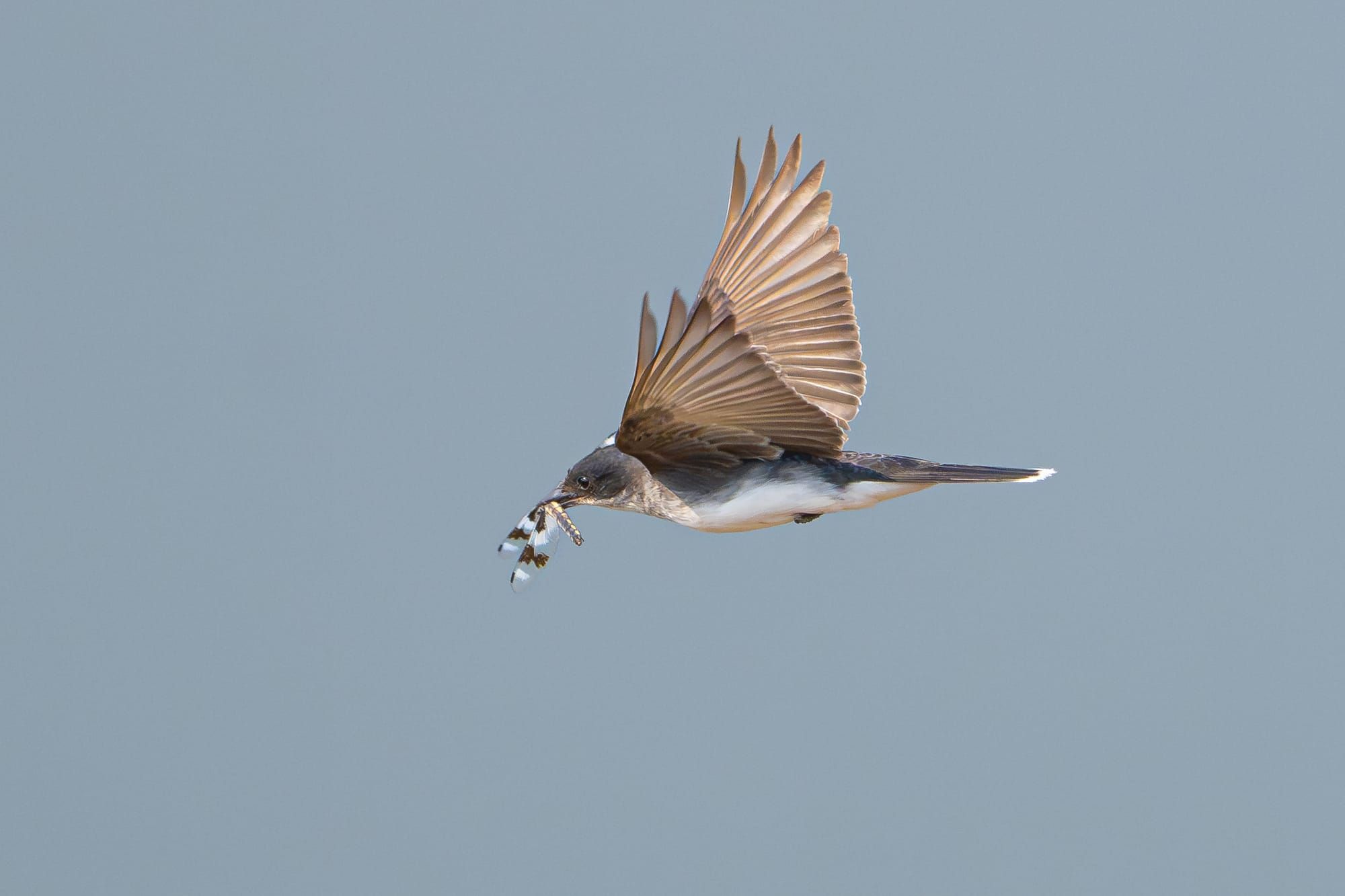
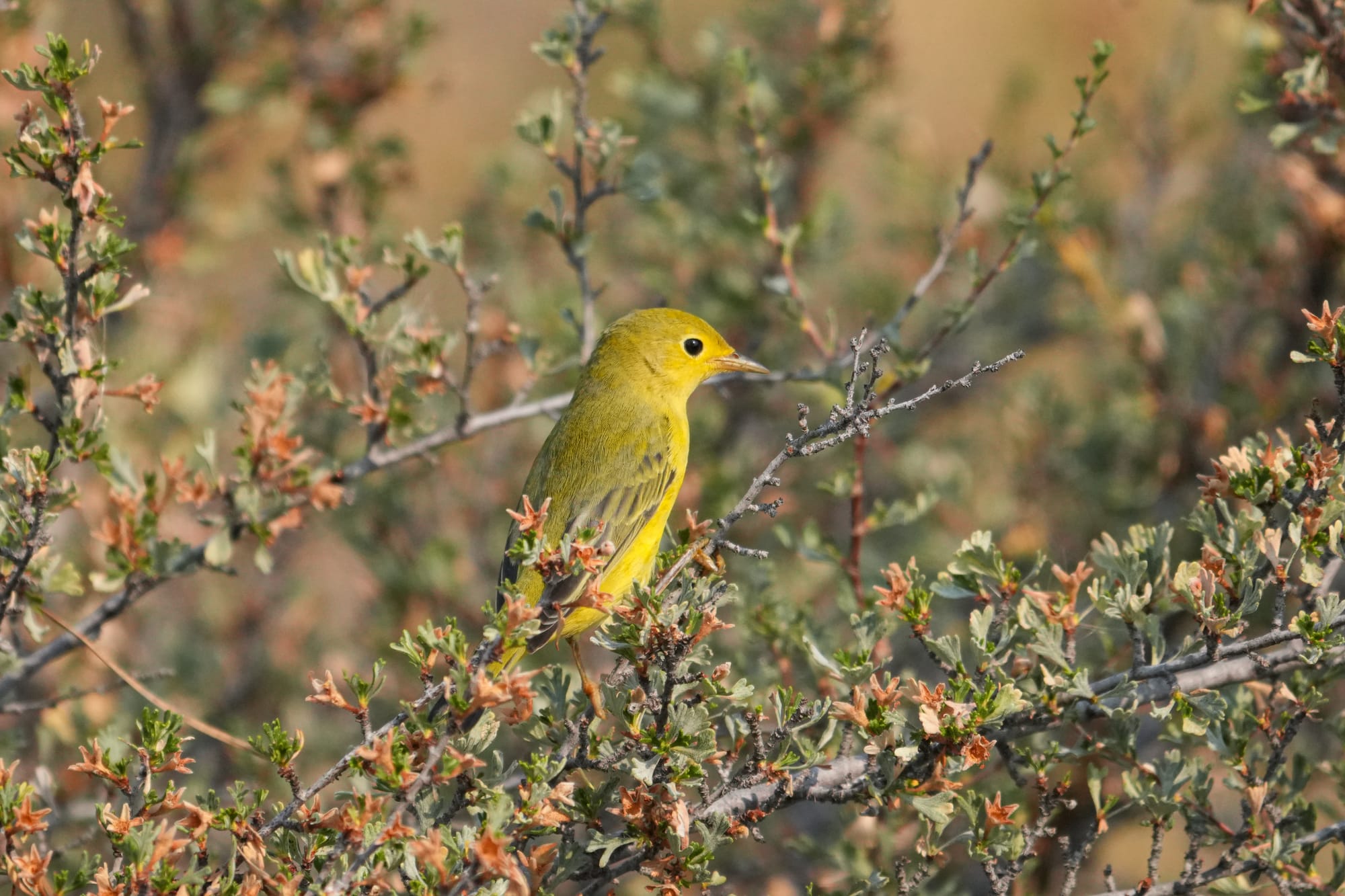
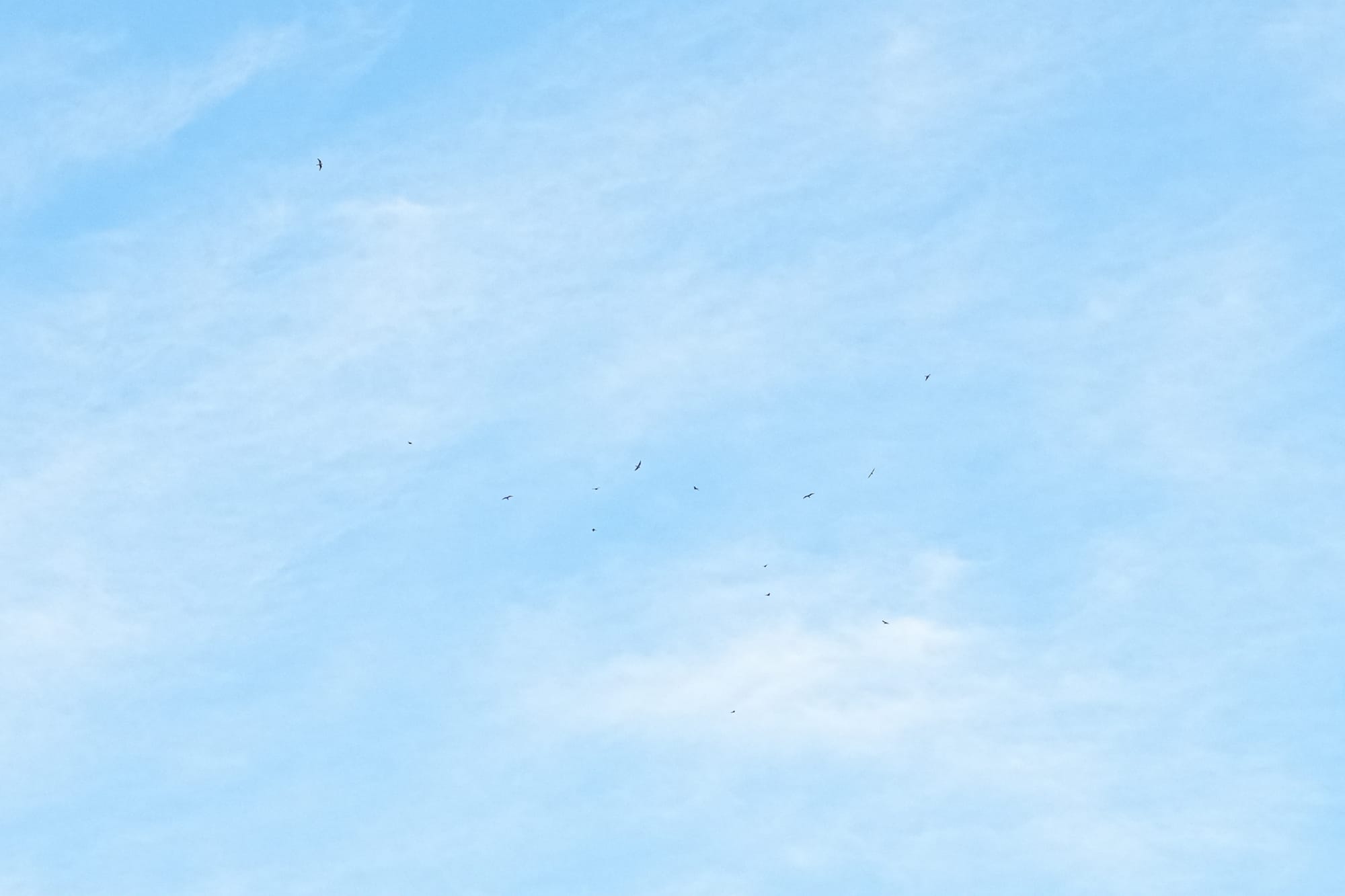
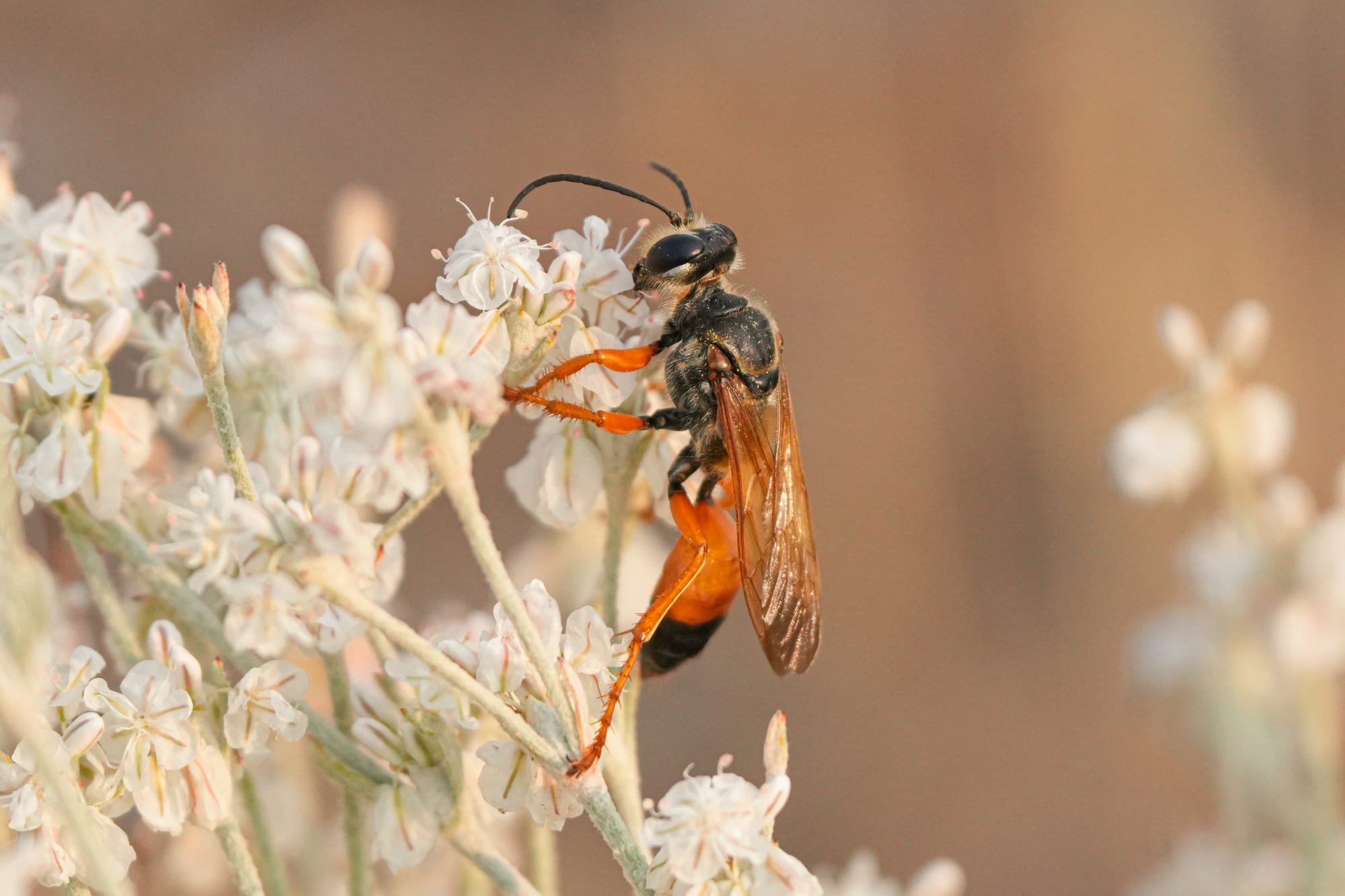
The first thing I've been noticing is an ongoing and steady movement of birds. As the picture at the top of the newsletter highlights, eastern kingbirds have been a conspicuous presence all week, along with migrating warblers, Vaux's swifts, and other species.
I've also been paying attention to common nighthawks because I know they are the first species to leave the valley. On the 8th, I spotted more than 20 nighthawks migrating in a large group, but I've also seen single nighthawks as recently as the 12th. It'll take a while longer to pin down the exact date the last one leaves, and I know that other people are paying attention to this question as well.
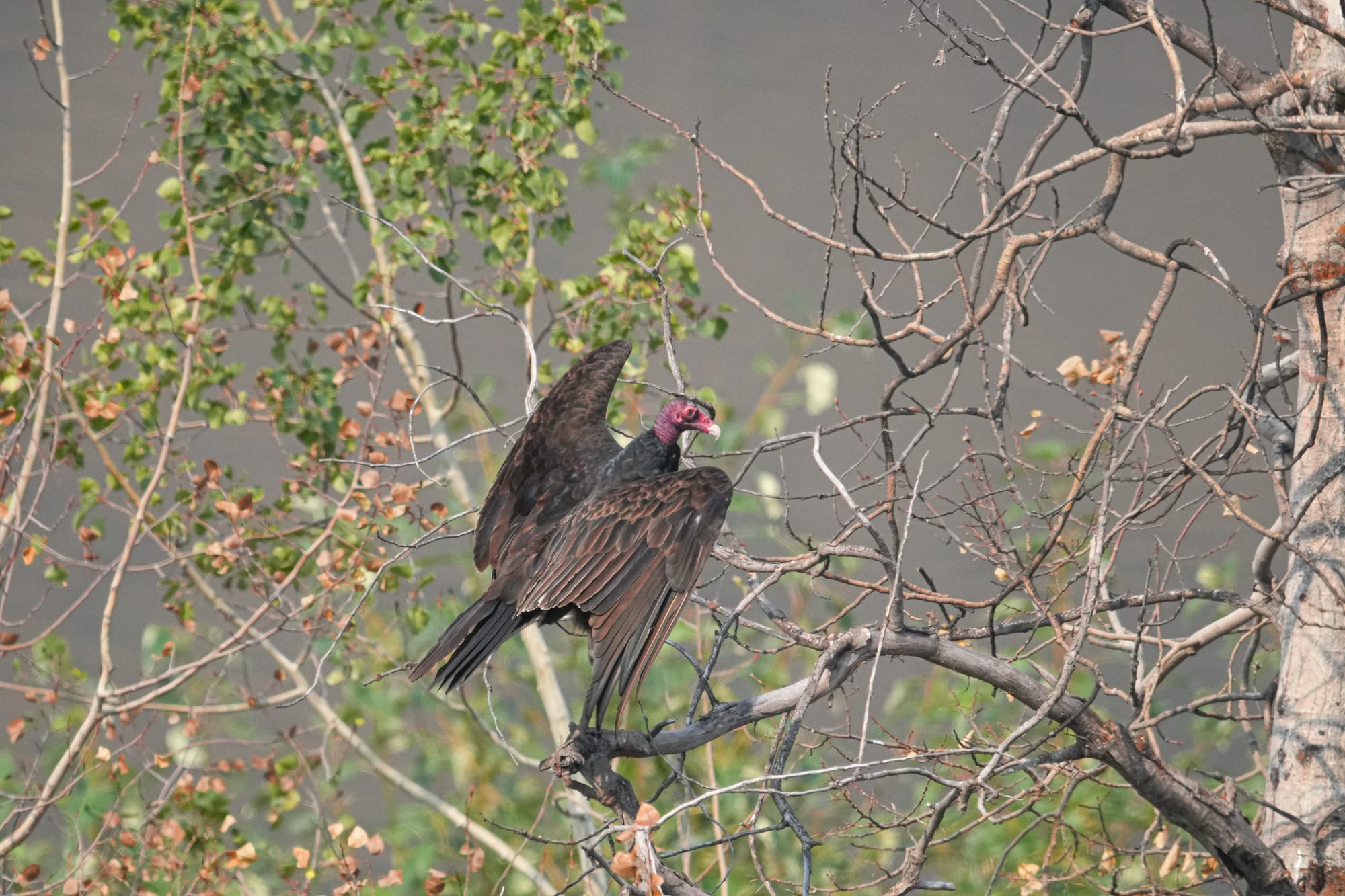
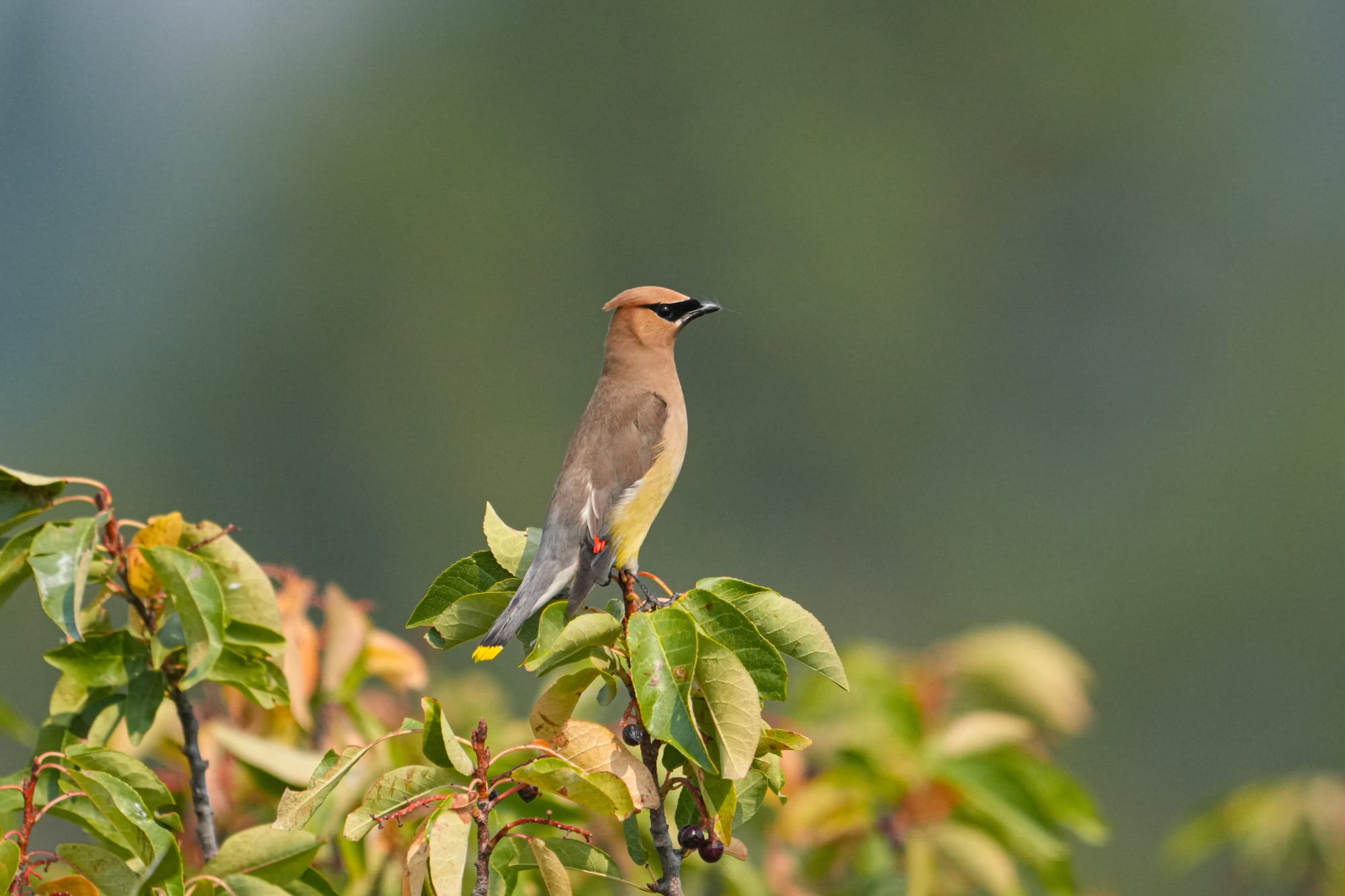
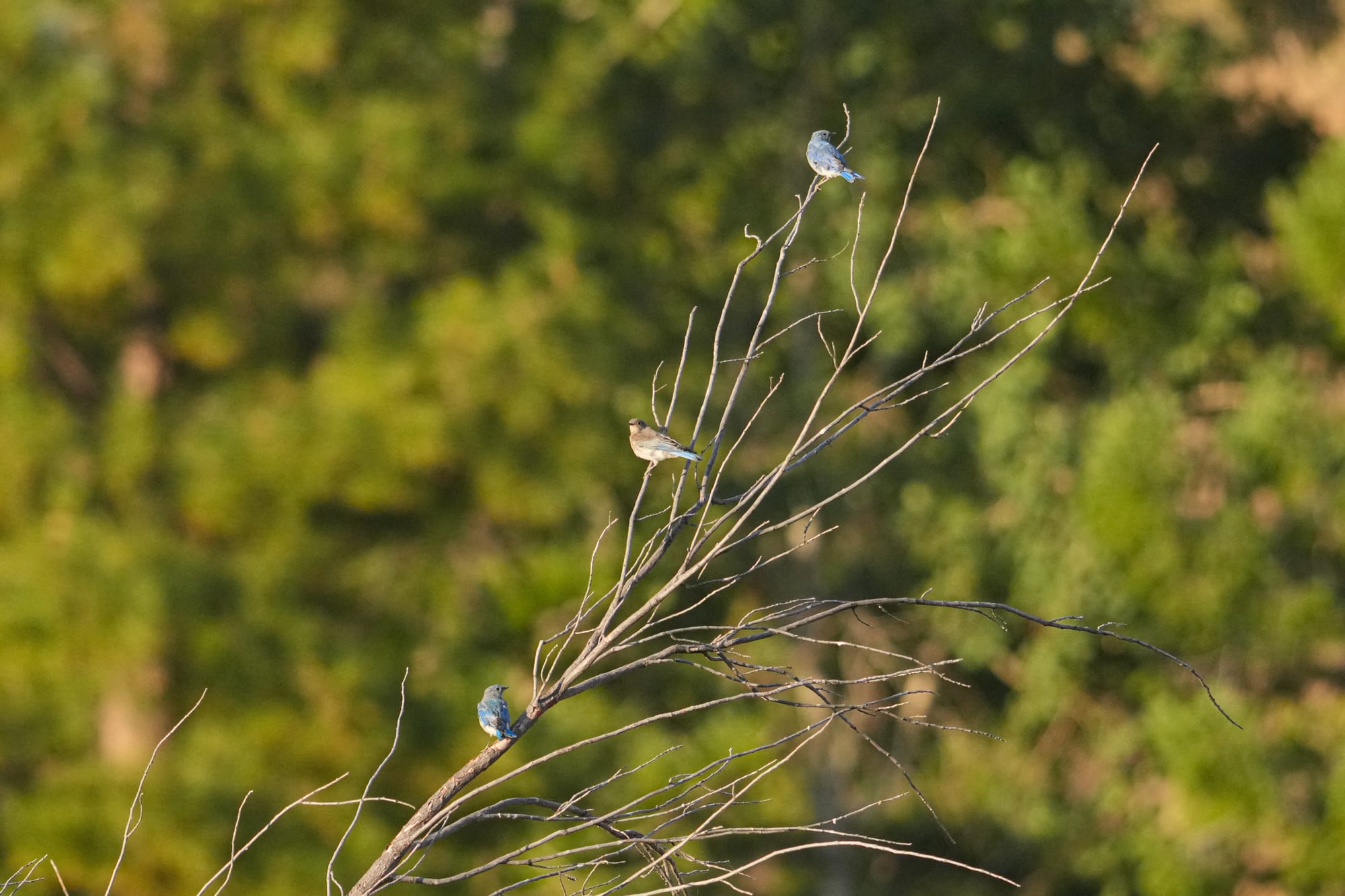
Other birds are gathering in groups and increasingly conspicuous at this time of year. For example, birds like cedar waxwings, turkey vultures, and mountain bluebirds are actively moving around, but it's not clear whether they're migrating yet.
Some Mountain Observations
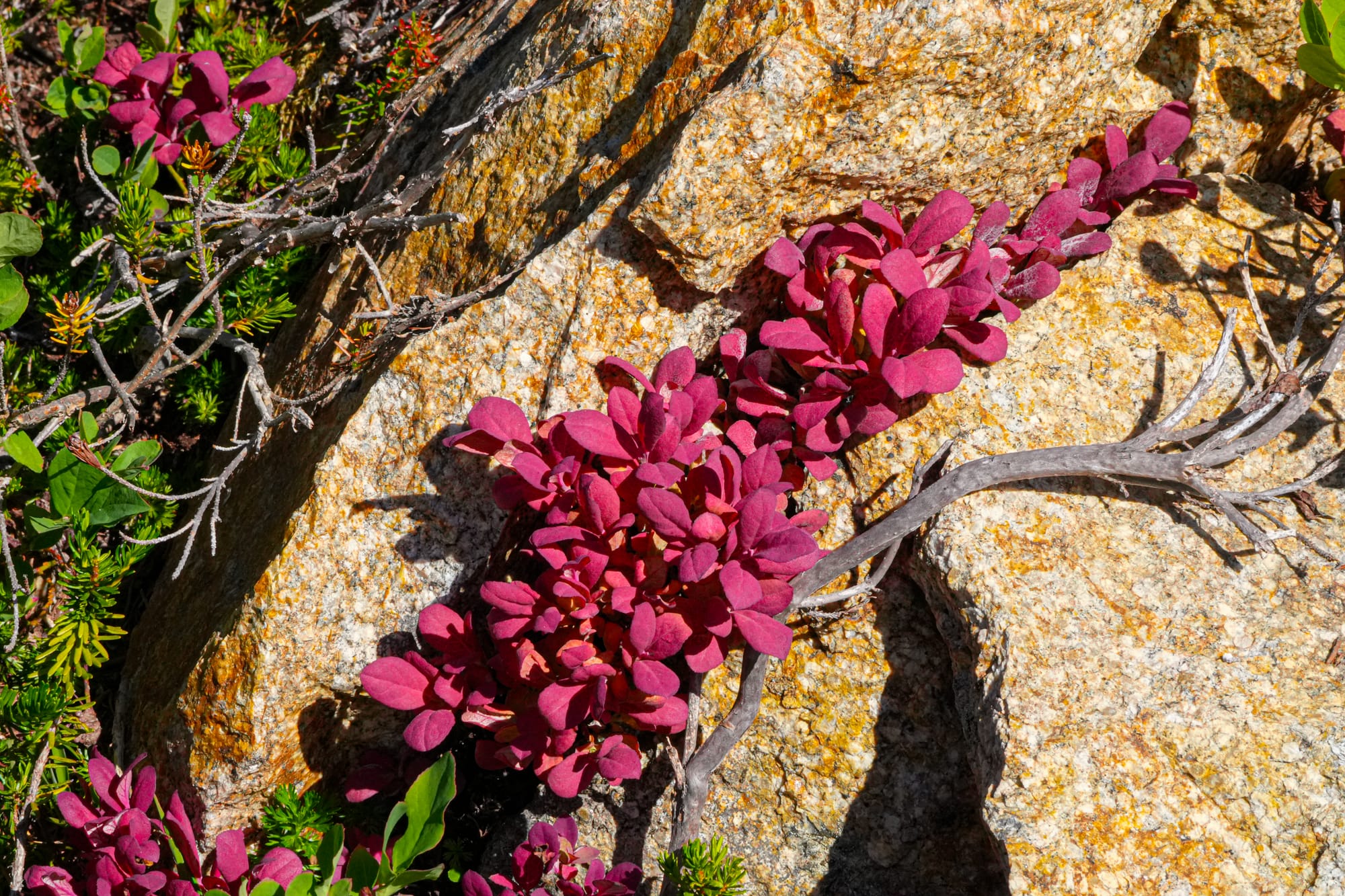
Hiking in the mountains has been a bit of a bust this summer, with smoke everywhere and Harts Pass Road closed for the best part of the season, so I was excited when I had a chance to hike to Cutthroat Pass and see what lingering vestiges of summer I could find.
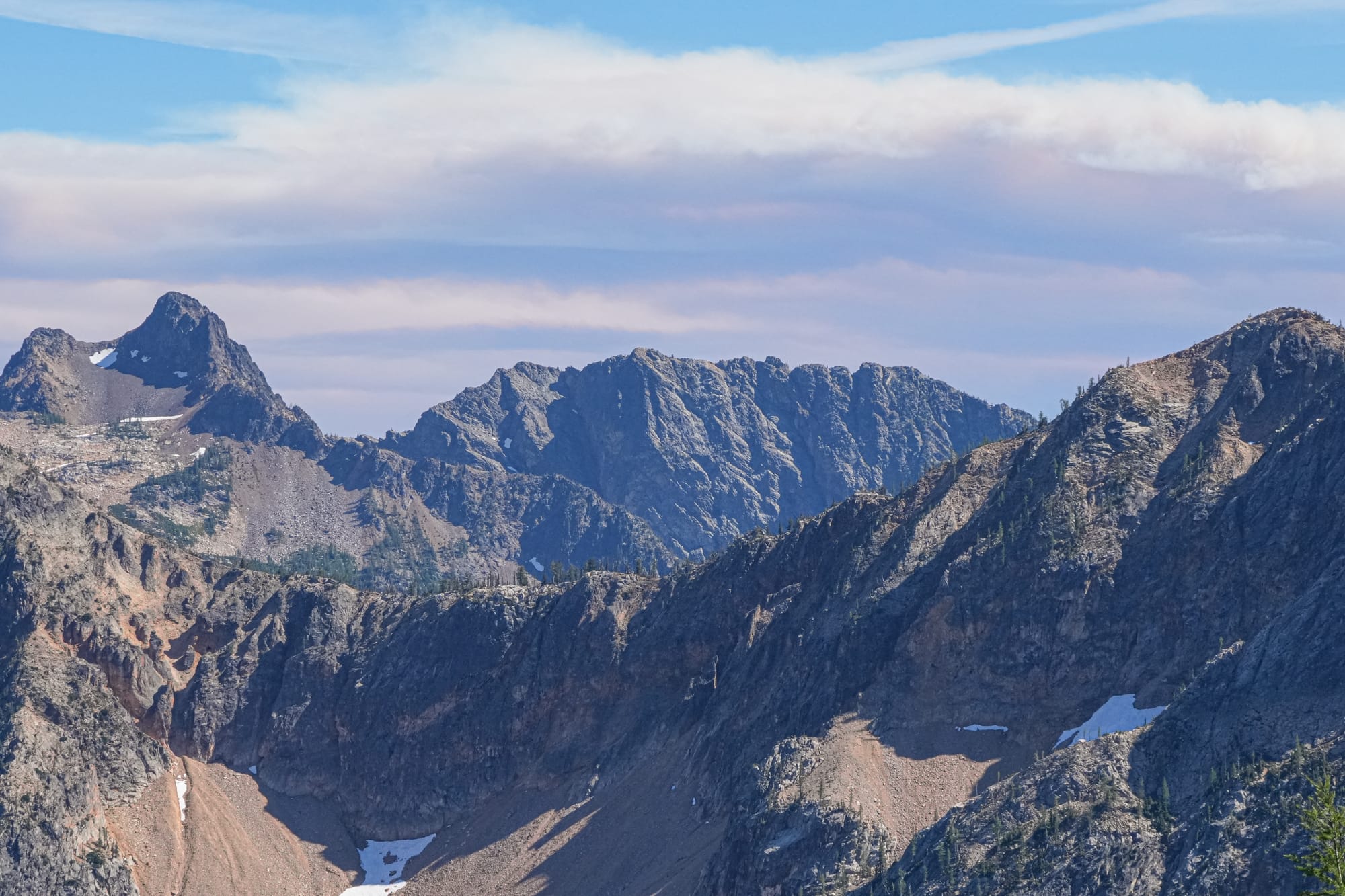
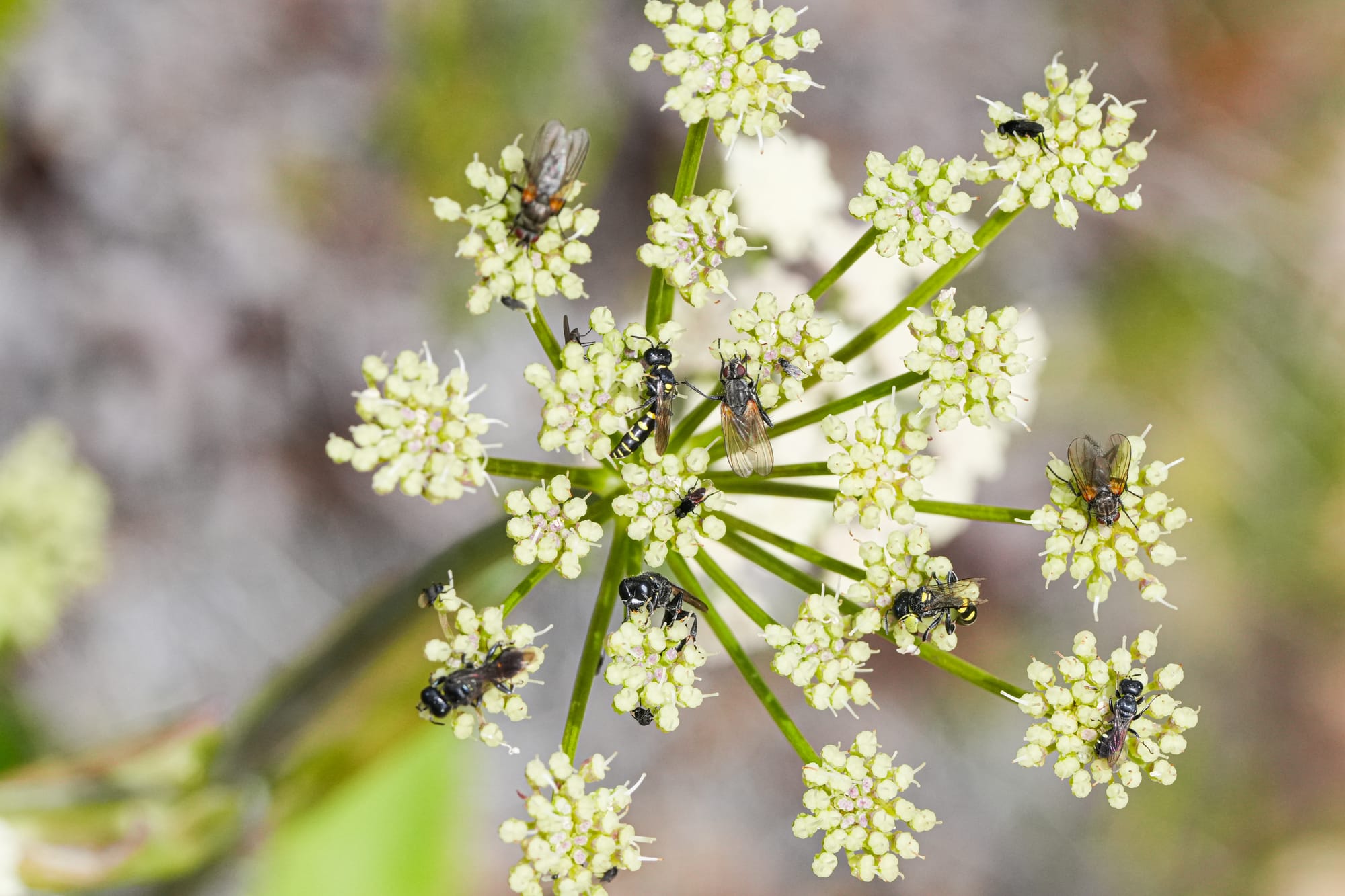
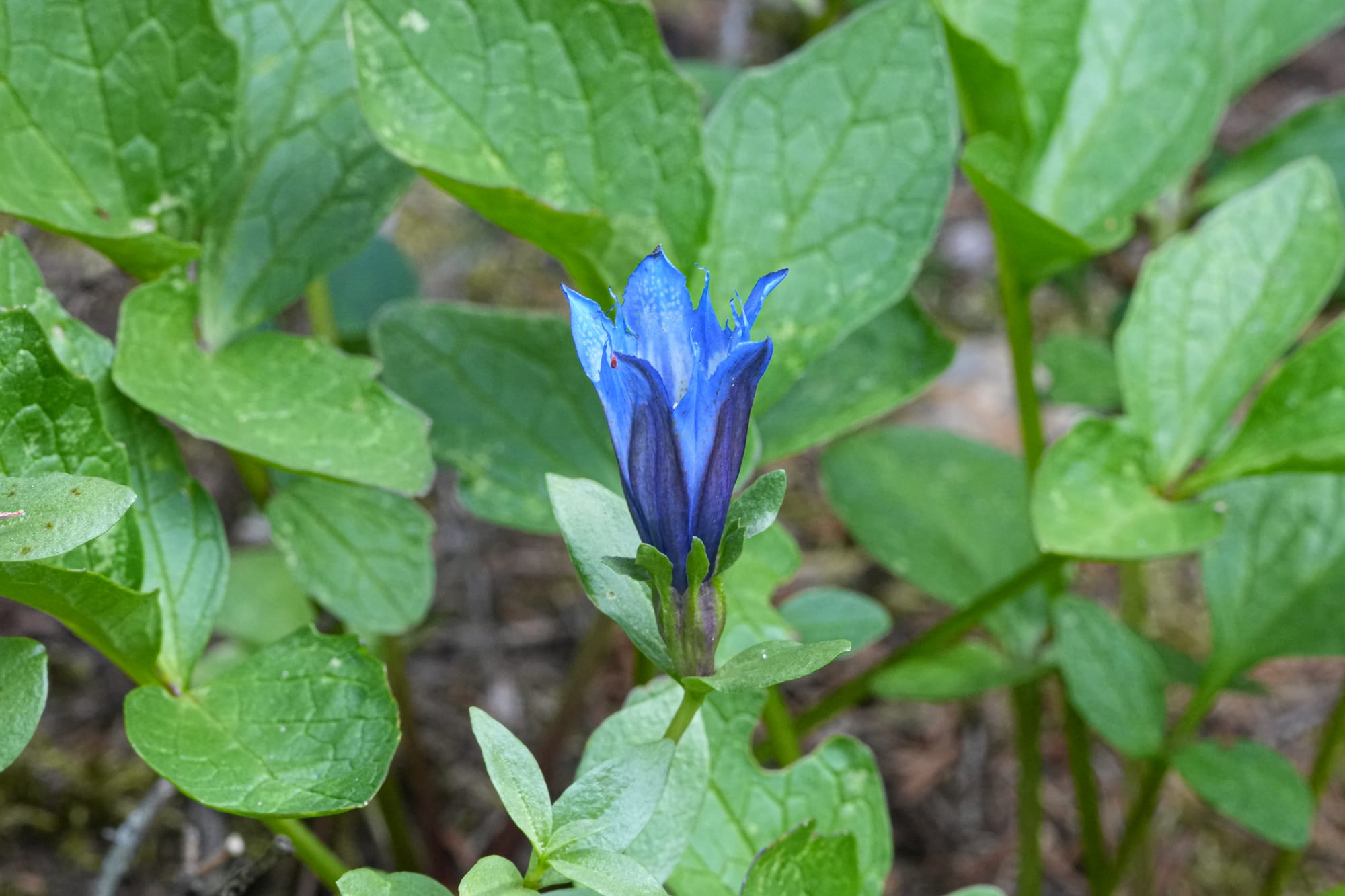
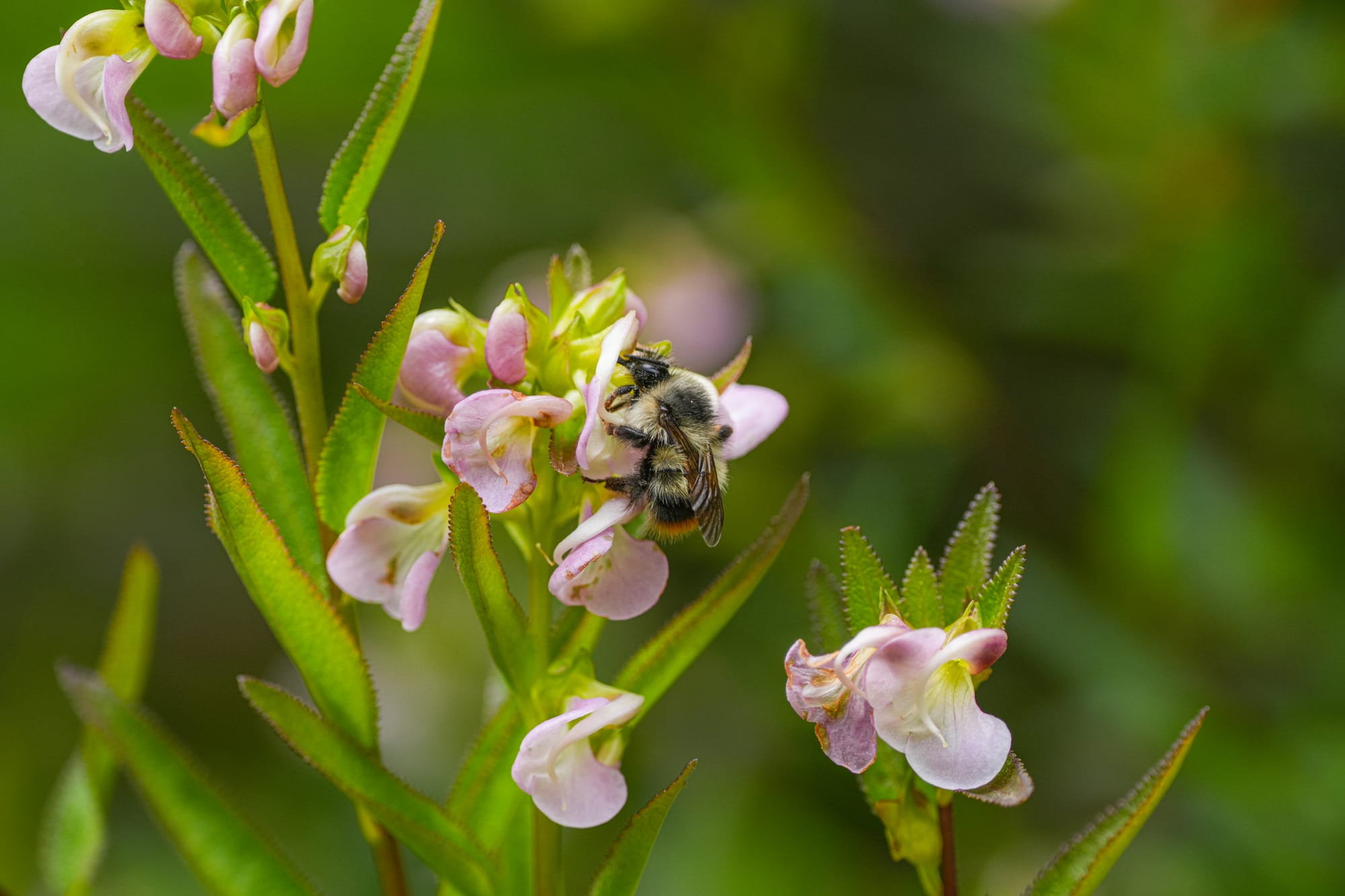
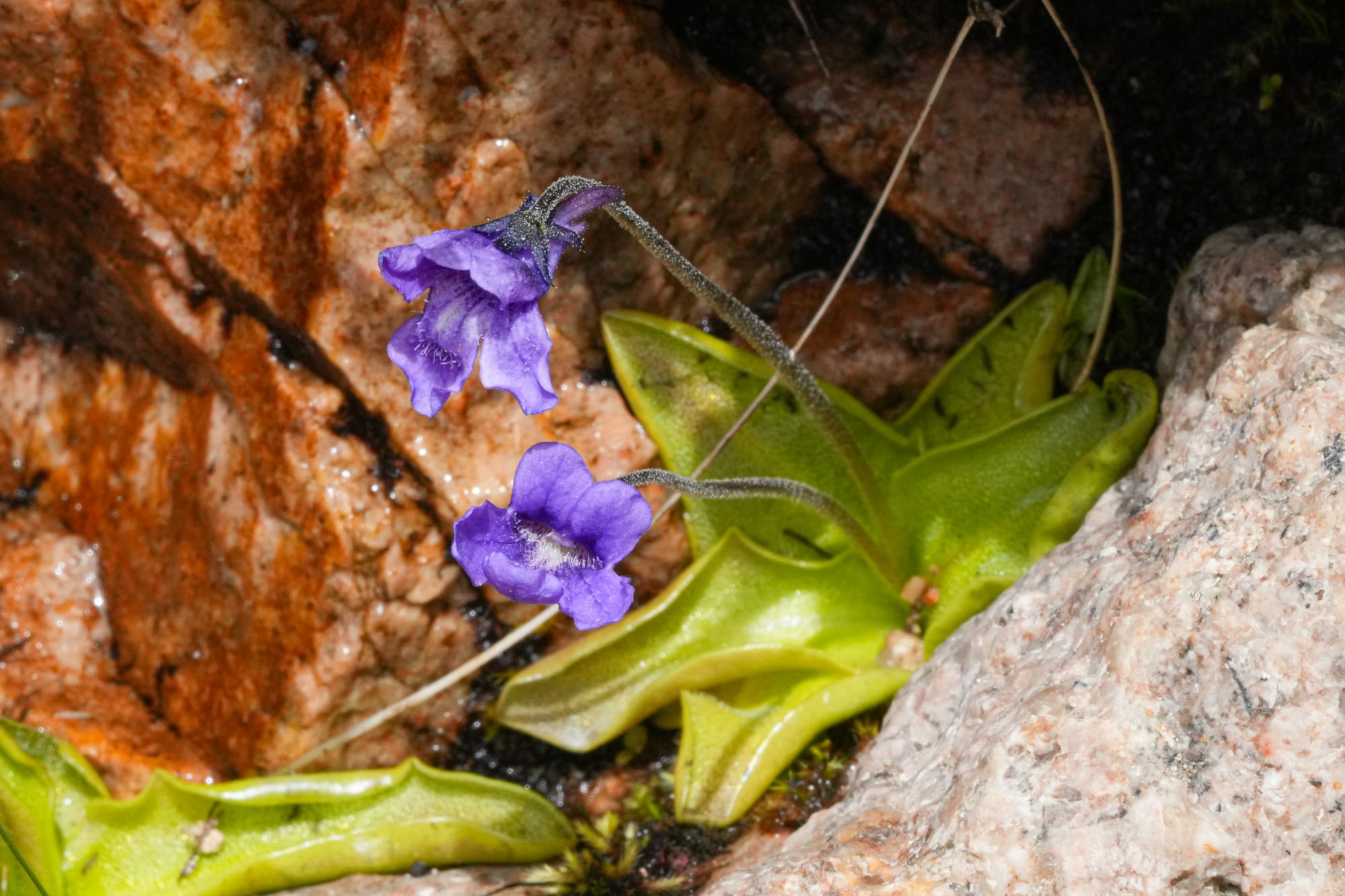
What I discovered is that the vast majority of flowering plants have gone to seed, but a handful of flowers are still blooming. What's cool is that many of these flowers are irresistible magnets for the pollinating insects still flying around.
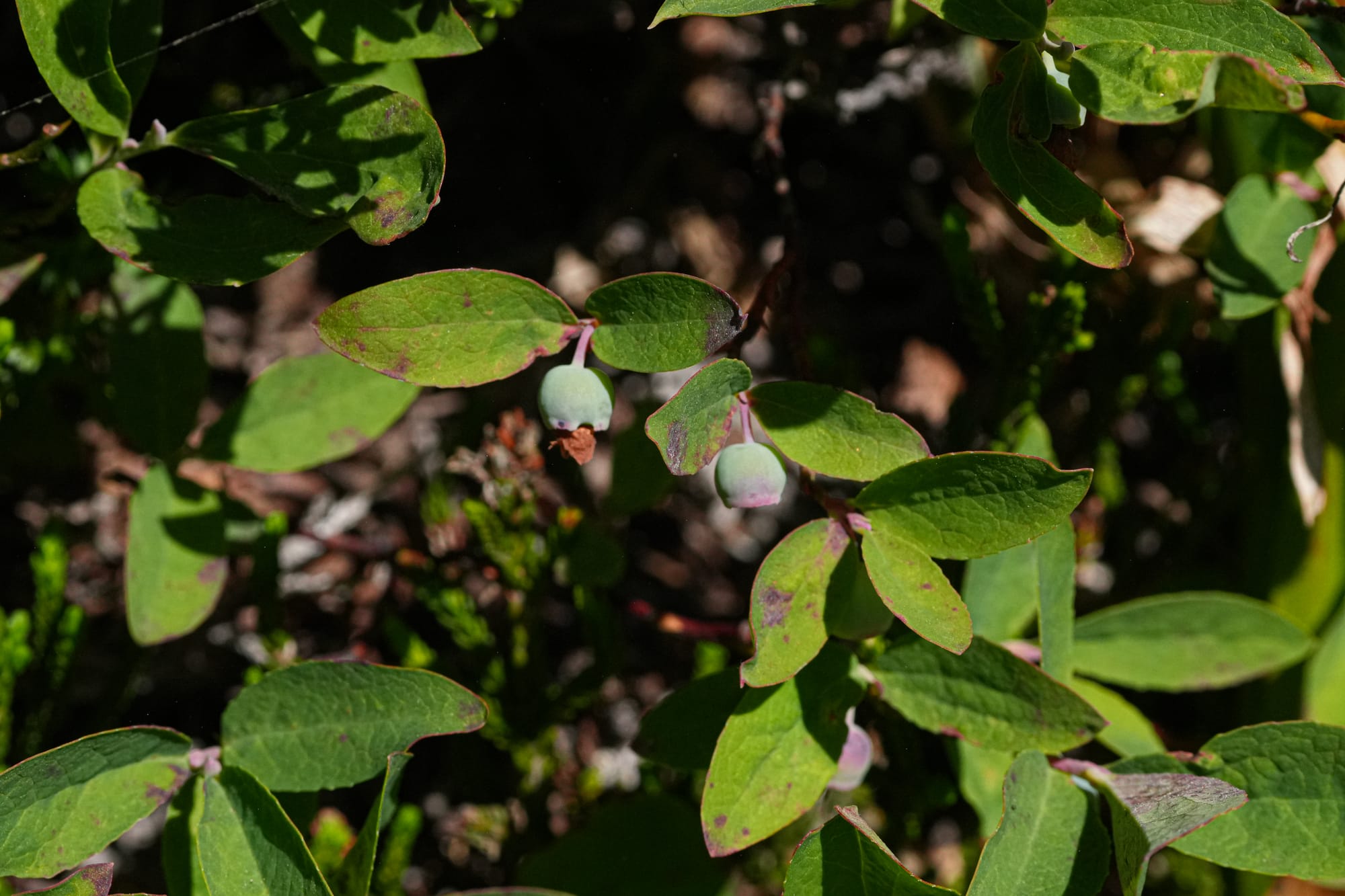
I've also noticed a general absence of plant foods that alarms me. On all four hikes I've done in the mountains this summer, I've only seen a few huckleberries. This worries me because they are a critical source of food for black bears, not to mention grouse, chipmunks, and ground squirrels, who need these foods to survive the winter.
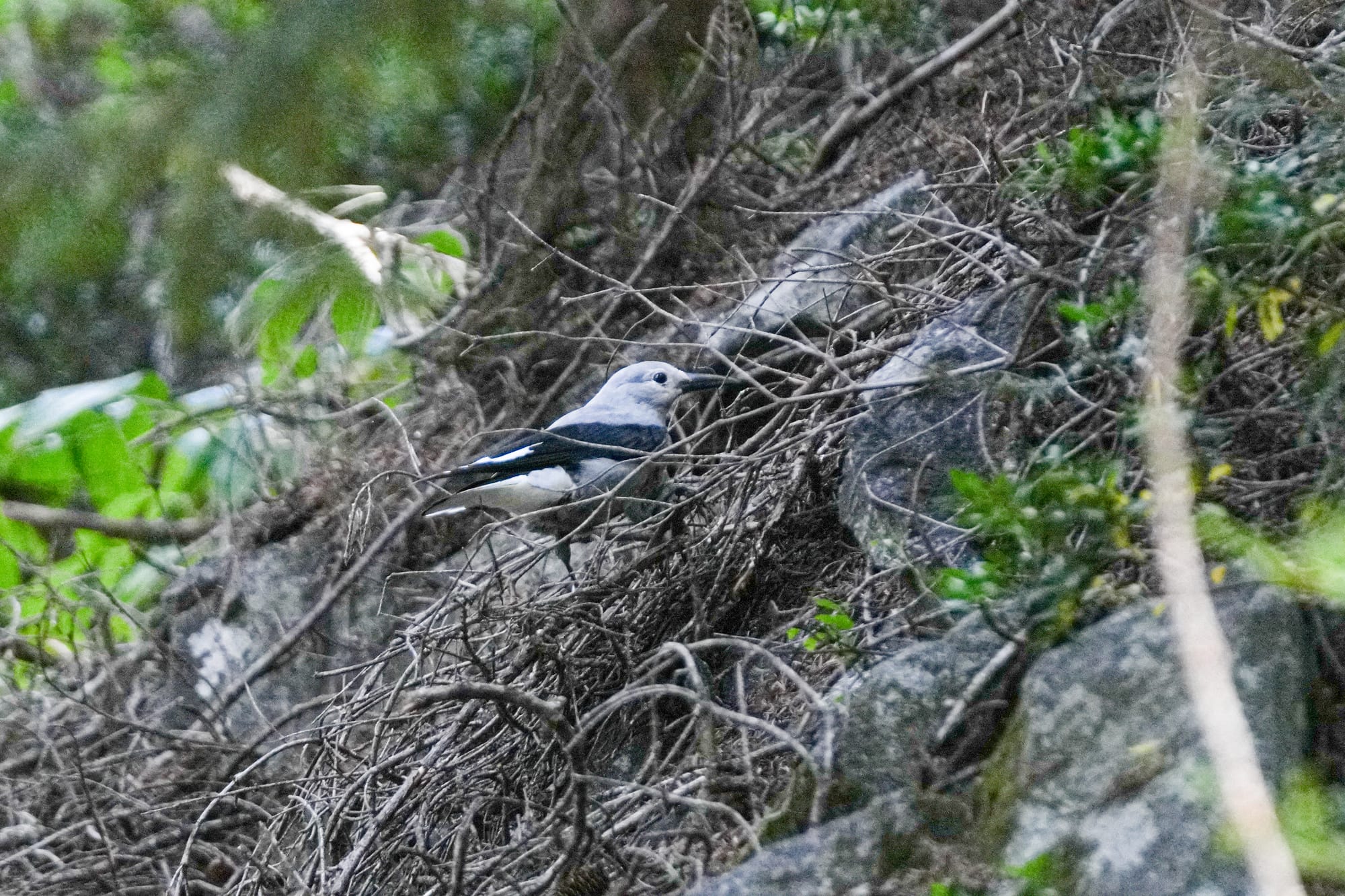
There also don't seem to be many conifer cones. This may be a subjective measure, but I did spot a Clark's nutcracker deep in the forest, digging through old sticks in search of food and this struck me as odd. Later in the week, I also heard a group of nutcrackers in Winthrop, and I know they generally don't descend to lower elevations unless conifer crops fail in the mountains.
Some Valley Observations
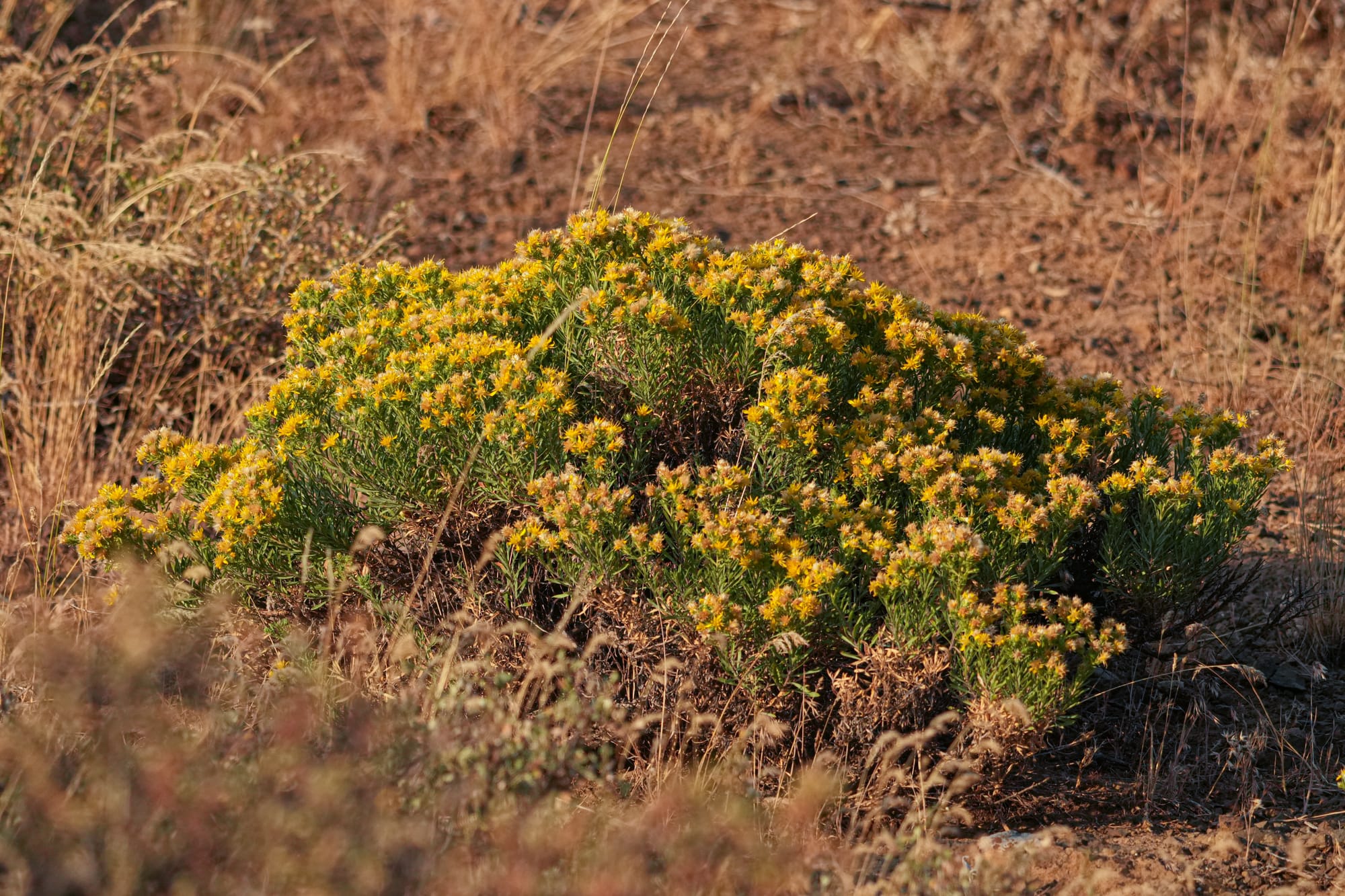
With everything drying out months ago, you'd think that things were finished for the year in the Methow Valley, yet I discovered a number of flowers on a short walk at Patterson Mountain. This isn't entirely unexpected because some plants preferentially flower in late summer when they can attract large numbers of pollinators, but it was still a pleasant surprise after being cooped up in the house for weeks and starting to feel gloomy about the summer.
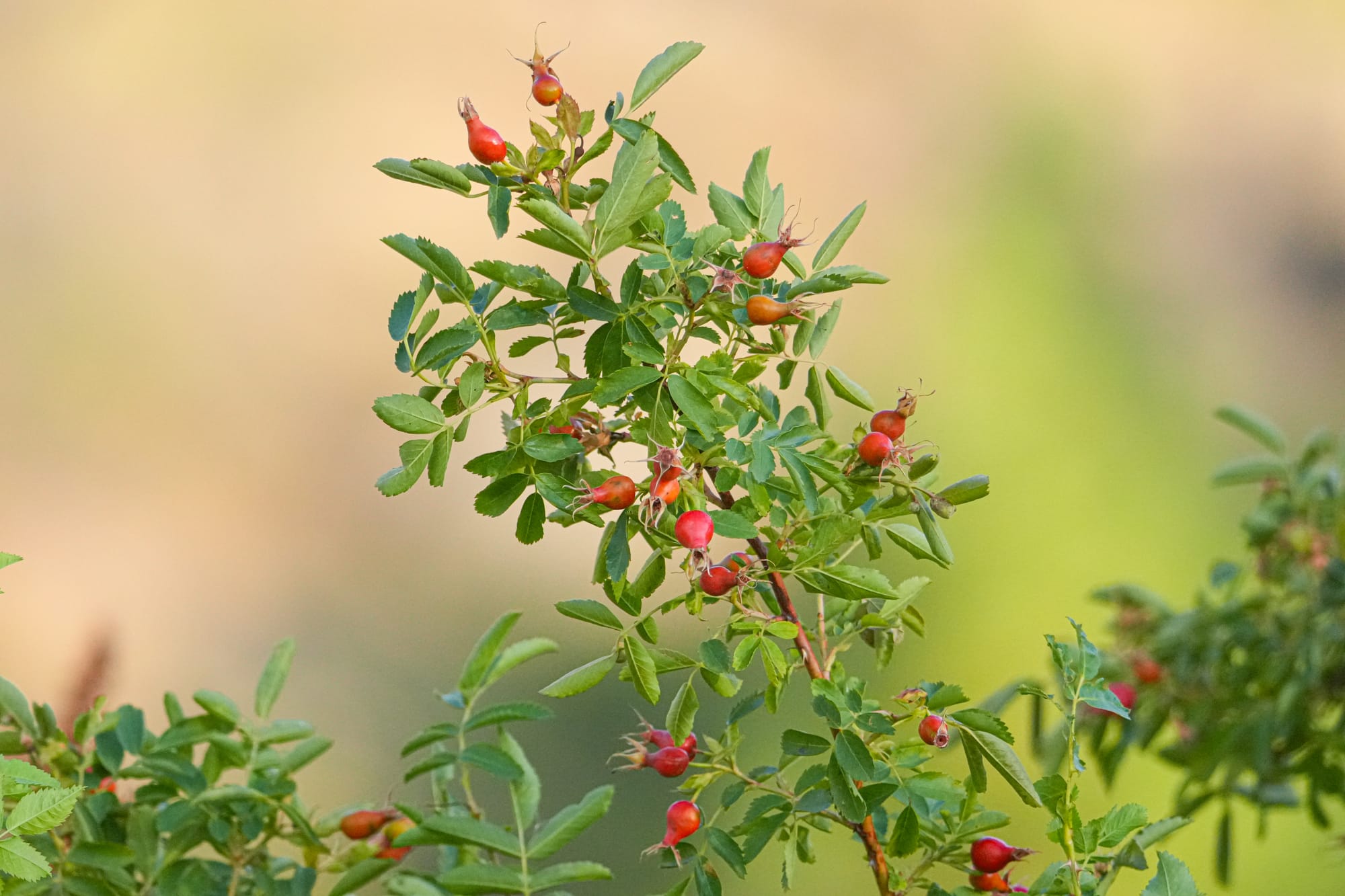
Rose hips are a lovely example of the many plants that are now brightening the late summer landscape with their fruits and seeds. You can find three species of wild rose in the Methow Valley, along with a variety of escaped cultivated roses (mostly around old homesteads).
Observation of the Week: A Squirrelly Mystery
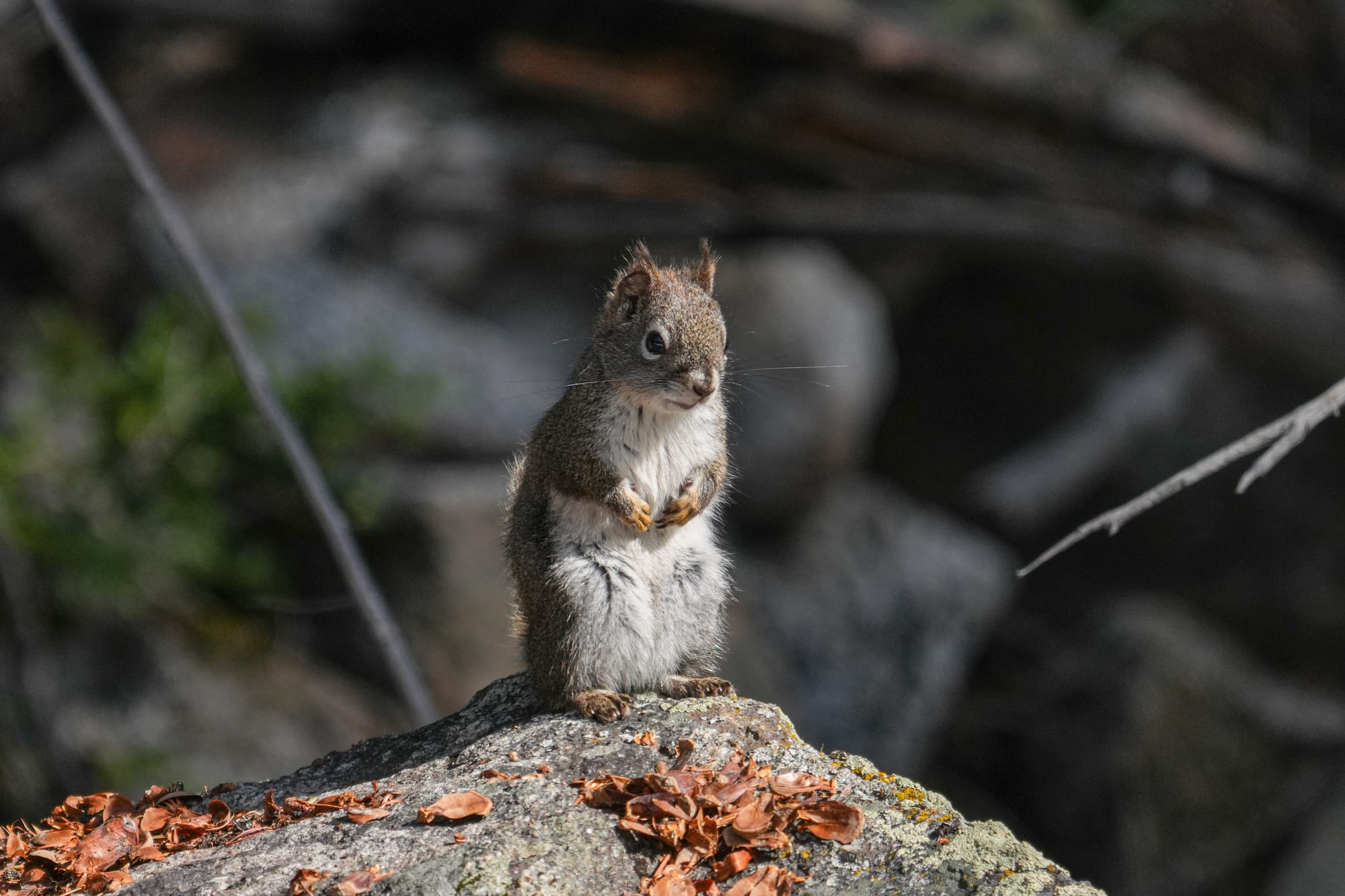
We have two closely related tree squirrels around the Methow Valley, with Douglas squirrels being common west of the Cascade crest, and red squirrels being common east of the crest. I've long wanted to better understand where the dividing line might be, and I feel like I came one step closer this week when I found both species along the trail from Rainy Pass to Cutthroat Pass.
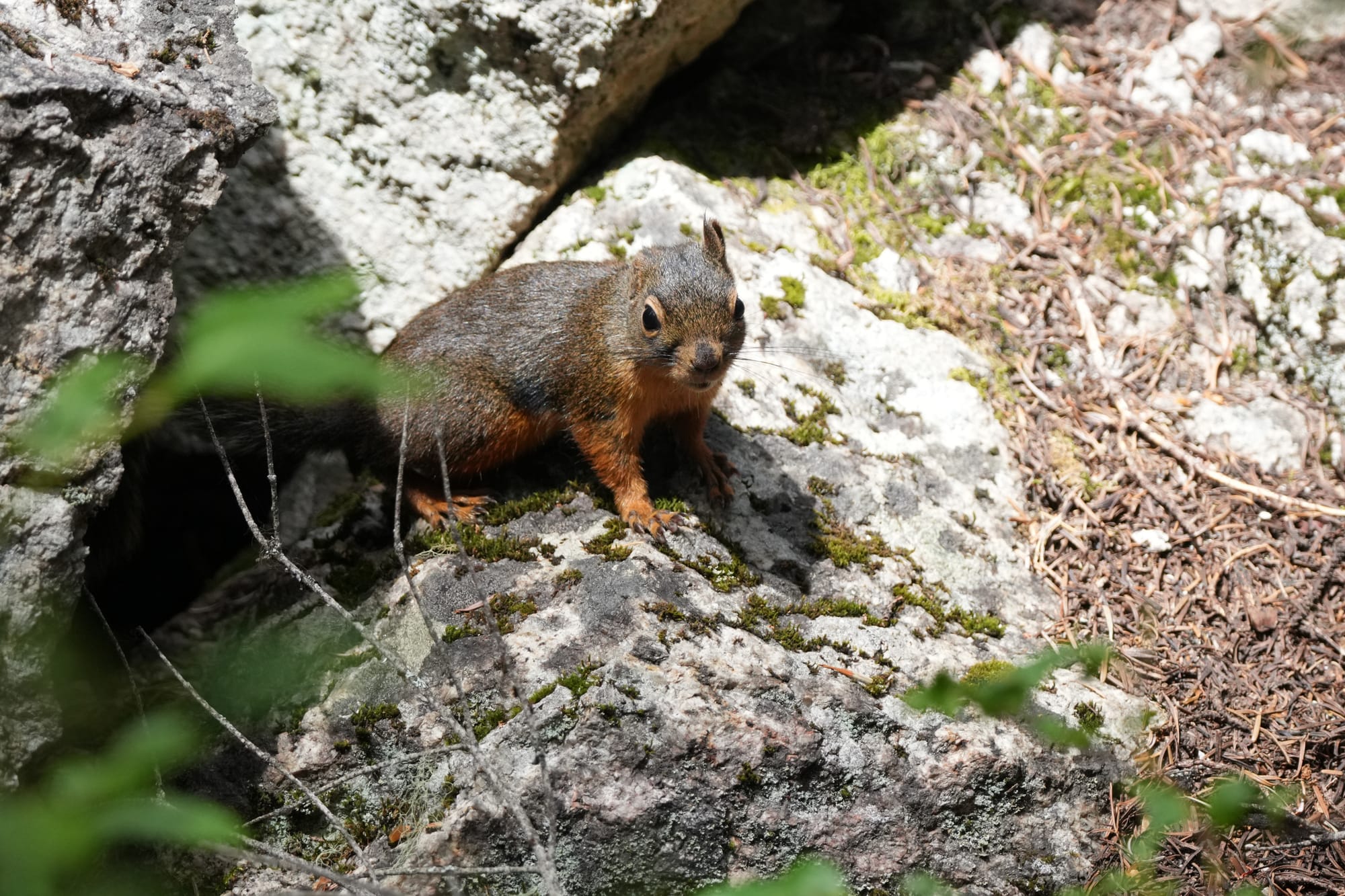
Granted, I only saw one individual of each species so I wouldn't call this conclusive evidence that this is where the dividing line is, but it's a great starting point for further investigation. However, what deepens the mystery even more is that I also spotted a baby that looked like it was a hybrid between the two species, indicating that this really is a transition zone.
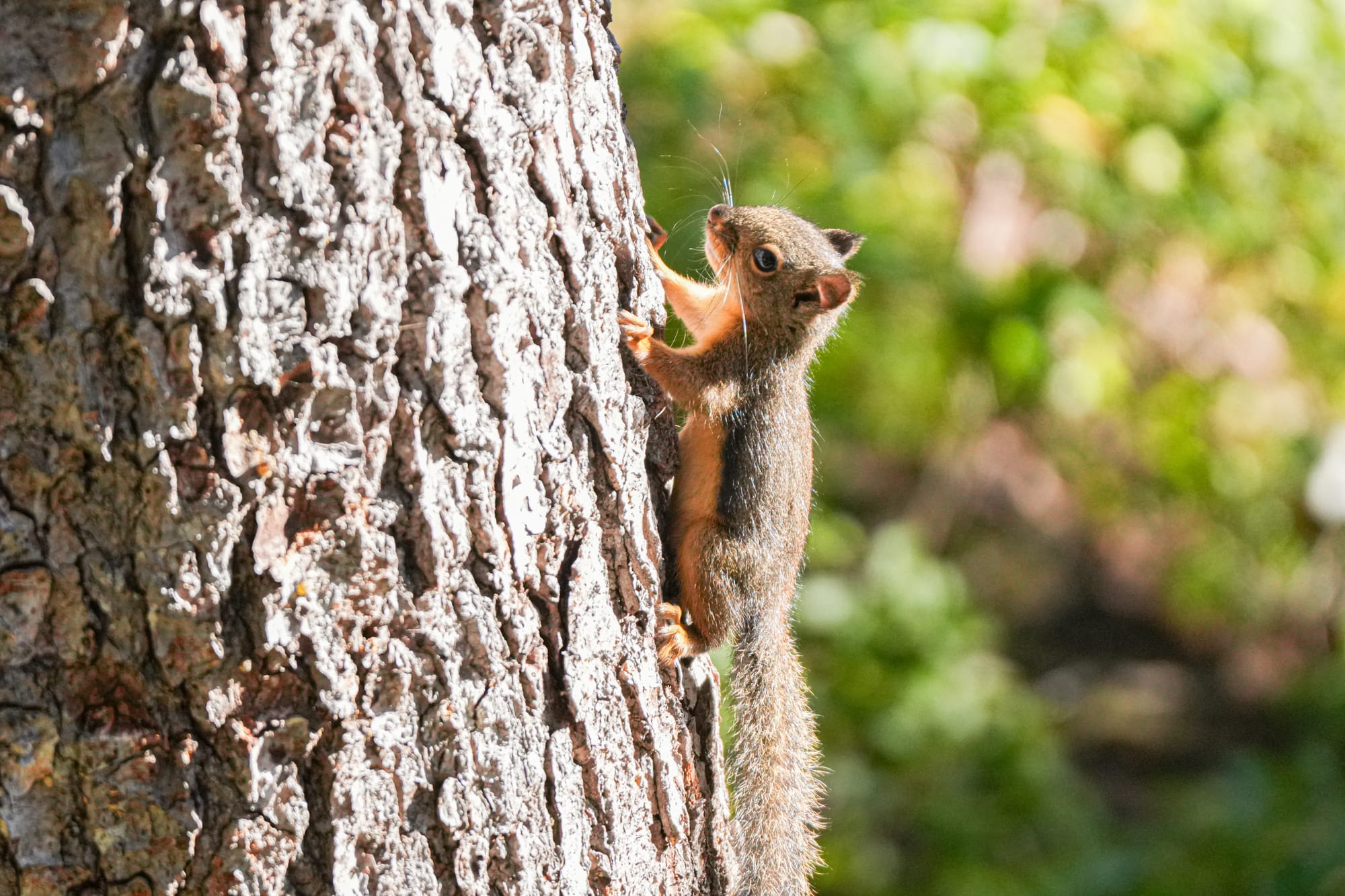
Doing a quick online search, I found mention of researchers who were studying this exact question around Washington Pass, so the next step would be to find someone who knows more about this fascinating question. Stay tuned for more.
