Just Dropping By
November 1-7, 2026

Colder days with weak sun and rain have squeezed the last morsels of summer warmth from the year.
Week in Review
It looks like November 1 will be the last warm and sunny day this year, because even though the rest of the week continued to be relatively sunny, the sun's rays were weak and filtered by thin clouds and the haze of many prescribed fires.
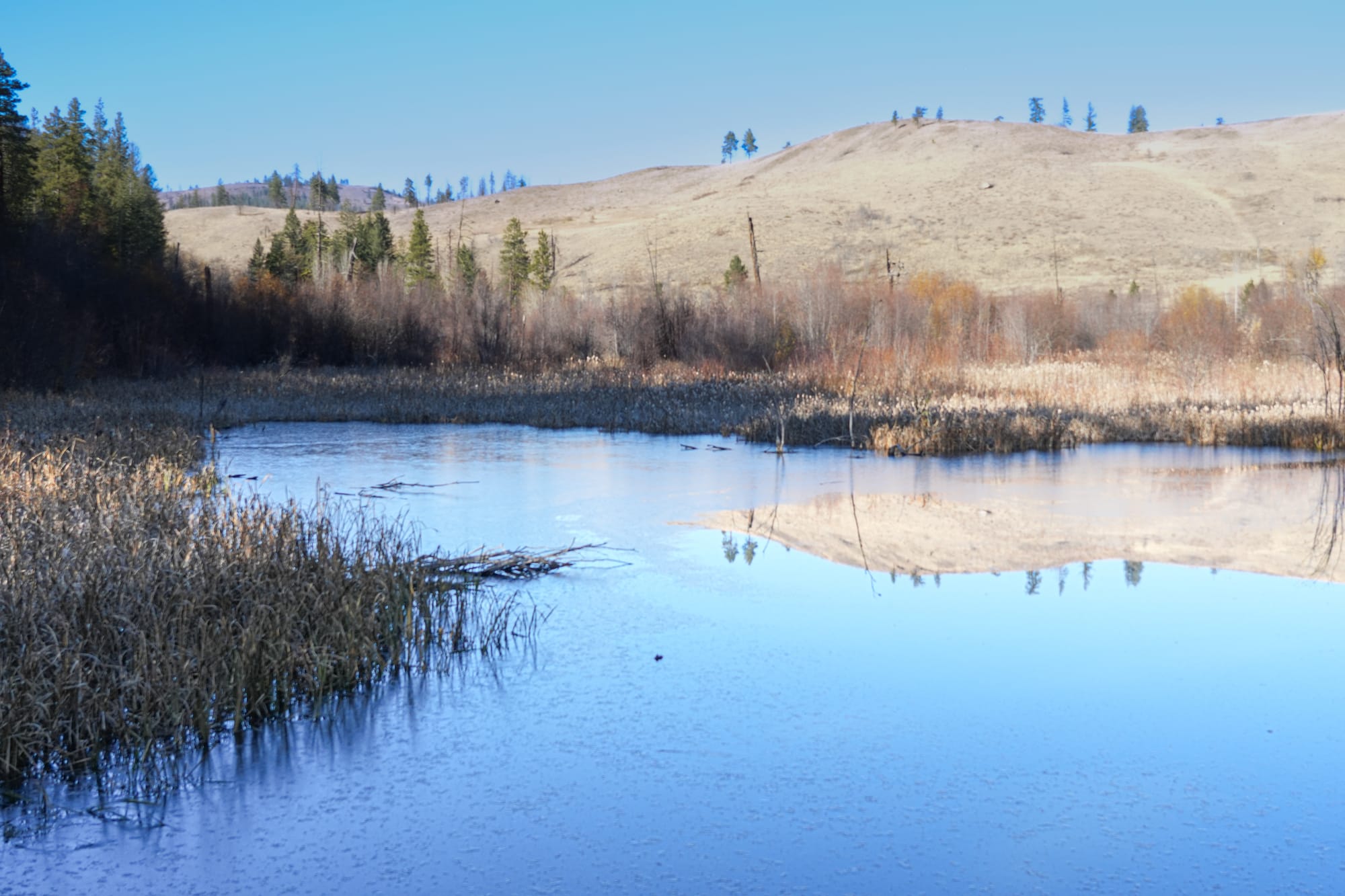
However, it was incredible to be out in the warm sun on that one day because birds and squirrels were active and noisy, and there were even a couple of darner dragonflies zipping around.
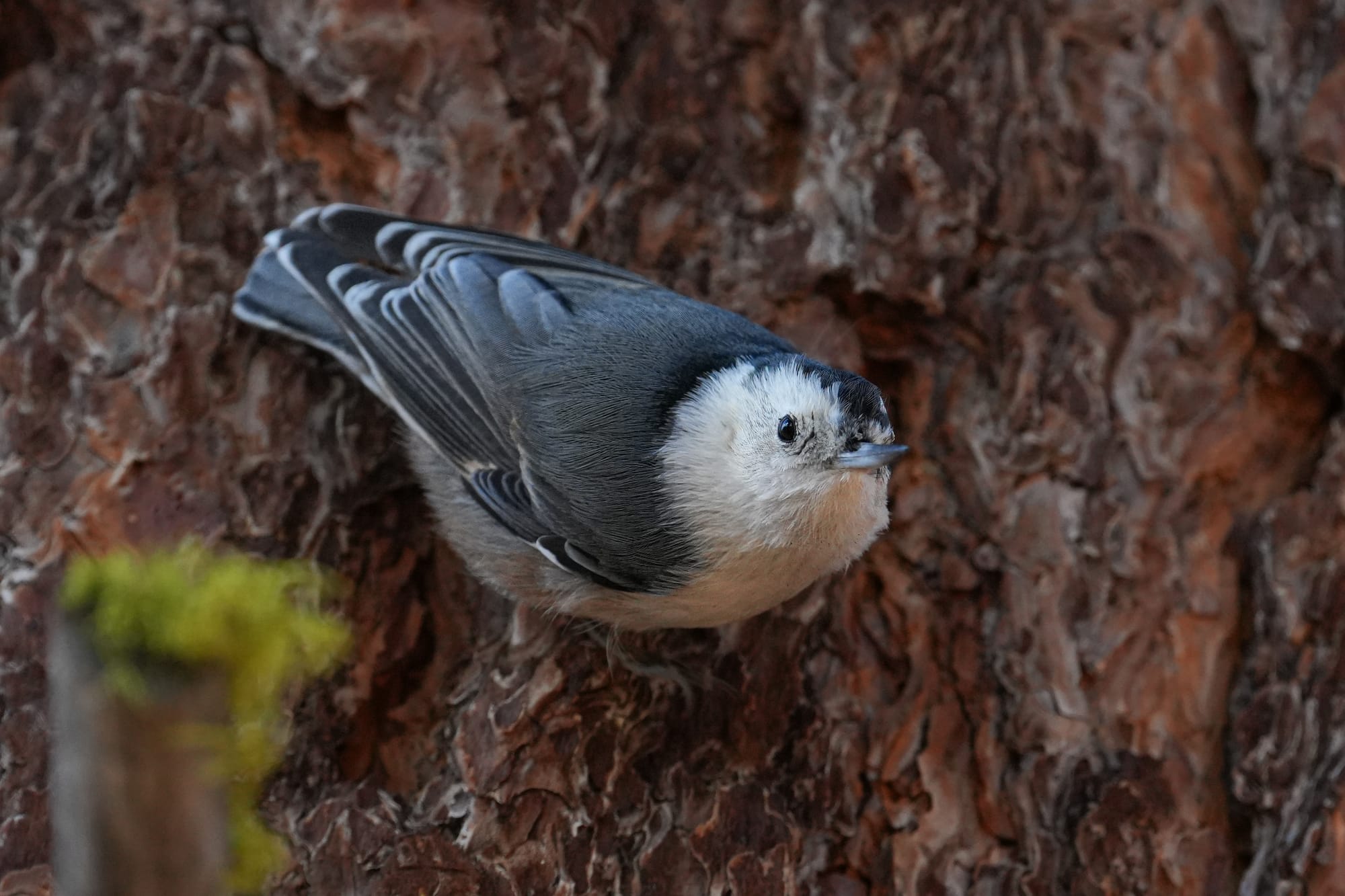
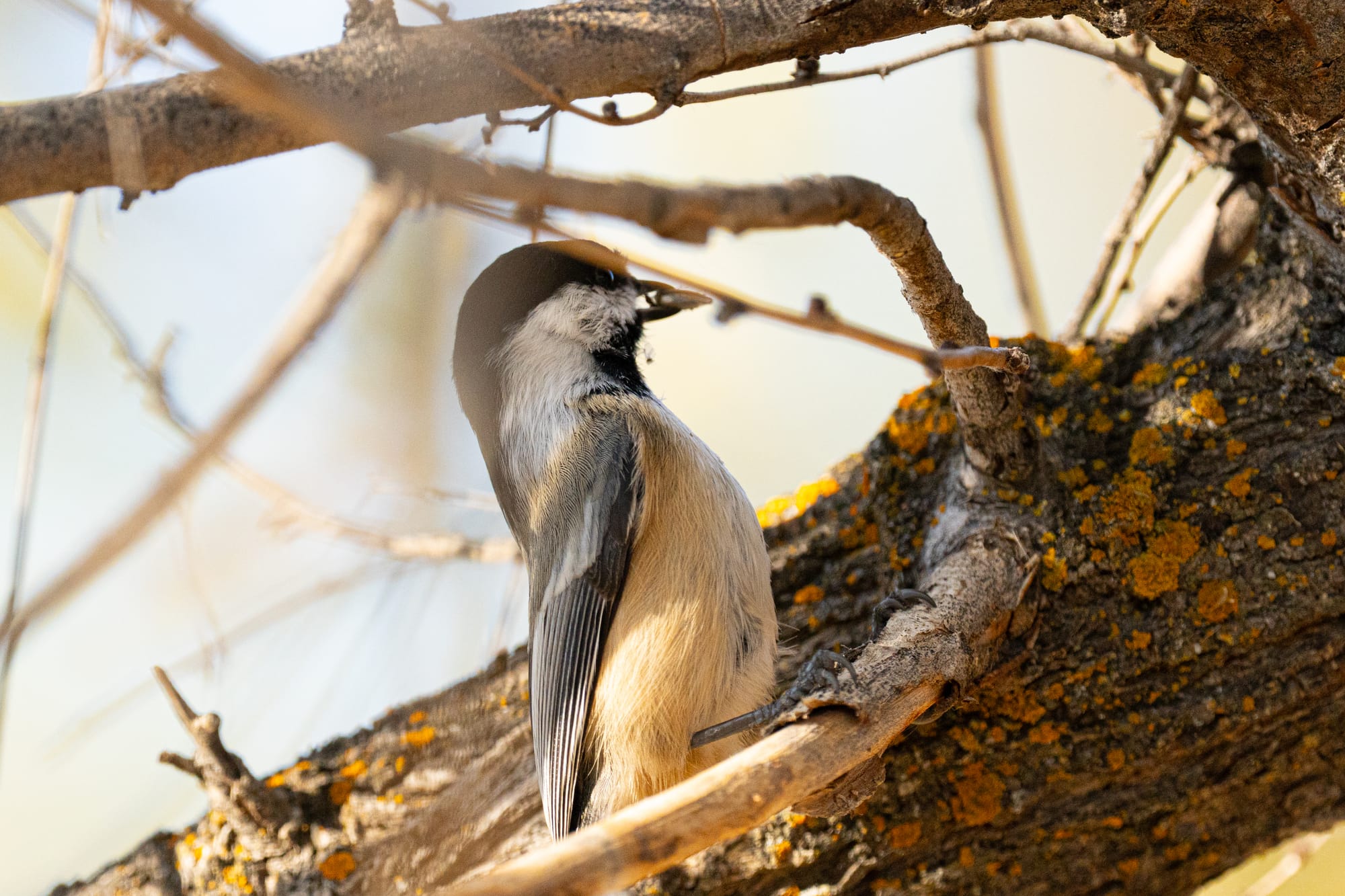
On a sunny day, white-breasted nuthatches and black-capped chickadees were very busy collecting and stashing seeds for the winter. Photos by David Lukas
In comparison, the rest of the week has felt dead quiet and empty. A few plants might still be holding onto a handful of colorful leaves, but most trees in the valley dropped their leaves this week.
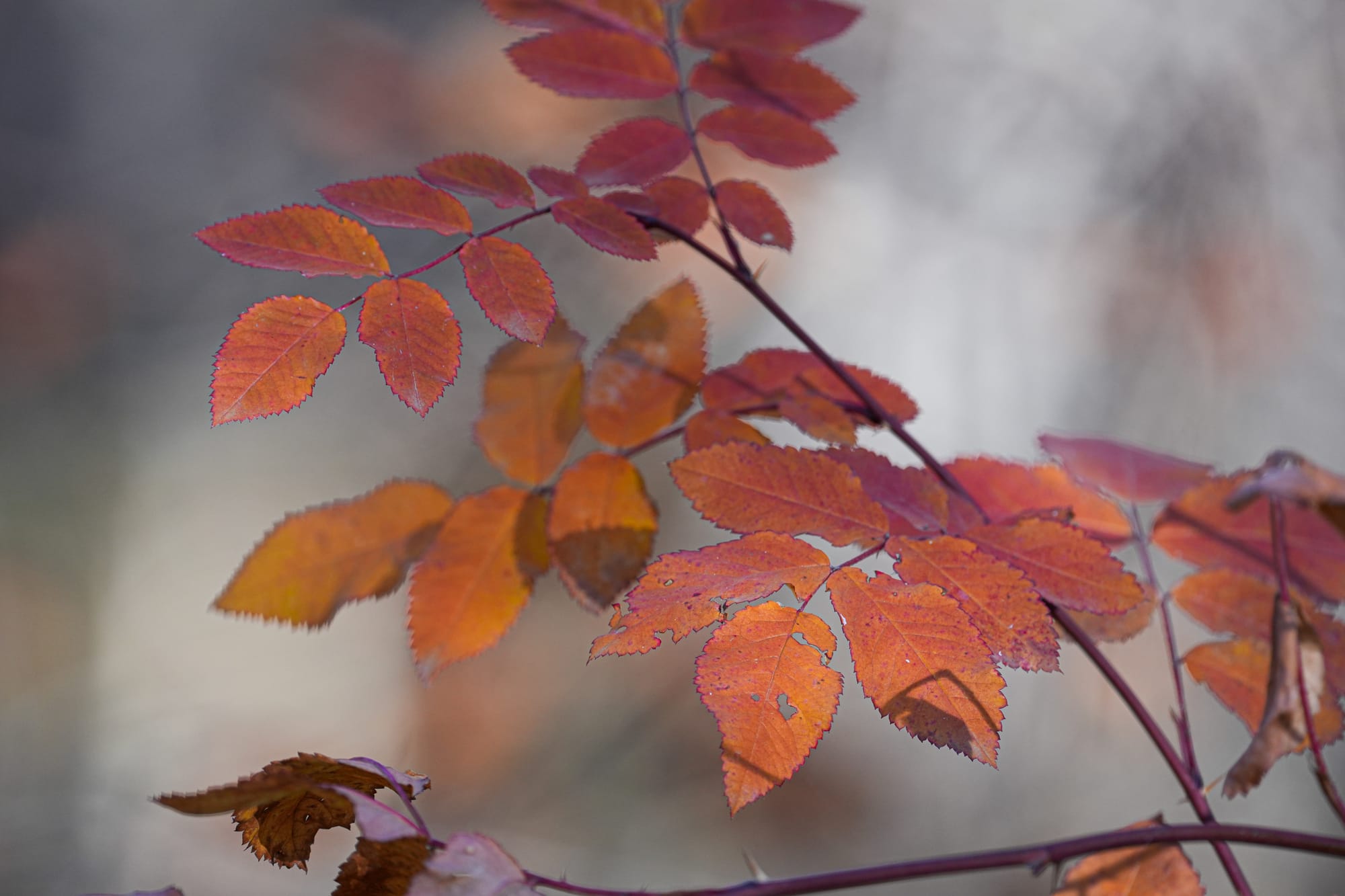
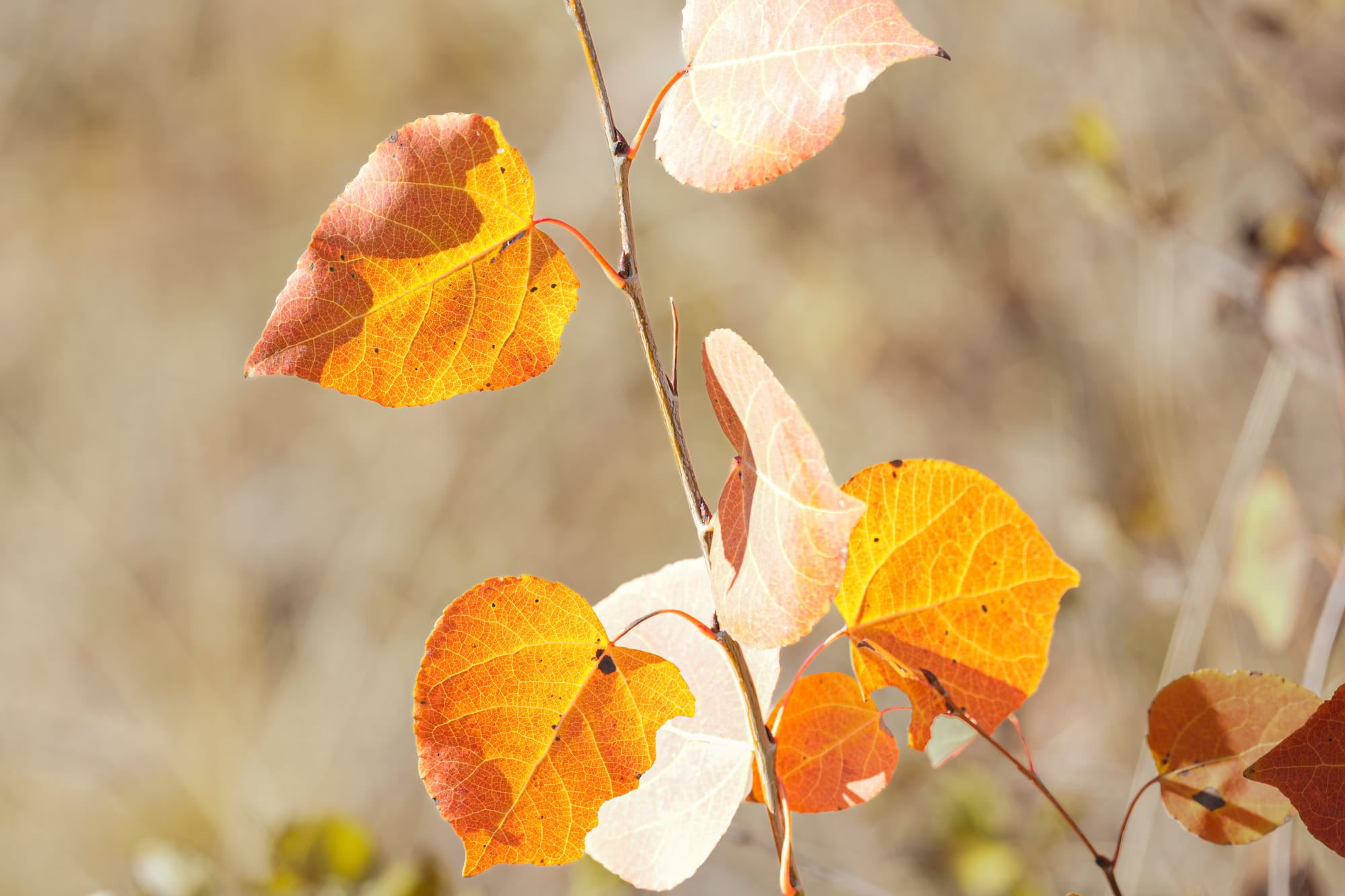
Some wild roses and aspens were still holding onto a bit of color this week. Photo by David Lukas
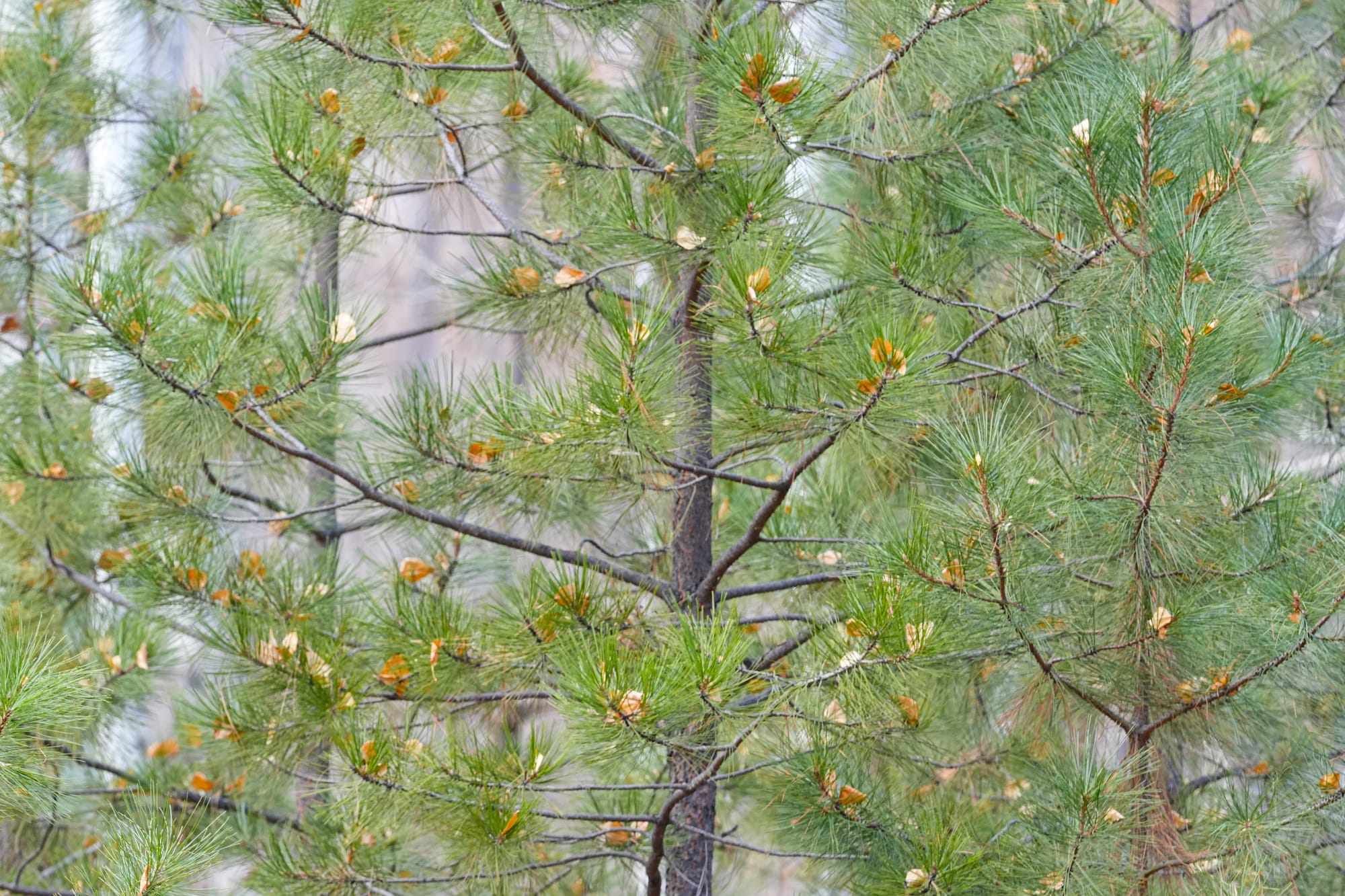
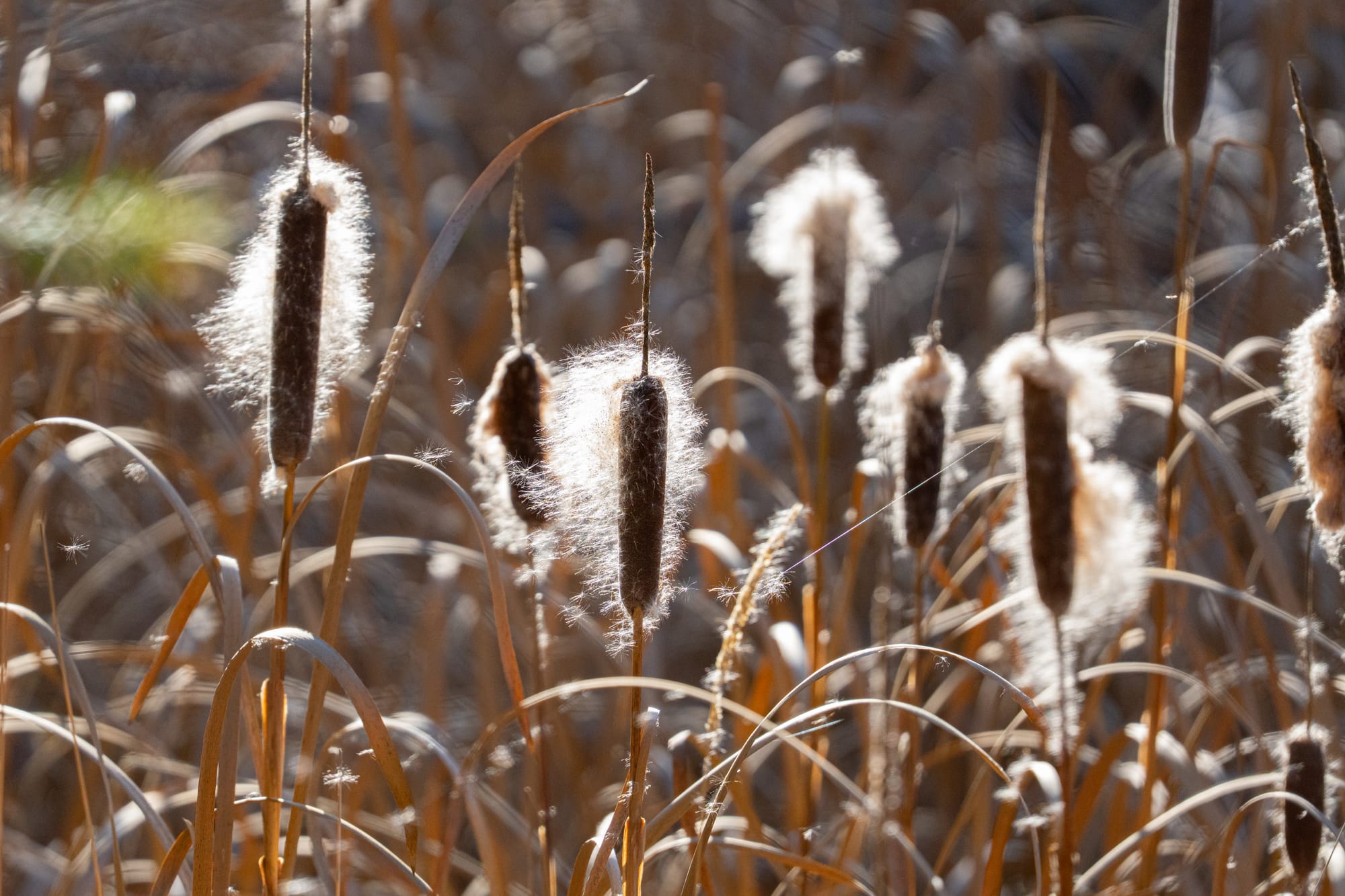
One of the goals of plants is to disperse their seeds as widely as possible before rain and snow arrive, and this is especially important for plants that disperse their seeds in the wind because wet, heavy seeds don't go very far in the wind. Fireweeds made their big push about a month ago, and it looks like cattails are in full swing now. This makes sense because cattails want their seeds to land on exposed mud while lakes and ponds are at their lowest levels of the year, so their seeds can get a foothold before water levels rise with the first rains.
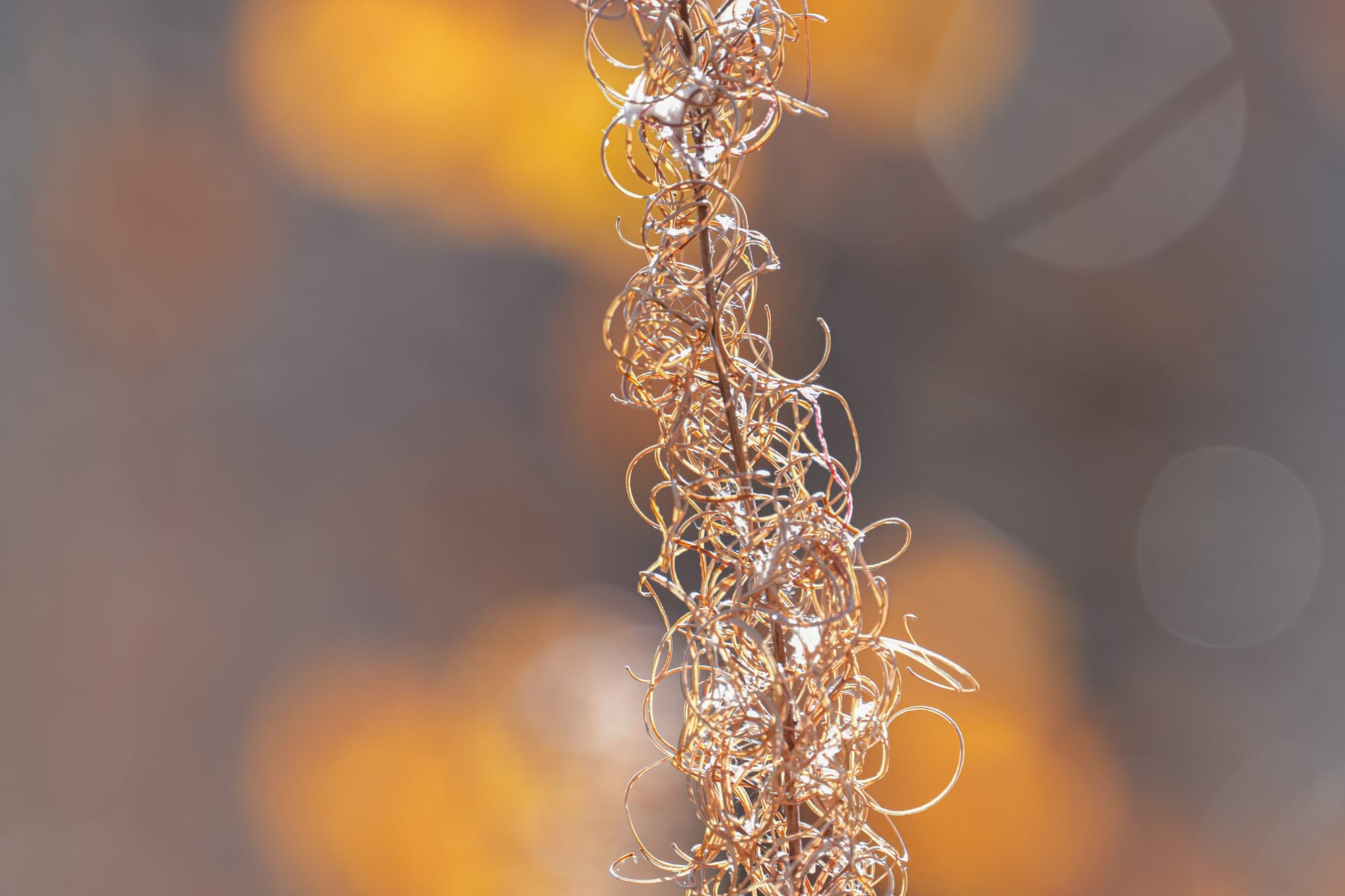
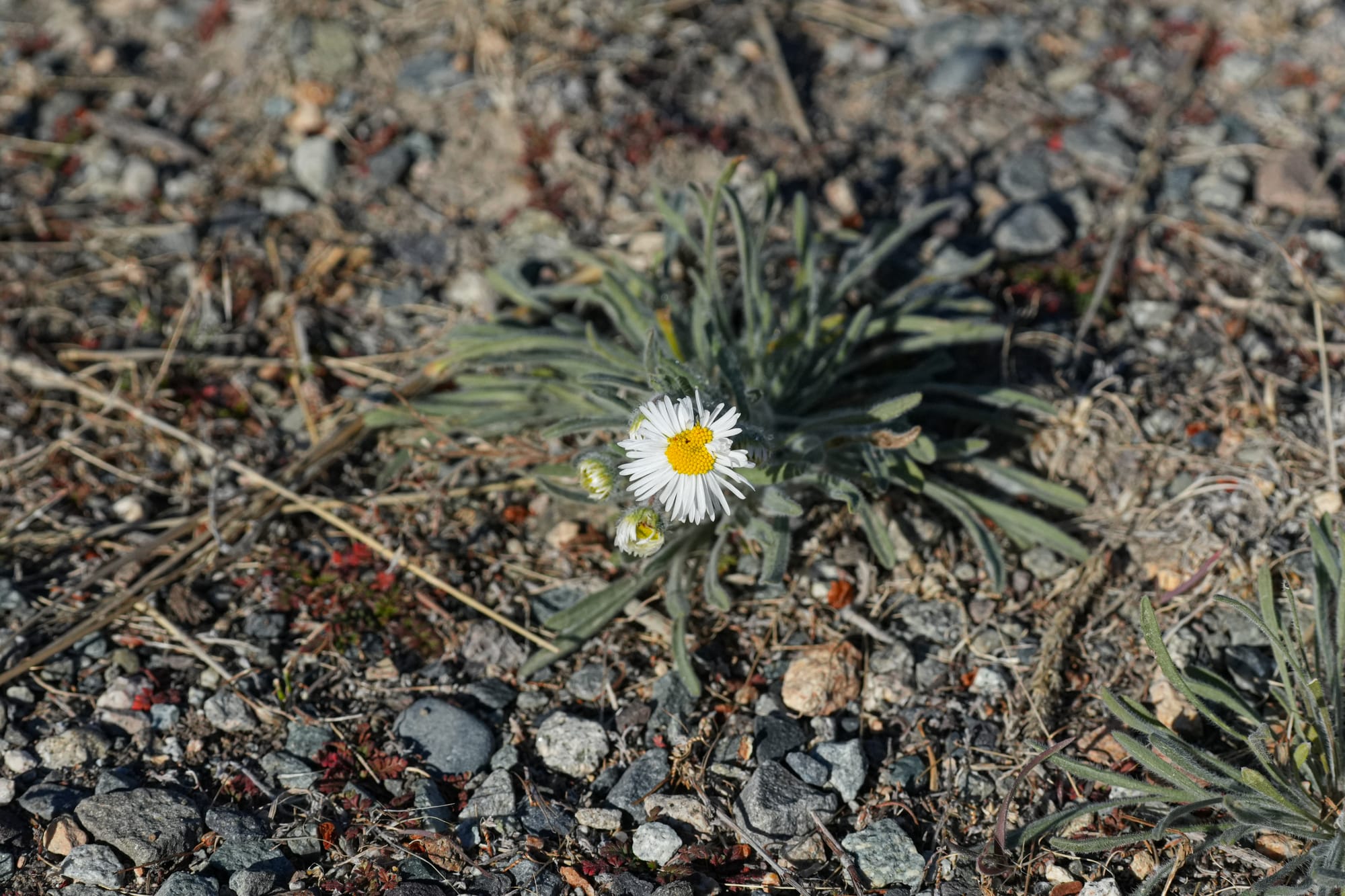
Speaking of plants, I was amazed to also find one very late thread-leaf fleabane flower! An advantage of blooming so late in the year is that you're going to be irresistible to any remaining pollinating insects, but the disadvantage is that there aren't other flowers to cross-pollinate with!
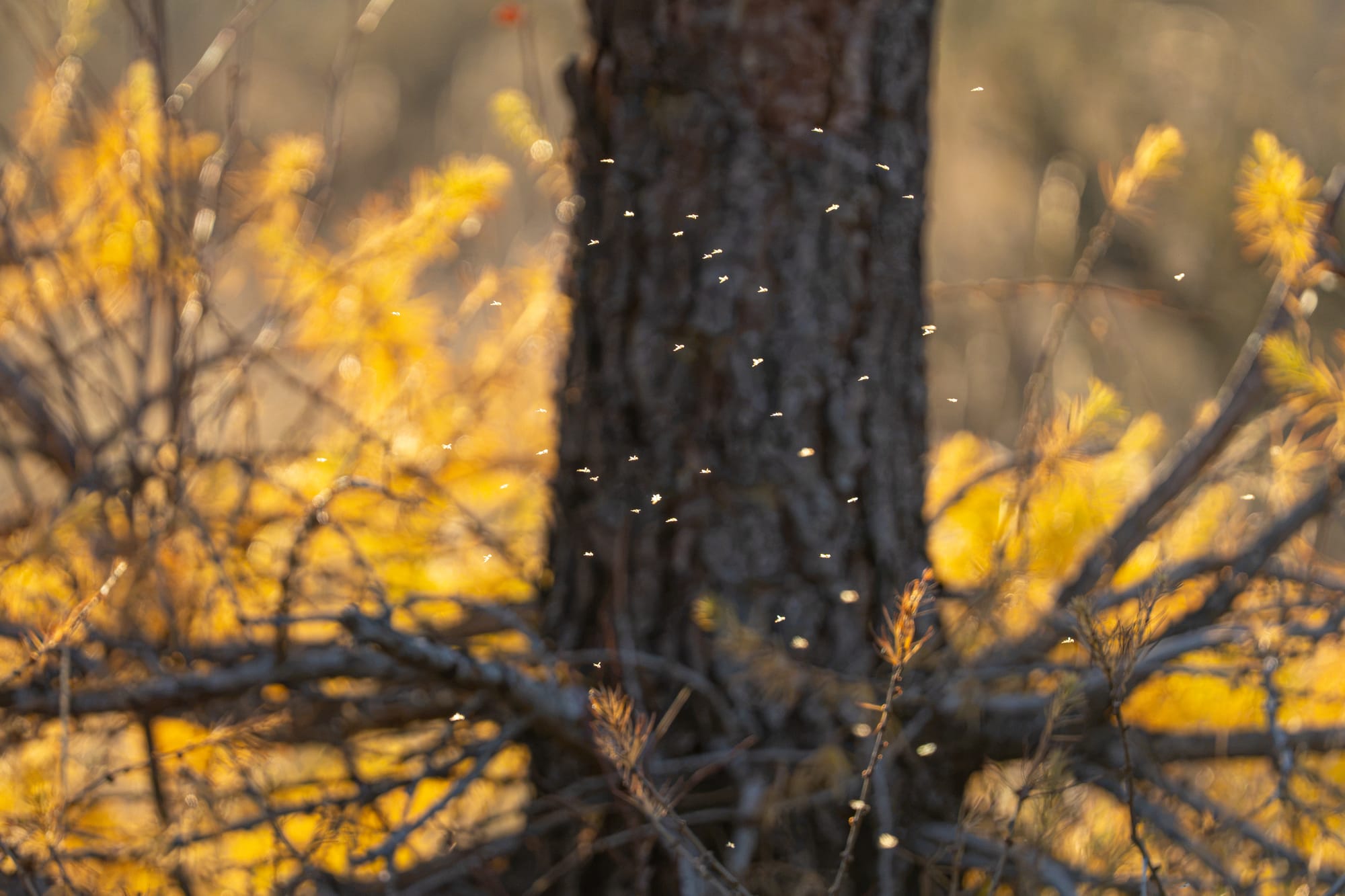
Because insect-eating birds migrated south weeks ago, this has been an ideal time for small insects to gather and mate. In particular, I've noticed small insects gathering in a mating behavior known as lekking, where males "dance" together to attract females. You're most likely to notice this in the late afternoon on a sunny day when these tiny insects are backlit by the sun.
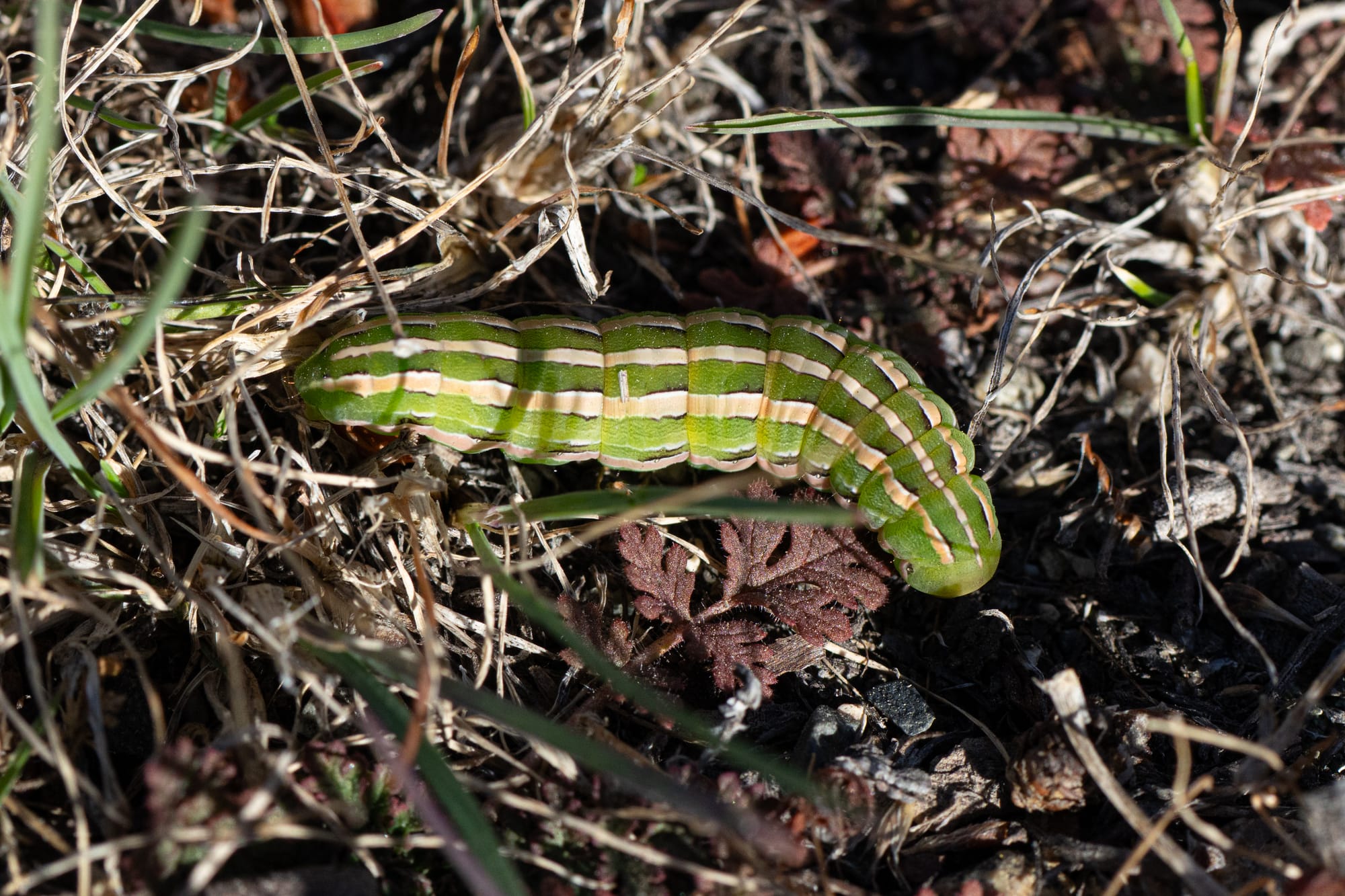
The biggest surprise this week happened when I was crawling around hoping to find the early leaves of next year's bitterroot flowers. Instead, I discovered a large, colorful caterpillar that turned out to be the caterpillar of a girdler moth, also known as the olive-green cutworm (Dargida procinctus). Except for the depths of winter, these boldly patterned moths are active year-round and their caterpillars feed on grasses, with a preference for reed canary grass.
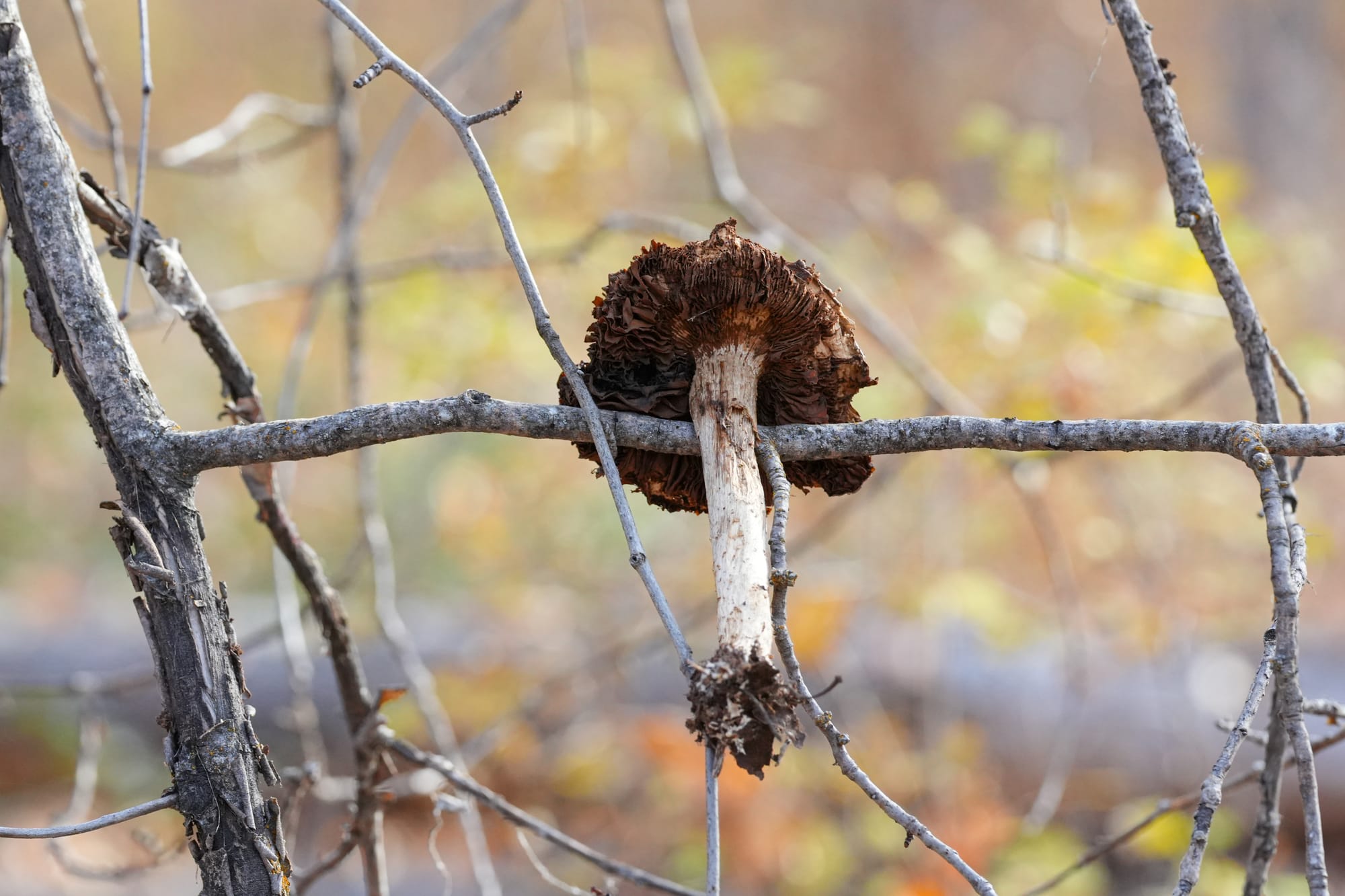
As I mentioned earlier, I heard many red squirrels scolding and chattering this week so I'm guessing that they're feeling a bit agitated and feisty as they cross paths and trespass on each other's territories while stocking up on food for the winter. I didn't actually see a squirrel this week, but I did notice examples of their gathering activity.
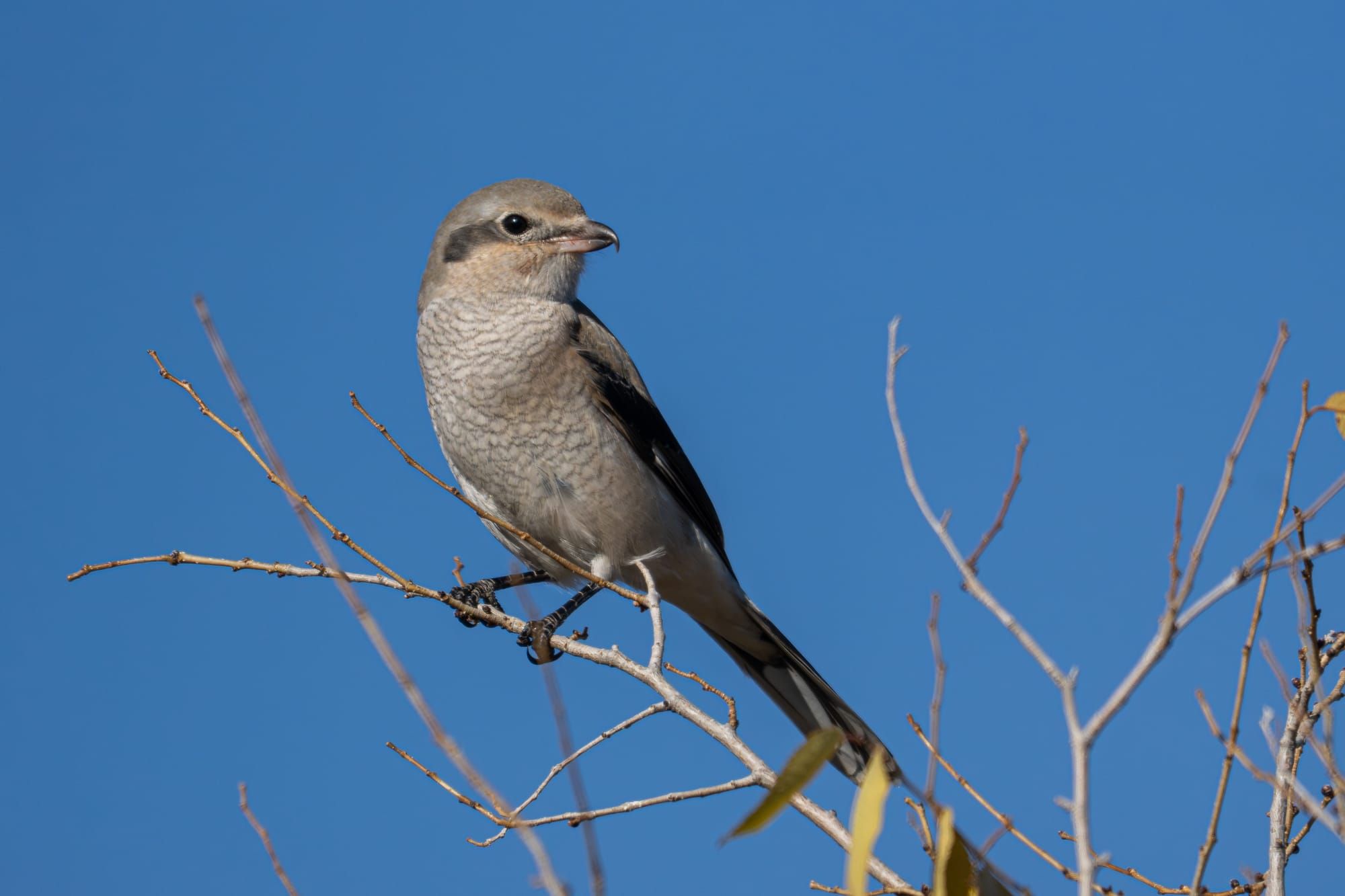
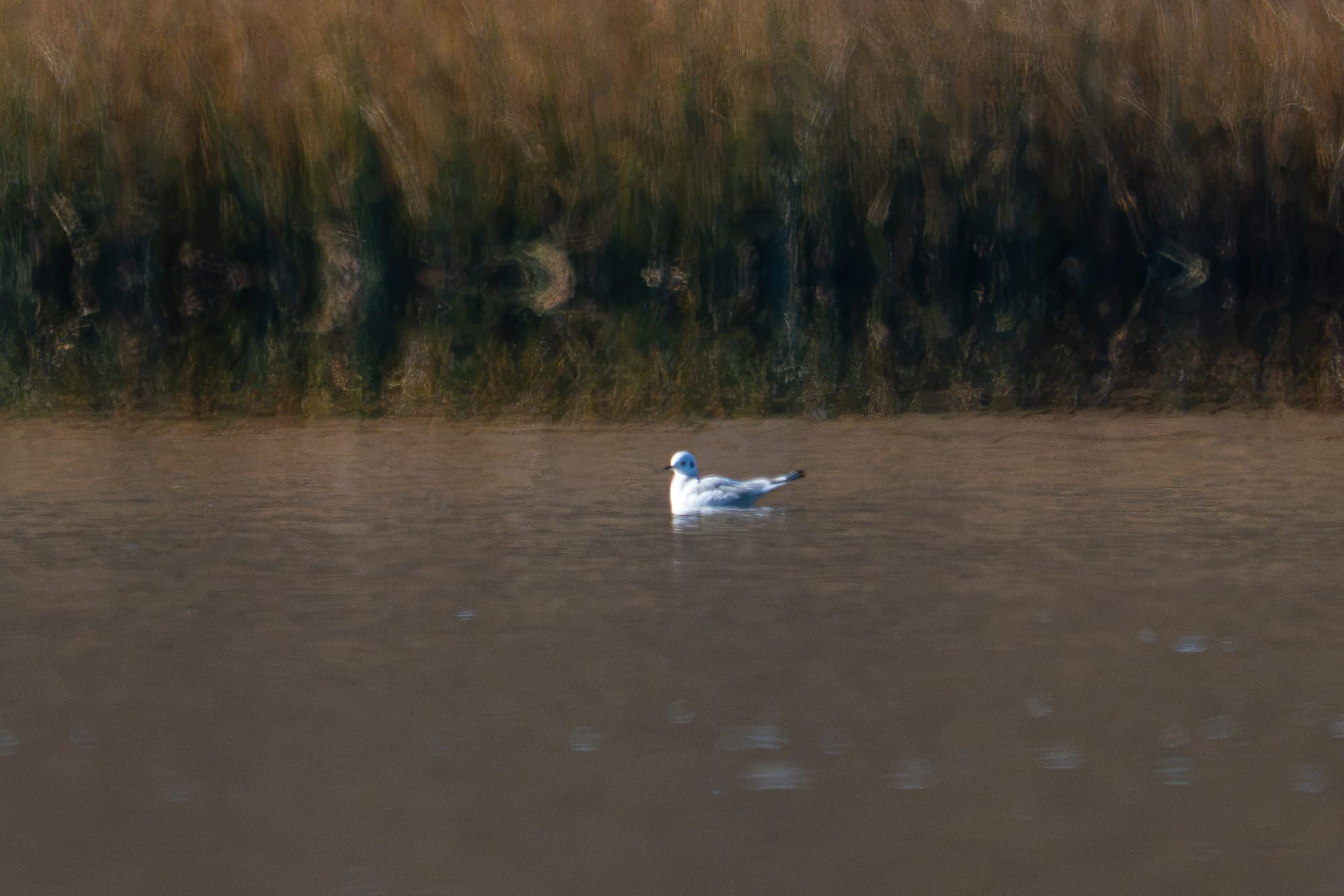
Finally, in addition to northern shrikes who arrived from their far northern breeding areas to spend the winter with us, the other notable bird sighting this week was a lone Bonaparte's gull that stopped briefly at Big Twin Lake on November 2. Bonaparte's gulls are rare but regular migrants through the Methow Valley, with a few birds reported each fall, but they are very rarely seen anywhere east of the Cascades after the end of October.
Observation of the Week: A Closer Look at Concrete
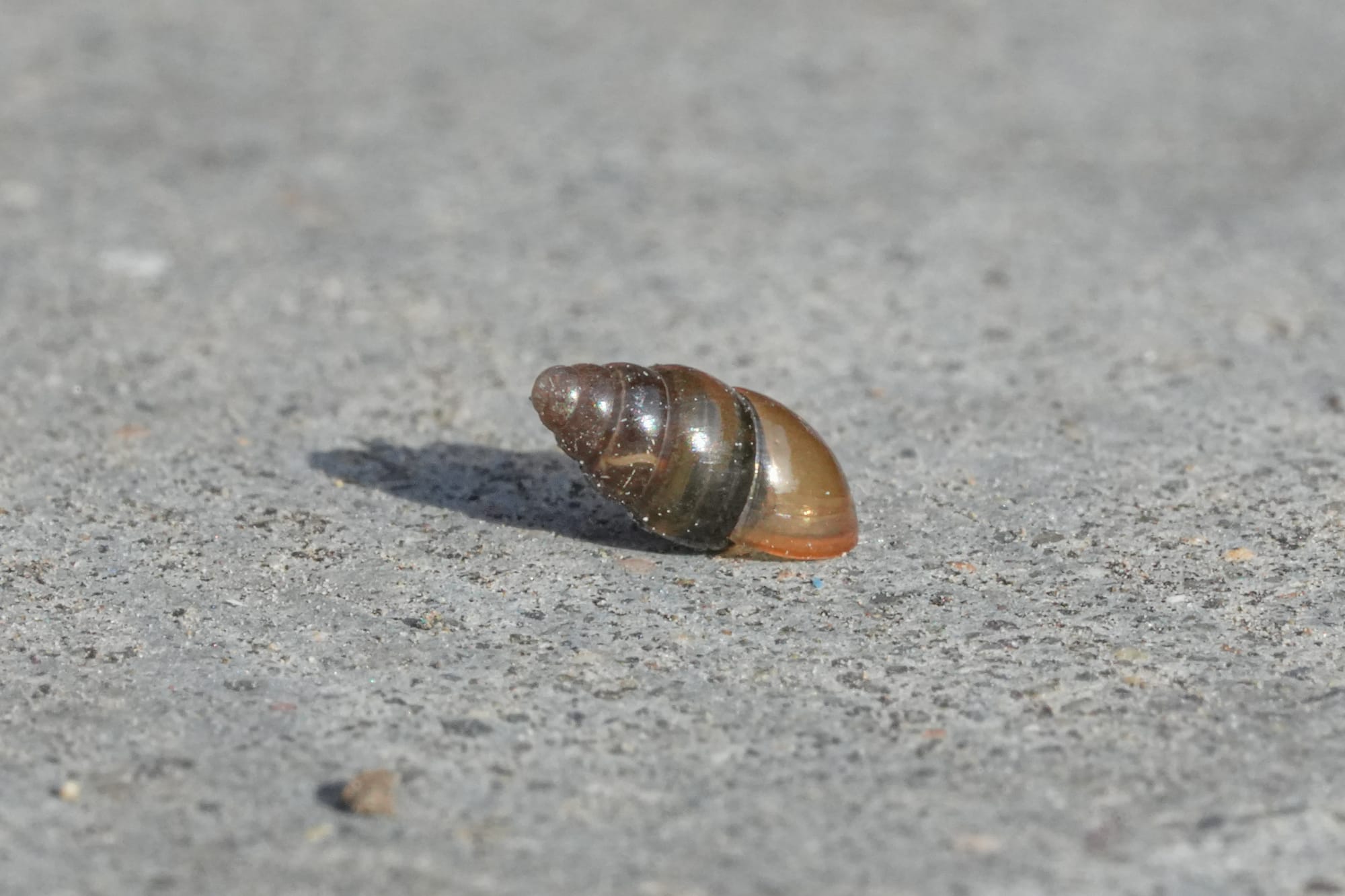
Concrete?! You might wonder why concrete is the "observation of the week." Well, I was sitting out on our patio, reviewing my observations for the week and thinking about how little is going on at this time of year, when I spotted a tiny snail and stooped down to take a picture.
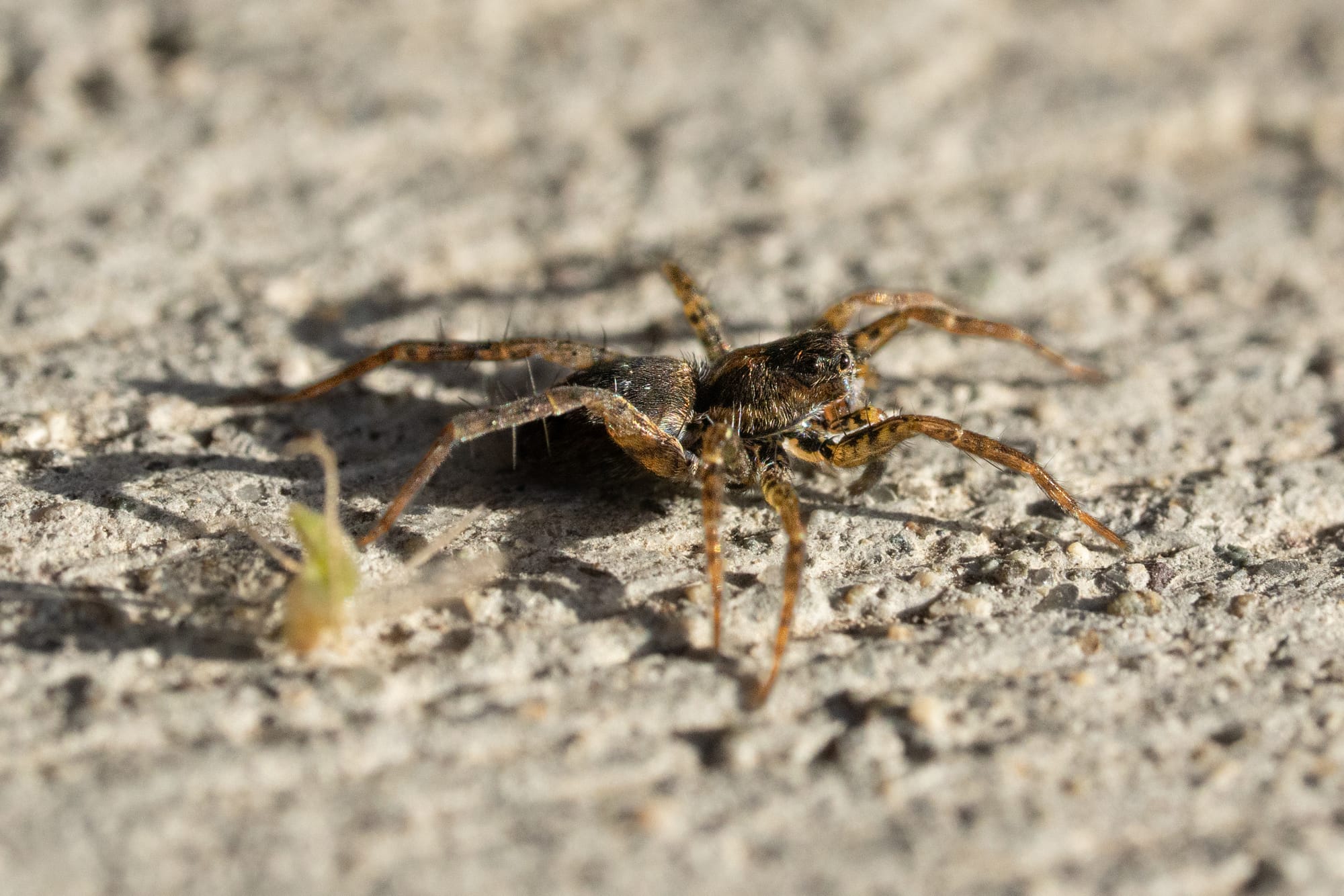
I suddenly realized that there were all kinds of tiny critters running around on the concrete. At the top of the list were dozens of small, very active spiders, and though they were hunting spiders, they seemed to be ignoring potential food in favor of interacting with each other.
In a matter of moments, I easily found at least half a dozen different critters, and the longer I watched, the more types I kept noticing (though I stopped trying to photograph each one).
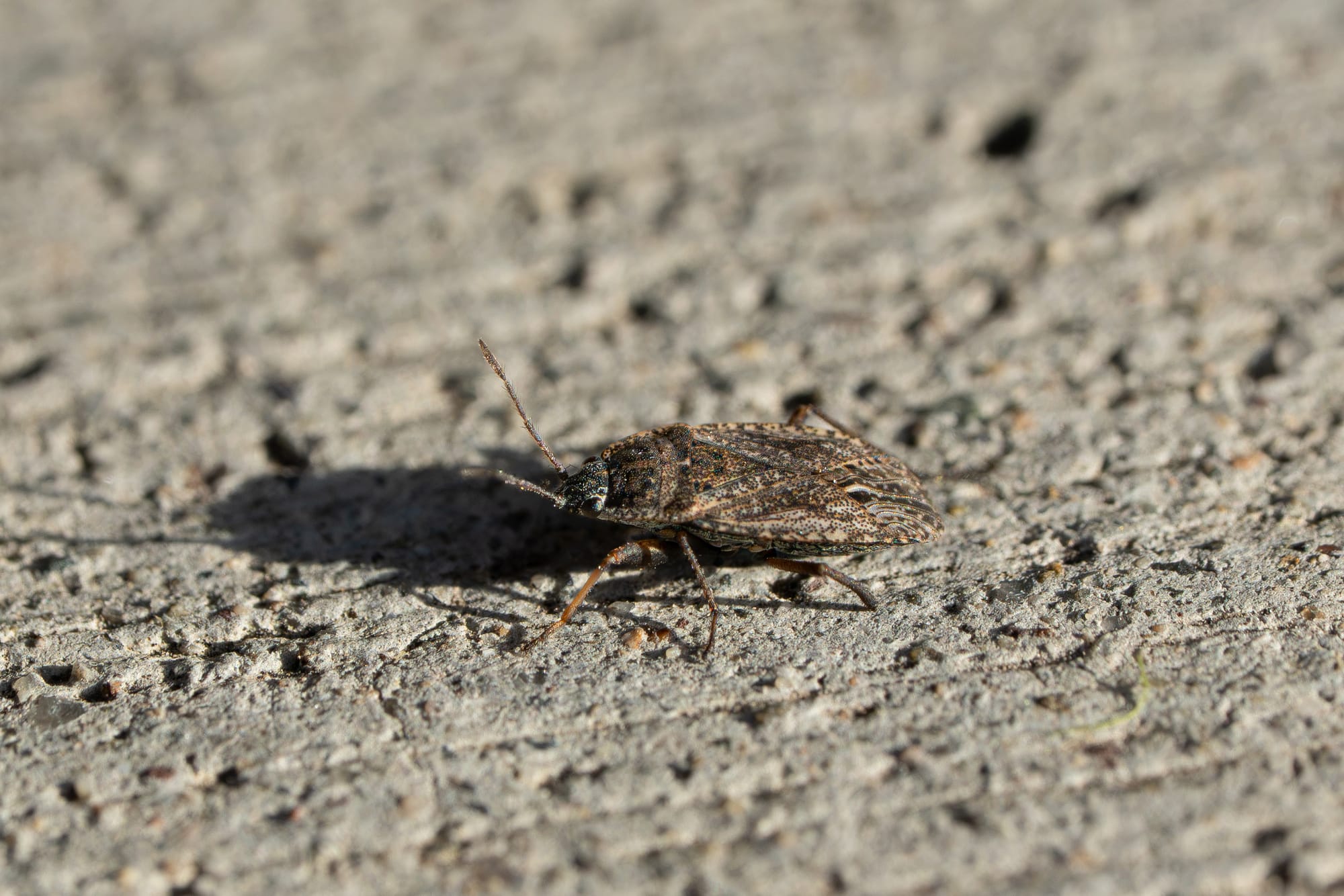
It's likely that all of this activity is also happening among the grasses and fallen leaves but is simply more obvious when these critters are exposed on an open concrete slab. Or maybe their numbers are higher on the concrete because they're attracted to the warmth of the concrete?
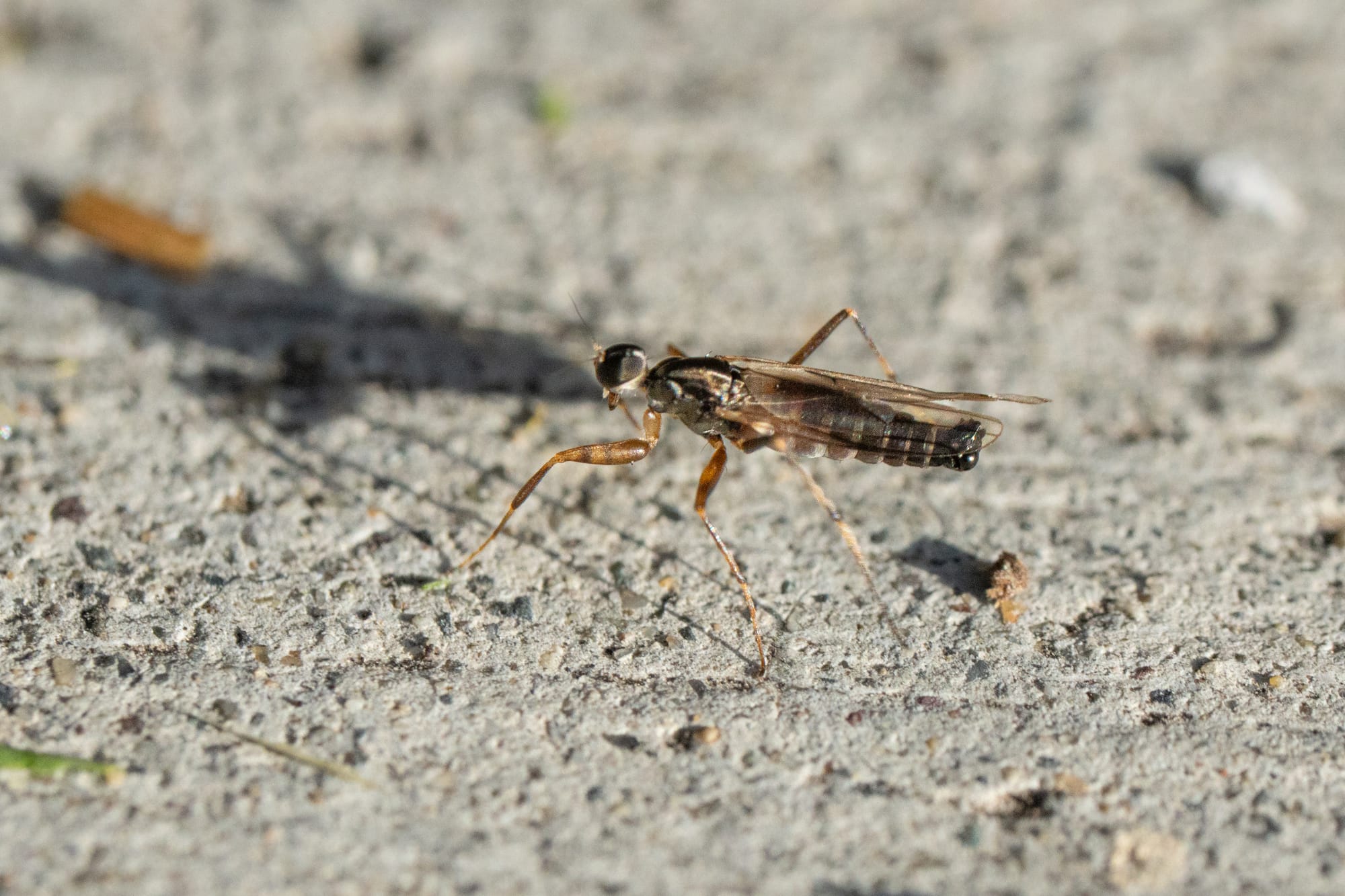
I mention this observation because it's a perfect example of how you can observe nature in even the most unexpected places if you slow down and take a closer look.
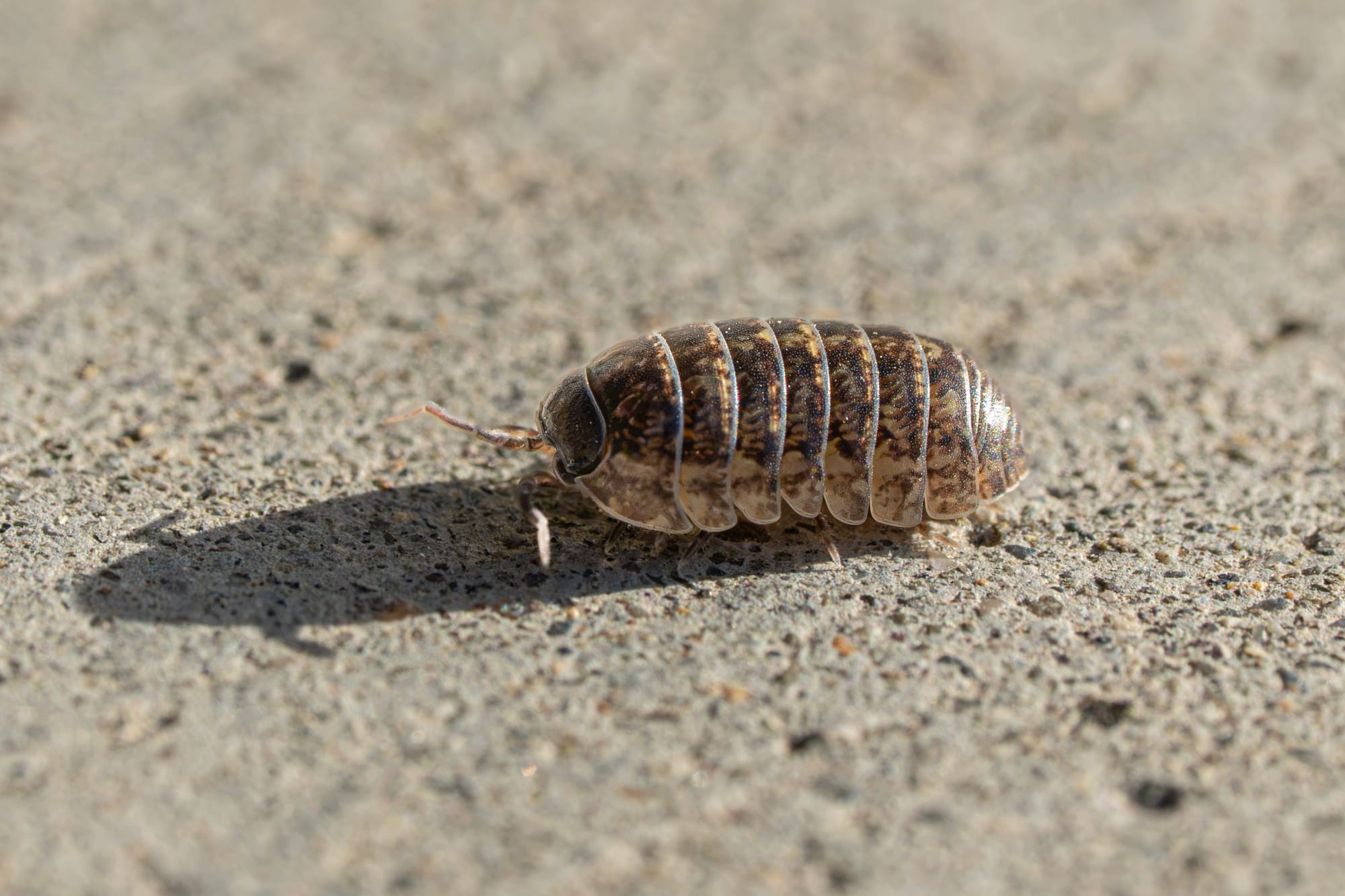
Observation and curiosity are a naturalist's superpower, and they are skills that everyone can practice and perfect. As the poet Mary Oliver so eloquently writes, "Pay attention/Be astonished/Tell about it."
 Phil Starks
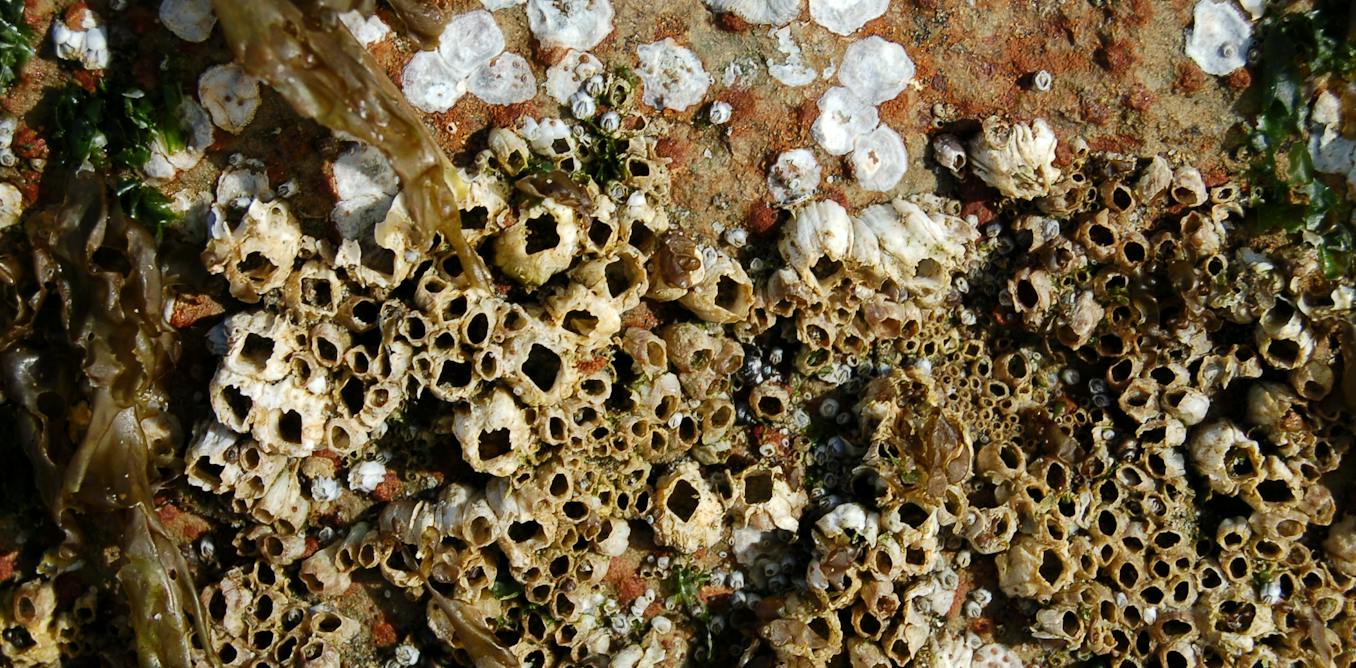
And speaking of paying attention, I enjoyed reading this article this week.
