Skating to Winter
October 11-17, 2026

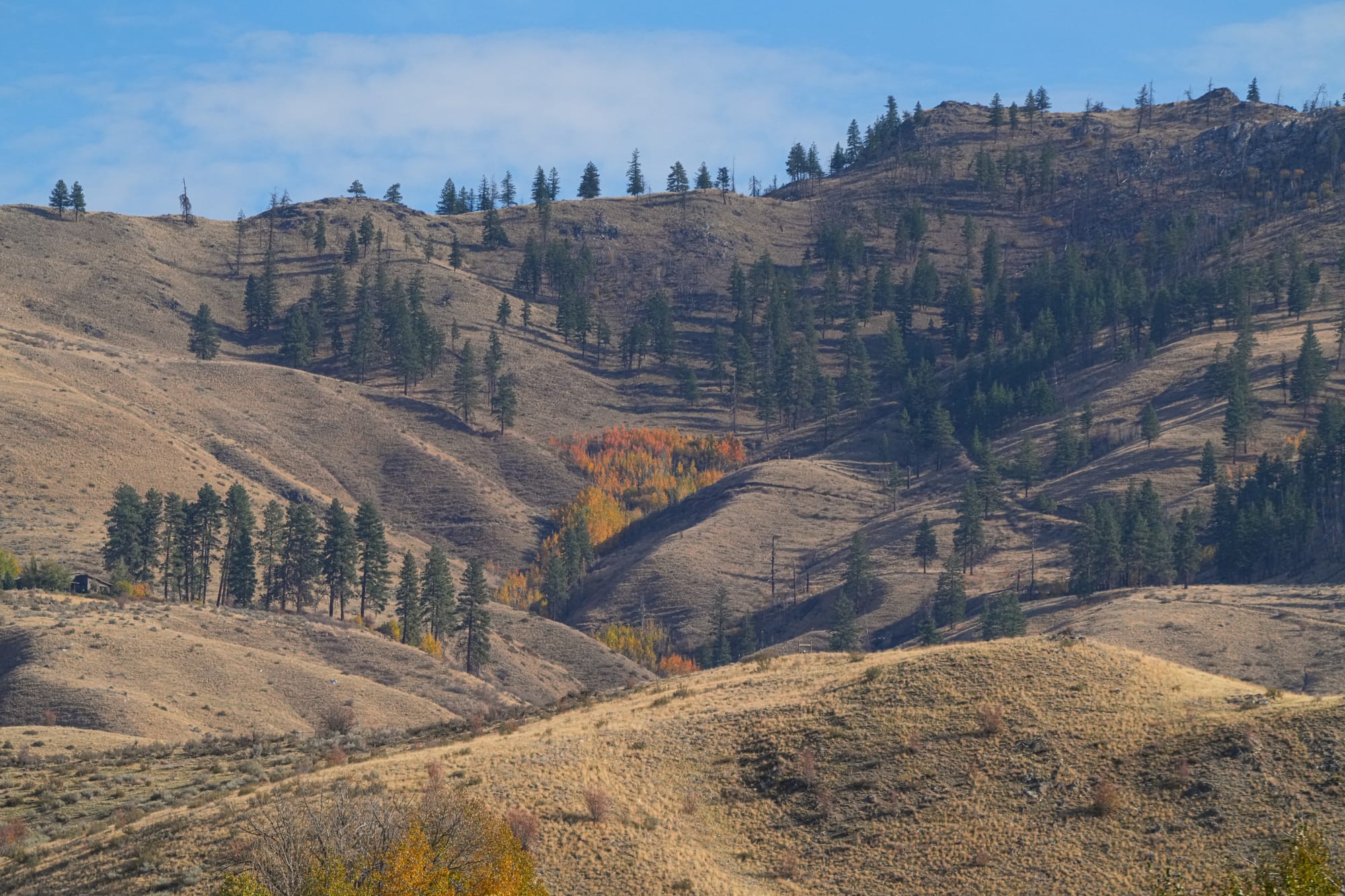
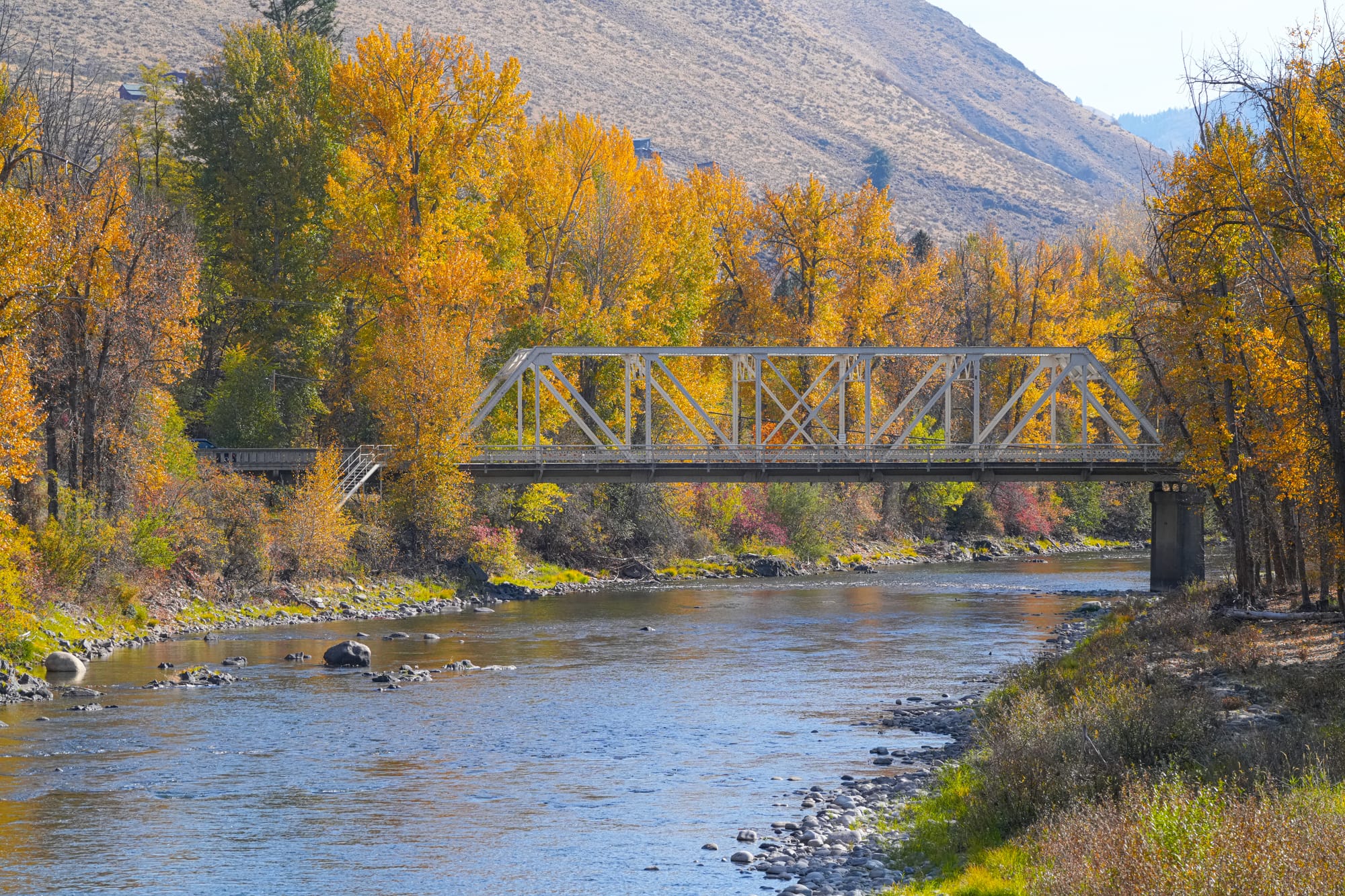
A mostly sunny week made for picture-perfect days as fall colors begin to fade and the first frosty nights of the year set in.
Week in Review
It's become increasingly hard to find signs of life as the smoky summer of 2026 draws to a close. Long walks might reveal a single grasshopper, a single dragonfly, or a single butterfly, while mammals and birds are few and far between. Even fall colors are beginning to fade, though you can still find pockets of oranges and reds scattered around the landscape.
It's worth noting that this year's fall colors seem much more subdued and short-lived than they were last year and some other years. The intensity and quality of fall colors are partly determined by both daytime and nighttime temperatures in the fall, but they can also be impacted by factors like drought, so I'm not sure if this very dry year is having an effect on what we're seeing now.
Whether leaves are still brightly colored or simply turning brown, one thing that you'll immediately notice is that most leaves have dark splotches. Even as they turn brown and dry up, leaves still contain a lot of valuable nutrients, so they are colonized by fungi that begin eating leaf tissues before the leaves fall to the ground. This early stage of leaf decomposition is an incredible story that I covered in my Lukas Guides newsletter.
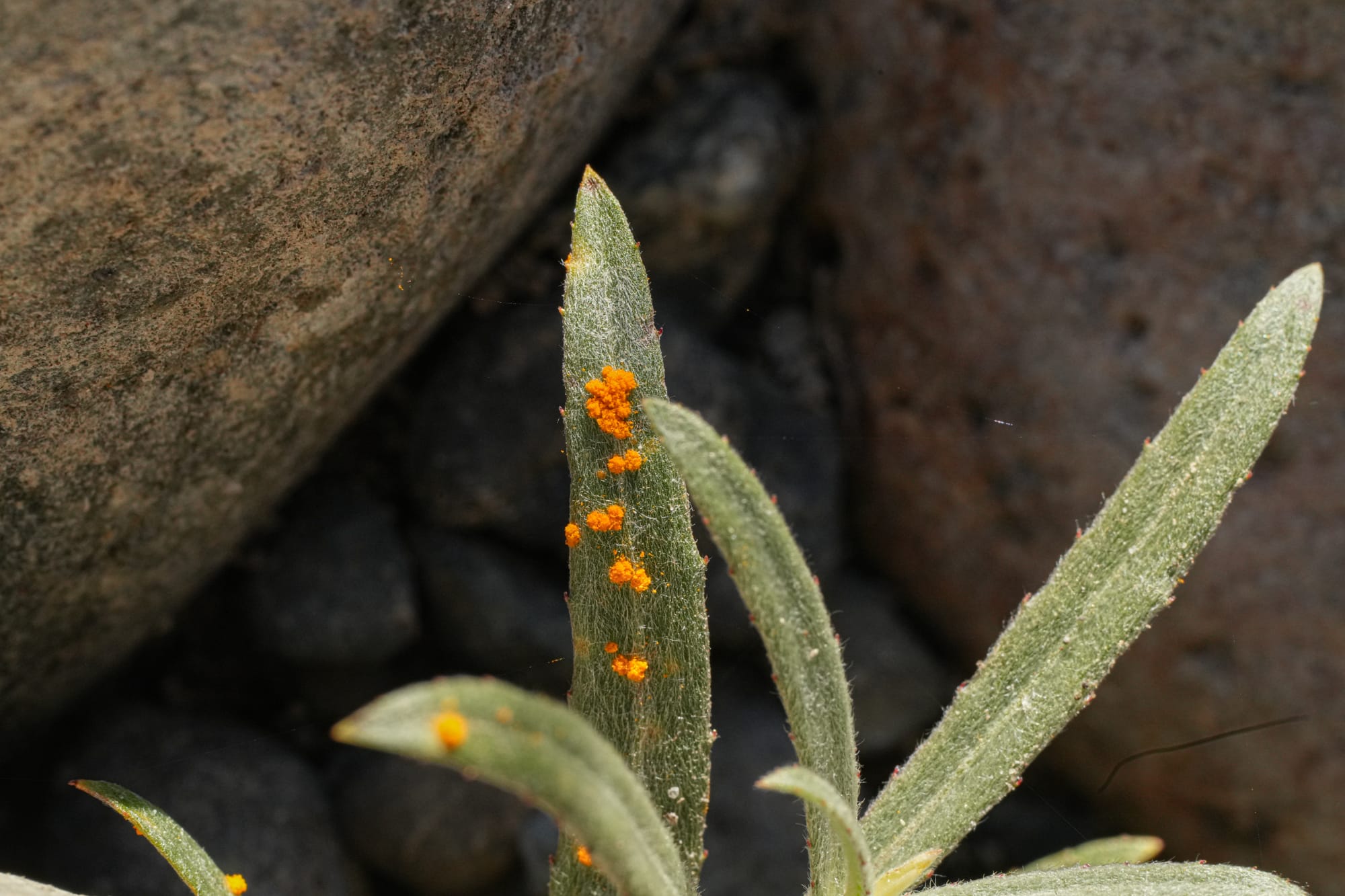
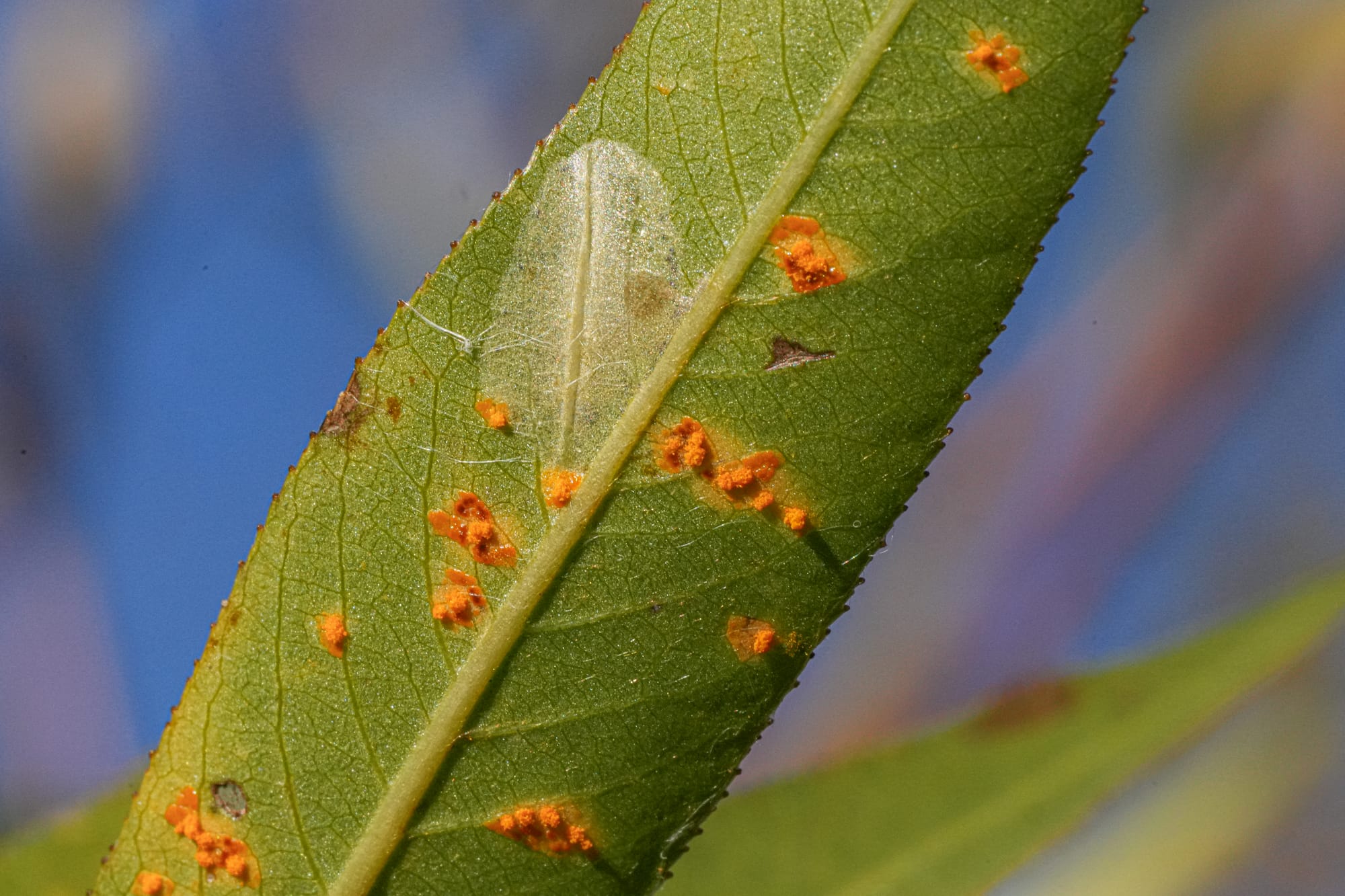
Two examples of spores produced by fungi that are eating leaves. Photos by David Lukas
While subalpine larches (Larix lyallii) in the North Cascades are past their prime and dropping needles, the western larches (Larix occidentalis) over Loup Loup Summit are only now beginning to transition from greens into yellows, offering a window into the different strategies of these two larches. If you're interested in learning more, I wrote about the fascinating story of why larches drop their needles in my Lukas Guides newsletter.
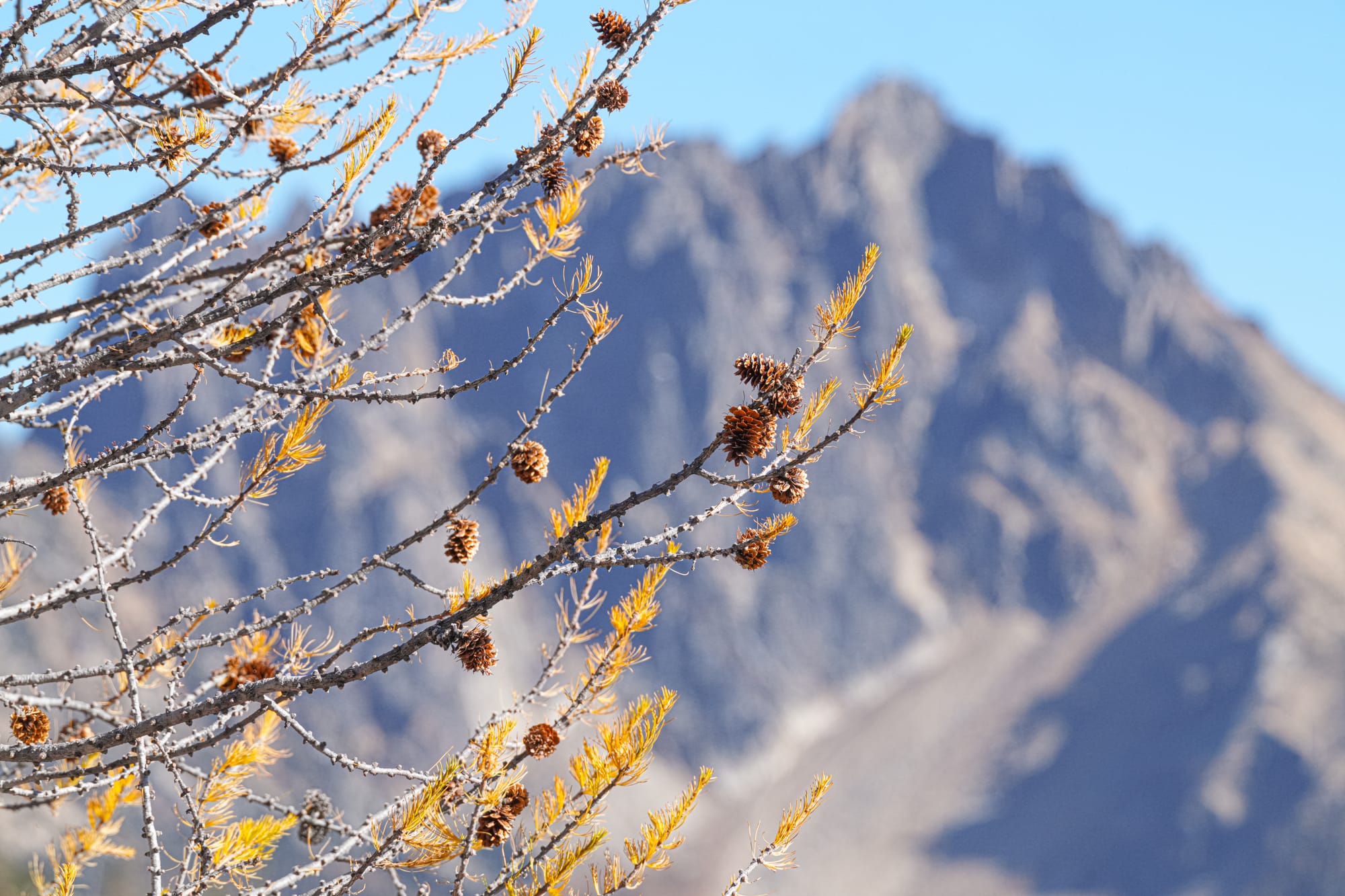
It makes sense that leaves are already fading and falling because winter is just around the corner. There have already been a couple of decent dustings of snow in the mountains, and nights in the valley turned frosty for the first time this week. Snow often arrives in November, but all bets are off in this record-breaking El Niño year, so we'll have to see how this winter plays out.
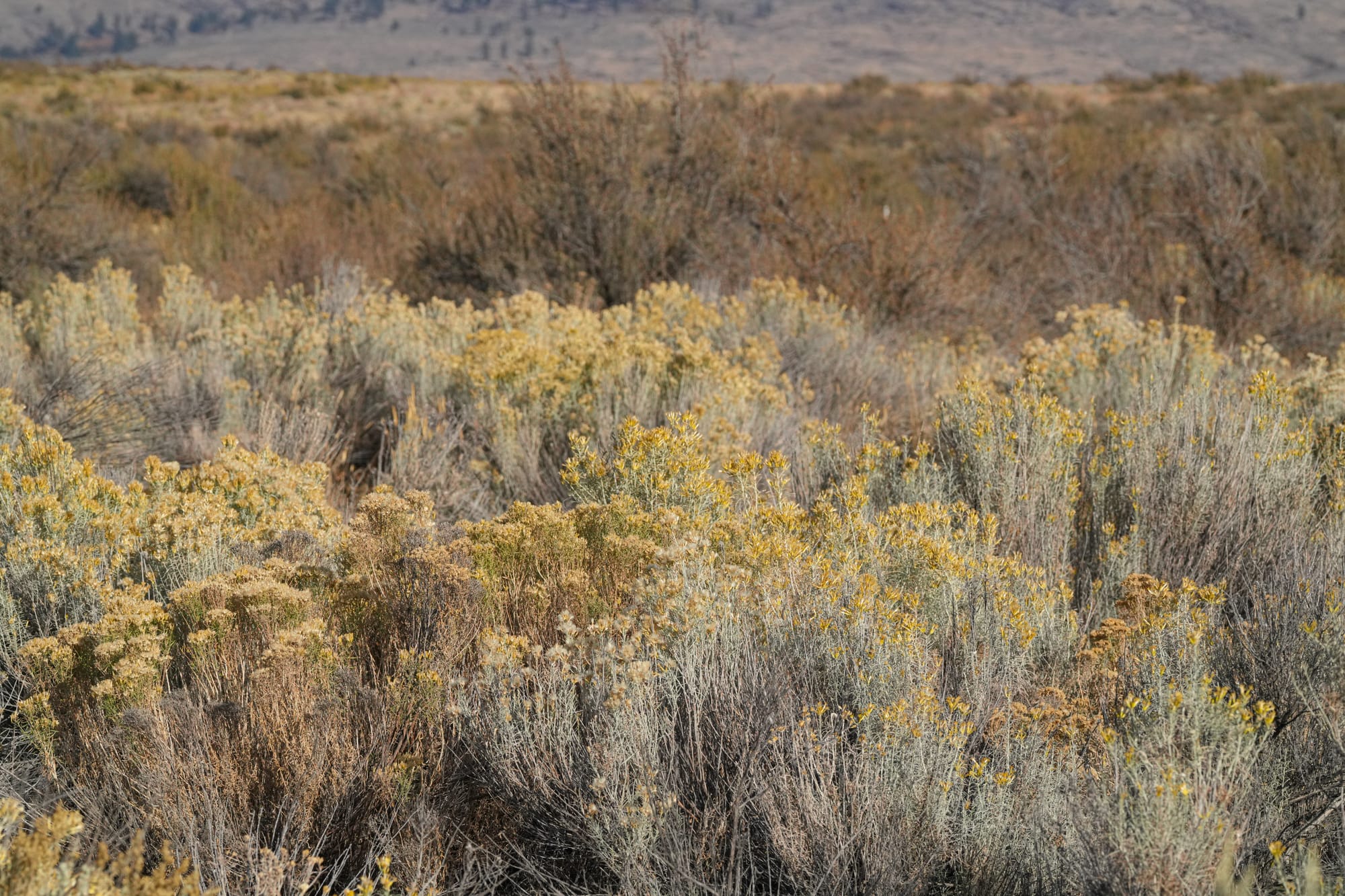
In terms of changing seasons, it's telling that the last prolifically flowering shrubs in the valley are wrapping things up. The bright yellow flowers of rabbitbrush may add a dash of bright color to shrub steppe habitats and attract huge numbers of pollinating insects in early fall, but they are now going to seed. And by the time they're finished blooming, it becomes very hard to find any other flowers in the valley.
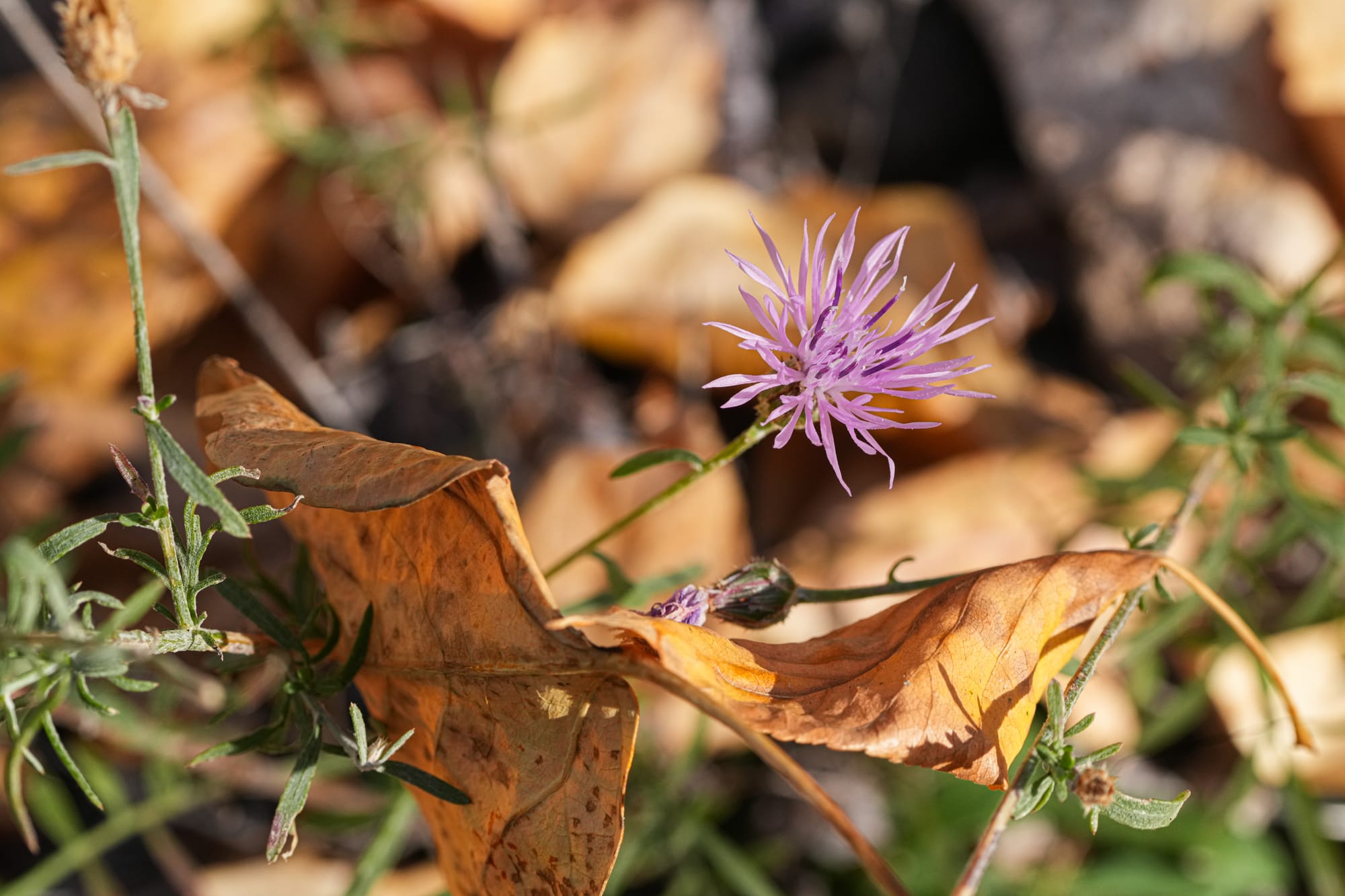
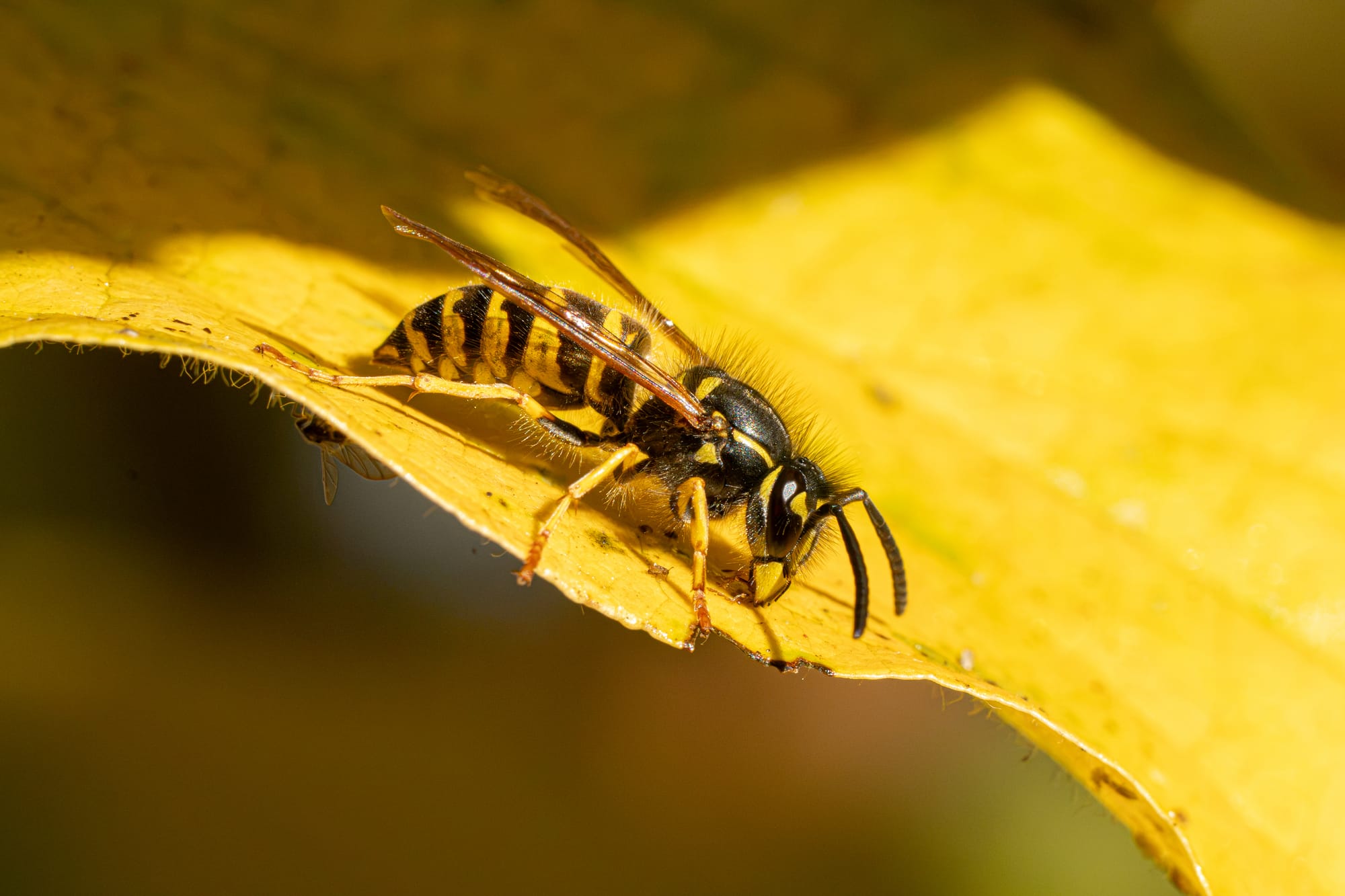
Though their numbers are very low, I keep being surprised by the variety of insects I've been seeing lately. As mentioned above, this includes an occasional butterfly, dragonfly, or grasshopper, but there are also a handful of flies, bees, wasps, and other insects, especially around the few remaining flowers. These insects might be holdovers from summer, but it's entirely possible that some species are fall specialists.
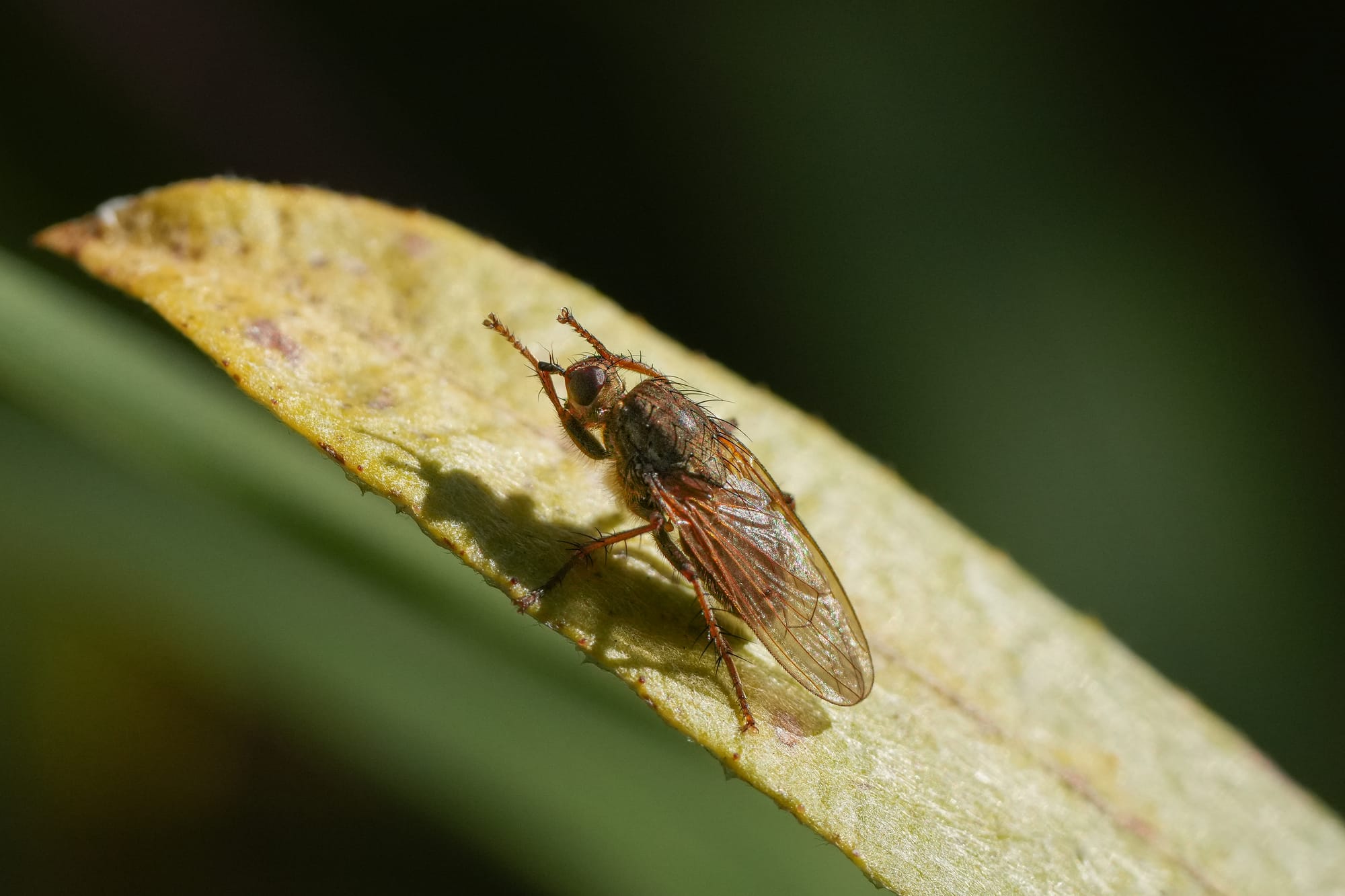
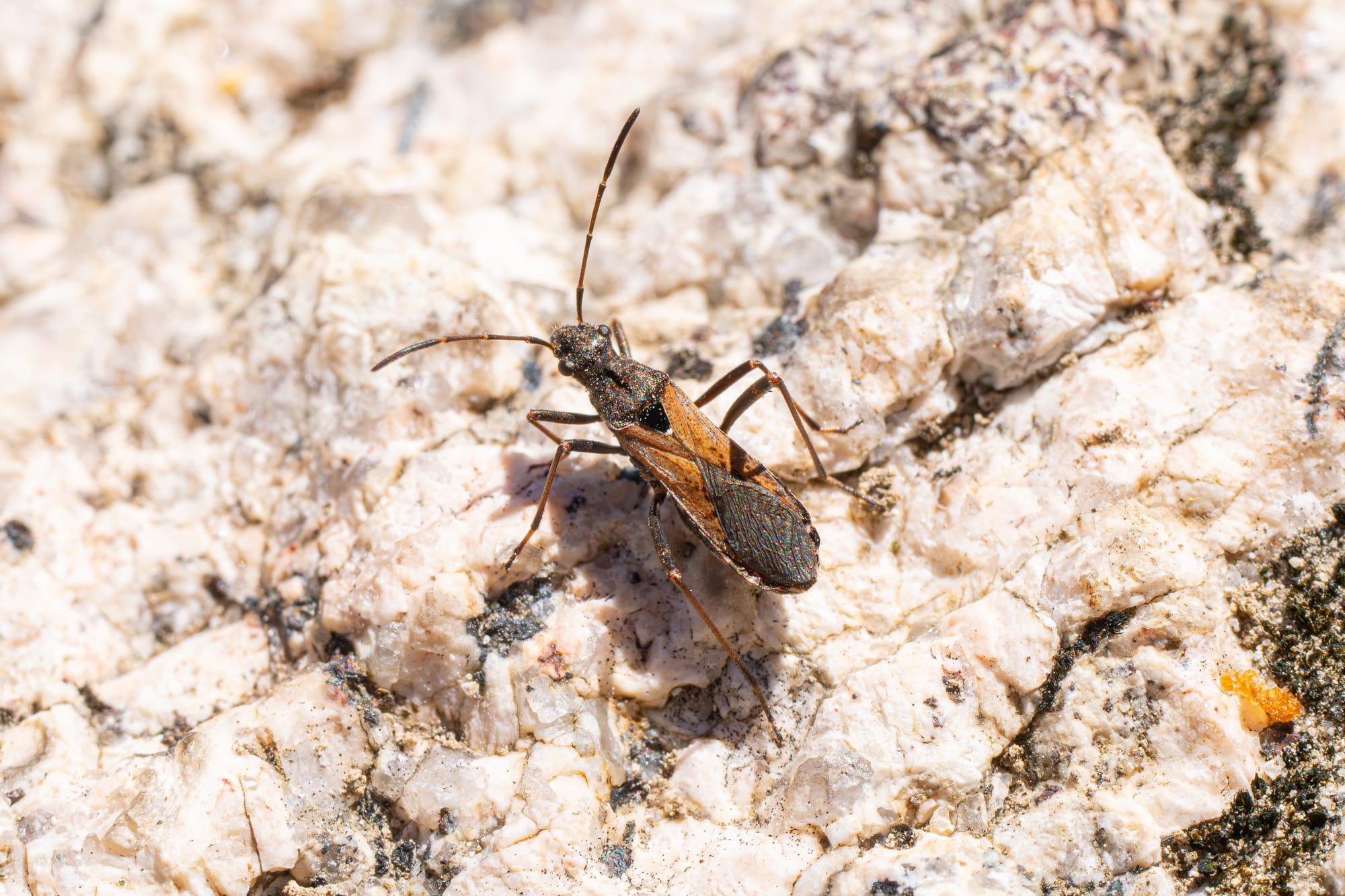
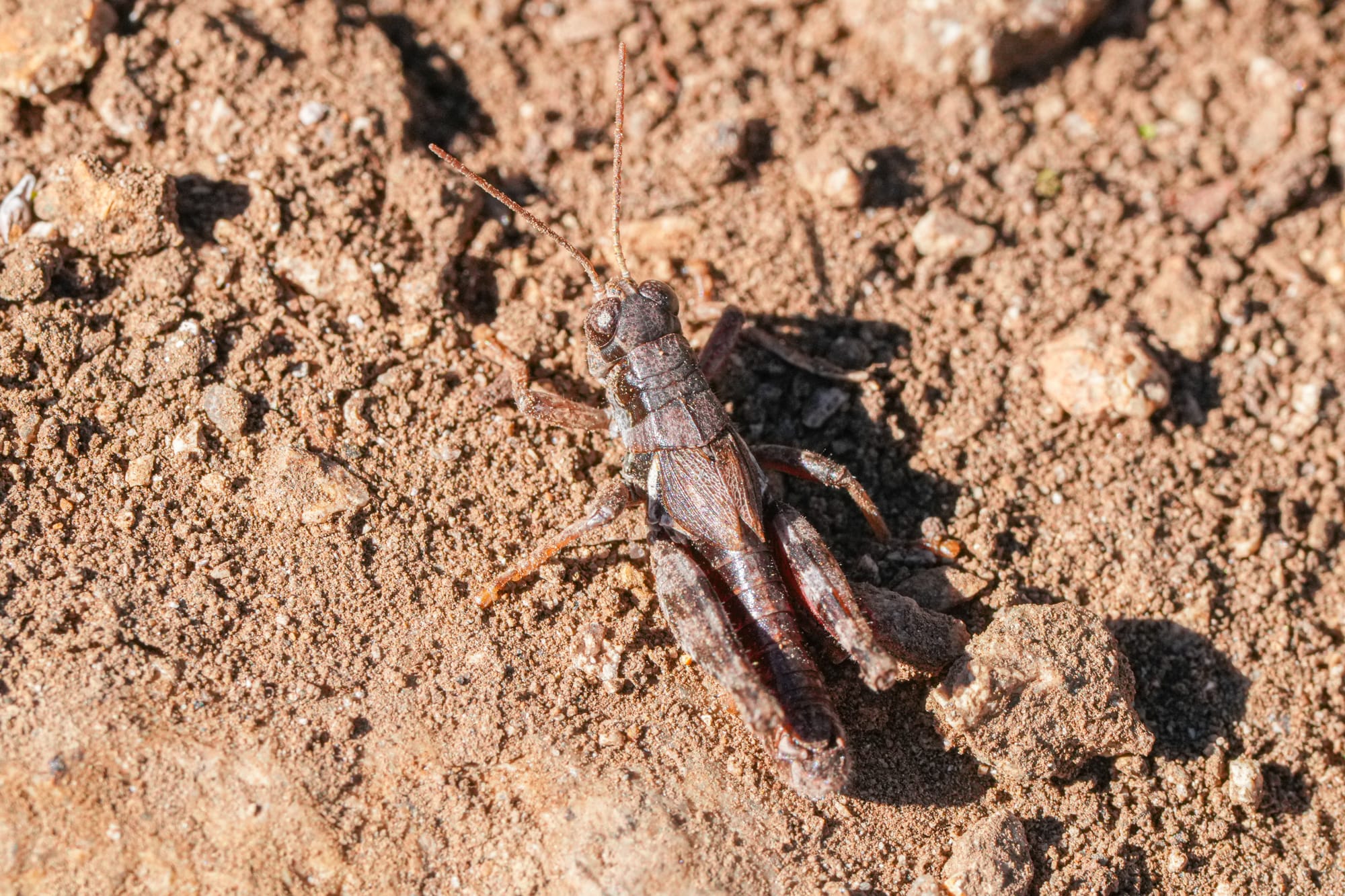
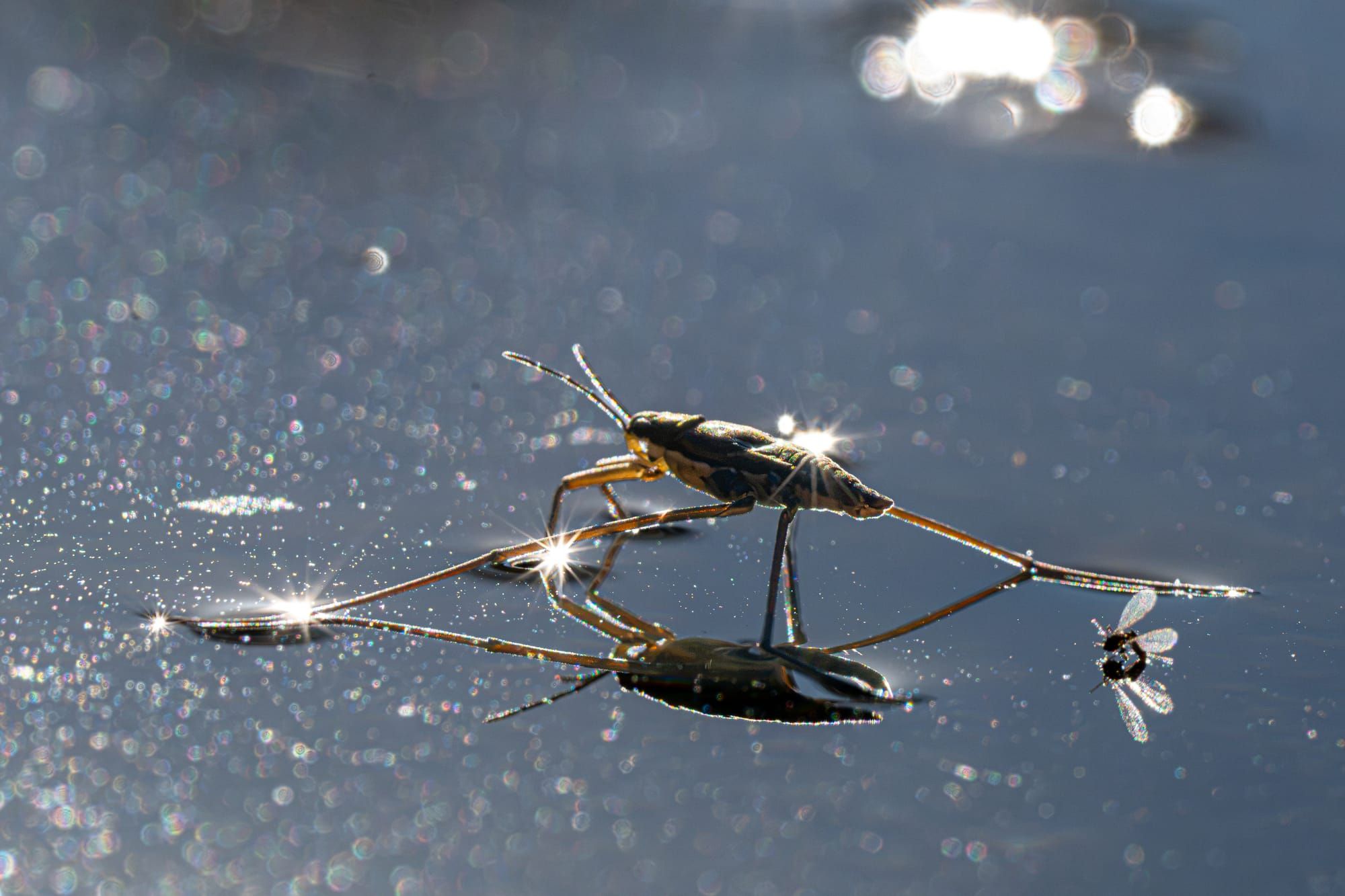
Examples of insects I found this week. Photo by David Lukas
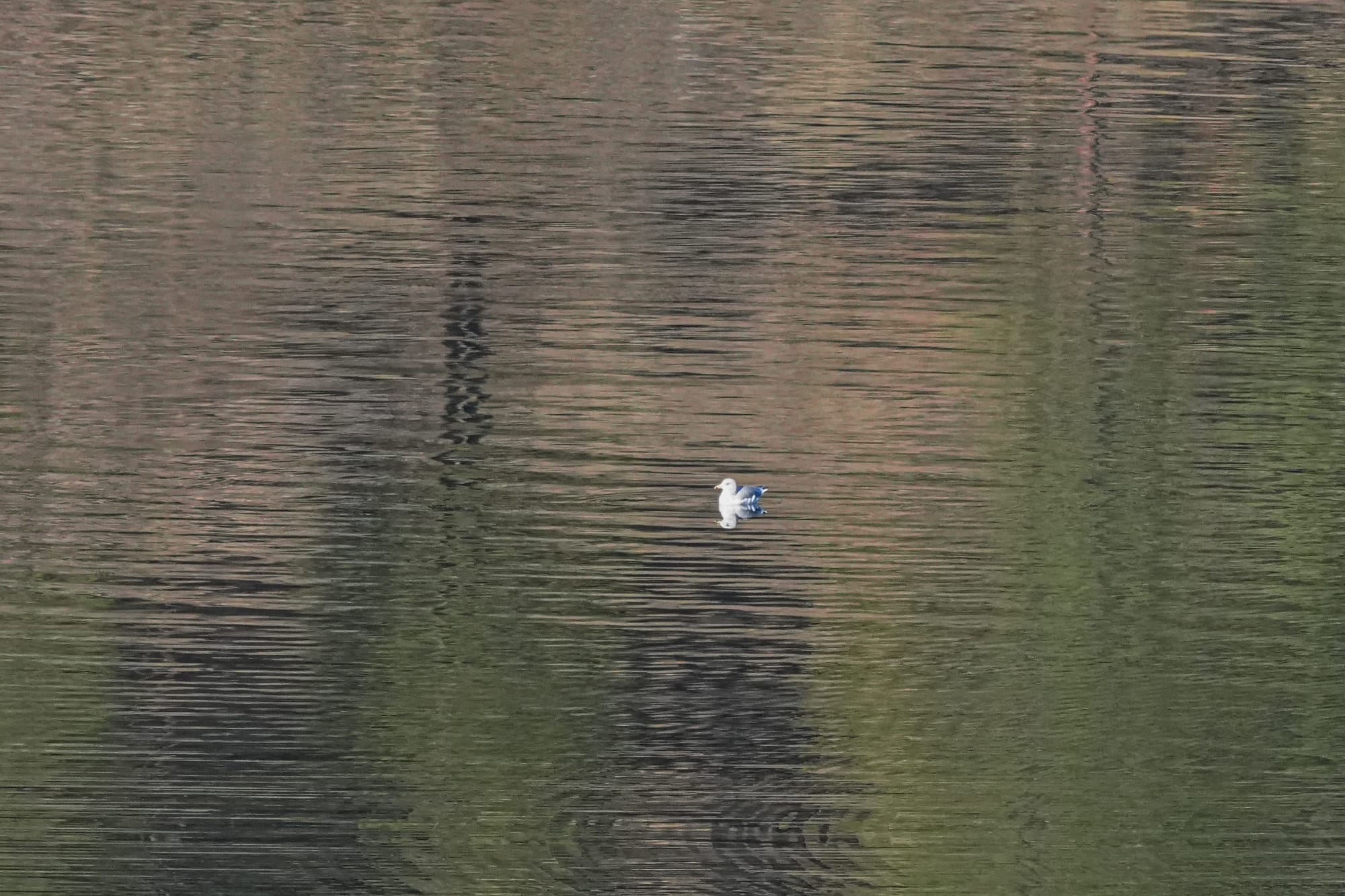
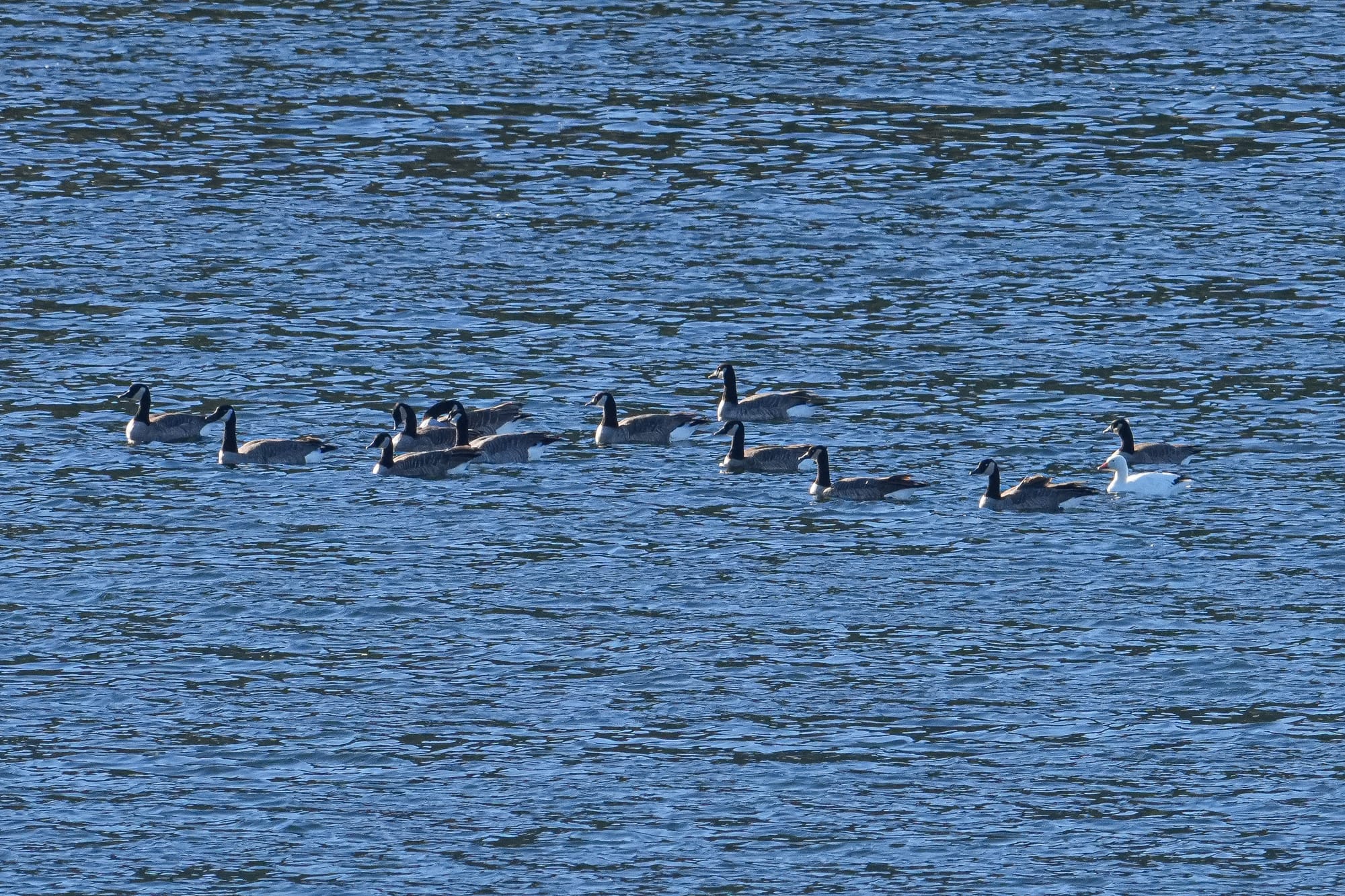
Finally, because we're at the tail end of migration, I've been watching for unusual birds and spotted two visitors to Big Twin Lake this week. One bird was a late California gull hanging out by itself, and the other was a snow goose seeking the company of a large flock of Canada geese. The gull is a bit late, but not unexpected, while I've heard that huge numbers of snow geese are gathering in the Skagit Valley right now, so this bird might simply be a bit off track.
Observation of the Week: Fall Aphids
On a recent walk, I started looking for aphids. It took about 30 minutes to find my first aphid, but once I got on a roll, I began finding aphids everywhere. This makes sense because autumn is a very important time for aphids.
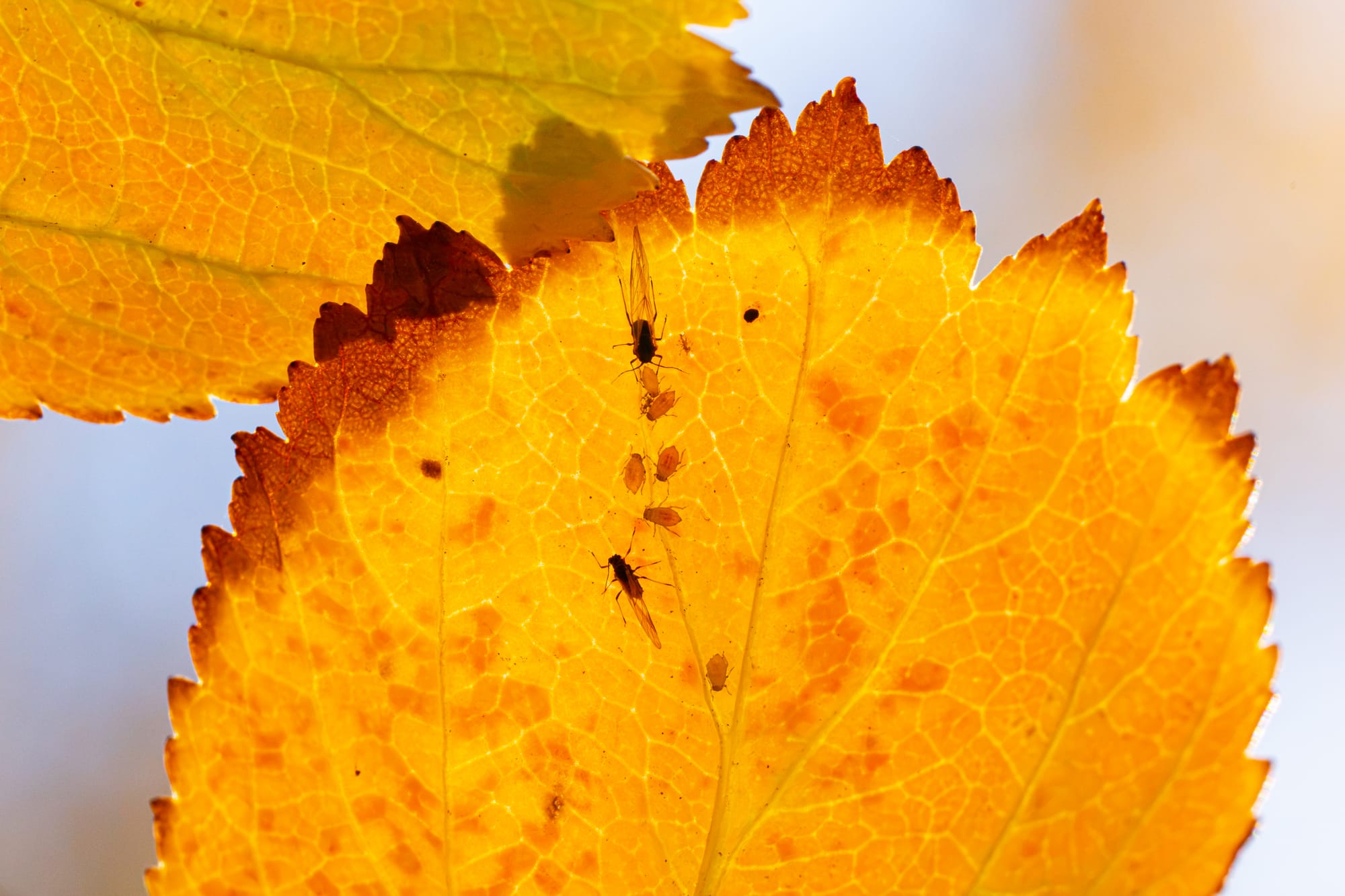
As I wrote about in a previous issue of my Lukas Guides newsletter, fall is the time when winged female aphids disperse to new plants to produce one final batch of sexually active male and female babies who mate and lay eggs that will survive the winter.
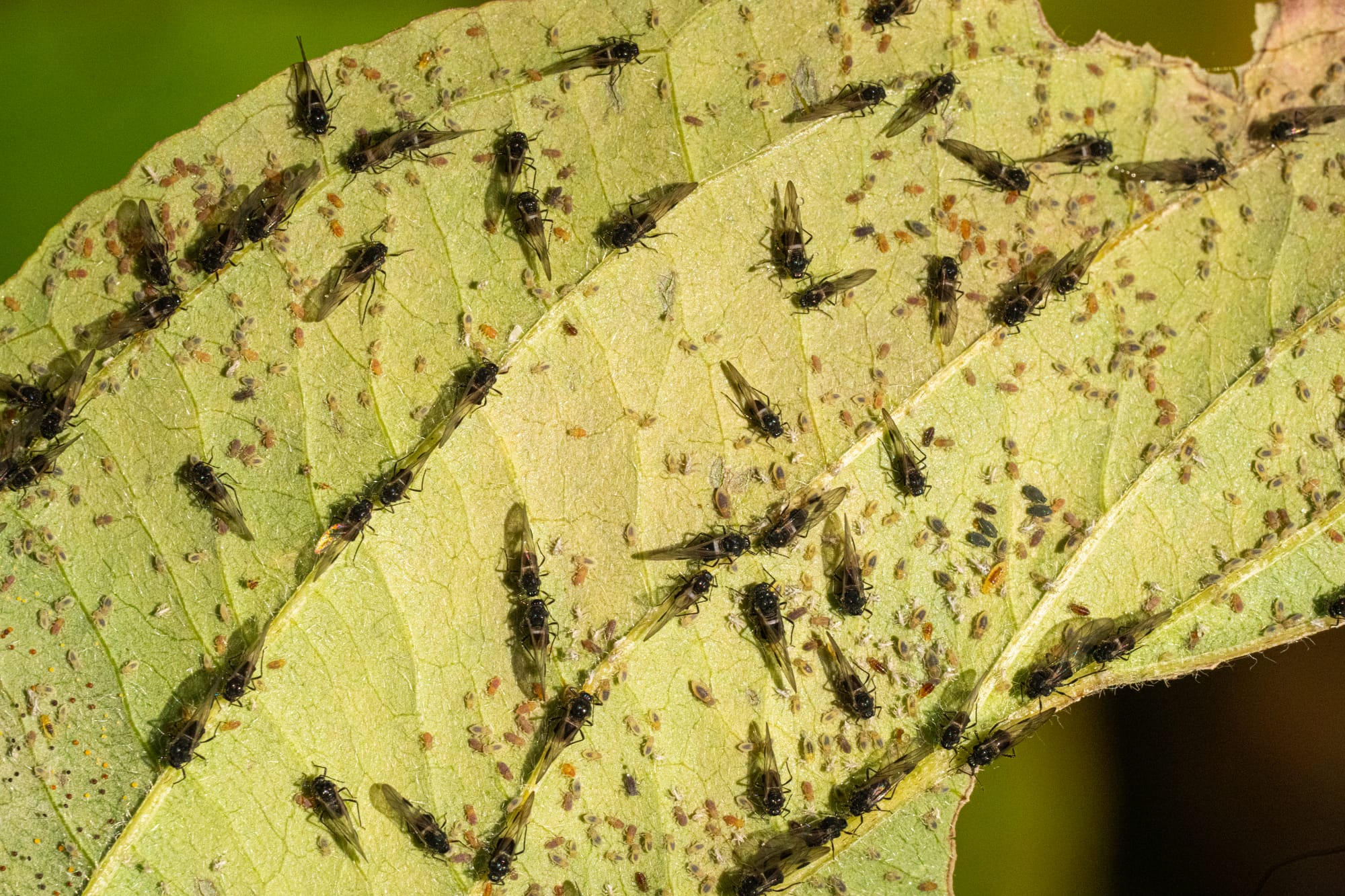
What's remarkable about this story is that many scientists believe that leaves turn color as a way of sending signals to winged aphids as they are dispersing to new plants! And timing is everything because there's a brief window as leaves transition from green to red when the nutrients of leaves are unlocked and available to aphids.
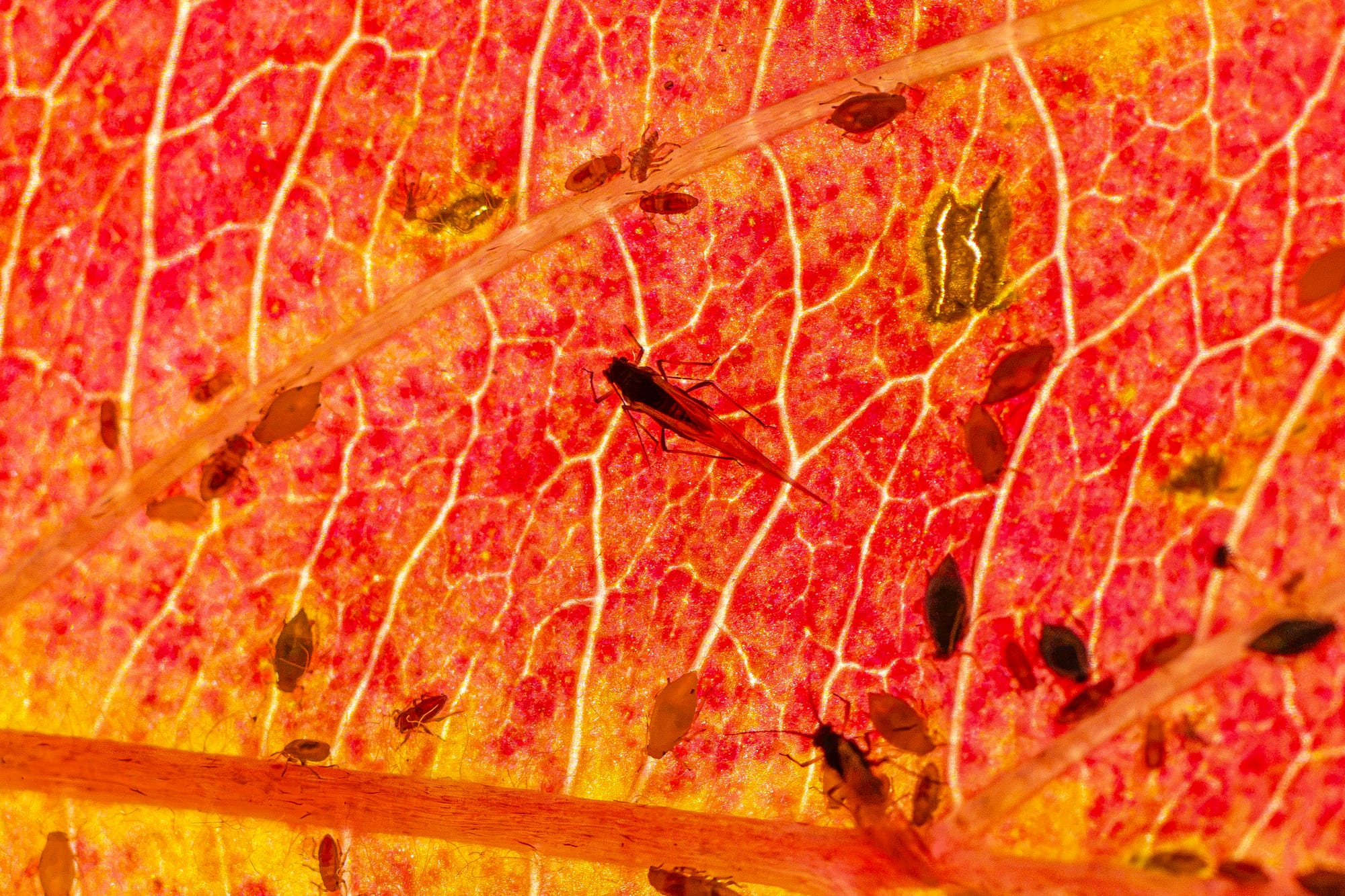
It's not clear whether plants are warning aphids to stay away or calling them in, but one reason why plants might want to attract aphids is that aphids hatch in the spring and attract ants that help protect trees from leaf-eating caterpillars.
