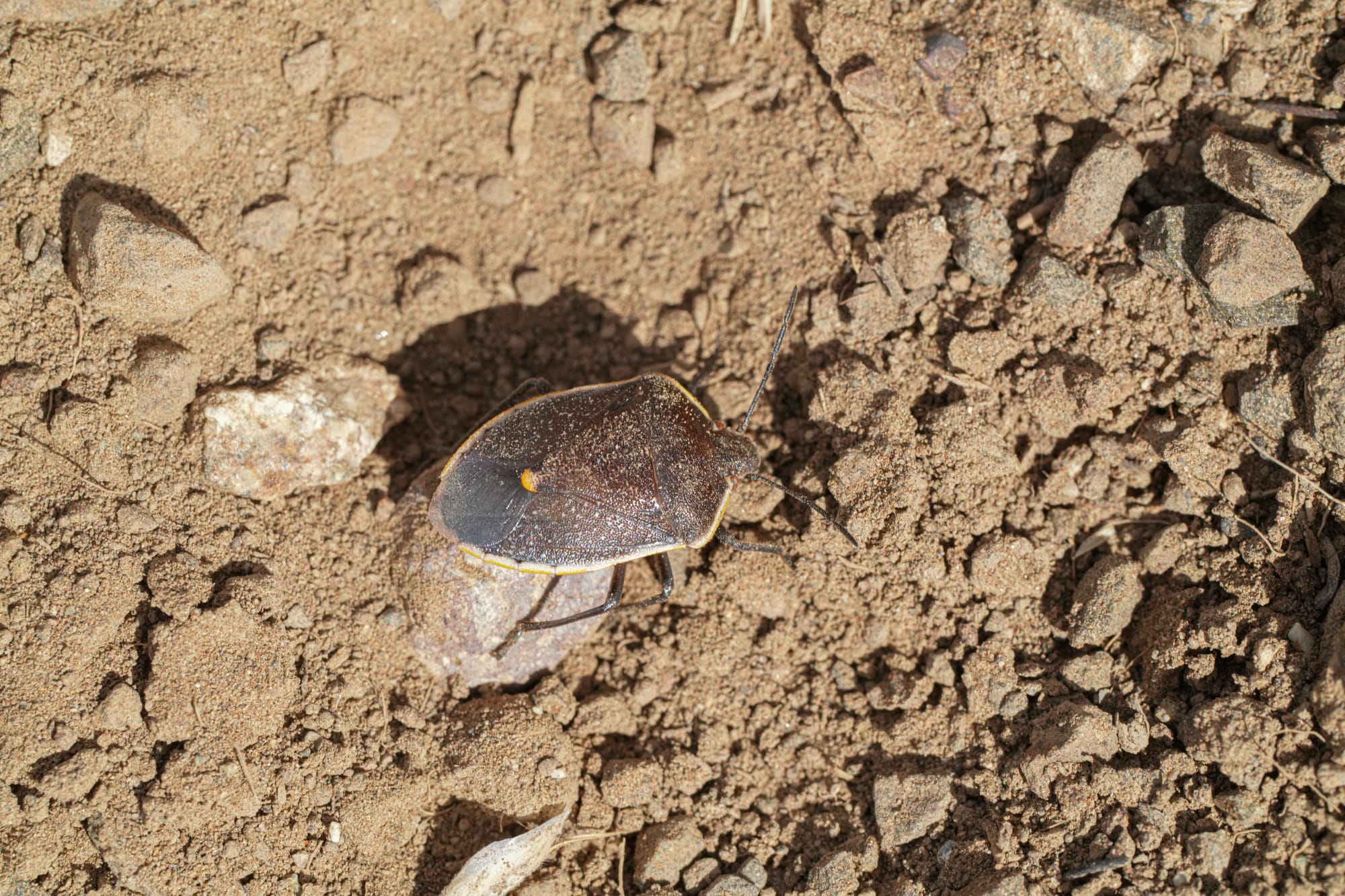
Turning to Color
September 27-October 3, 2026

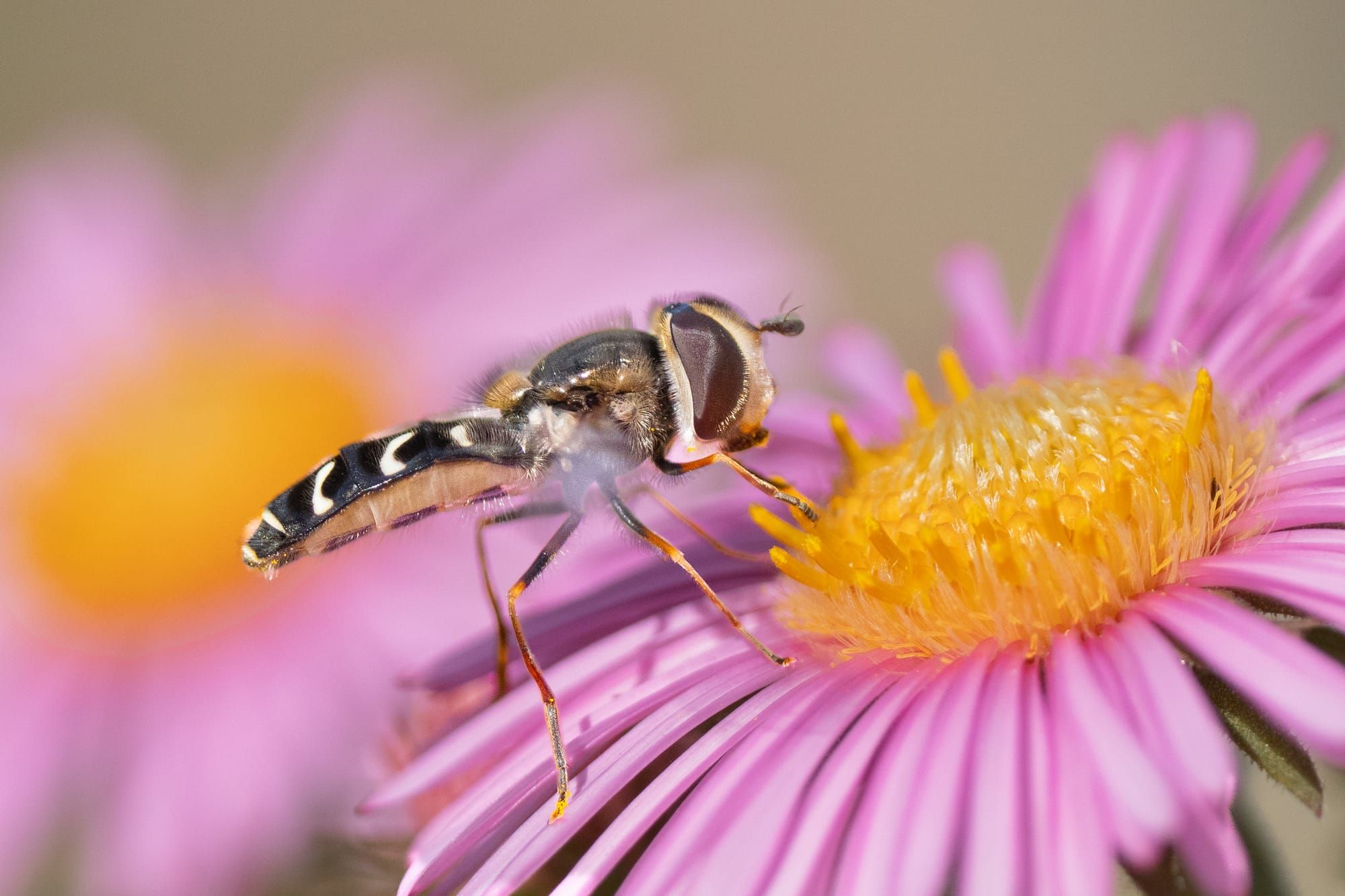
A week of crisp sunny days and hints of fall colors.
Week in Review
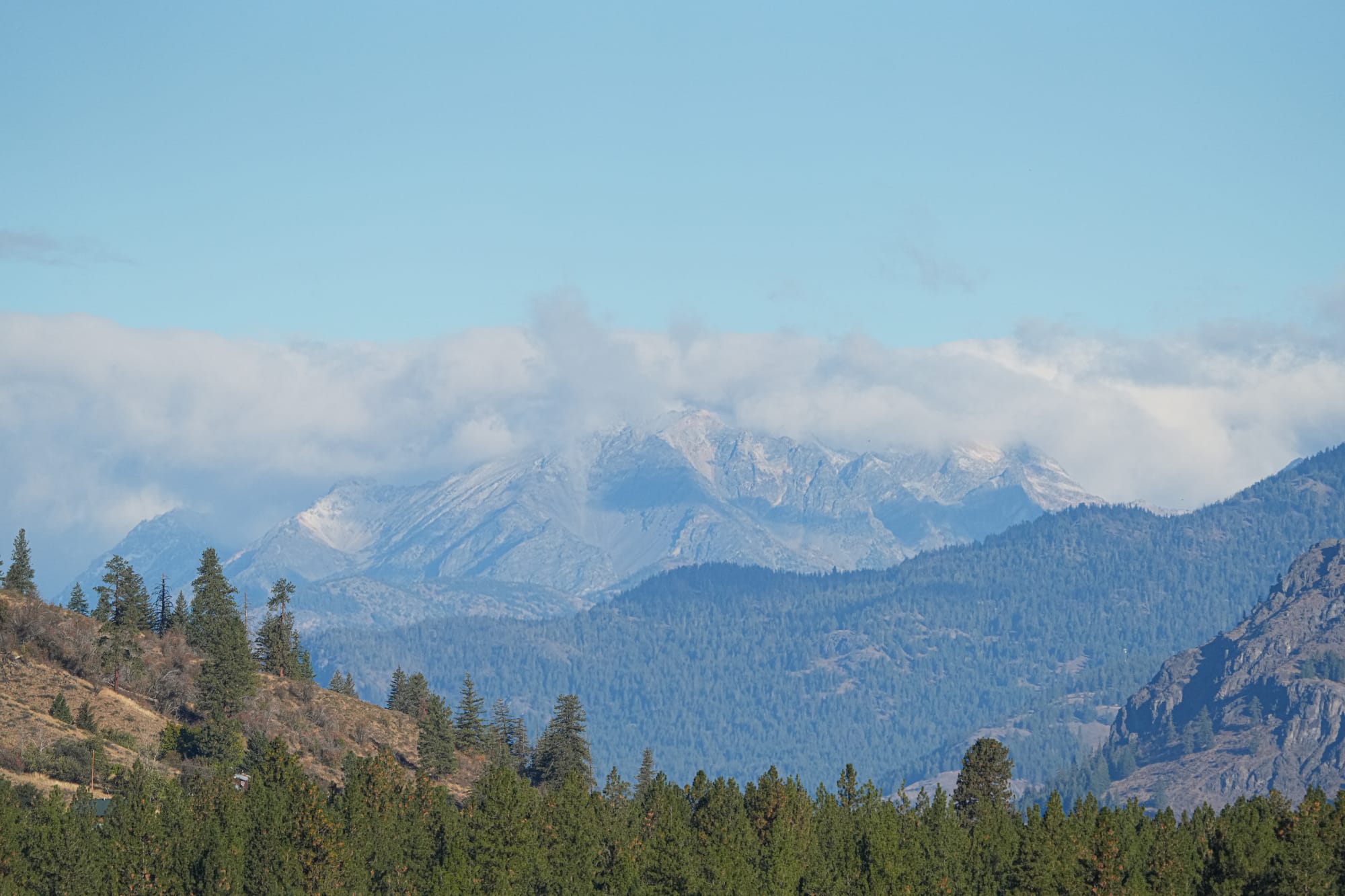
Unfortunately, I don't have much to say in today's newsletter because I was gone most of the week, and things were incredibly quiet the few times I made it outside. However, one notable event this week was the first (very faint!) hint of white on Robinson Mountain at the beginning of the week. I don't know if it was snow, hail, or frost but it's a sign of things to come.
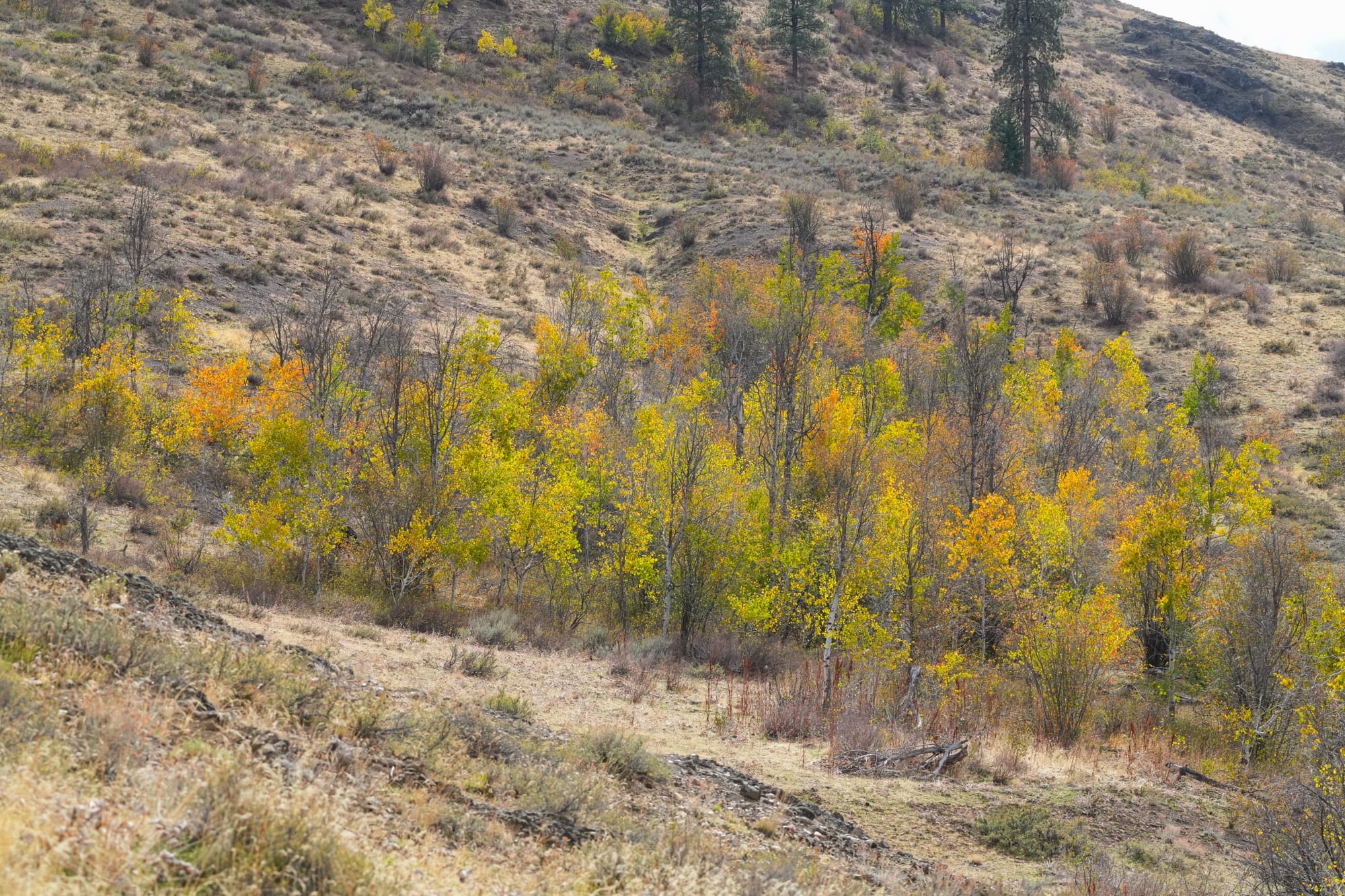
Because I was away this week, I haven't been getting out to experience the changing fall colors. I'm looking forward to doing more of this in the coming days because aspens and other trees are beginning to turn yellow and orange around the valley, and larches are at their peak colors on distant mountains.
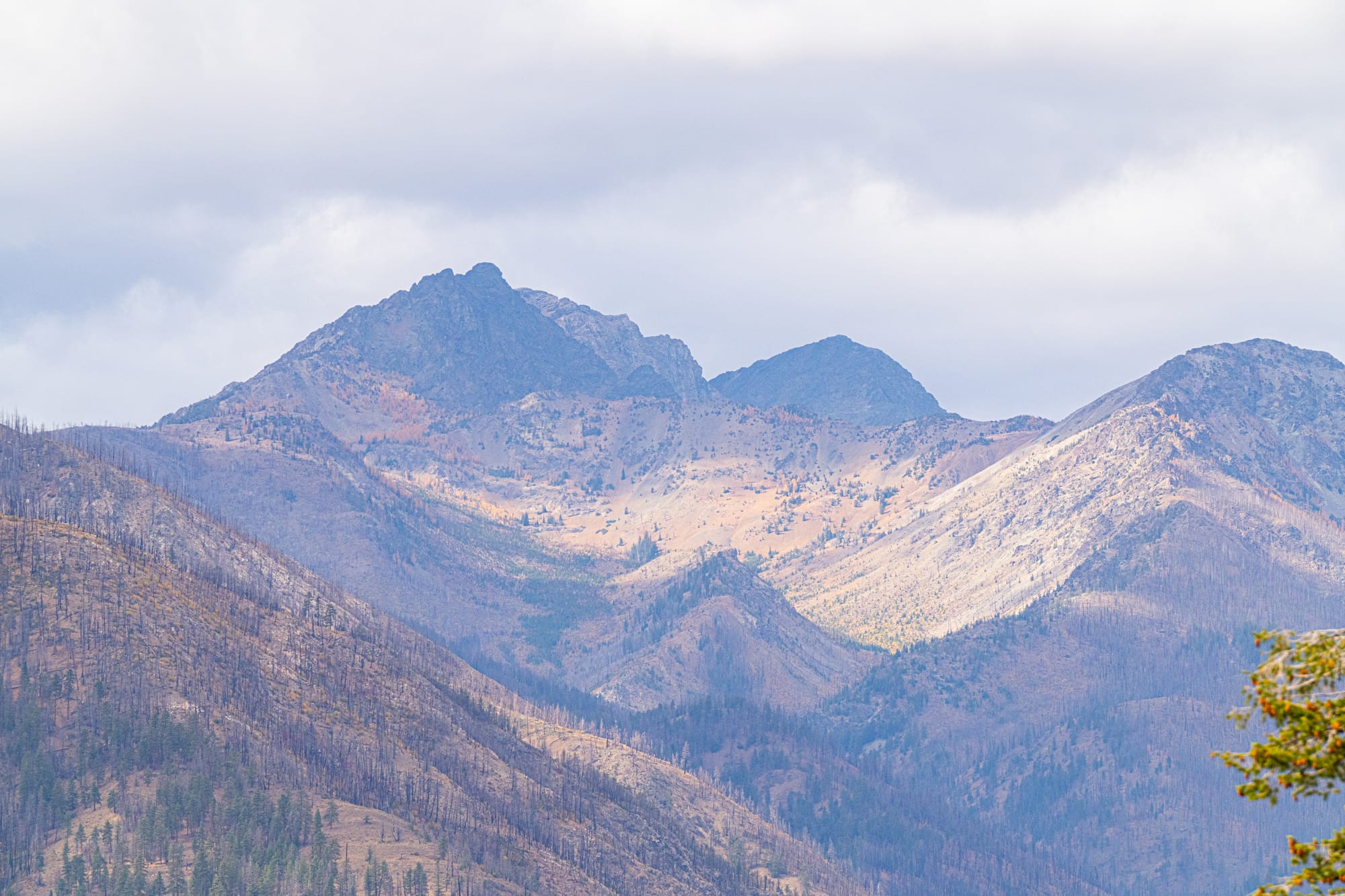
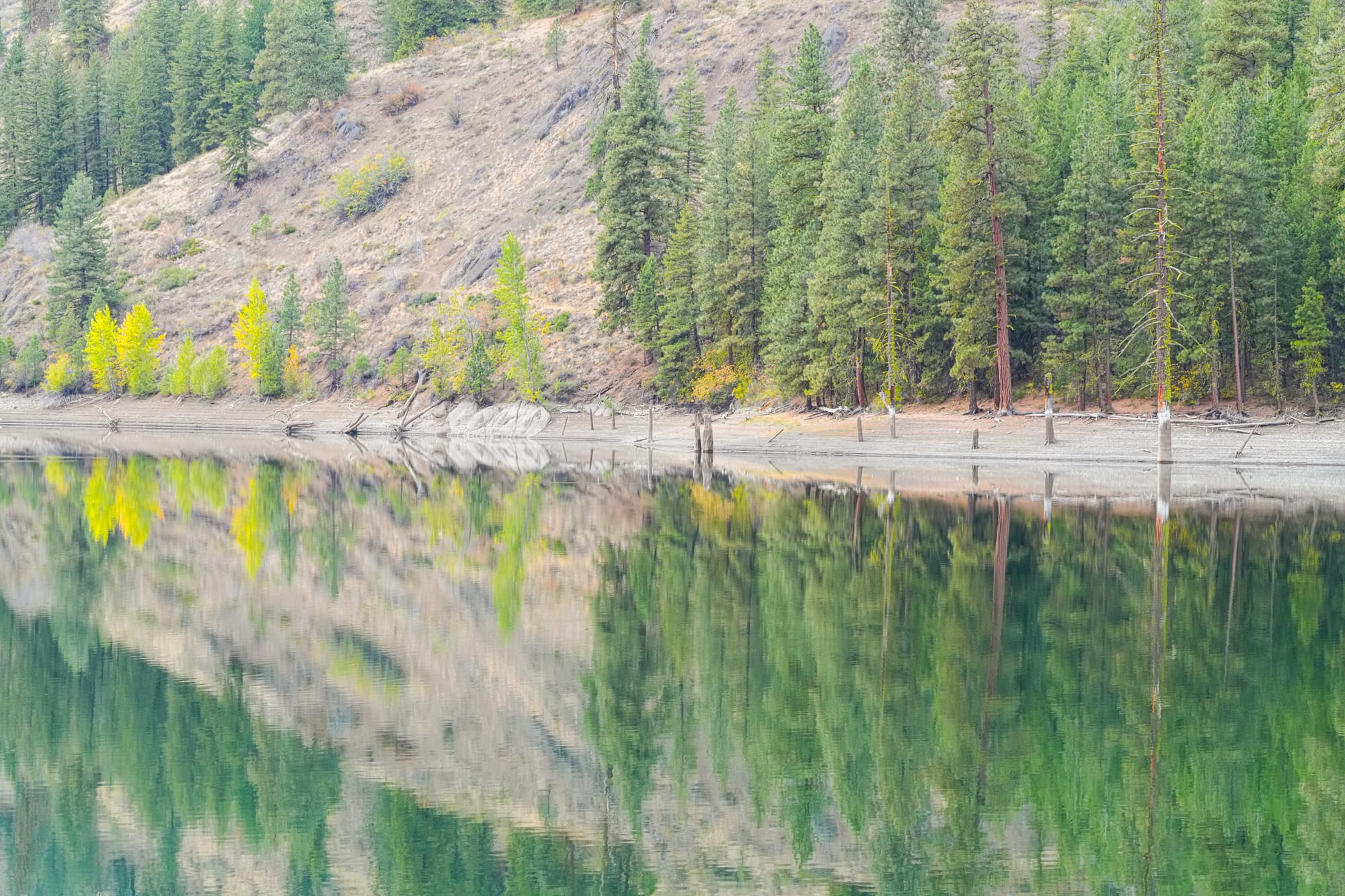
One of the things I've been noticing on my outings is how dry everything is. Not only do the hillsides and plants feel extremely dry and barren, but lakes are the lowest levels I've ever seen.
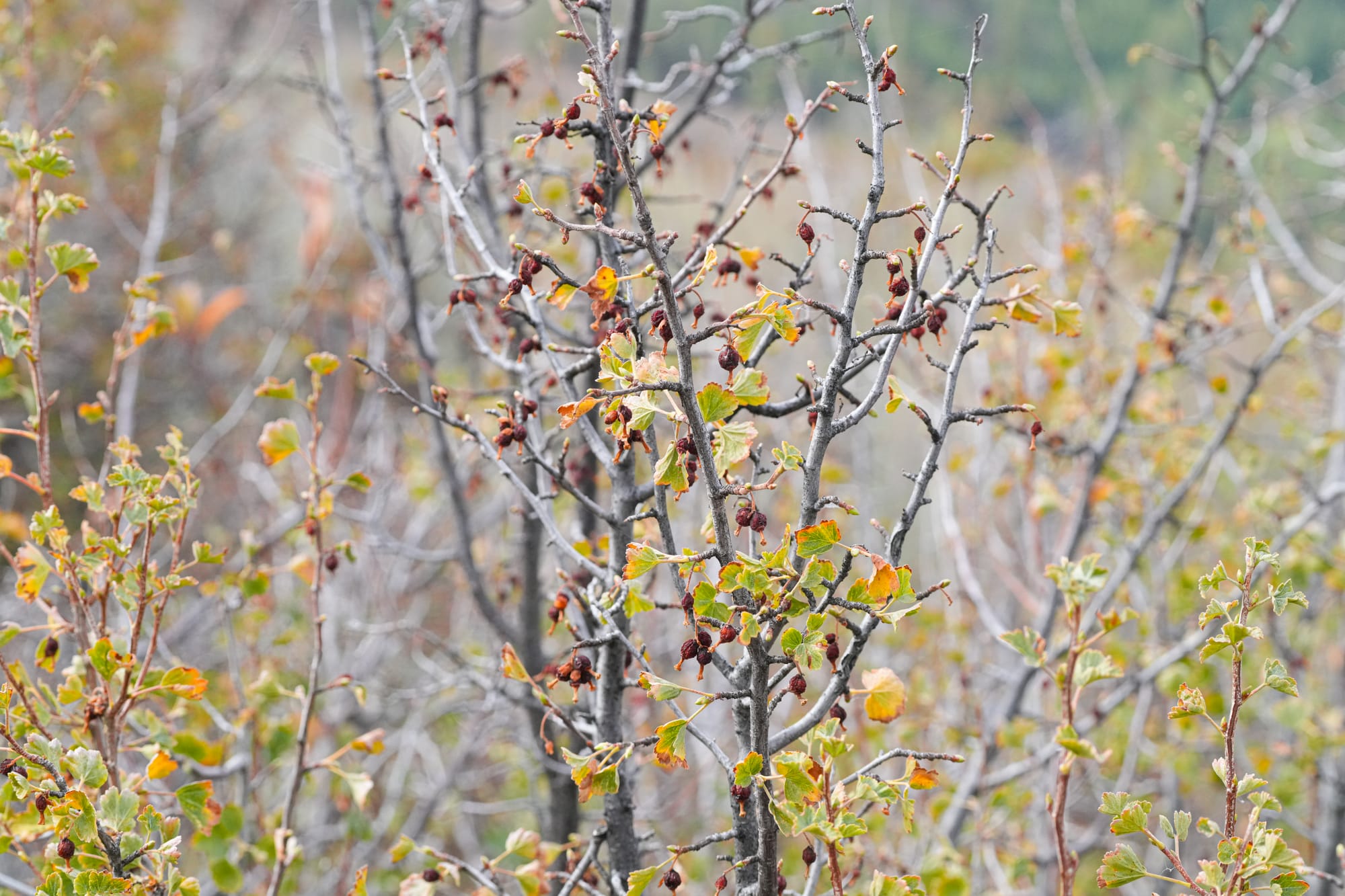
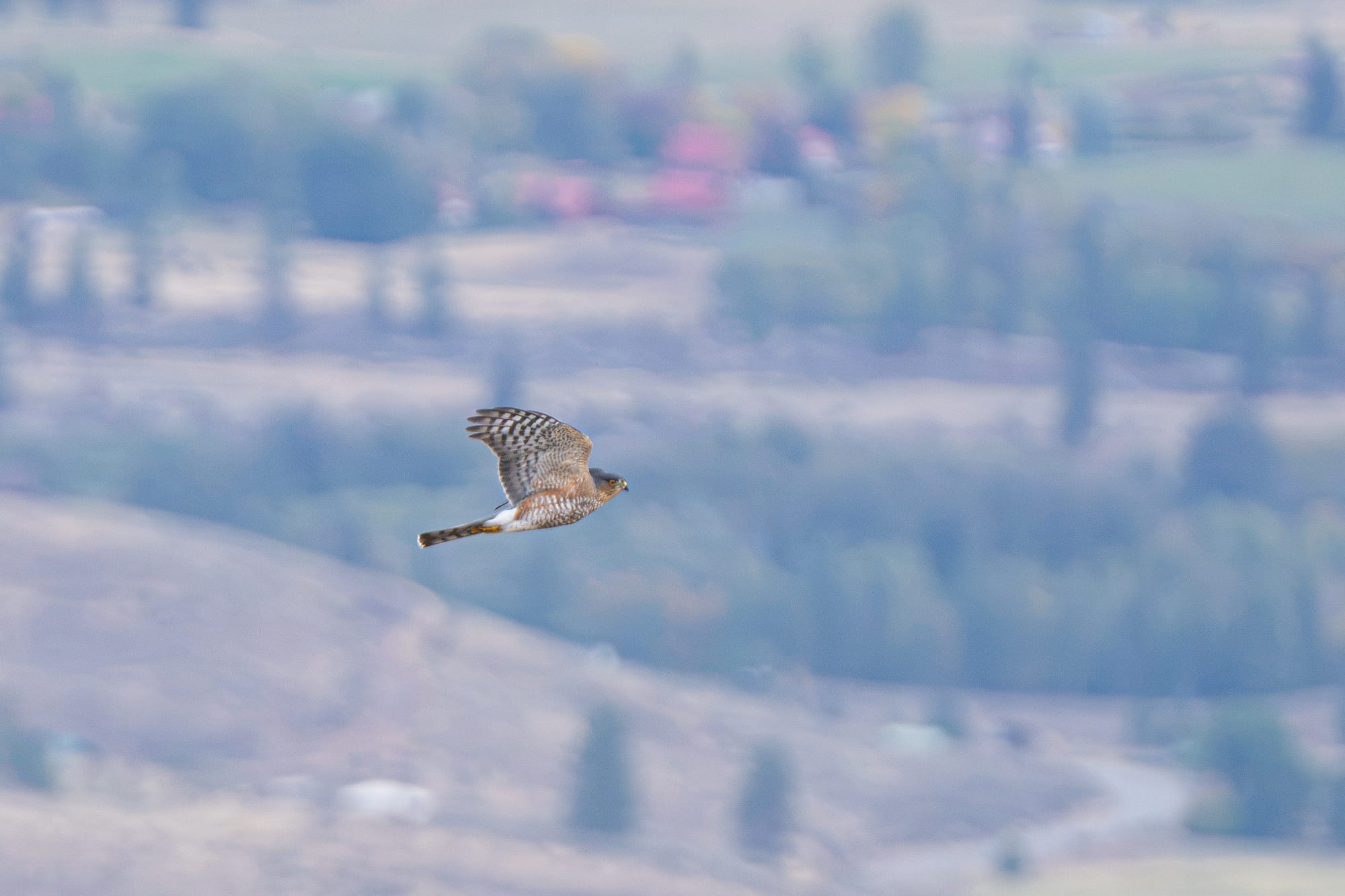
In terms of animal activity, this week felt like a diminished repeat of last week, with little more than a handful of darner dragonflies, cabbage white and tortoiseshell butterflies, plus a few scattered birds. Sharp-shinned and Cooper's hawks also seem to be migrating in low numbers, and I had one sighting of a juvenile sharp-shinned hawk and a crow playfully chasing each other.
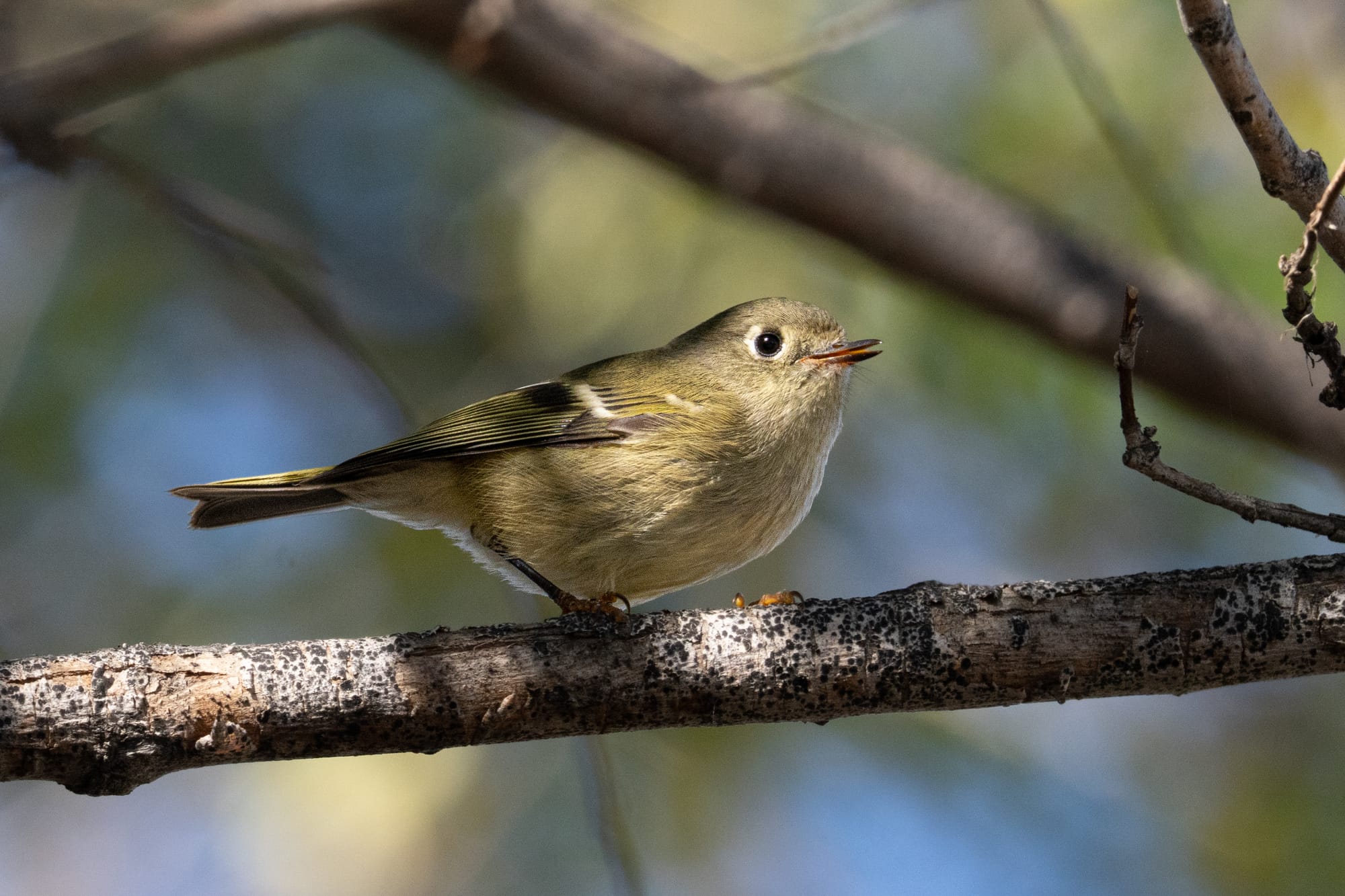
Nearly all of our small birds are now hanging out in mixed feeding flocks, which can include dozens of birds of 4-7 species all hanging out together. Some of the flocks I've noticed this week have included dark-eyed juncos, white-crowned sparrows, hairy woodpeckers, red-breasted nuthatches, and western bluebirds, but it's always worth checking these flocks out because you might find a surprise bird in the mix. For example, one group included a brown creeper, which is a bird I seldom see in the Methow Valley.
In the face of cooling weather, insect numbers have noticeably declined, but in addition to a few dragonflies and butterflies you might also be noticing some house flies, yellowjackets, and grasshoppers, plus other unexpected insects that keep things interesting.