Dragonfly Season
August 16-22, 2026

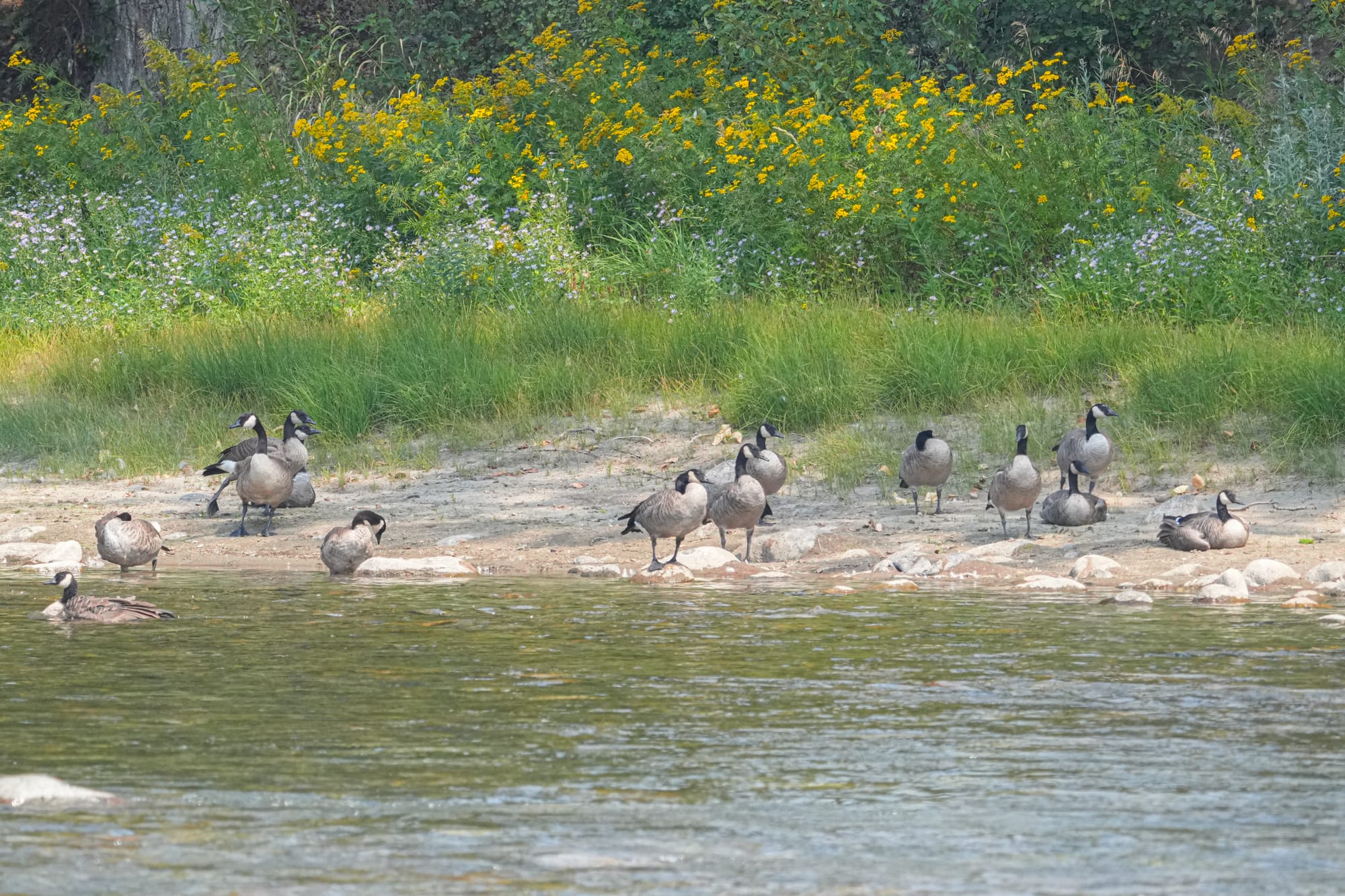
Ending yet another week of smoke and haze with a welcome touch of blue skies and scattered rain.
Week in Review
Writing today's newsletter with blue skies and the enticing smell of wet soil from this morning's light rain makes it hard to remember that the rest of the week was another dreary stretch of suffocating, gray smoke. If I weren't inside writing a newsletter, I'd be outside soaking it up, and I hope you're doing exactly that today!
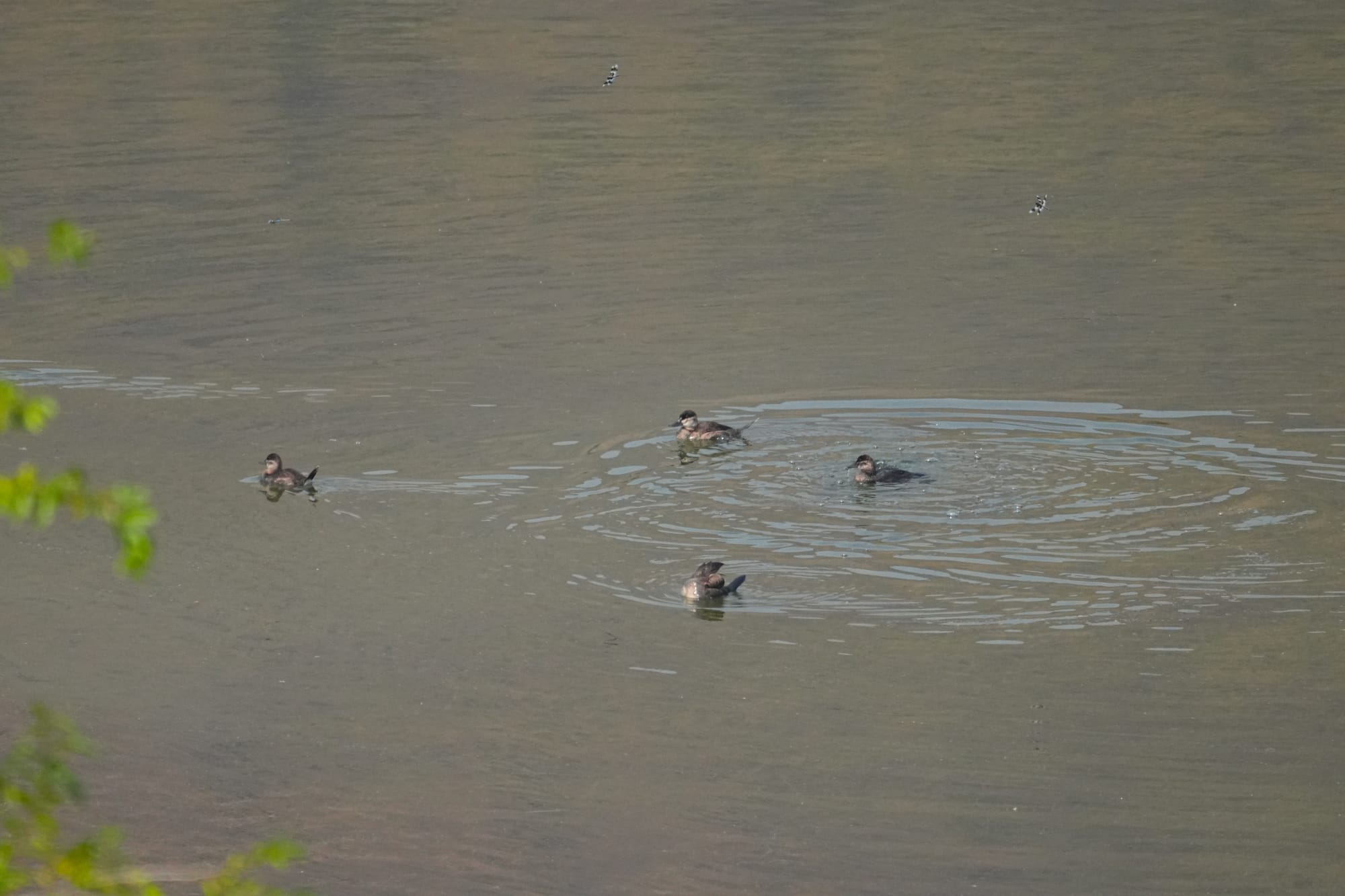
Given the persistent smoke, this wasn't much of a week for keeping track of the changing seasons, but we still had a few interesting observations.
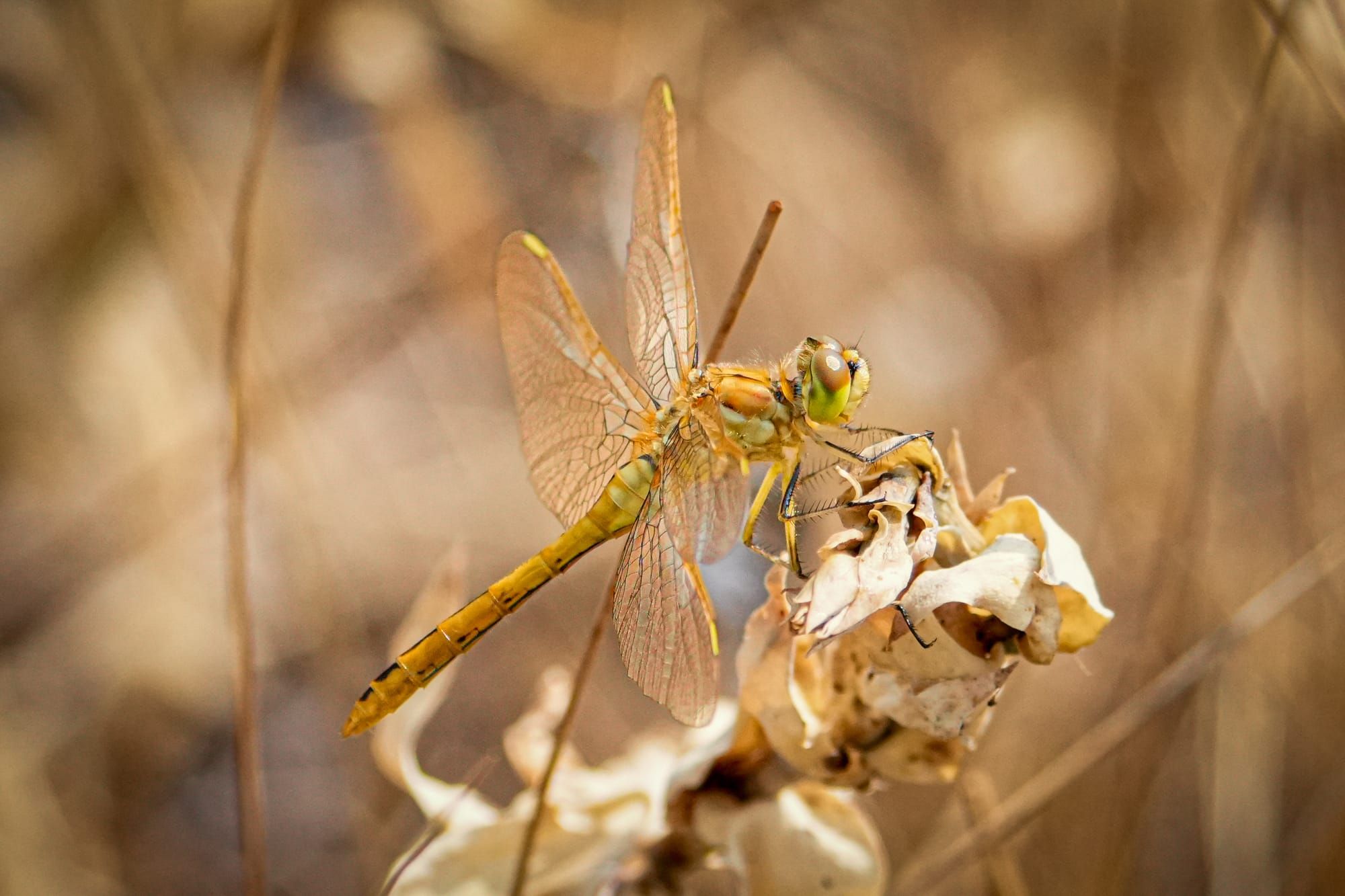
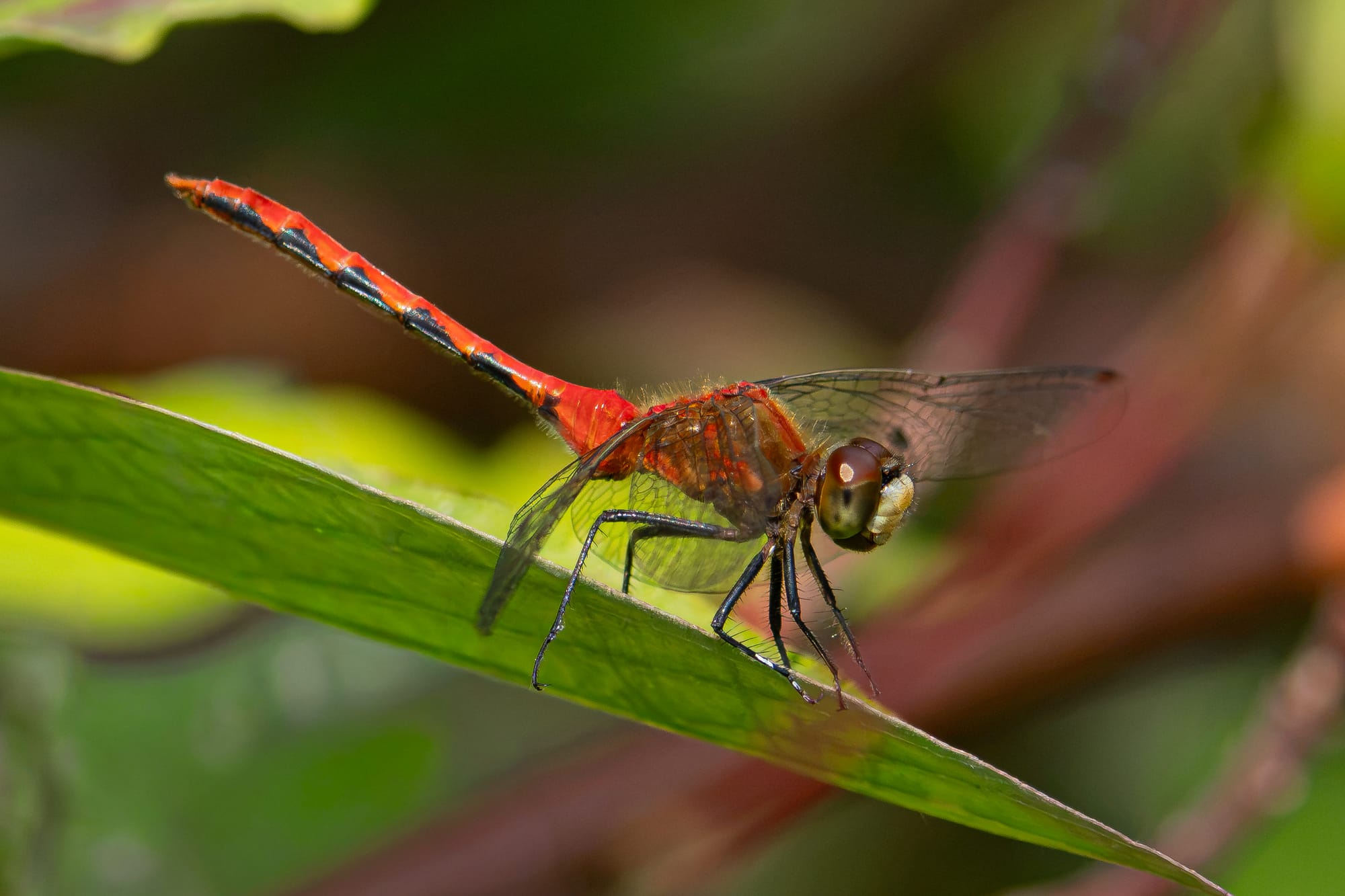
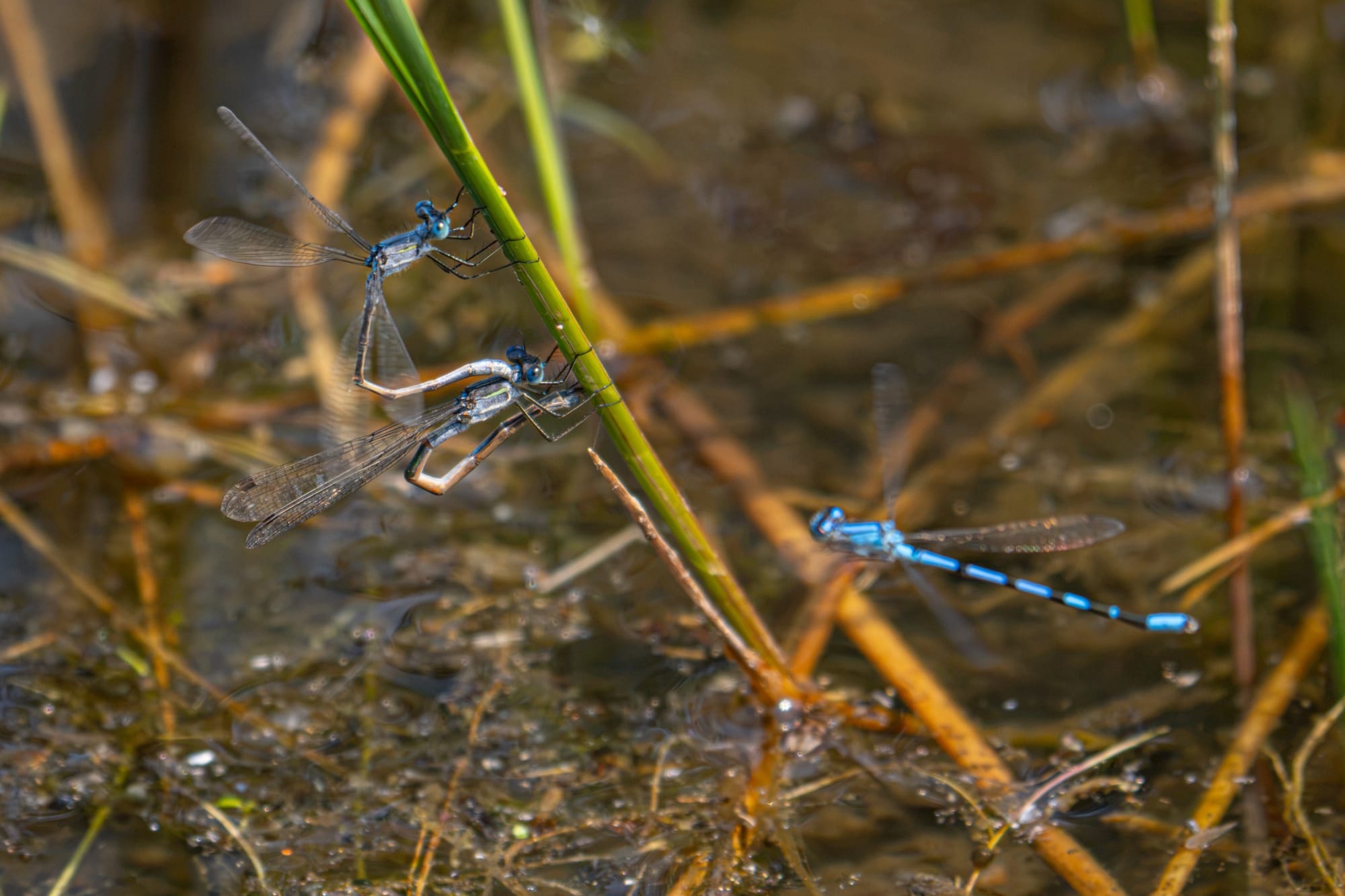
As noted above, this is the time of year when dragonflies and damselflies are particularly abundant and conspicuous. I wonder if that's because it takes most of the summer for their underwater nymphs to transform into flying adults, and now the adults are flying around and laying eggs that will overwinter before hatching next spring?
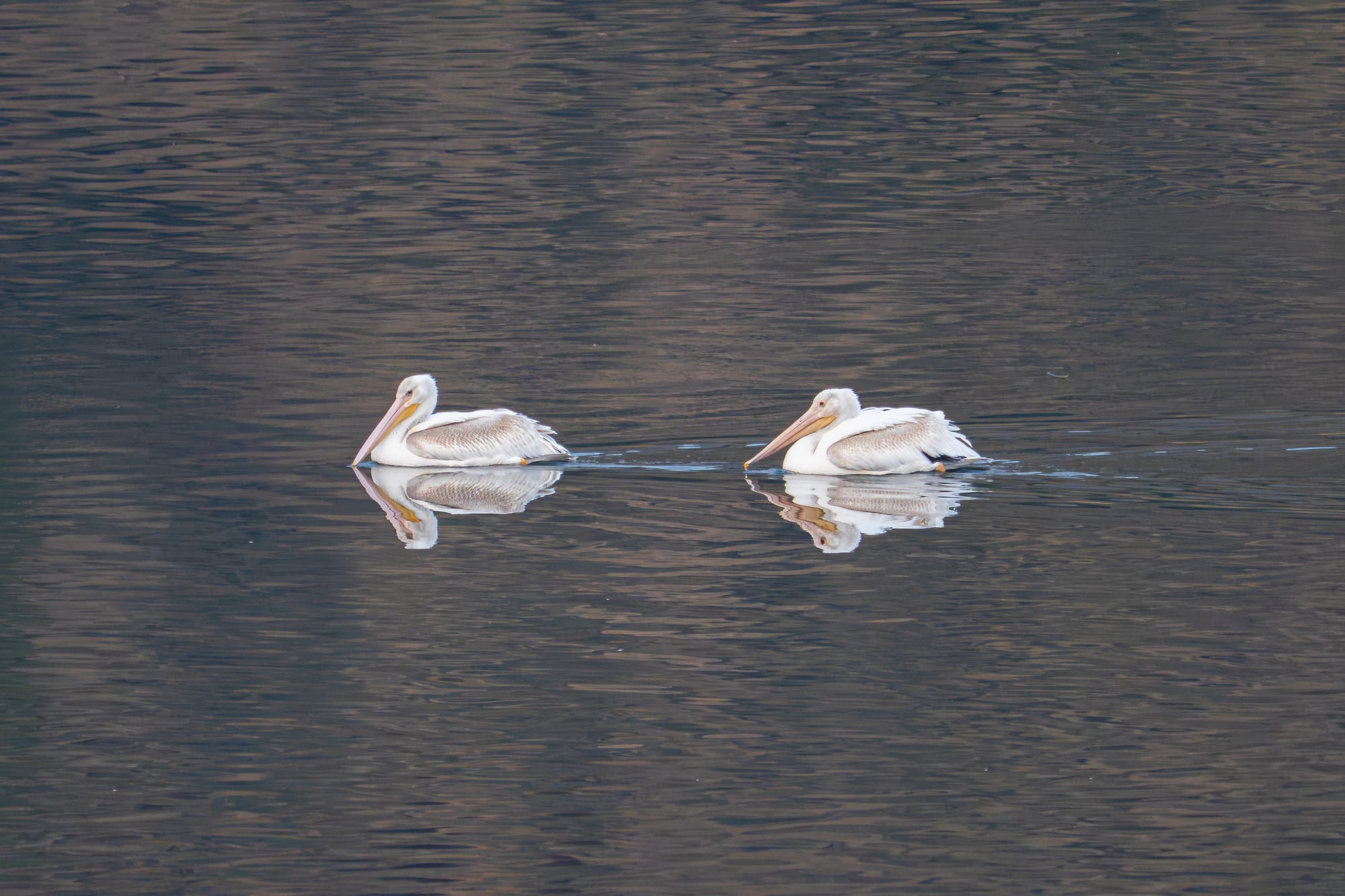
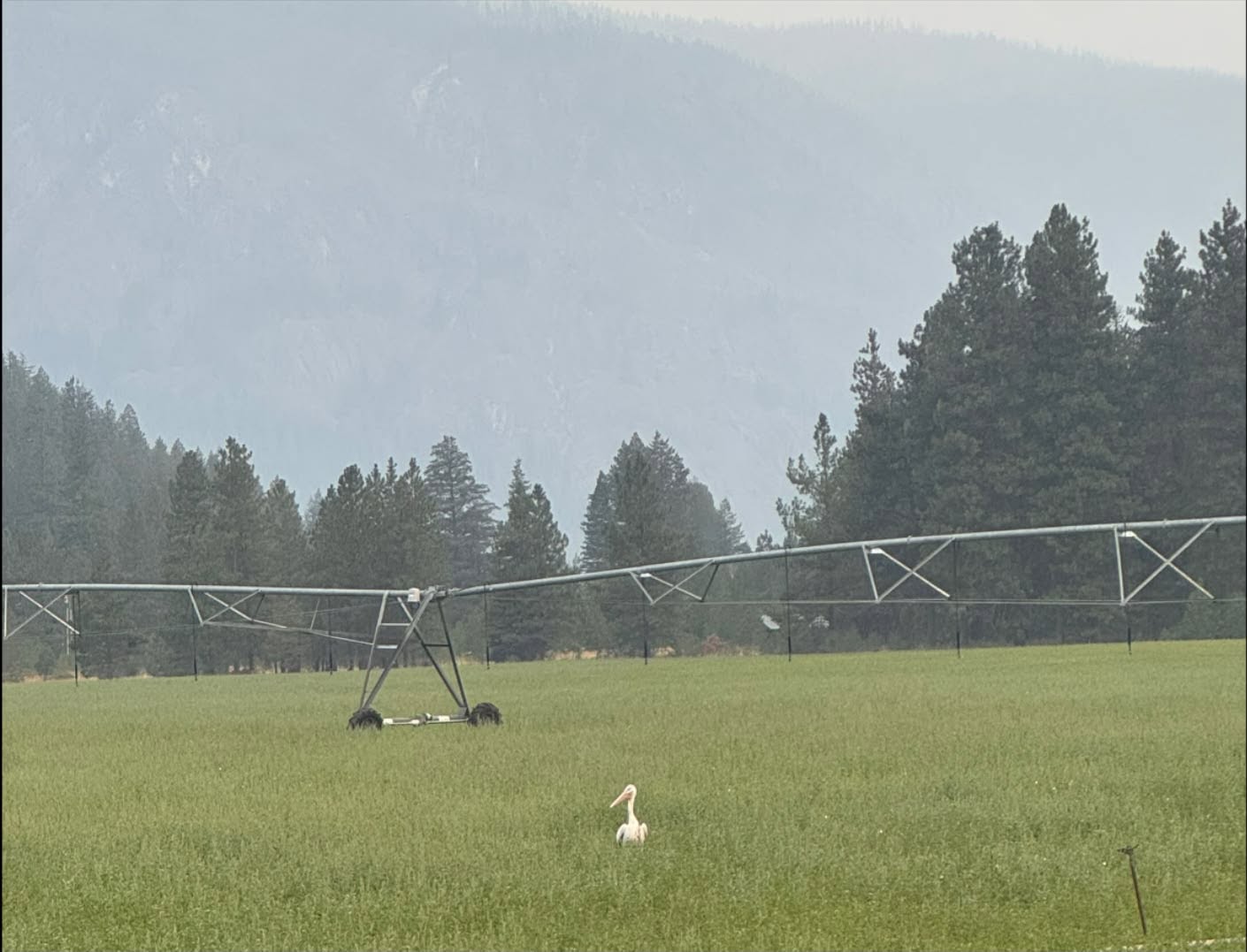
There has been a fair amount of bird activity this week, with the notable appearance of at least two American white pelicans at the beginning of the week. Two stopped briefly at Big Twin Lake, and what might have been a different one showed up in a field in Mazama, which is quite bizarre.
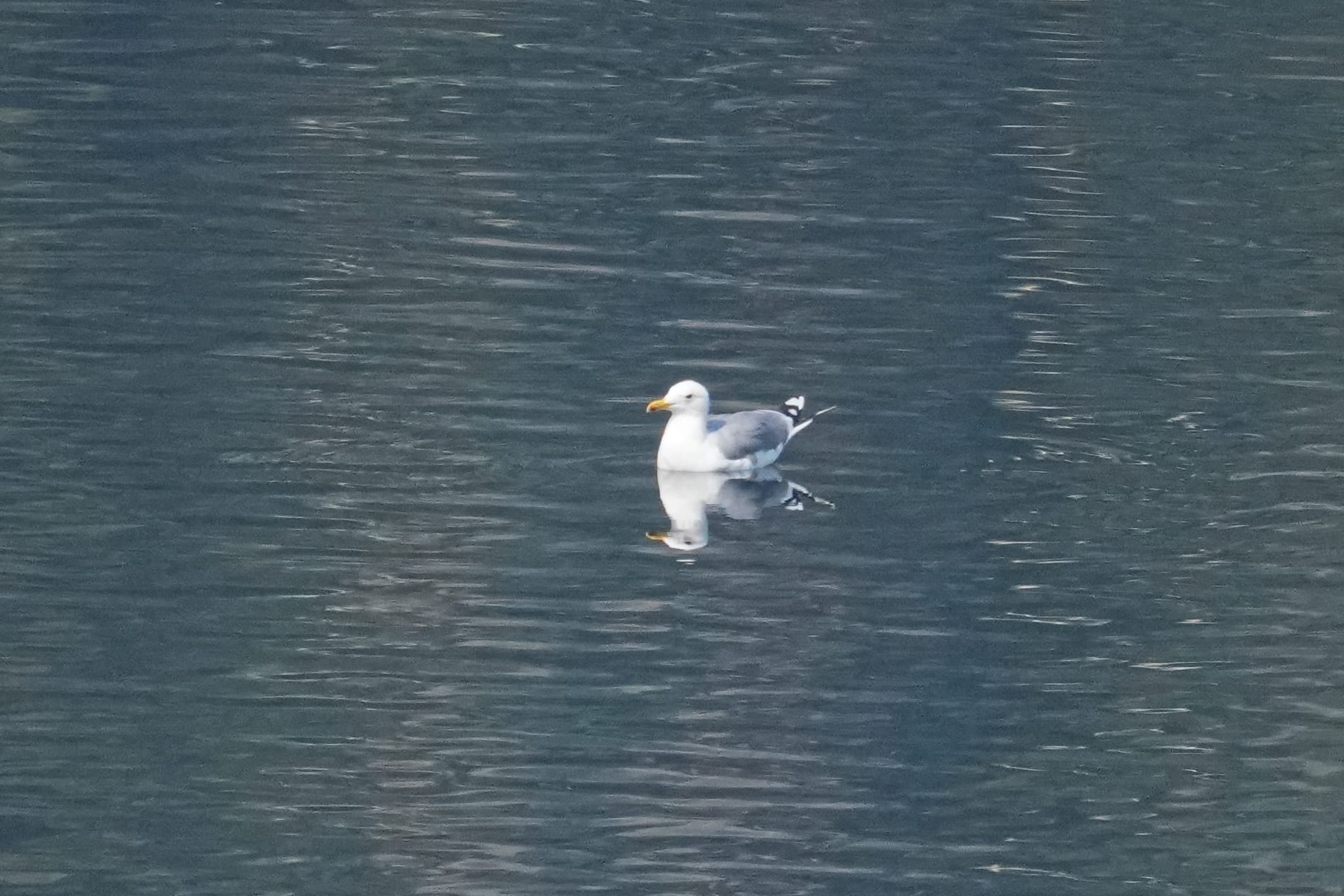
While keeping an eye on Big Twin Lake, I also spotted a single California gull, which is expected as these birds migrate from their nesting colonies throughout the American West towards the Pacific Coast. It's typical for single birds or small groups to stop briefly in the valley.
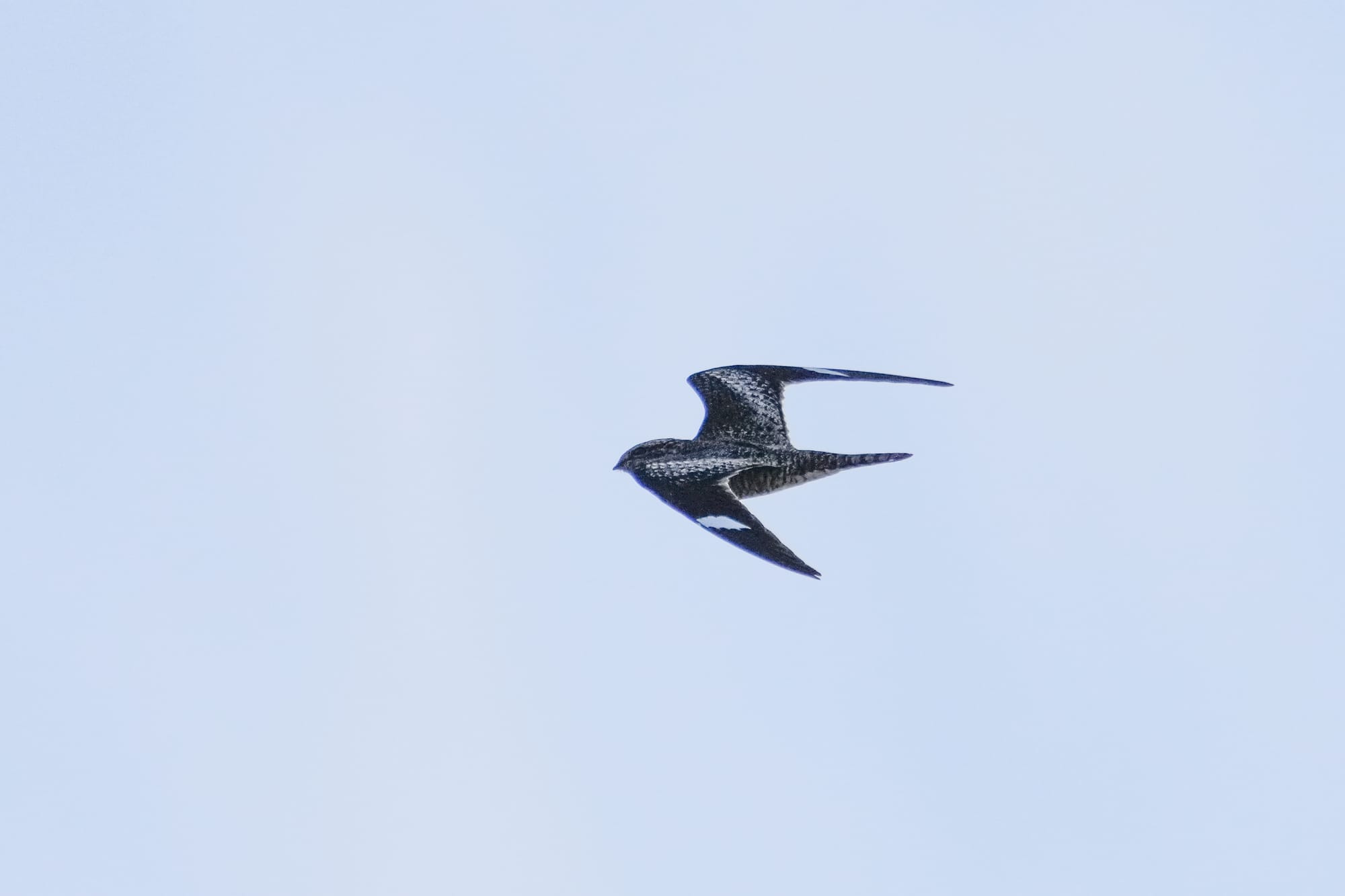
Meanwhile, I continue watching for common nighthawks in hopes of pinning down the exact day they leave the valley. I had one on the 19th, and then a couple near Chelan on the 21st, so I think they are still at least a few hanging around.
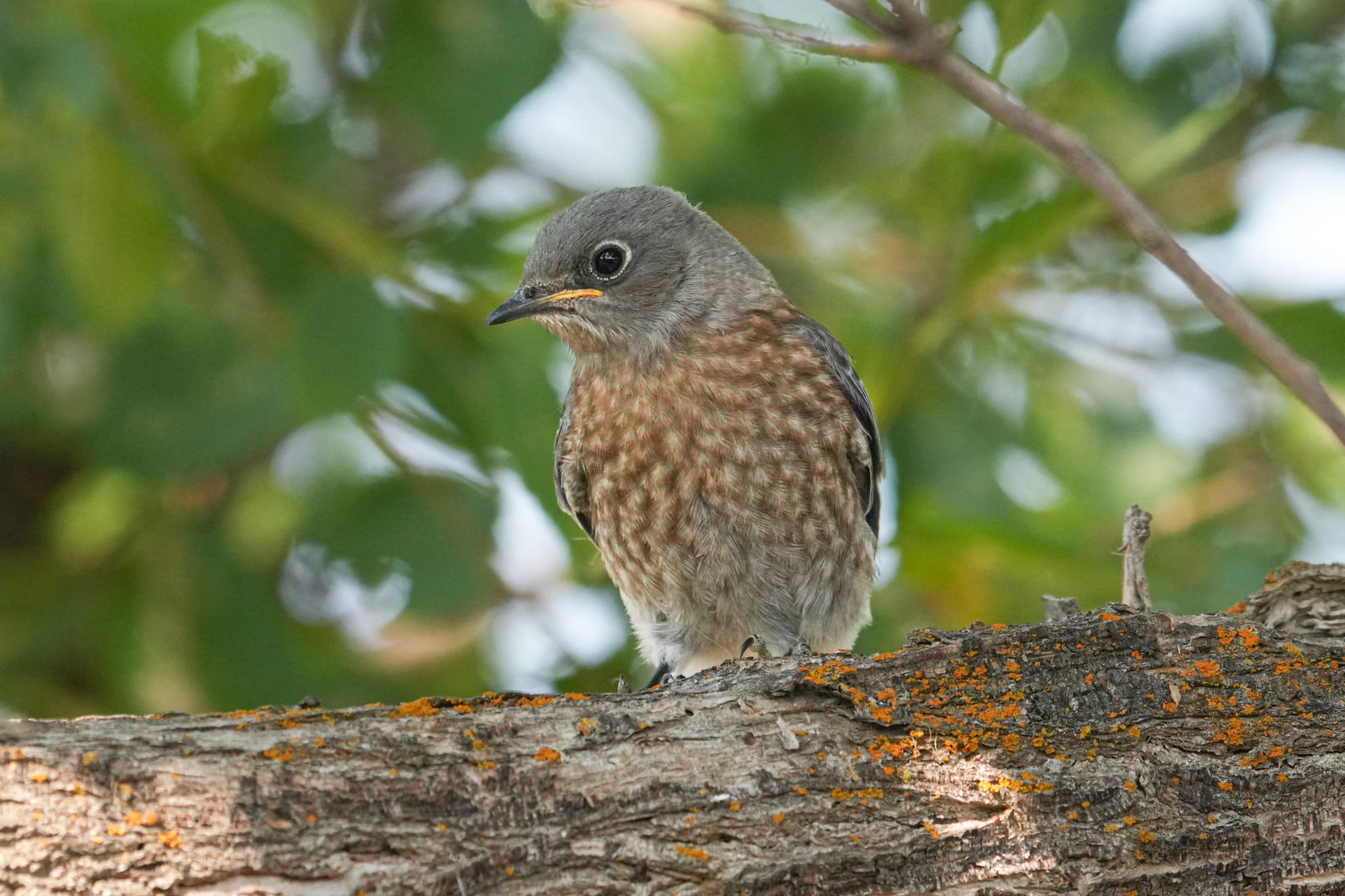
Other bird activity has included the continued appearance of mixed flocks of smaller birds that have been showing up several times a week. These flocks seem to be built around families of western bluebirds feeding new babies, while chipping sparrows, yellow-rumped warblers, and other birds are also attracted to the busy energy. I've been surprised by how many baby bluebirds I've been seeing over the past two weeks, so this is something I'm going to watch for next summer as well.
Observation of the Week: Flocking birds
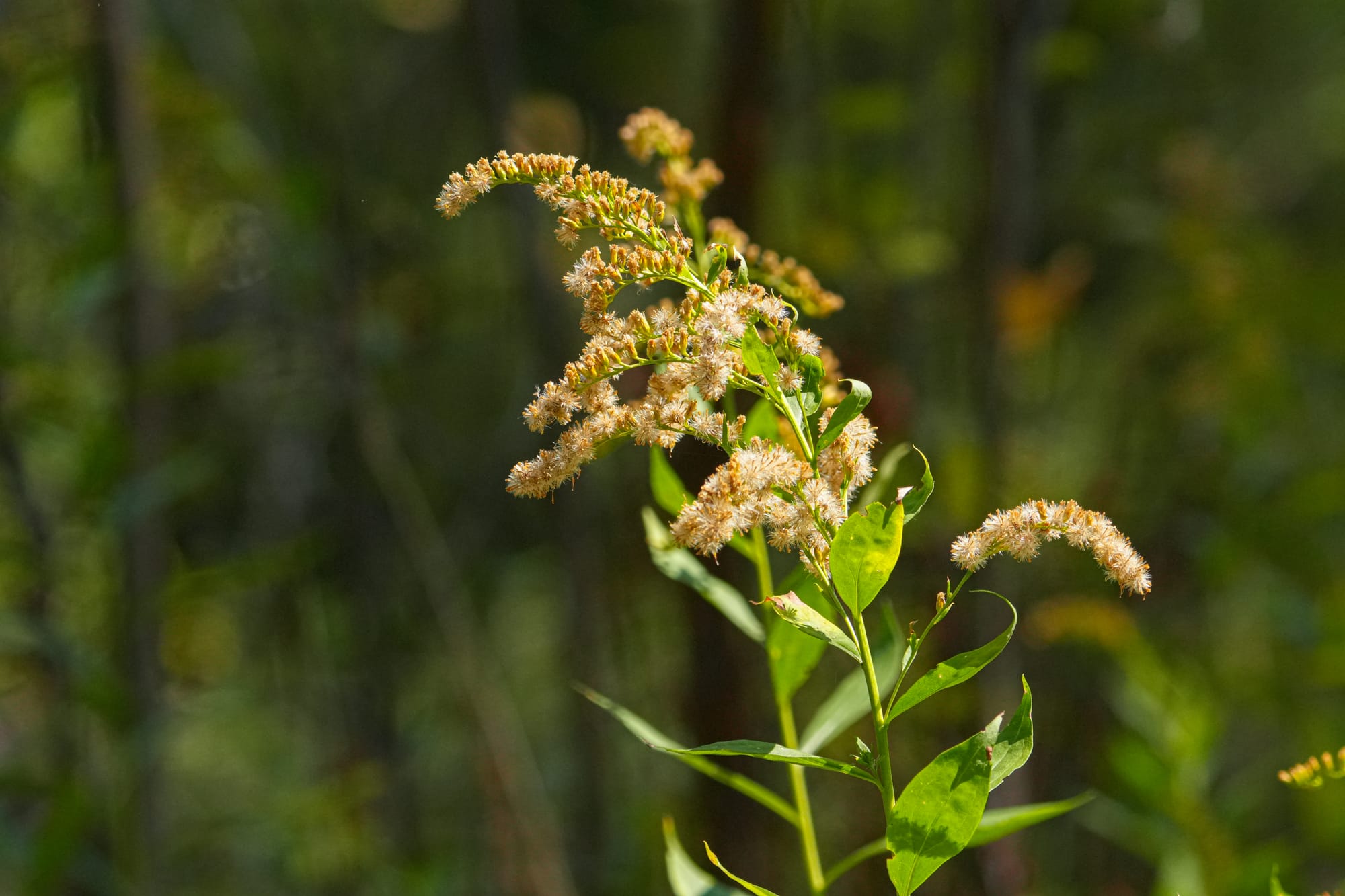
One of the more conspicuous seasonal changes you might be noticing is the appearance of bird flocks. This happens as birds stop defending separate breeding territories, and adult and juvenile birds start hanging out together.
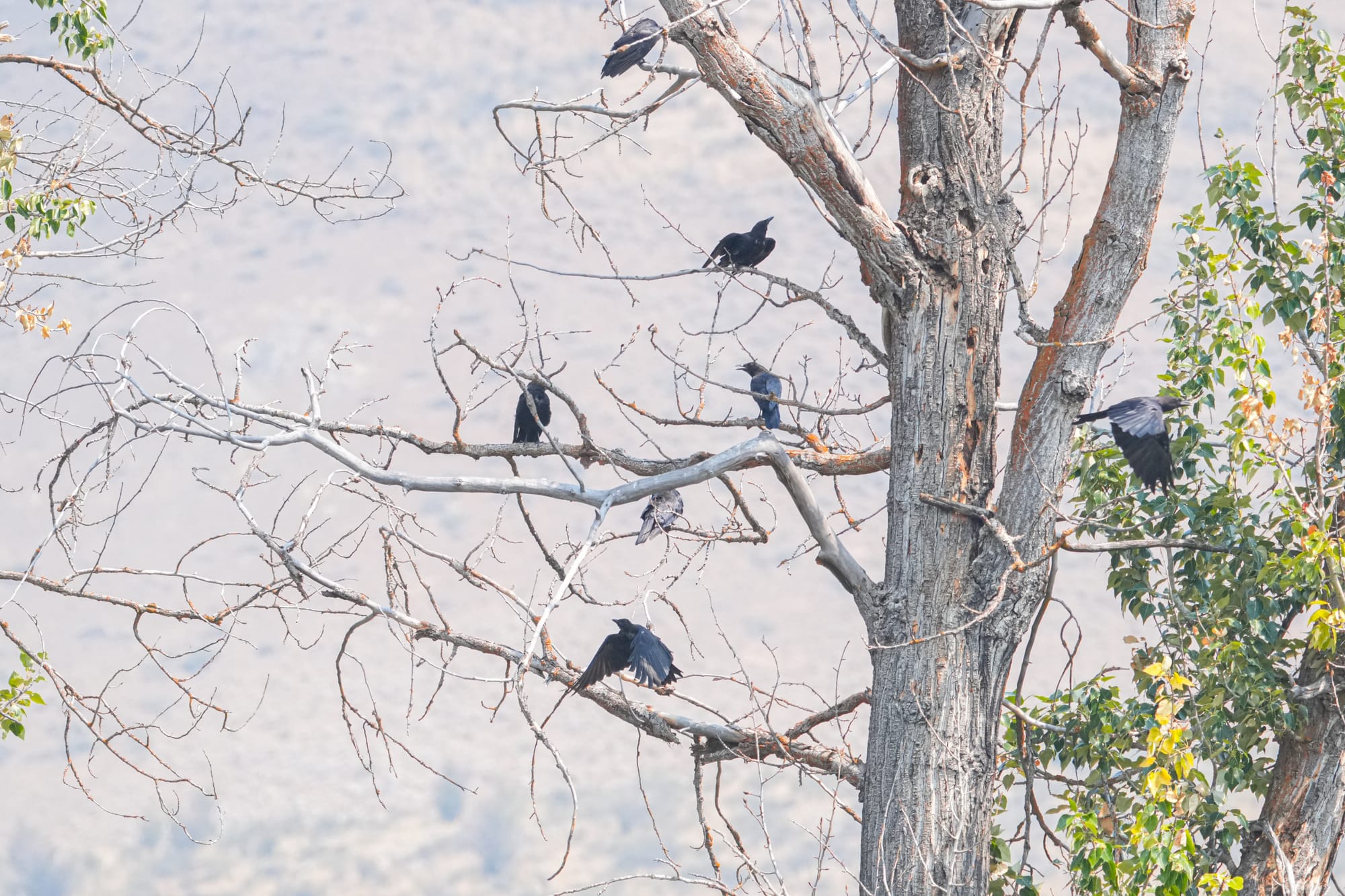
One advantage to hanging out in flocks is that there is safety in numbers. Not only does this lower your chances of being eaten by predators, but it helps if other birds in your group can watch for predators while you look for food.
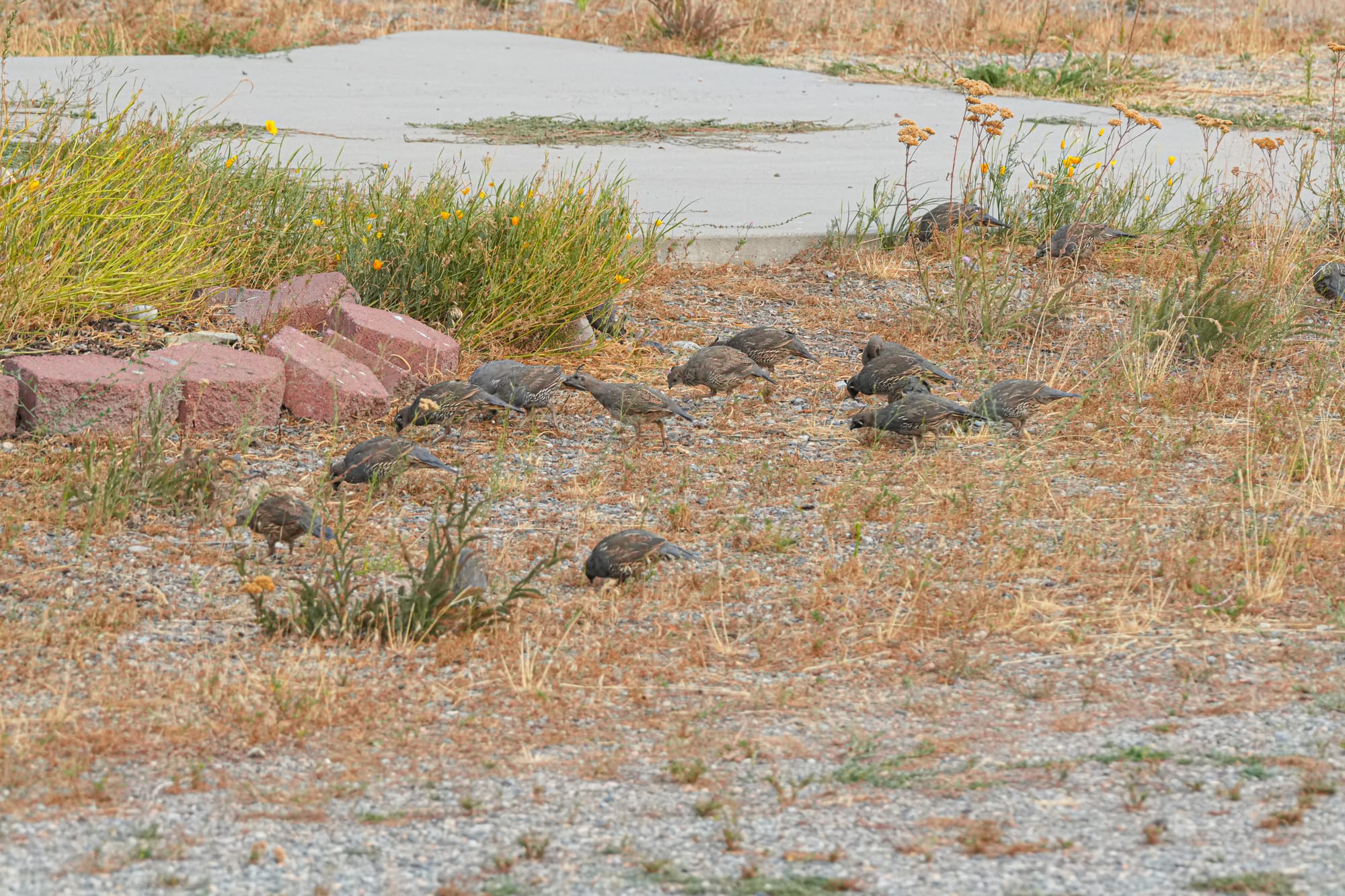
Not only that, but it helps to have more eyes looking for food because if one bird discovers a patch of food then other birds can join and share the feast.
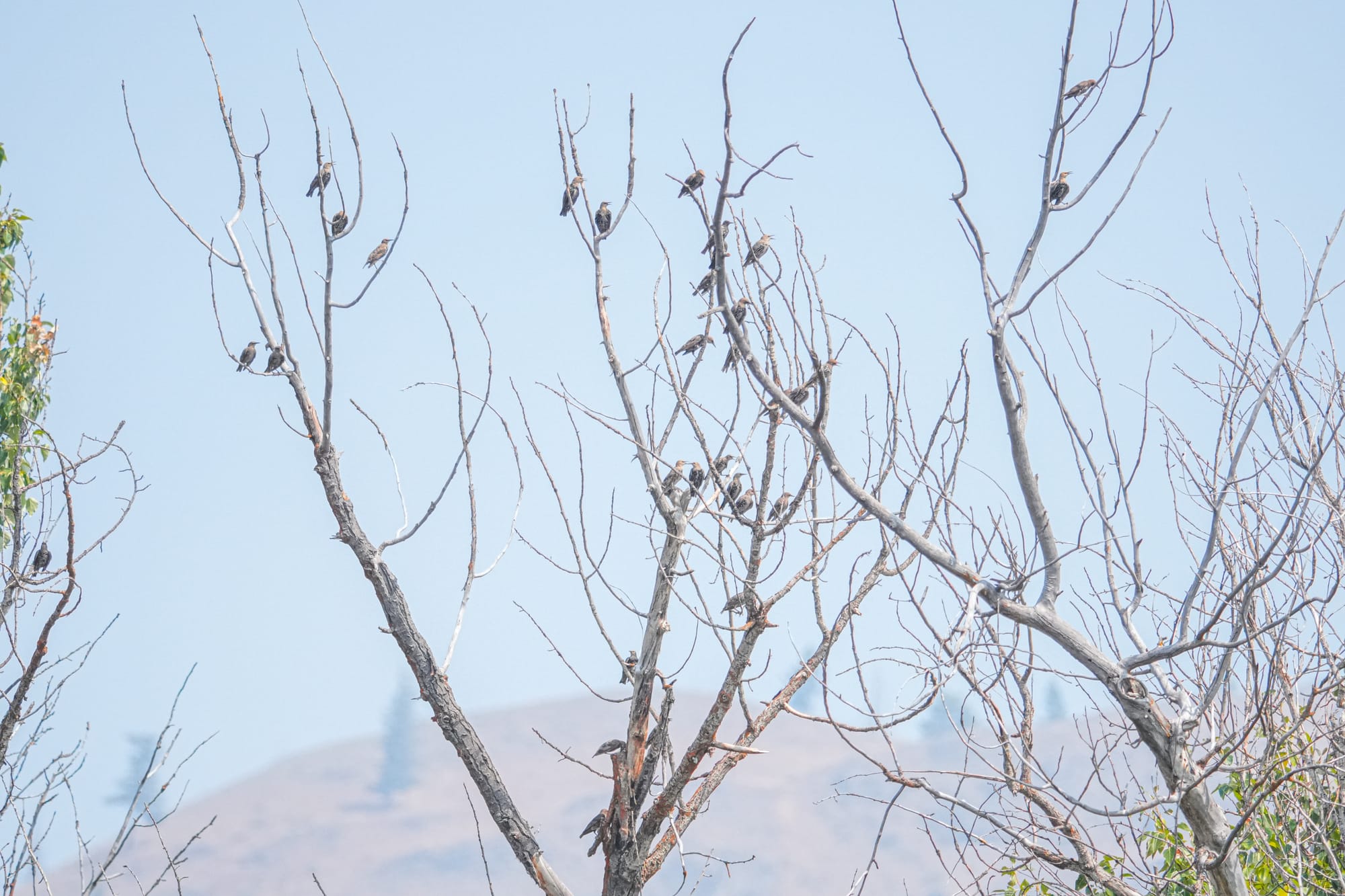
Other advantages include juvenile birds having a chance to watch and learn from adults birds, plus migrating birds can watch each other and come to a group consensus on when it's time to head south.