Early Winter Dusting
October 25-31, 2026

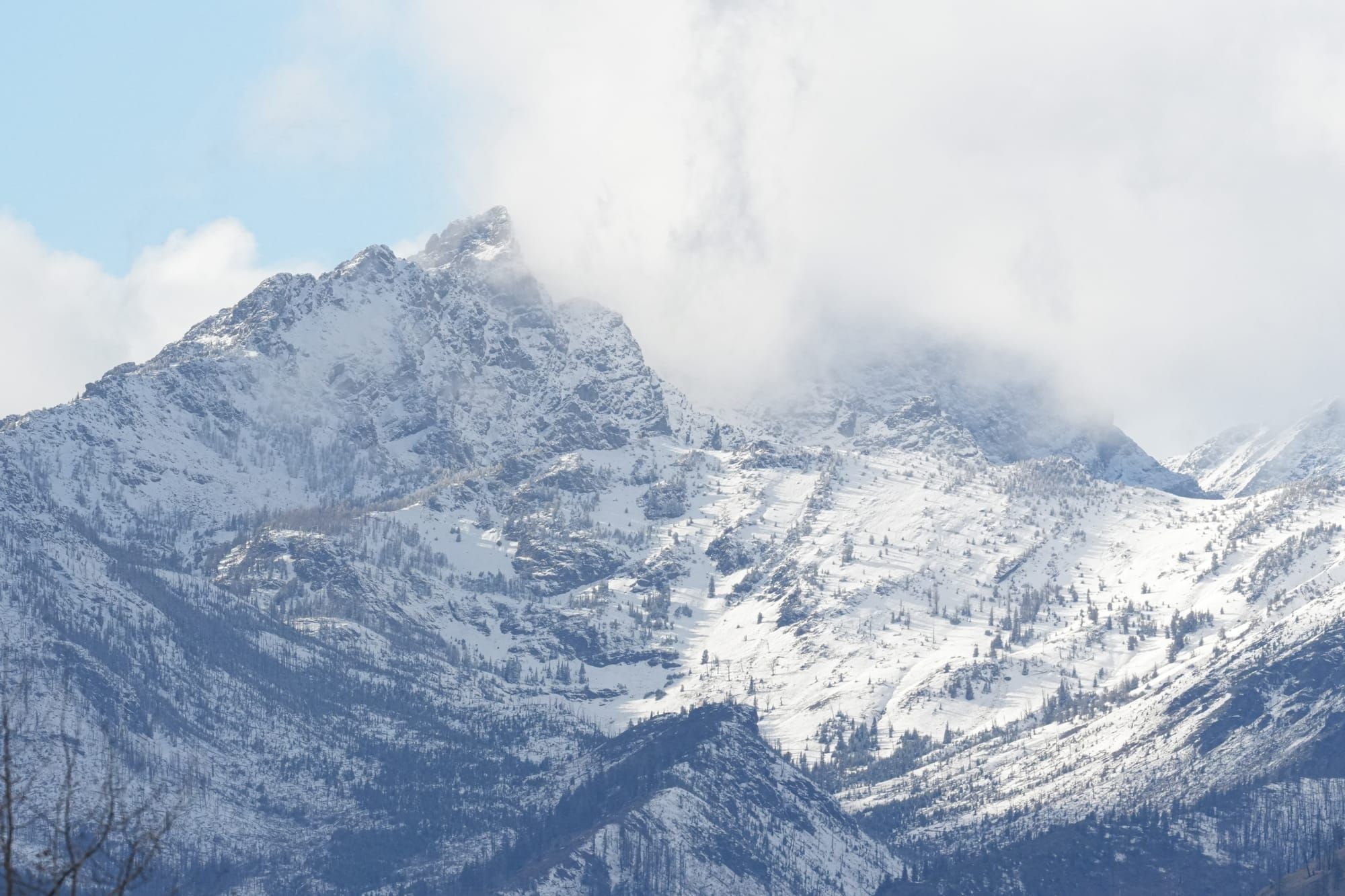
This was a mostly gray and chilly week with brief windows of weak sun and a scattering of hail and rain.
Week in Review
While we're finally entering that quiet time of year when the natural world goes into a deep sleep, there are still small vestiges of fall activity, including an occasional insect or the sudden arrival of a migrating bird.
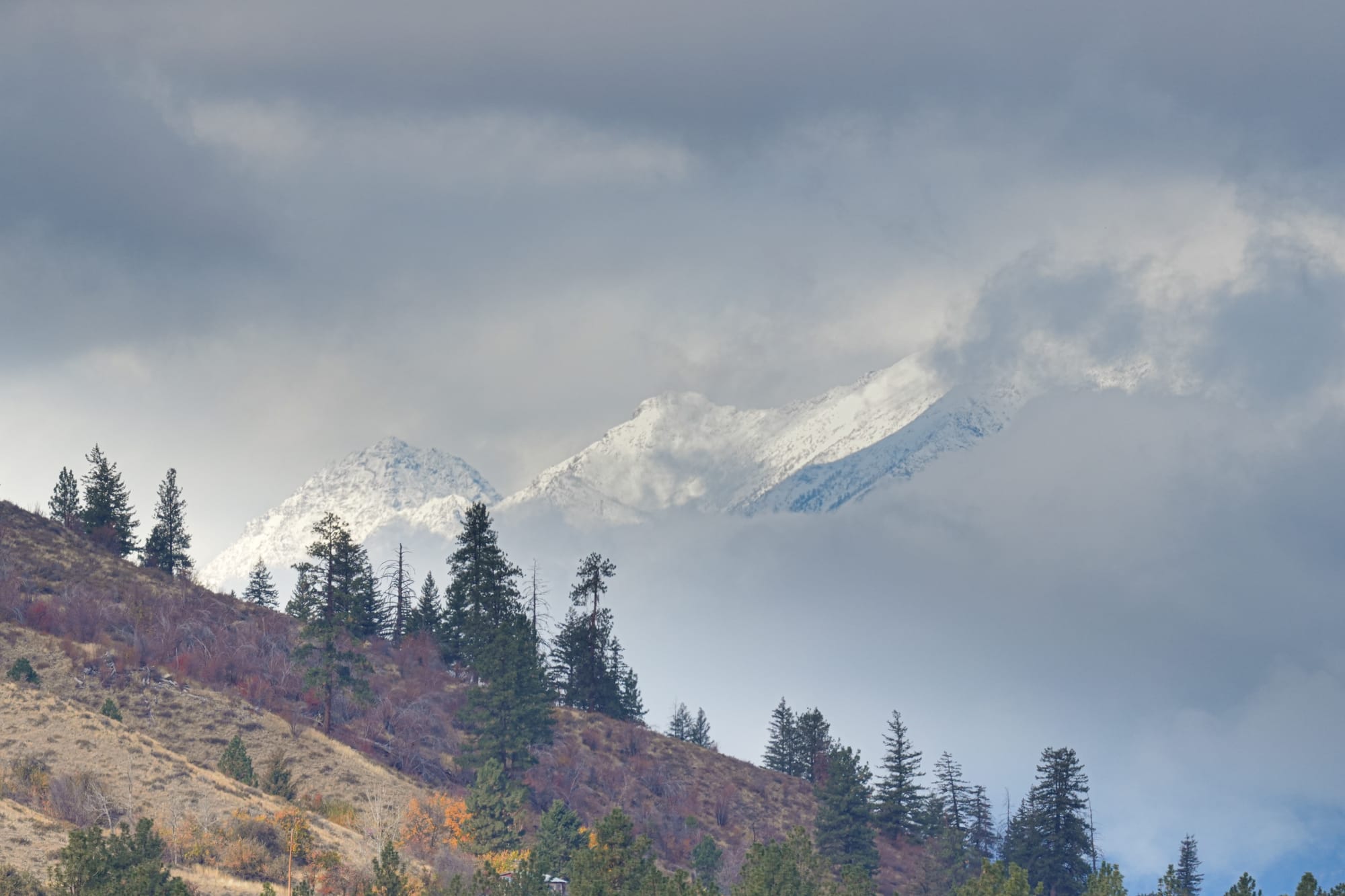
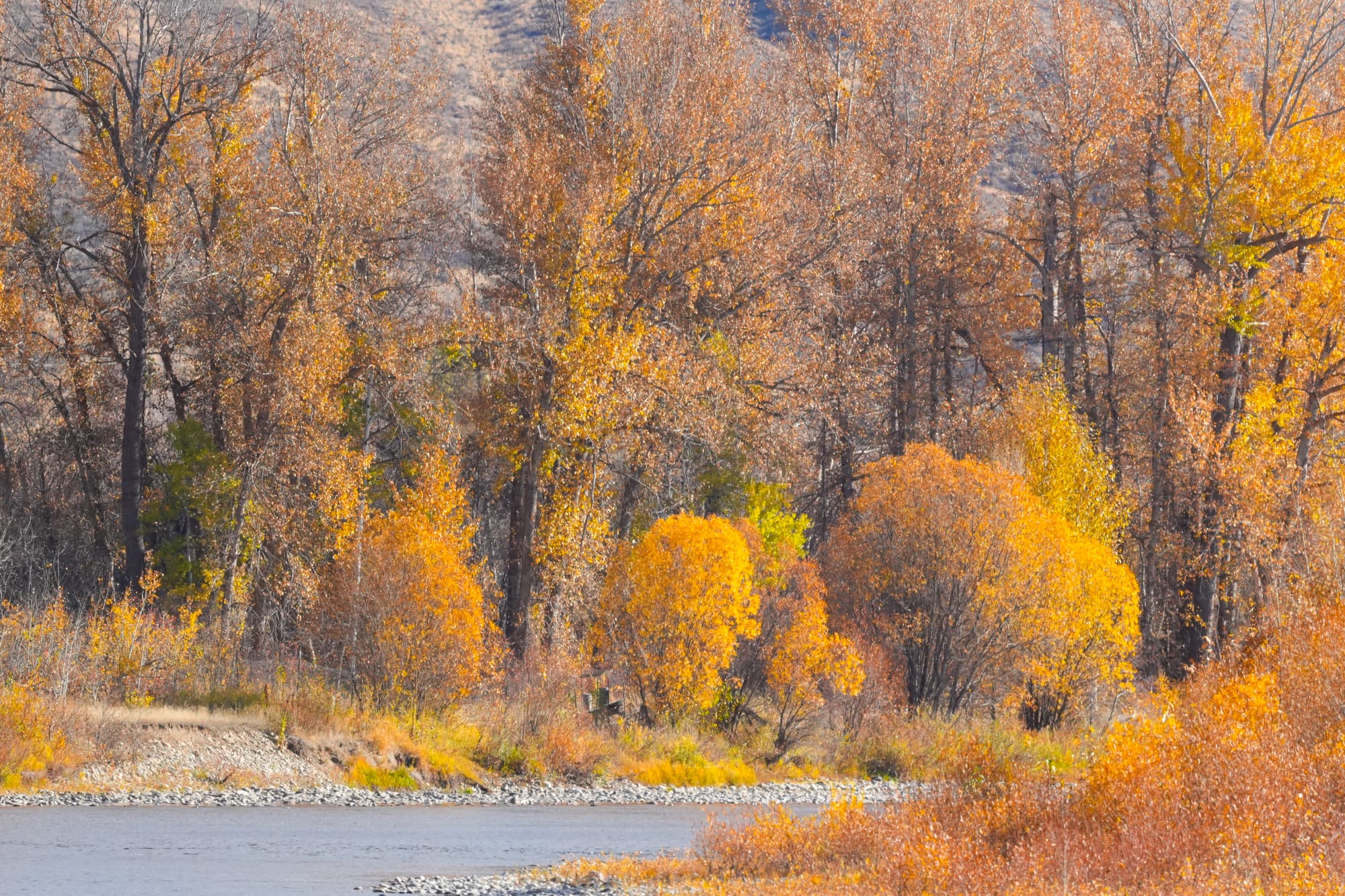
Leaves have been starting to drop, with some branches and trees looking forlorn and empty, but there are still many pockets of fall colors around the valley. Falling leaves are such an important part of nature's cycles that I'll describe more of this story below.
With the exception of rose hips, many of our native fruits and berries have long since vanished, so it's a pleasure to run across old apple trees hanging heavy with fruit. Fortunately, the valley has many old homesteads and remnants of orchards, so you might find apple trees in the most unexpected places. These early-winter apples are especially popular with a wide range of animals, and it's a shame that the apple trees that helped so many animals survive the winter were recently cut down in Twisp.
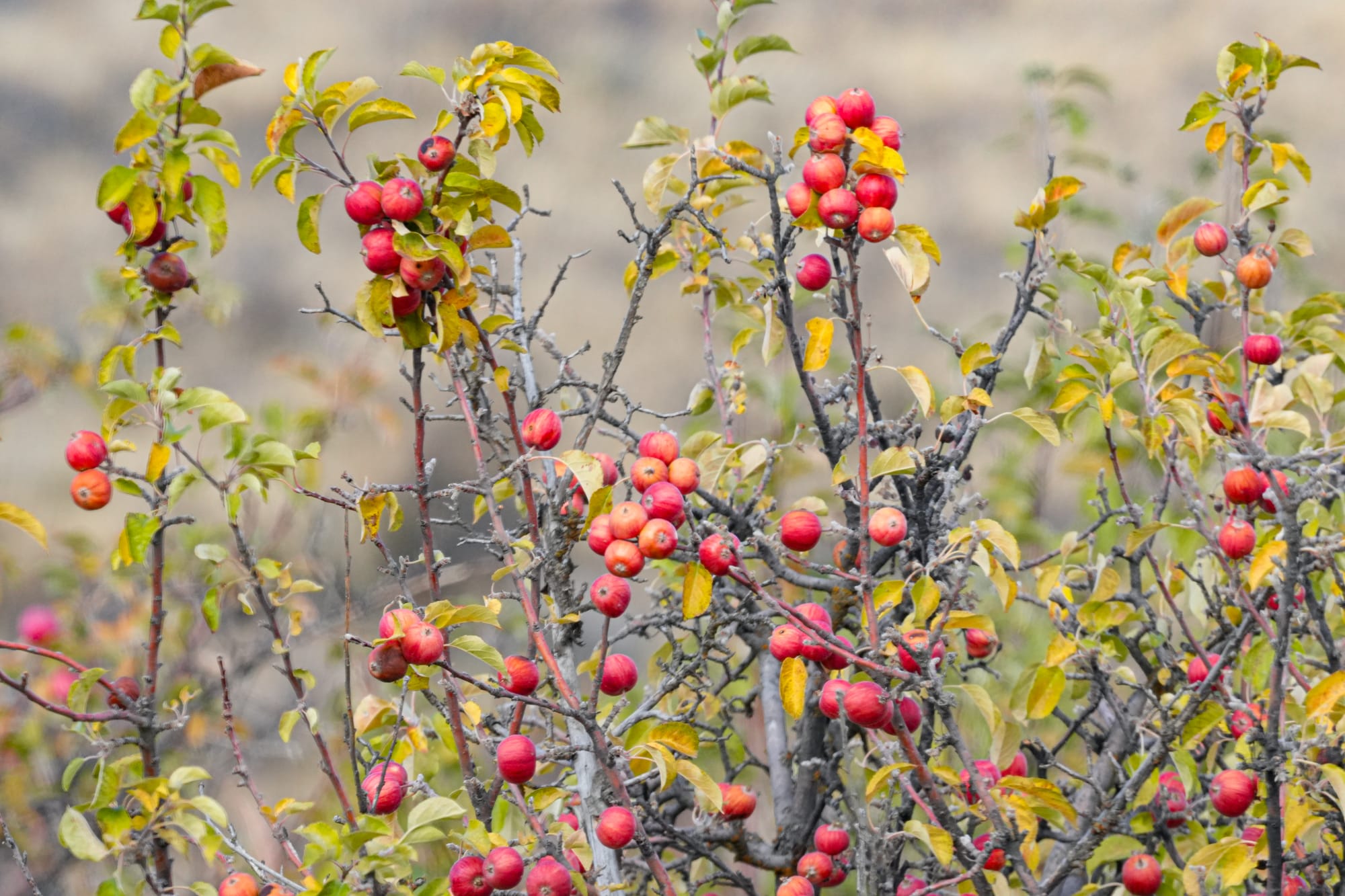
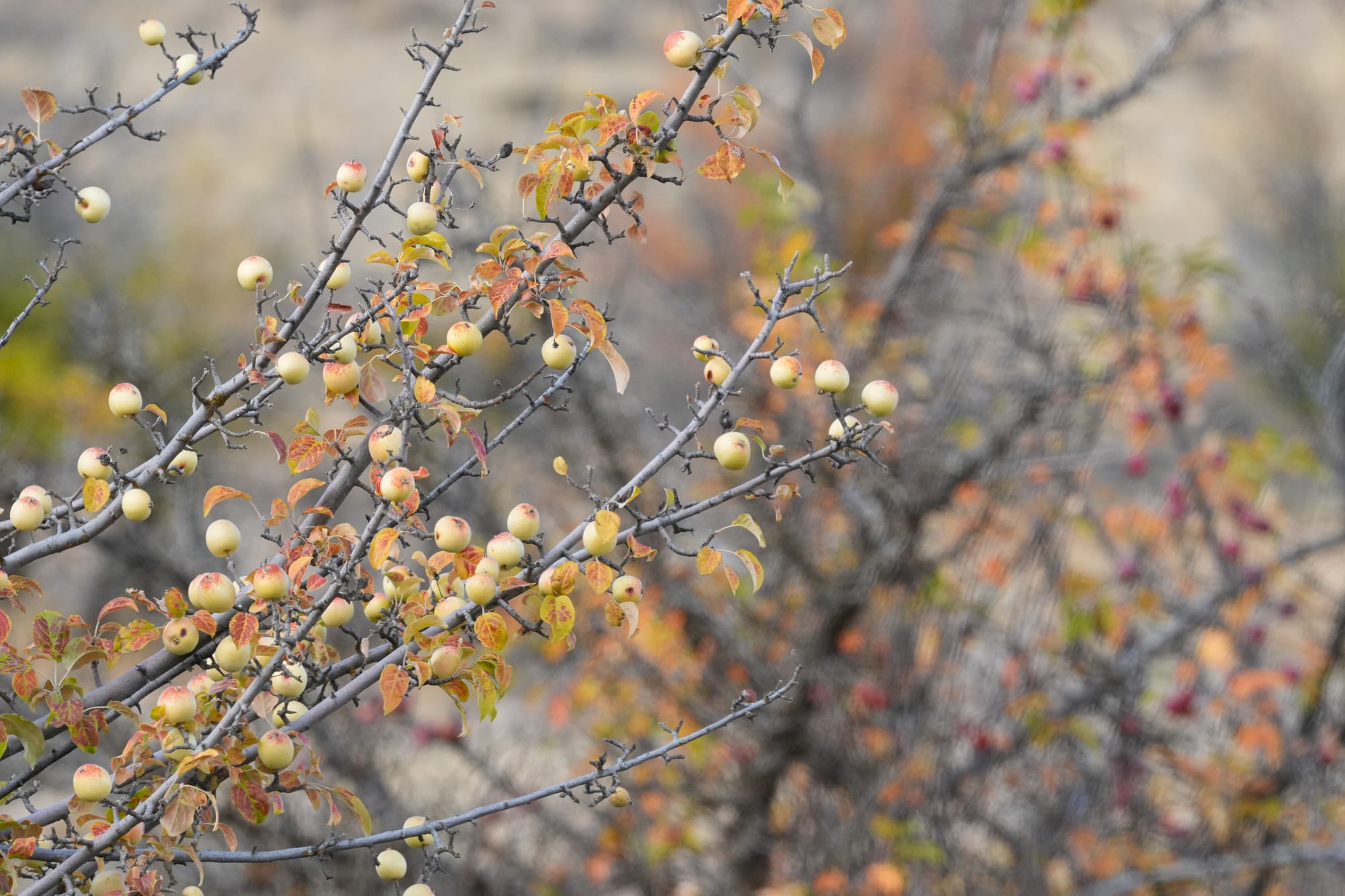
Old apple trees at the base of Lewis Butte. Photo by David Lukas
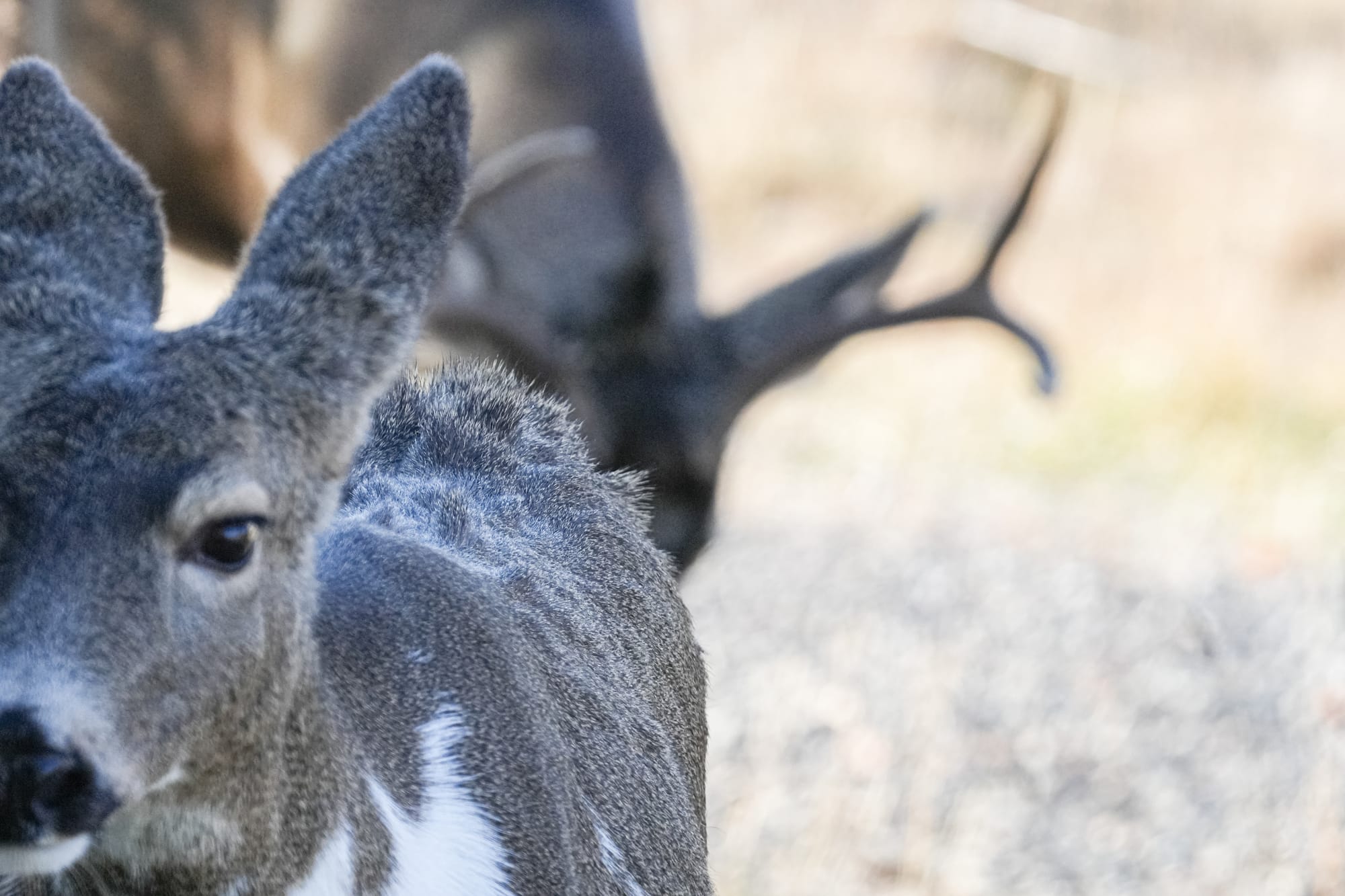
One of the reasons why these foods are so important to animals is that some animals, like mule deer, need a lot of energy. Males are rutting and spending all their time chasing after females right now, while females need enough nutrients to make it through the winter while also being pregnant.
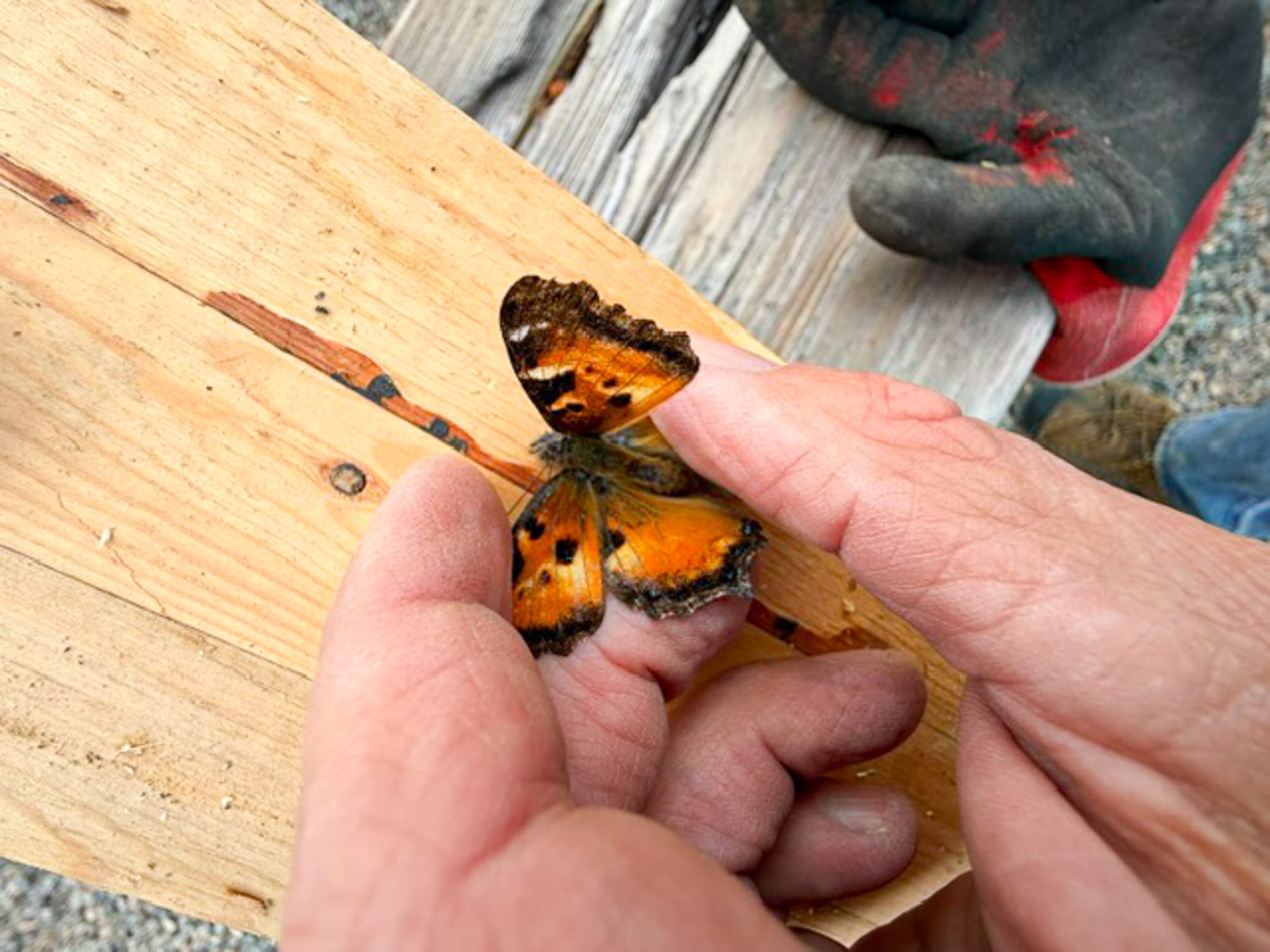
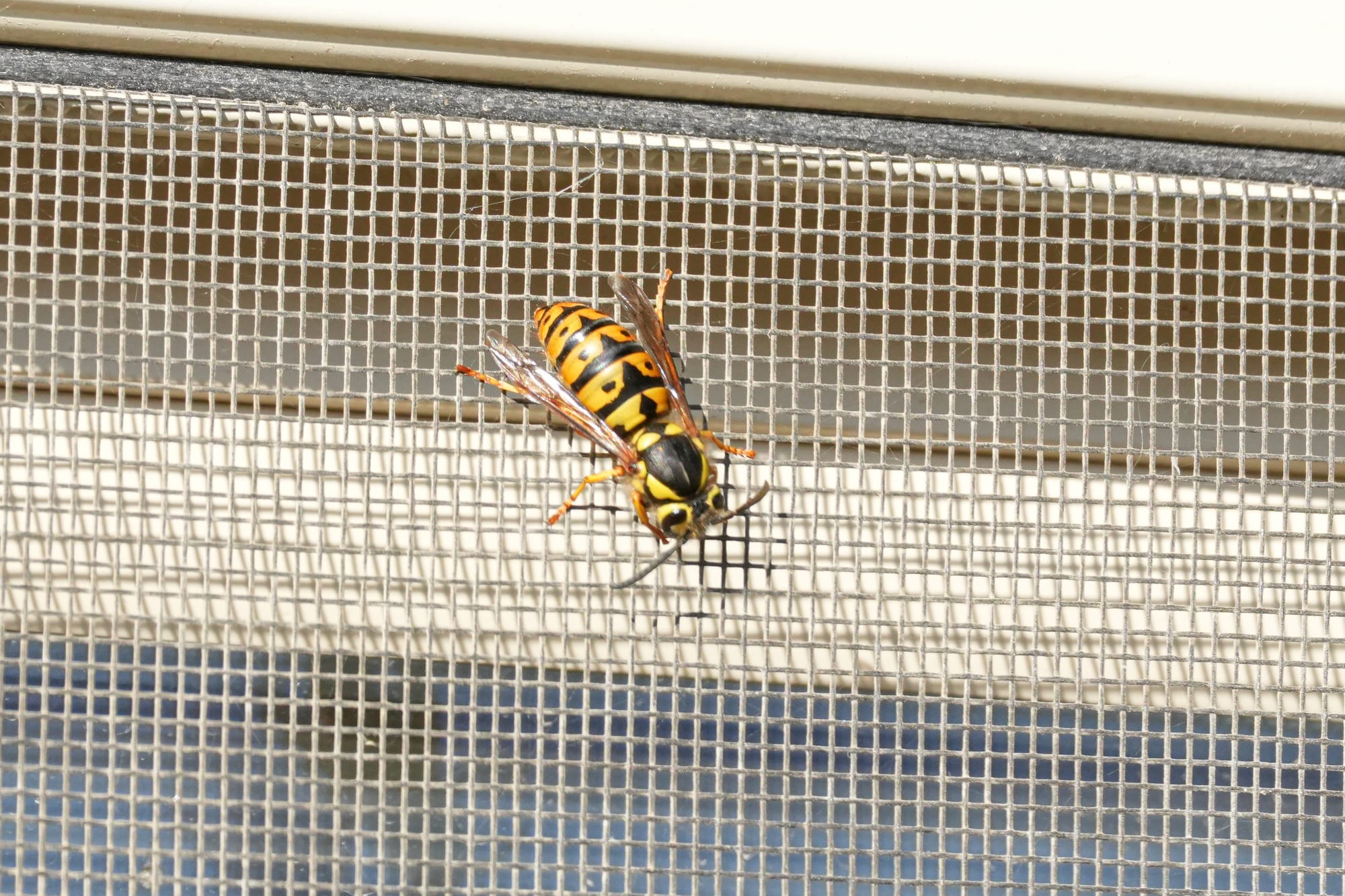
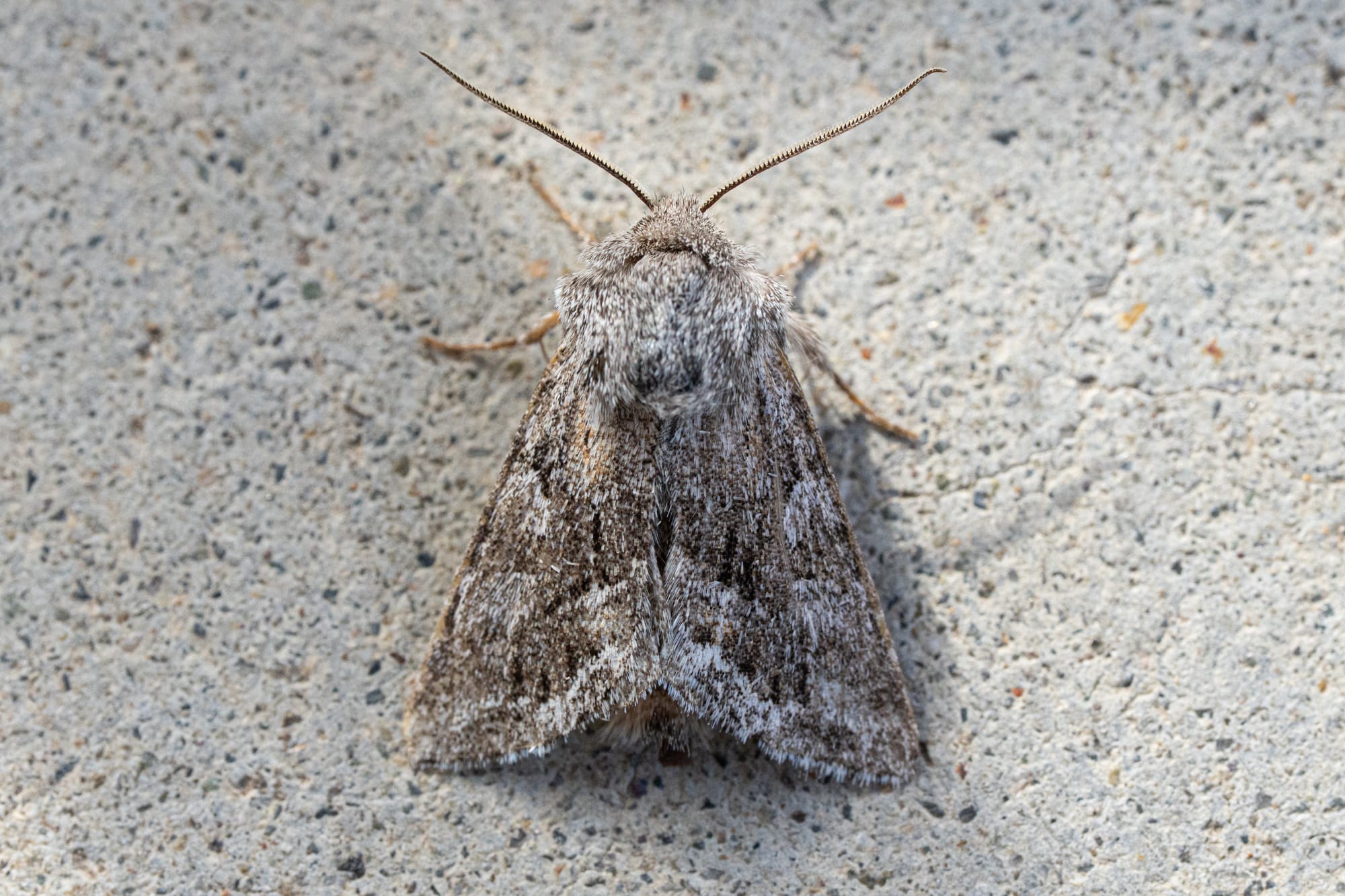
With the arrival of frosty nights and temperatures dropping into the 20s, most insects have either died or found secure hiding places for the winter. However, a few hardy insects are still showing up on sunny days, and as I sit outside writing today's newsletter on one of those days, a few small flies and wasps are flitting around me. I wonder if they're all smaller because smaller insects heat up faster?
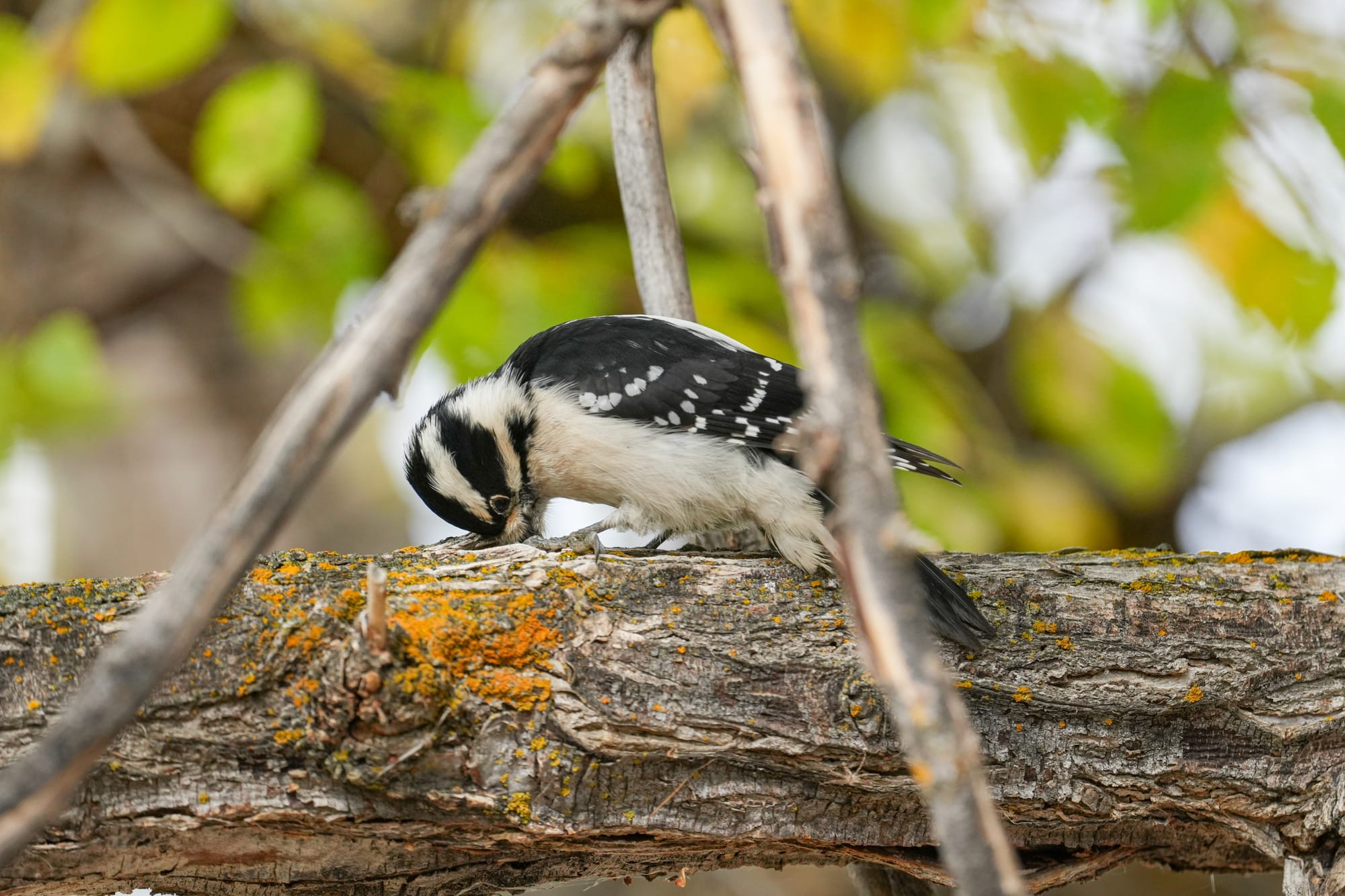
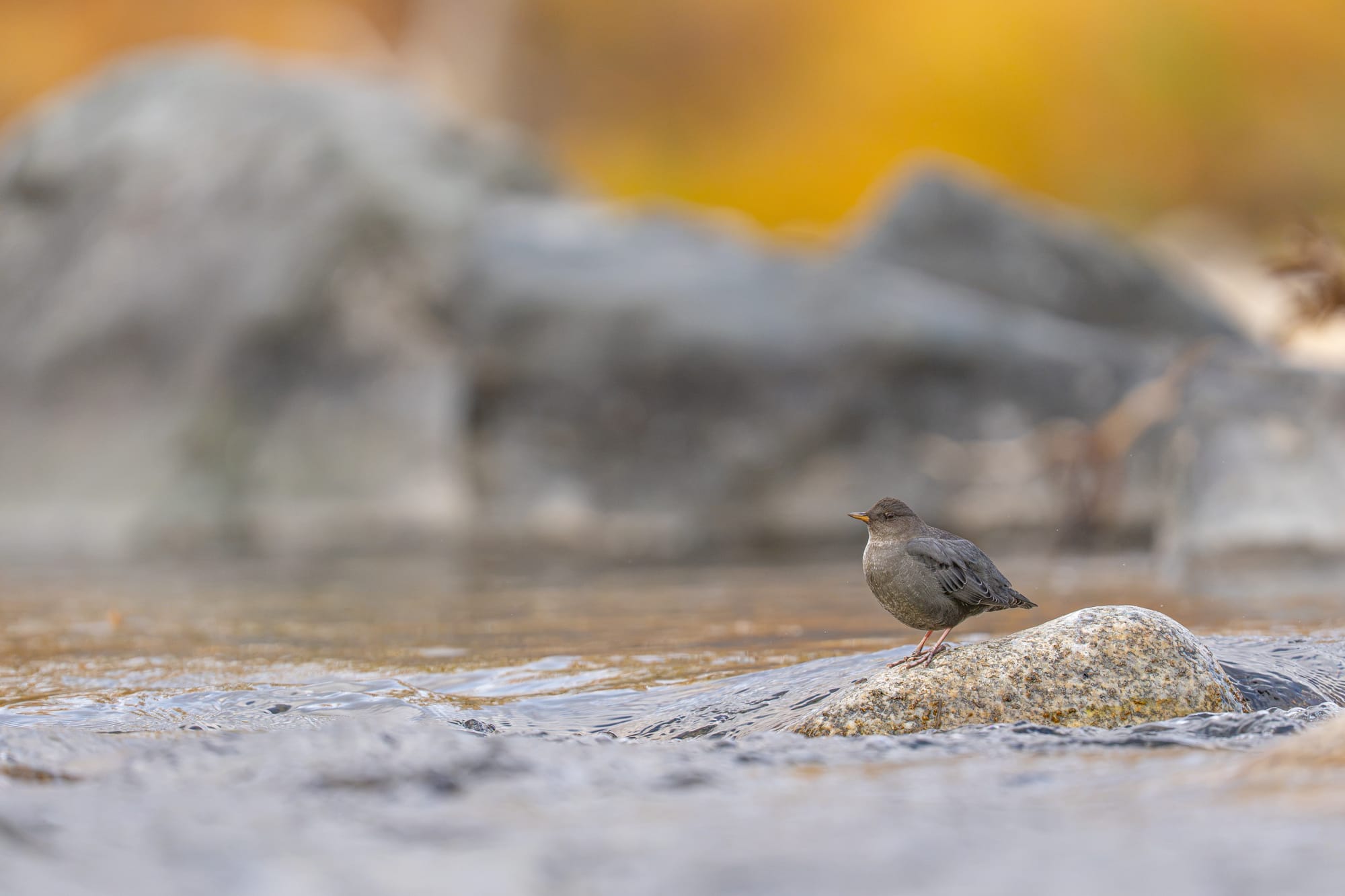
After walking for hours without seeing any animals, finding one of our resident birds is a welcome change. Although it might seem like there aren't many birds around, the annual Christmas Bird Count (being held on December 15 this year) reveals that dozens of species spend the winter in the Methow Valley, and this week alone, I've been seeing lots of black-capped chickadees and woodpeckers.
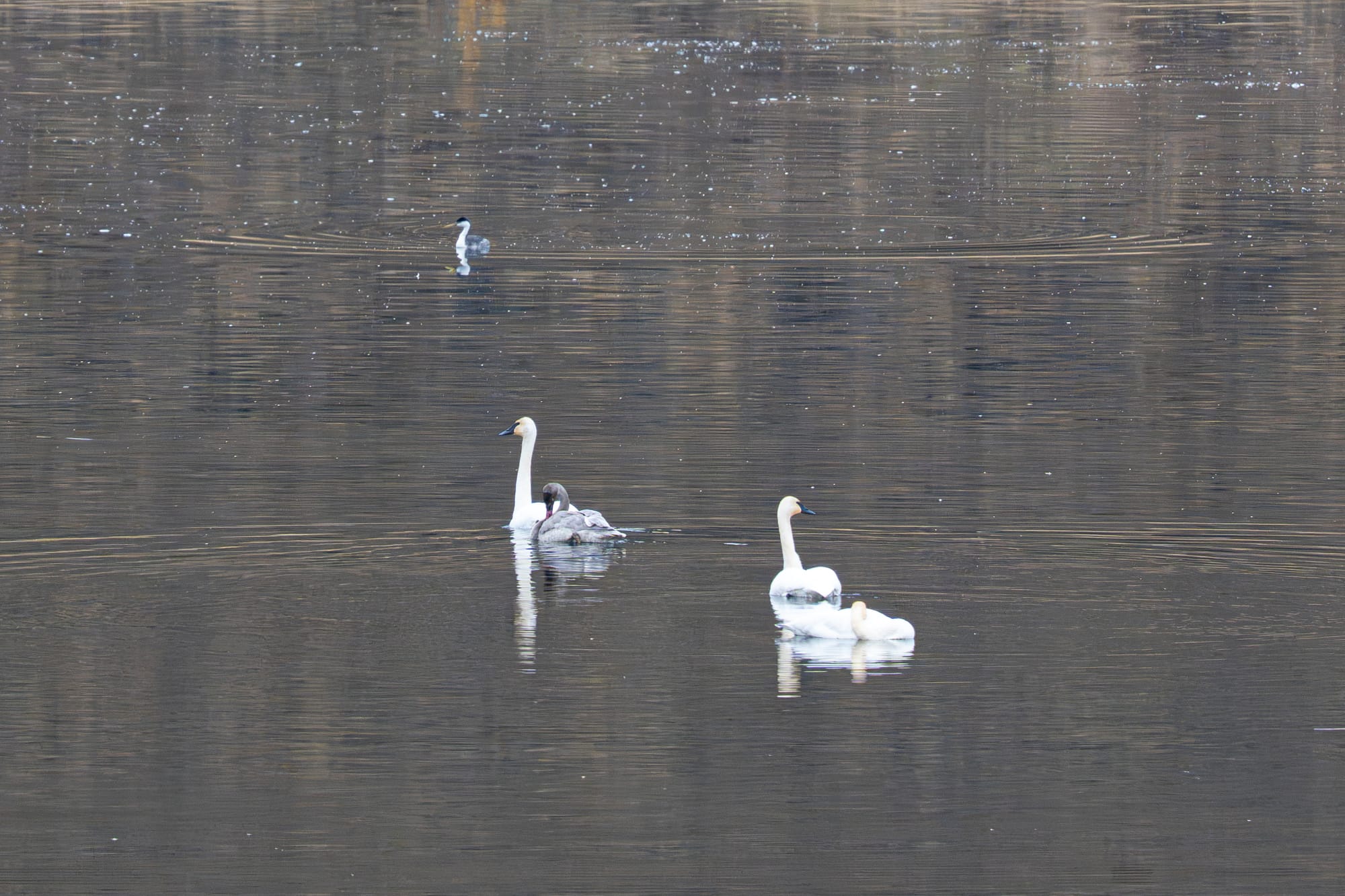
One notable sighting this week was the arrival of trumpeter swans at Big Twin Lake on October 29. And when I walked down to photograph them, I was startled because a western grebe that I hadn't noticed suddenly appeared. The numbers of trumpeter swans typically grow until freezing lakes force them to head south.
Observation of the Week: Fallen Leaves
I've talked about fallen leaves on several previous occasions, but this topic is so important and timely that it deserves to be mentioned again. In particular, I want to highlight how important fallen leaves are to the health of rivers, including the Methow River.
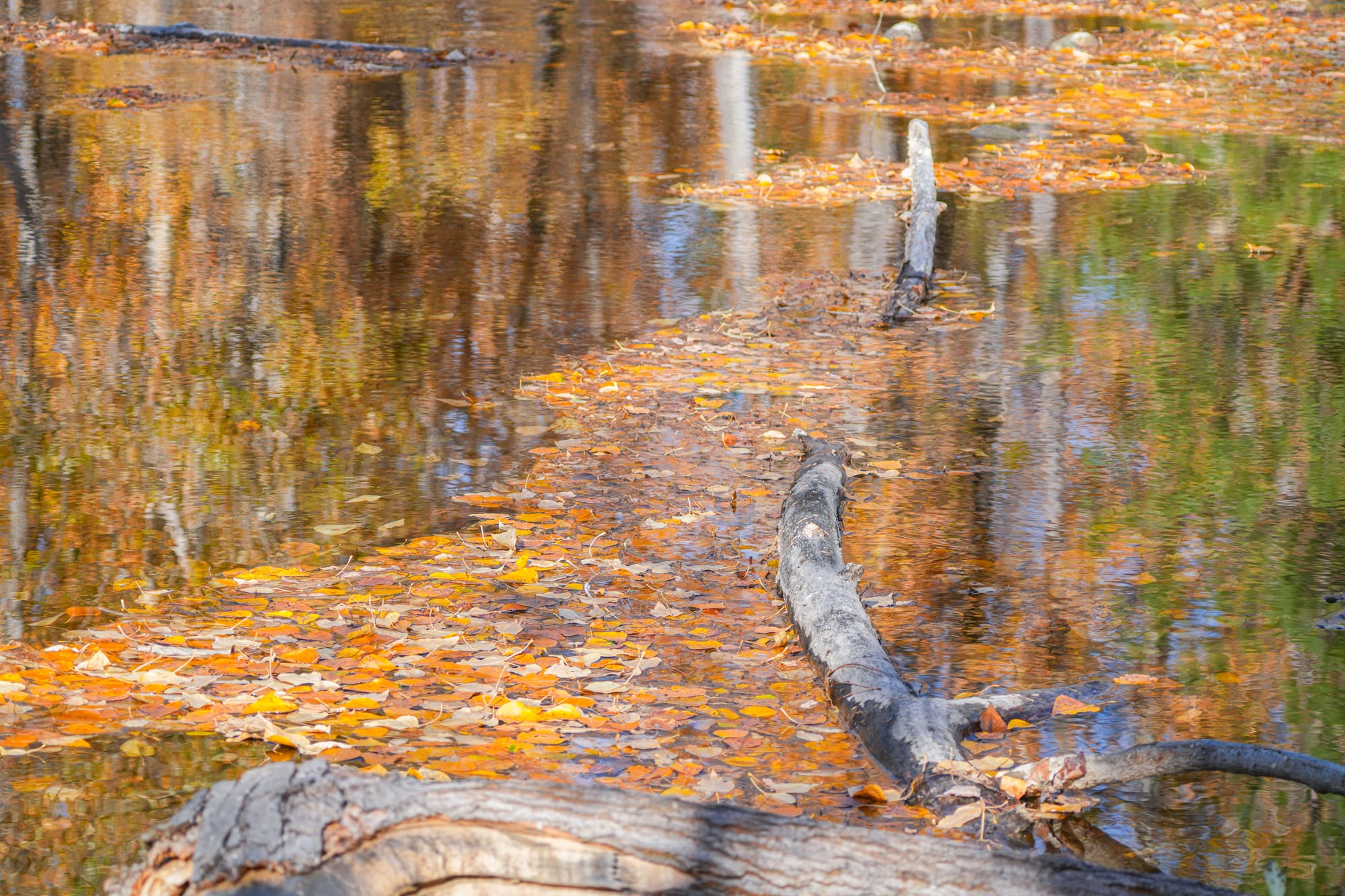
Leaves look messy to us, but fallen leaves (and dead branches) are the foundation of life in a river. Rivers by themselves are generally sterile environments that need a massive input of organic matter to build and sustain webs of life that include everything from bacteria to bears—and leaves provide the bulk of this organic matter.
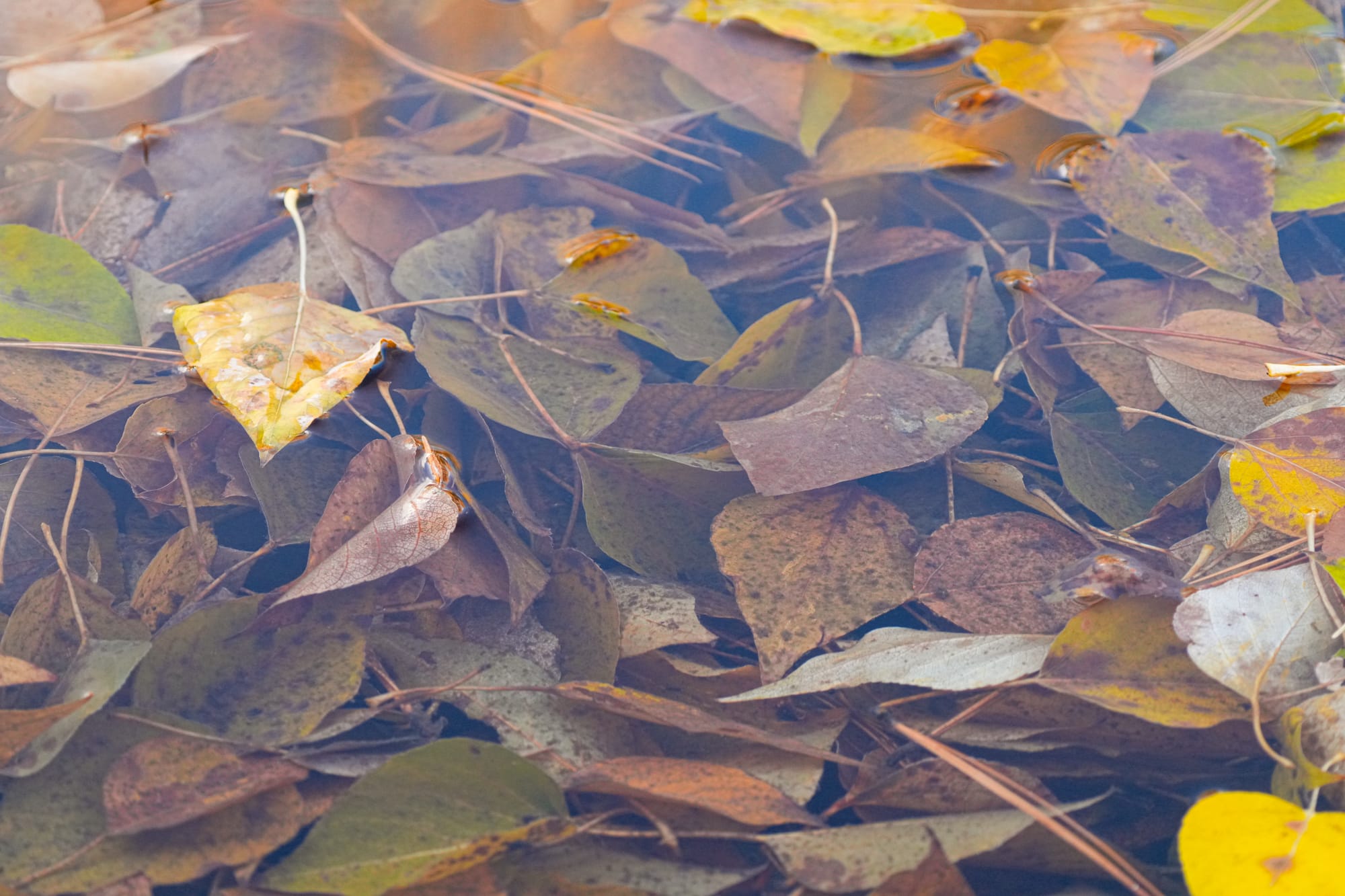
Leaves consist of complex carbohydrates, minerals, and a variety of chemical compounds, and as soon as they fall into the water, a long line of organisms begins breaking them down and releasing these nutrients. This is an extremely complicated process that I've explained in more detail in my Lukas Guides newsletter.
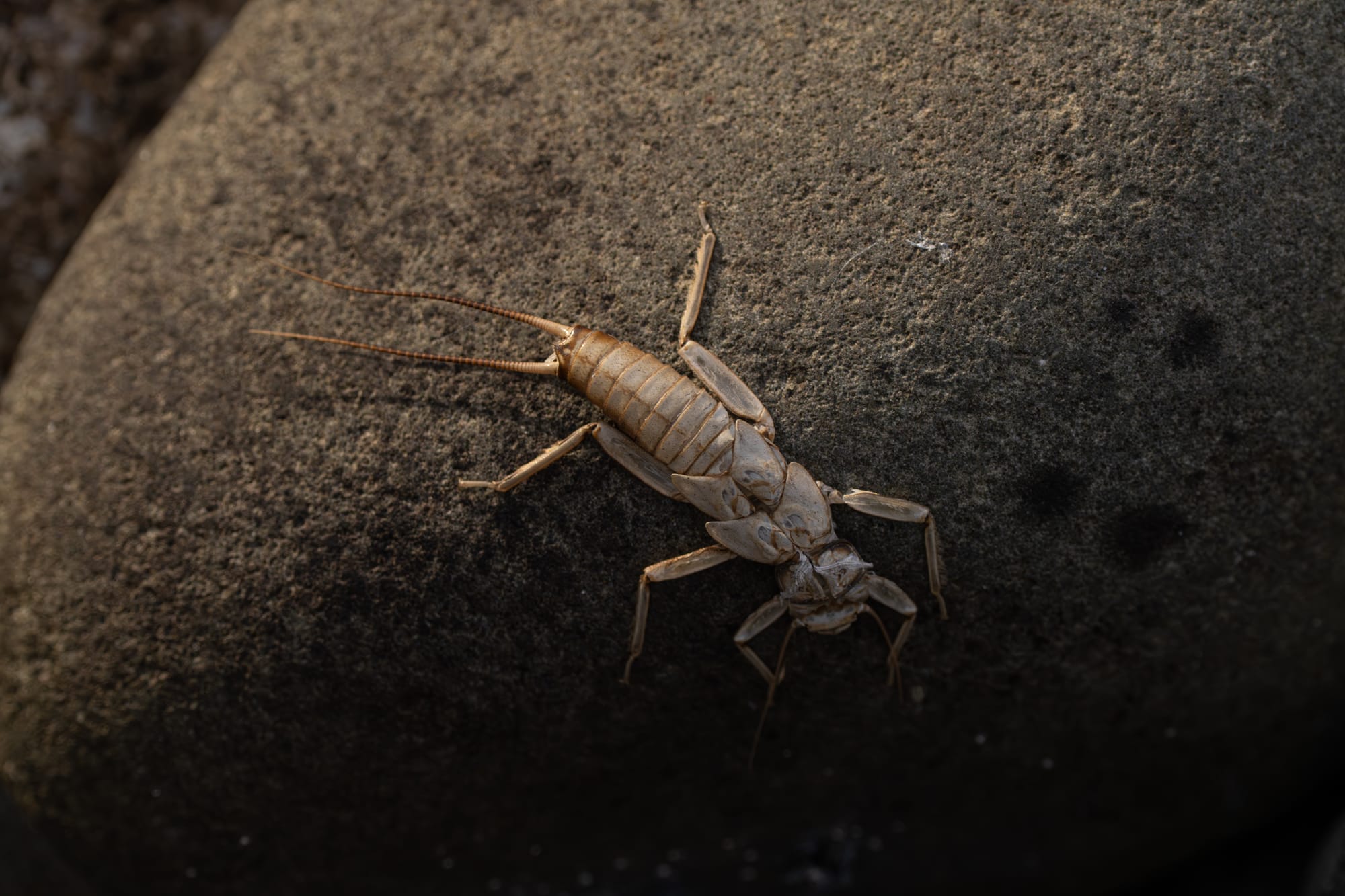
So, why does this matter? Simply put, when you have more leaves, you have healthier and more robust river ecosystems, and when you remove leaves from the system, the webs of life are dramatically diminished.
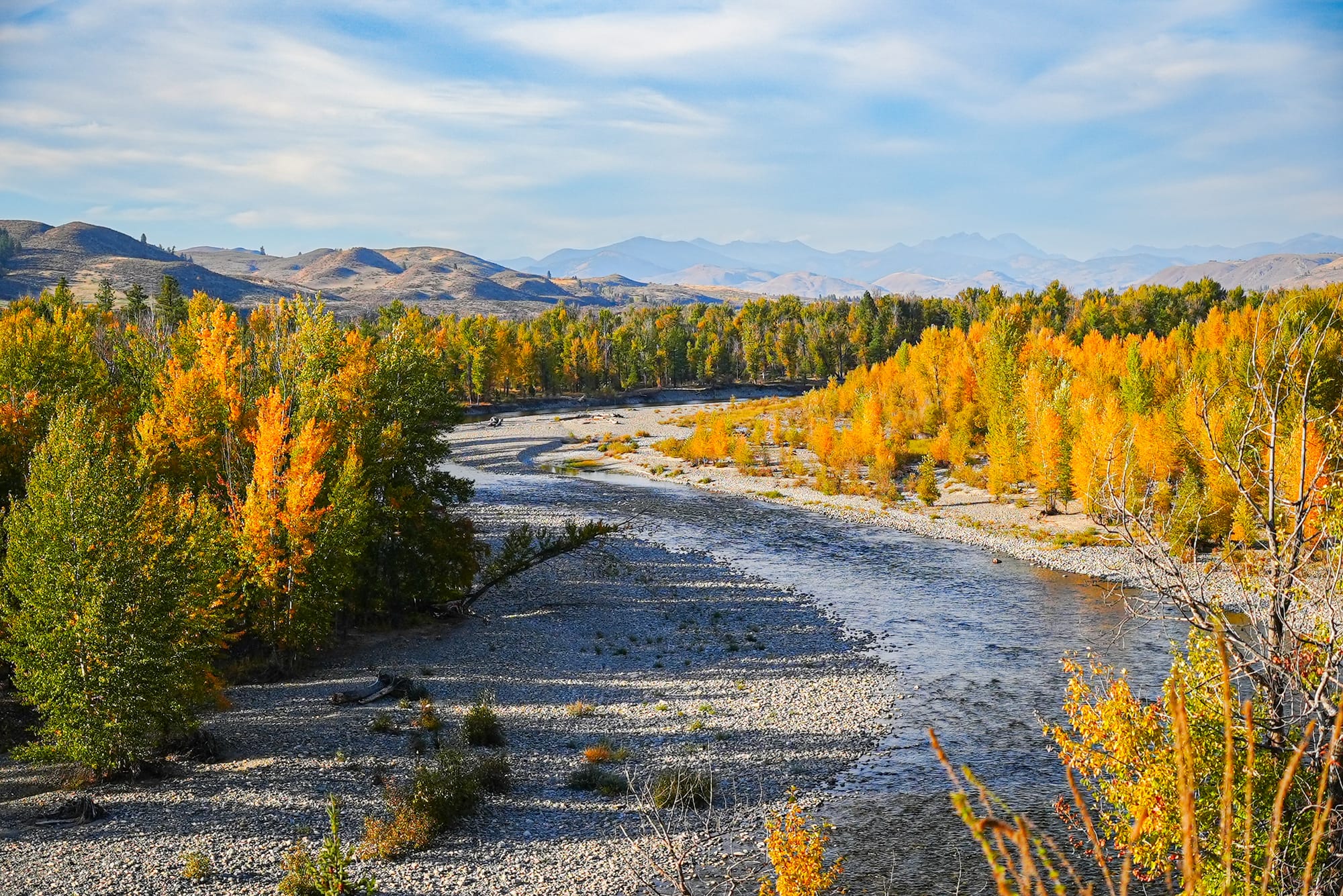
Keeping this in mind, it's worth taking a closer look at the trees and plants found along the Methow River. While some stretches have relatively intact riparian forests, there are also long stretches where trees have been reduced to negligible shoreline slivers. This is especially critical because riparian forests are naturally limited above Mazama and below Carlton, so the wide, forested floodplains of the mid-valley are almost certainly the most important section of the entire Methow River.
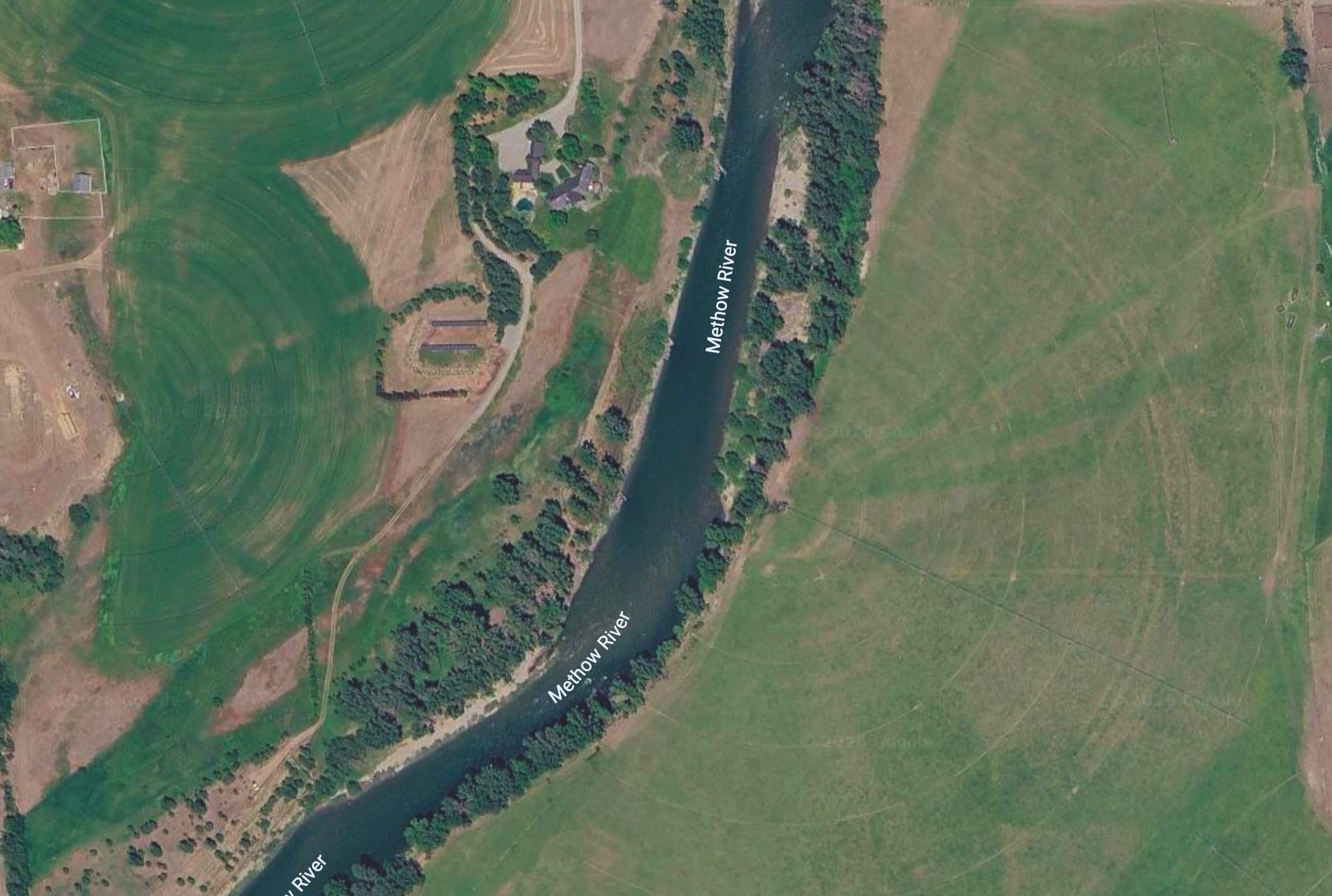
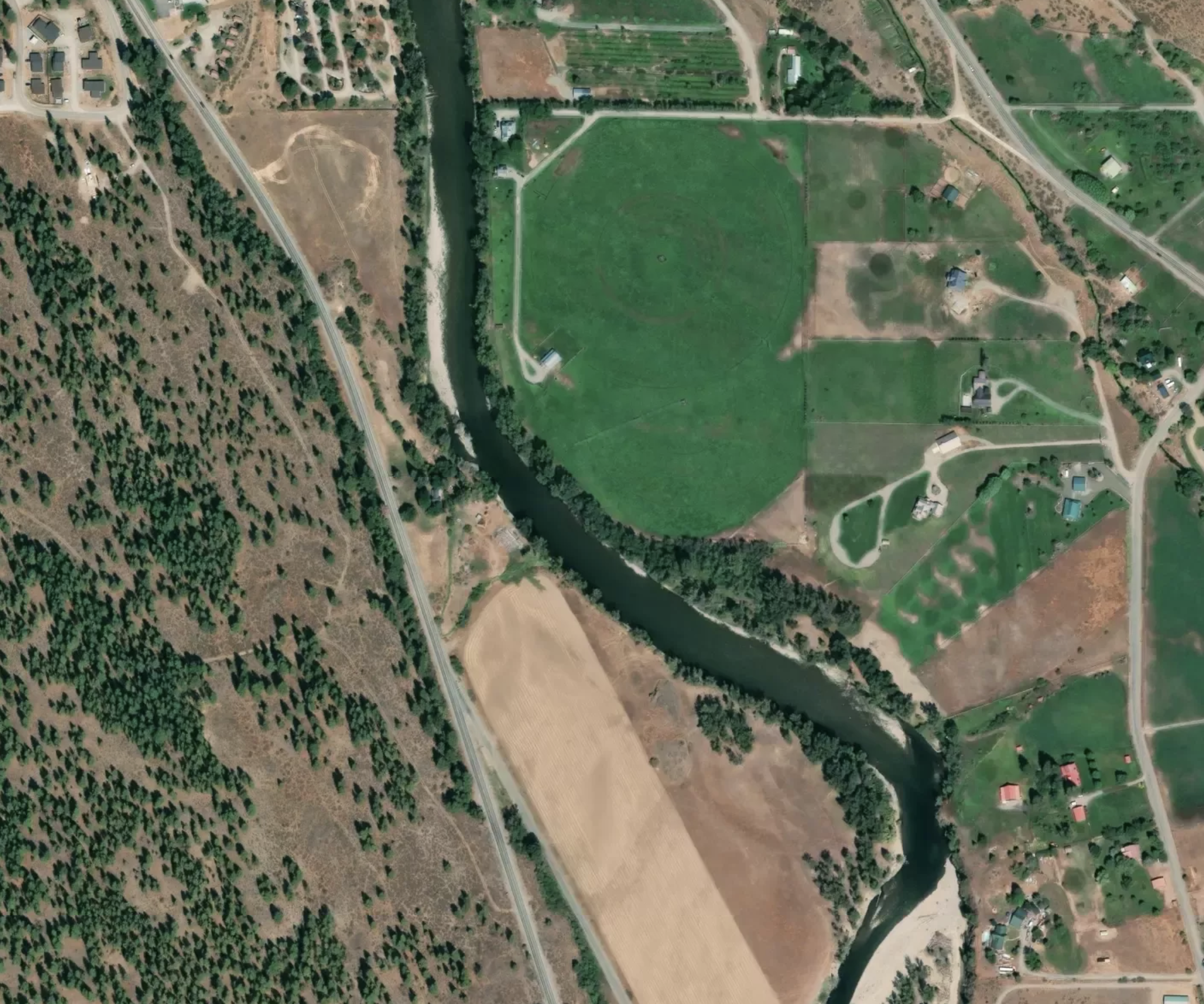
Many riparian forests along the Methow River have been reduced to thin lines of trees. Images from Google Maps
The Methow River needs leaves. Is it possible that one of the best ways we can help restore the Methow River is to focus on restoring these lost forests?
Speaking of sharing, renowned geologist, Nick Zentner, just released a video looking at glacial terraces in the lower Methow Valley and he mentions that he'll be focusing on these terraces in several more upcoming videos. This video may be a bit chatty and hard to follow, but if you've thought about this topic before it will certainly add to your understanding of the valley.
