Full-on Fall
October 4-10, 2026

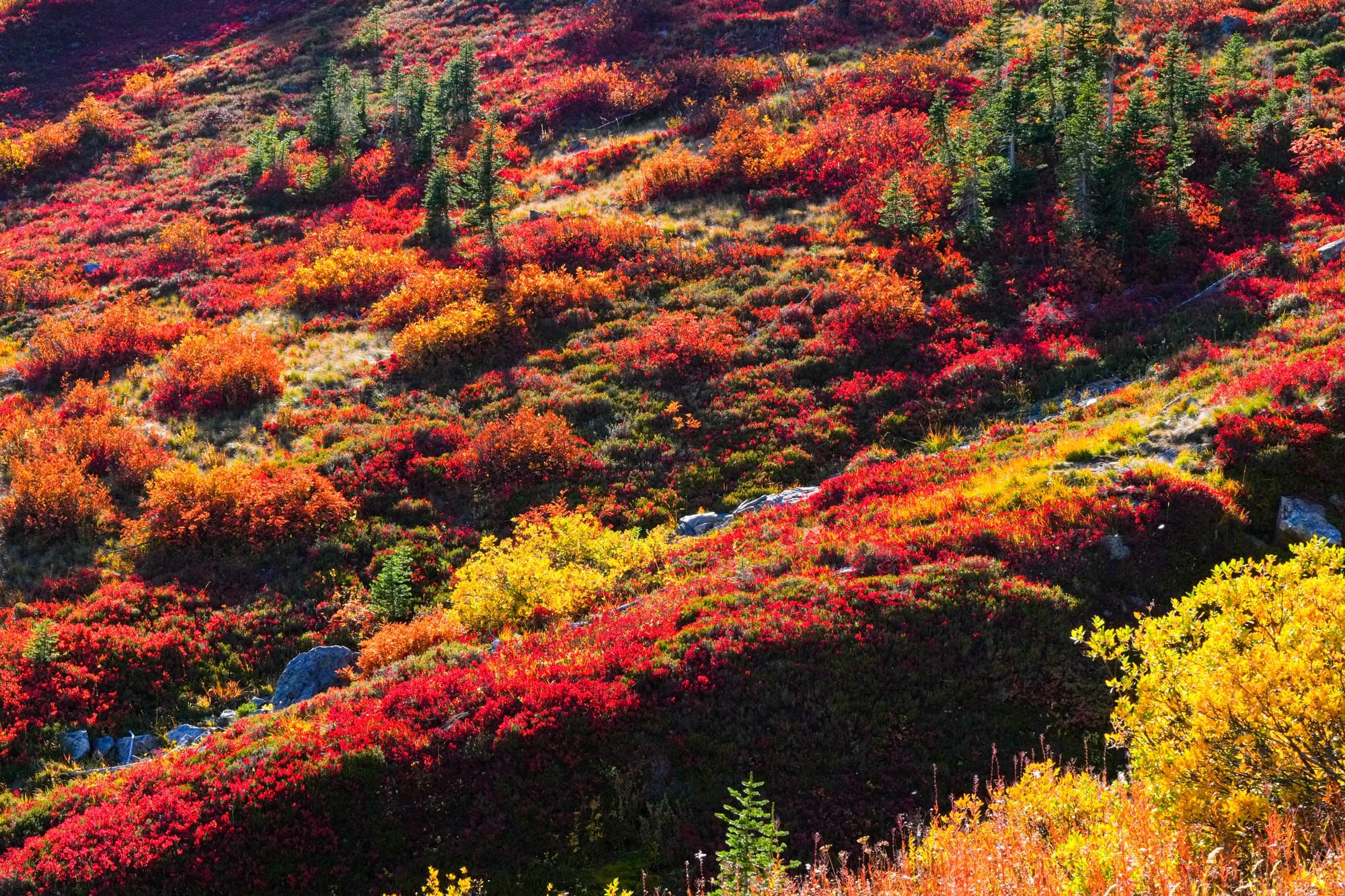
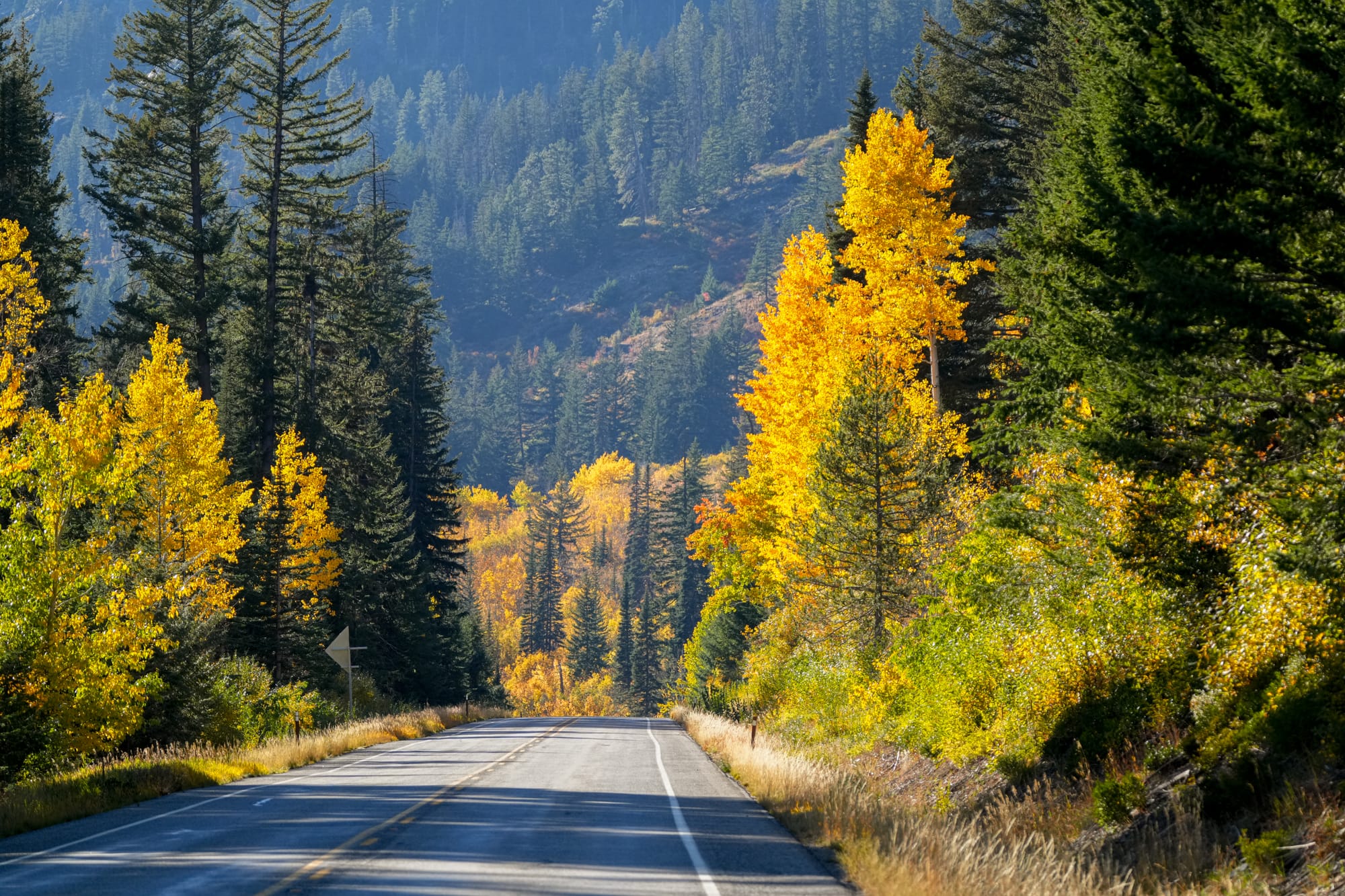
If miles of cars parked along the highway at Washington Pass were any indication, this was the peak week for fall colors.
Week in Review
Thanks to perfect temperatures, sun, and glorious fall colors, this was a fantastic week to get out and soak everything up. And while it's a subdued time of year for wildlife, you might have seen more activity than expected if you spent more time outside.
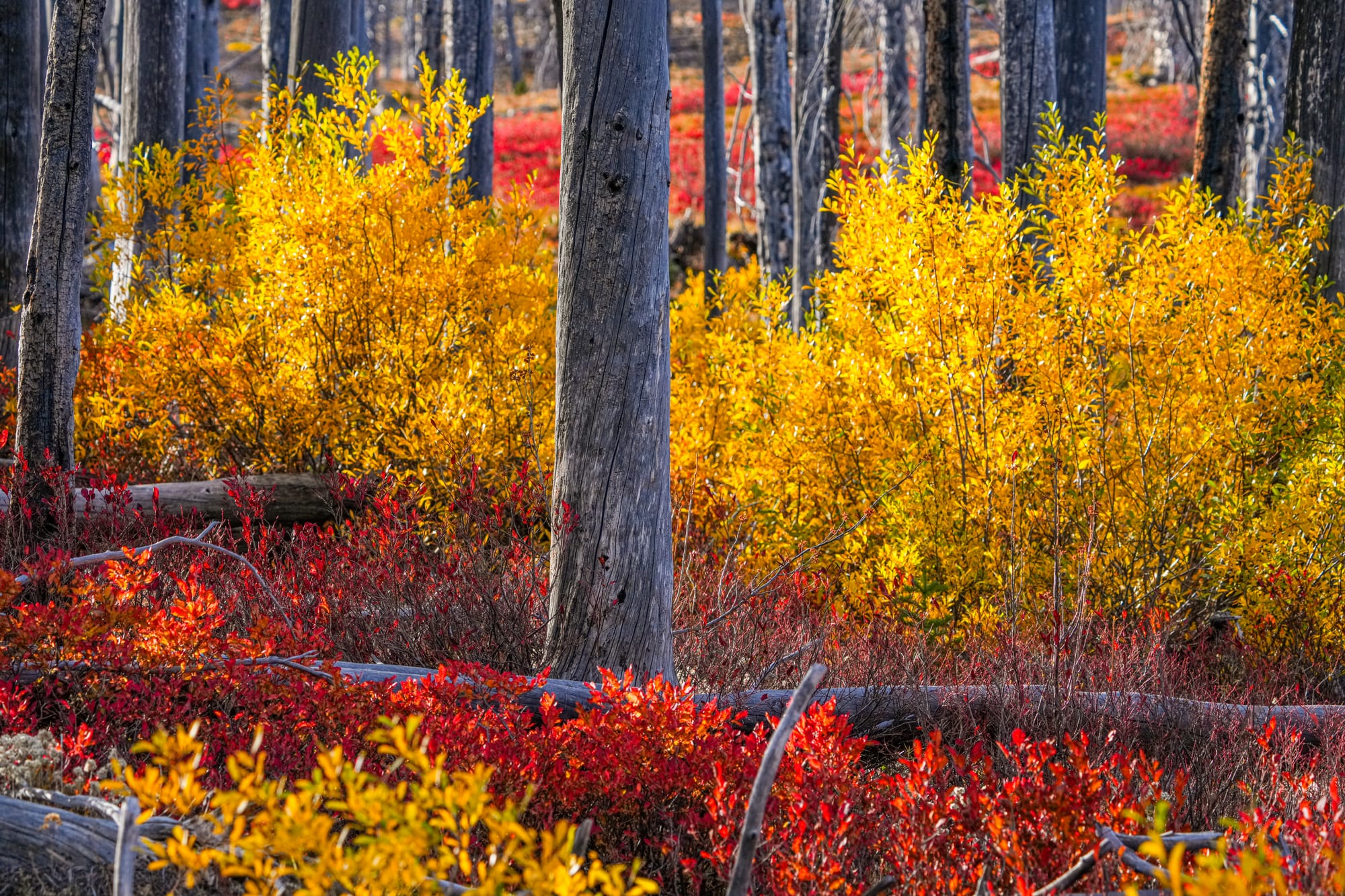
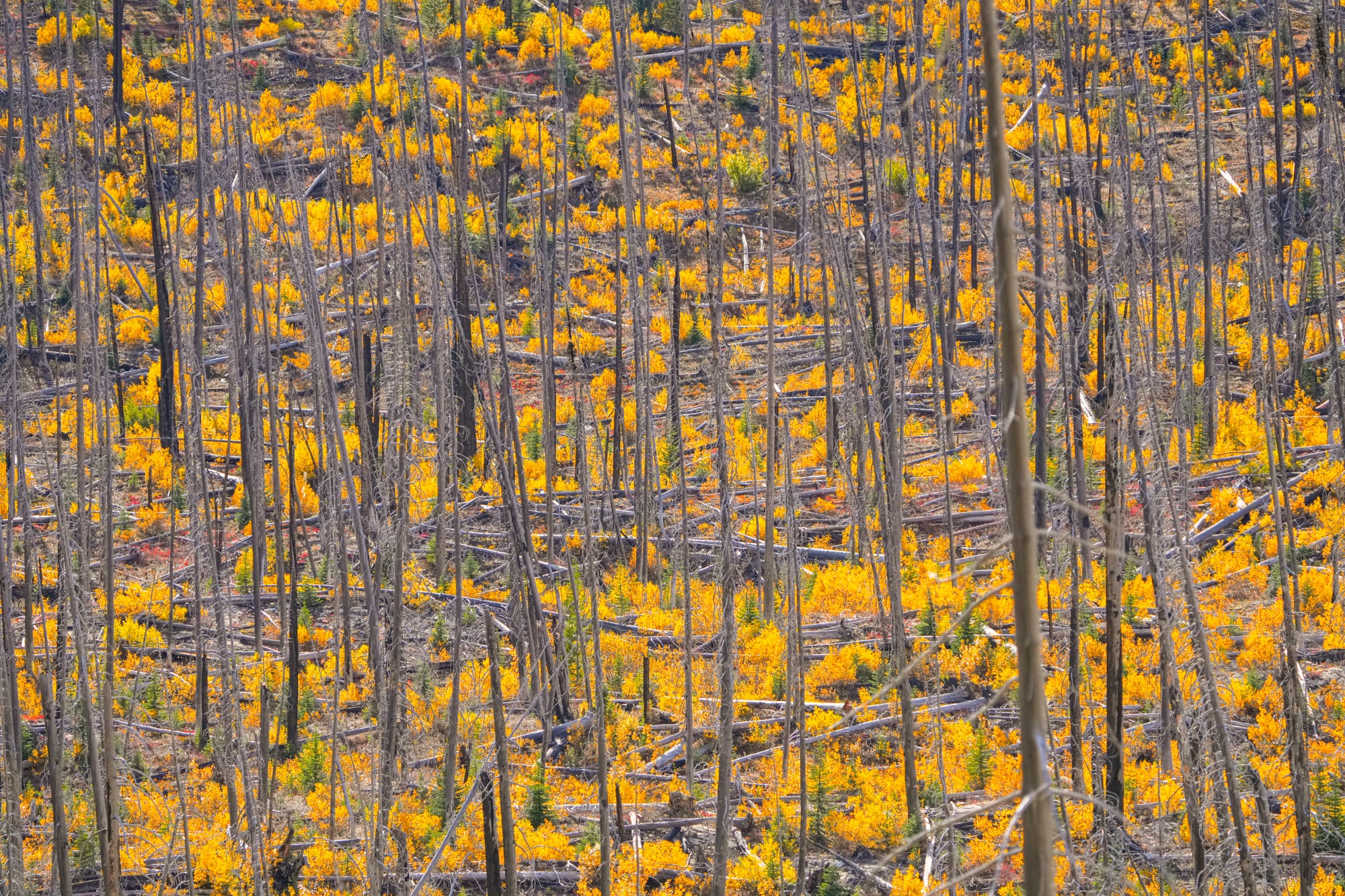
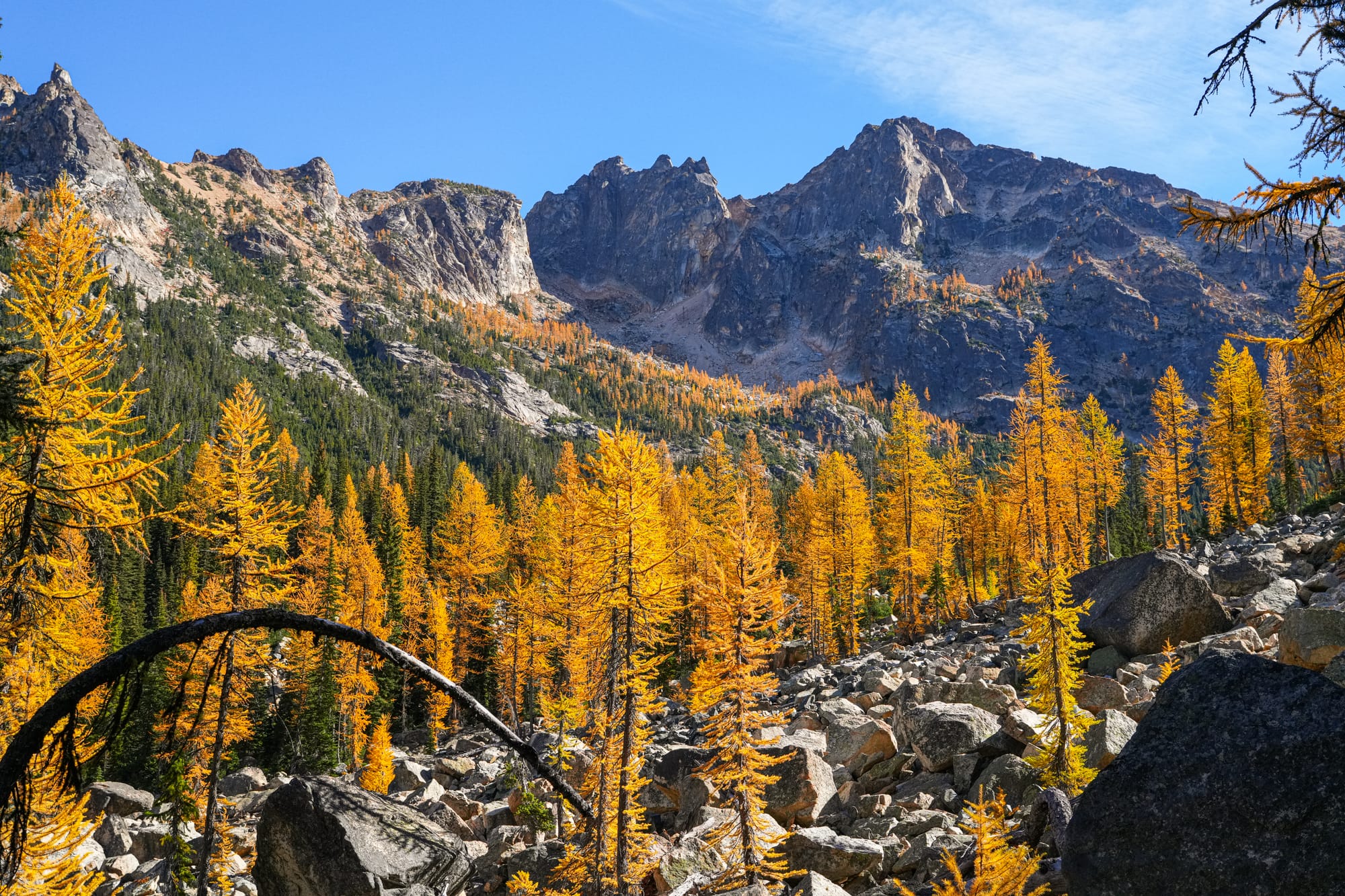
Without a doubt, the stars of the show have been the unbelievable displays of fall colors that now stretch from the valley floor to the highest peaks. Many plants have some shade of yellow, orange, or red at this time of year, but the standout colors are the intense reds of Cascade blueberries, the golden orange hues of subalpine larches, and the intense yellows of Scouler's willows. (Note: I'll include a few photos below, but I shared more photos in this week's issue of my Lukas Guides newsletter.)
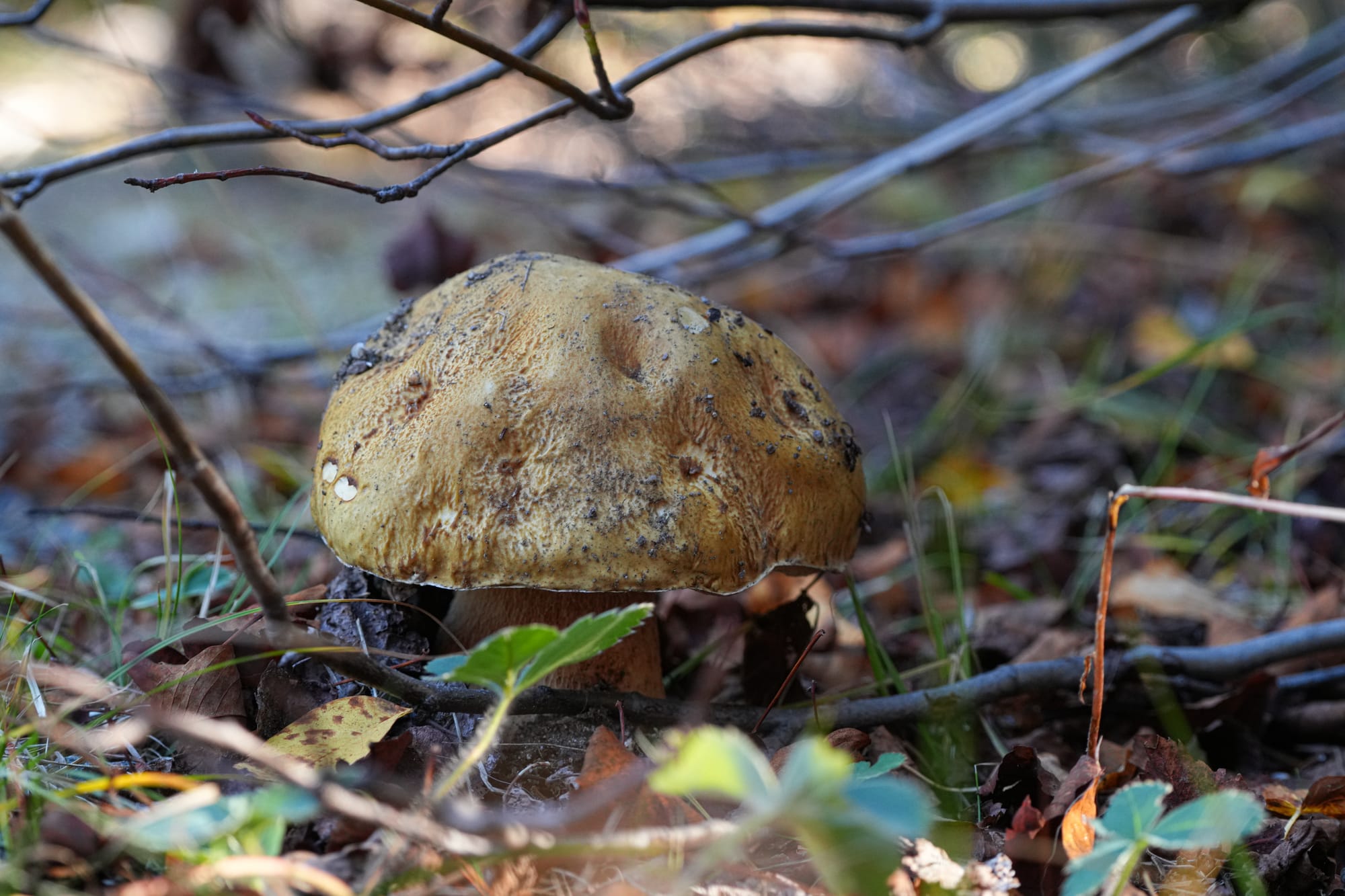
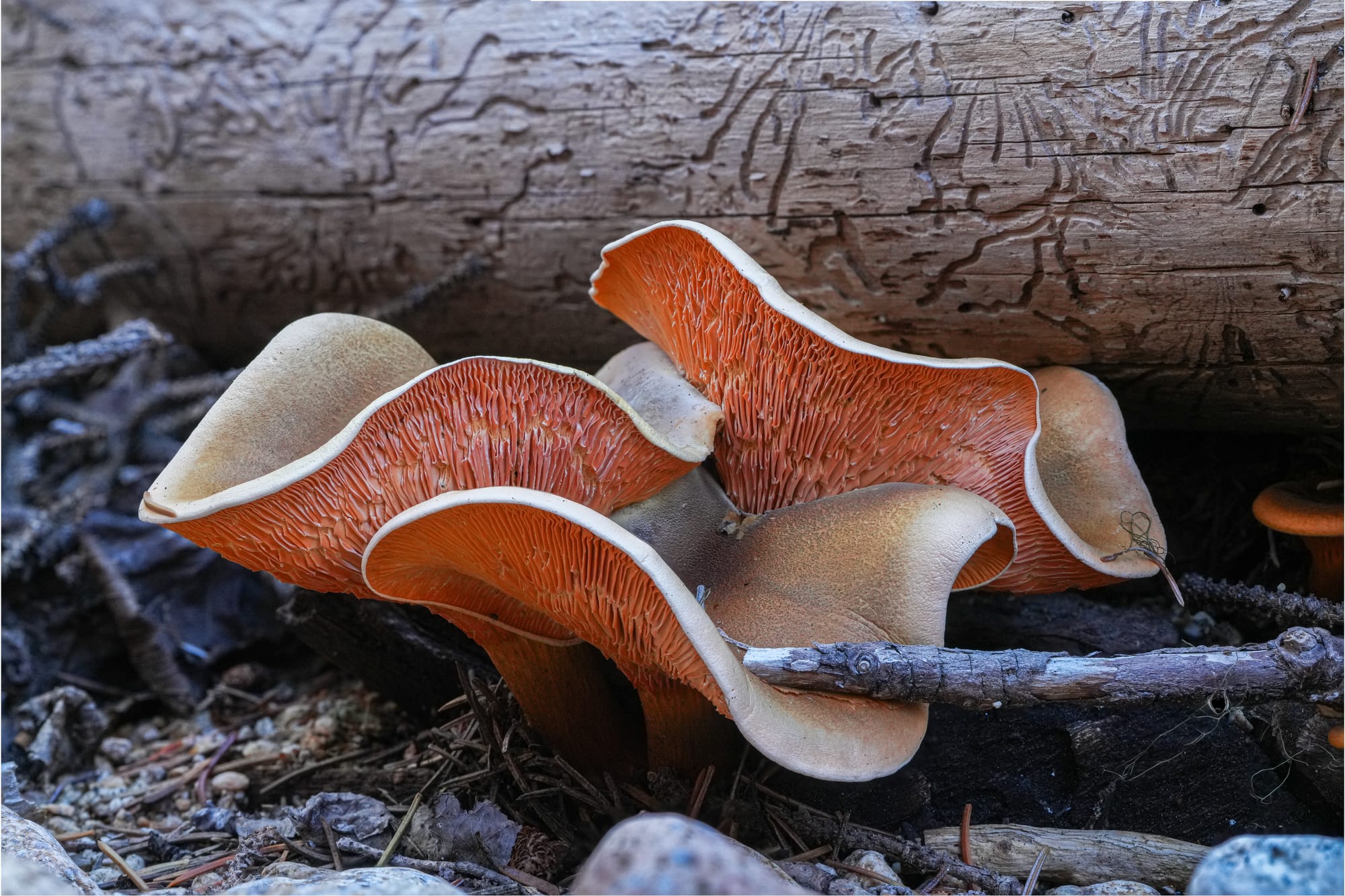
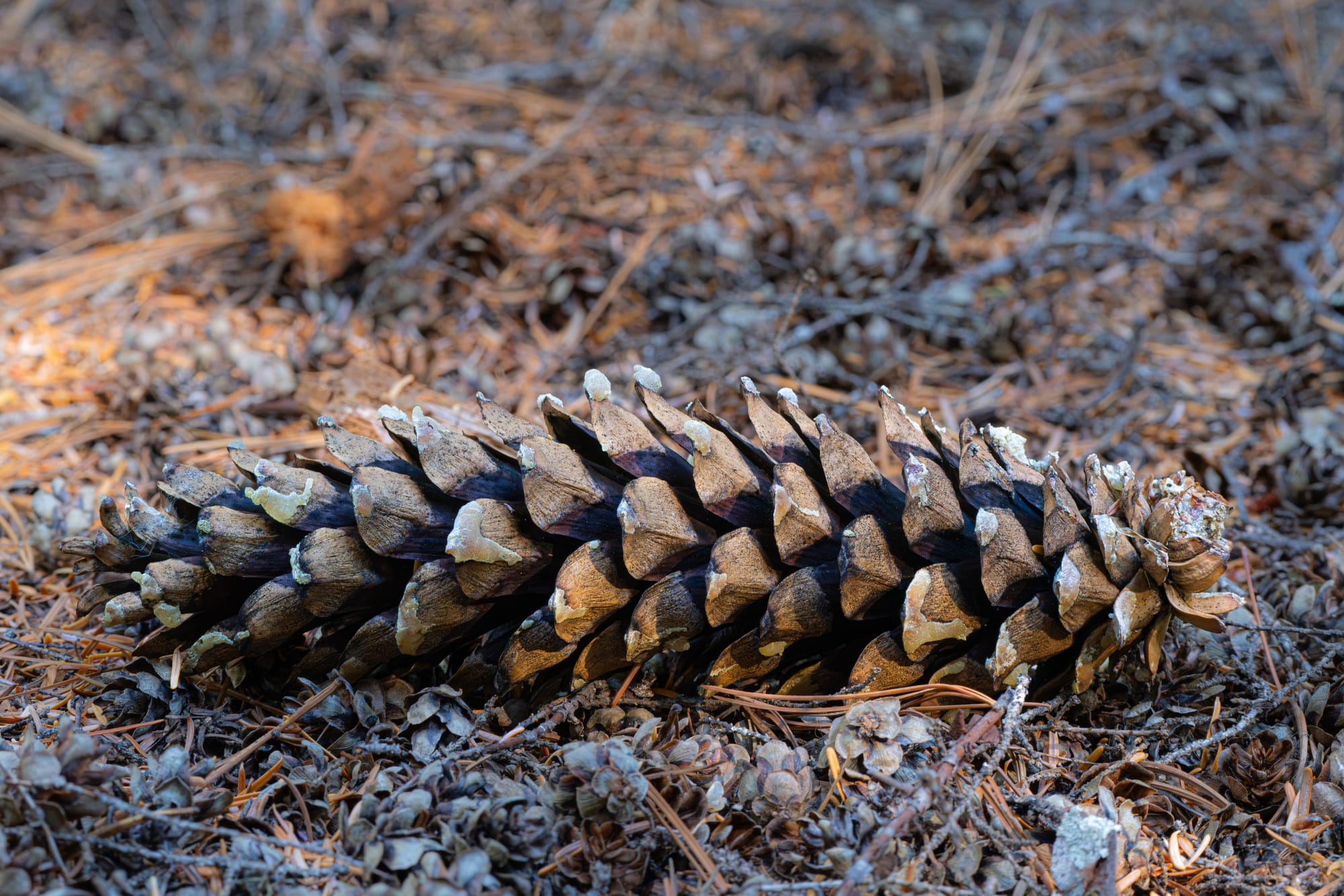
A scattering of recent rain and cooling temperatures have made this a great time of year to look for mushrooms, and they seem to be particularly common in damp, shaded forests amid fallen cones and leaves.
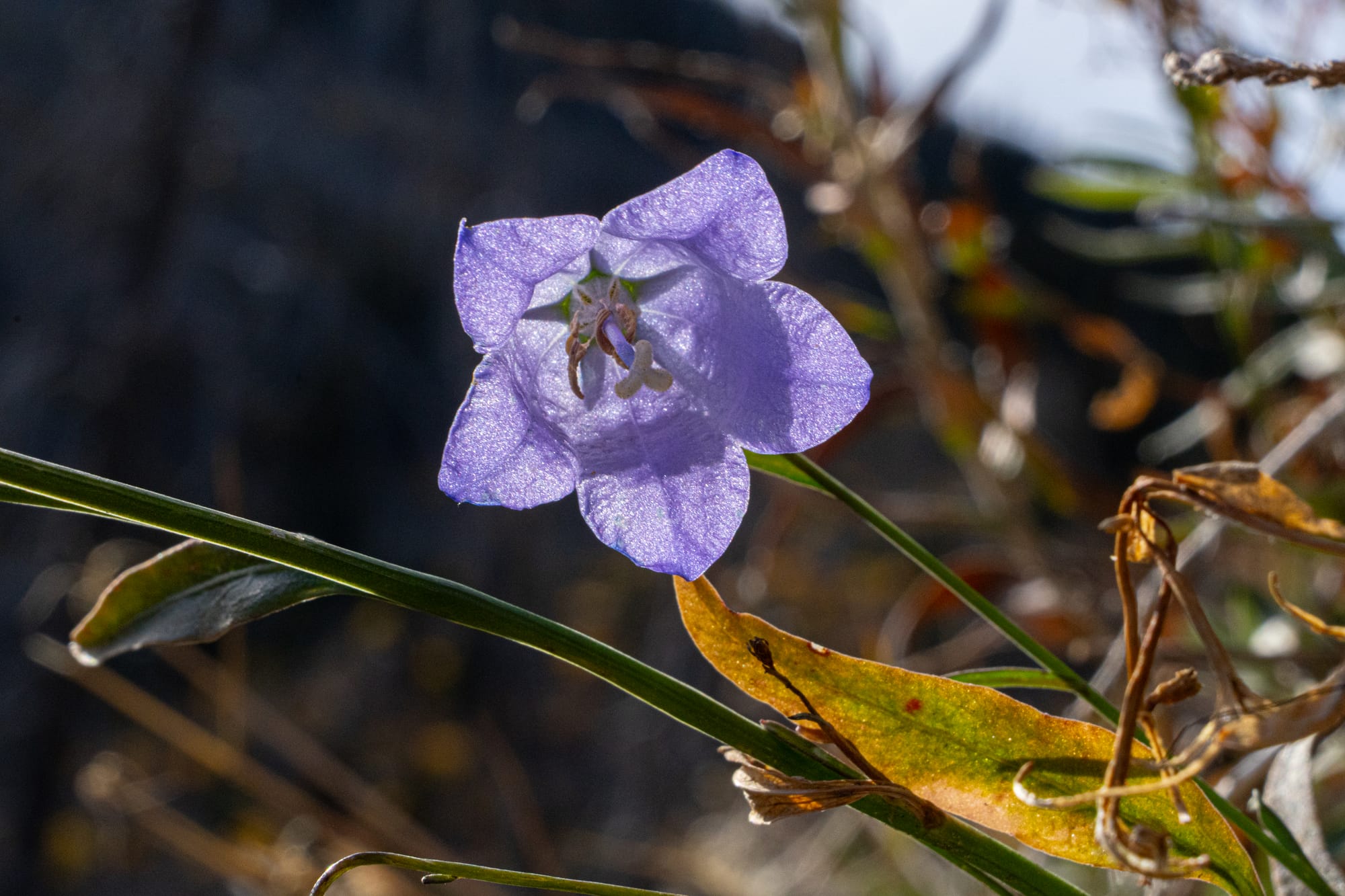
One of the best surprises this week was discovering a late flower at Harts Pass. It's possible that there were others in flower, but this was the only one I noticed in several hours of walking around. What's remarkable about this sighting is that the next day, these same hillsides were dusted in snow, which makes this a very hardy flower!
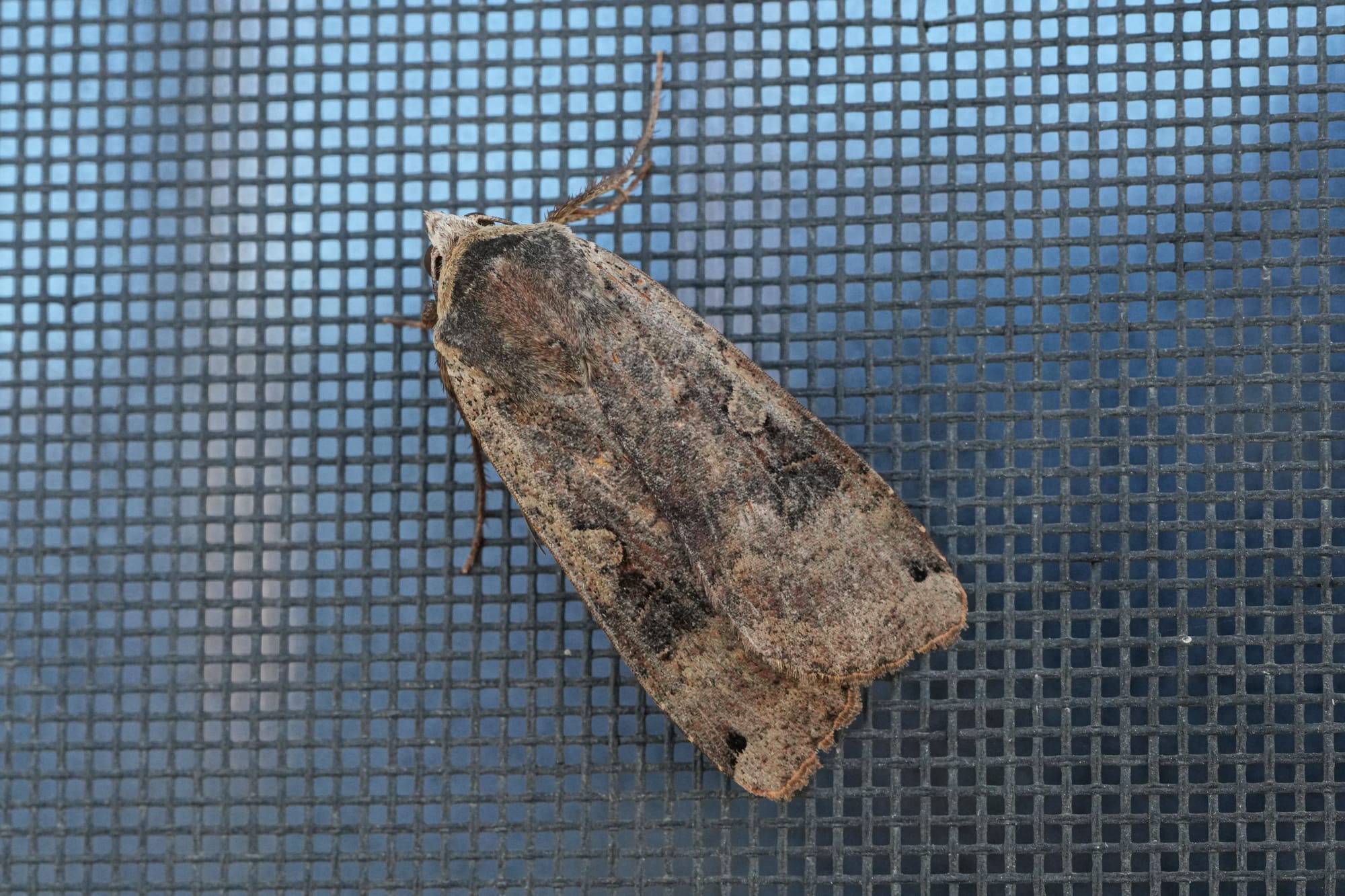
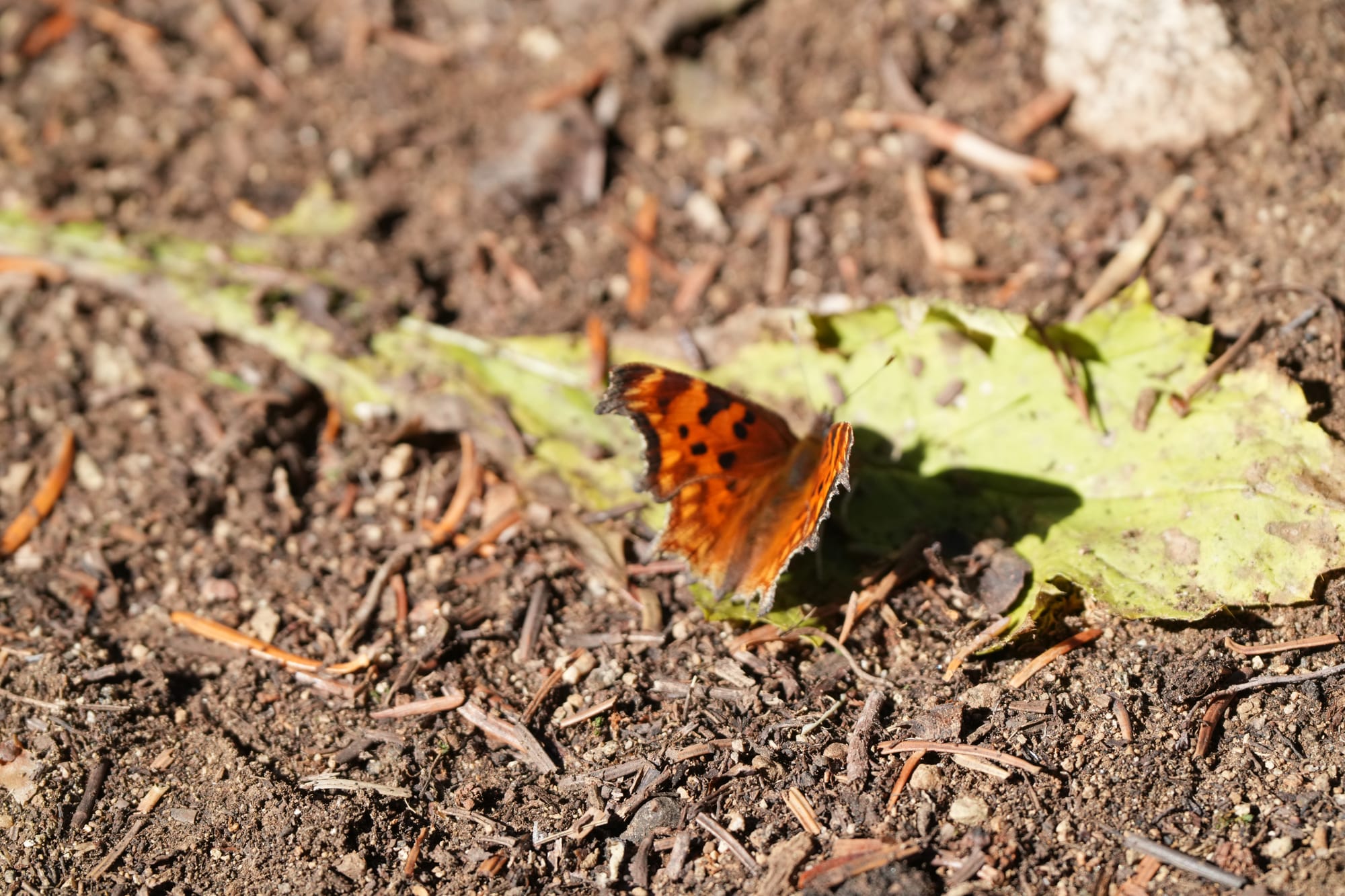
And, if there are flowers out, it makes me think of insects. While it's become incredibly challenging to find butterflies, I've been seeing lots of moths coming to our windows at night, so this seems to be a great time to look for moths. If you're a fan of moths, you're in luck because there's an incredible new field guide that'll help us identify many of the moths we'll find in the Methow Valley.
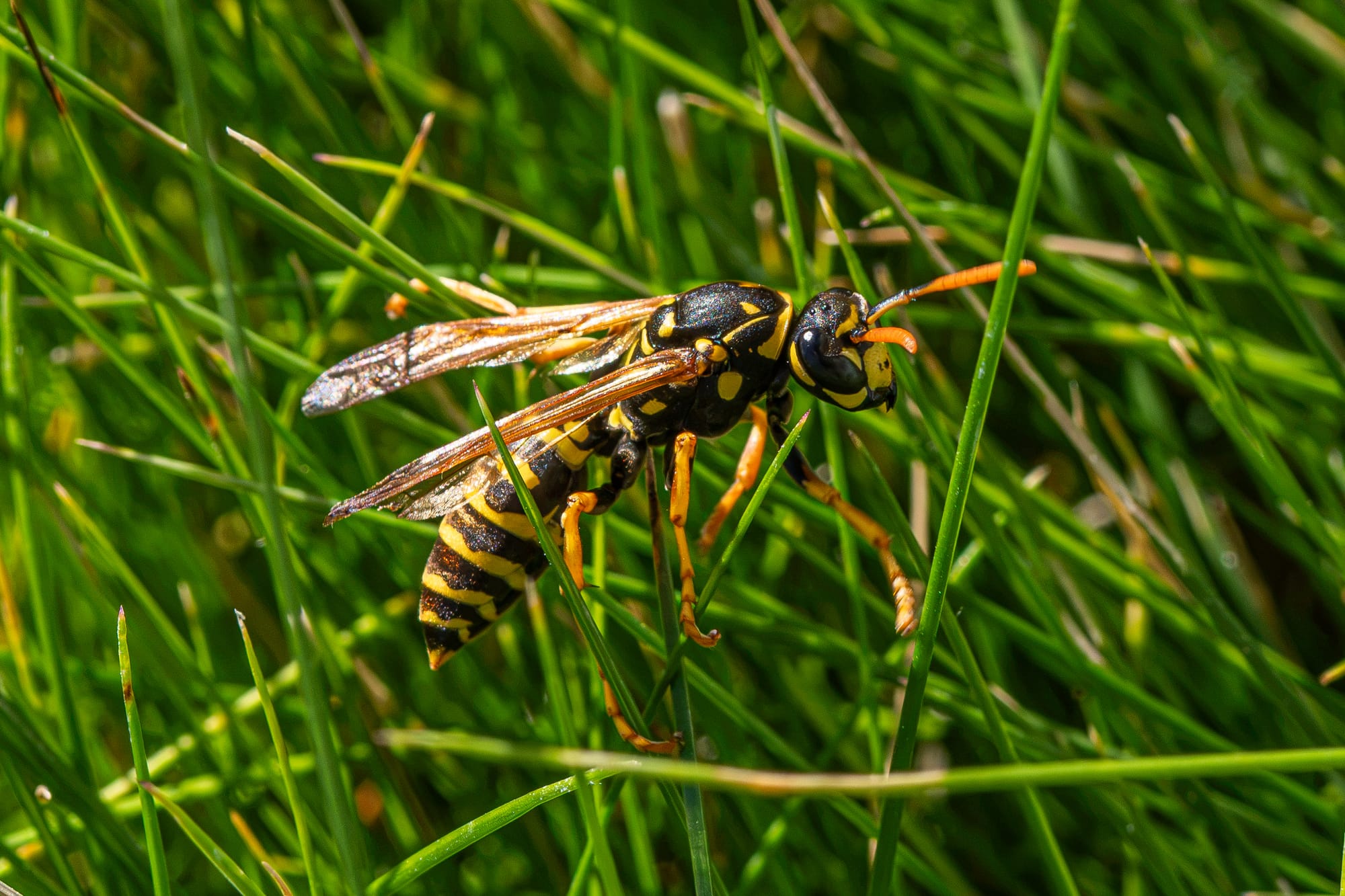
And one insect caught me by surprise this week. I spotted what looked like a typical yellowjacket, but when I took a photograph, I noticed that it didn't look quite right. And, when I researched it; I discovered that it was a look-alike European paper wasp (Polistes dominula), which I didn't know was a different insect. These paper wasps are introduced and common, including in Washington, but unlike yellowjackets they are said to be docile and friendly.
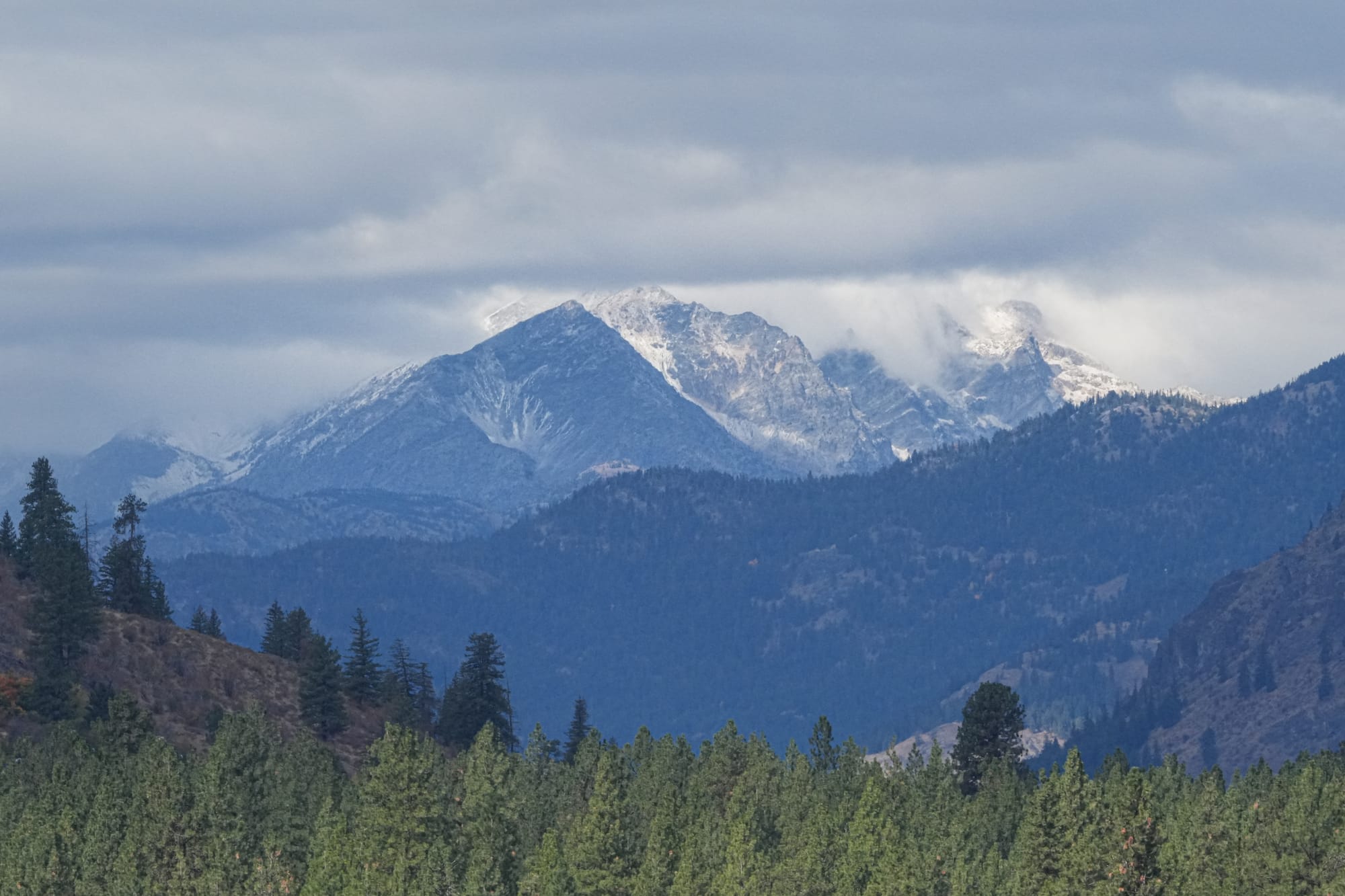
Finally, let's close out the newsletter with a nod to the coming change in weather. With clouds, rain, and much colder temperatures in the forecast as the week came to a close, we woke this morning to the first definitive dusting of snow on Robinson Mountain and other high peaks, and this is the same week that we got the first snow last year too. It looks like it's continued to rain and snow all day as I've been writing the newsletter, but the coming week is supposed to be sunny again. Here's to getting outside for as many lingering warm days as we can!