Flying with Butterflies
September 13-19, 2026

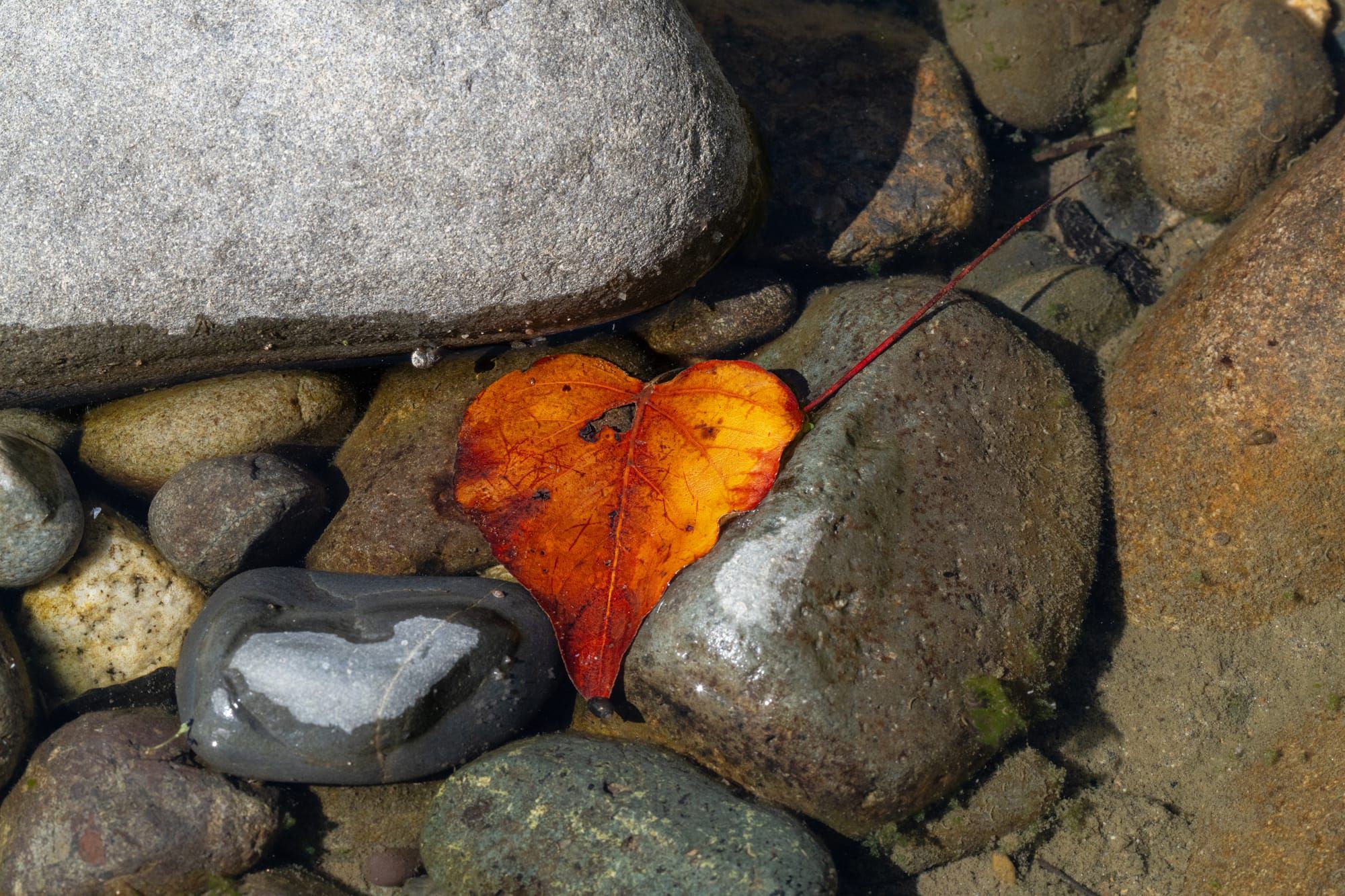
Thank goodness for two days of rain that delivered three-quarters of an inch of rain this week, along with absolutely perfect early fall days of sun and rain-washed freshness.
Week in Review
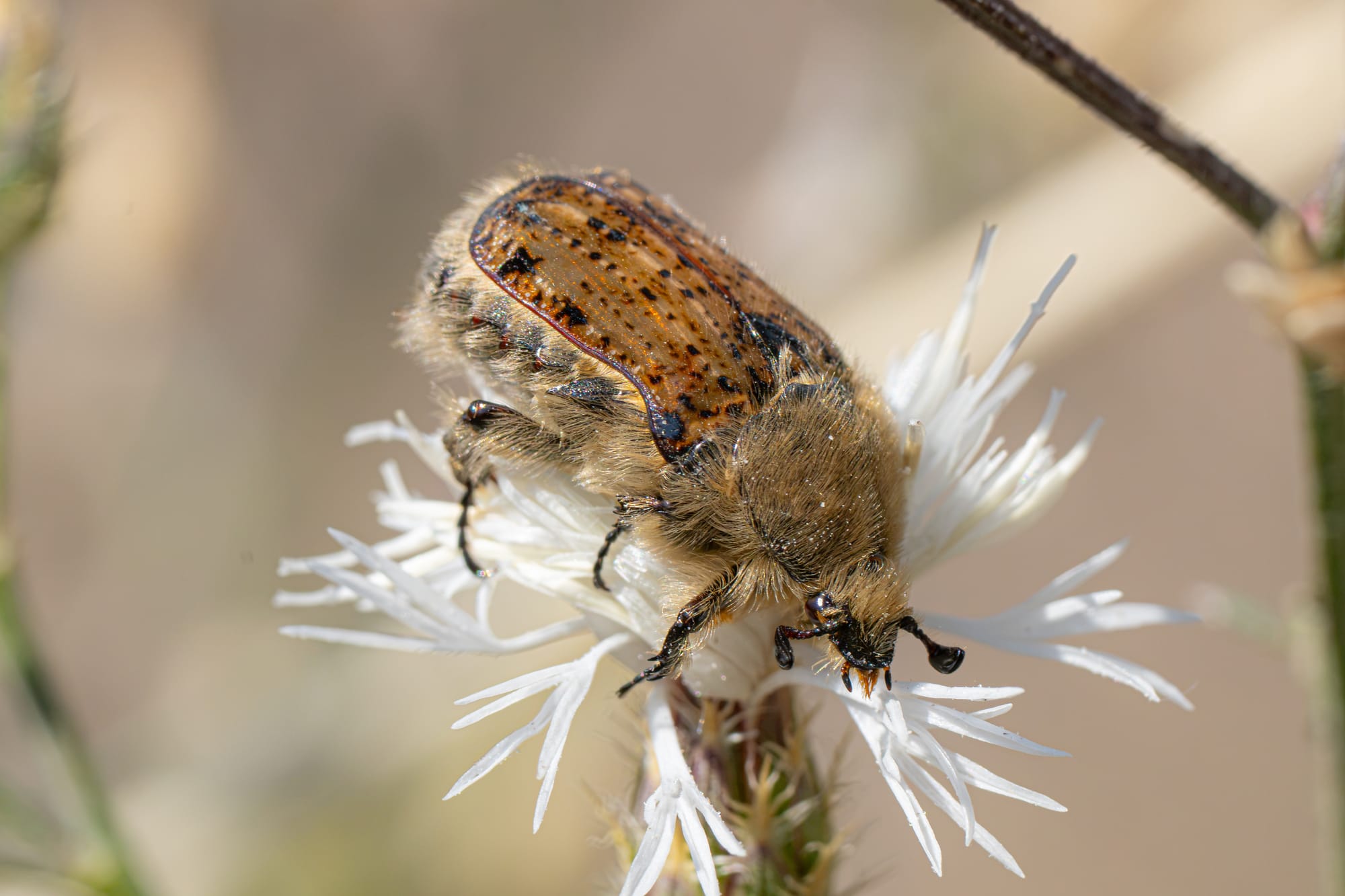
This week was a fantastic reminder that there is a lot going on even when everything looks dry and barren outside. And one of the top highlights this week was how many insects are still active.
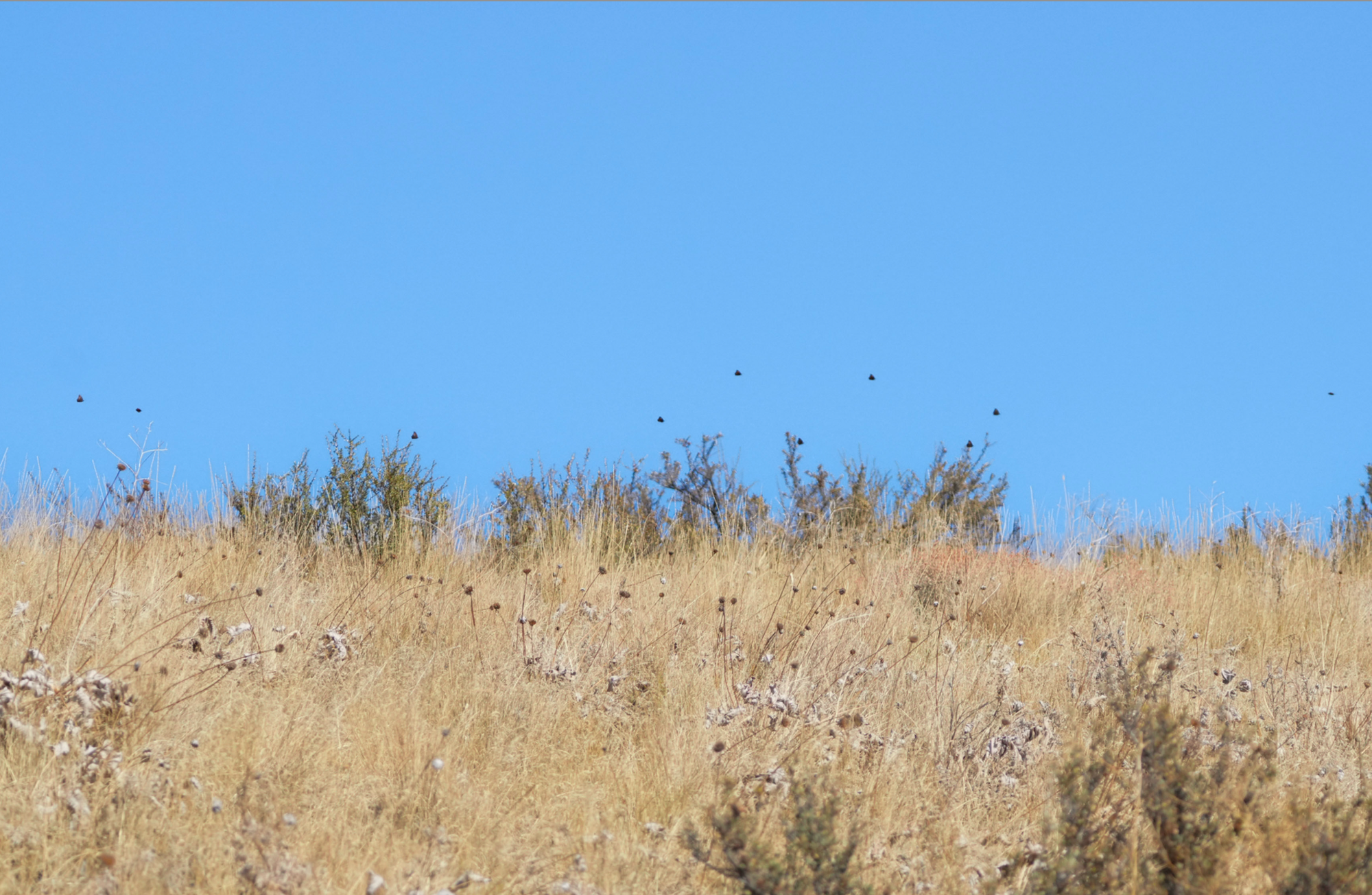
For example, there is an amazing California tortoiseshell irruption going on right now. Tortoiseshells are flying around everywhere and on a walk at Riser Lake I found myself surrounded by a continuous parade of tortoiseshells streaming across the shrub-steppe. We had a major tortoiseshell irruption in early July this year, and I suspect we're now seeing a second wave of this same population boom.
Not only are there countless tortoiseshells flying around, but I've been surprised at how many other butterflies I've been seeing. And not only adult butterflies, but fully mature caterpillars that are now wandering in search of places to pupate for the winter.
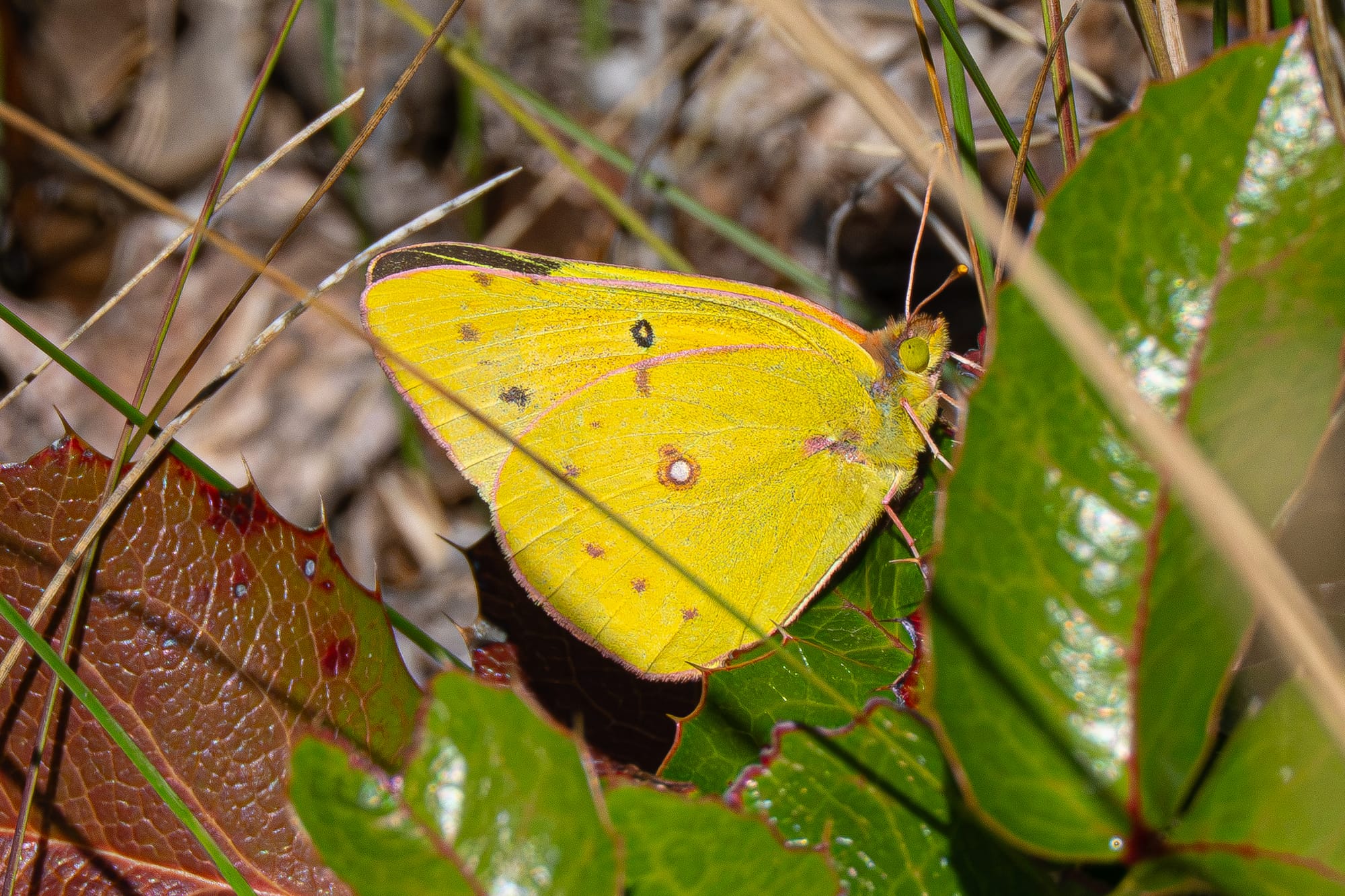
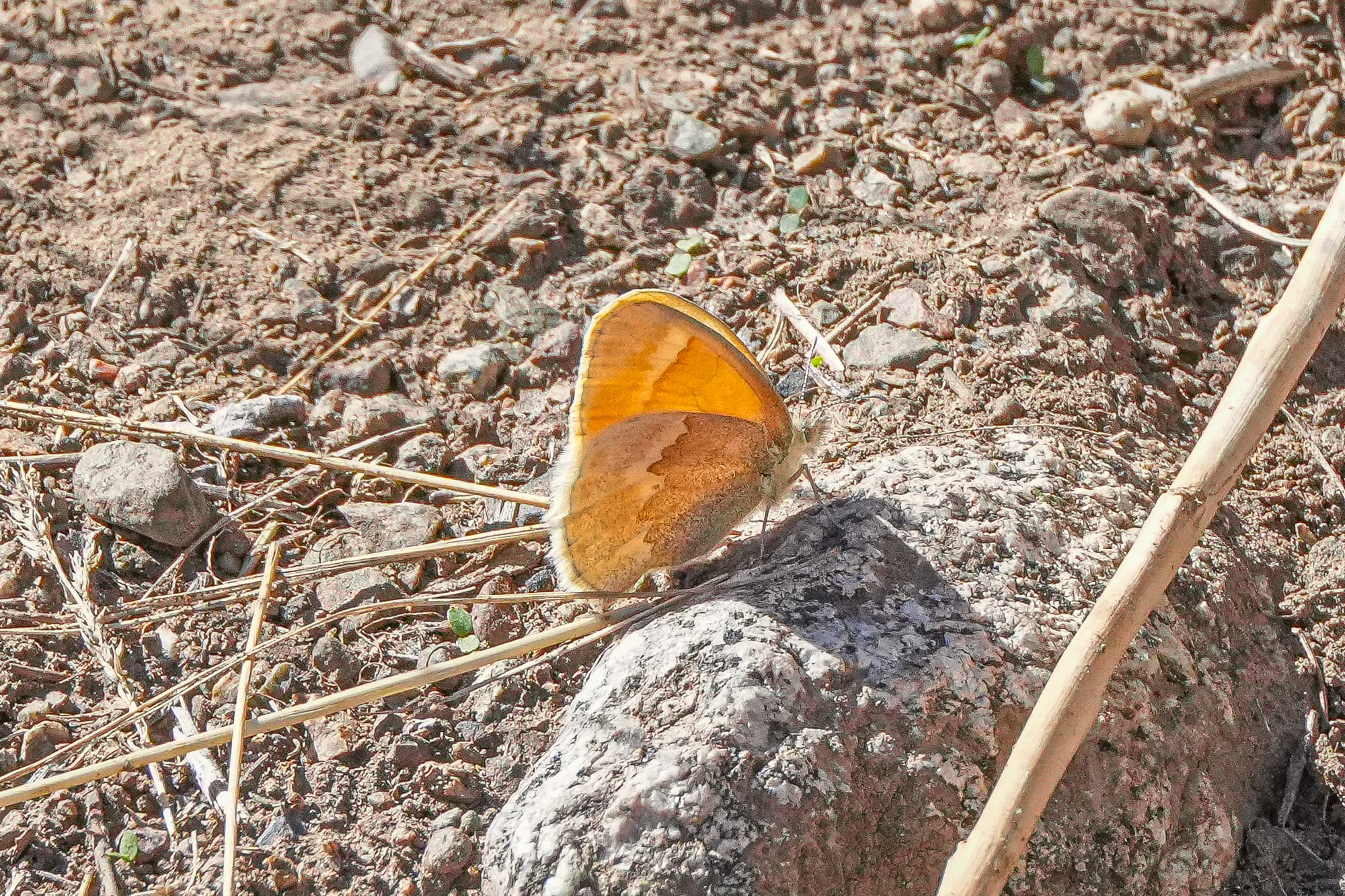
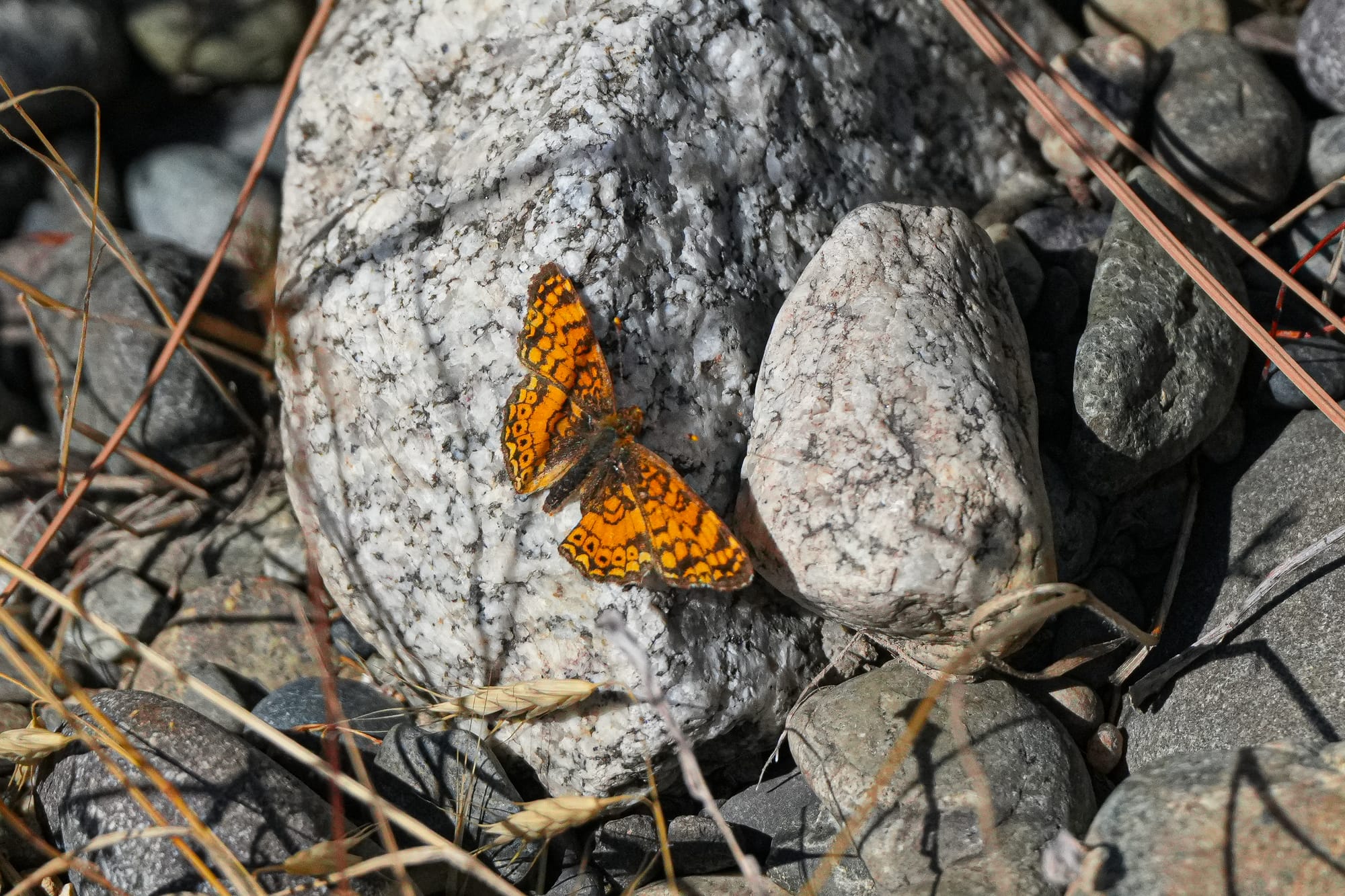
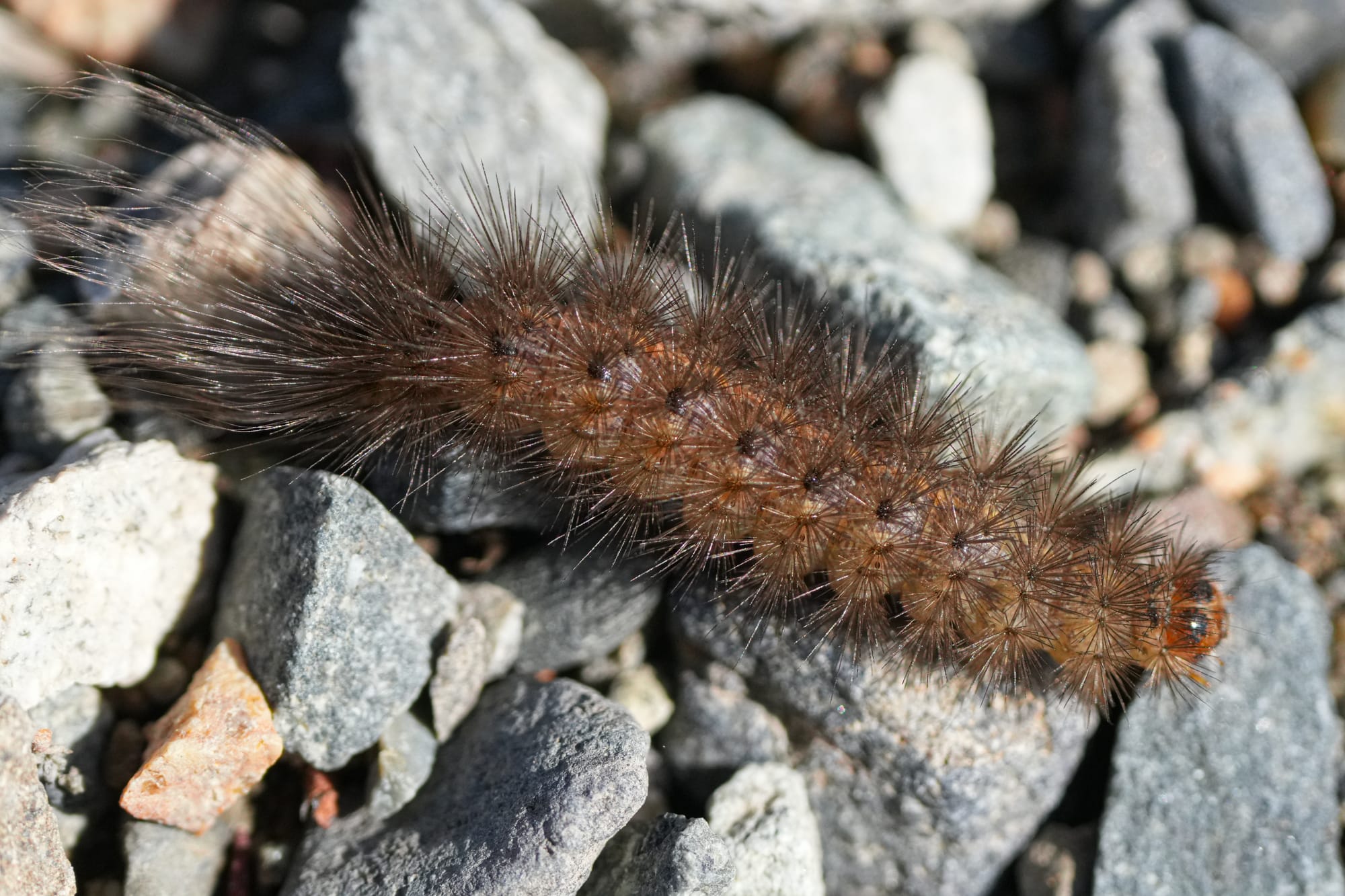
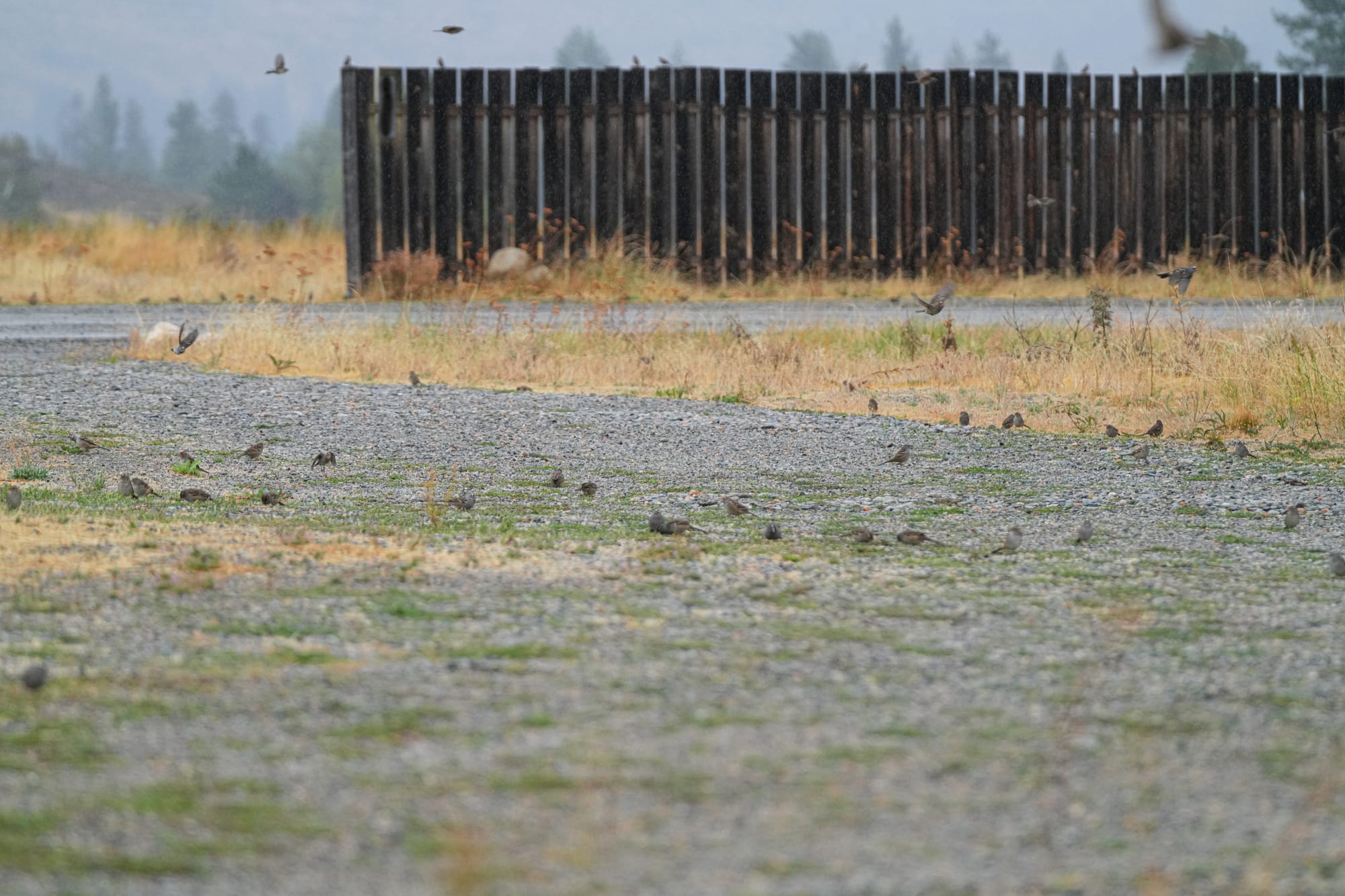
As expected, there's also been a lot of activity in the bird world. For example, on September 15 there were literally hundreds of white-crowned sparrows at the same time, then no birds the next day, and only a small handful the day after that. They are still present in decent numbers, but this has me wondering if the 15th was their peak migration?
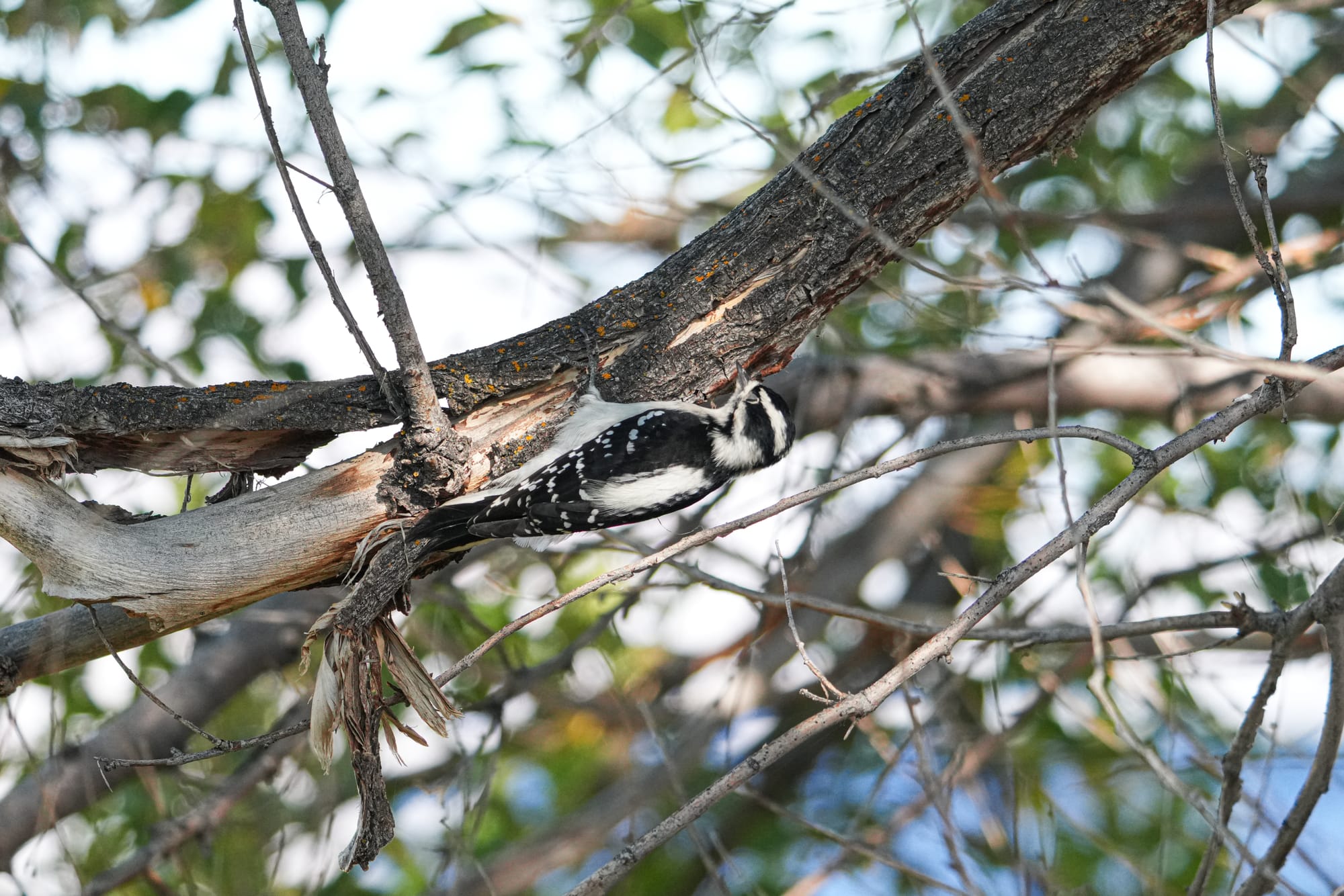
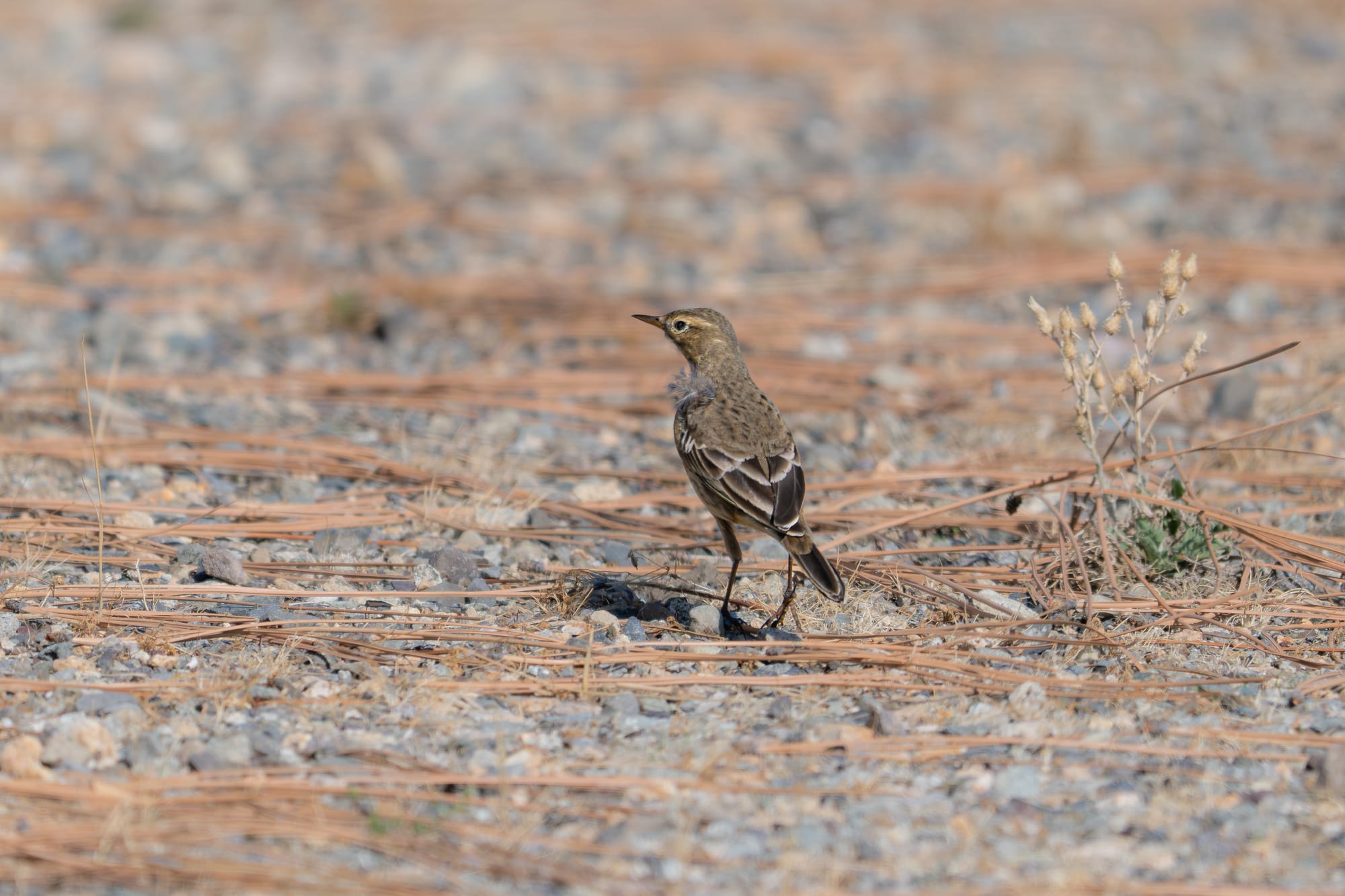
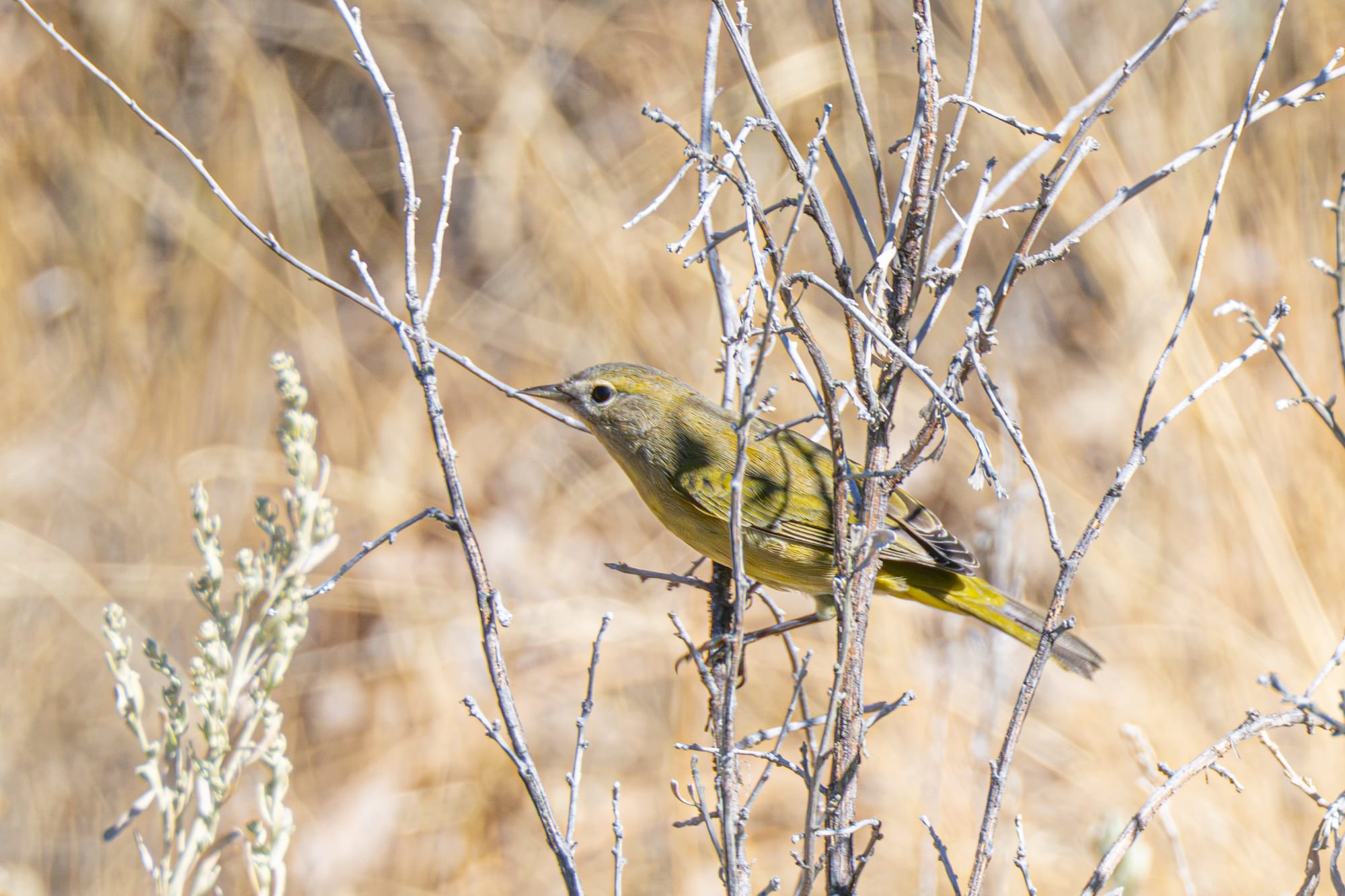
I've also been seeing a fair number of downy woodpeckers and ruby-crowned kinglets, so it seems like these birds are on the move. And today we had black-billed magpies and American pipits in our yard for the first time ever, so they must be wandering around too.
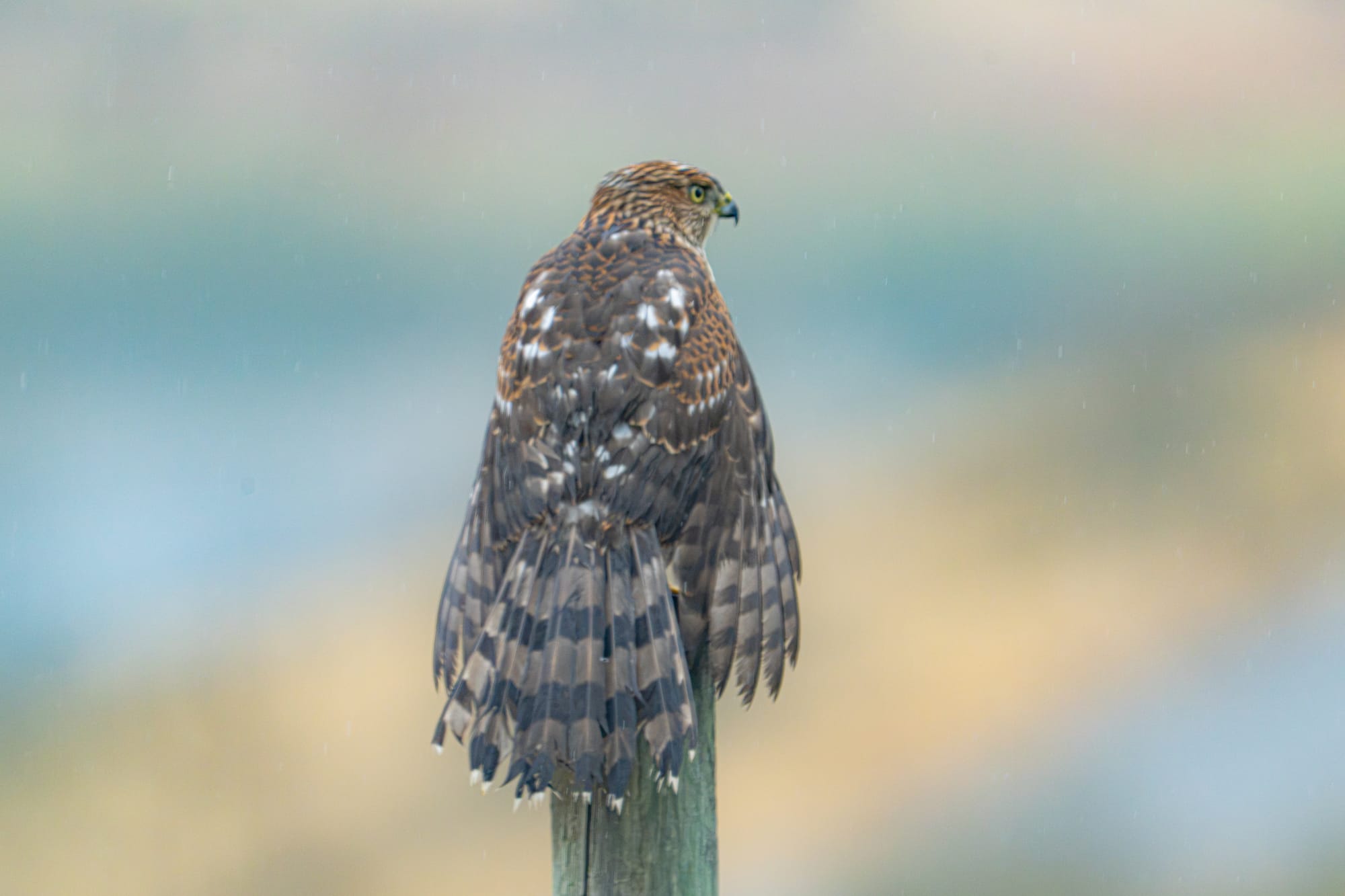
And I'd be remiss if I didn't mention the many accipiters migrating south right now. Sharp-shinned and Cooper's hawks are both present and at this time of year most of the birds are juveniles. You might see them flying overhead or perched on a snag, but if you have bird feeders you'll spot them dashing through your yard in pursuit of small songbirds. Unfortunately, being a "baby" hunter is not easy and around 75% of these juveniles will die of starvation or from hitting branches.
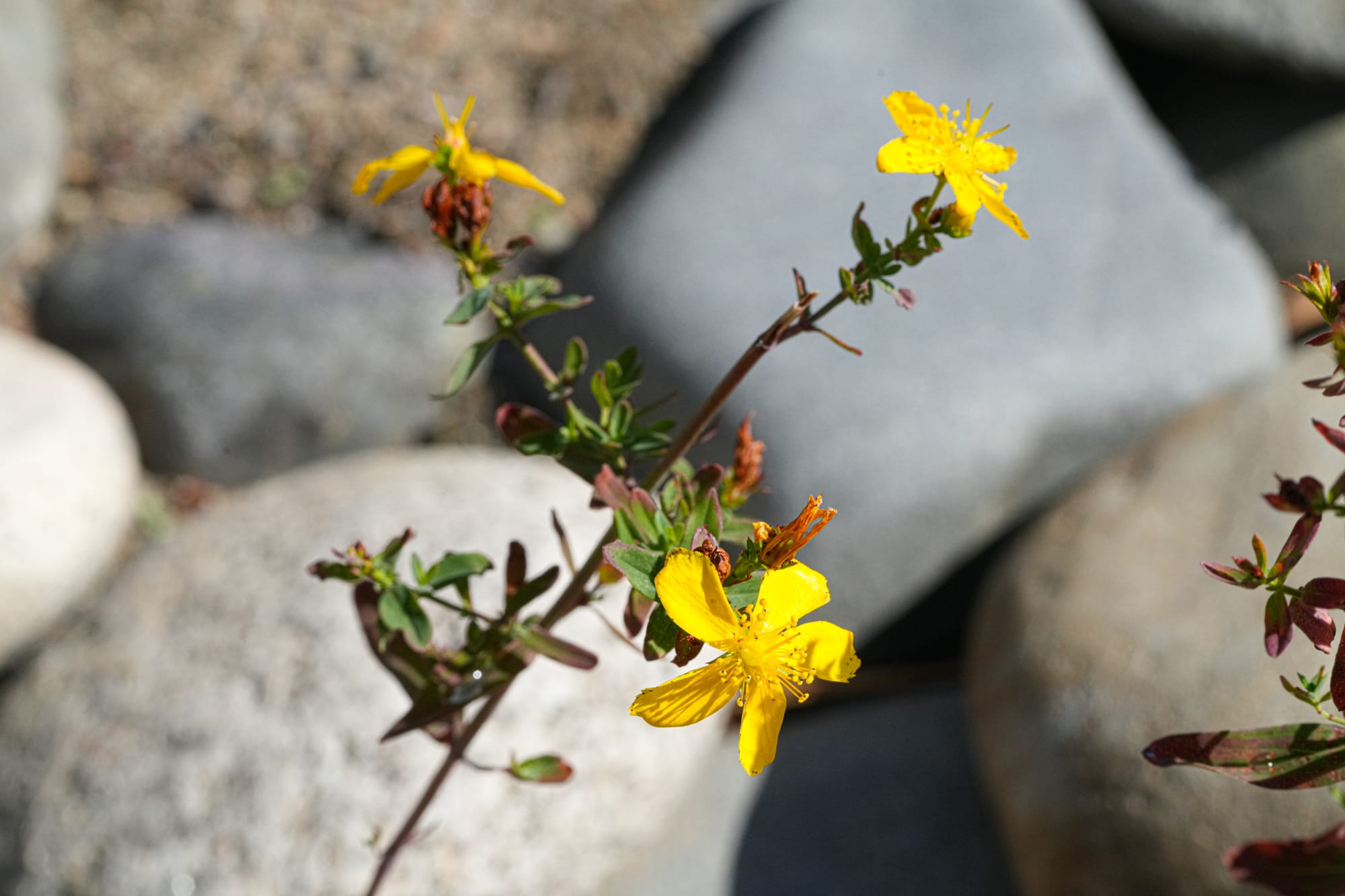
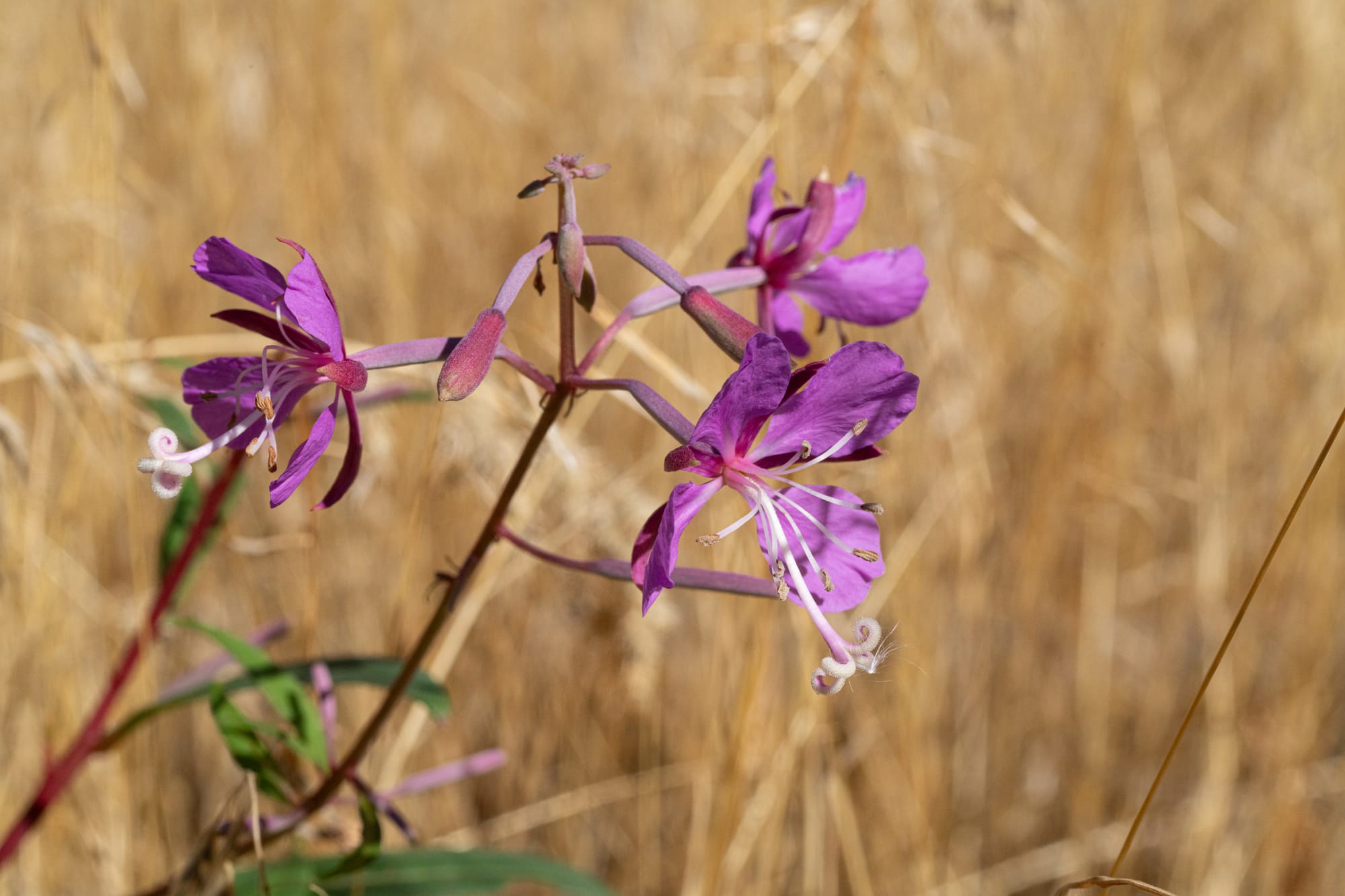
I was also paying attention to plants this week, especially the ones that are still blooming or turning color, and found some wonderful surprises.
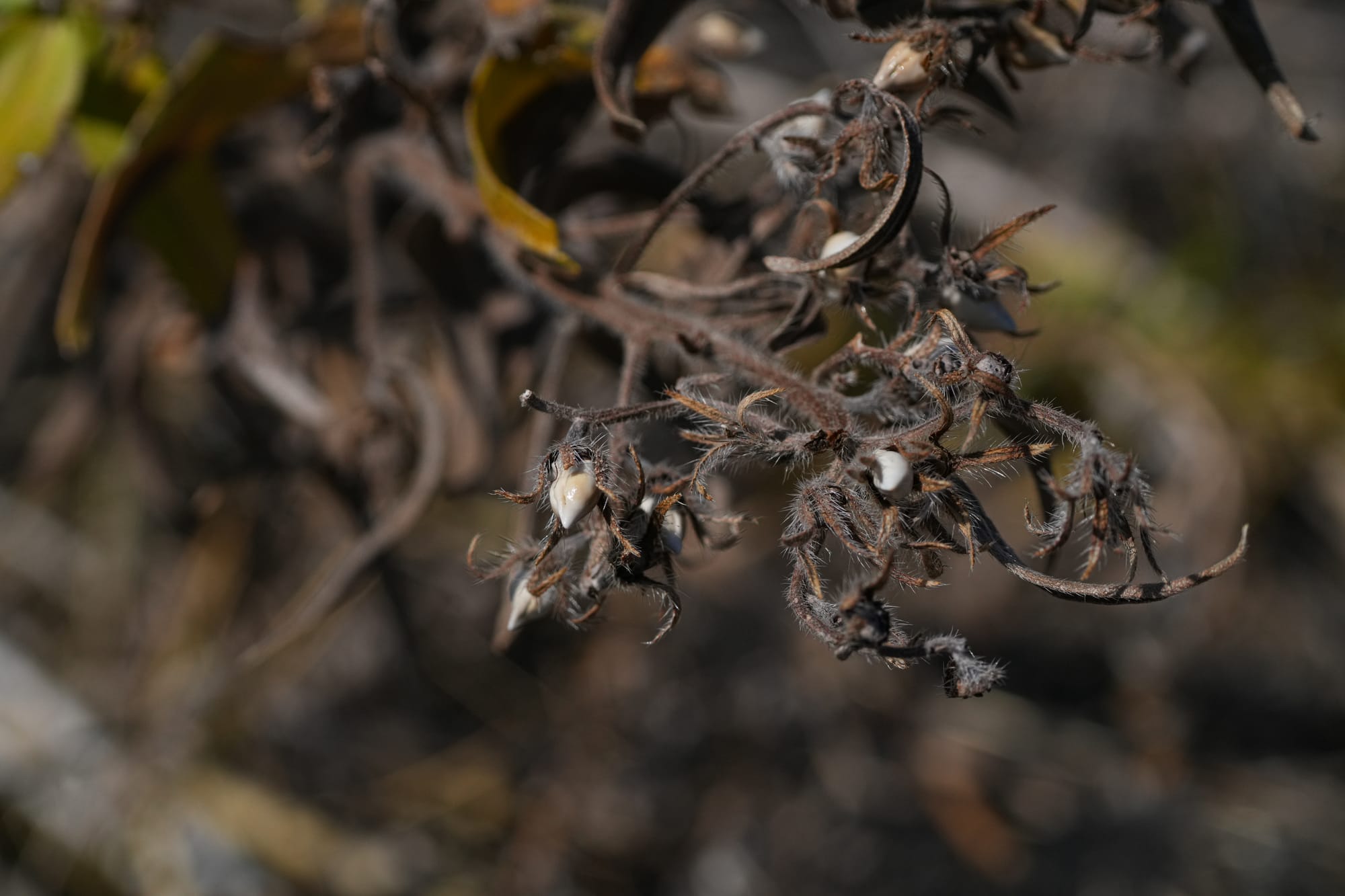
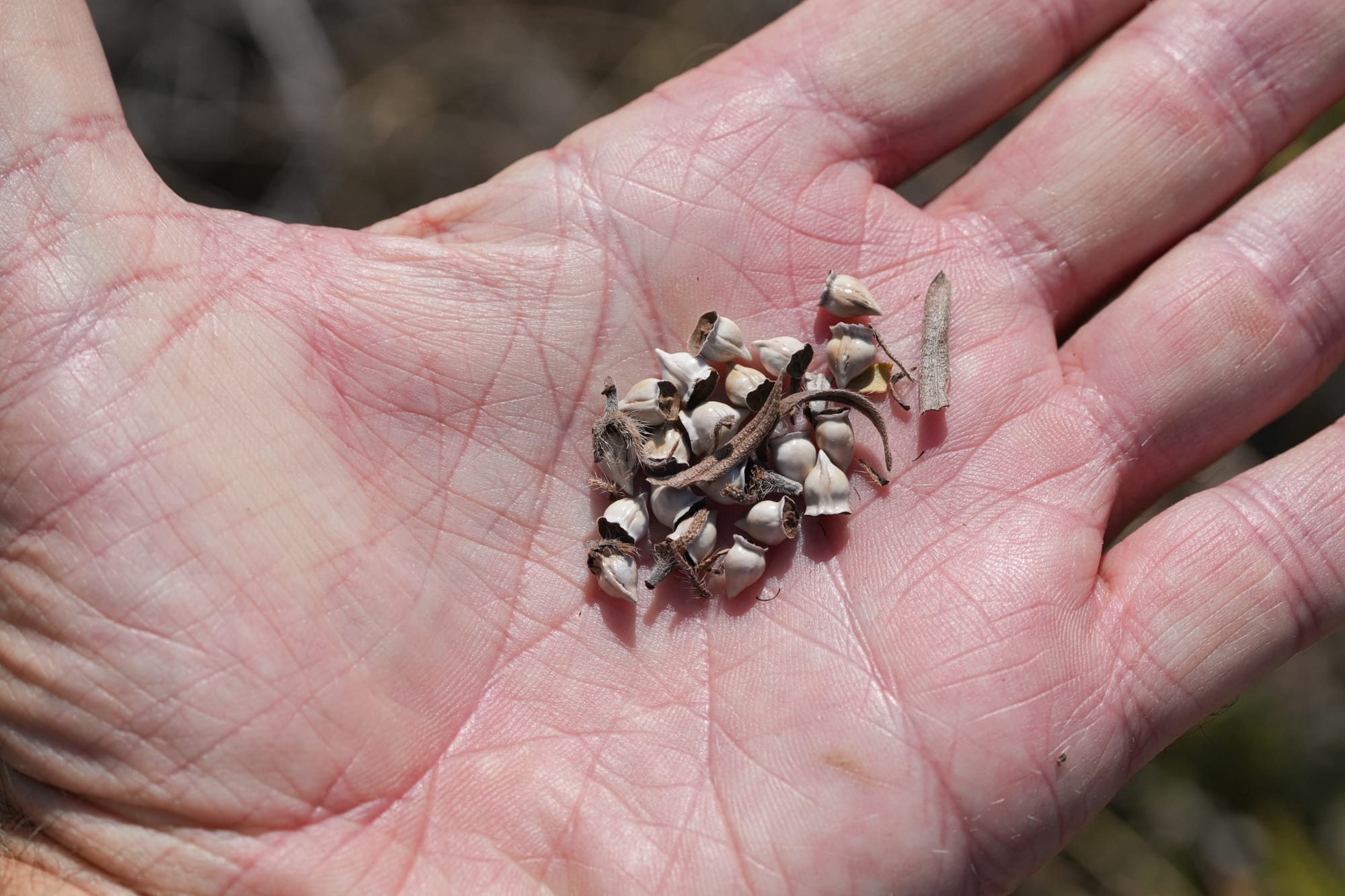
Probably the best surprise of all was walking past a dried-up puccoon (Lithospermum ruderale) and doubling back to take a photo because I started thinking that we don't pay enough attention to plants after they're done flowering. Then I discovered that it had these weird white things that I soon realized were fruits and it occurred to me that "of course!" this is why puccoon is also known as stoneseed! [As a note of caution: if you touch this plant, you'll discover that it's covered in highly irritating microscopic hairs!]
Observation of the Week: Steppe Flowers
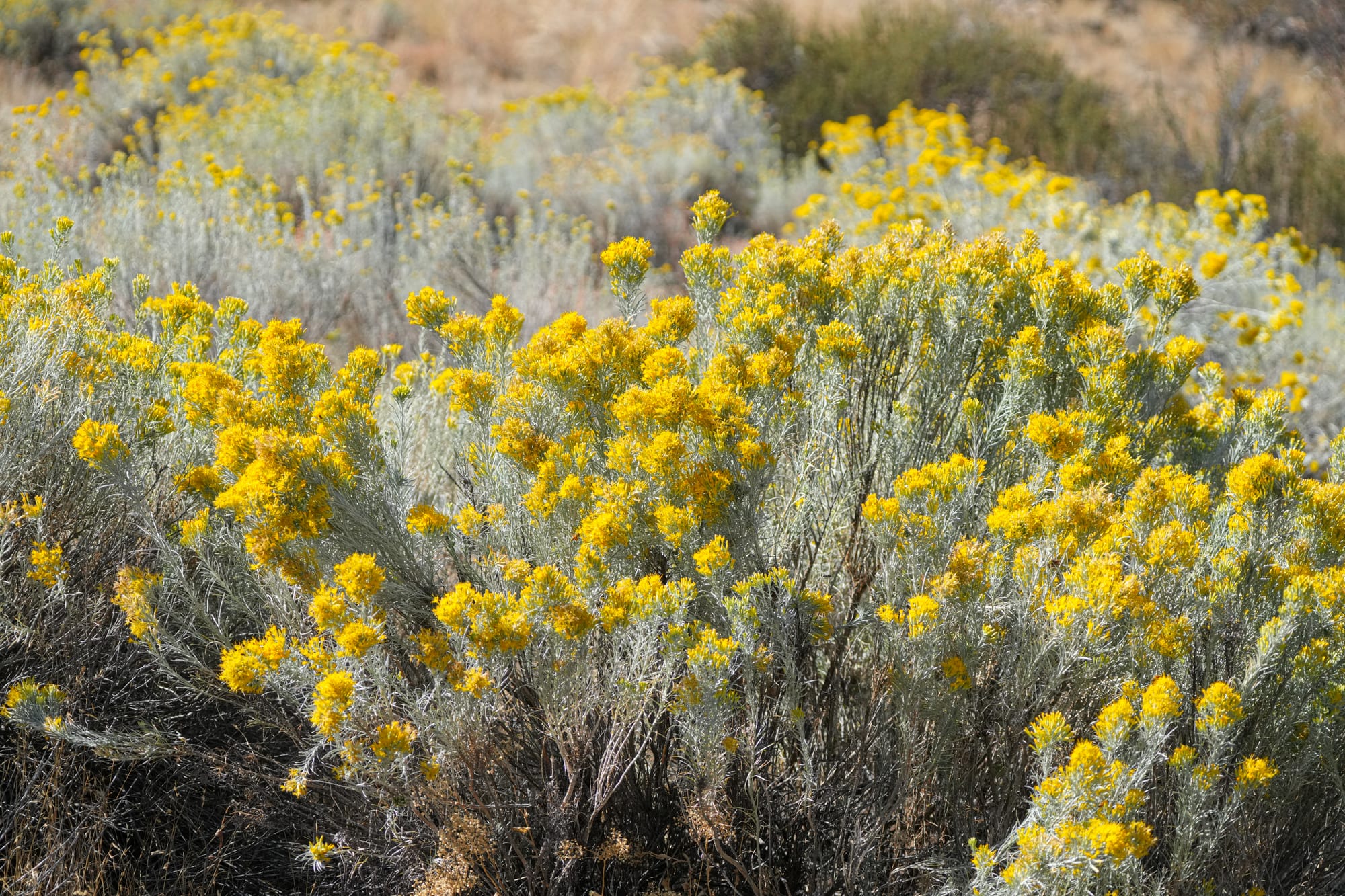
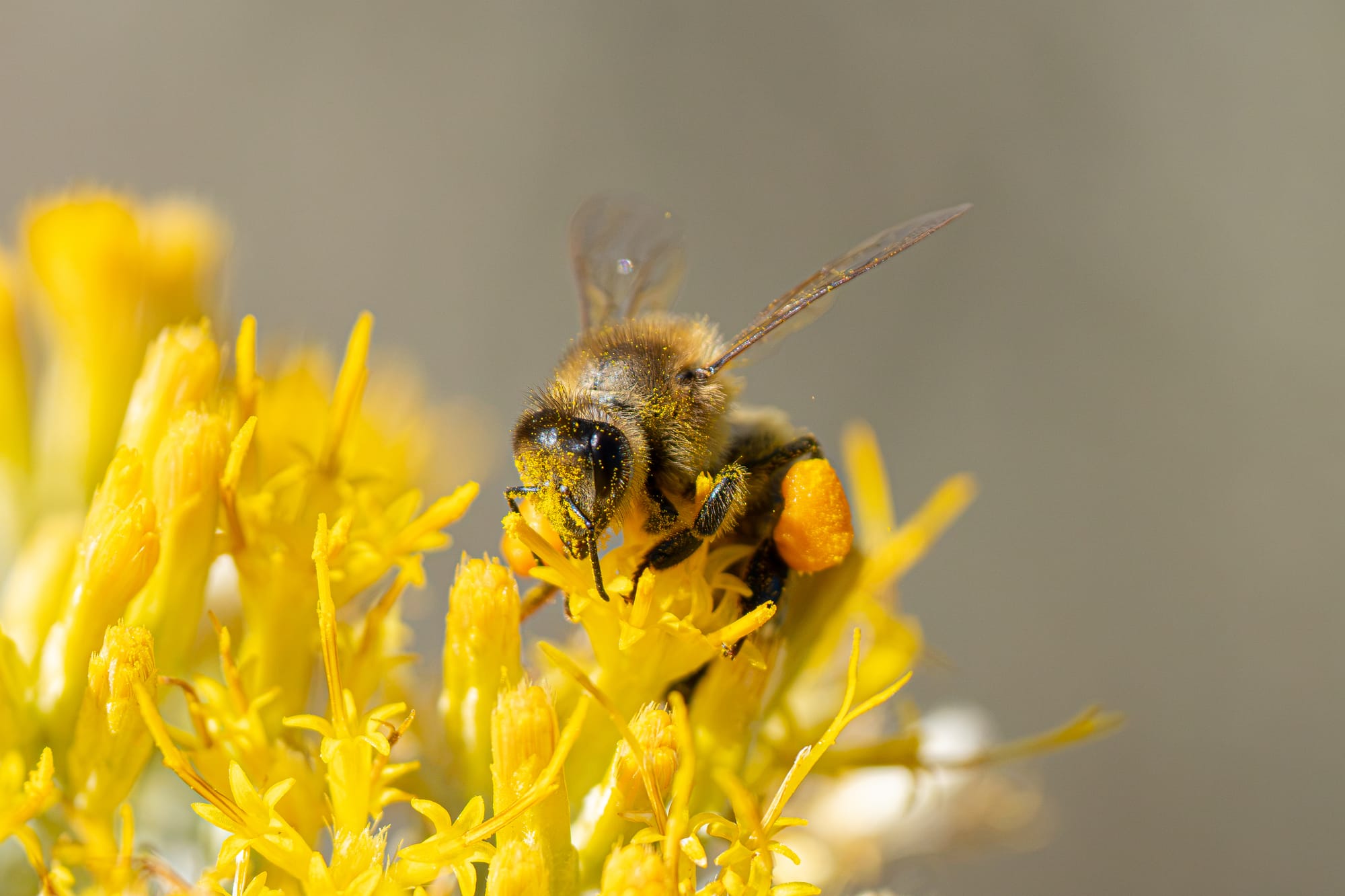
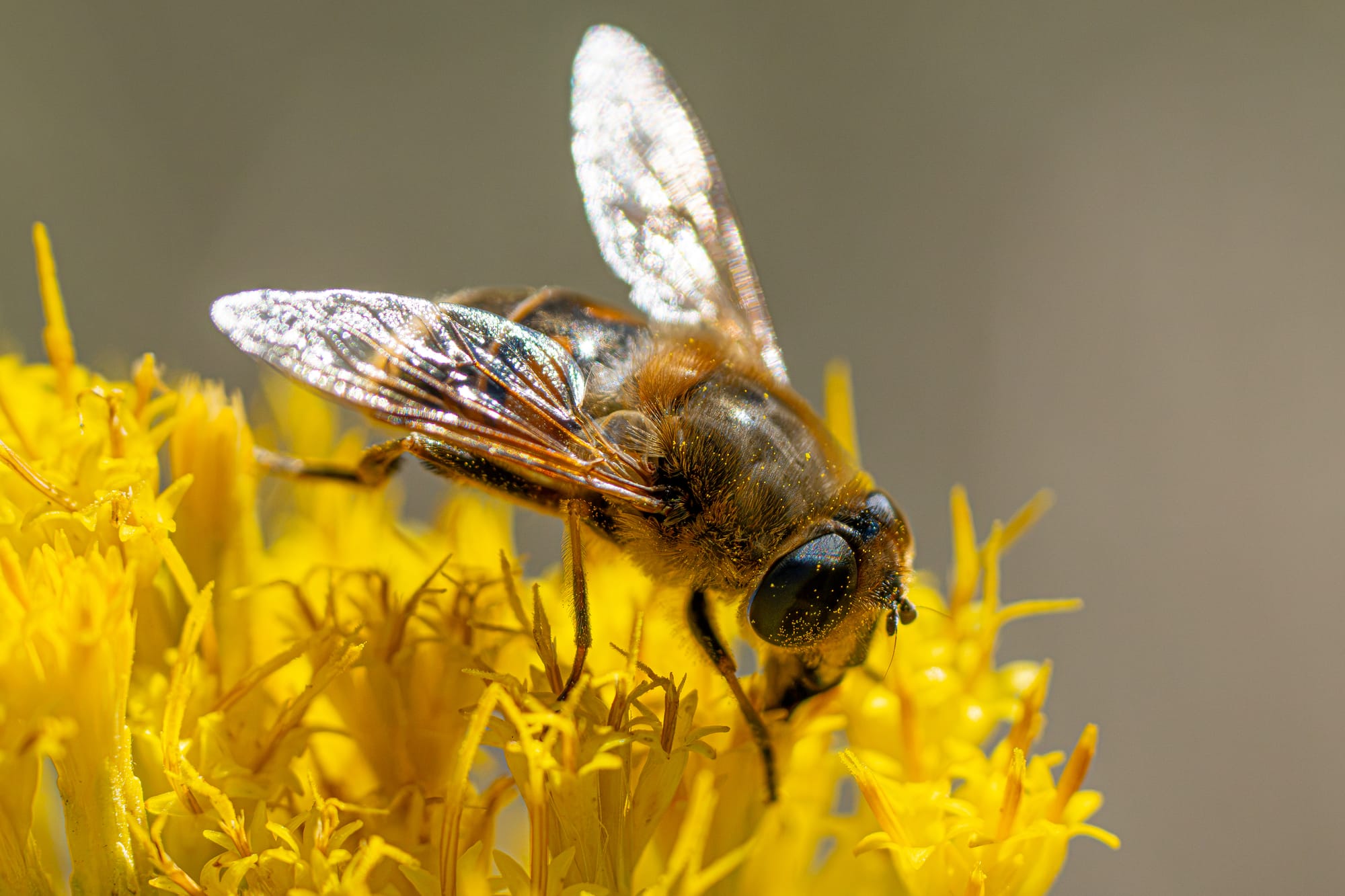
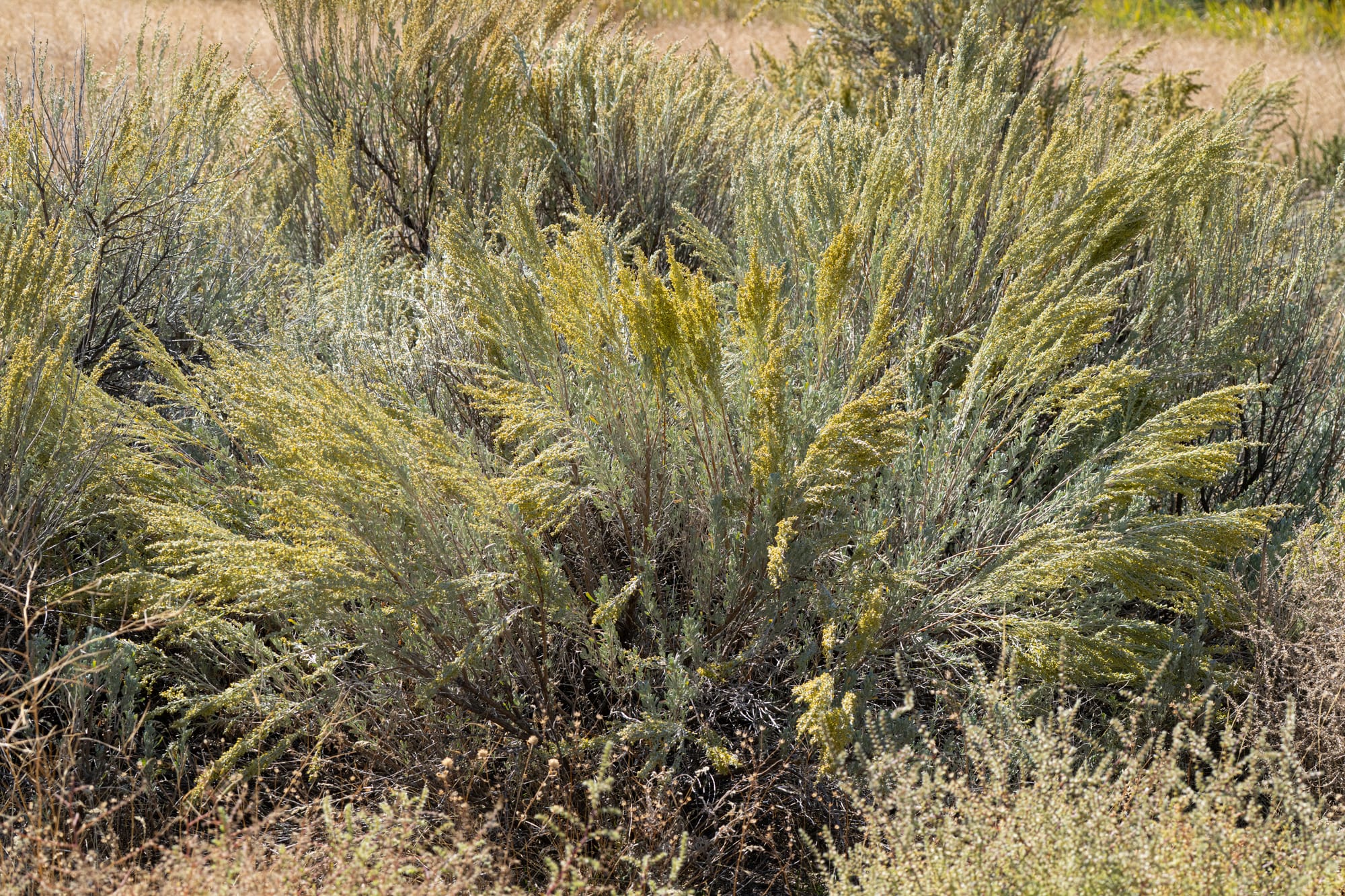
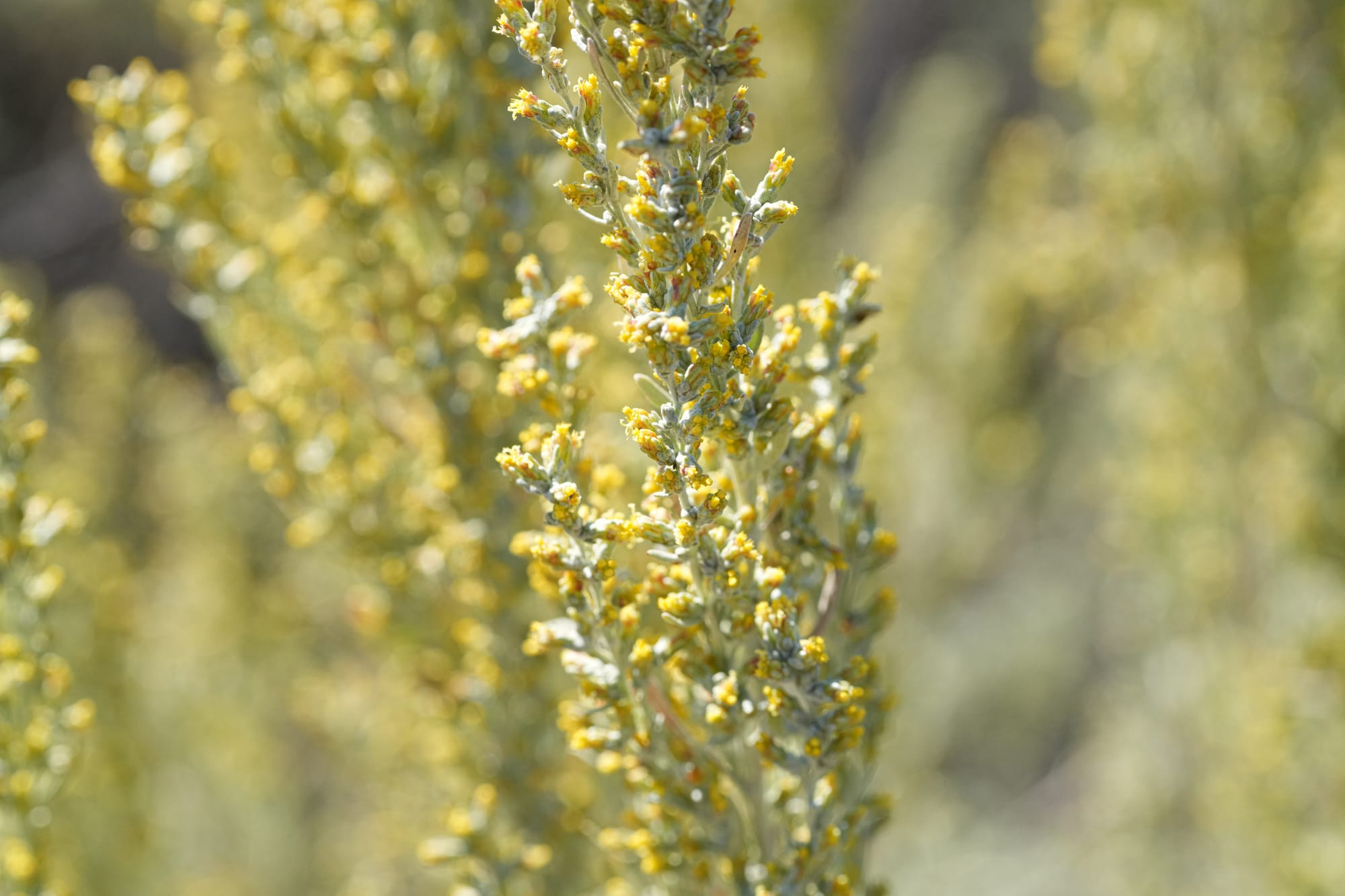
This is a wonderful time of year in the shrub-steppe because it's the peak time for flowering rabbitbrush and sagebrush. I wrote about this in a previous newsletter so I won't say much more, but it's worth honoring and paying attention to this remarkable phenomenon. In particular, rabbitbrush seems to be the most important plant in the valley at this time of year because they are absolutely covered in pollinators!