Life in the Slow Lane
September 20-26, 2026

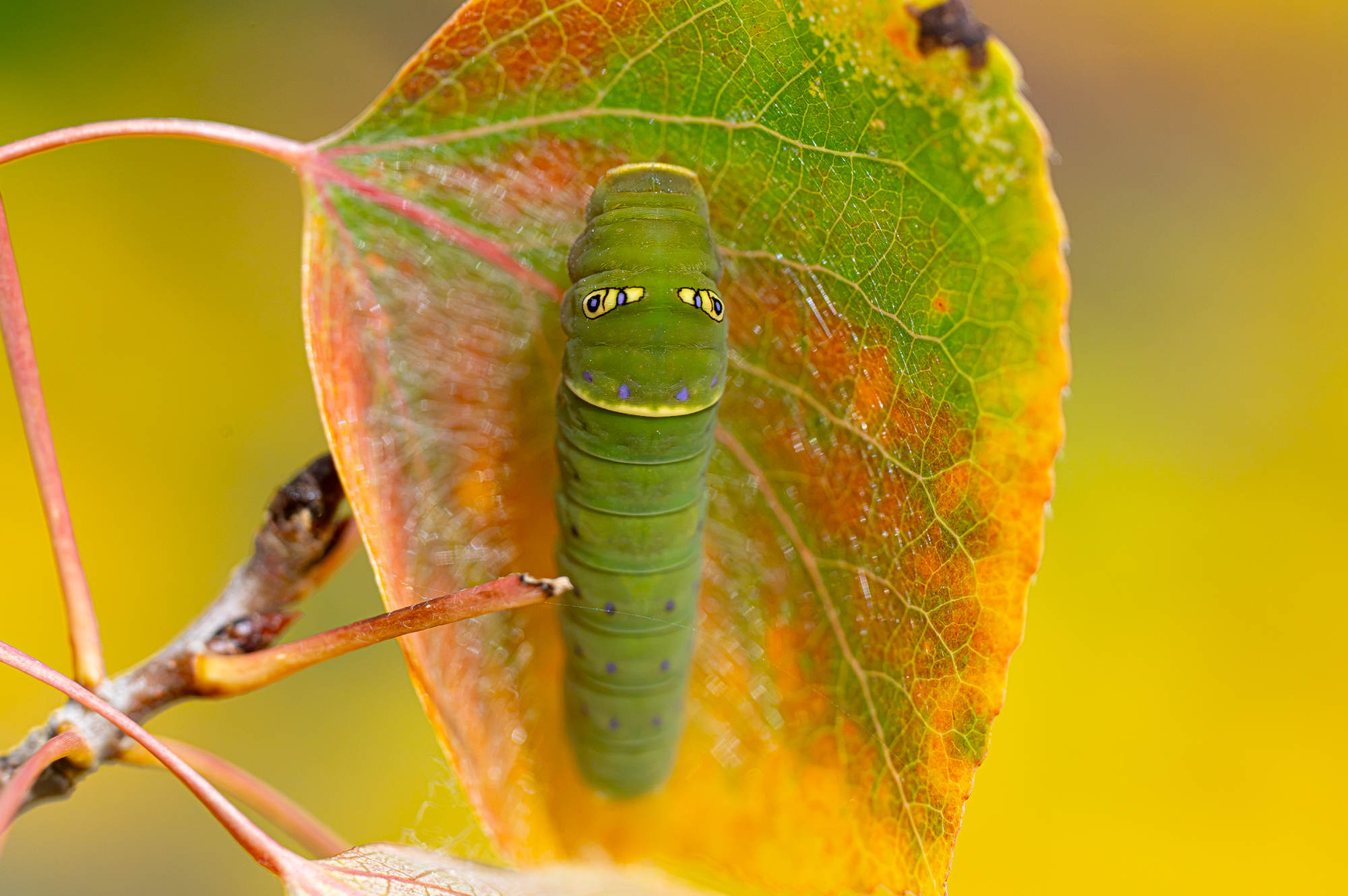
This week offered a bit of everything, from smoky haze to blazing sun, to strong winds, clouds, and rain.
Week in Review
Whether the days were hot and sunny or crisp and freshly washed with rain, this was a really slow week. On one long outing, for example, I didn't see a single flower, and only one grasshopper, one dragonfly, and a few scattered birds.
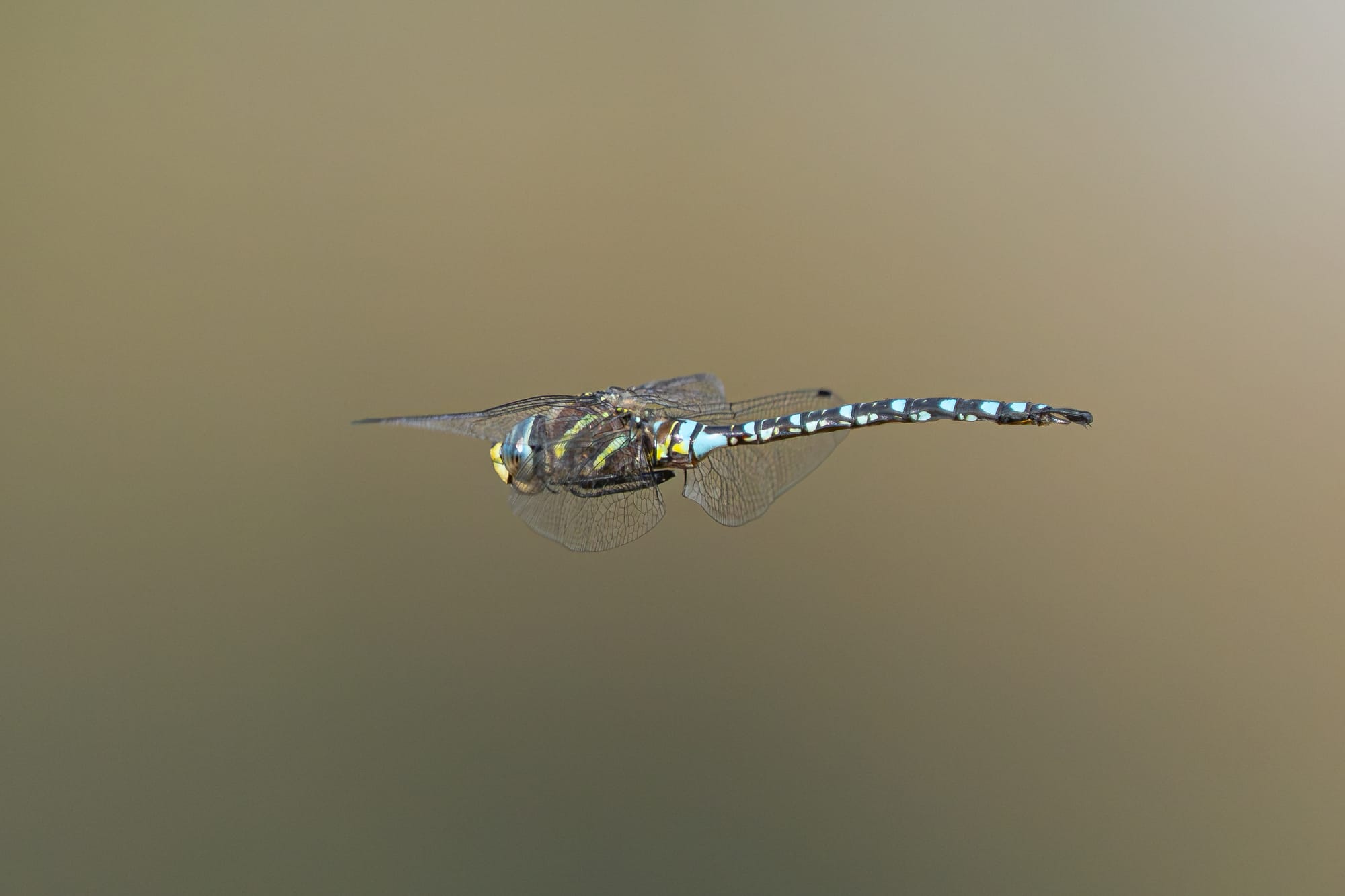
Sadly, it's that time of year when the last vestiges of an abundant summer are quickly fading, and there's not a lot happening. But that doesn't mean nothing is going on; it just means we have to look harder and be satisfied with smaller moments of wonder.
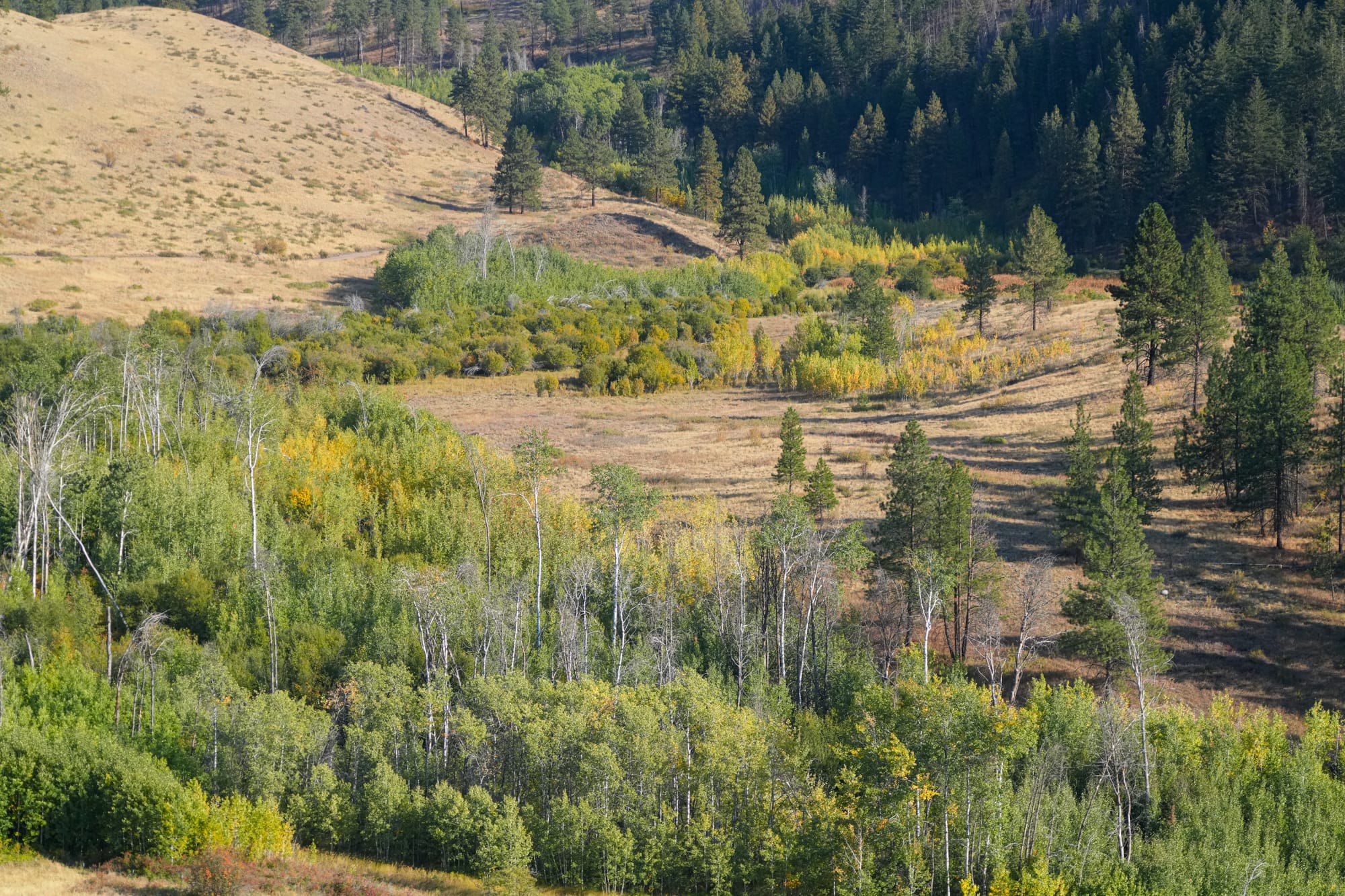
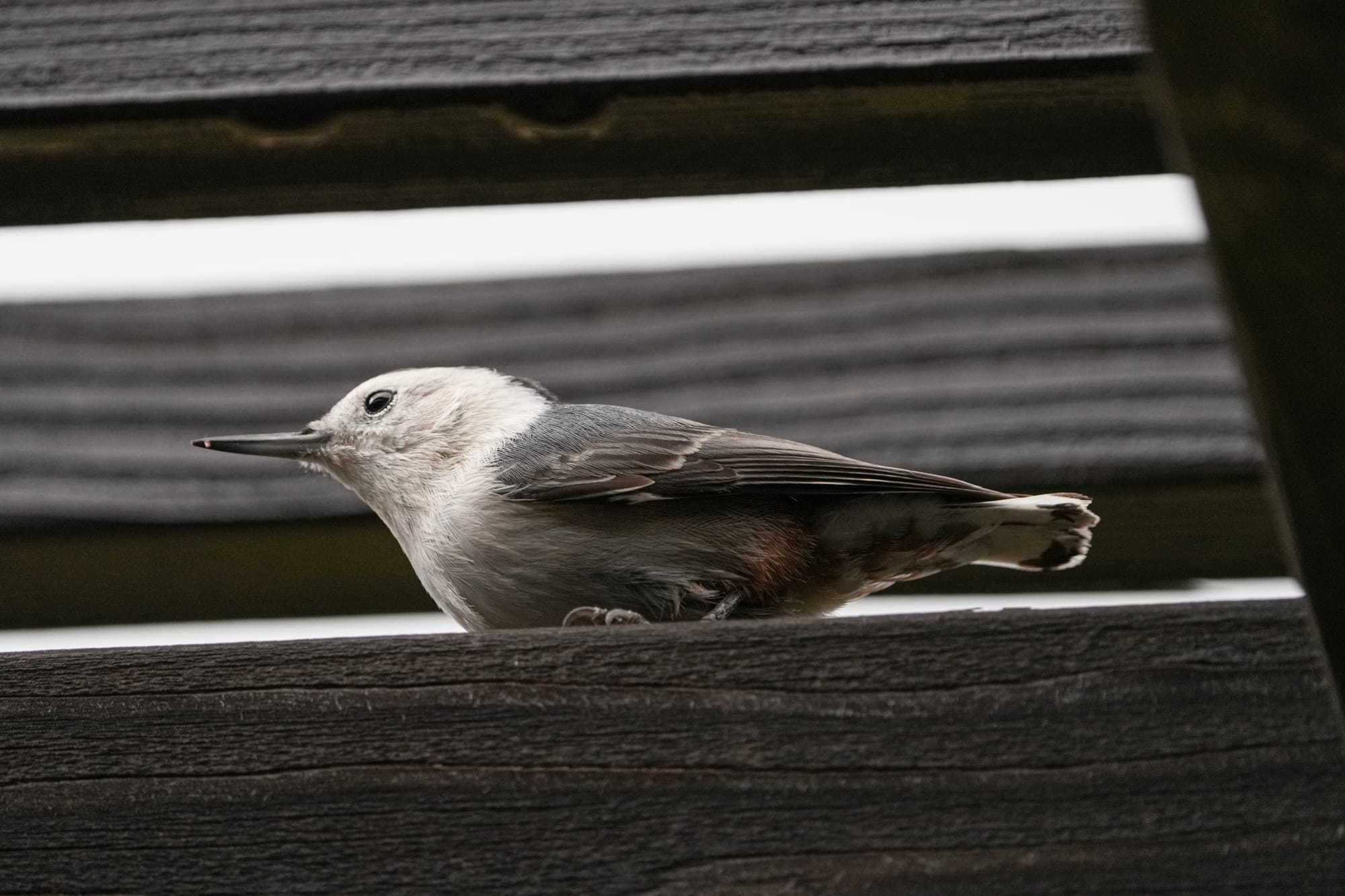
After a night of rain at the end of the week, there seemed to be another pulse of migrating yellow-rumped warblers and white-crowned sparrows, mixed with some white-breasted nuthatches, western bluebirds, and northern flickers. We can only speculate on why the numbers of migrating birds ebb and flow, but it's likely that passing weather patterns prompt them to migrate in waves.
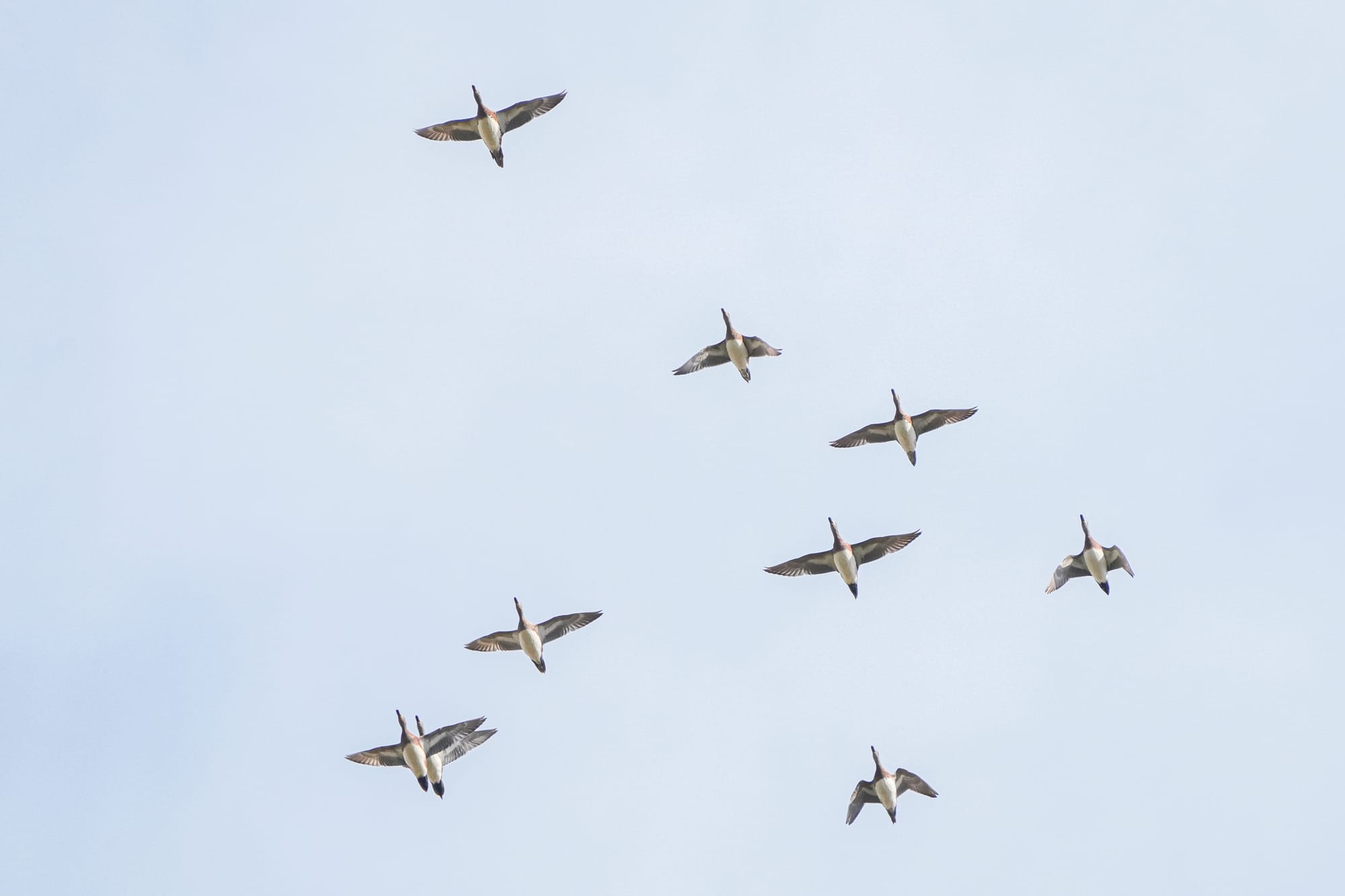
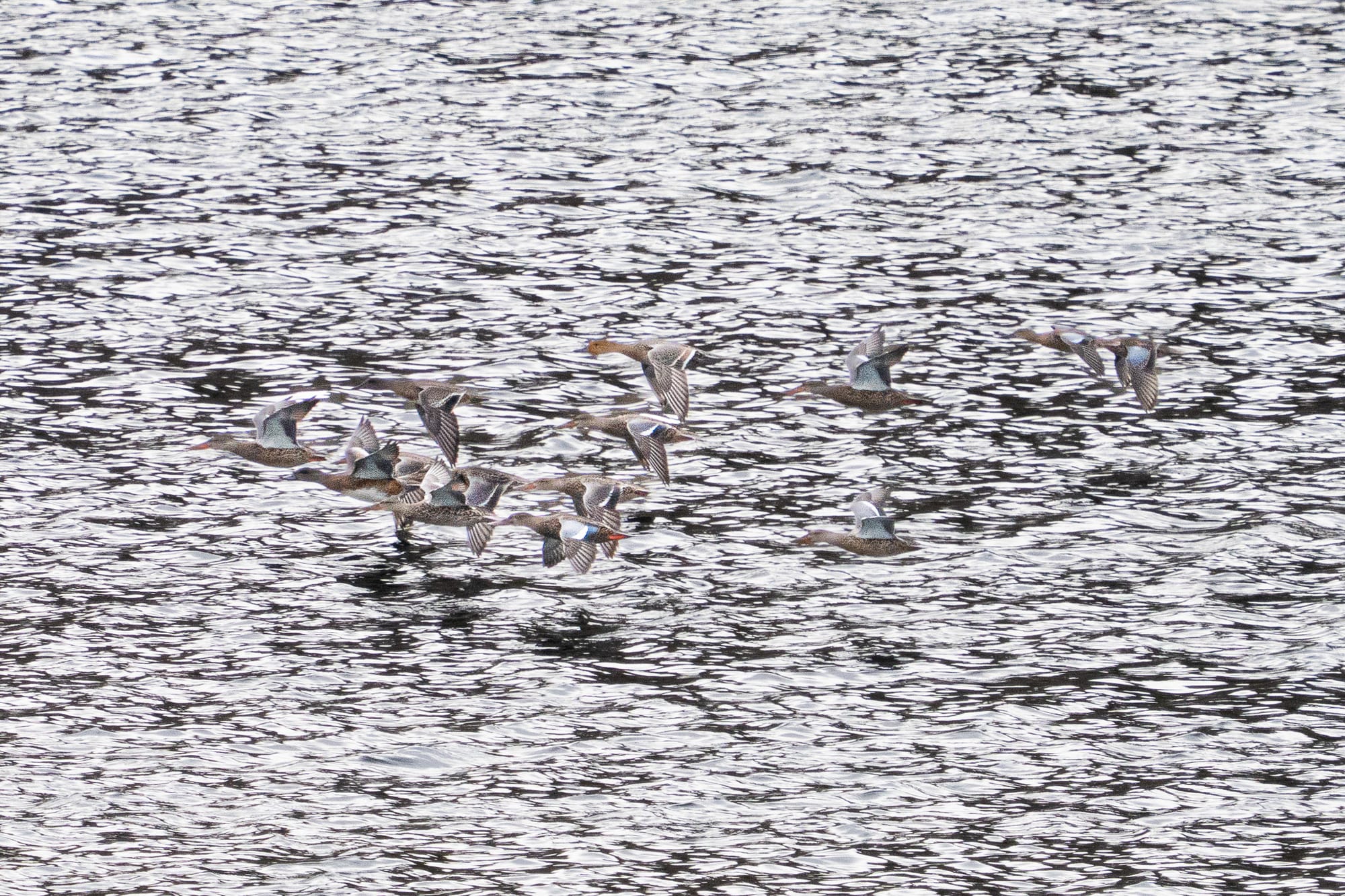
I also noticed that the large numbers of American coots and pied-billed grebes from the summer have disappeared, and there are now only 3-4 birds on Big Twin Lake. But while I was thinking about this, a handful of migrating American wigeons flew over and checked out the lake for a few moments, and the next day a mixed group of wigeons and northern shovelers stopped briefly at the lake, so it looks like we're getting a small movement of migrating ducks.
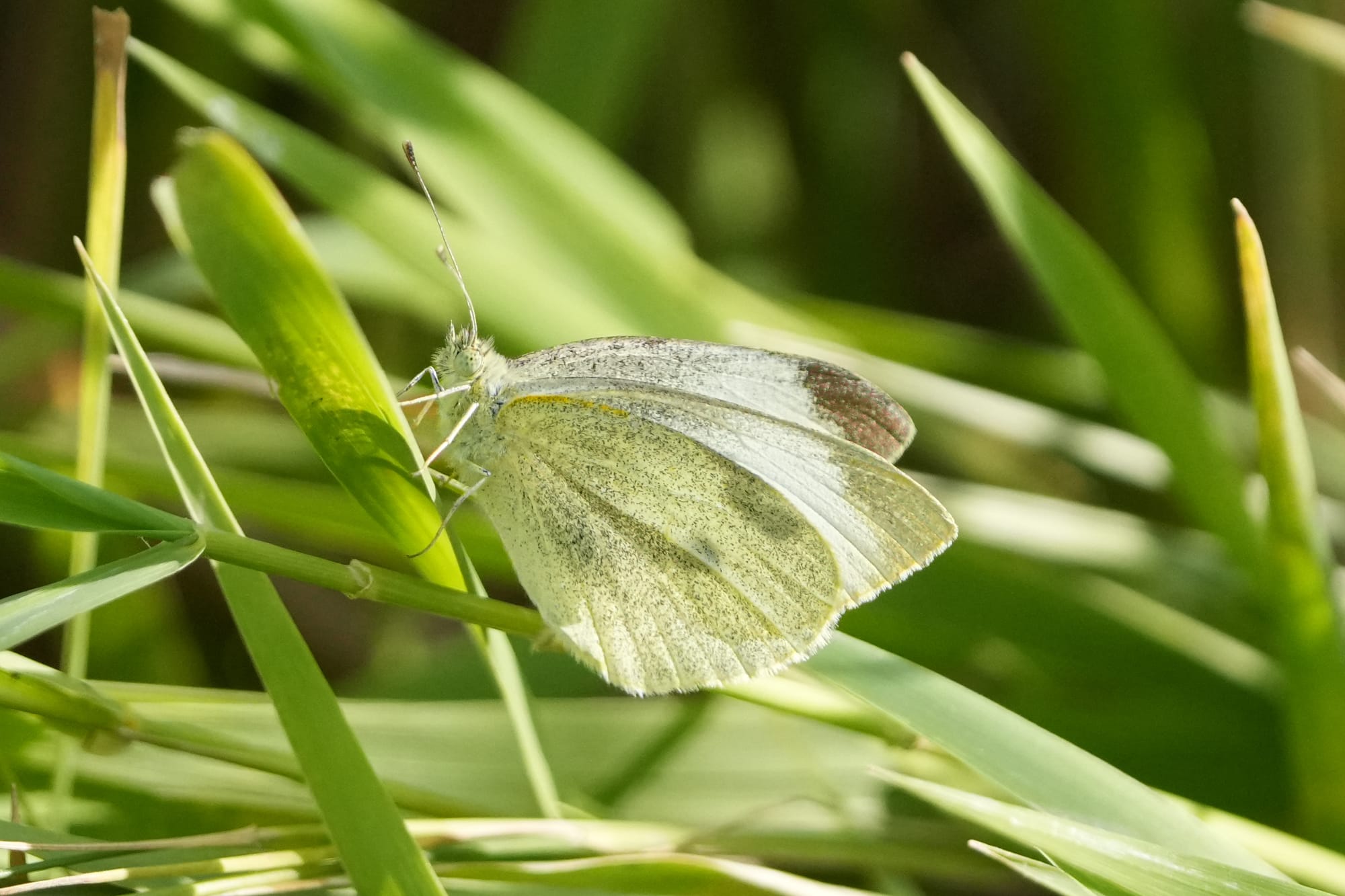
I'm pretty sure there are still a handful of active butterflies flying around, but the only ones I saw this week were cabbage whites. These hardy, invasive butterflies seem to be particularly common in late summer, and some of them obviously linger into early fall as well.
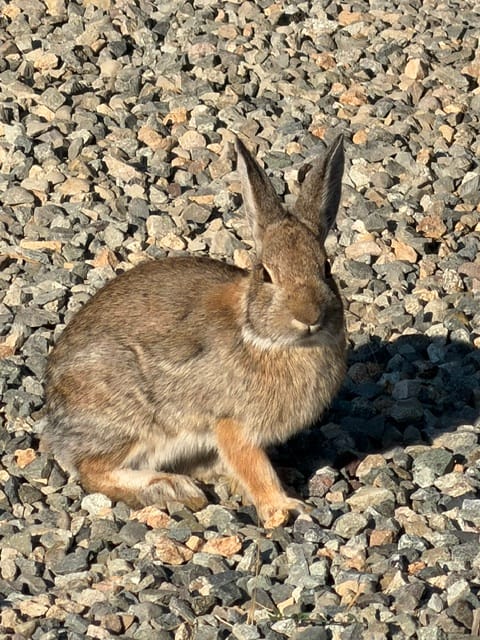
The only other notable observation that came to my attention this week was a sighting of a Nuttall's cottontail. Cottontails are not rare, but they are most active at dawn and dusk, so they are easily missed. In fact, I don't even know if I've seen one in the valley, but it's hard to be sure which species you're seeing when a rabbit bounds away in the dusk.
A Peek Under the Hood
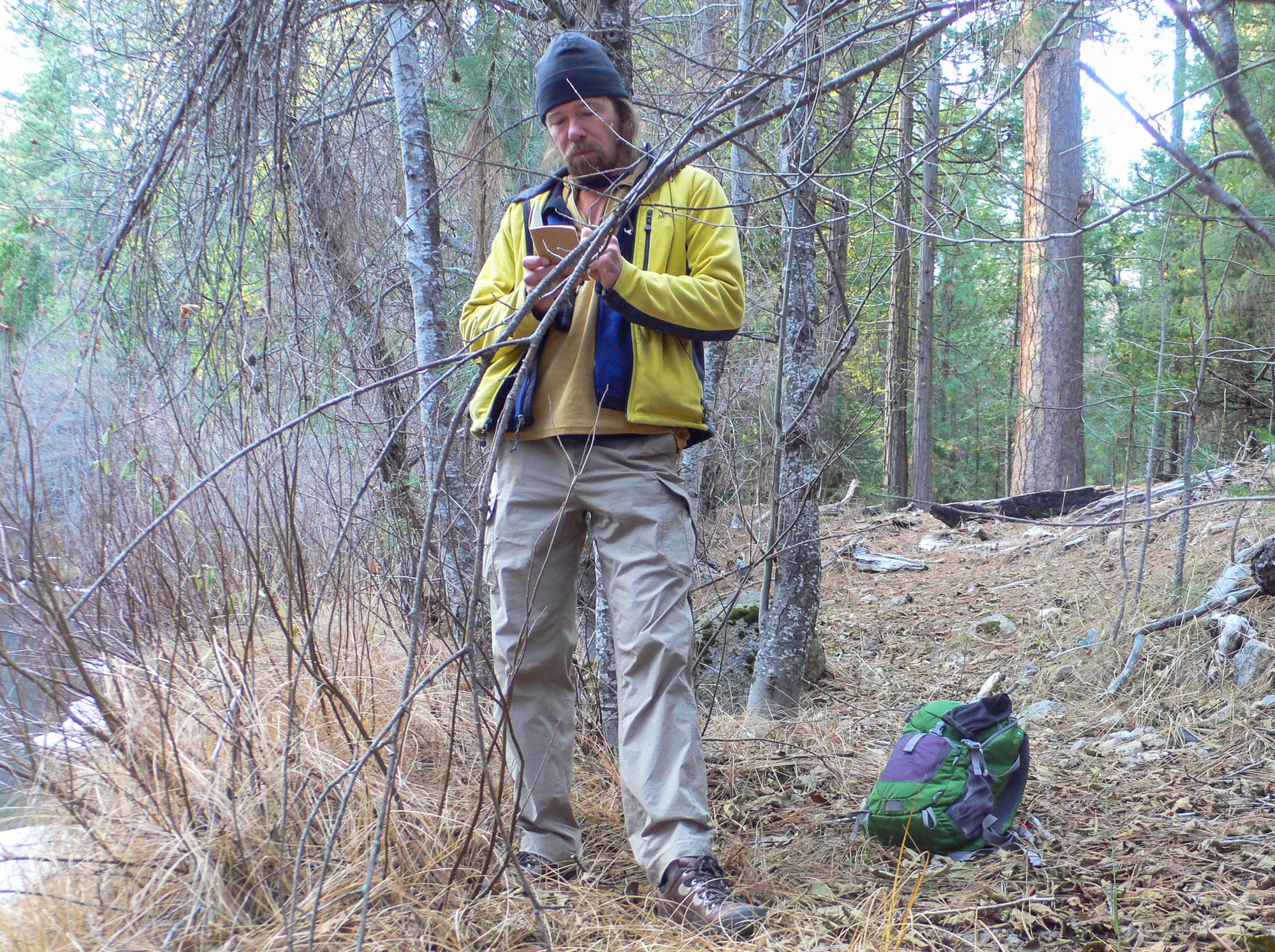
Since this was a slow week, I wanted to offer a peek at how things are going for Methow Nature Notes and put in a plea for your support. Sharing nature observations with you is a tremendous joy, and even after three years of writing these newsletters, the audience gets bigger and bigger every month.
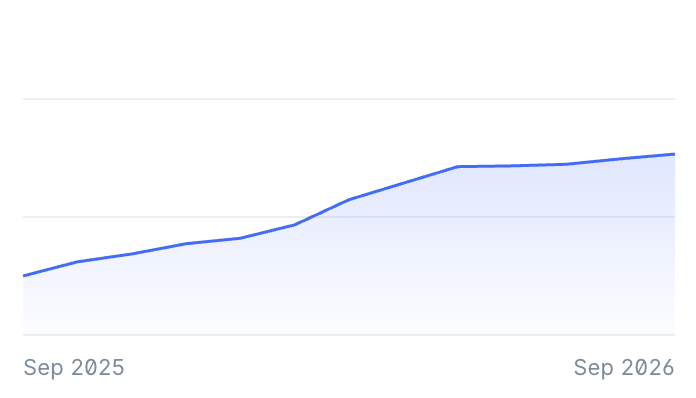
This means that the newsletters (and Facebook group) are reaching a large and growing number of people, and this matters to me. At the same time, I'm a firm believer in providing all this content for free, and keeping it freely available on the Nature Notes website, so that it's always accessible to everyone.
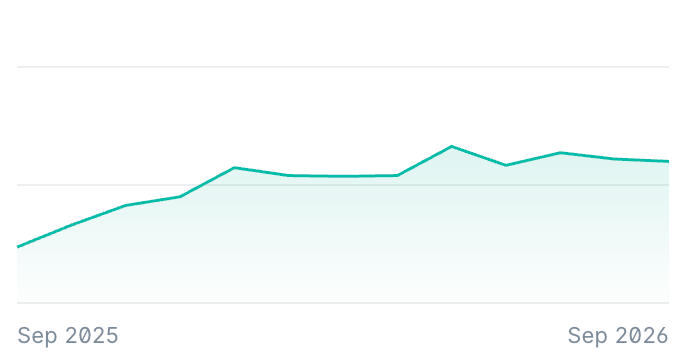
However, even as the number of subscribers continues to climb at a steady clip, the level of paid support has not changed in nine months and has barely budged in the past year. The newsletters may look like a simple production, but they take a ton of time to put together each week, and I'm worried about sustaining this effort as the level of support falls behind the number of subscribers.
I deeply appreciate that many of you have been loyal supporters from the very beginning, but if you're one of the growing number of new subscribers, please consider upgrading to a paid subscription or making a one-time donation. This is literally how I make my living, and it means the world to me. Thank you for your support, and please help the newsletter grow by sharing it with more people!