Moody So Far
June 28-July 1, 2026

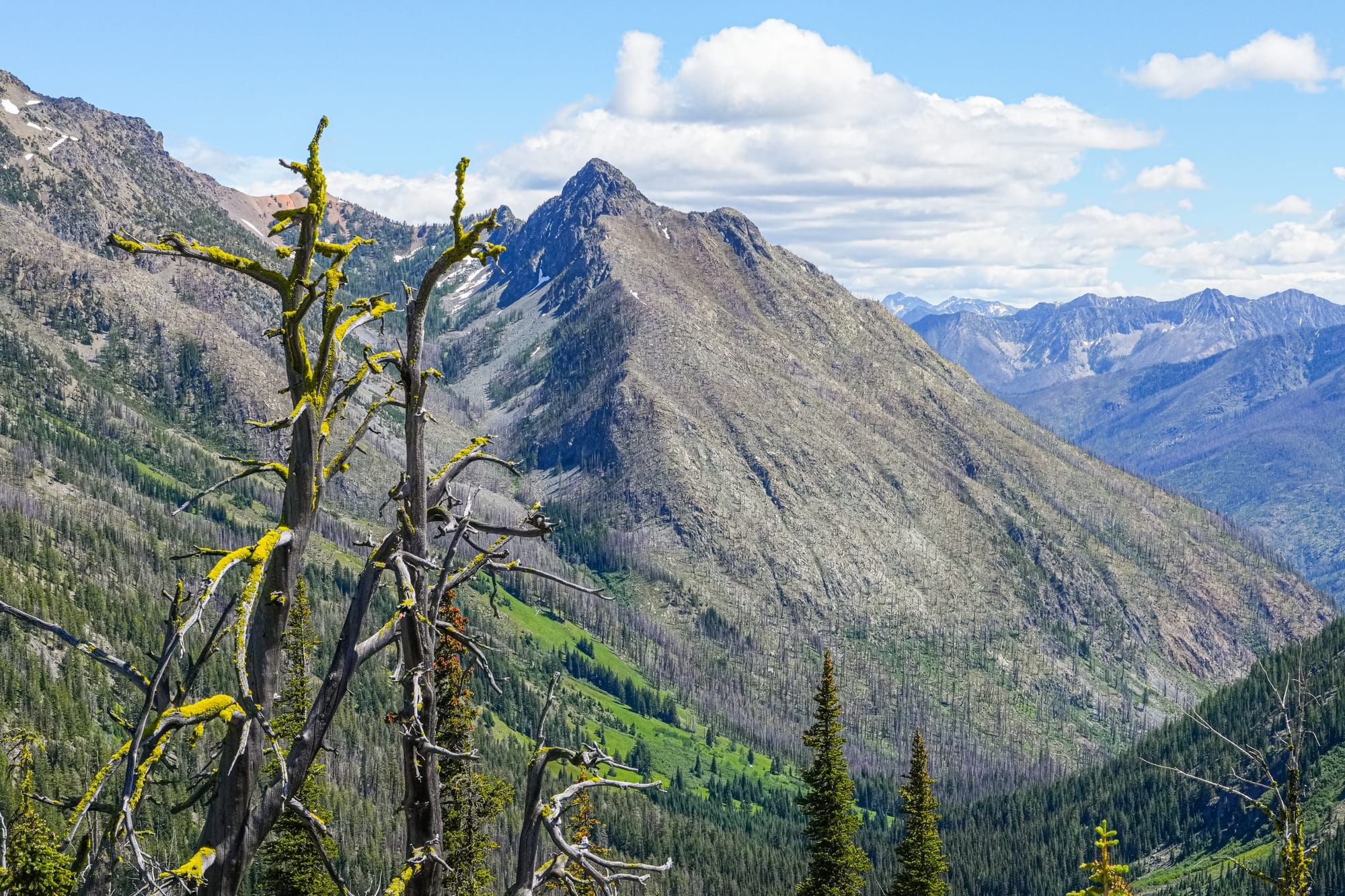
Several times already this summer, I've referred to the weather as moody, but this week brought us even more somber, overcast days and relentless wind.
Week in Review
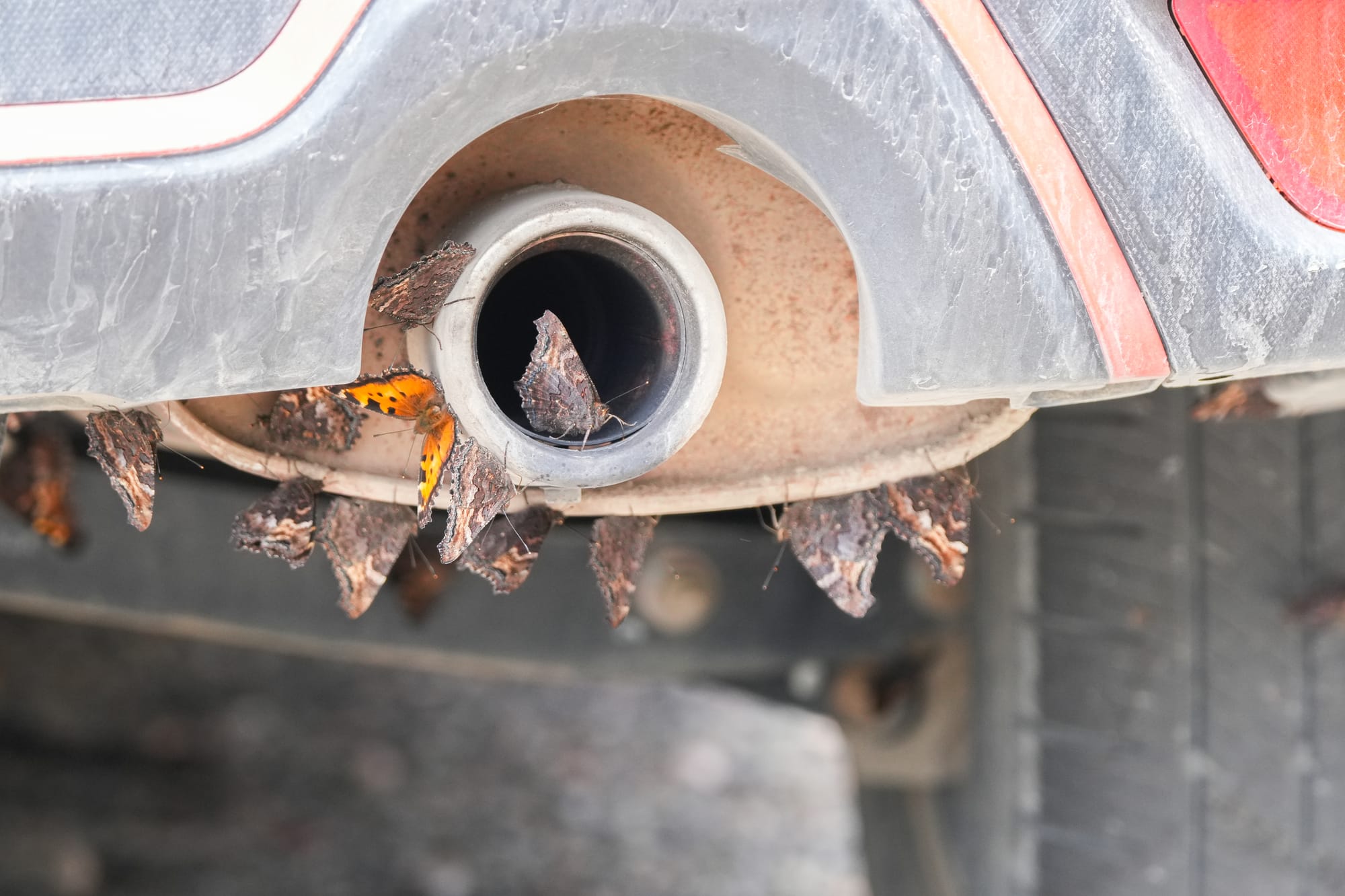
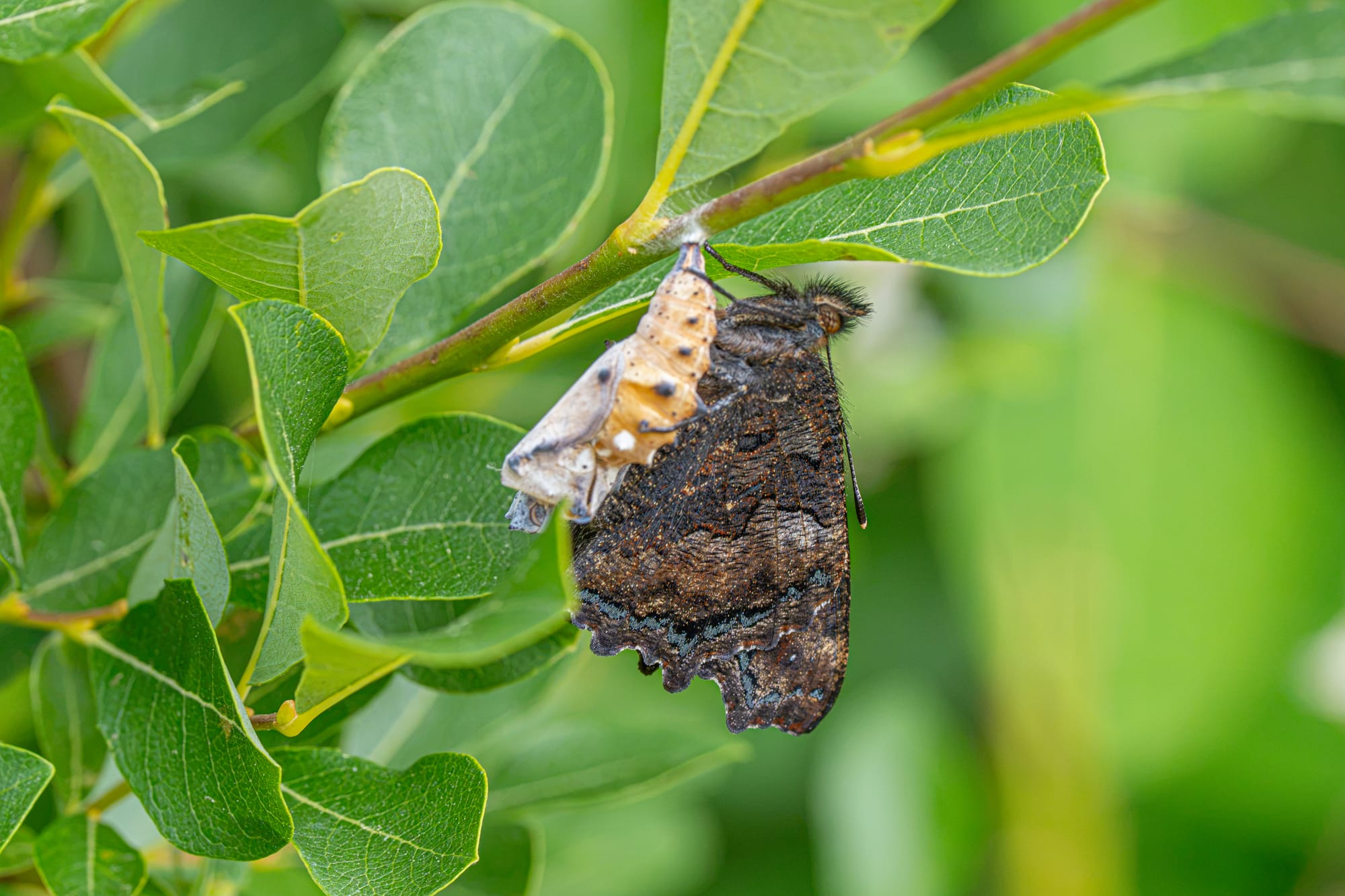
The big story this week was a massive California tortoiseshell irruption that I believe was first reported by local butterfly expert Cheryl Bellin. If you're not familiar with an irruption, it's somewhat like a migration in that large numbers of animals travel in a similar direction at the same time. However, unlike migrations, irruptions happen rarely or very rarely and have no clear motivating factors.
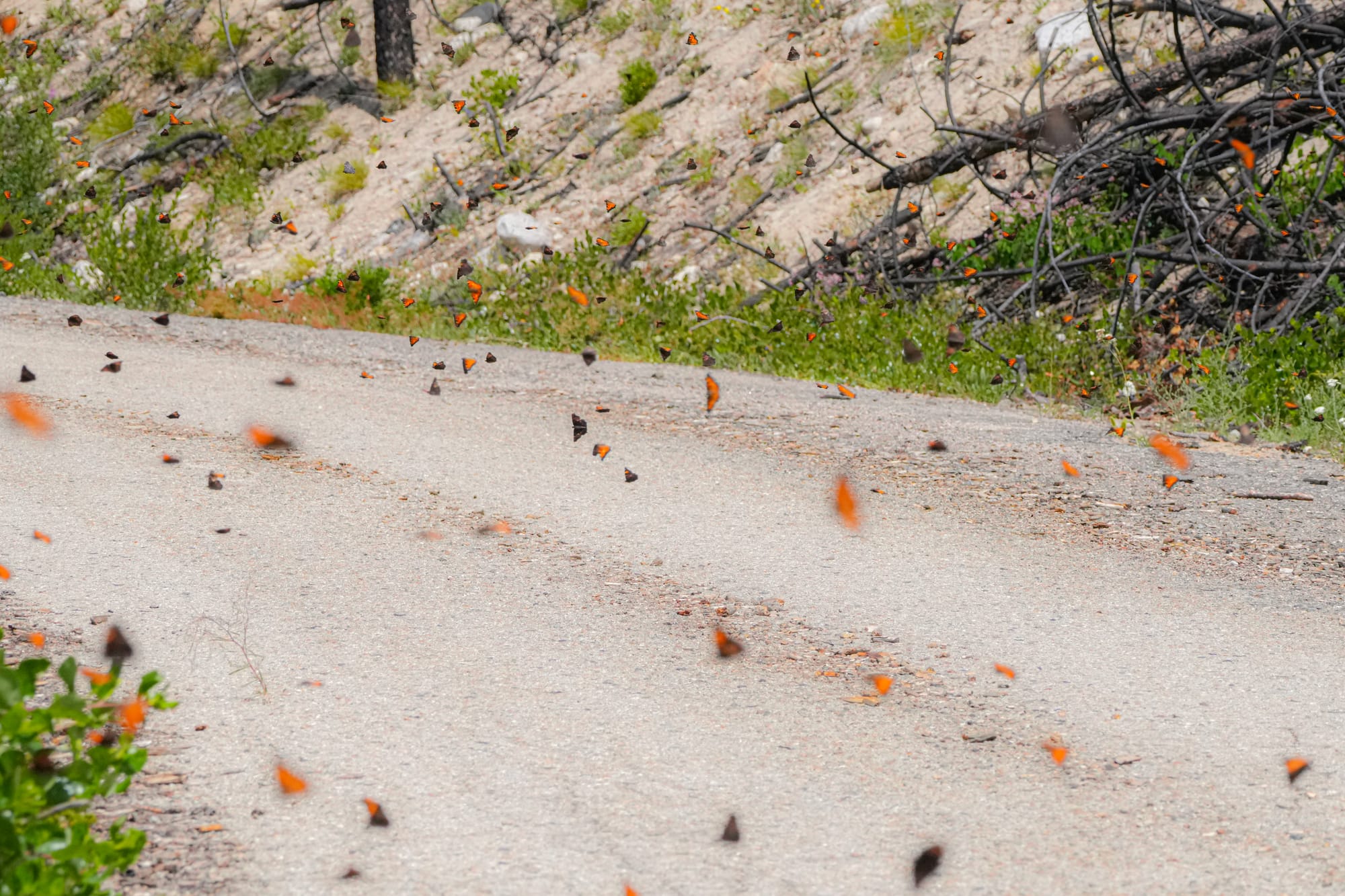
Irruptions often seem to be food related. If there's an abundance of food, then lots of babies survive, and crowding forces large numbers of animals to move in search of better pastures. And if there's a lack of food, then large numbers of animals might start wandering in search of food.
Butterfly irruptions are famous for the sheer numbers of butterflies that can be involved. The irruption that happened in the Methow Valley this week included tens of millions of tortoiseshells, while some documented irruptions in the United States have involved billions of butterflies and closed highways.
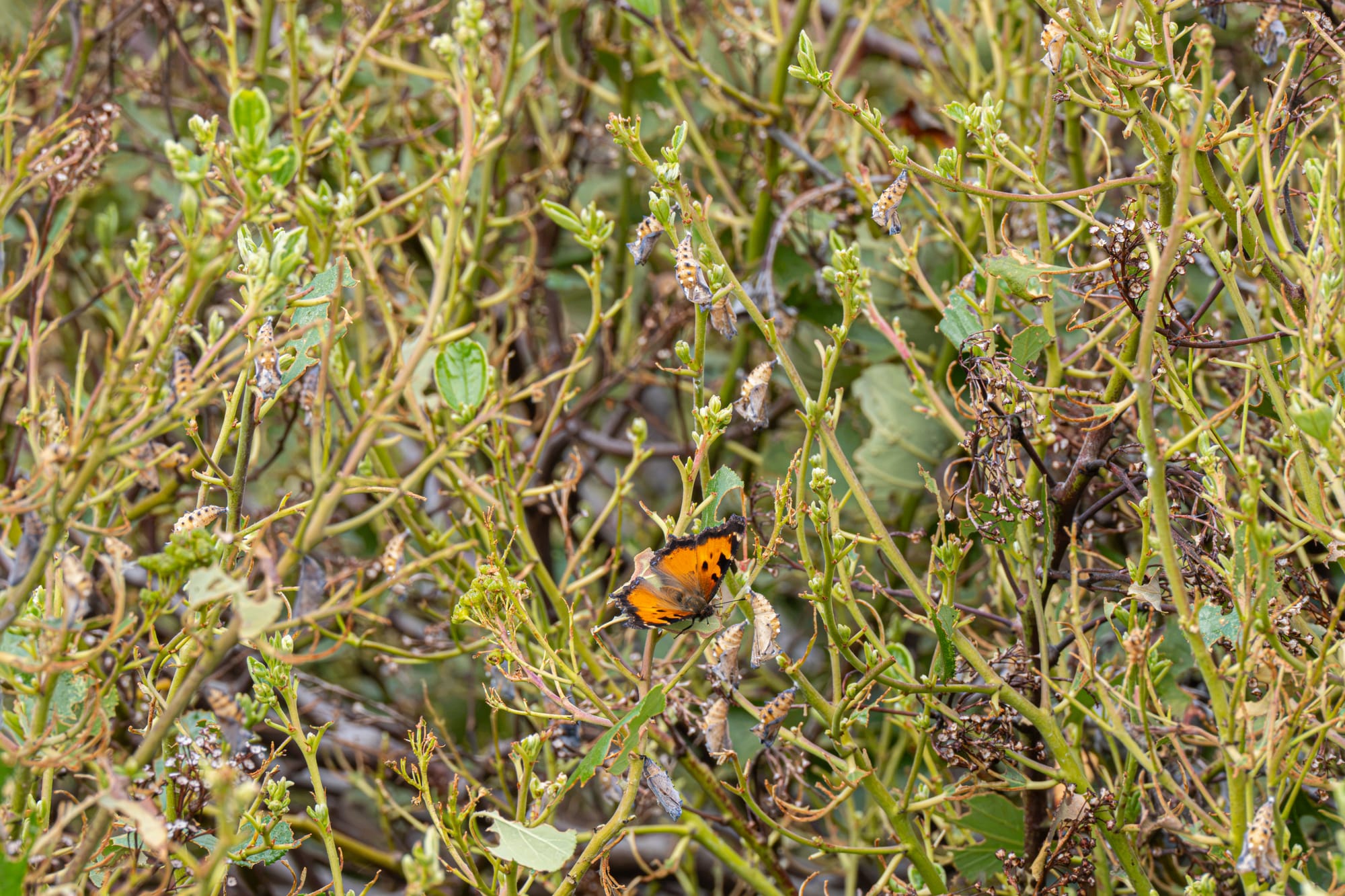
California tortoiseshells favor snowbush shrubs (Ceanothus velutinus) that grow back after wildfires, and during one of their population explosions, tortoiseshell caterpillars will devour every snowbush leaf for miles before pupating and emerging in huge numbers, as they did this week.
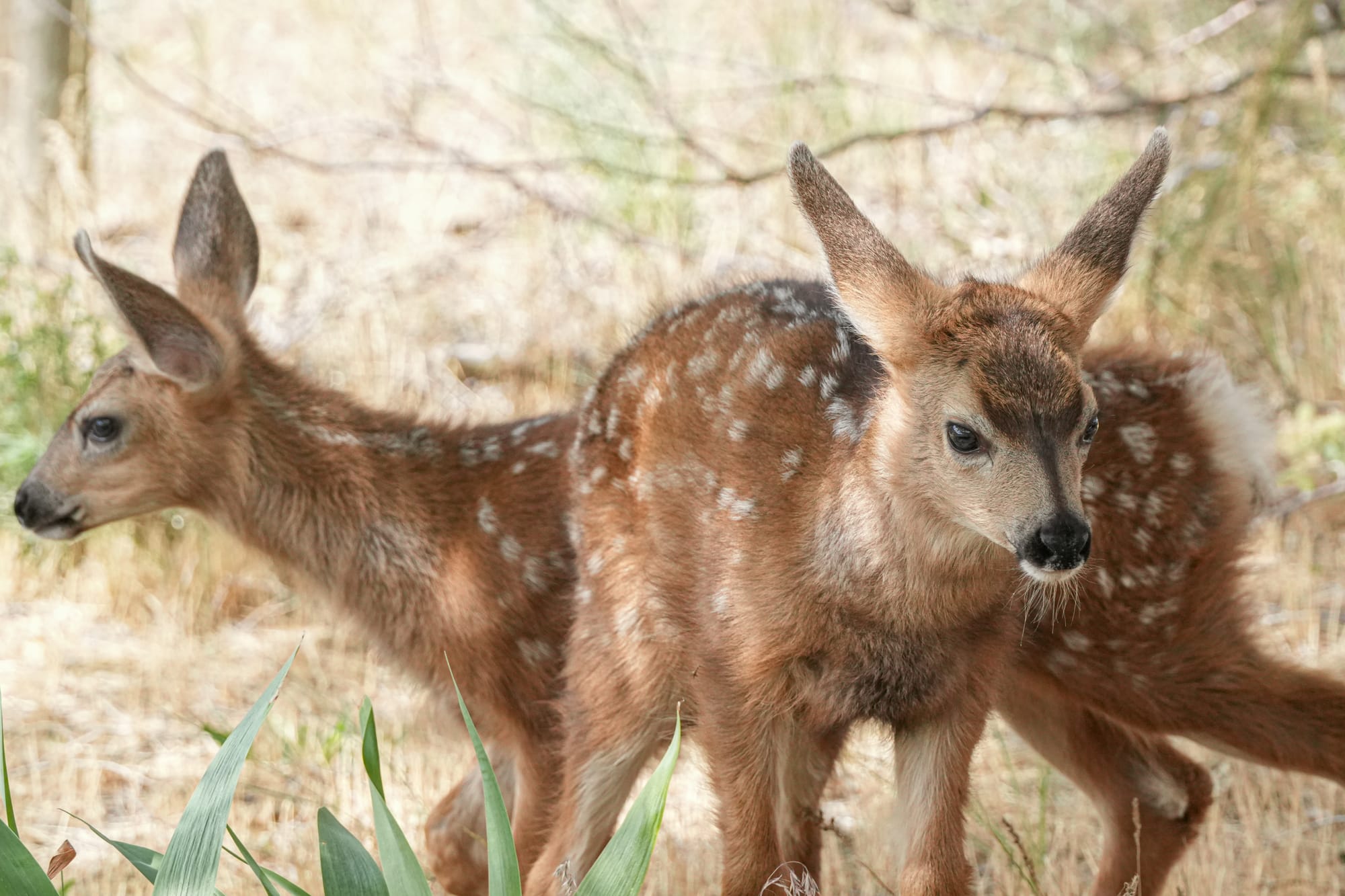
Another delightful event this week was the first appearance of fawns. Fawns spend the first month of their life mostly alone and curled up on the ground. Their legs are still weak, and they're not strong enough to follow their mother or flee from predators, so their best defense is to remain hidden while their mother visits a few times a day so they can drink milk. After about a month, fawns begin actively following their mother, and this is when we start seeing them regularly. This is also an important time to drive carefully, because a deer that crosses the road quickly in front of you can have slower fawns following her.
And speaking of mammals, I saw what looked like an unusual chipmunk near Big Valley this week. It was larger, stockier, and more dully colored than our typical yellow-pine chipmunks, with low-pitched calls, so I'm wondering if it was a Townsend's chipmunk, which is found on the west side of the Cascades and is largely unknown east of the crest. It's on the list of mammals for the Methow Valley because Dana Visalli believes he saw one at Cutthroat Lake, but it remains a mystery mammal in the Methow Valley.
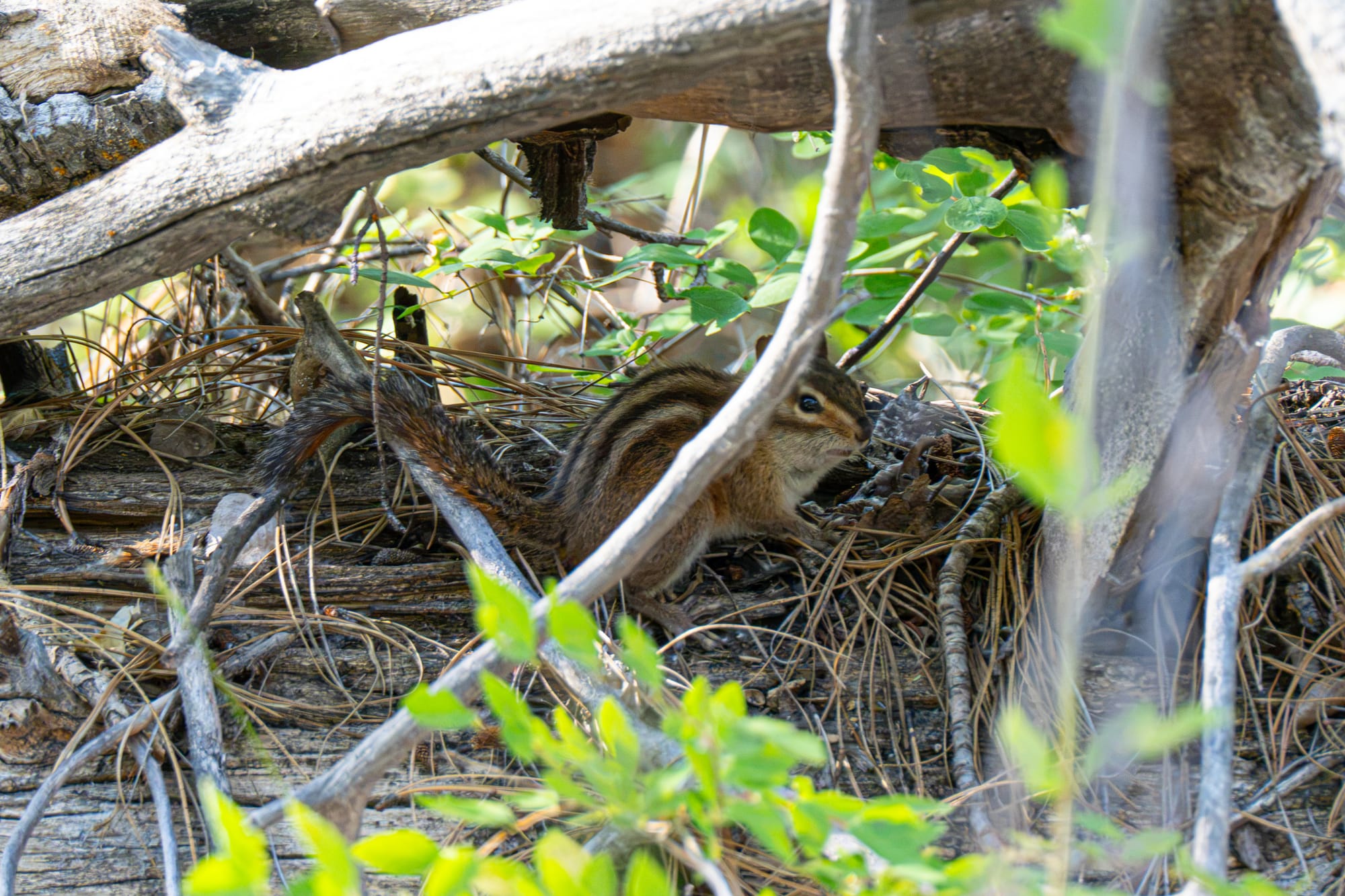
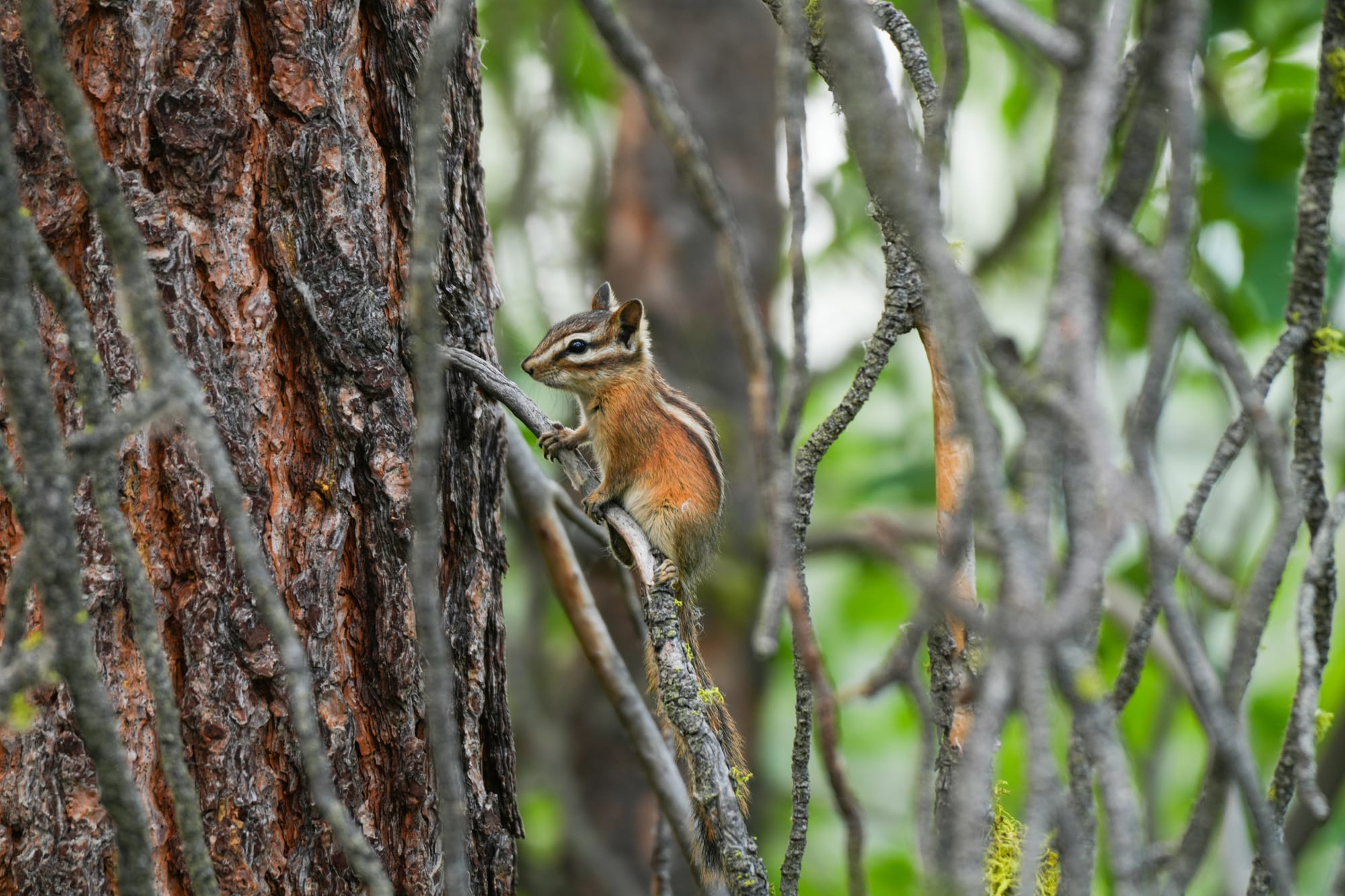
The mystery chipmunk compared to our resident yellow-pine chipmunk, which has bright, crisp colors. Photos by David Lukas
Conspicuous and notable plants this week have included oceanspray (Holodiscus discolor) and roundleaf alumroot (Heuchara cylindrica). Several people have even remarked how well oceanspray seems to be doing this year, and it's another important flowering plant, like snowbush, that thrives after wildfires.
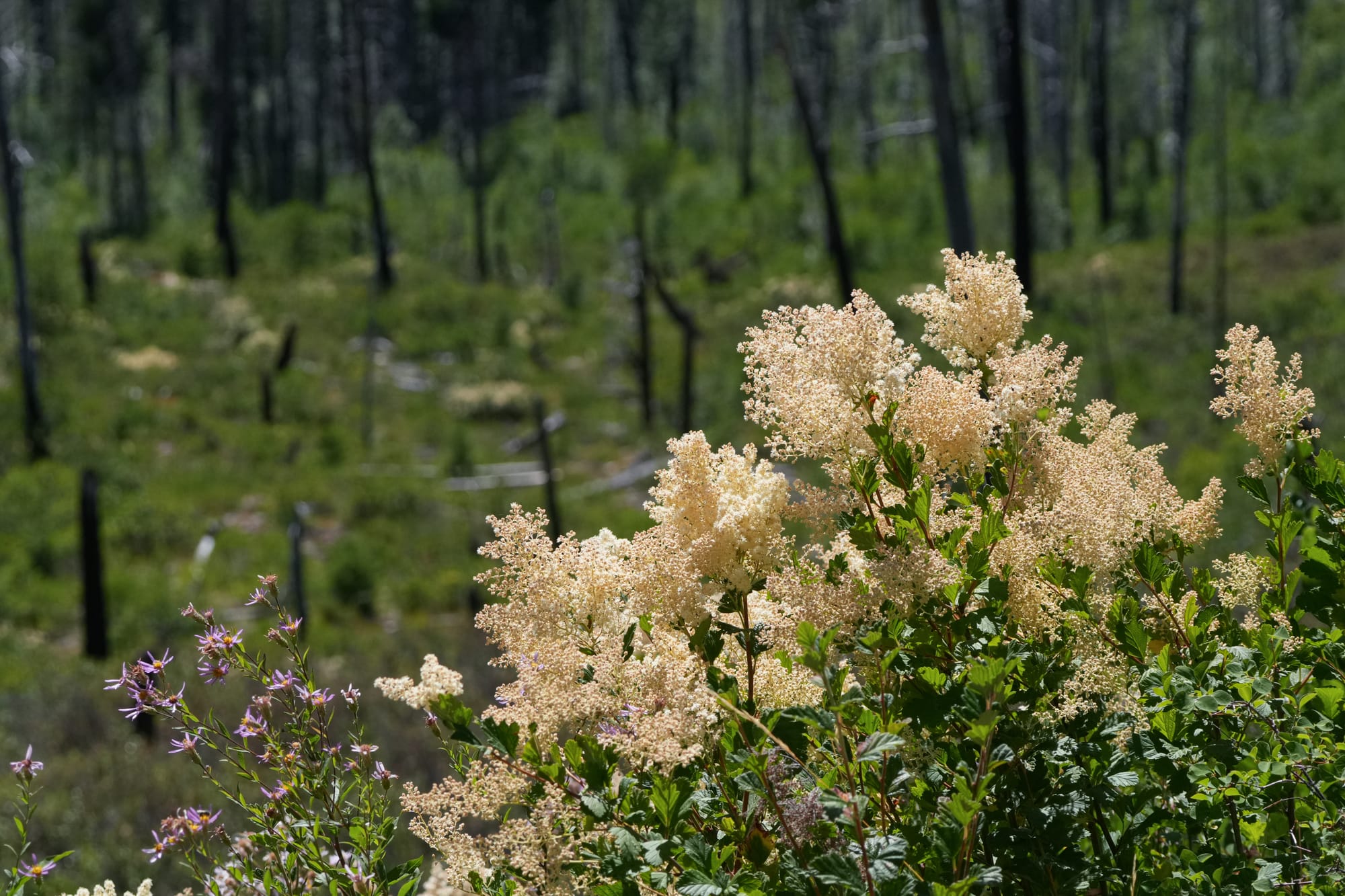
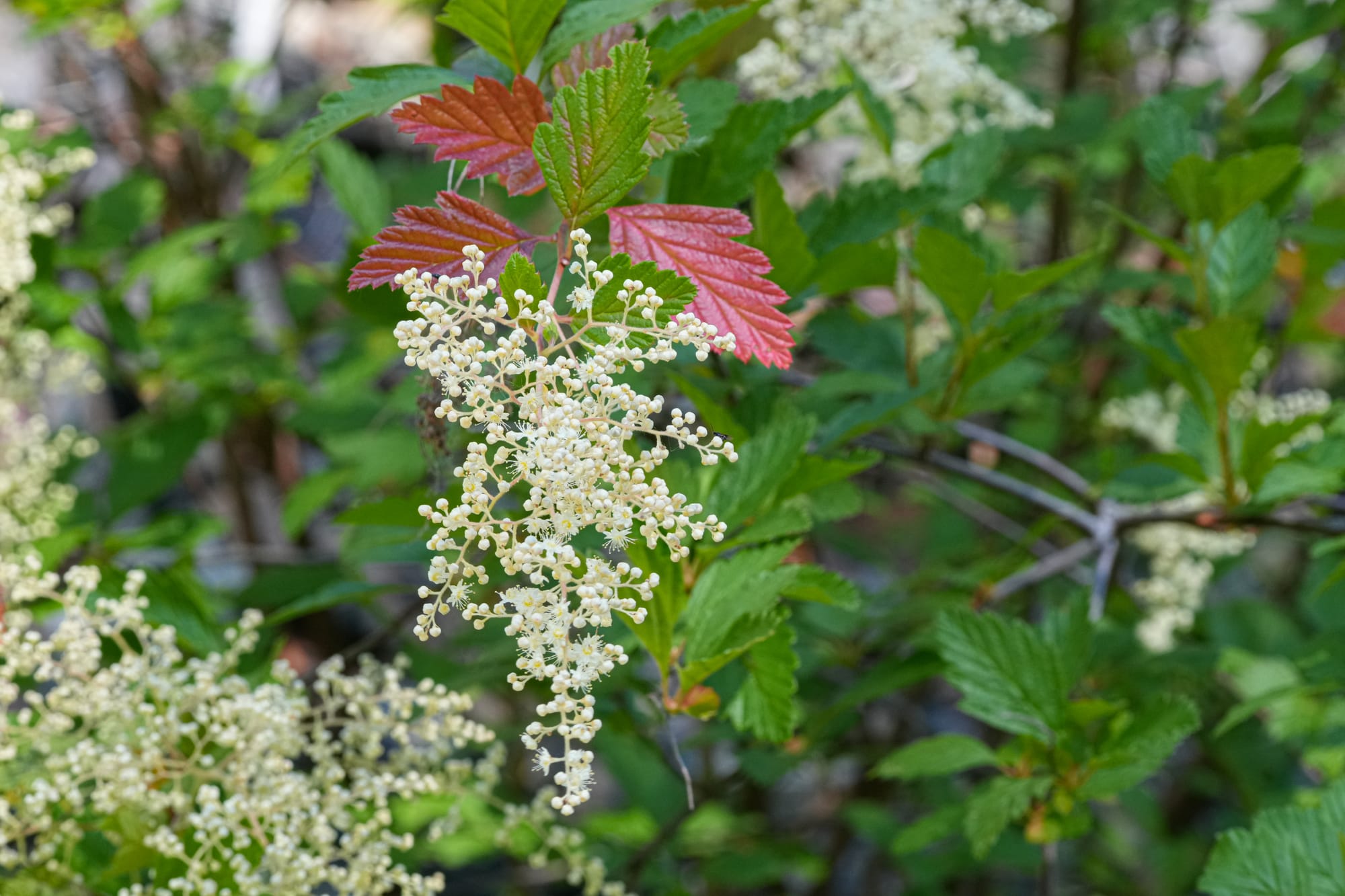
Oceanspray are flowering abundantly in many areas right now. Leaf and flower details on the right. Photos by David Lukas
Alumroots are an odd little flower in the Saxifrage family. Look for them along rocky, sunny trails at mid-elevations, where they are one of the few flowers that grow among broken rocks. If you see one of these plants, stop and look closely because they are often covered in pollinating insects.
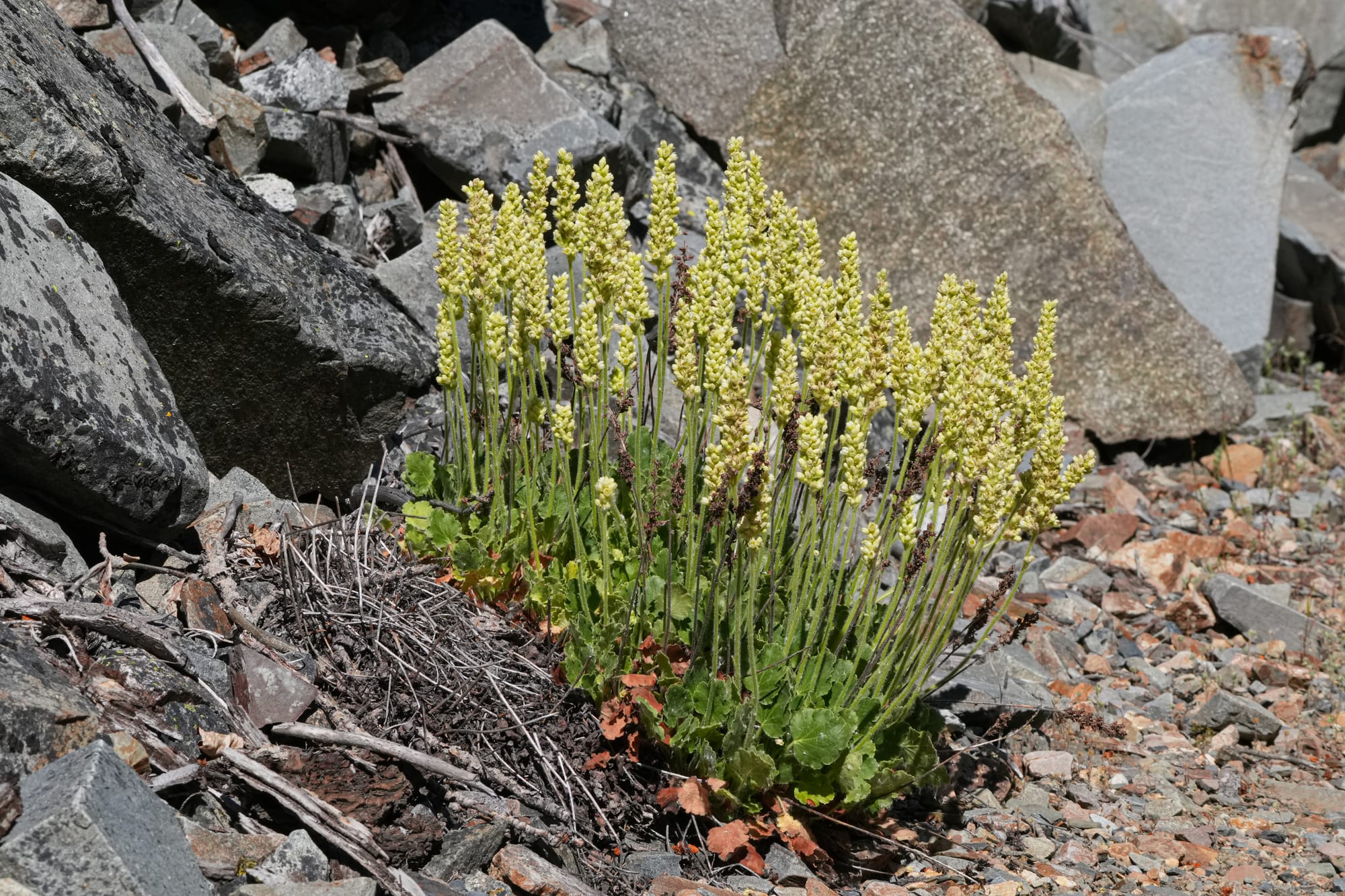
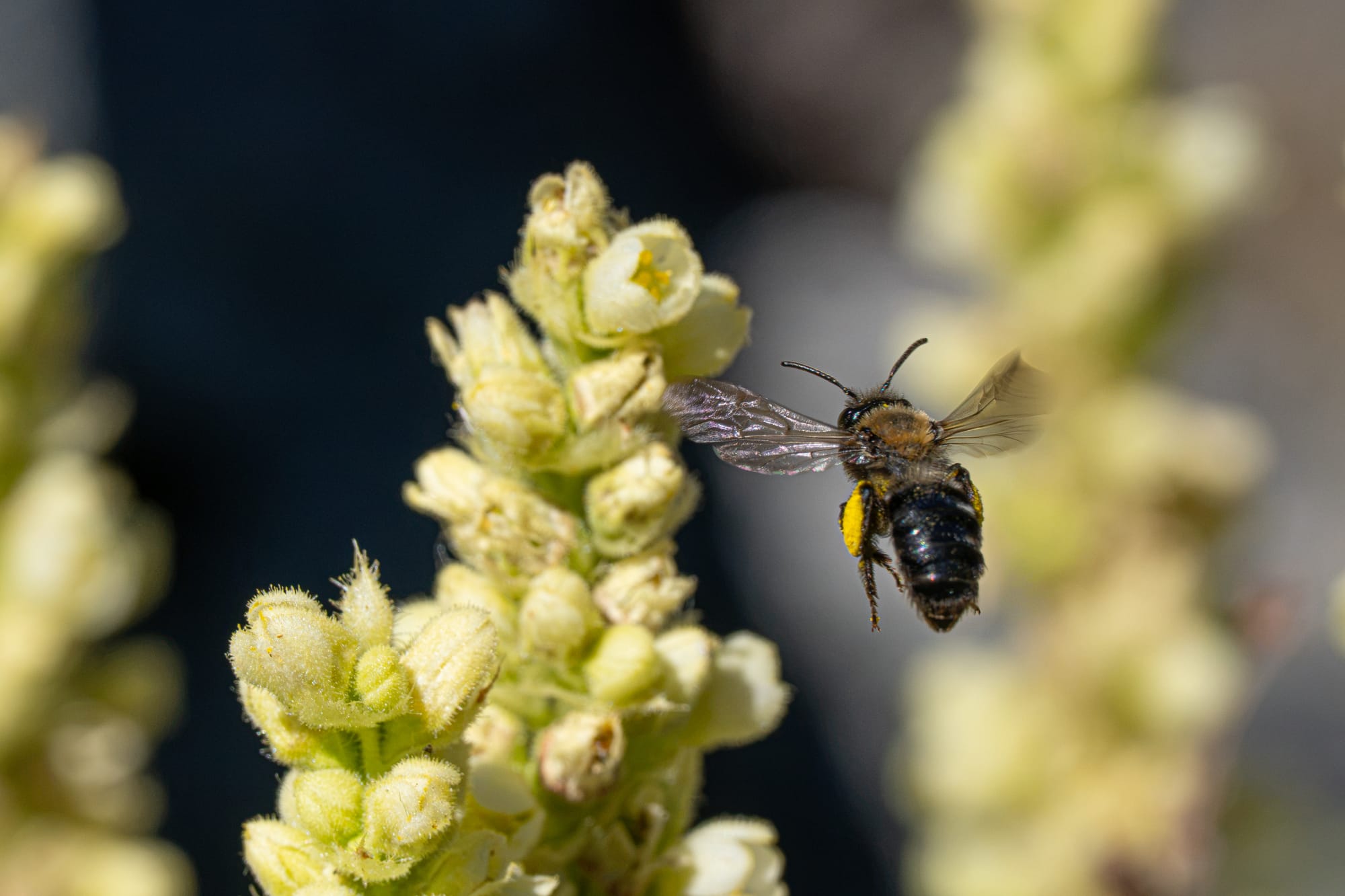
Roundleaf alumroot and a visiting bee. Photos by David Lukas
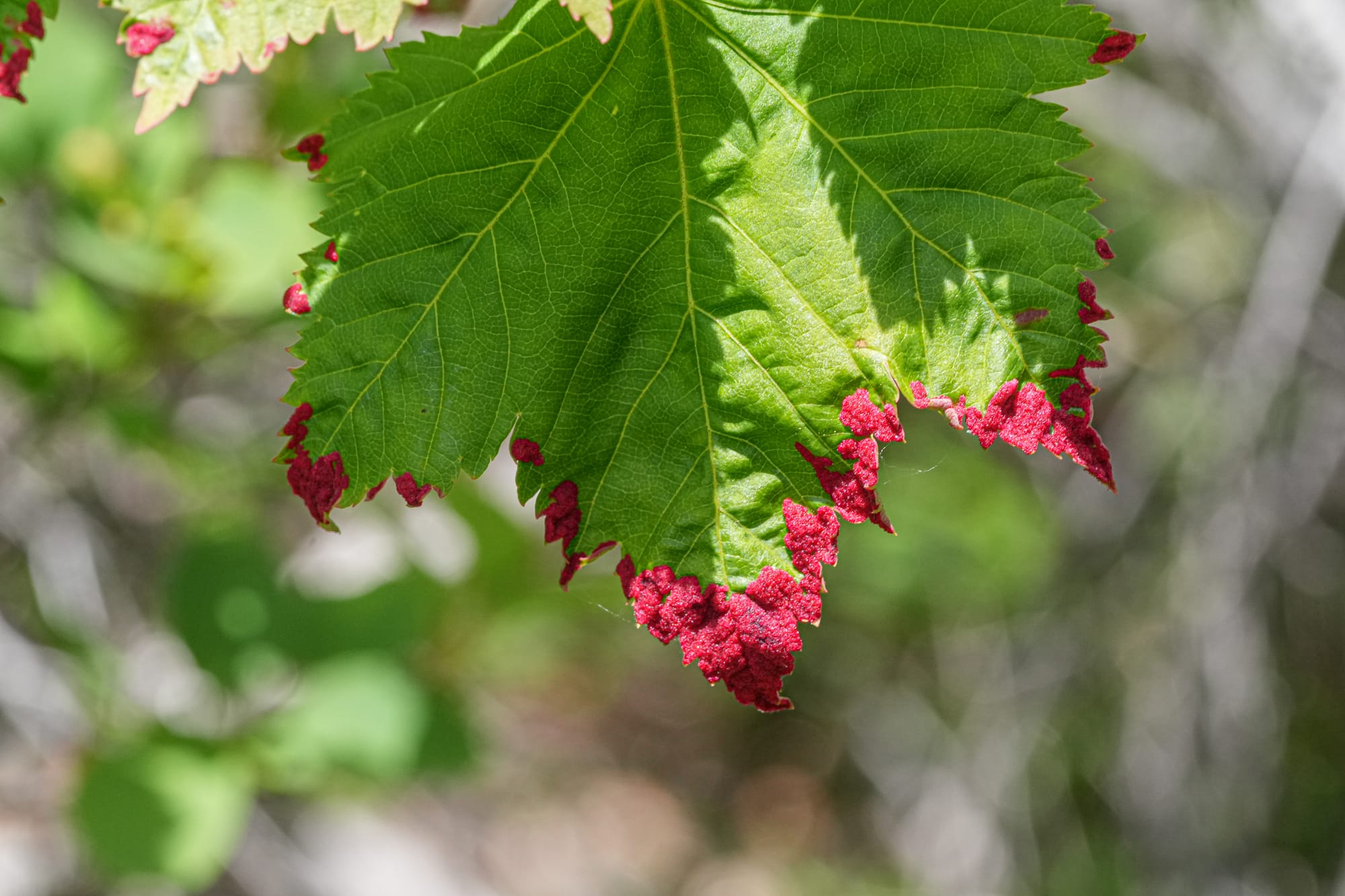
If you're hiking along mid-elevation trails among oceanspray and alumroot, keep your eyes open for Douglas maples because this is the time of year when their leaves can be infected with the flamboyant red galls of erineum mites (Eriophyes calaceris). These mites feed inside galls through the summer, then move to bark crevices for the winter.
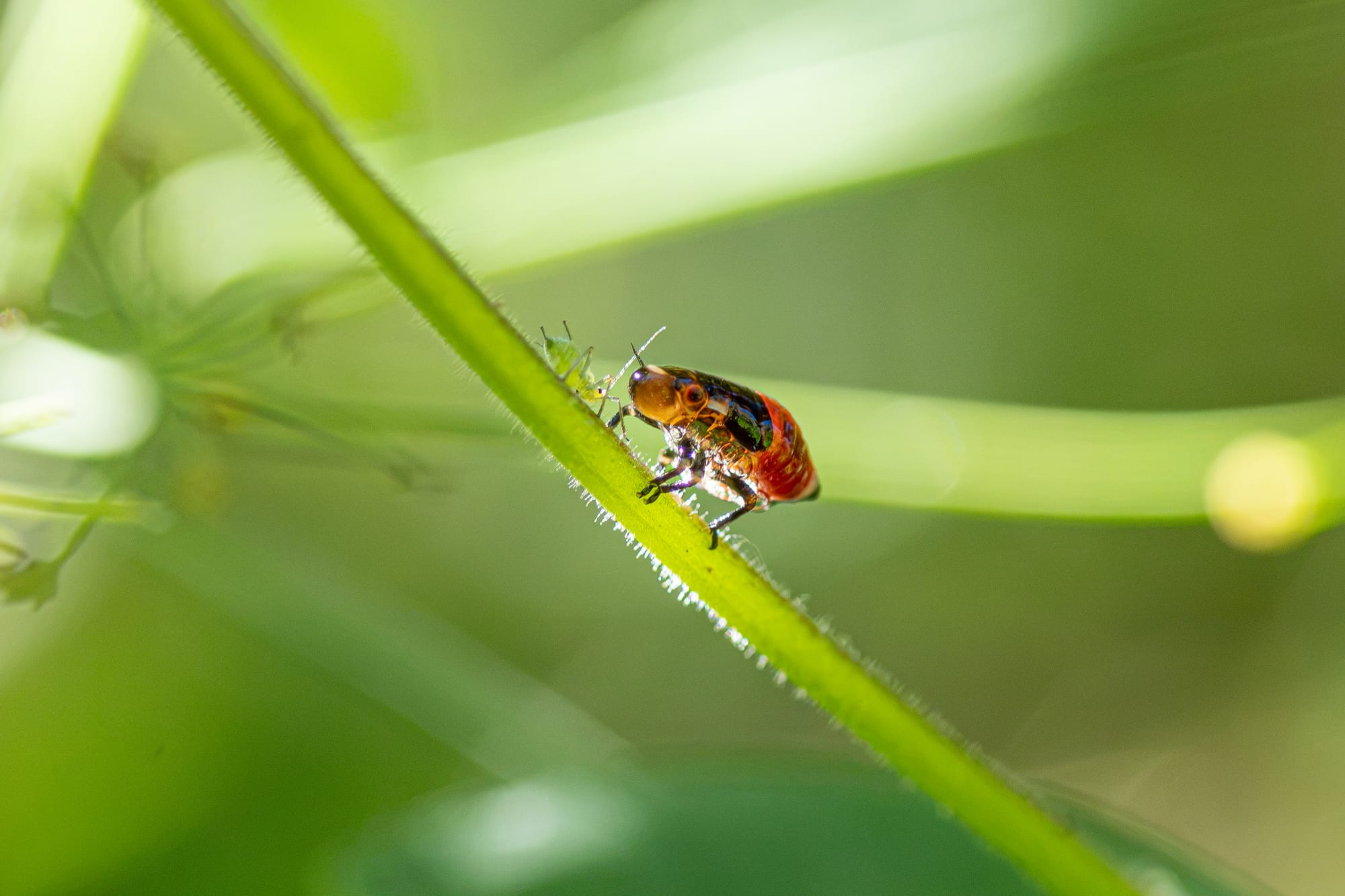
Intrigued by my recent inquiry into spittlebugs, I've been stopping to photograph and observe more spittlebug nests. I witnessed a remarkable moment this week when a spittlebug nymph left its foam nest and started wandering up a plant stem. It's rare to see a defenseless little spittlebug outside the security of its foam nest, so I don't know what was going on here.
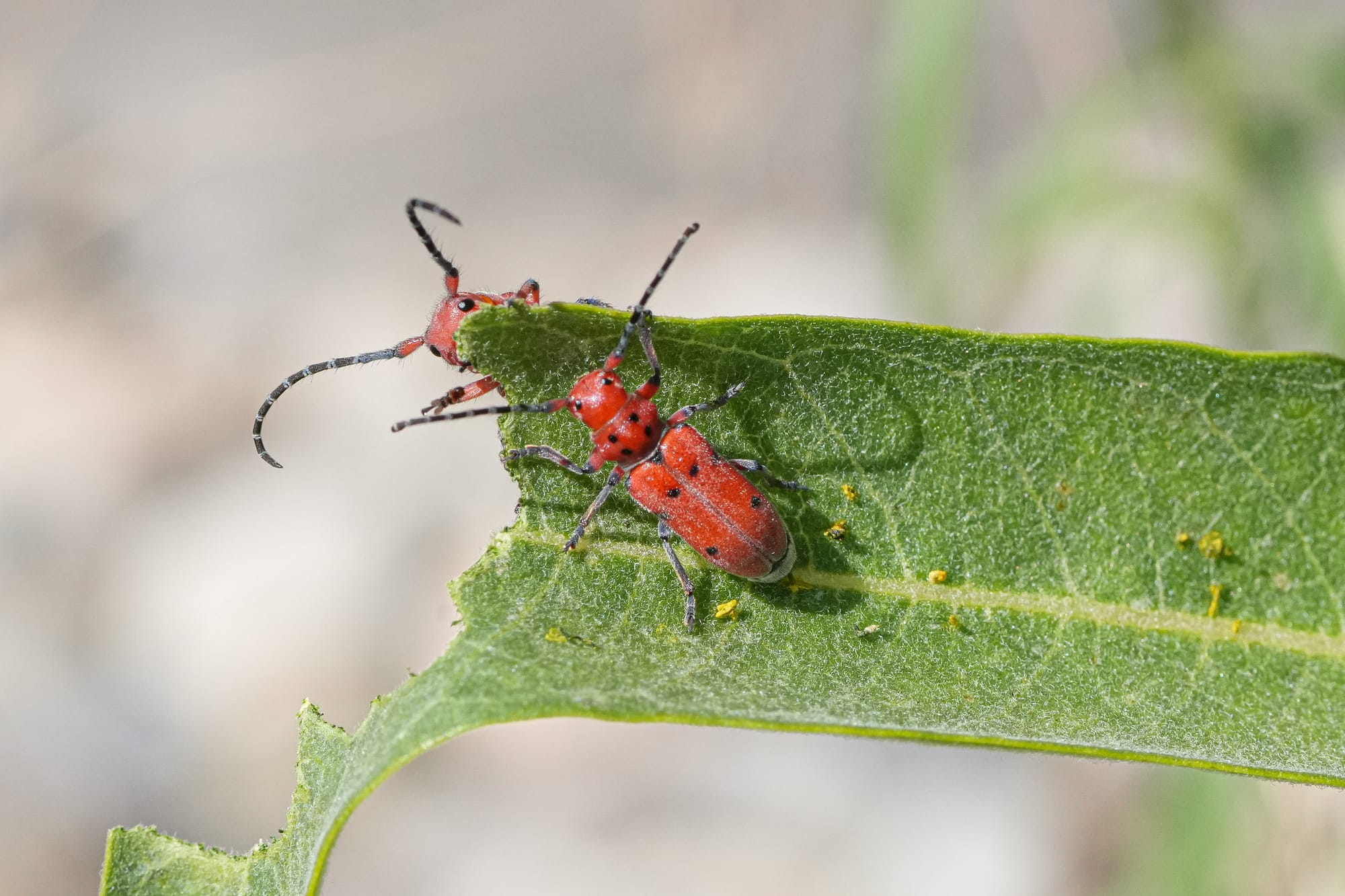
Another surprising encounter happened when I was watching some red milkweed beetles (Tetraopes femoratus). These bright red beetles are common on milkweed plants, and it was fun to notice two of them checking each other out.
I was in Twisp for the 4th of July parade and art festival today, and it was wonderful how many people stopped to chat about the newsletter. I'm thrilled that the newsletter is reaching so many people, and I'm thankful that we are all on this journey of discovery and wonder together! Thank you, everyone!
