One of Those Summers
July 26-August 1, 2026

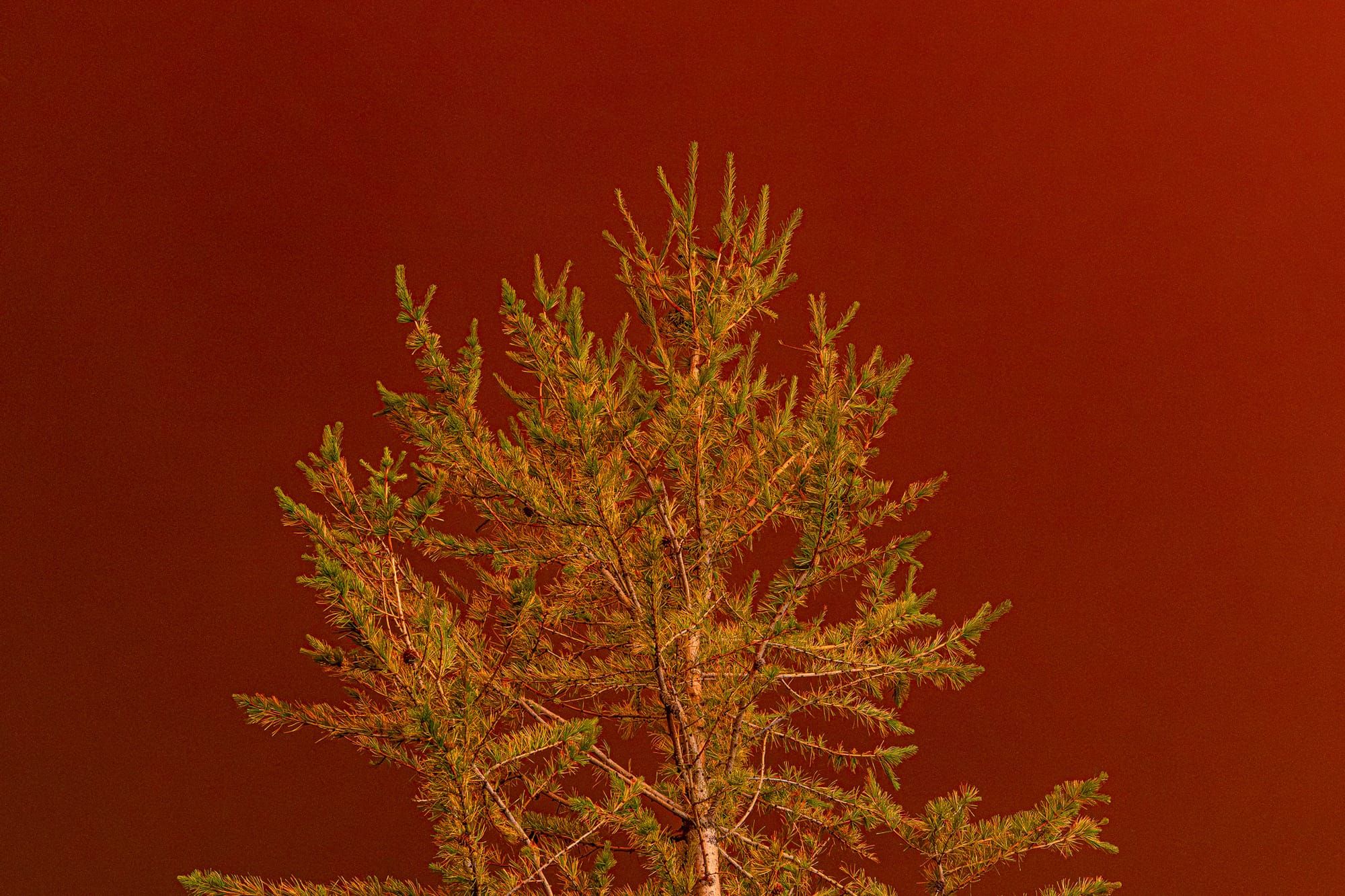
After a couple of (mostly) smoke-free summers, this summer is turning into a bit of a bust in terms of persistent wildfire smoke.
Week in Review
Due to wildfire smoke, it wasn't fun or easy to spend time outside, plus things are also dry and subdued, so there isn't much to report this week.
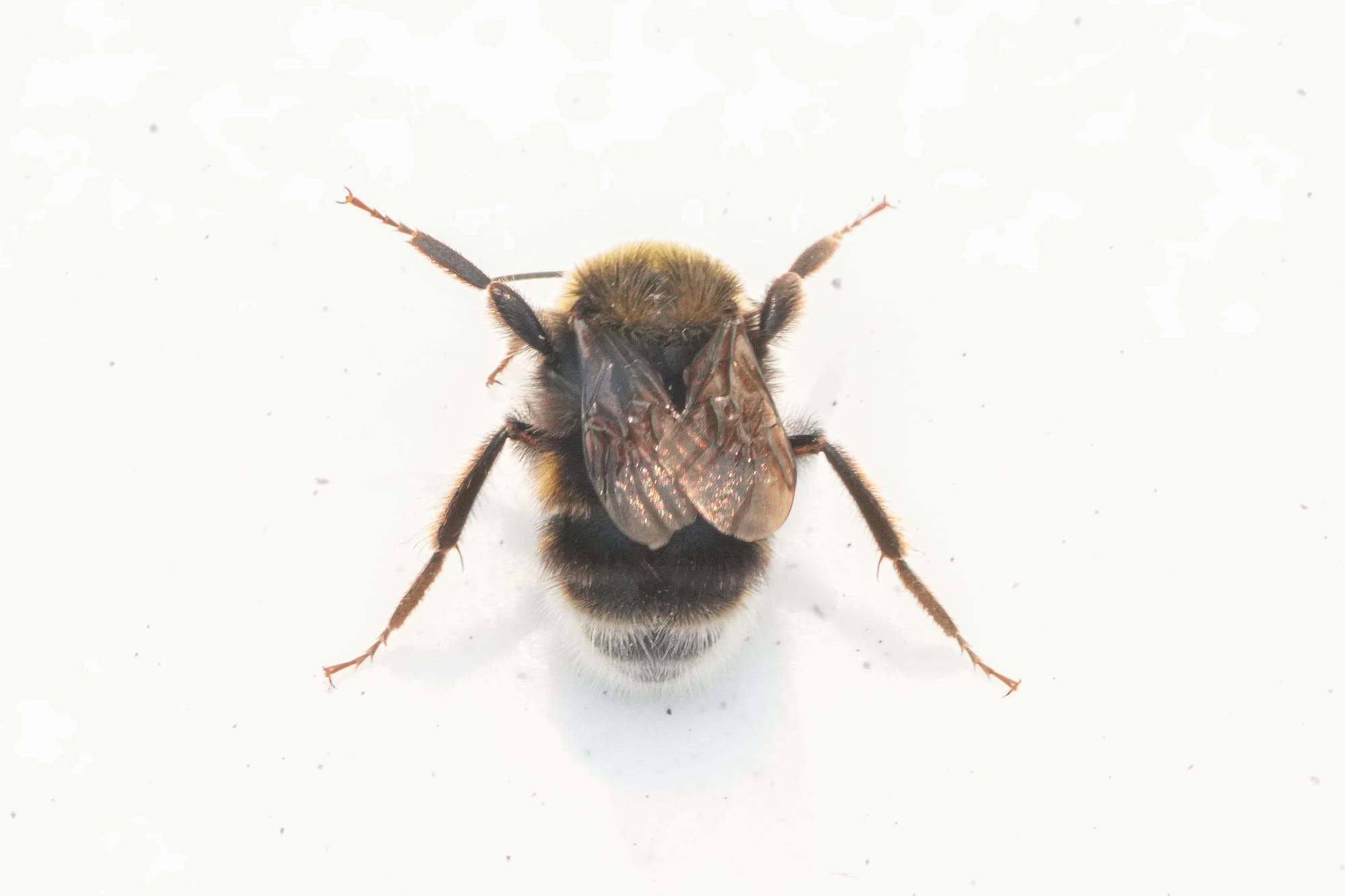
I took advantage of some brief openings in the smoke to head up to the high country, but even at higher elevations things are drying out and subdued.
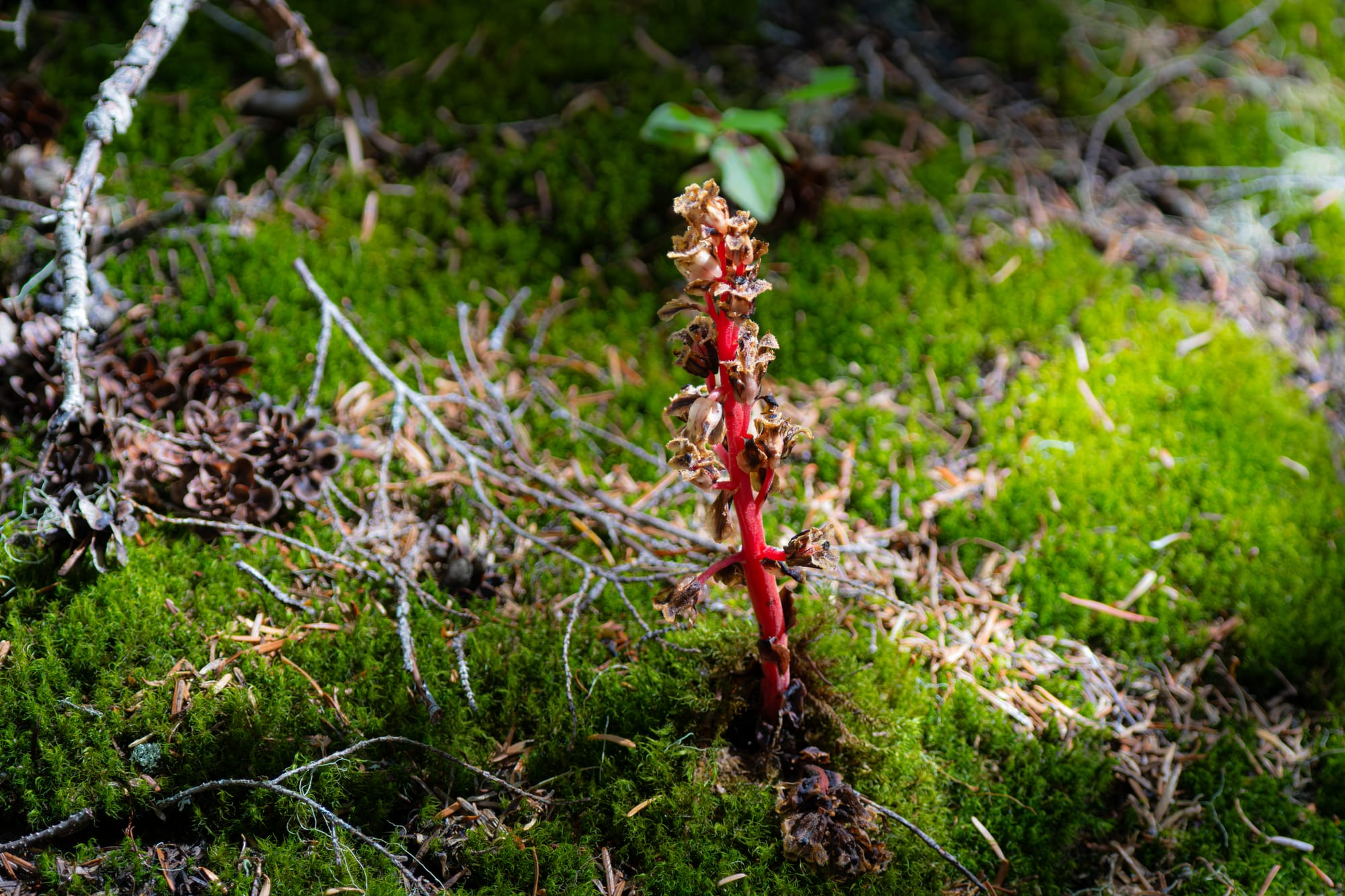
It's still possible to find some flowers, but in general they're mostly finished for the year. I don't know if their season is simply over, or if the number of flowers were diminished by drought this year.
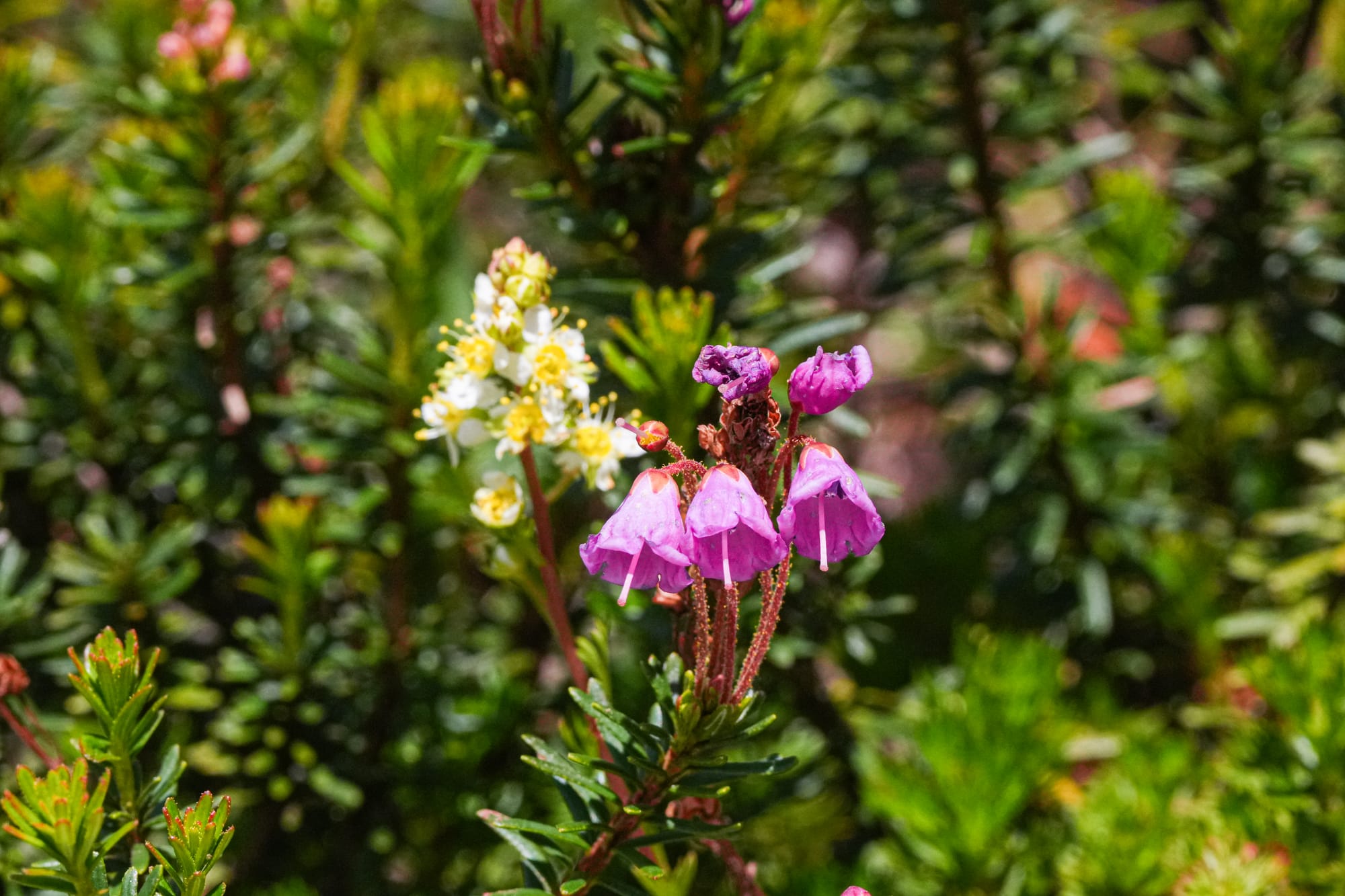
I had a bit more luck finding flowers in cooler and moister forested areas around Washington Pass, but even there, the flowers were few and far between or mostly wilted.
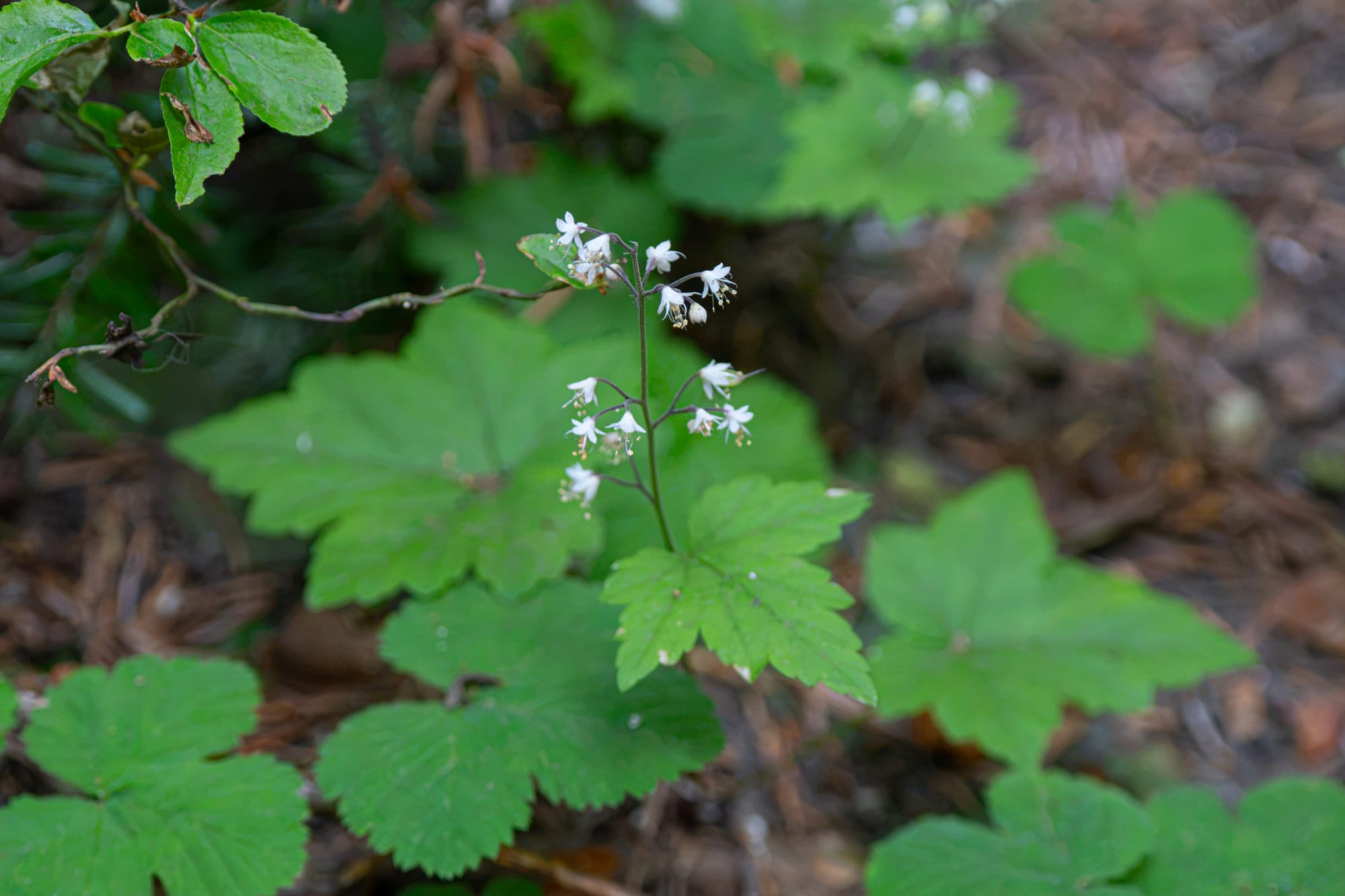
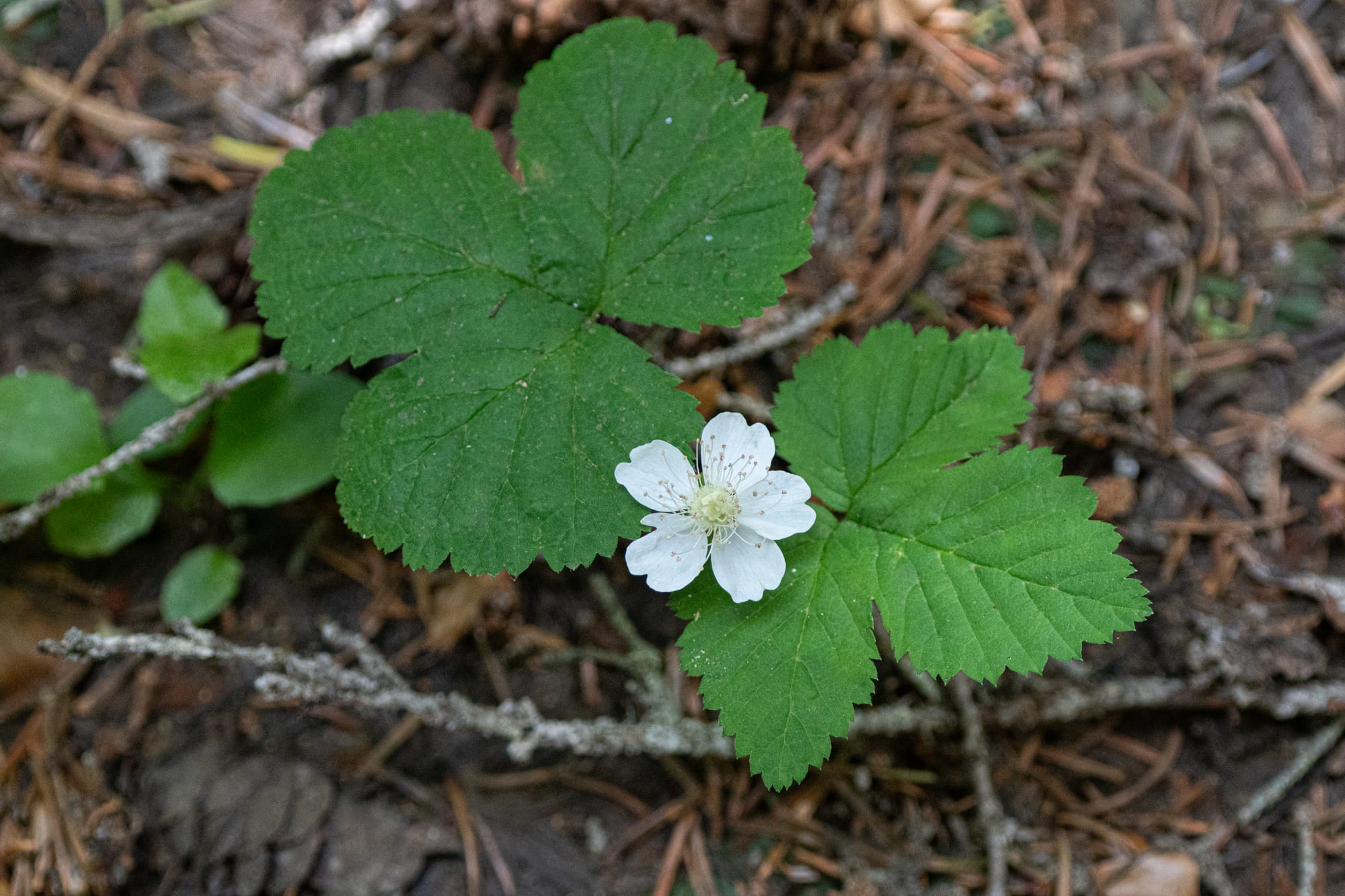
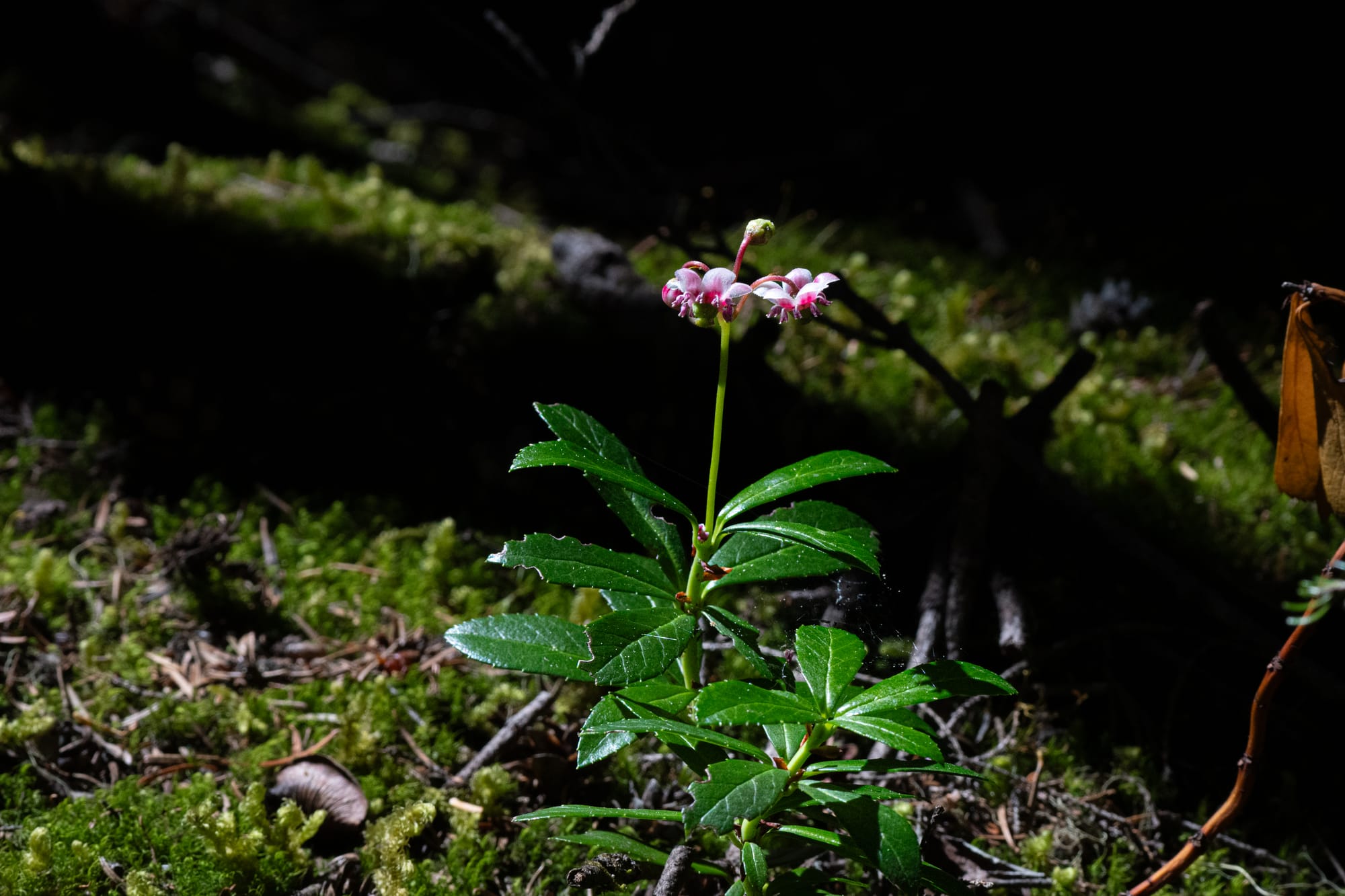
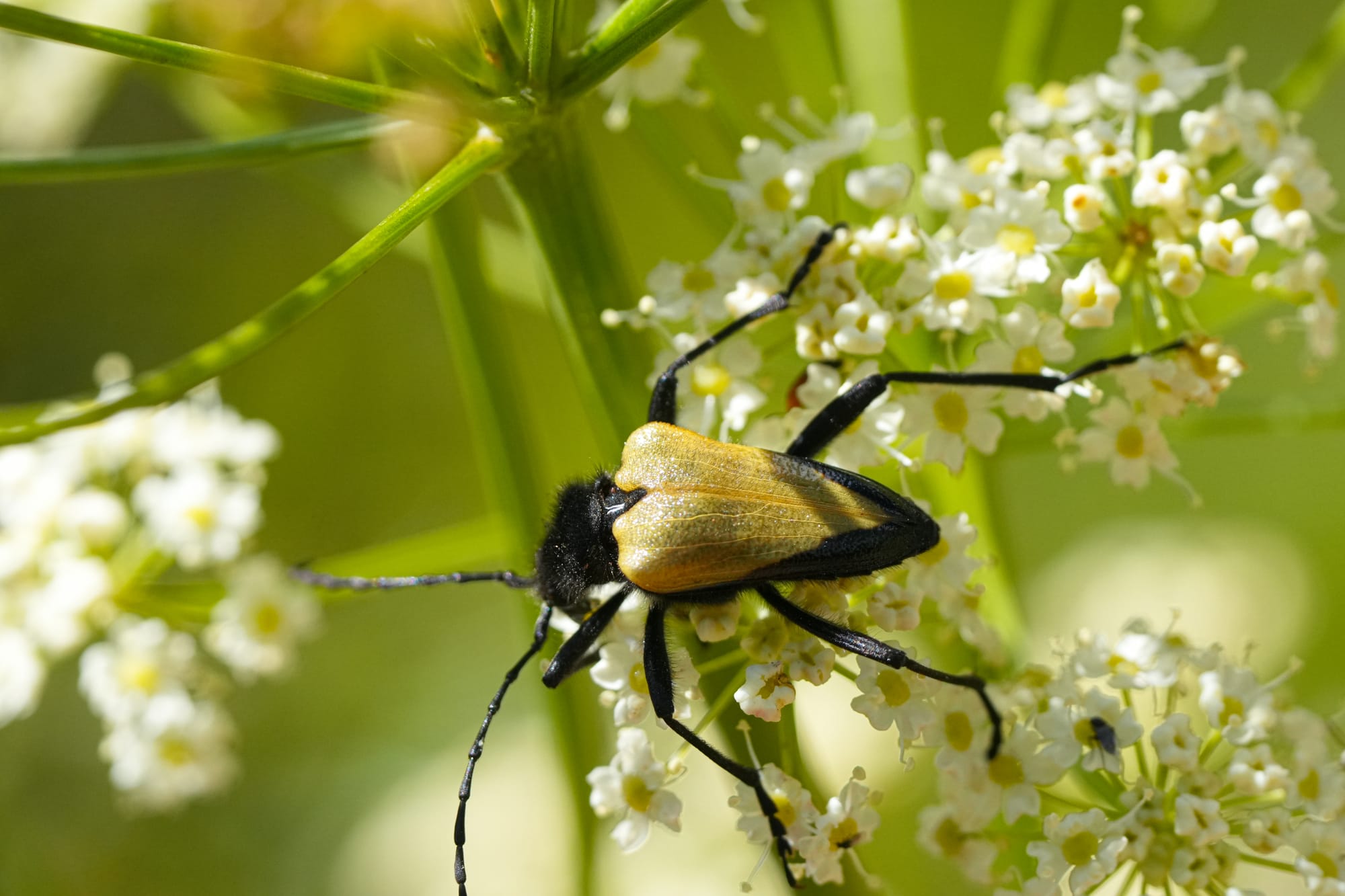
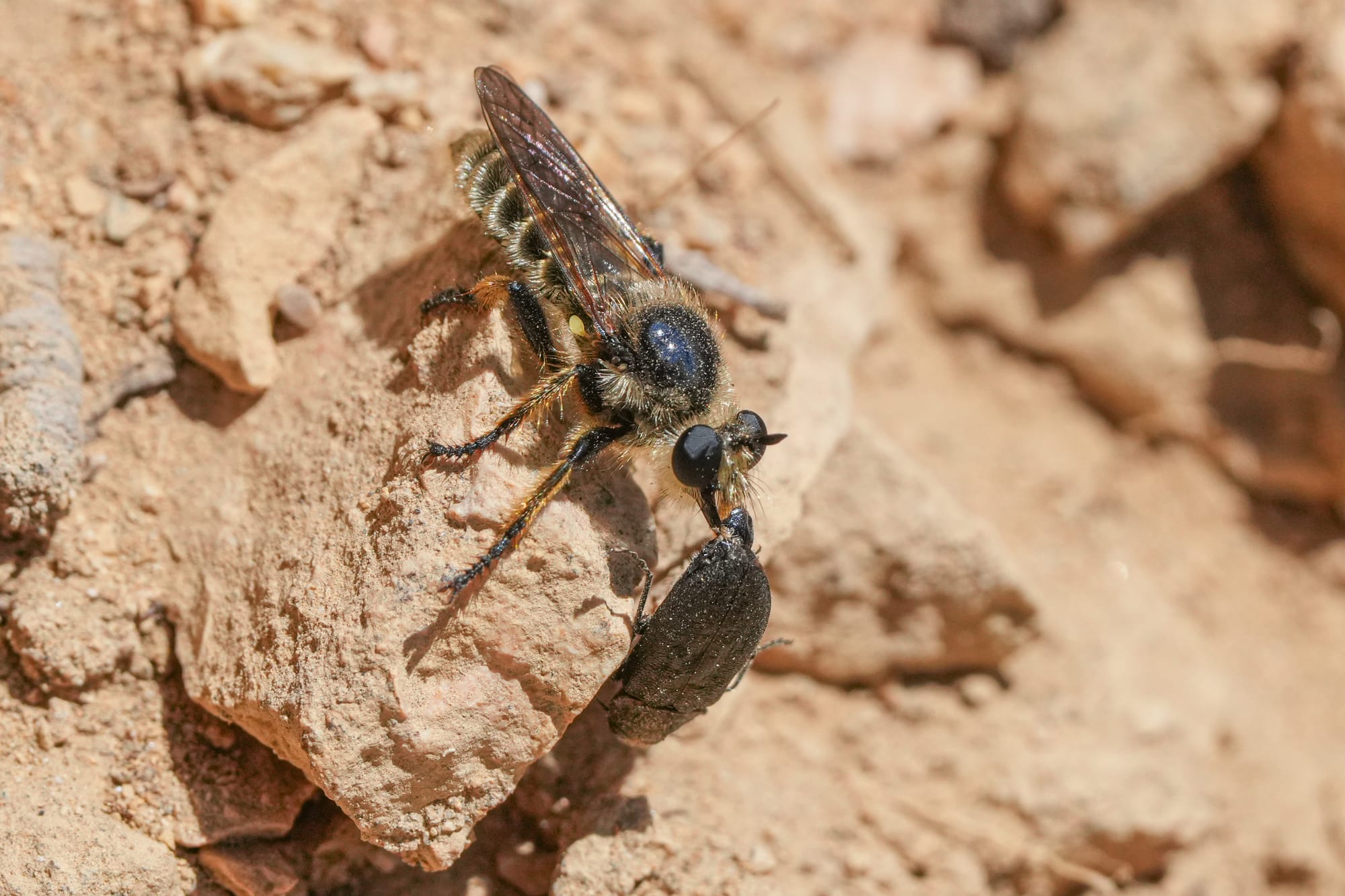
With the general absence of flowers, the numbers of insects are also subdued or else they're all concentrated around the few plants that are still flowering.
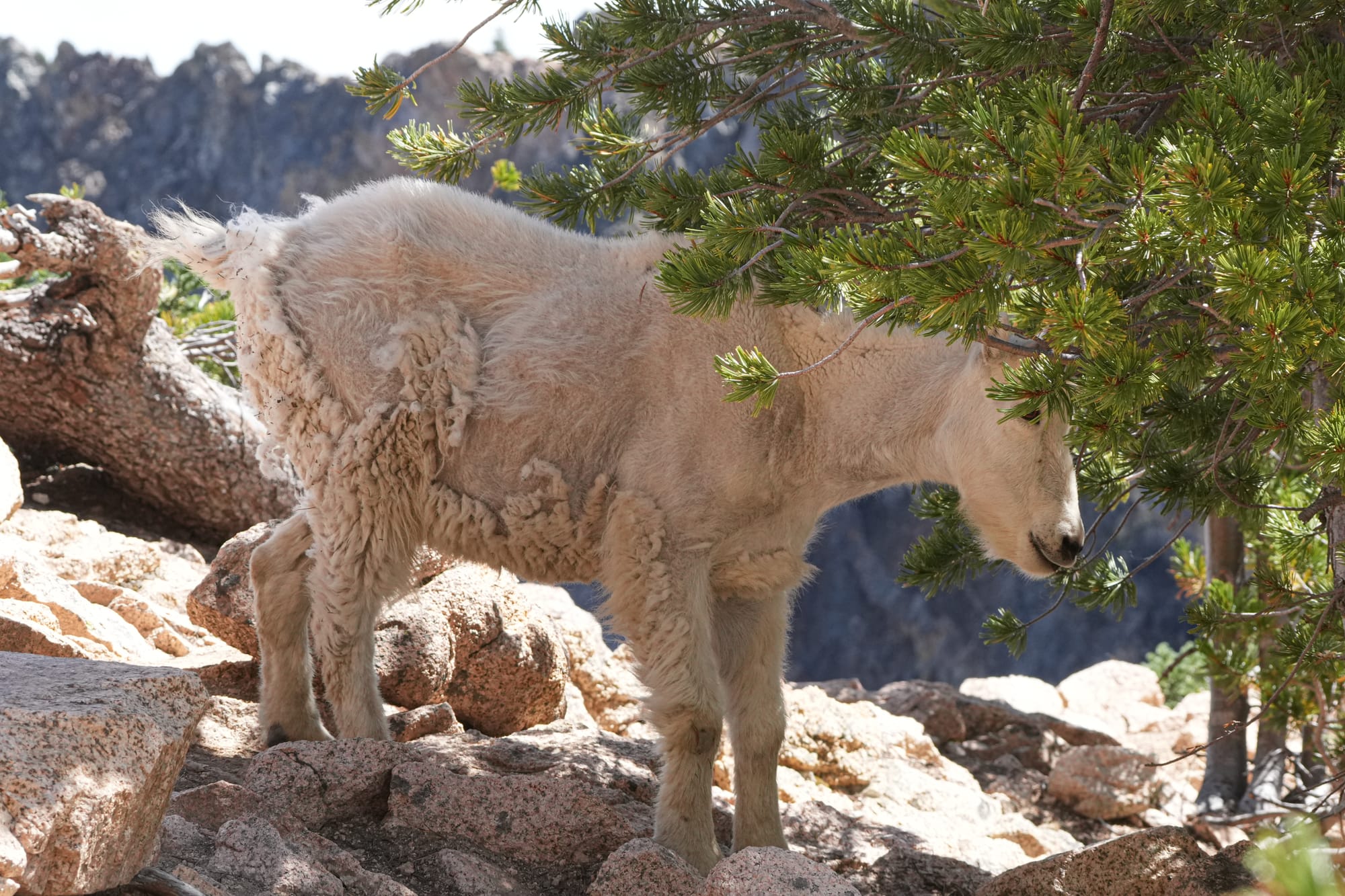
High on the rocky ridges above Washington Pass, it was also fun to run into young mountain goats hanging out together. They were mostly resting in the shade and taking turns digging in the dirt for minerals.
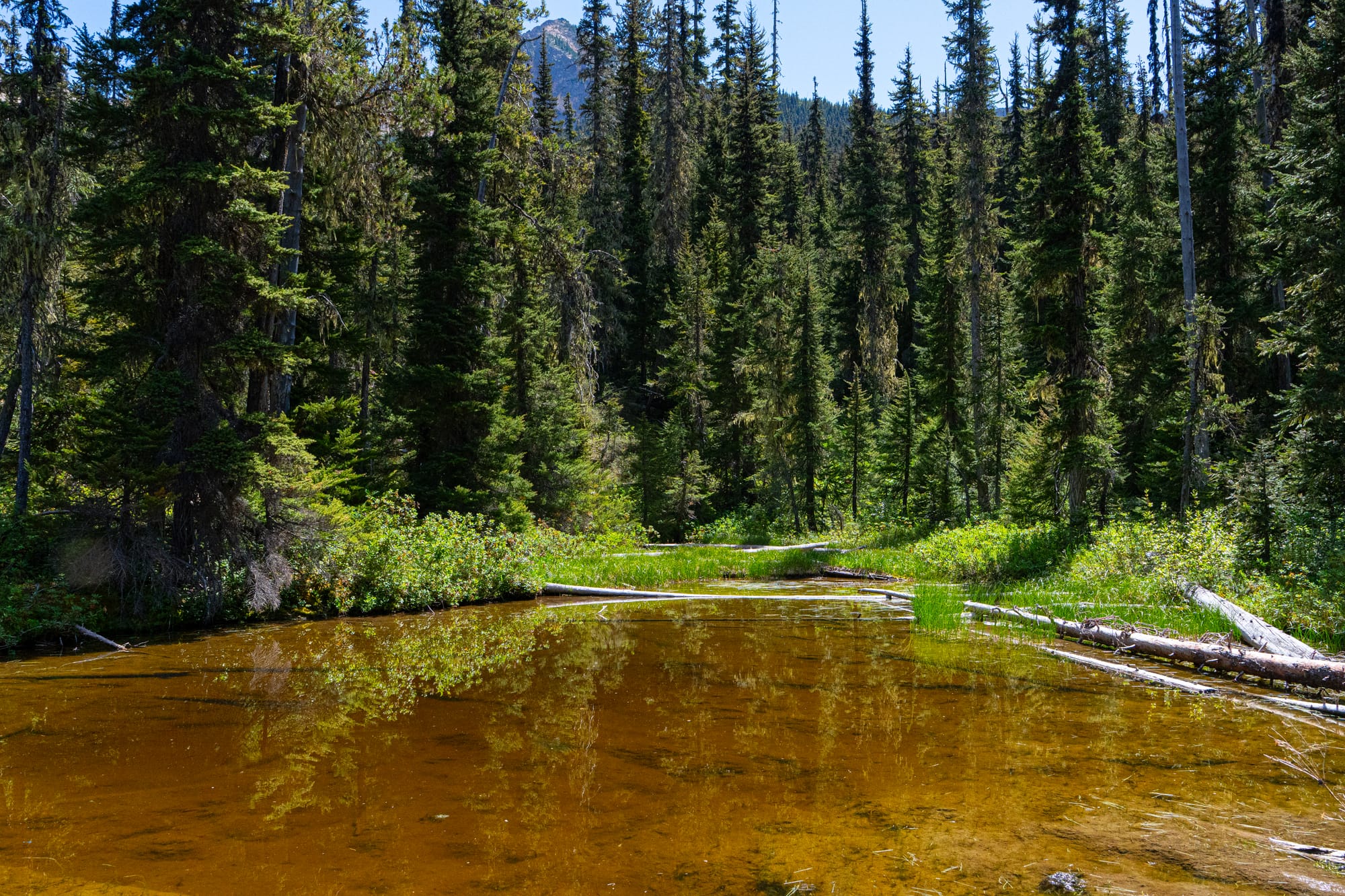
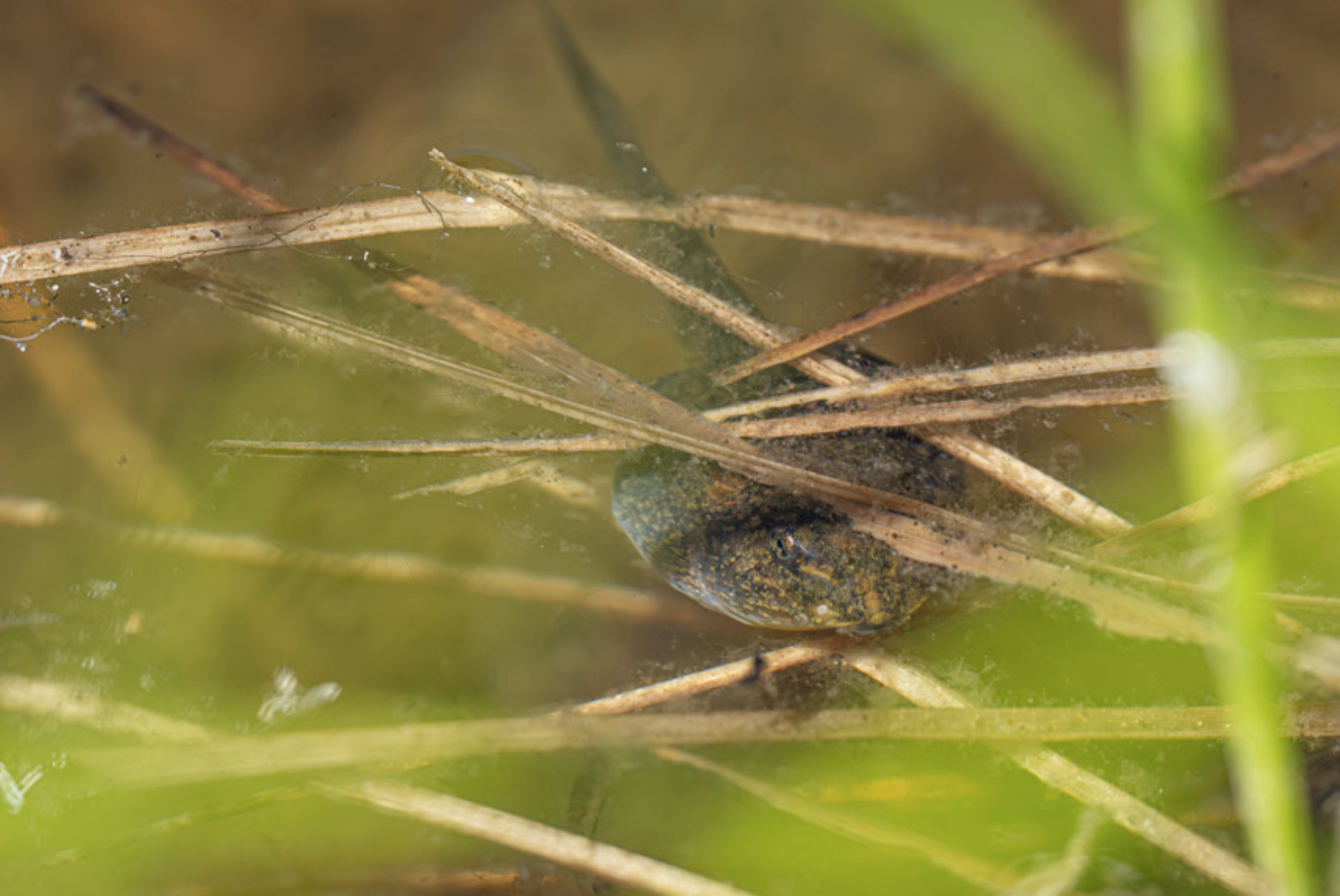
The biggest surprise was bushwhacking two miles through dense forest and discovering a remote pond with a small population of spotted frogs, including many very large tadpoles.
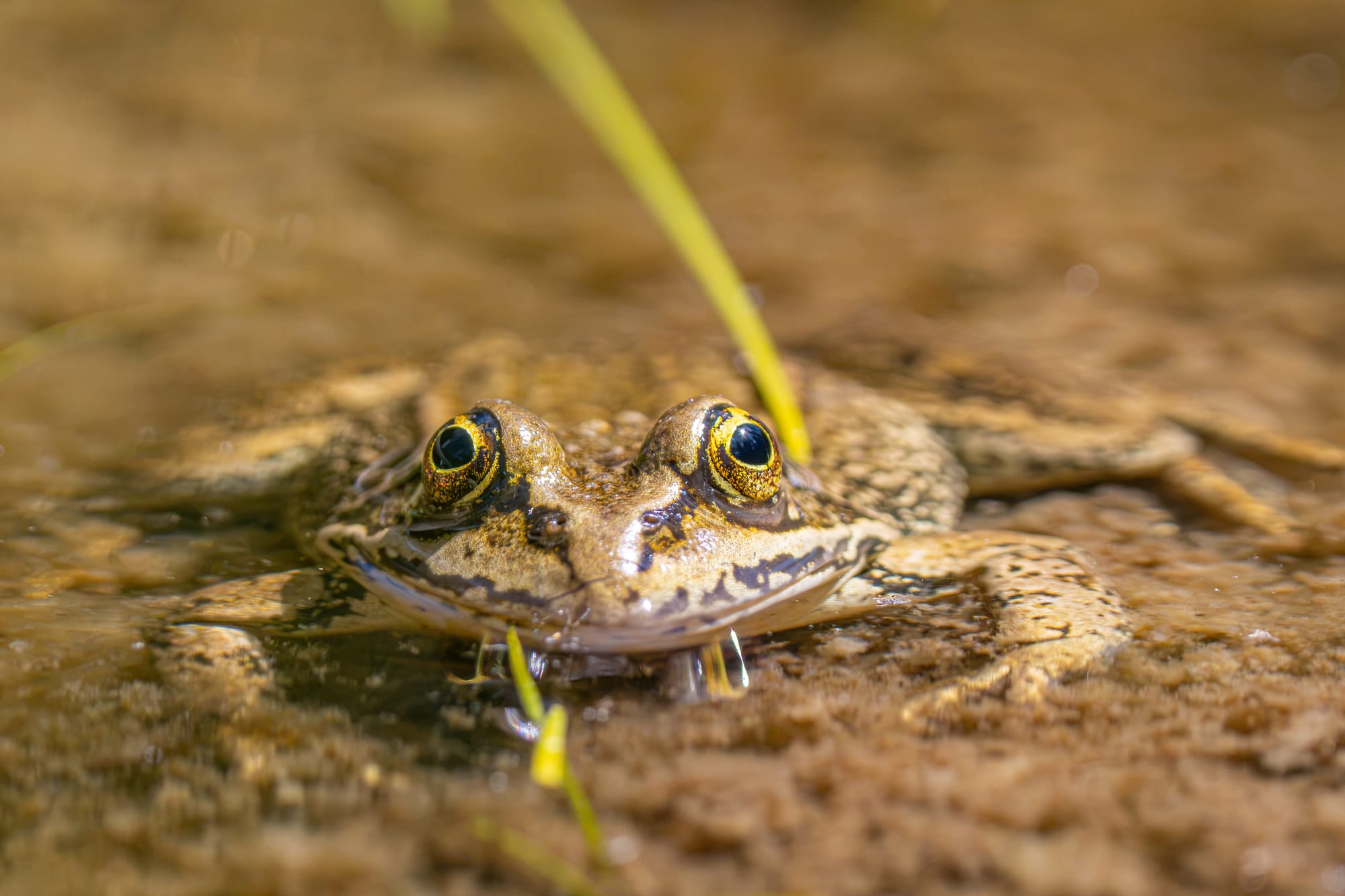
With a short summer season at these elevations, these tadpoles almost certainly take a couple years to fully mature and I wonder if there's enough time for them to turn into frogs this summer?
Observation of the Week: Wildfire Smoke
With all the wildfire smoke we've been having the past couple weeks, it's worth taking a moment to remind ourselves how dangerous this smoke is to our health.
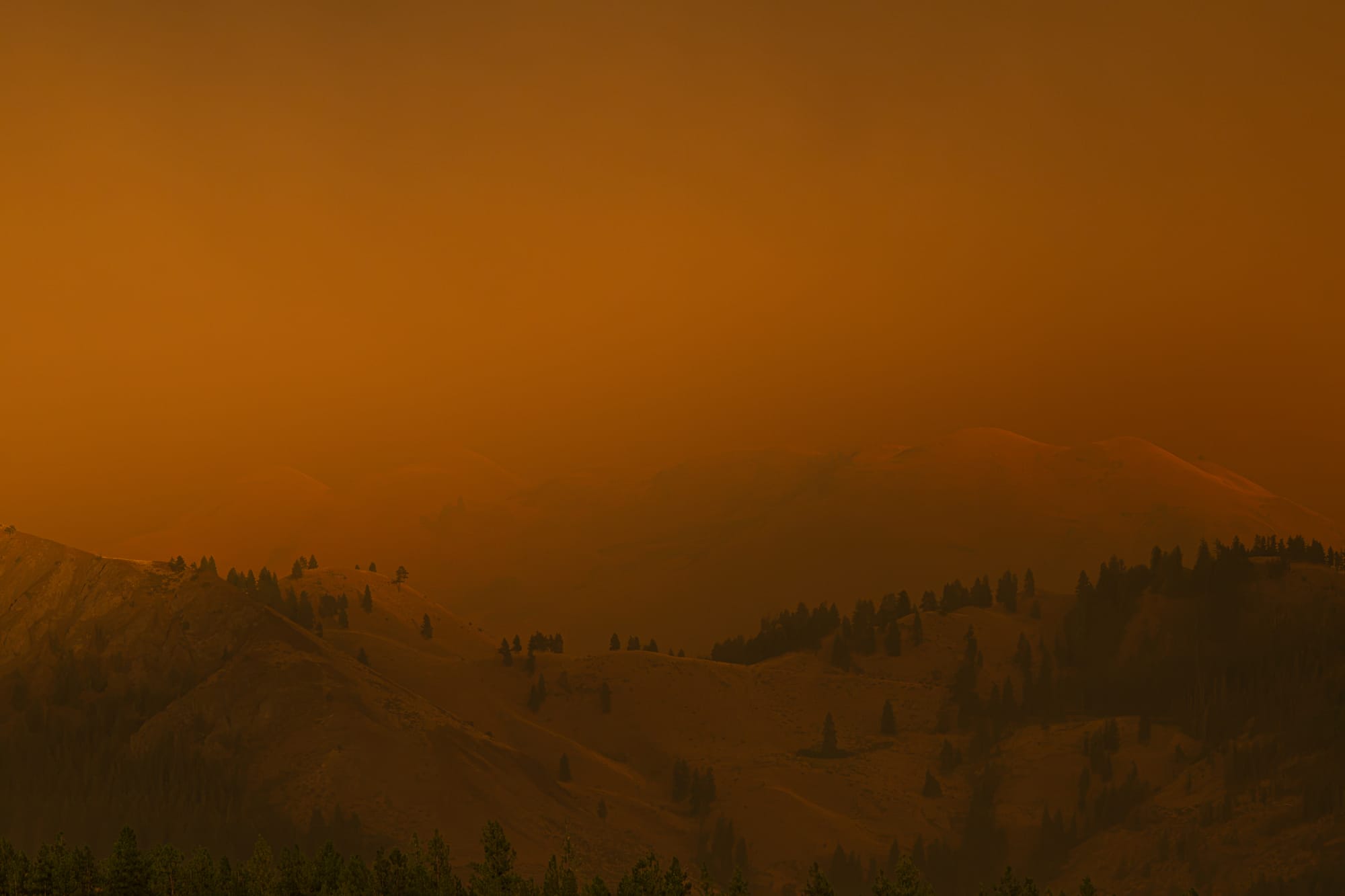
I've been seeing people exercising or relaxing outside and it makes me cringe because wildfire smoke is really bad. Not only have over 1000 different toxins been recorded in wildfire smoke, but more than 90% of the materials in wildfire smoke are nanoparticles.
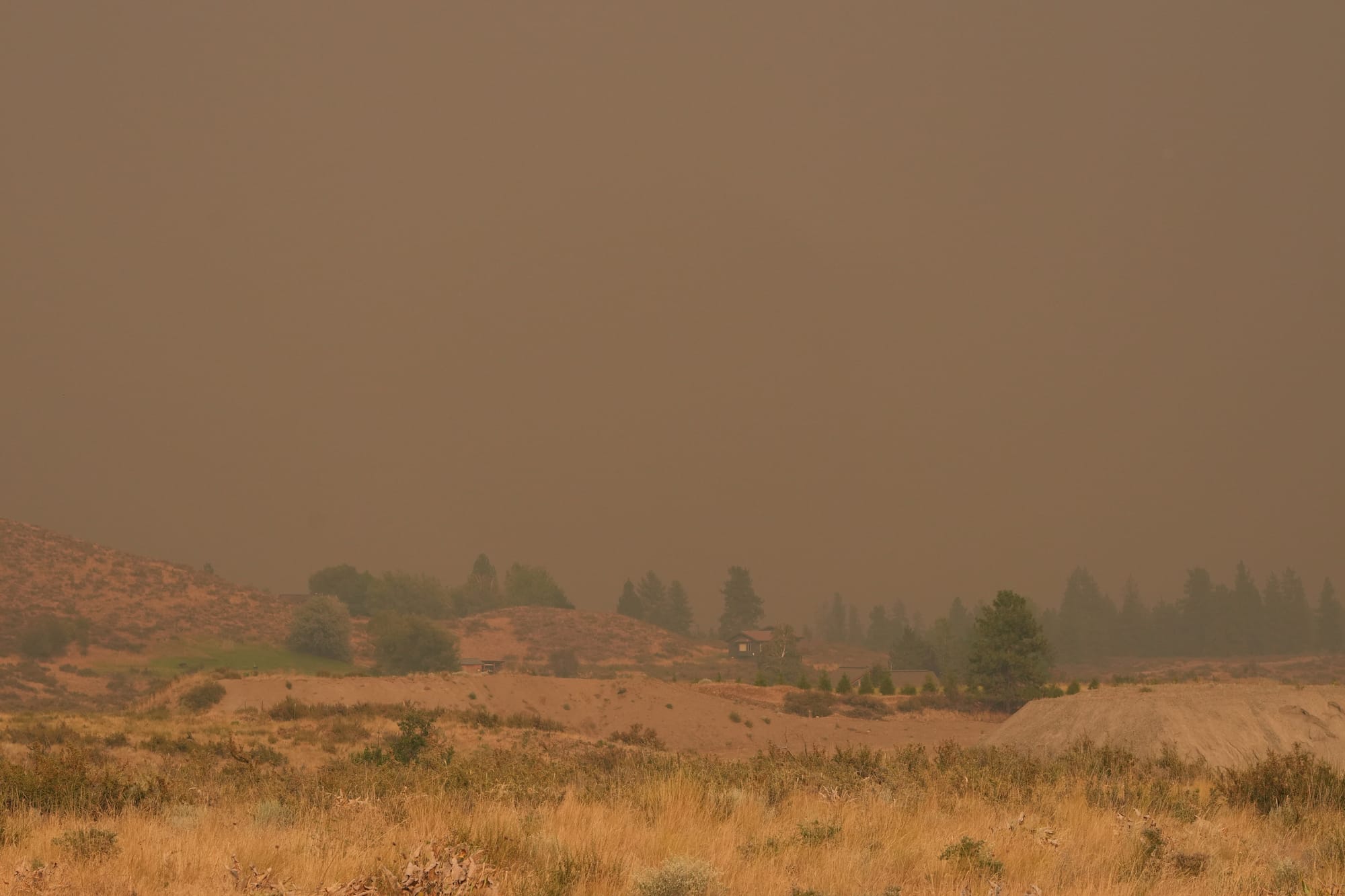
Nanoparticles are particles so small they enter our lungs and go right through cell walls into our bloodstream, effectively pumping these toxins straight into our bodies where they impact our brains, hearts, and blood vessels.
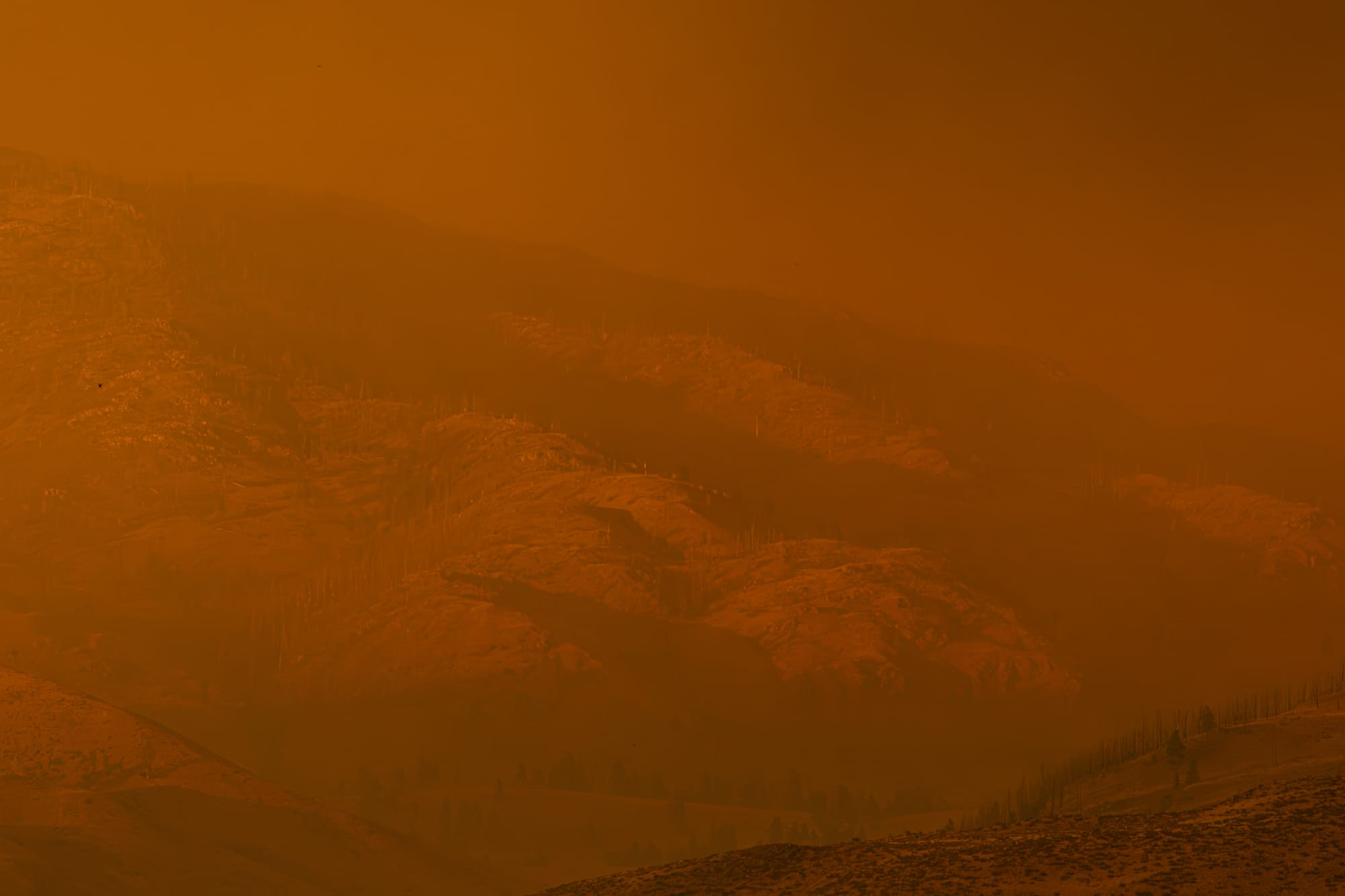
There are long lists of recognized impacts on our health, including premature births, heart attacks, cognitive decline, reduced semen counts, and more, but these are simply manifestations of system-wide impacts that are taking an even deeper toll on human lives. (If you're interested, some of these impacts are described in this technical article, Wildfire smoke and health impacts: a narrative review).
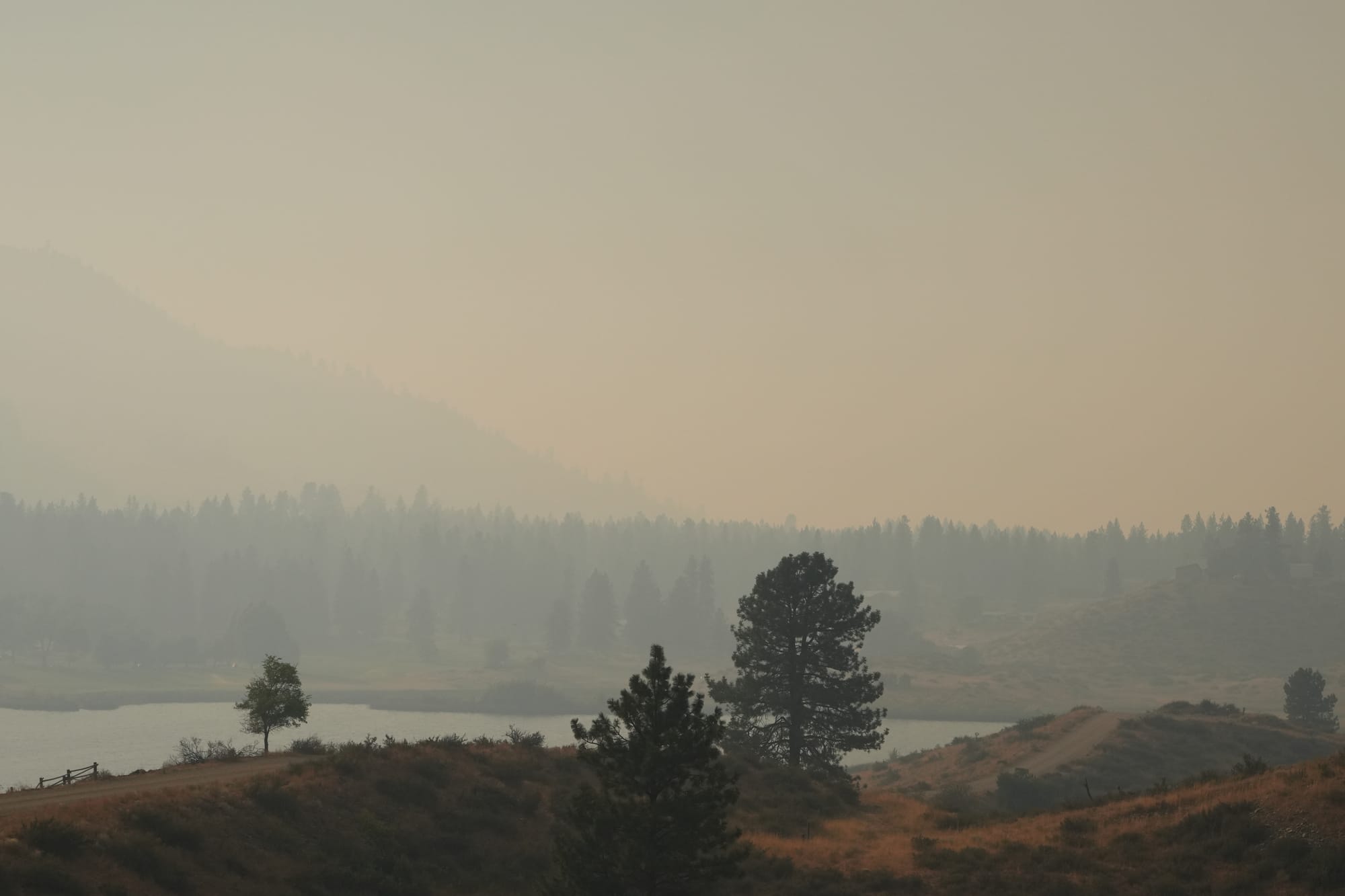
The best, and really the only, solution is to stay indoors and use air filters in your house. It also helps to track air quality using some of the useful apps on your phone. I hope everyone is already using Purple Air, a fantastic network of air sensors providing minute-by-minute readings of air quality based on sensors in private homes. You can get these readings from their website, or through their app on your phone, and you can also sign up to have a sensor in your home and become part of the network. The Watch Duty website and app is another valuable tool giving you updates and map locations of all known fires at any given moment. And finally, I just learned about the Astropheric website and app. I now have the app on my phone, and with tweaks to a few settings, it gives me detailed maps showing where the smoke is, where it's coming from, and which direction it'll be blowing hour-by-hour over the next day or two.
