The Cooling Flipside
June 21-27, 2026

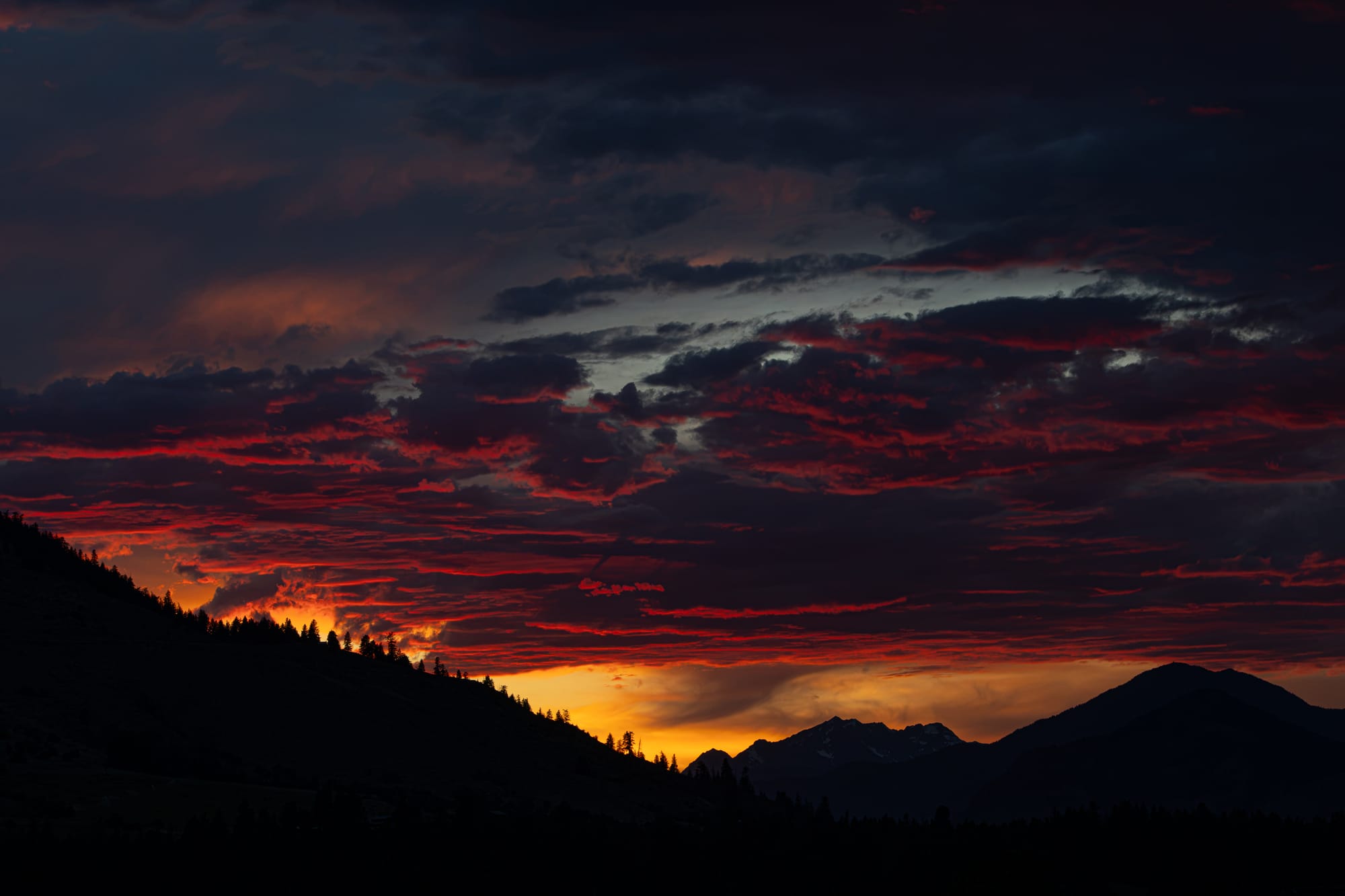
Although the week started with high temperatures, the skies remained consistently moody and gray, and a cooling trend took over as the week closed out.
Week in Review
It feels like the weather has been unusually moody this month, swinging from days of blazing sun to bone-chilling rain, so I checked last year's newsletter from this week. It turns out the same pattern occurred last year, so maybe it's typical for this time of year?
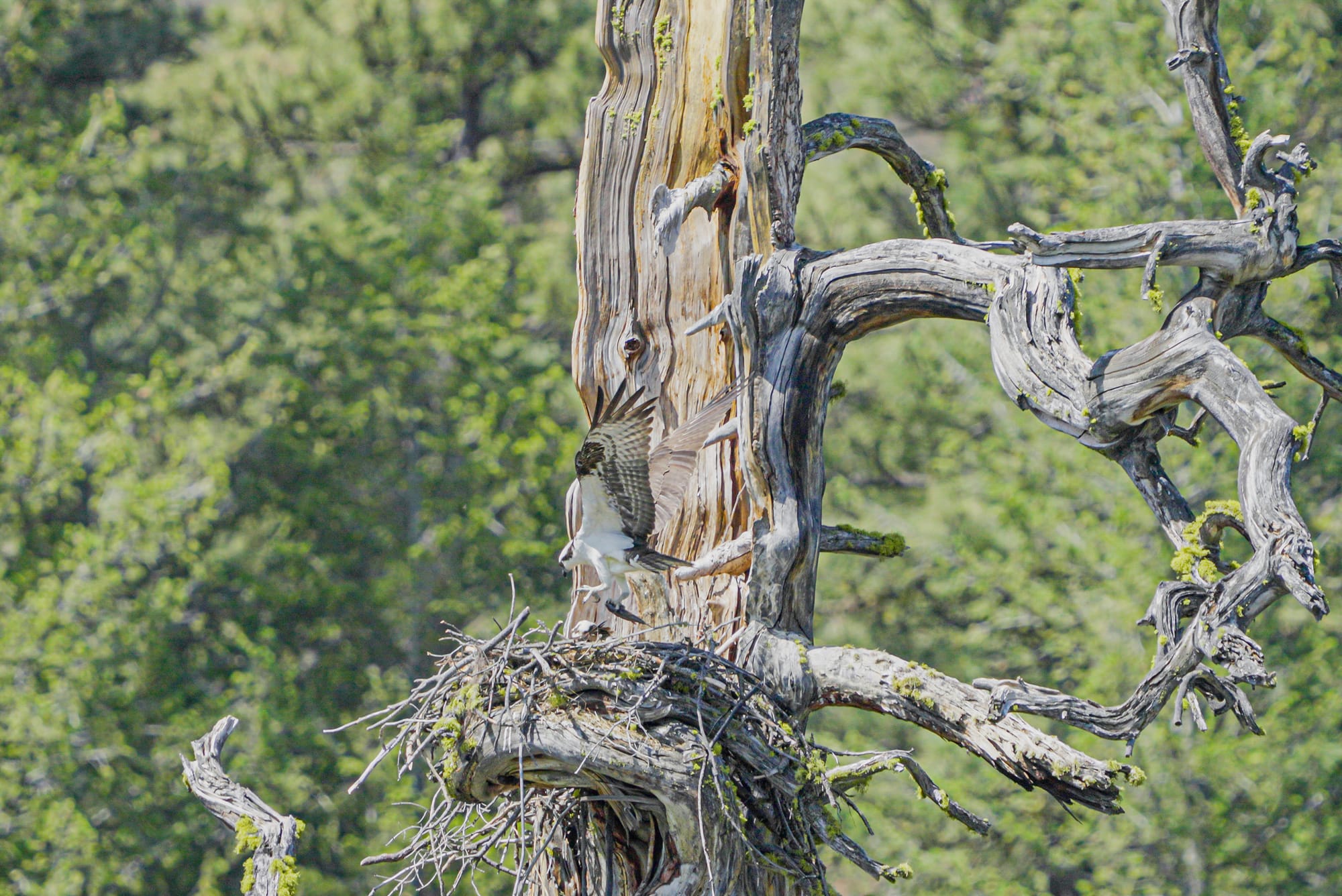
Despite the moody and downbeat days this week, I noticed a few fun changes. This was the first week that I've heard baby ospreys flying around and begging their parents to feed them. These babies are conspicuous because they spend much of the day flying in circles, and they are very noisy.
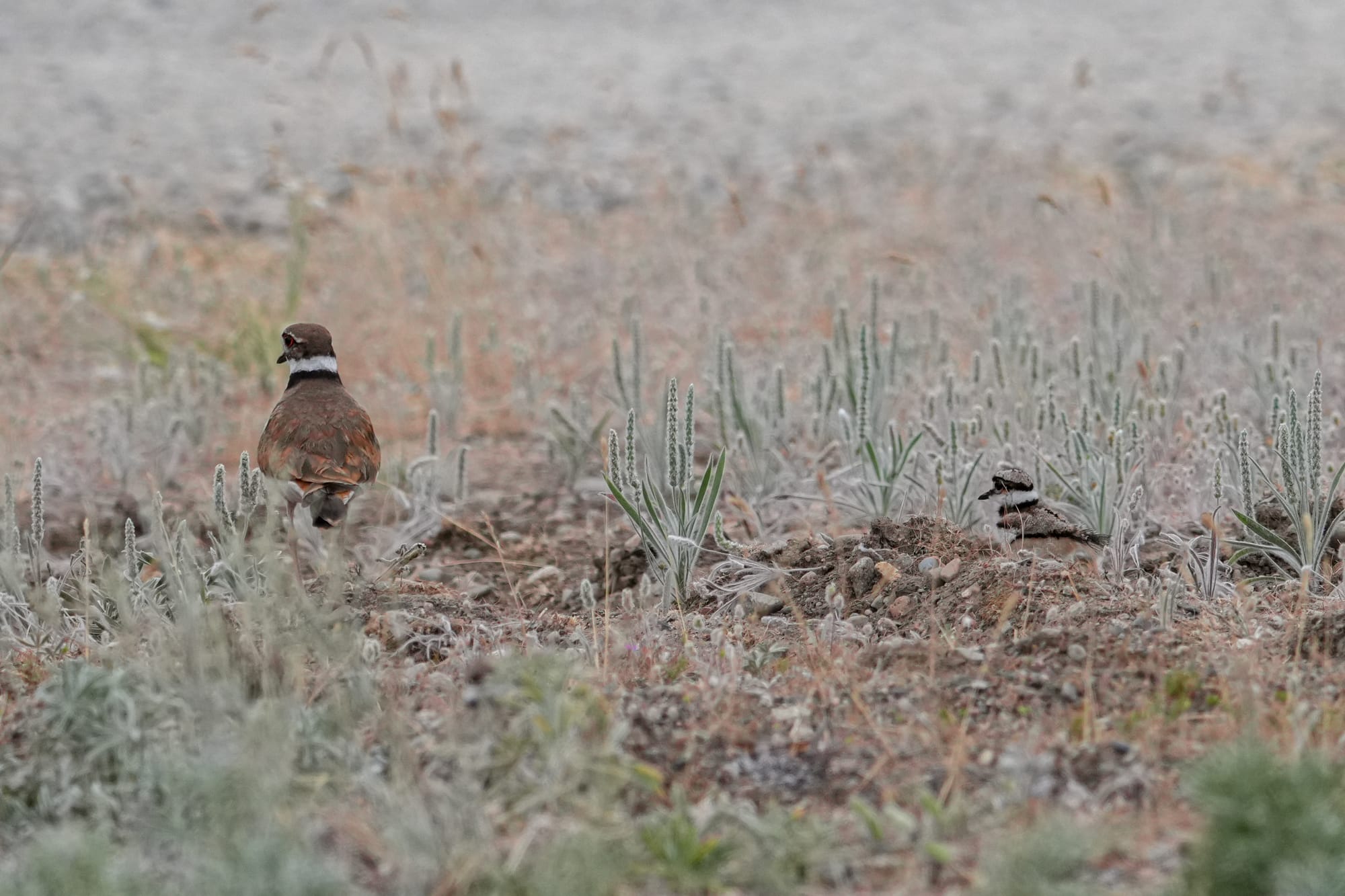
Killdeer have been another conspicuous bird, but for a completely different reason. In the case of killdeer, it's the parents that cry loudly while protecting their completely silent chicks. The difference is that killdeer chicks are flightless and helpless as they run around on the ground, so they are reliant on their parents making a loud fuss to attract the attention of potential predators.
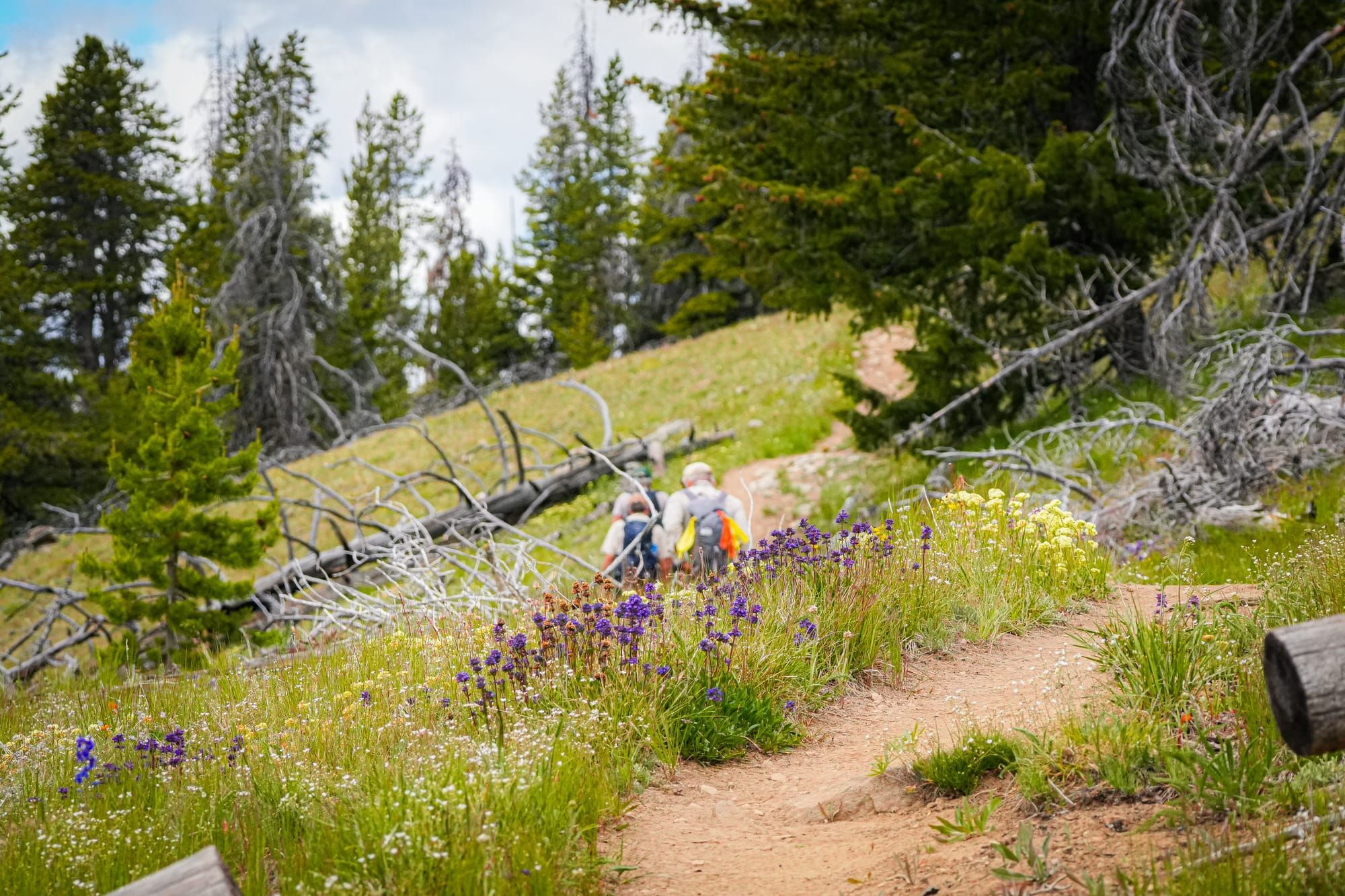
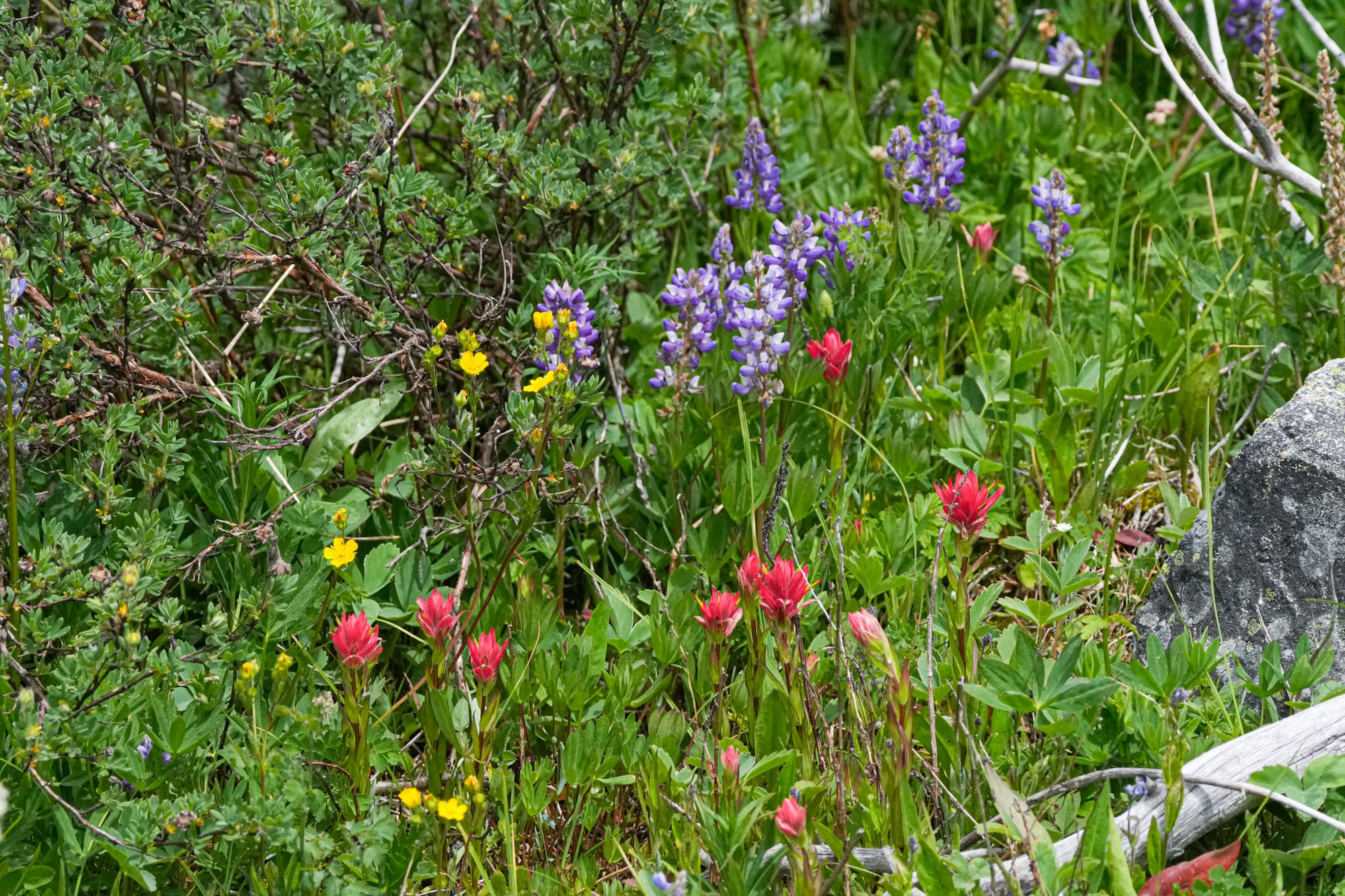
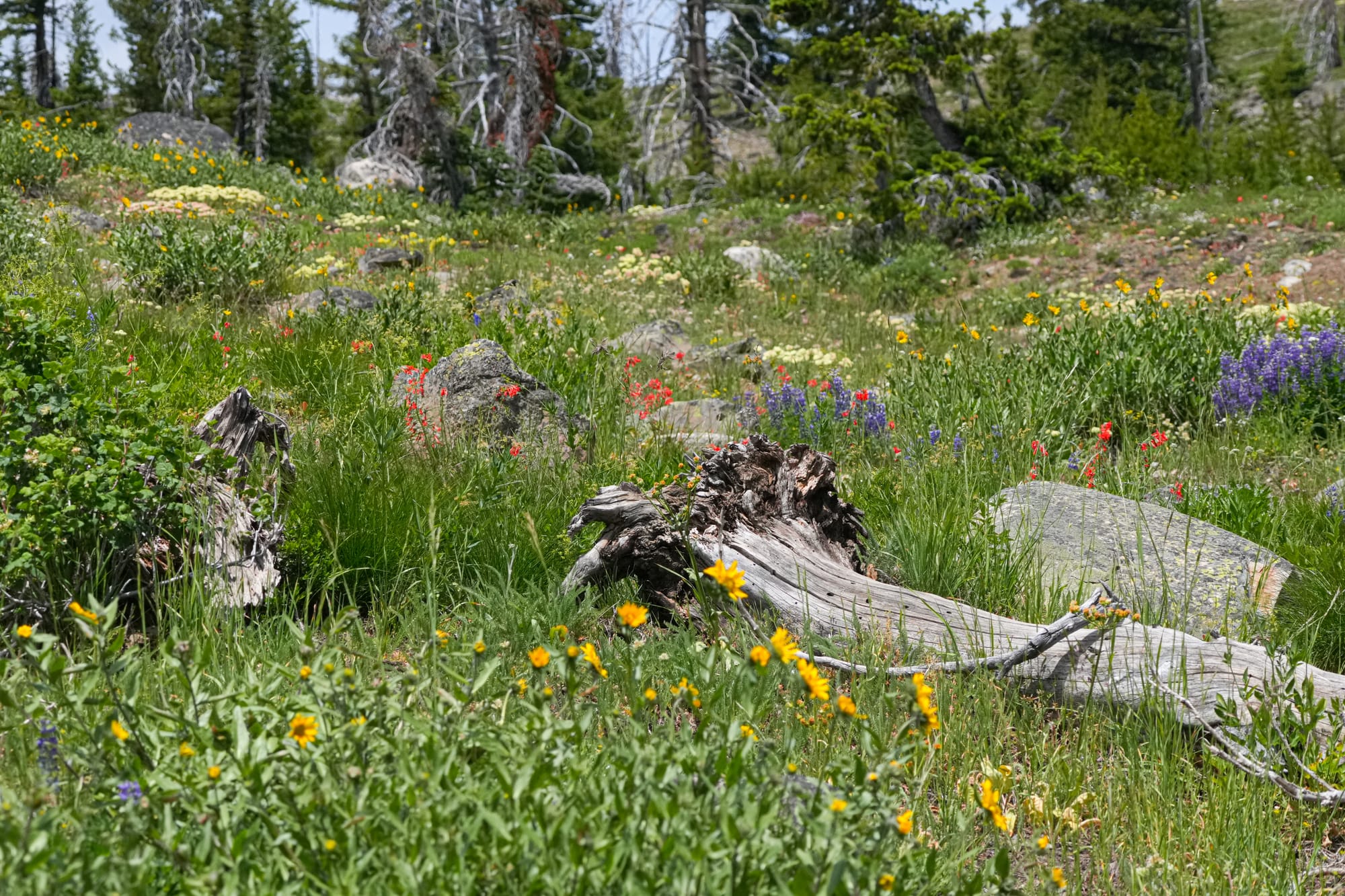
Other than these few notable observations (plus this year's first sighting of deer fawns as I was writing the newsletter!), most of the energy and excitement this week seemed to be happening at higher elevations where the flowers are in full bloom, and everything is green.
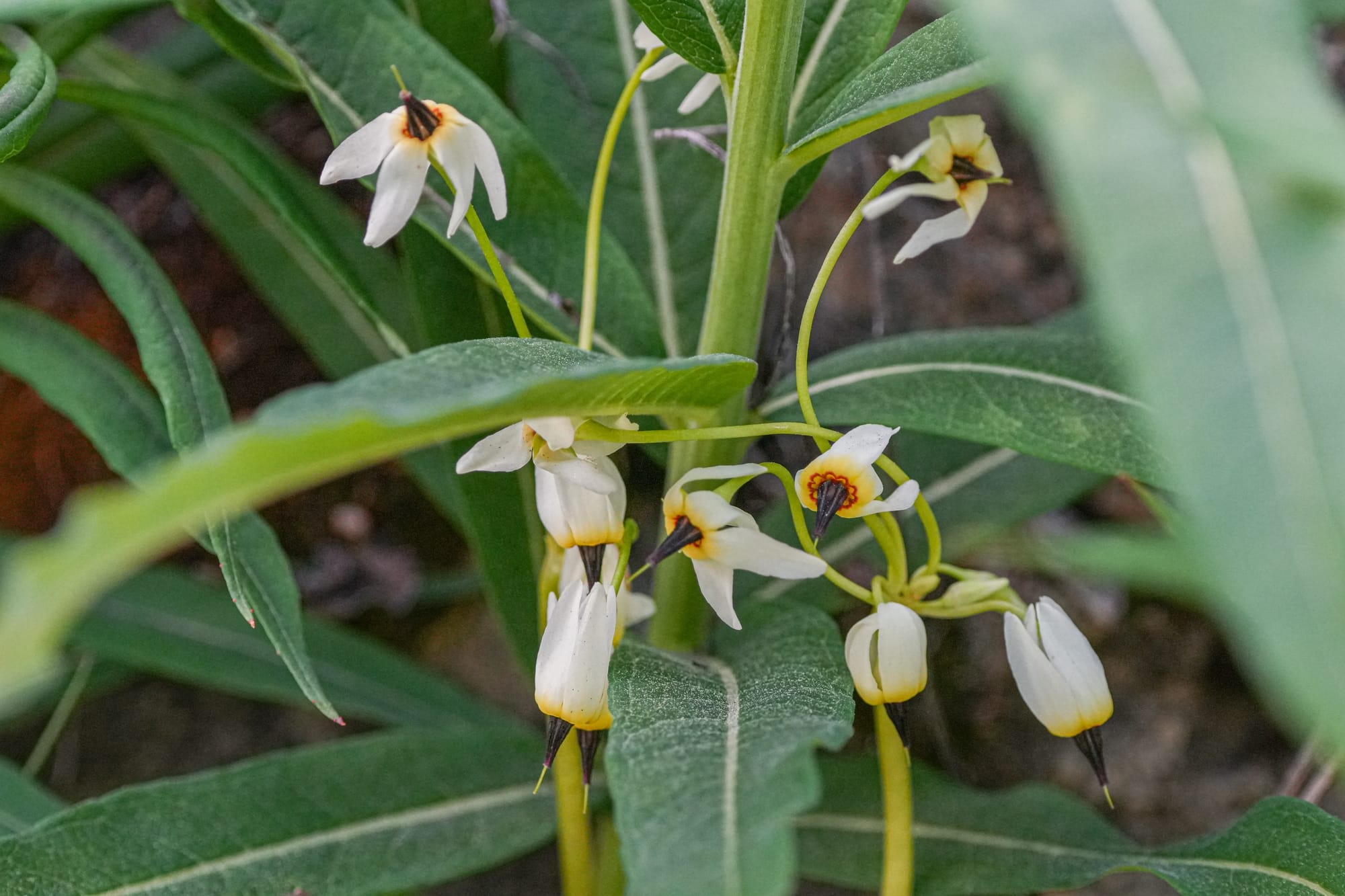
Among the flowers blooming at mid elevations right now, it's fun to look for unusual species mixed in with the many common flowers. One example is the white shooting stars that several people commented on this week. We have four species of purple shooting stars around the Methow Valley, so we tend to think of shooting stars as purple flowers, and it's a bit of a shock to see white ones.
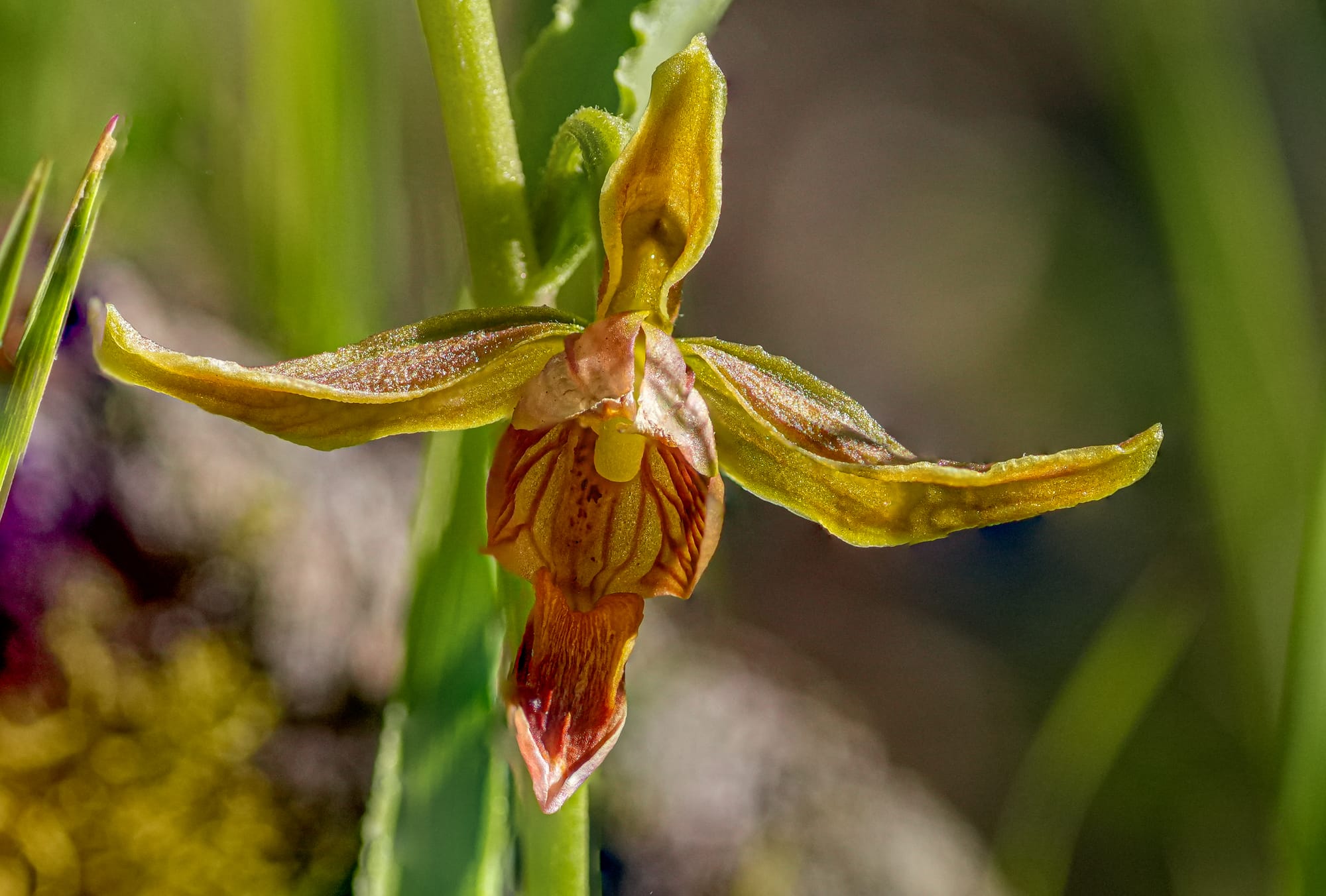
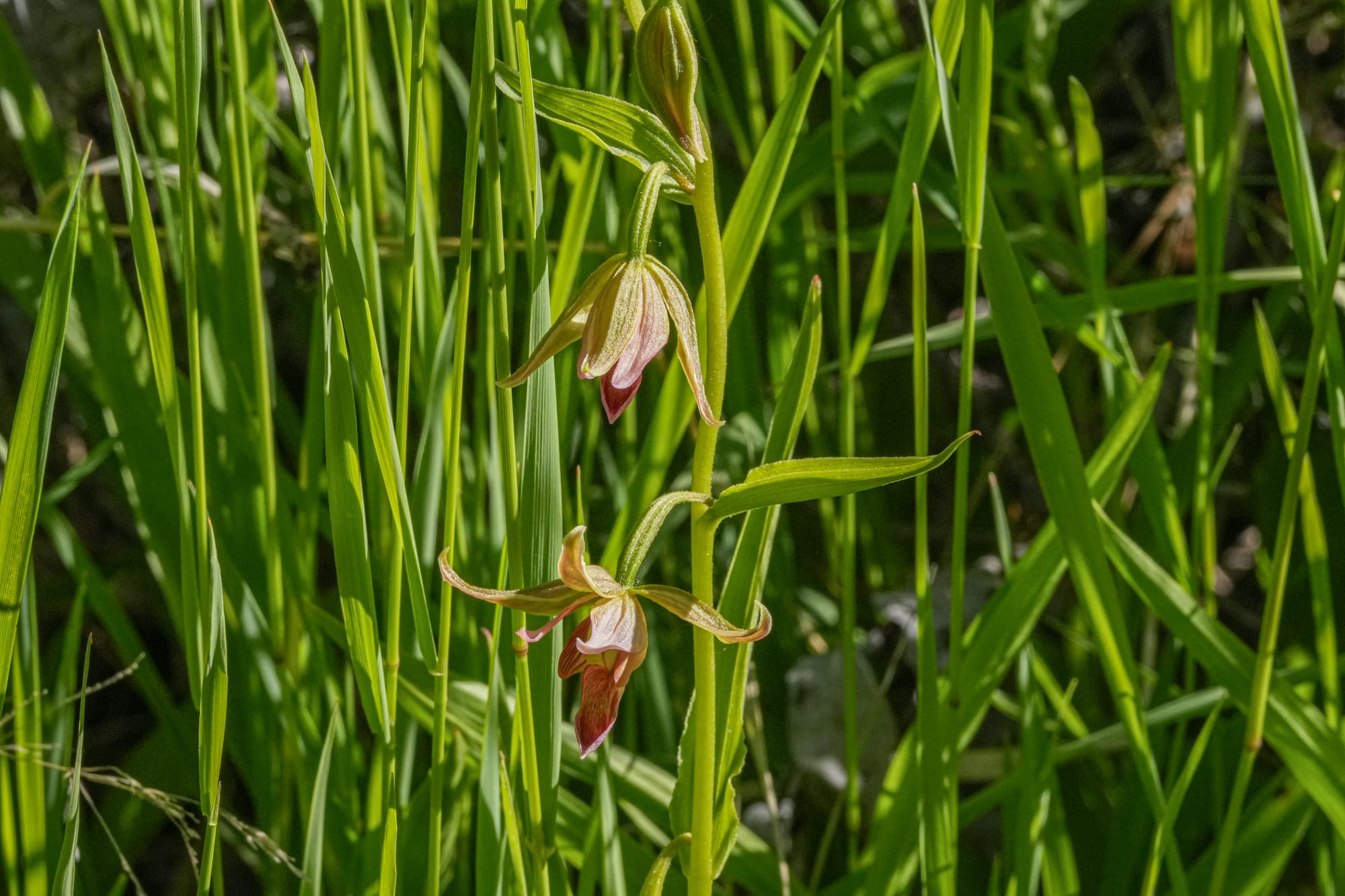
And speaking of unexpected flowers, we stopped to look at a rare and unusual flower that is known from a single location in the Methow Valley (literally a few plants in a roadside ditch). The stream orchid is rare almost everywhere in its range, and it was unknown in the Methow Valley until its recent discovery.
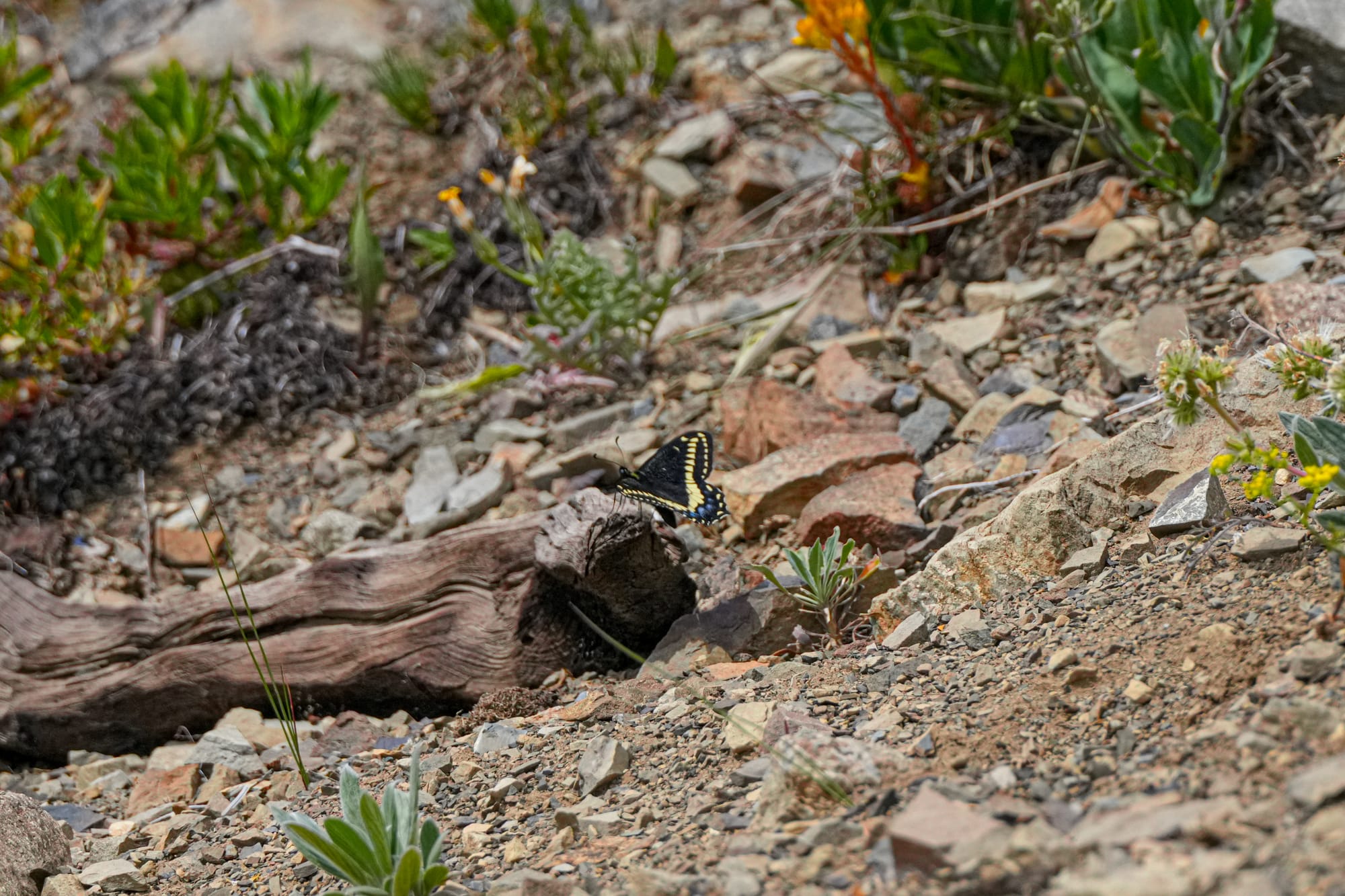
One of the best parts of hiking among the flowers at mid elevations is the sheer number of butterflies, especially when you get to the top of higher peaks where butterflies are "hill-topping." This is a breeding strategy where butterflies head upslope until they get to the top of a hill and find other butterflies gathering to breed.
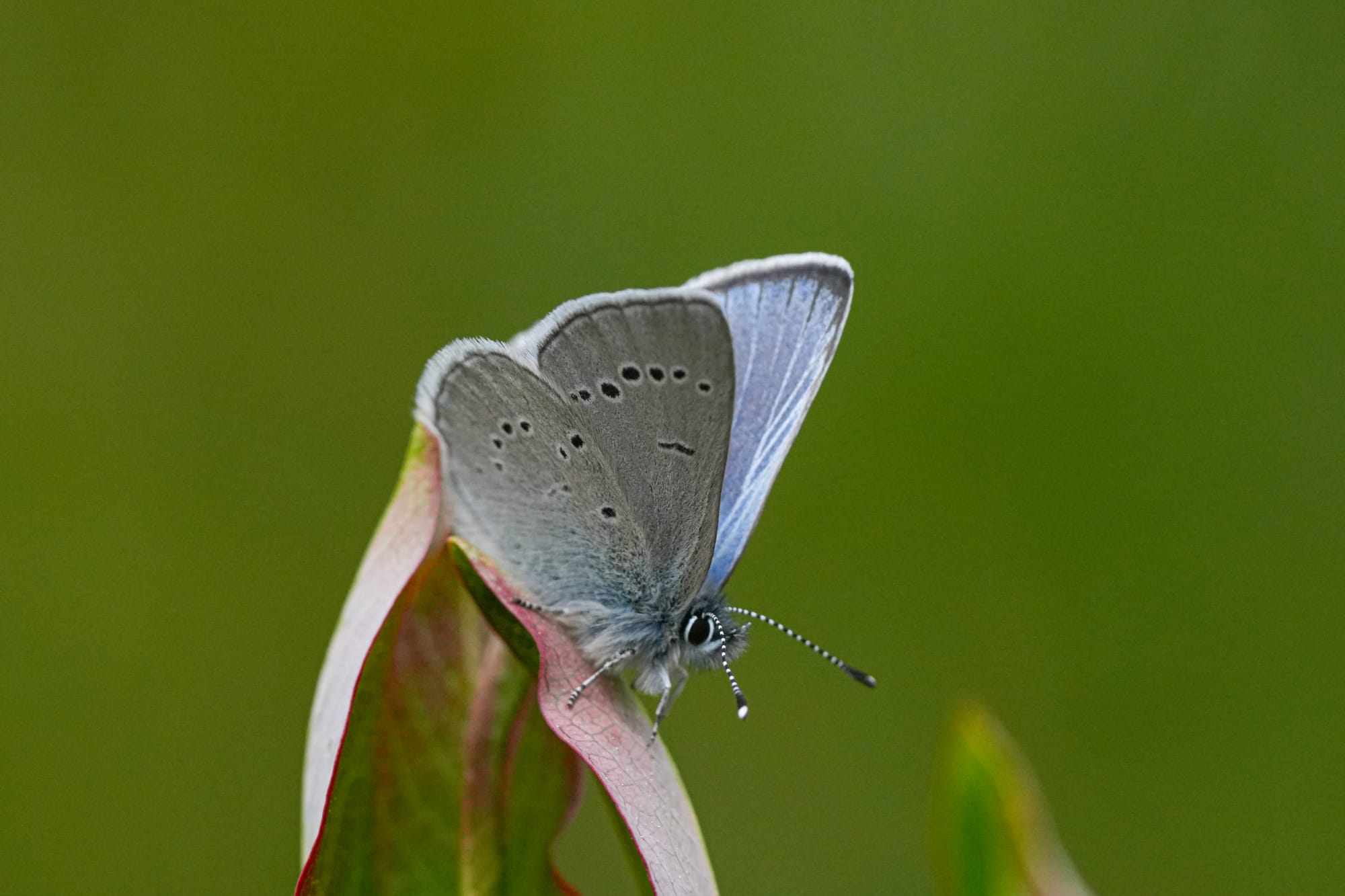
Since early spring this year, I've been tracking which species of blues have been active. We have 11 species of blues in the Methow Valley, and one way they avoid breeding with each other is to emerge at different times of spring and summer. This means that at any one time you're more likely to find just one or a few species flying around, and this week every blue that I observed was a silvery blue.
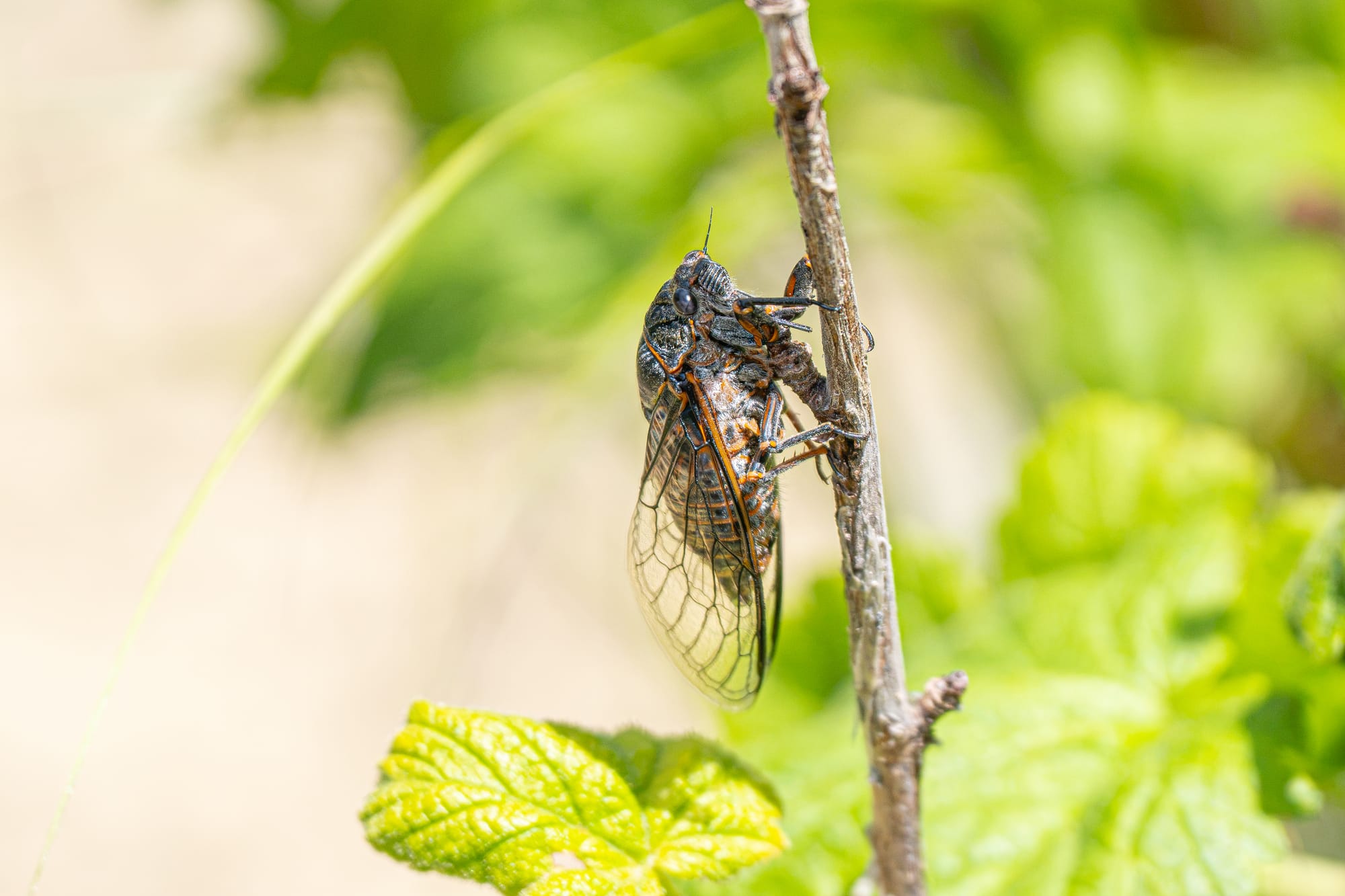
I was also startled to see a large, reddish "bumblebee" flying along the trail ahead of me that turned out to be a cicada. Cicadas may be fairly common but they are always motionless and hidden, so I had no idea how they look in flight. I also don't think of cicadas being in the Methow Valley because our species don't fill the summer soundscape with incessant droning sounds like they do in other parts of the country so they're easy to overlook.
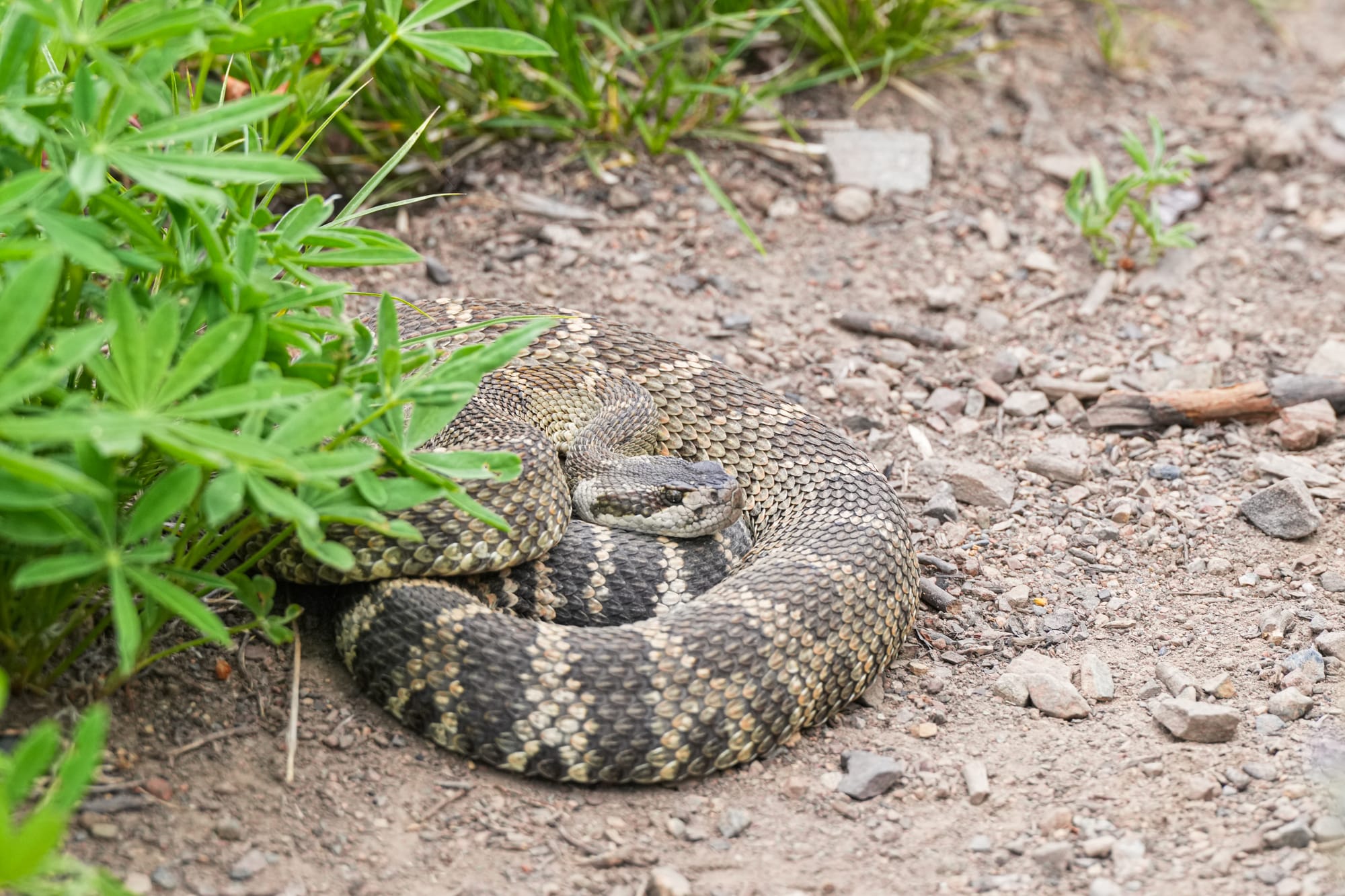
Finally, I want to end on an important note of caution. While hiking at mid elevations it might never cross your mind to watch out for rattlesnakes, but I ran into one at 5300ft on the Driveway Butte trail this week. That's a very high elevation for a rattlesnake in our area and it was a great reminder to always be alert. And if you see a rattlesnake, please step around it and don't kill or harm it. They actually have a very hard life with low reproduction rates, and populations are easily lost if people start killing them!