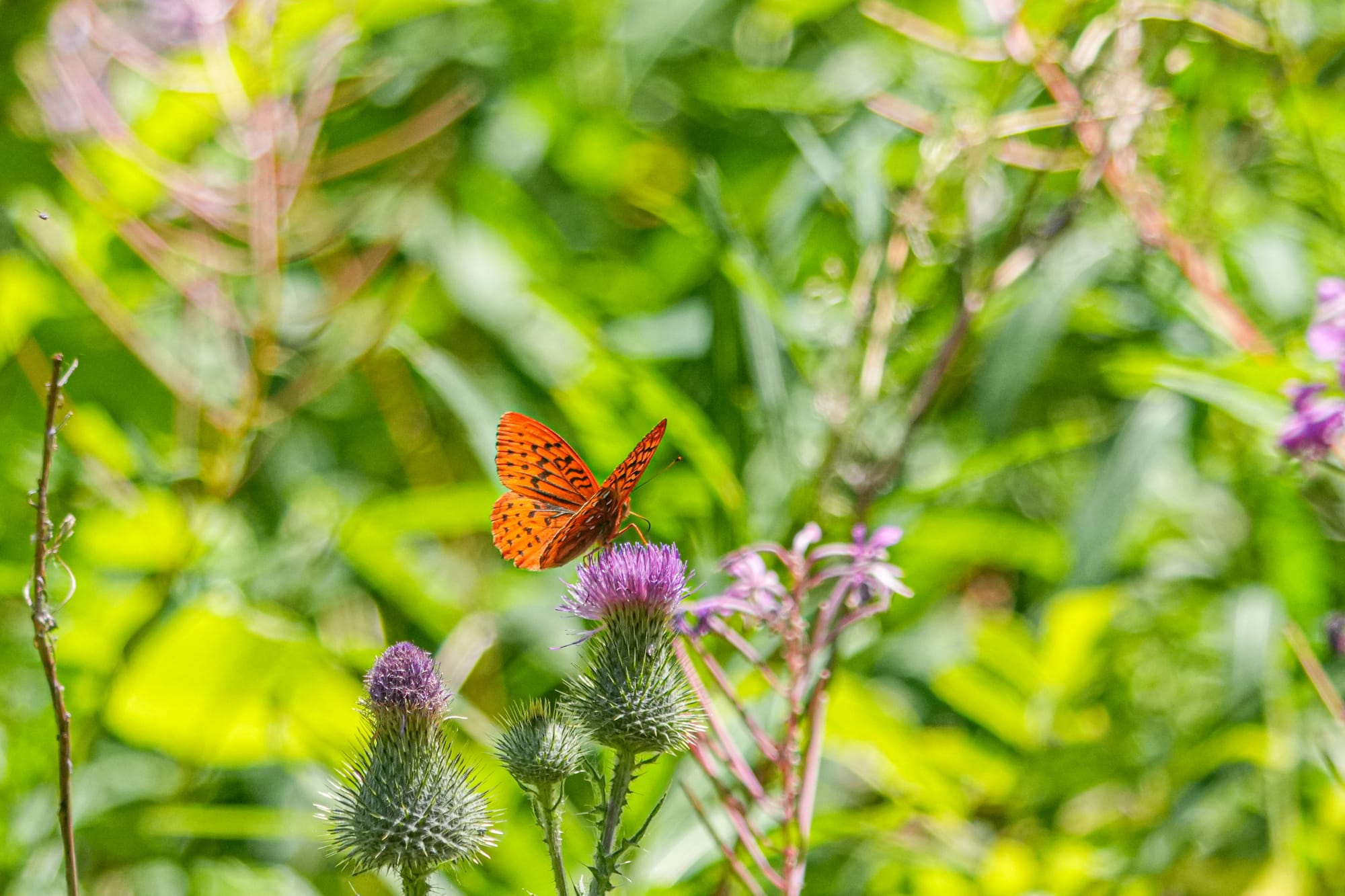
Living with Smoke
July 19-25, 2026

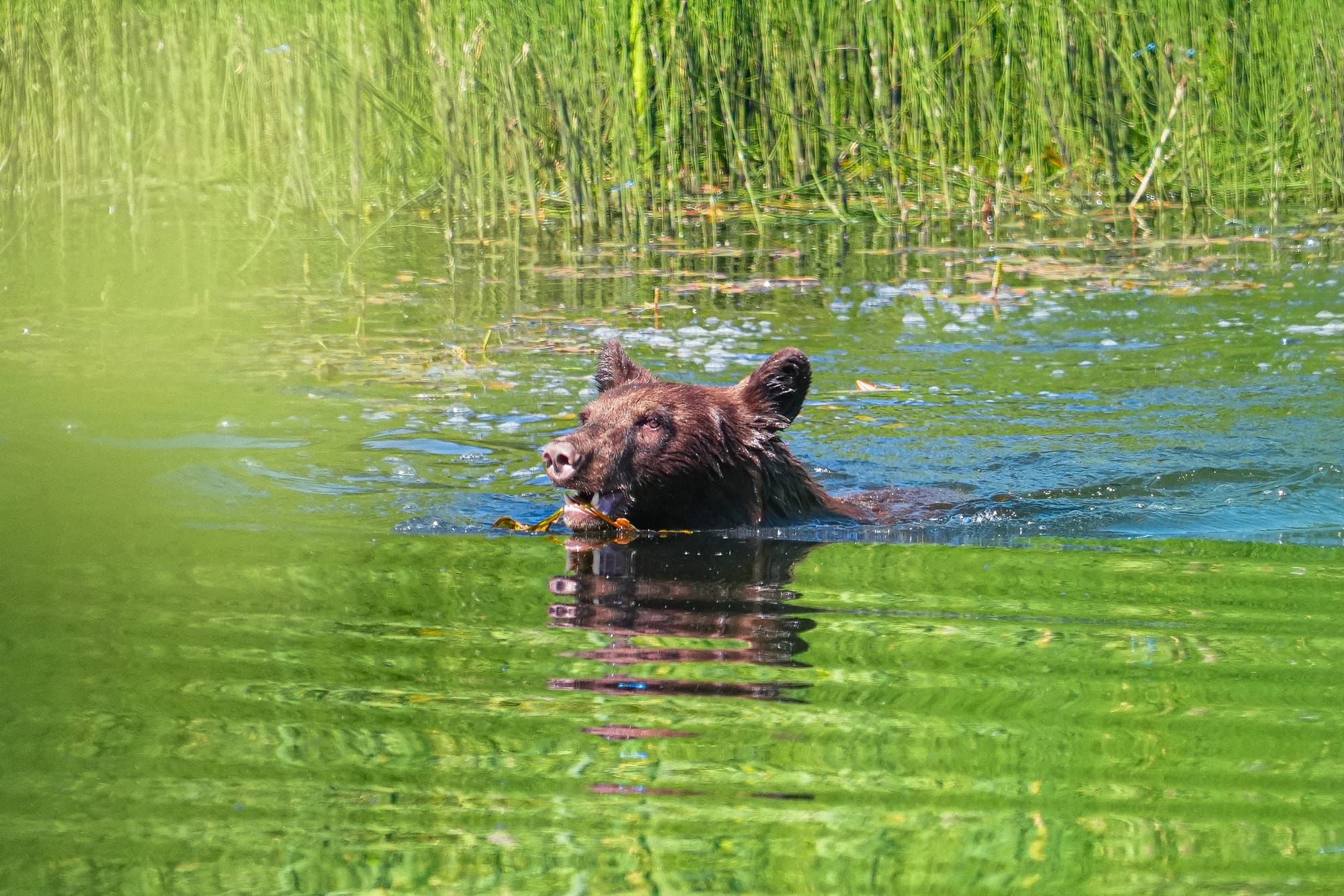
A blistering combination of dense wildfire smoke and scorching temperatures made for a challenging week in the Methow Valley.
Week in Review
I appreciated having an opportunity to take a couple of weeks off for a fascinating road trip (which you can read about in my Lukas Guides newsletter), but when I returned home, the Methow Valley felt dry and dead because everything is so hot and smoky now.
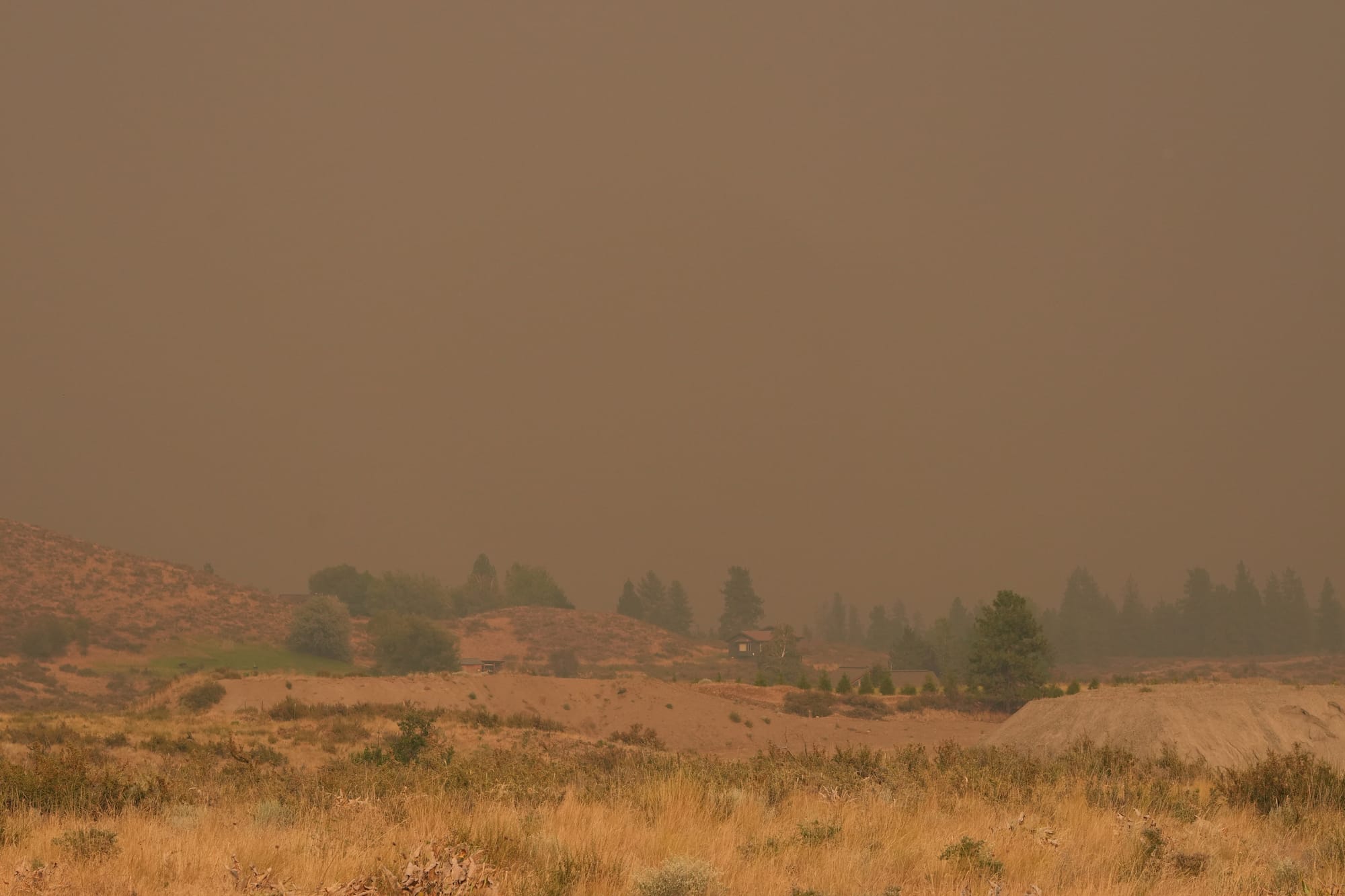
The conditions were so dismal and discouraging that I didn't get outside all week, but when I finally managed to head out for a walk at the end of the week, I was astonished at how much is going on despite the heat and smoke.
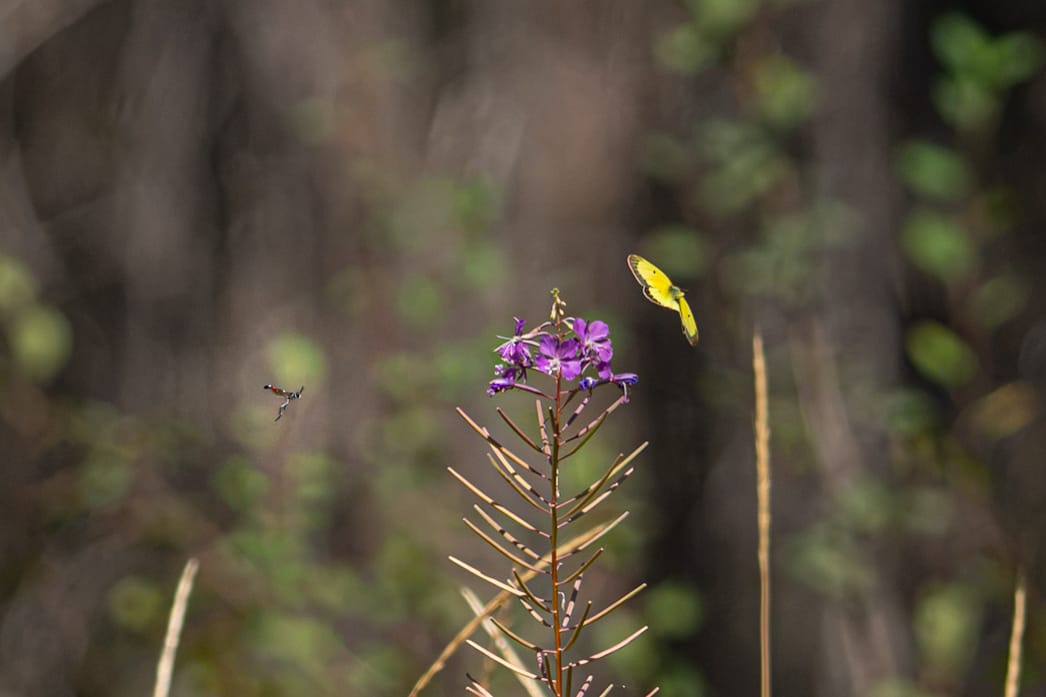
In particular, I walked around the beaver pond at Sun Mountain and was overwhelmed by the number of birds, chipmunks, squirrels, butterflies, dragonflies, and damselflies that I saw.
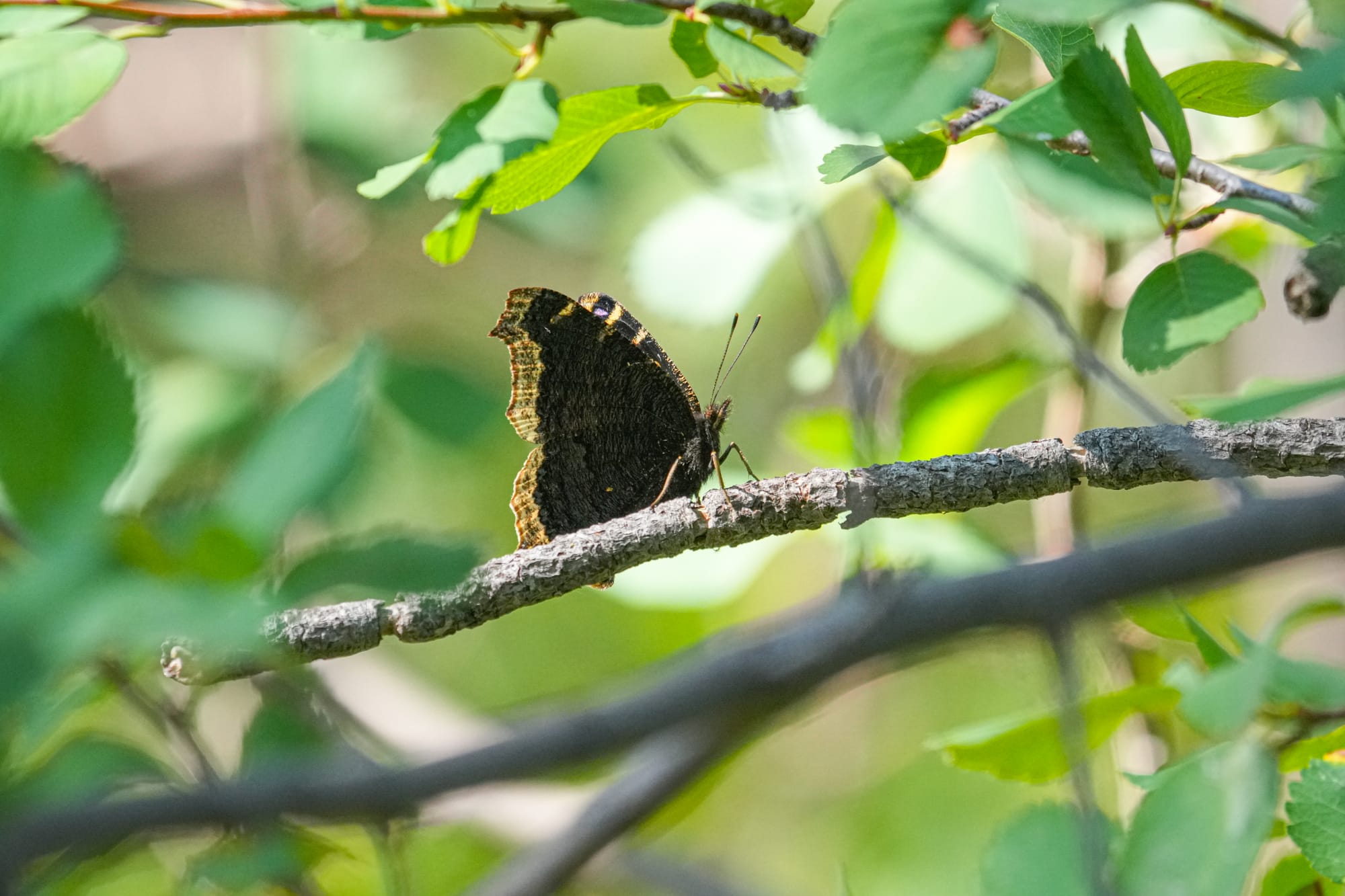
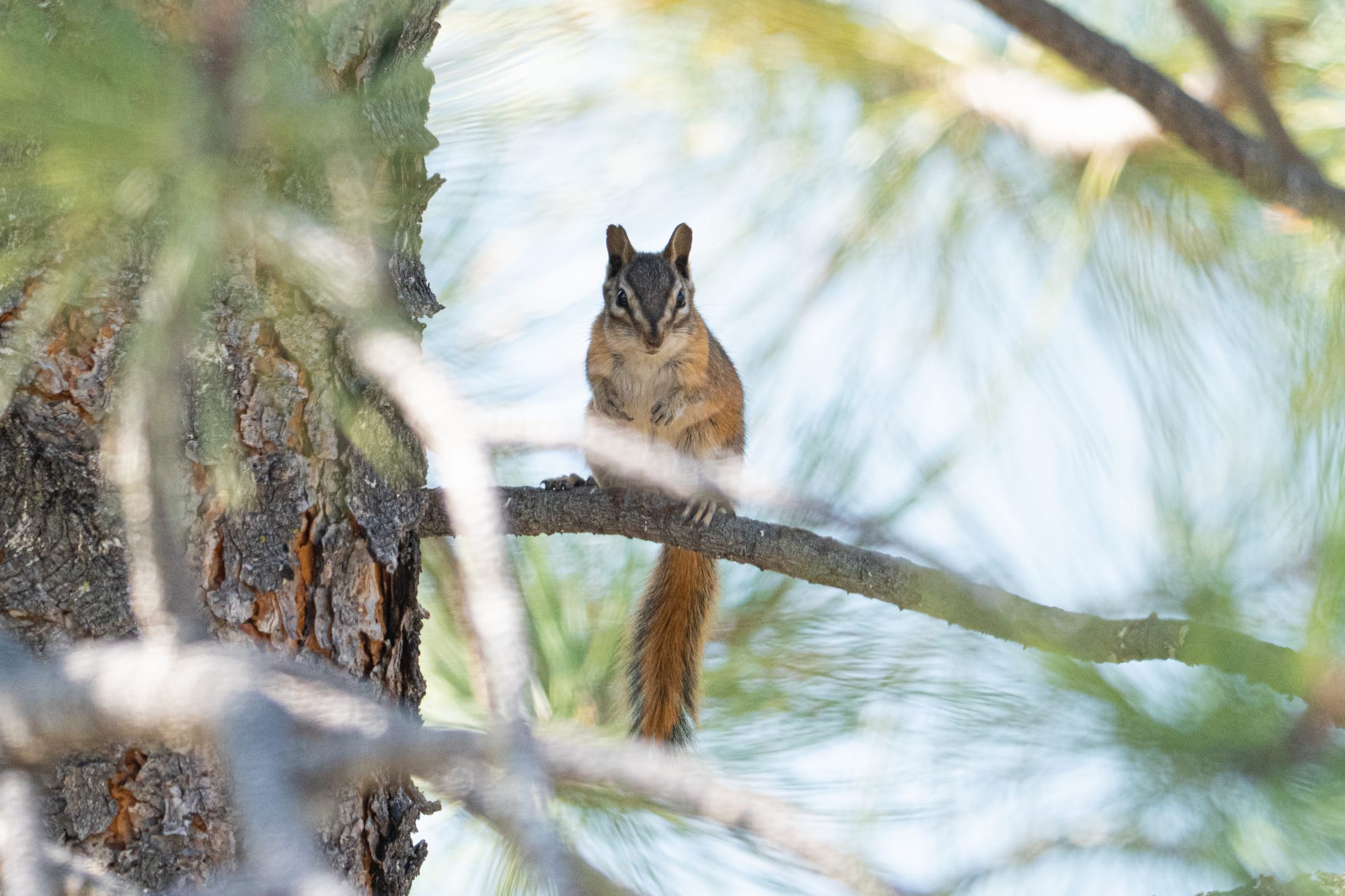
Because of the heat, many of the animals were hiding in the shade of leafy trees, which seems like an entirely reasonable thing to do on a hot summer day.
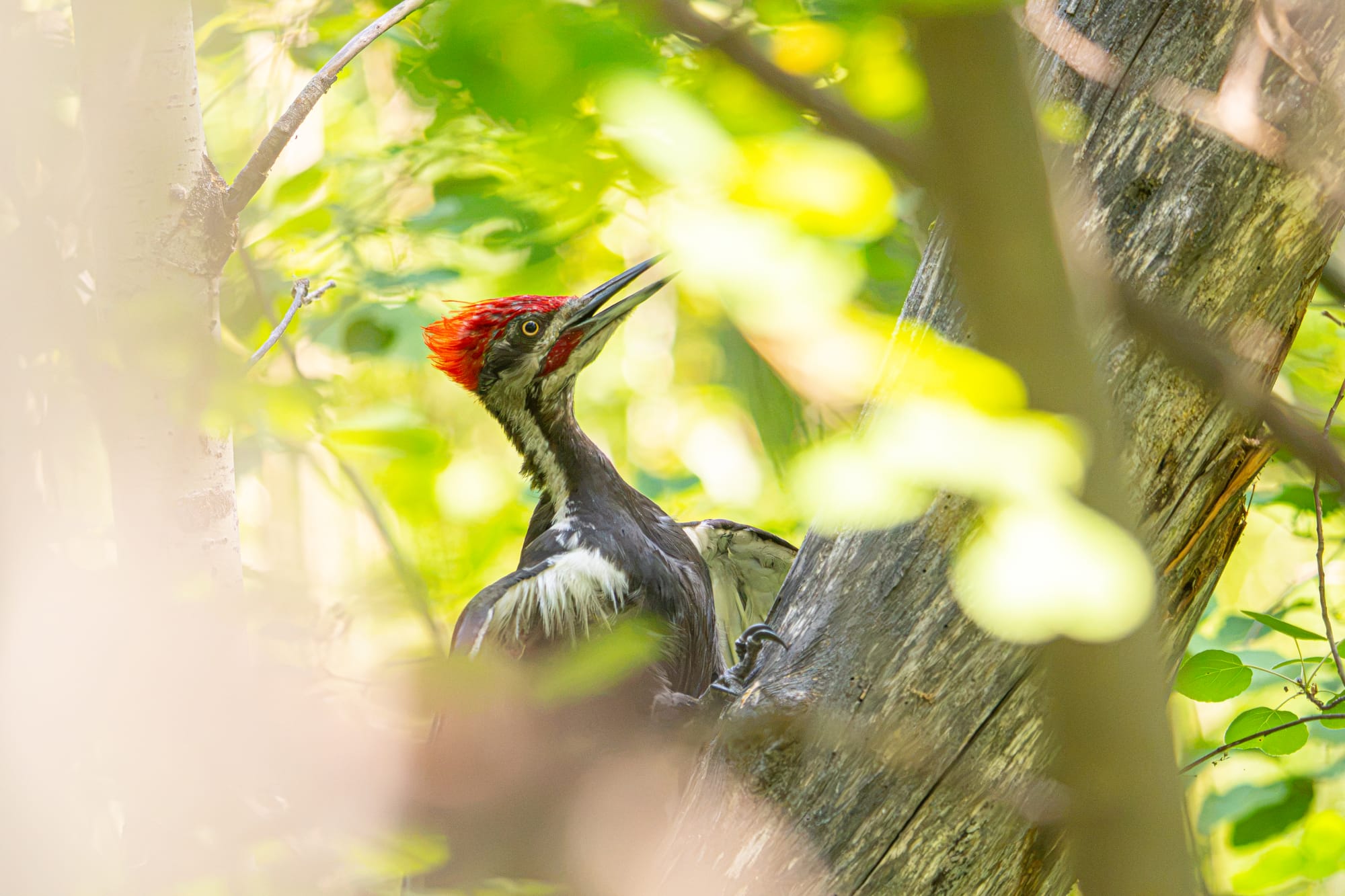
One of my favorite sightings was a pair of pileated woodpeckers (perhaps a pair of babies from this year?) feeding together on a stump while a red squirrel repeatedly tried to chase them off. Each time the squirrel got close, the woodpeckers would flash their wings to startle the squirrel, but they eventually got tired and flew away.
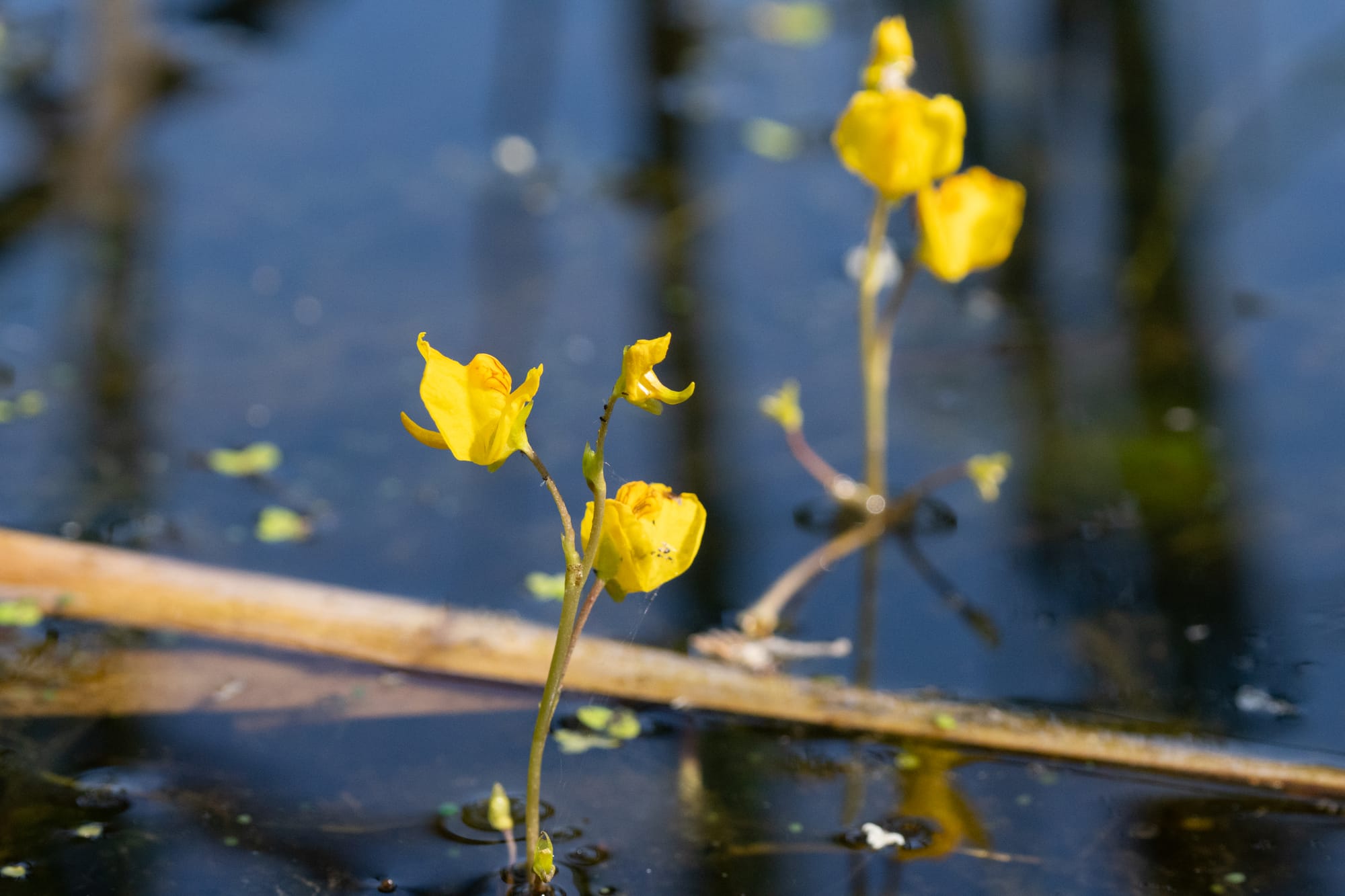
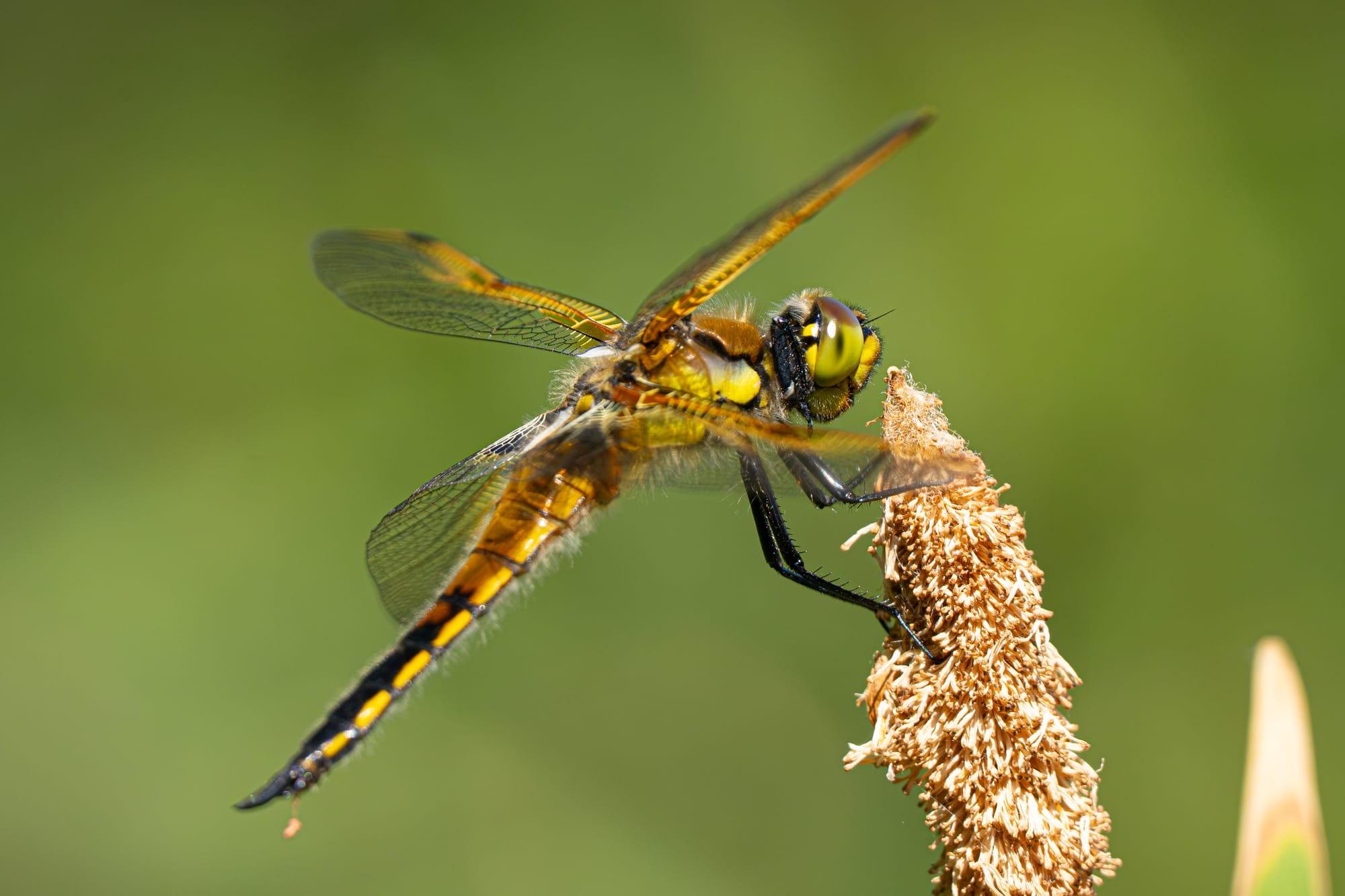
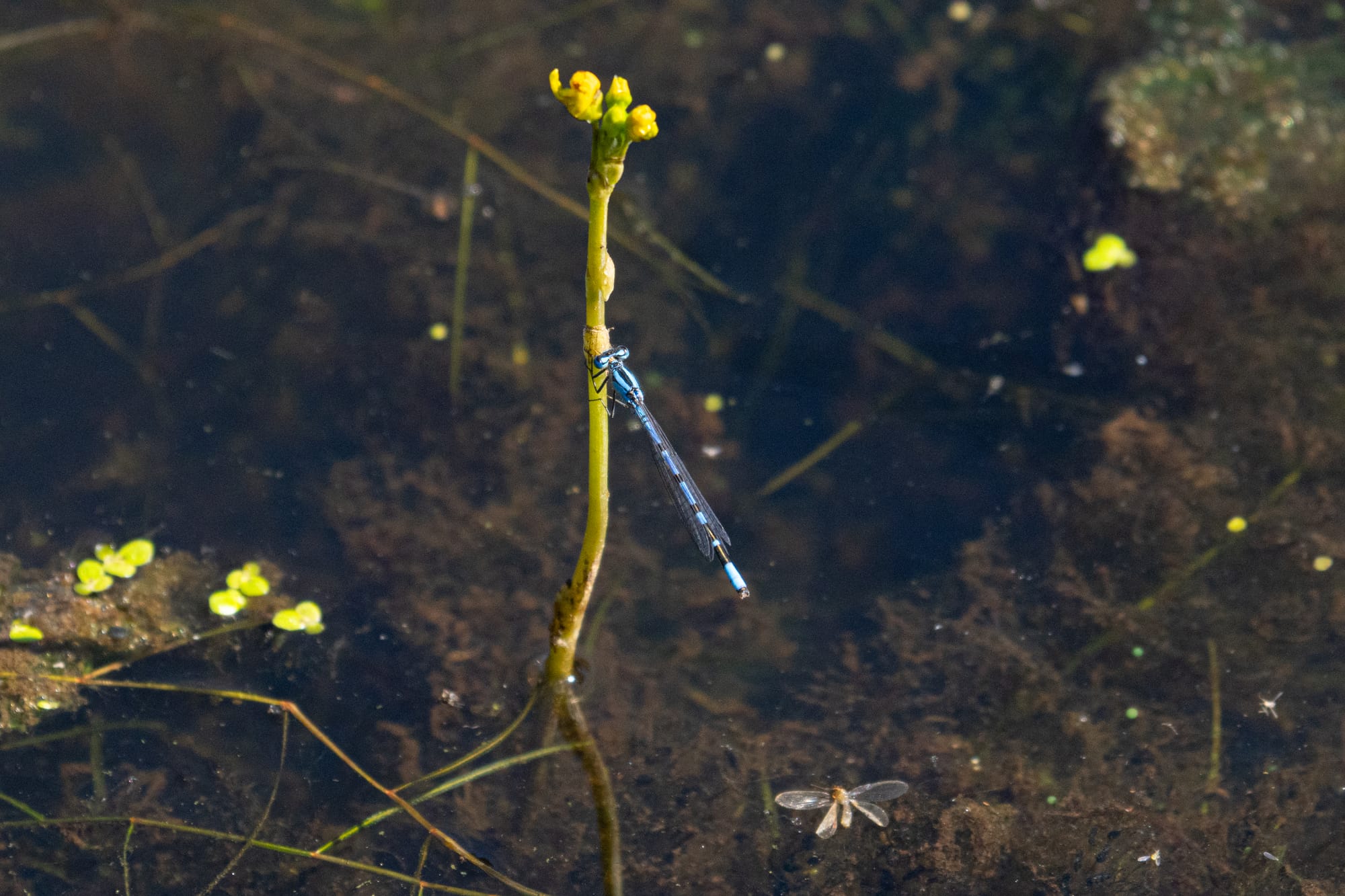
The beaver pond is an especially busy place in the summer, with the yellow flowers of carnivorous bladderworts emerging from the water as a dizzying number of damselflies and dragonflies zip back and forth.
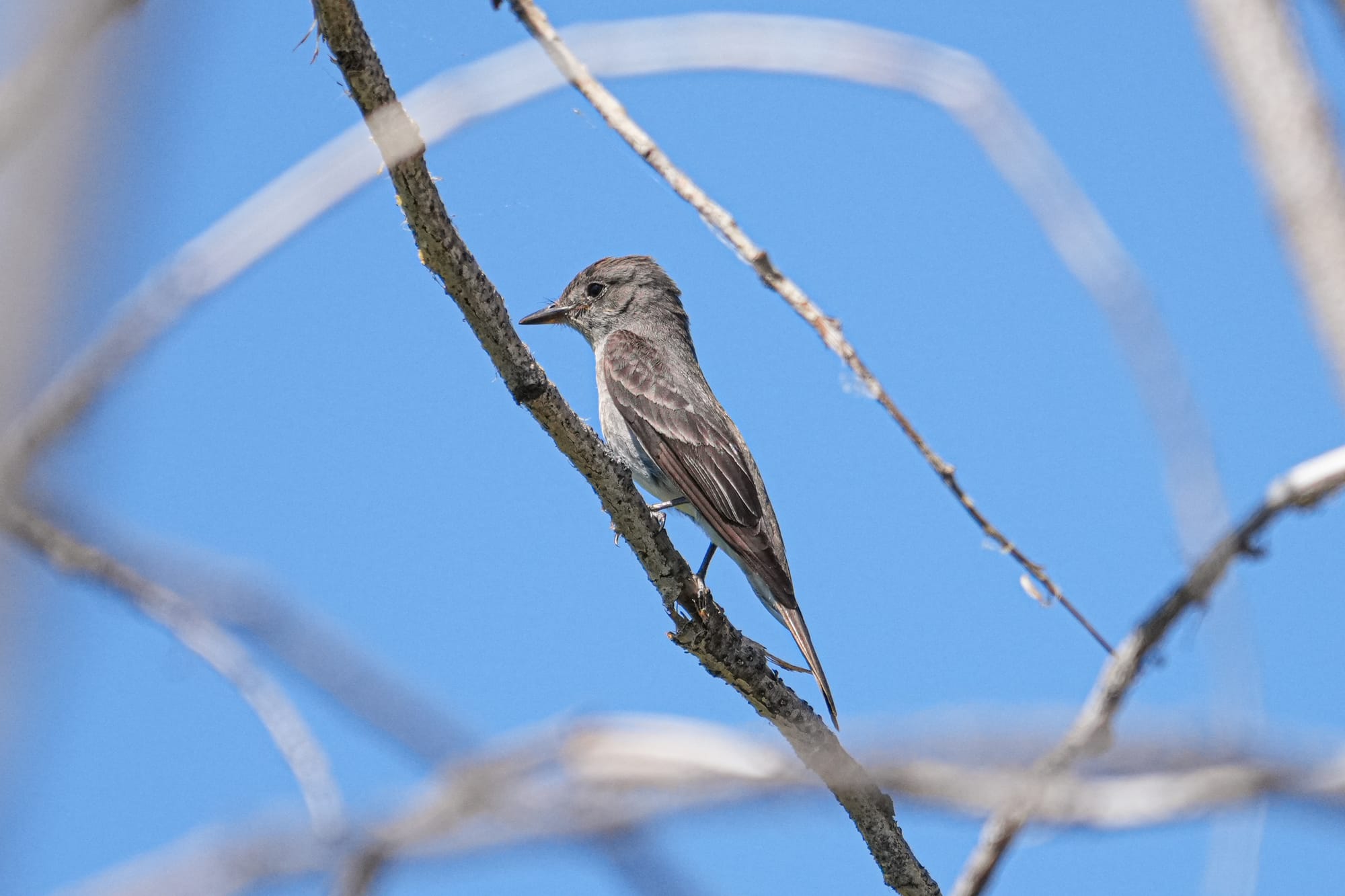
Western wood-pewees are common birds around bodies of water, so they are easily found at the beaver pond. I always look forward to hearing them because their mournful calls are one of the diagnostic sounds of summer almost everywhere in the American West.
While the most conspicuous flower at this time of year are fireweeds, buckwheats have also begun blooming and the advantage of blooming in the doldrums of mid-summer is that these flowers are guaranteed to get lots of visitors!
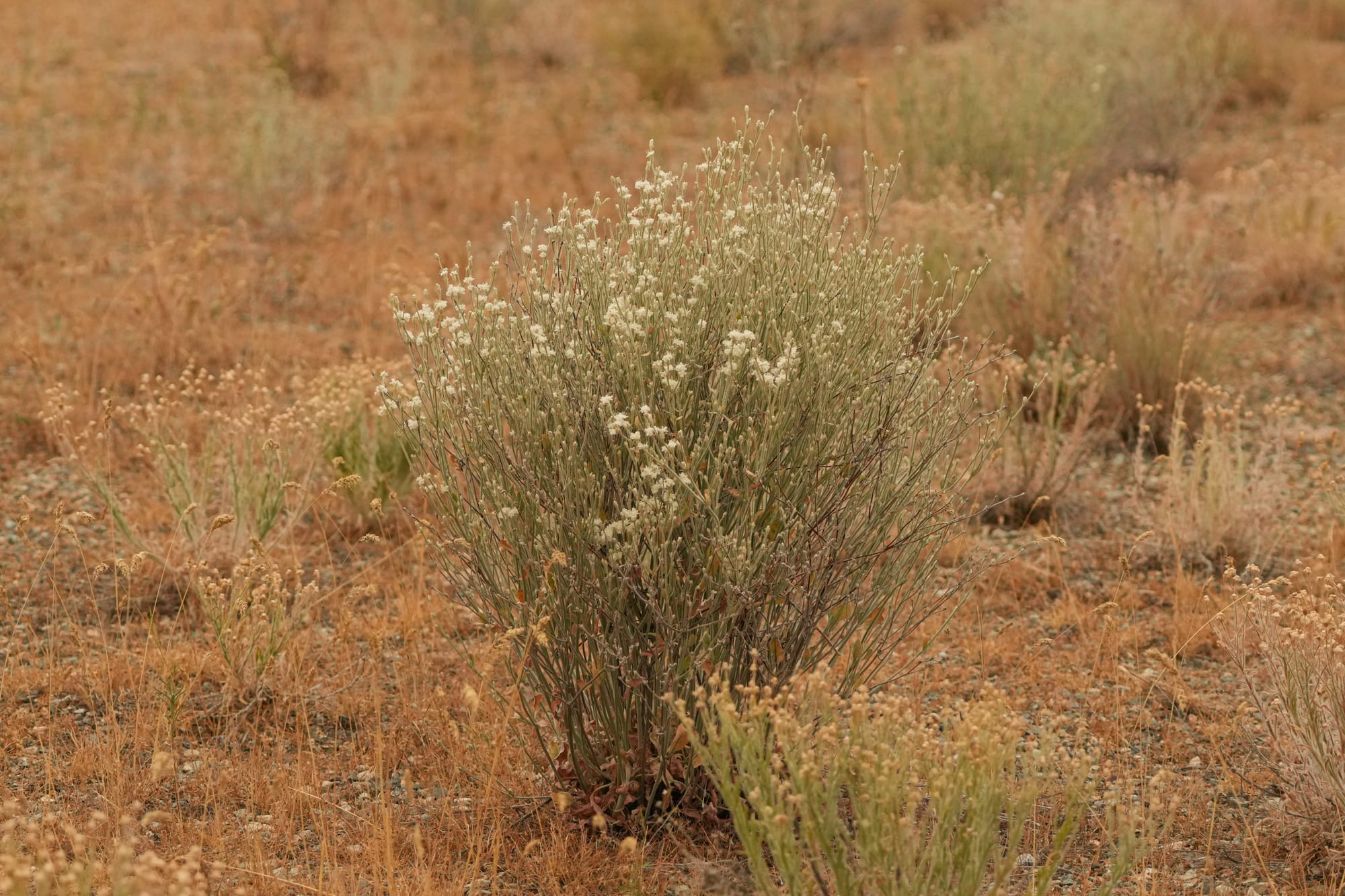
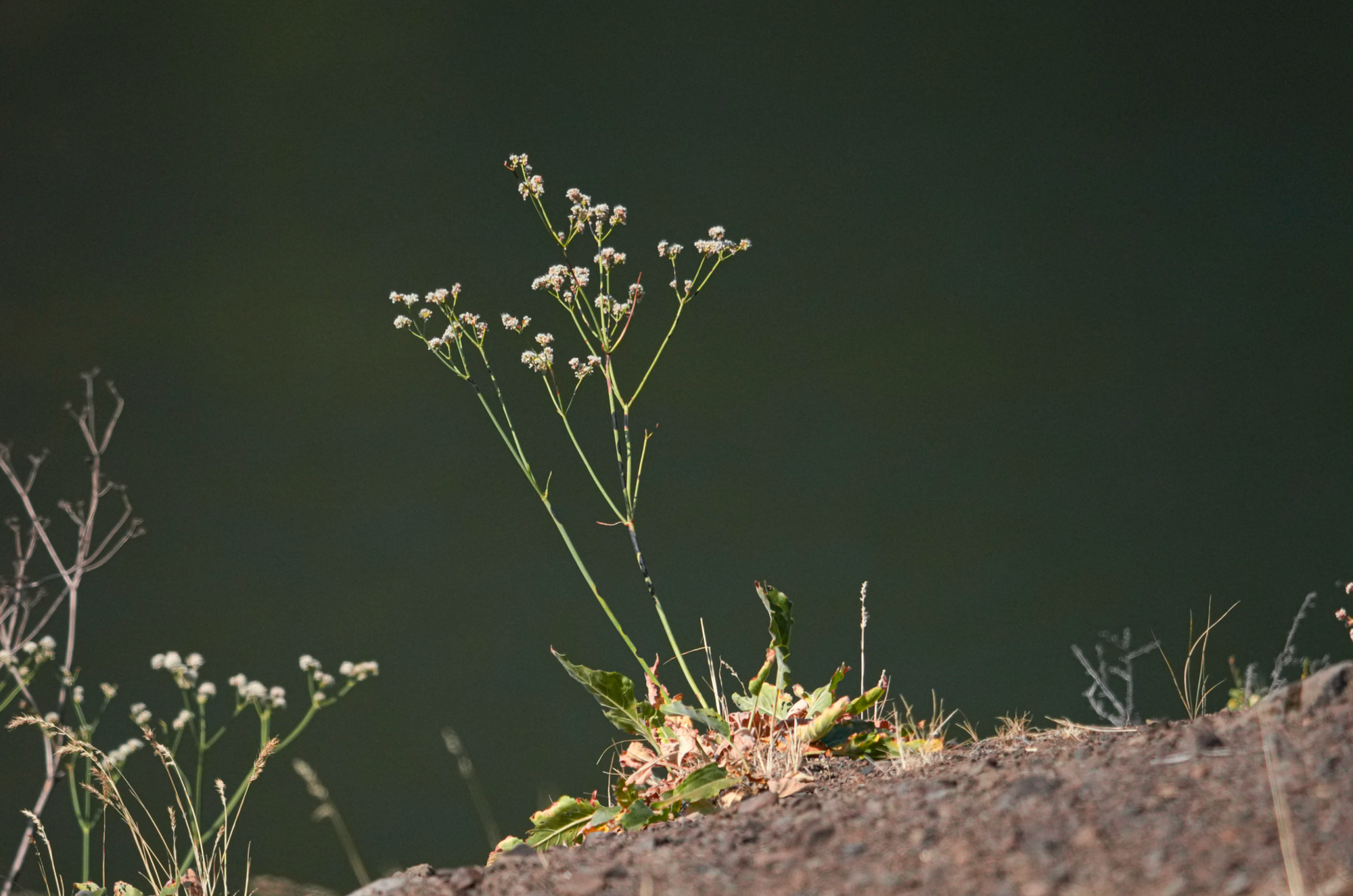
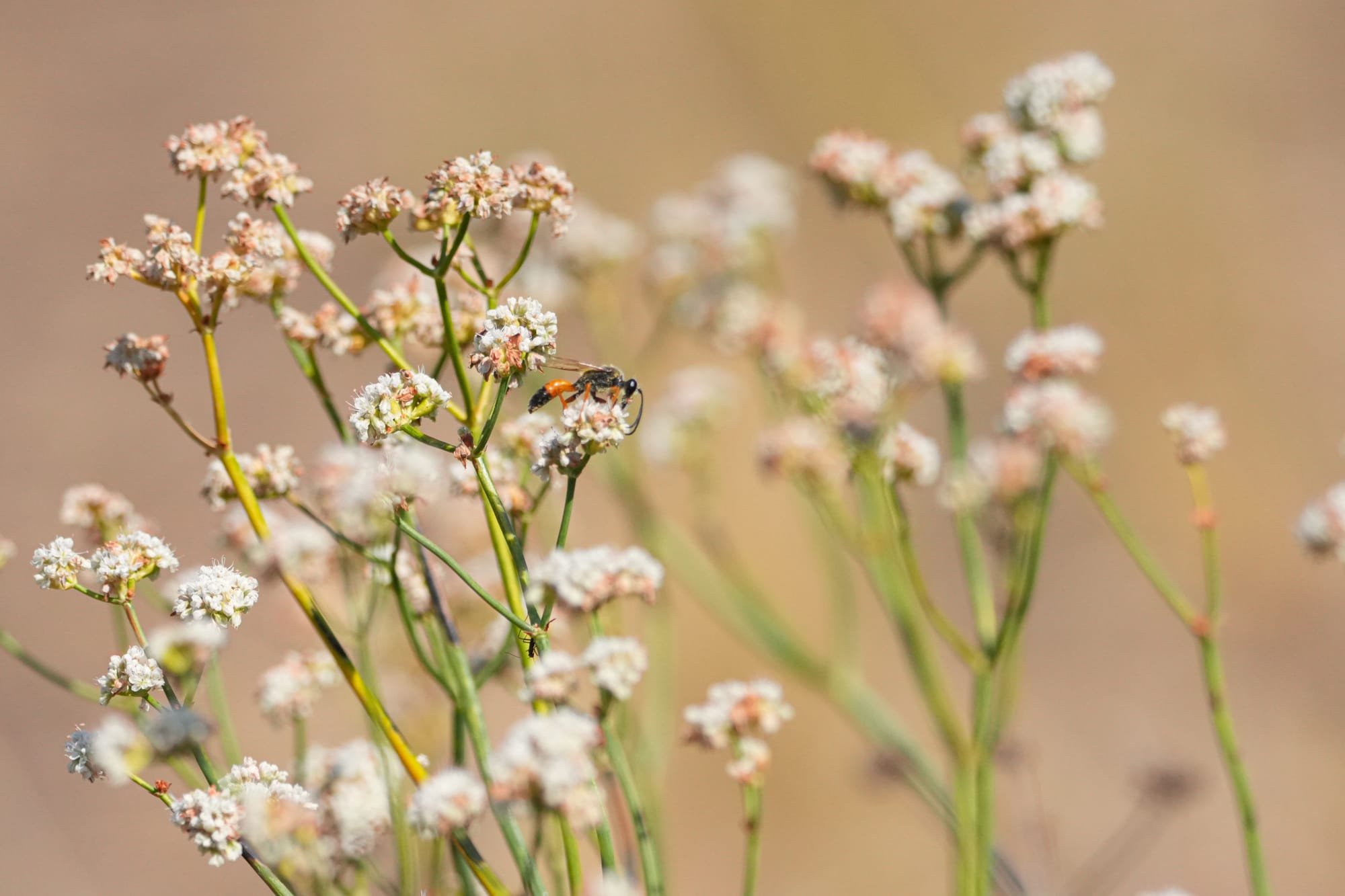
Tall buckwheats can reach five feet tall, and their abundant flowers are very popular with pollinators. Photos by David Lukas
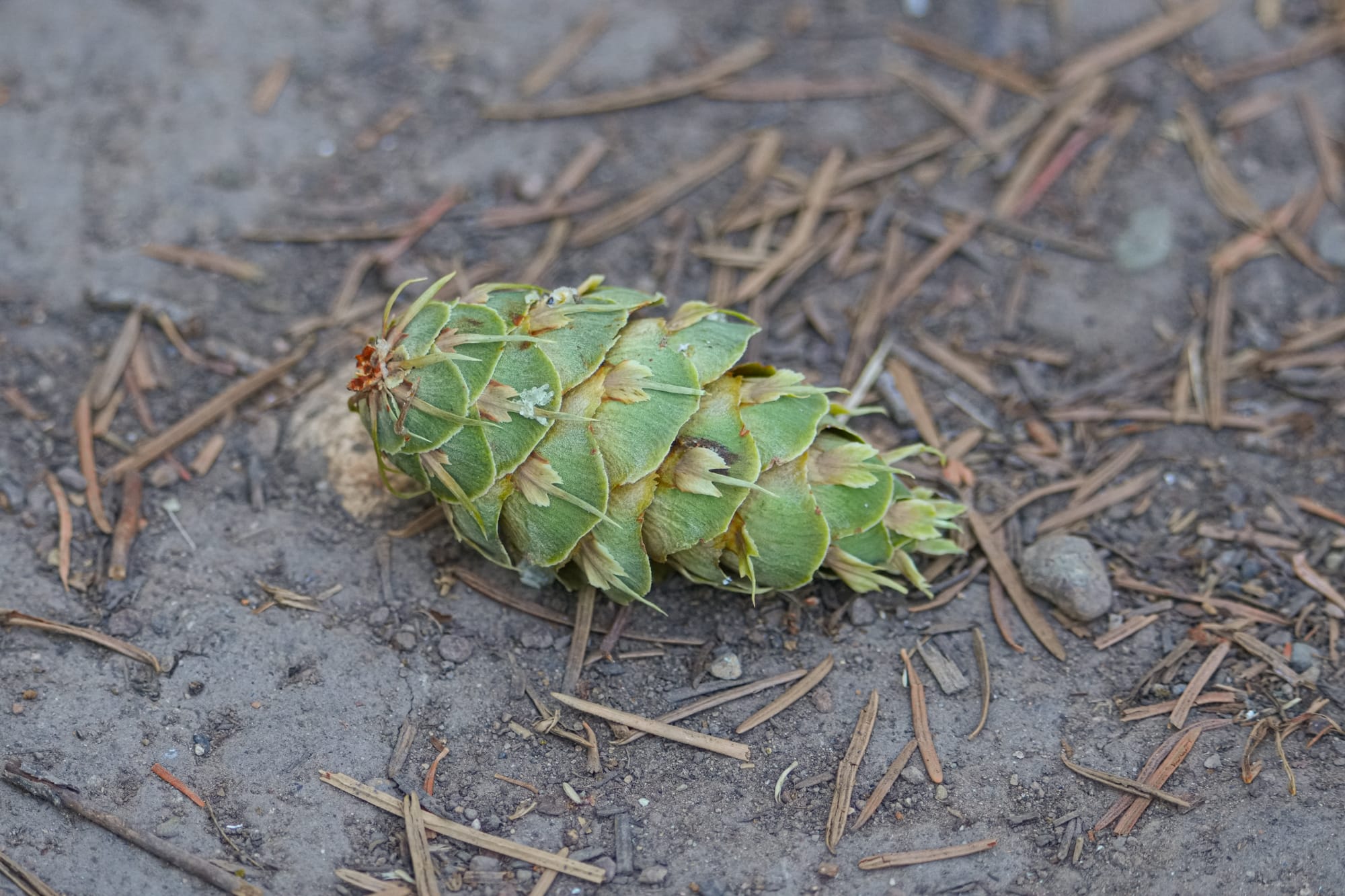
Other notable changes in plants include Douglas-fir cones starting to ripen. Many of these still-green cones are snipped and dropped to the ground by red squirrels that begin stashing them away for their winter food supply. Sometimes you'll even find places where the ground is littered with cones that are being collected by a resident squirrel.
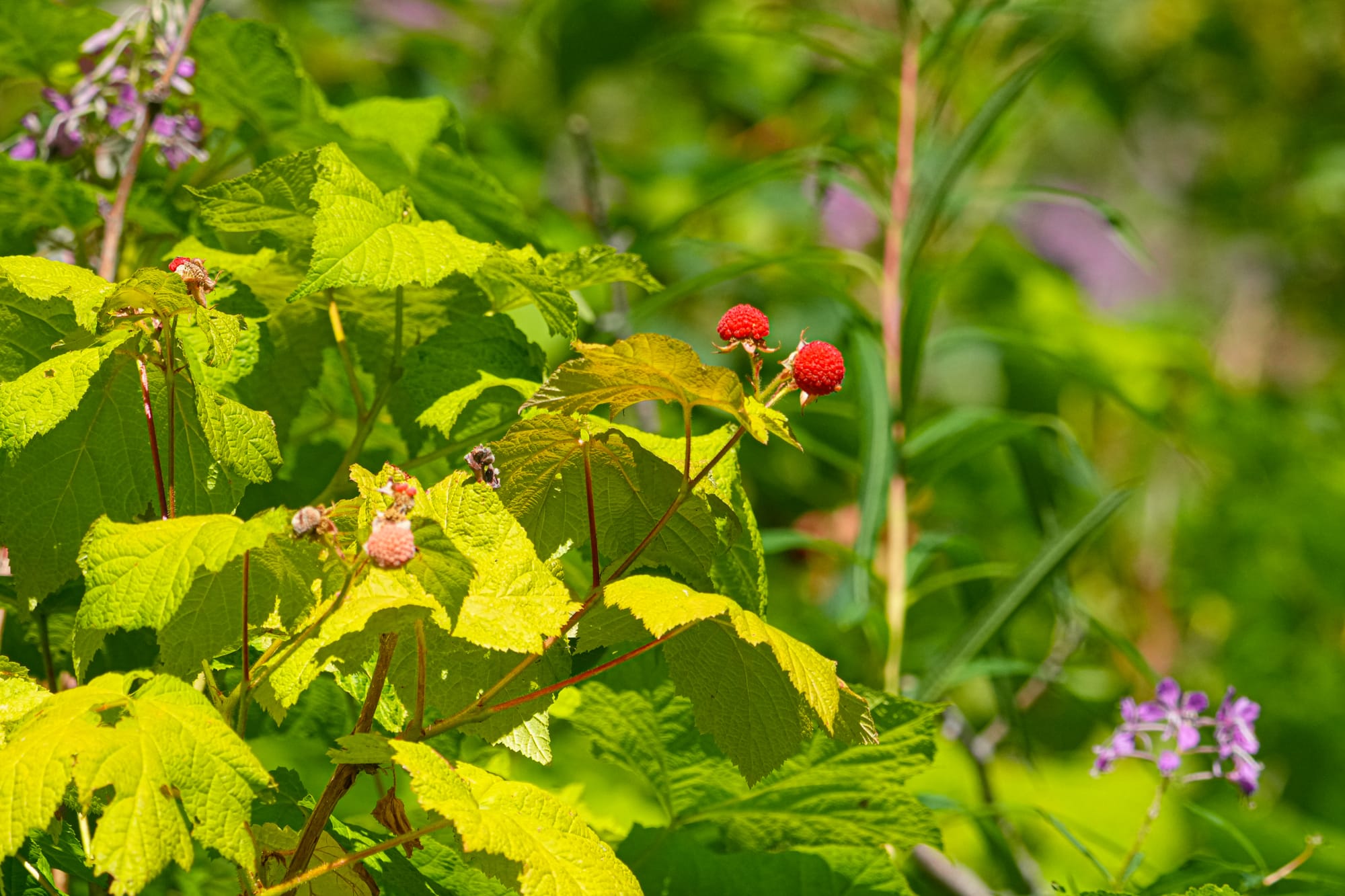
This is also a great time to begin looking for wild berries on your hikes. For example, I noticed lots of ripe thimbleberries and wild raspberries around the beaver pond and I wonder if huckleberries have started ripening in the mountains too?
So don't be discouraged by all this hot, smoky weather. Try to get out every chance you get because there's a lot to see right now!