A Flash of Rain
May 24-30, 2026


A major storm brought thunder, lightning, and several days of rain and high winds this week.
Week in Review
This same week a couple of years ago, I was writing about fresh snow and wondering if spring was ever going to arrive. Things sure have been different this year! Not only have we been experiencing an early spring, but we've already had many days of disturbingly high temperatures.
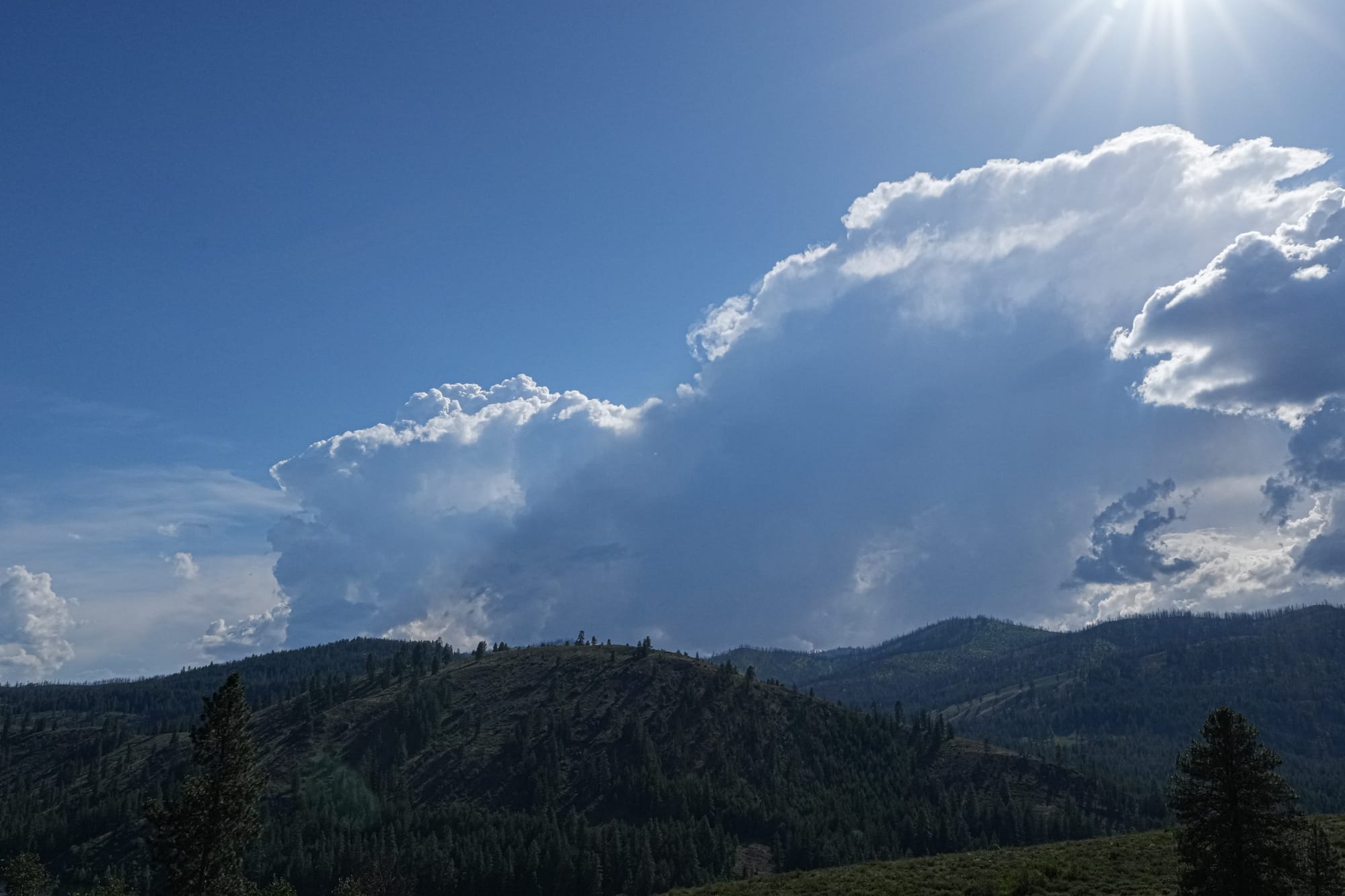
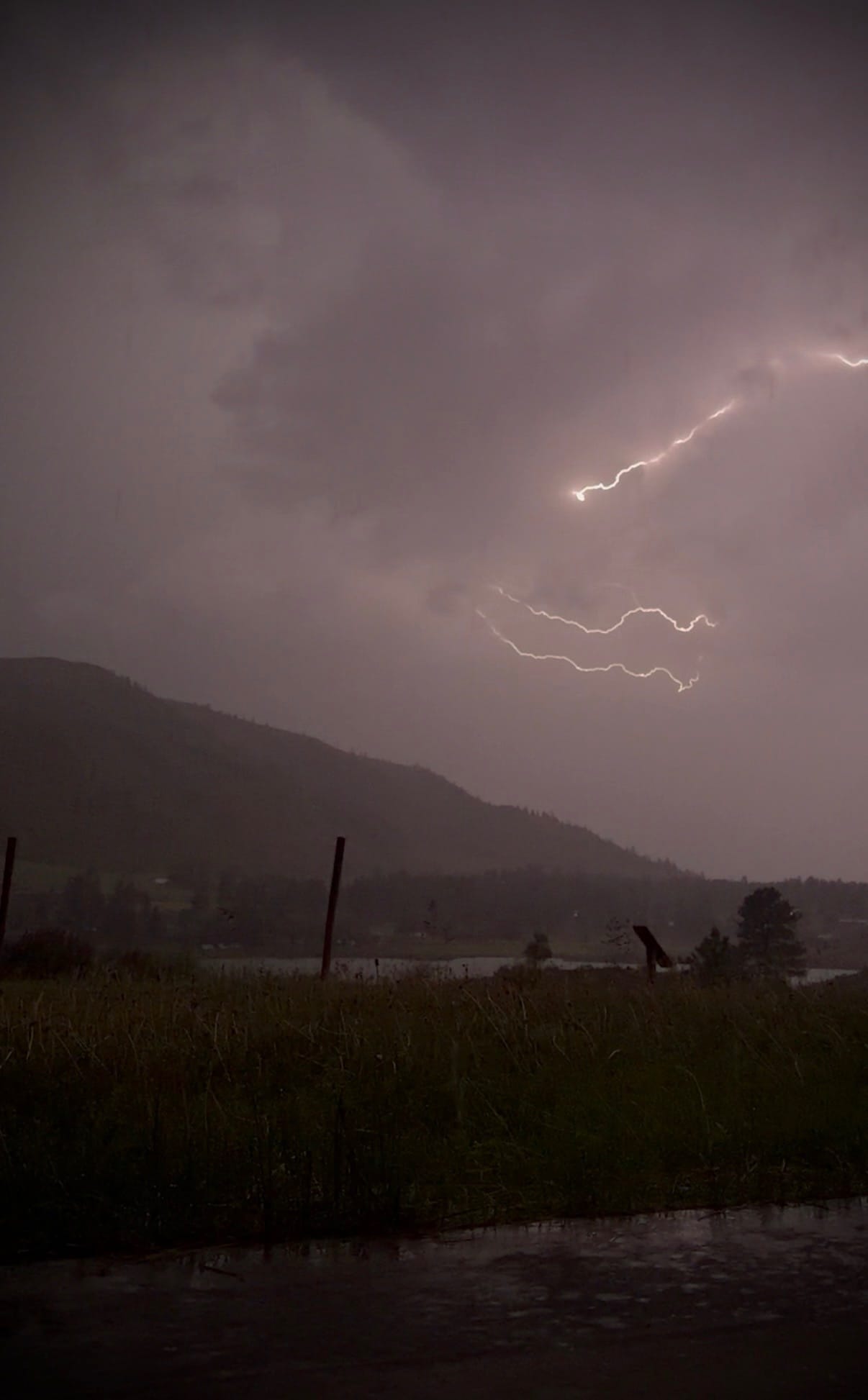
But those aren't the only chaotic weather patterns we've been experiencing because we also had a giant wall of clouds descend on the valley this week to deliver high winds, along with hours of crazy thunder and lightning, and a healthy dose of much-needed rain.
Otherwise, there have been a lot of hot, sunny days. The vegetation might be drying out, but fortunately there are still many pockets of flowers, and some spots are absolutely popping with color.
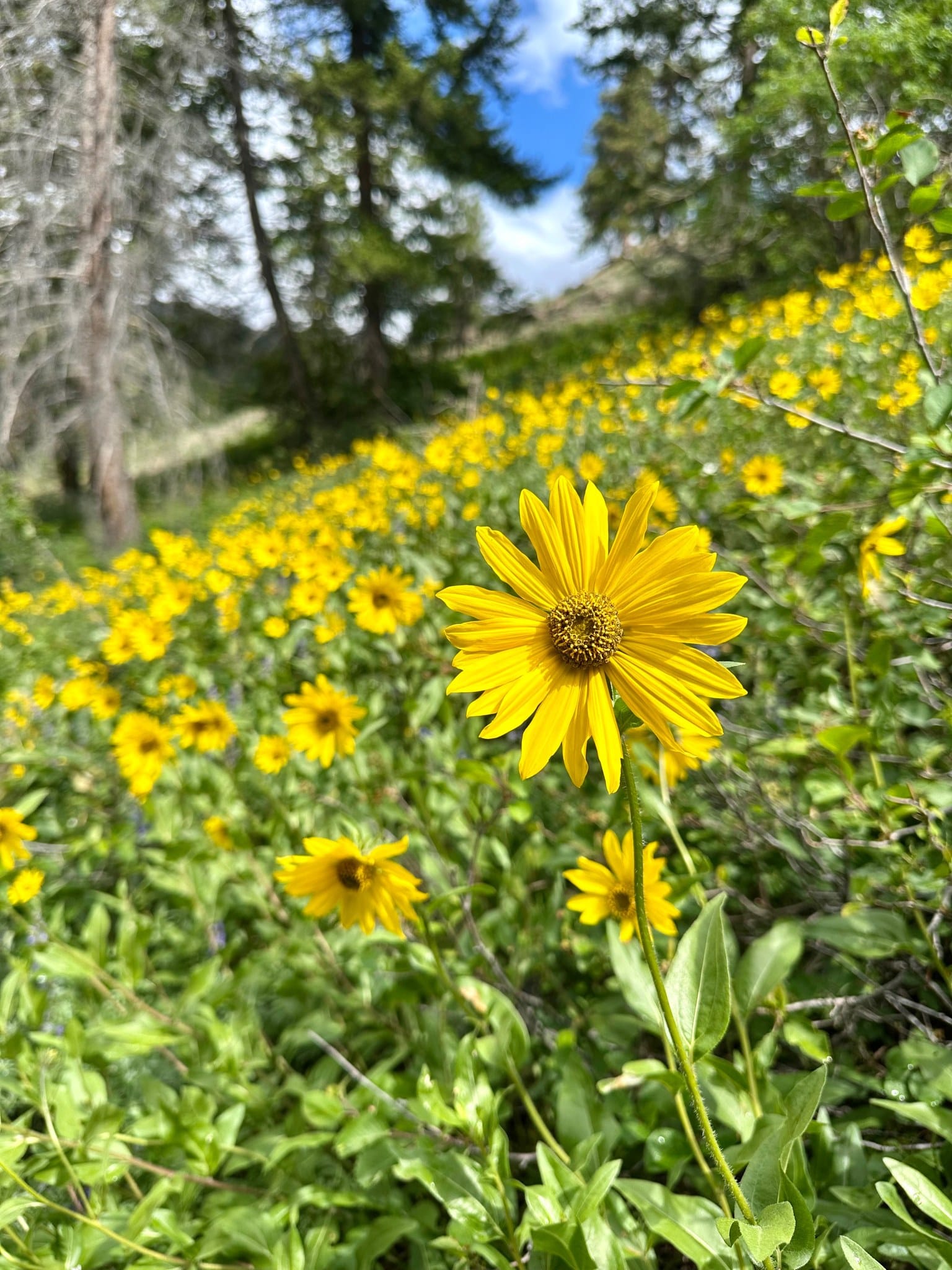
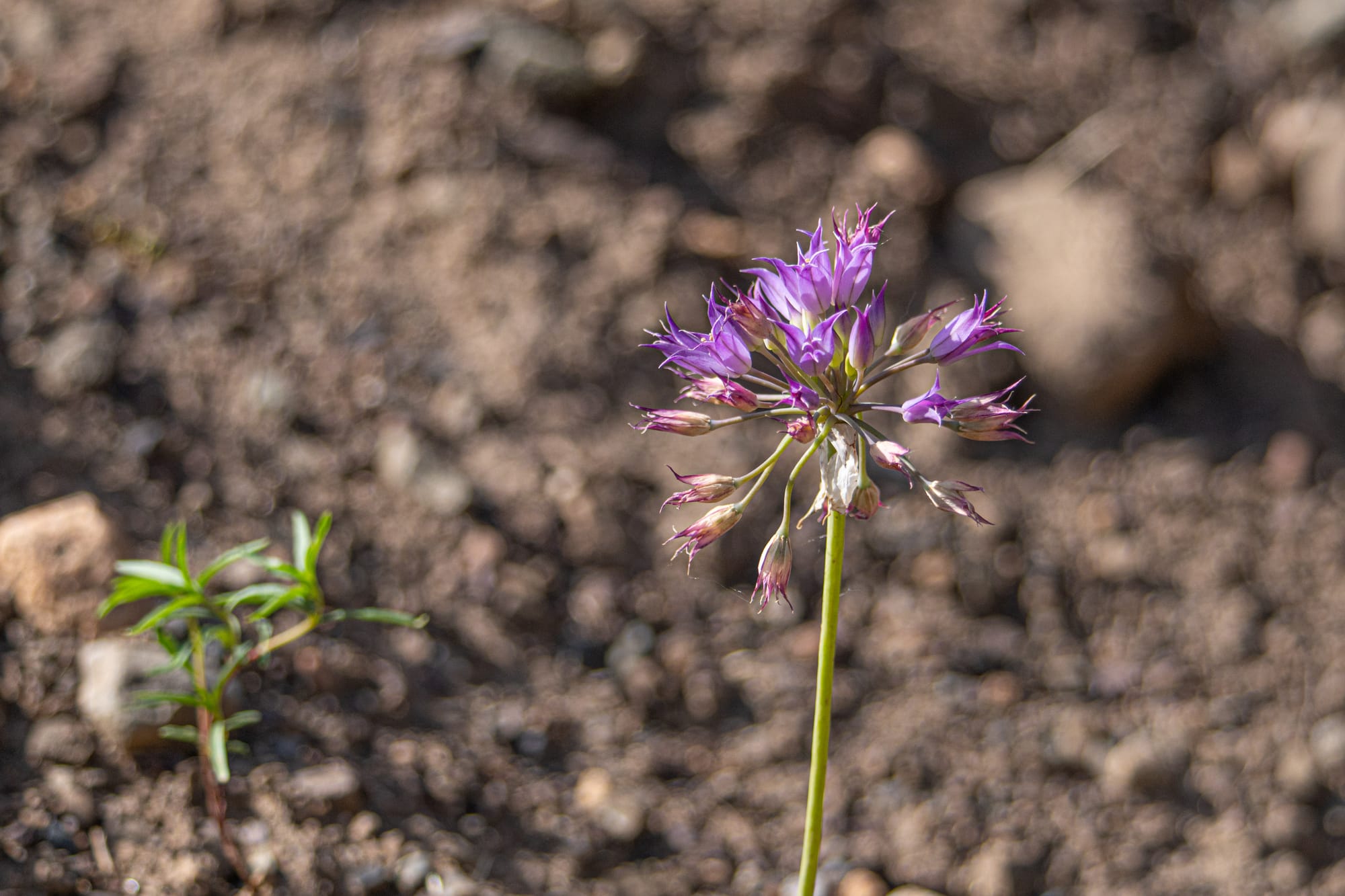
For example, the slopes of Patterson Mountain, especially near the top, are carpeted in purple onions and many other flowers right now. Wild onions are particularly interesting because their leaves dry out, leaving the tall flowering stalk looking as if they're emerging from bare ground.
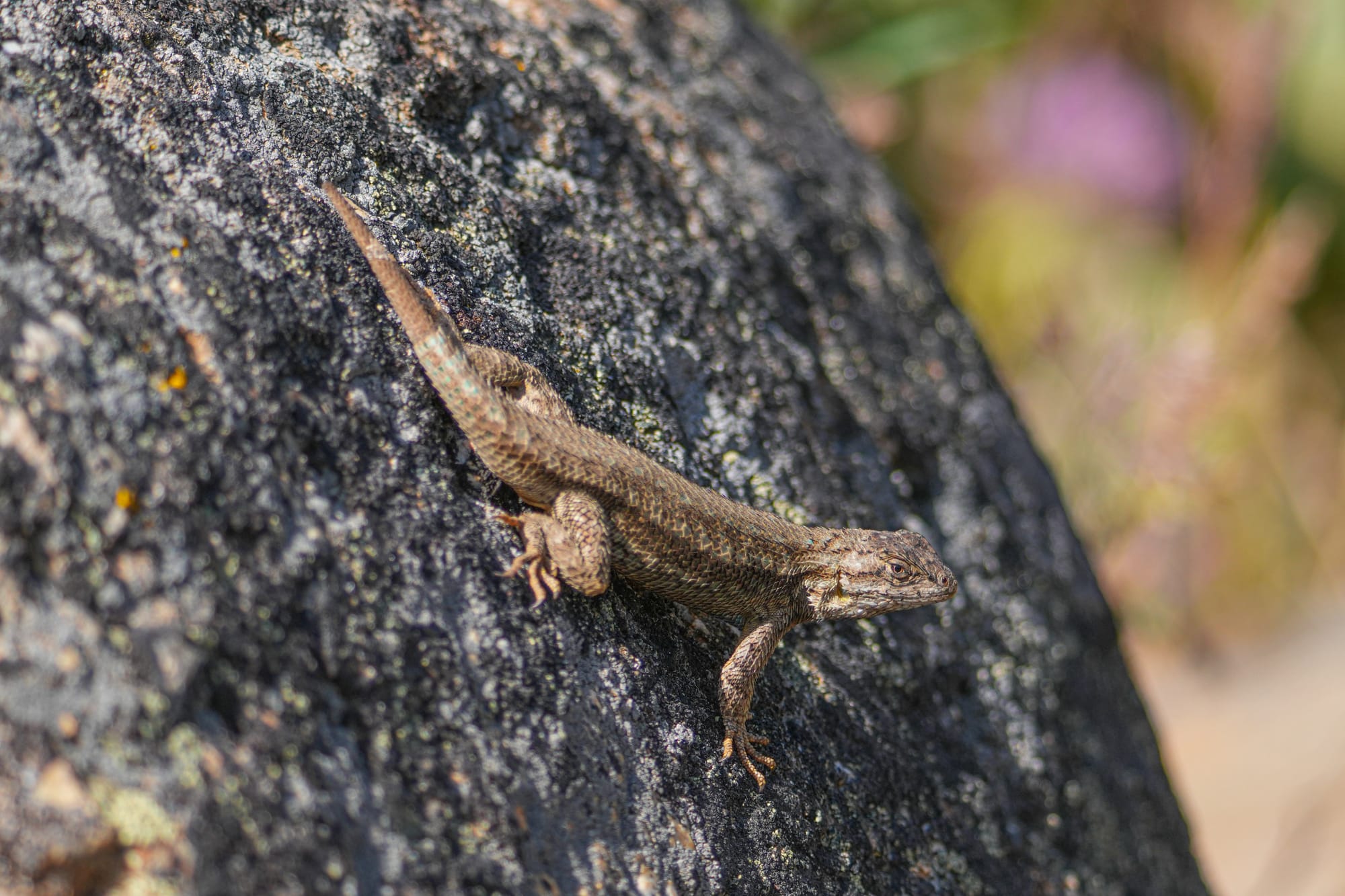
This might be a banner year for fence lizards or a fluke, but I've seen more of them in the past two months than all previous years combined, including a healthy number of juveniles that survived the winter. In previous years, I've wondered why I hardly ever see fence lizards so this might be a good sign.
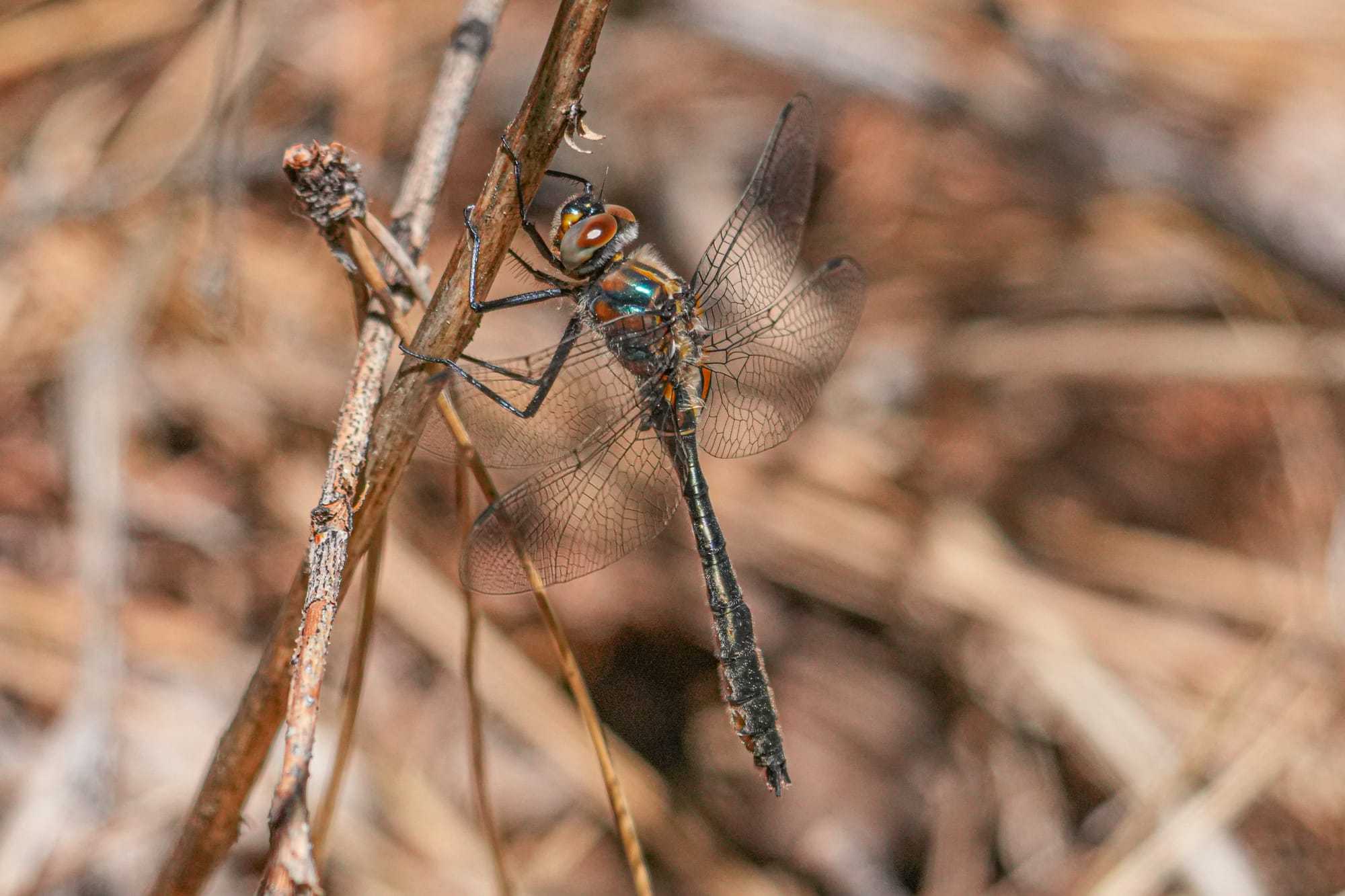
It's also been a delight to watch the succession of new insects appearing as the spring progresses, including the fabulous "observation of the week" below. Fo example, dragonflies are out in force now so it's time to dust off the old field guides and practice identifying as many as you can.
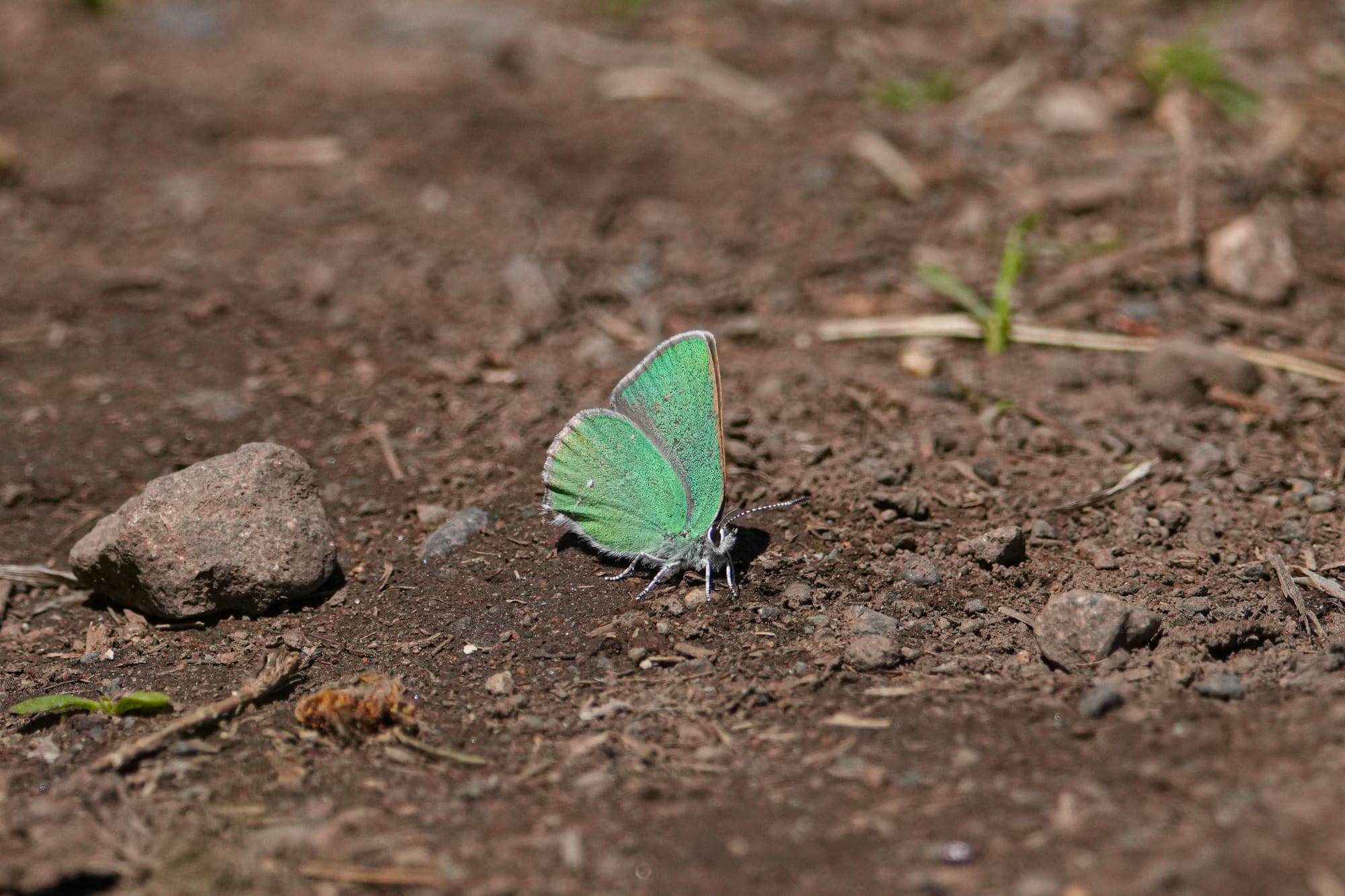
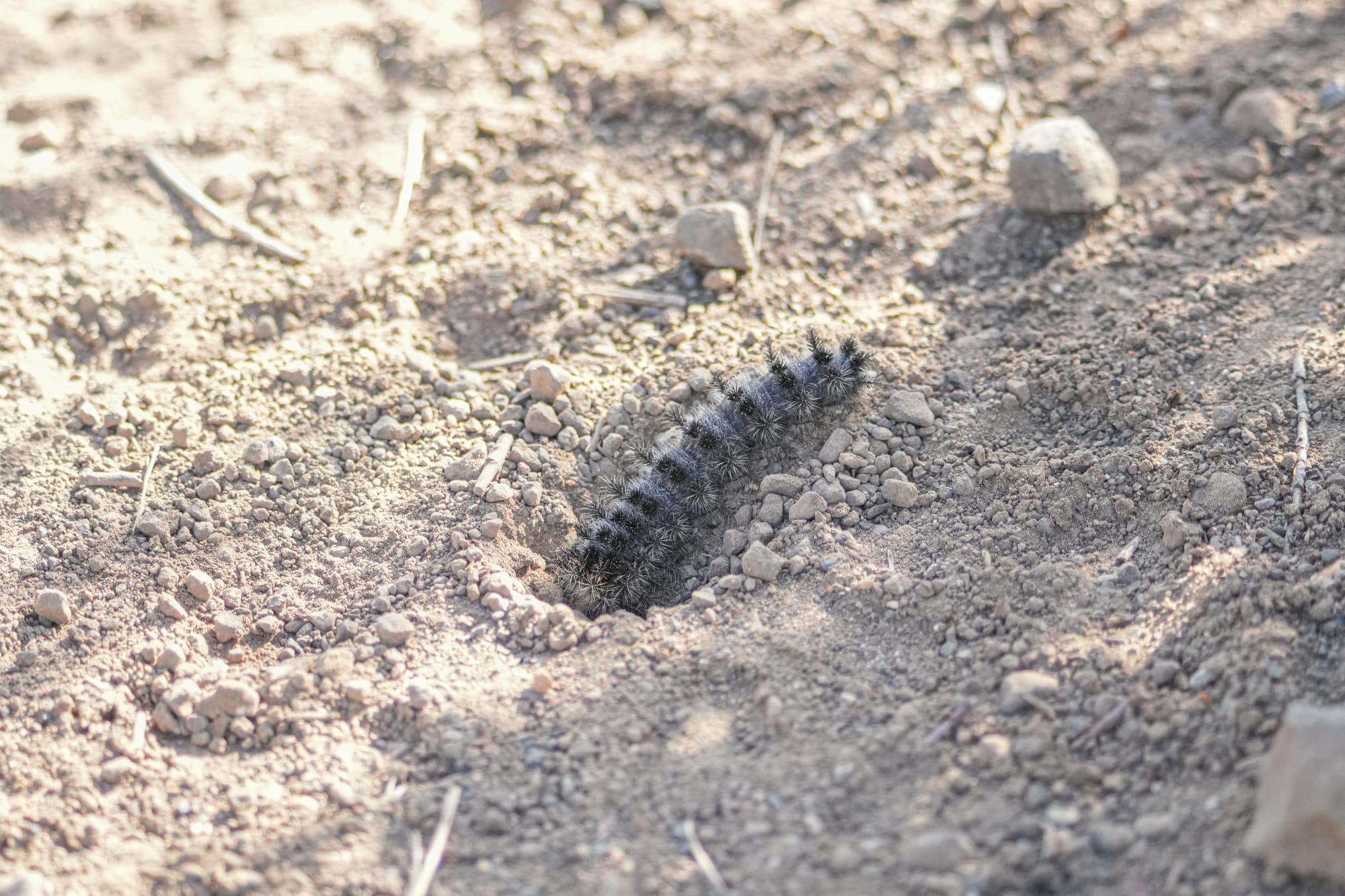
Butterflies can be equally challenging, but thankfully some are easy to identify, and it's fun to watch them even if you can't identify all of them. Surprisingly, I even spotted a large caterpillar already digging a hole so it could bury itself and prepare to pupate!
Finally, you might have been noticing that the cottonwoods have begun releasing immense numbers of airborne seeds. Looking into the backlit sun the other day there were so many seeds falling out of the sky that it felt like it was snowing, and drifts of seeds are starting to pile up in spots. It might be a bit of a headache for us, but cottonwoods have a hard time finding suitable sites to germinate so they need to produce tons of seeds.

Observation of the Week: Western Brown Mantidfly
In the category of truly bizarre insects, a most remarkable critter was reported this week. The western brown mantidfly has been described as a cross between a paper wasp, praying mantis, and lacewing, and I've never seen anything like it before!
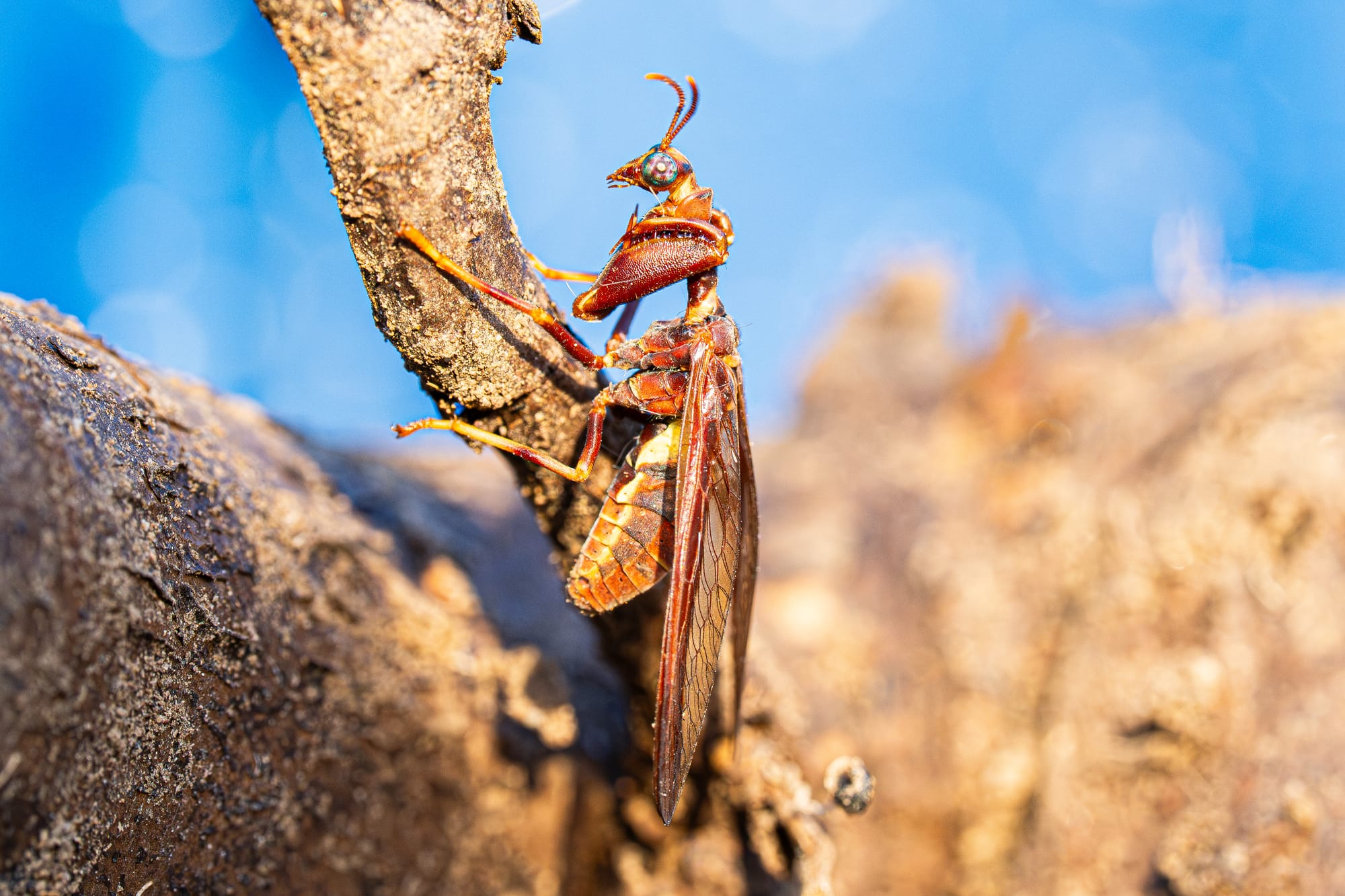
These astonishing insects are rarely seen. According to Pacific Northwest Insects, there are two species in Pacific Northwest, and one of the species has been photographed only once in Washington.
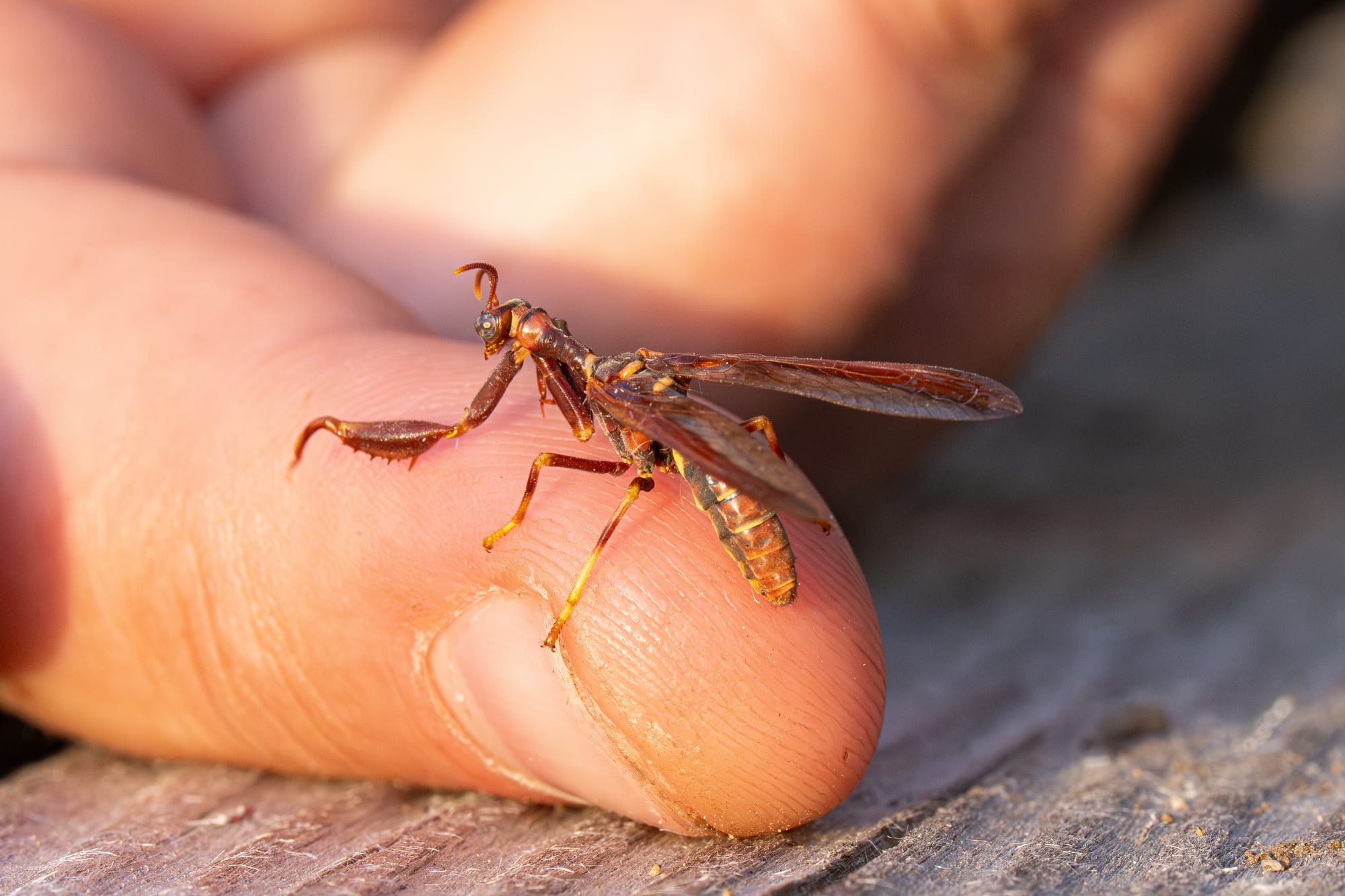
Of the two species, the western brown mantidfly (Climaciella brunnea) is the one you're most likely to see, and they're unmistakable because they have two-toned wings and look like golden paper wasps.
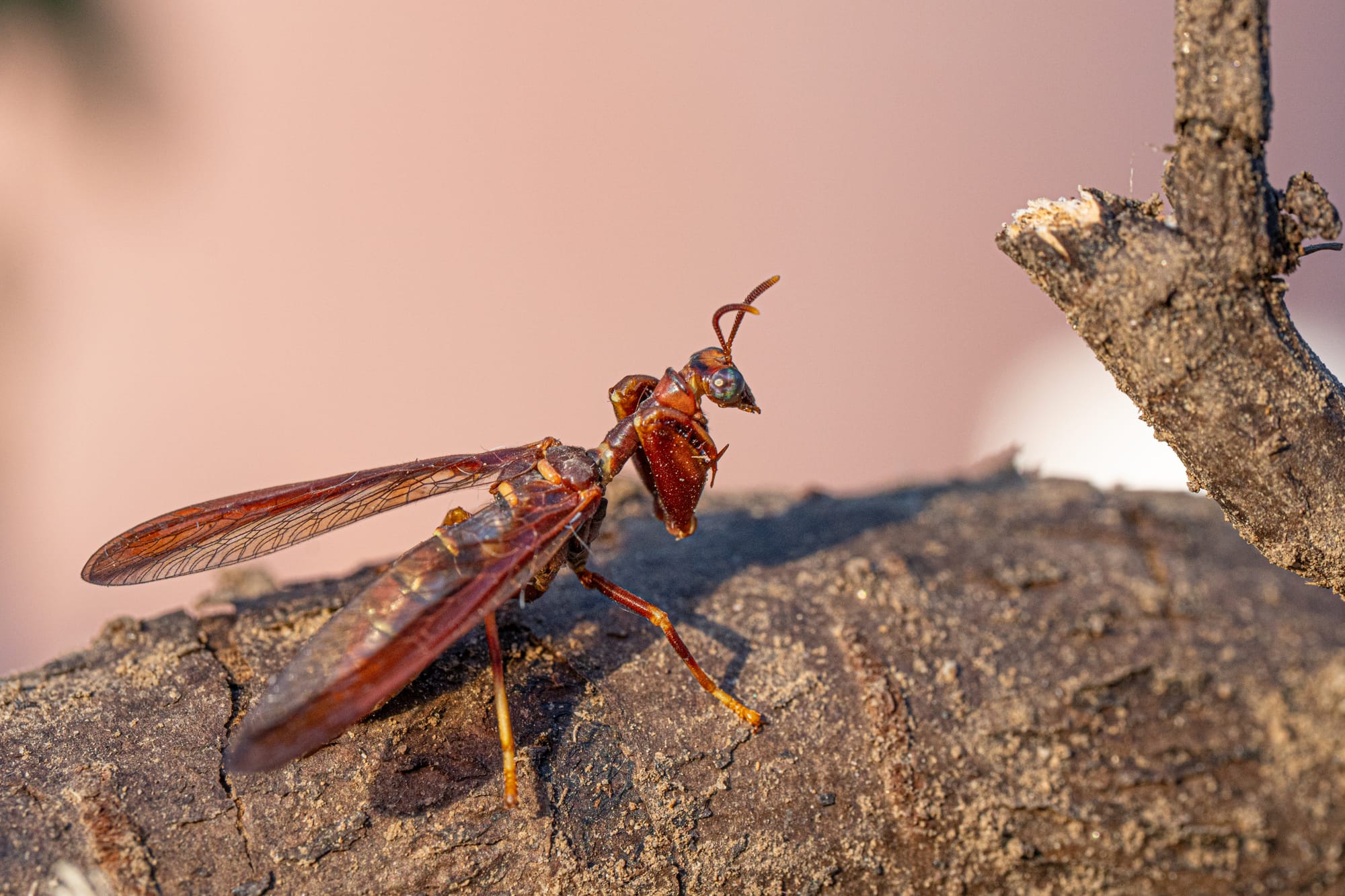
Adult mantidflies gather on flowers and eat small insects, but what's most bizarre about them is how their larvae live. Female mantidflies lay large batches of eggs on leaves, and when their larvae hatch, they use special suckers at their rear ends to attach to leaves and then wave around waiting for spiders to pass by.
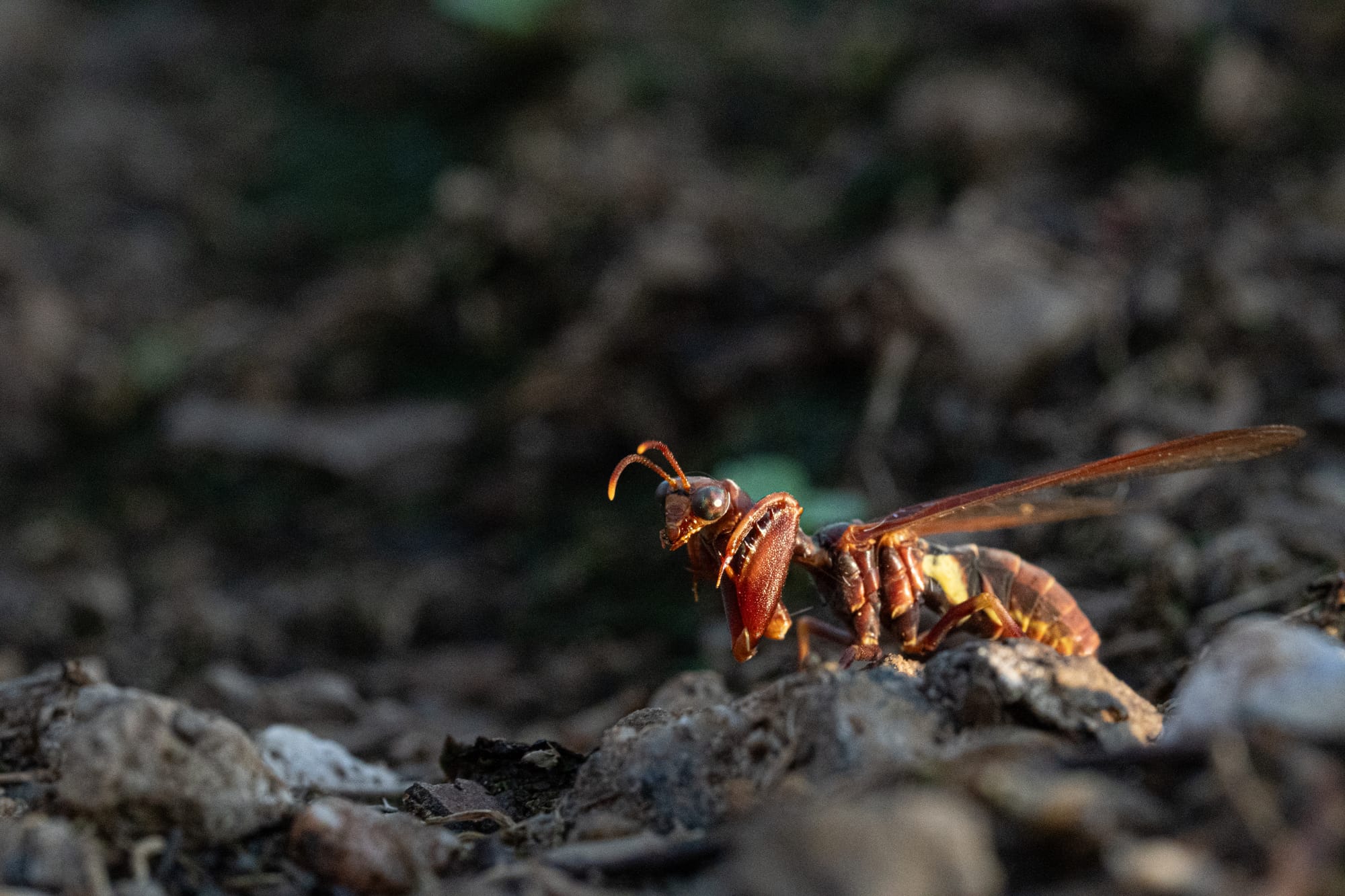
Once they've found a spider they jump on board, suck the spider's blood, and wait for the spider to lay eggs (if the spider is a male, they switch to the female during copulation). Then the larvae enter the egg sac, eat all the spider eggs, and pupate into adult mantidflies. Truly a bizarre insect!
