Incoming Hot
June 14-20, 2026

Isn't it a tad early to be this hot already?
Week in Review
Despite a day or two of moody, overcast skies, temperatures have been generally high and days mostly sunny this week. While there's still a lot going on in the natural world, things have quieted down because most birds are discreetly feeding babies rather than singing and fighting over territories.
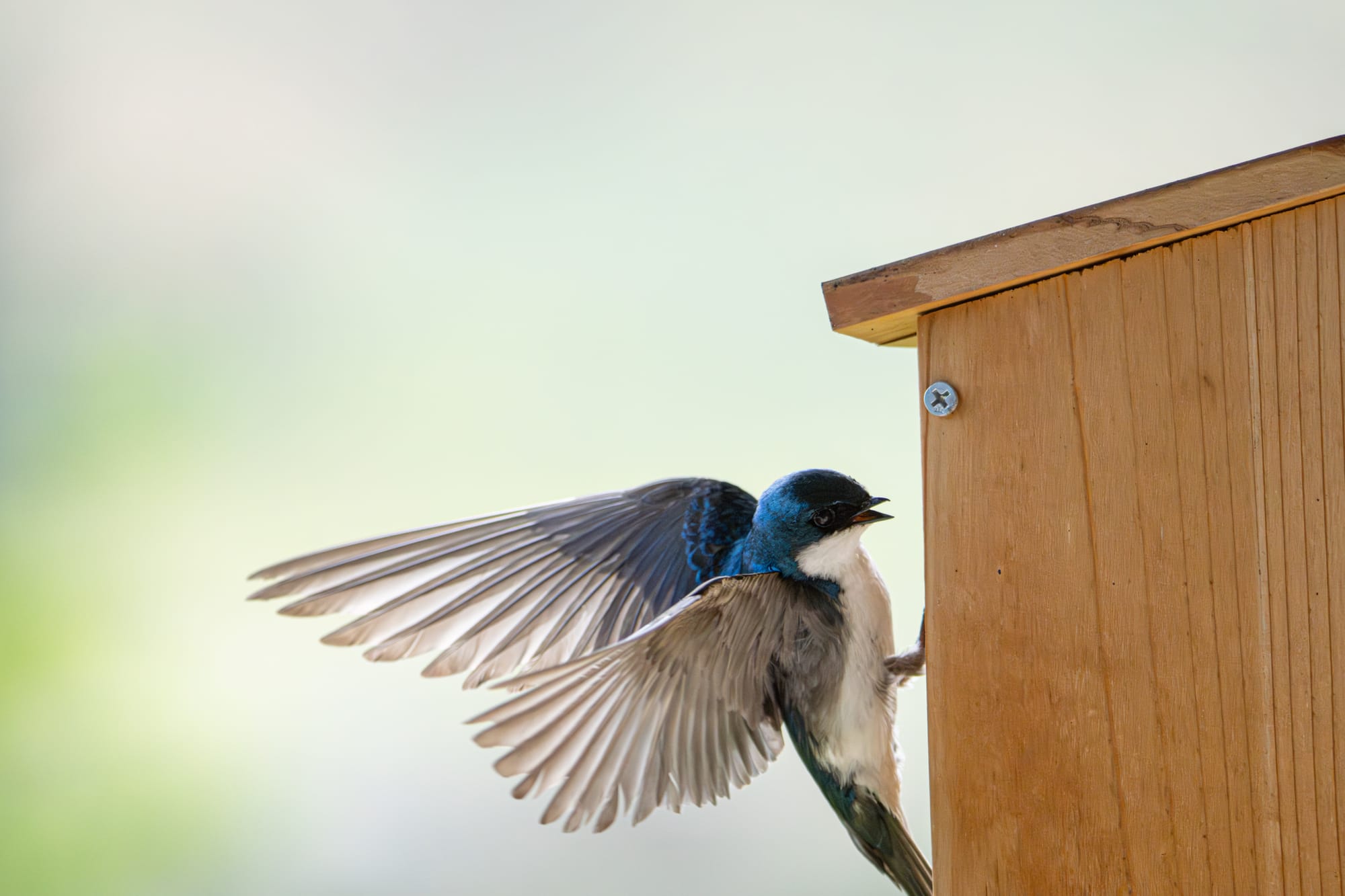
One exception might be the buzz around nest boxes as swallows begin a second round of nesting efforts. Over the past couple of days, swallows have begun fighting, chasing, and courting all over again. In fact, it's early enough in the summer that other birds could also be starting second nesting efforts, but this would be a challenging behavior to detect unless you have a nest box that you're watching every day.
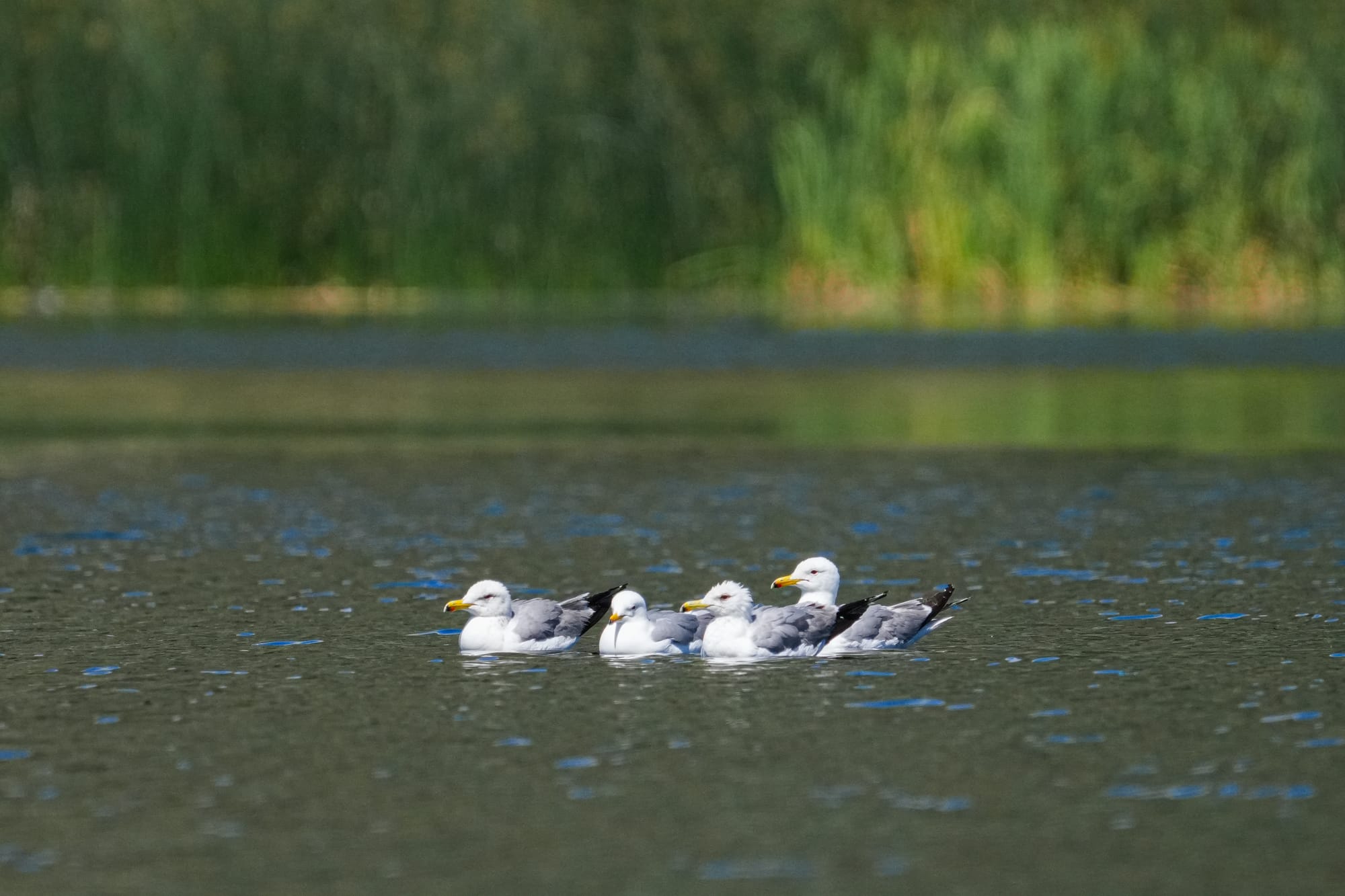
In addition to the hustle and bustle of local birds, we got a hint of a larger movement when four California gulls stopped by Big Twin Lake. I'm not sure what's going on here because we're not close to a breeding colony, so it's not likely that these were breeding adults looking for food, but it's also too late for migrating birds to arrive for breeding and too early for birds to finish nesting and begin heading south. My best guess is that these birds might be failed breeders simply wandering around until the breeding season is over.
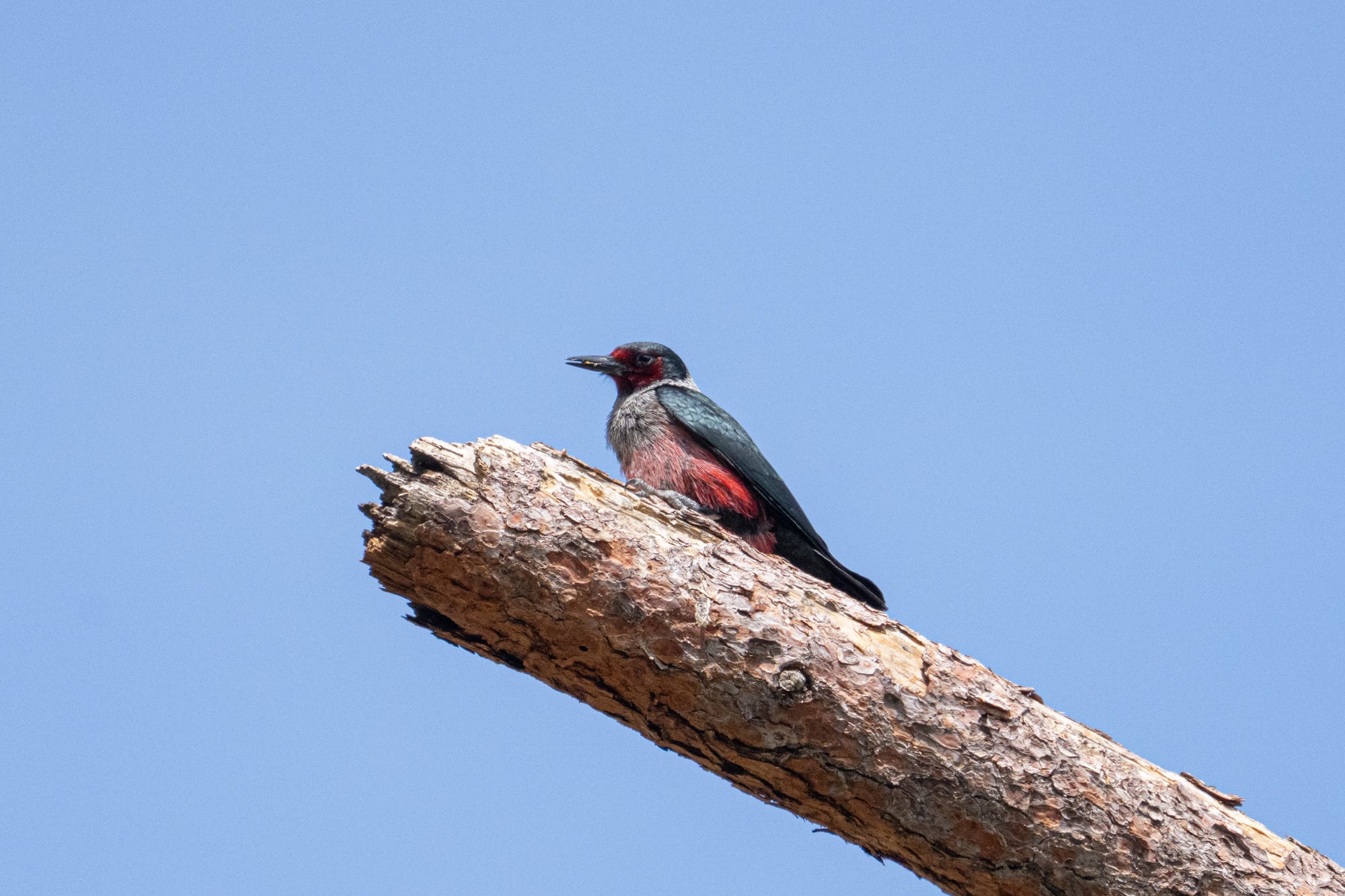
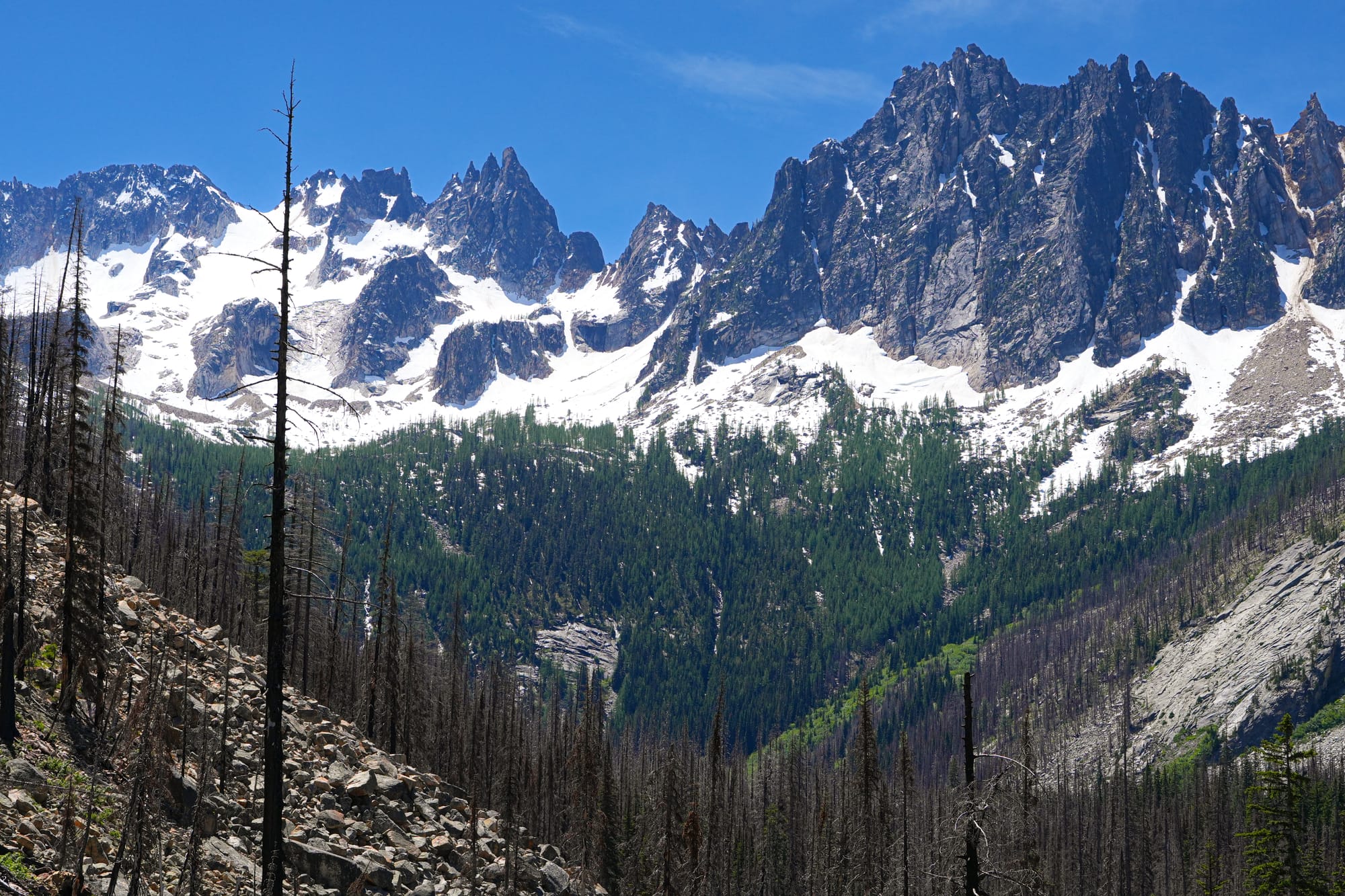
I've also been noticing a lot of activity in open, sunny areas that have been burned in past years. For example, one of our most interesting birds, Lewis's woodpeckers, nests almost exclusively on the weathered snags left after fires, so in some areas, they are common and conspicuous.
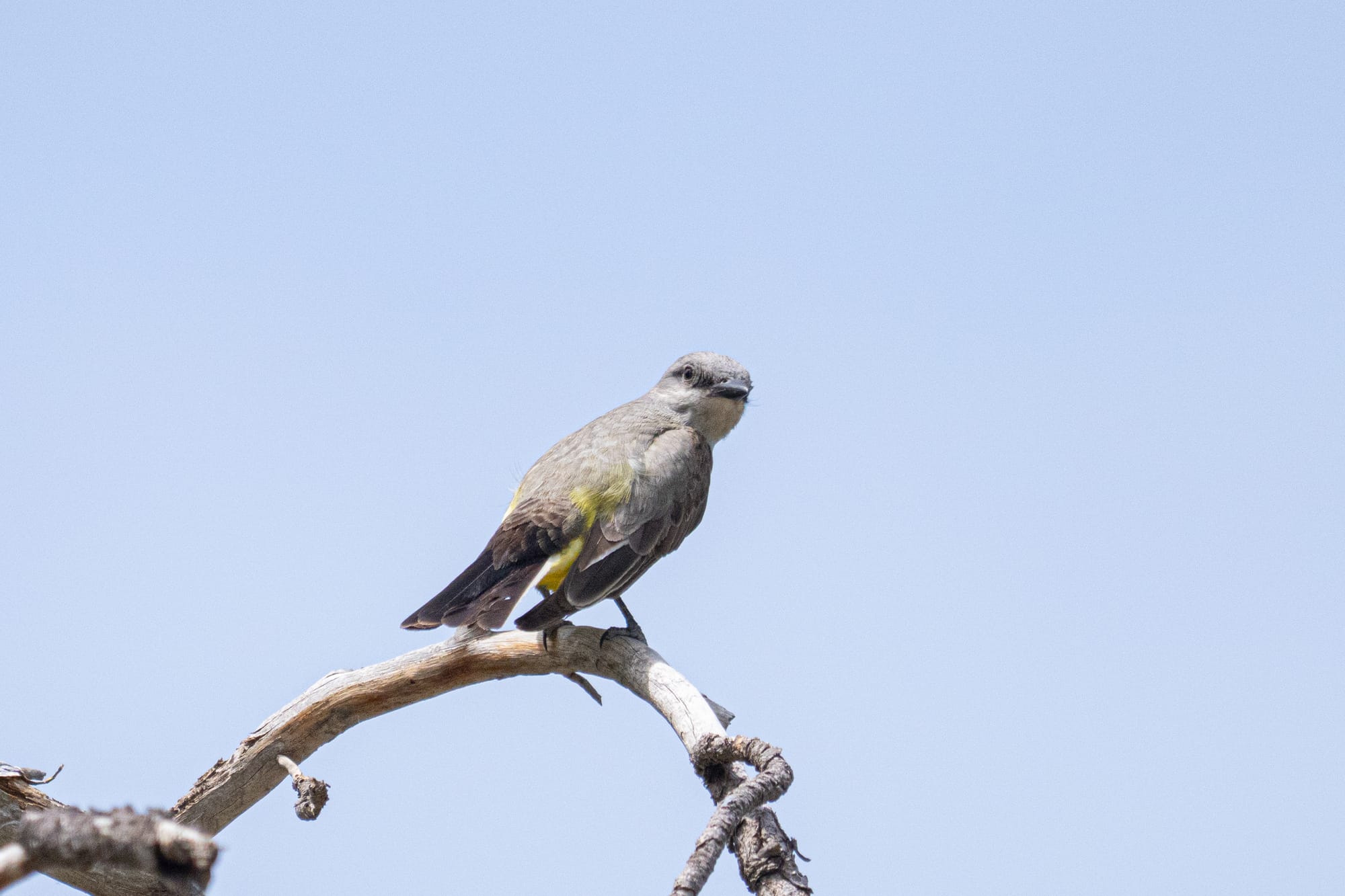
Western kingbirds are also drawn to these areas, not because these birds need fires, but because fires create the open, shrubby habitats that they favor. Kingbirds are one of the most common birds you'll see sitting on fences and power lines as you drive through open rangelands.
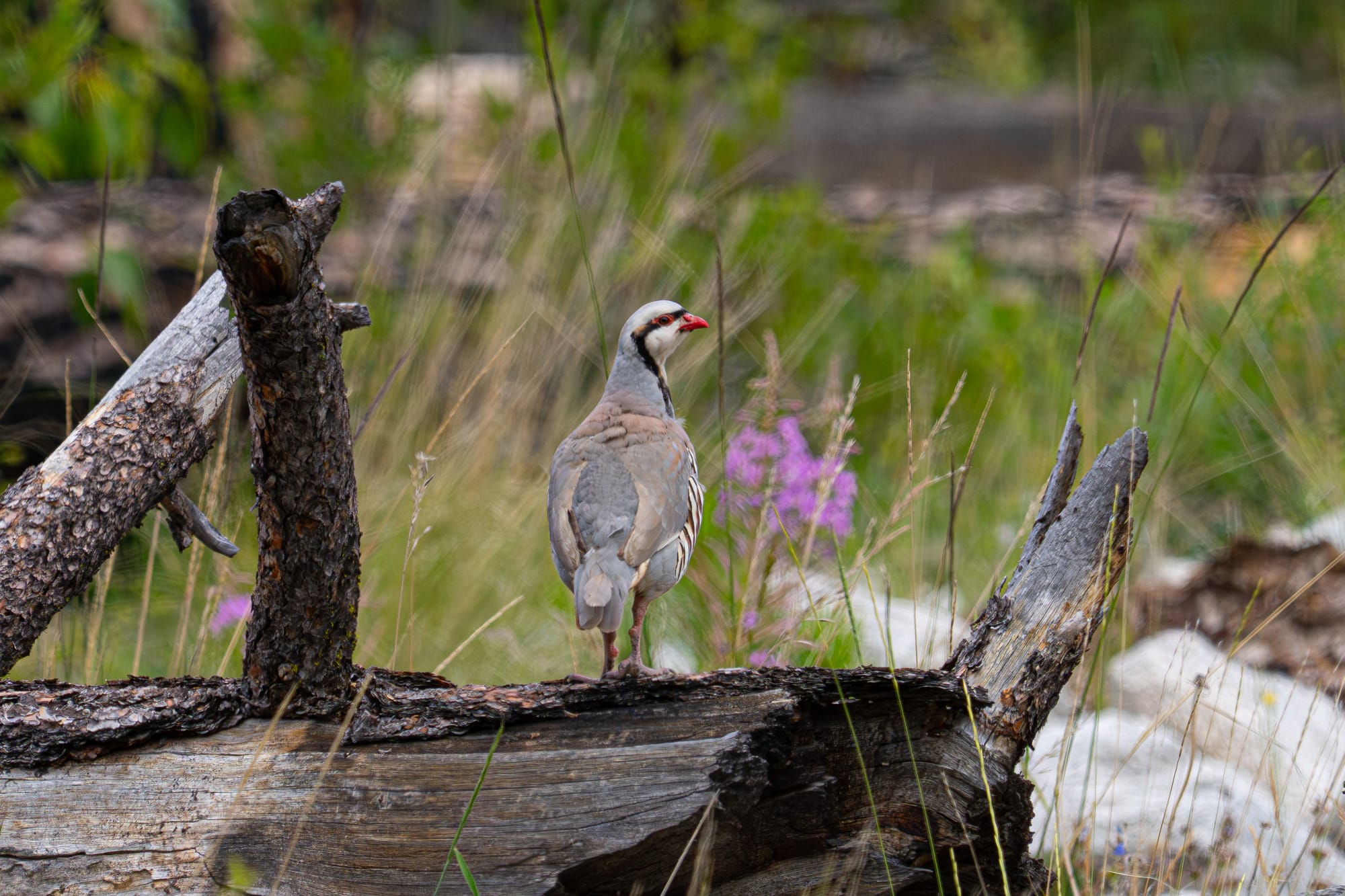
I'm not a fan of introduced birds, but I was still excited to get a very rare glimpse (and photograph!) of a noisy group of chukars this week. You'll occasionally hear their loud chu-kar calls on a distant hillside, but these popular game birds are extremely wary and disappear as soon as they notice your presence. I've actually only seen them a few times in my life and have never gotten anything more than a very far, fuzzy photograph.
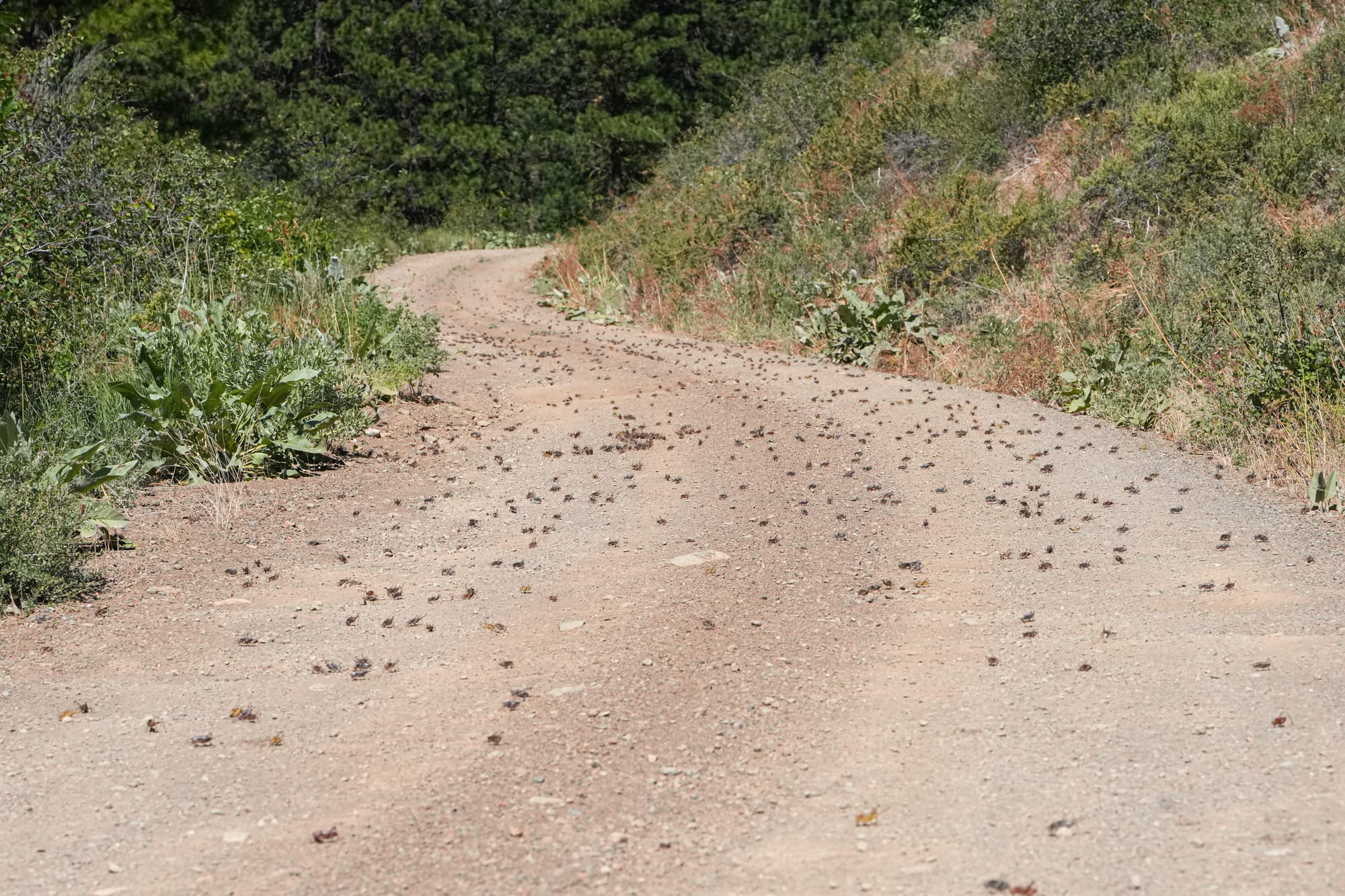
One other notable, if not spooky, sighting this week was a huge outbreak of Mormon crickets along Poorman Creek Road. These large insects are normally solitary and green-colored, but some years they begin roaming more than a mile a day to join swarms that can number in the millions. In these crowded conditions, they turn brown and undergo other physiological changes, including becoming cannibalistic. And, when they gather on roads, it makes driving unpleasant!
I still haven't gotten out on any high mountain hikes, but there's a wonderful variety of flowers blooming in mid-elevation forests. On one hike, the most common flowers were small and easily overlooked white-flowered hawkweeds (Hieracium albiflorum), along with twinflowers (Linnaea borealis), an even smaller flower that carpets the ground in moist, shaded forests.
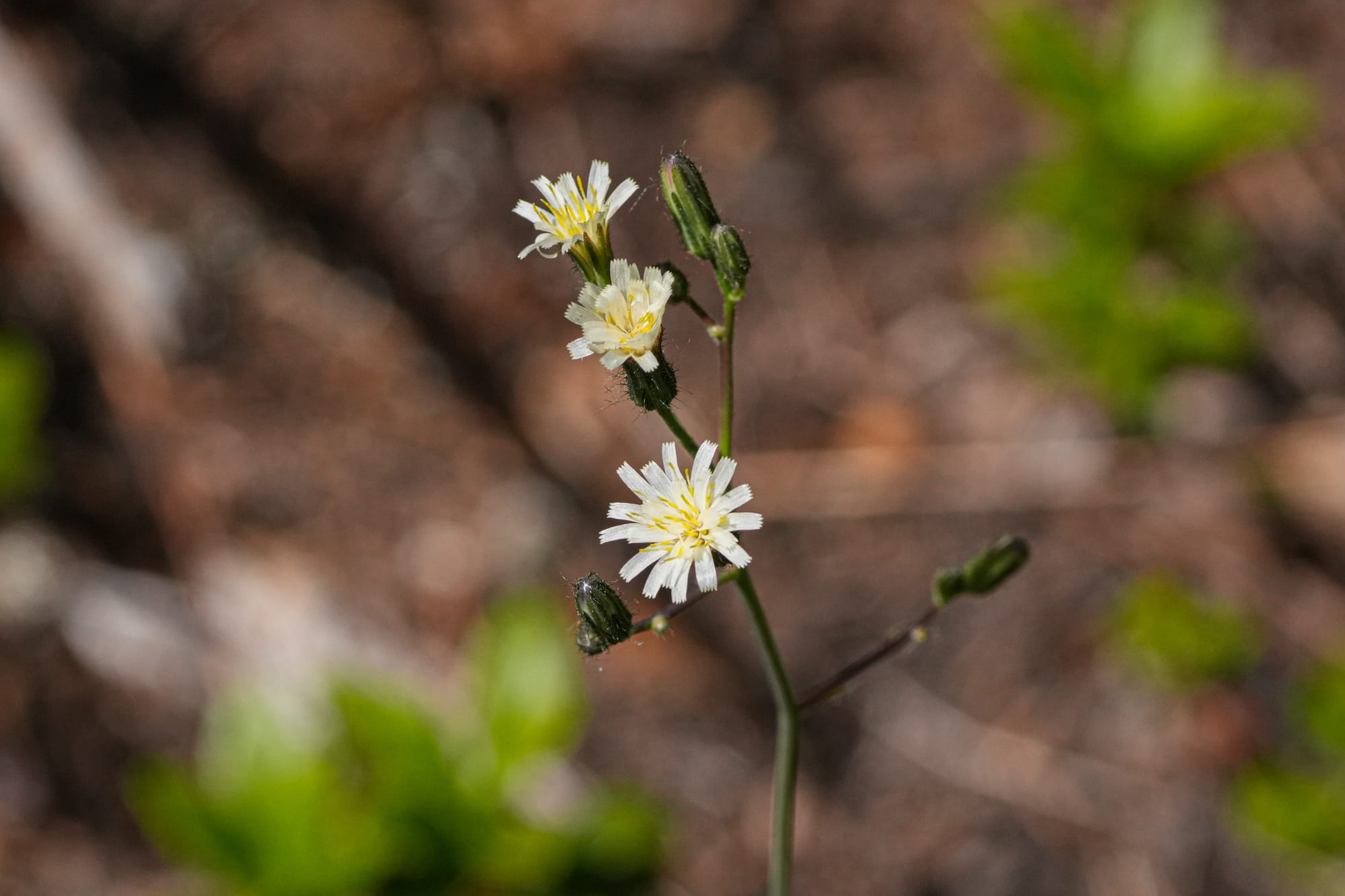
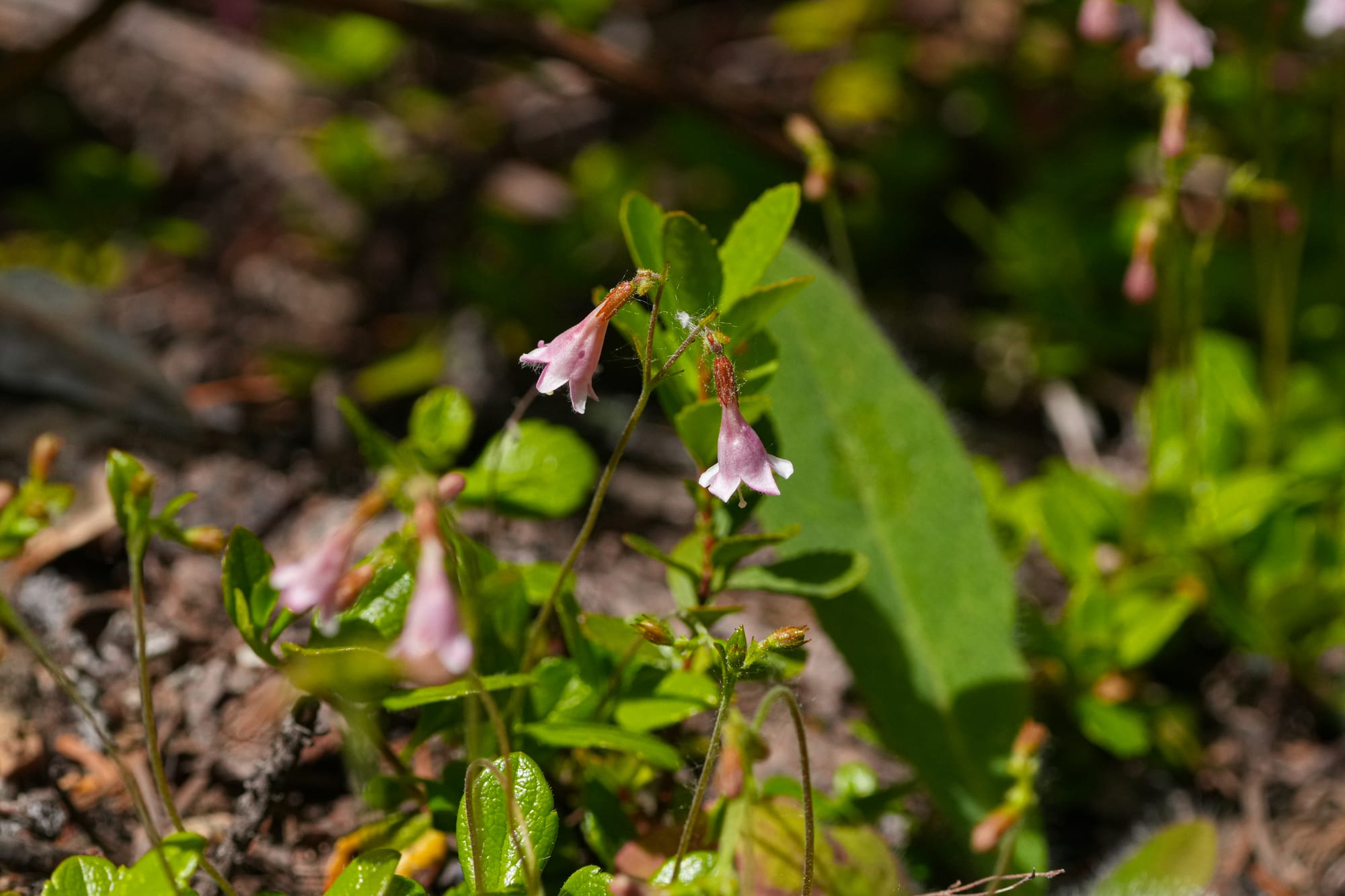
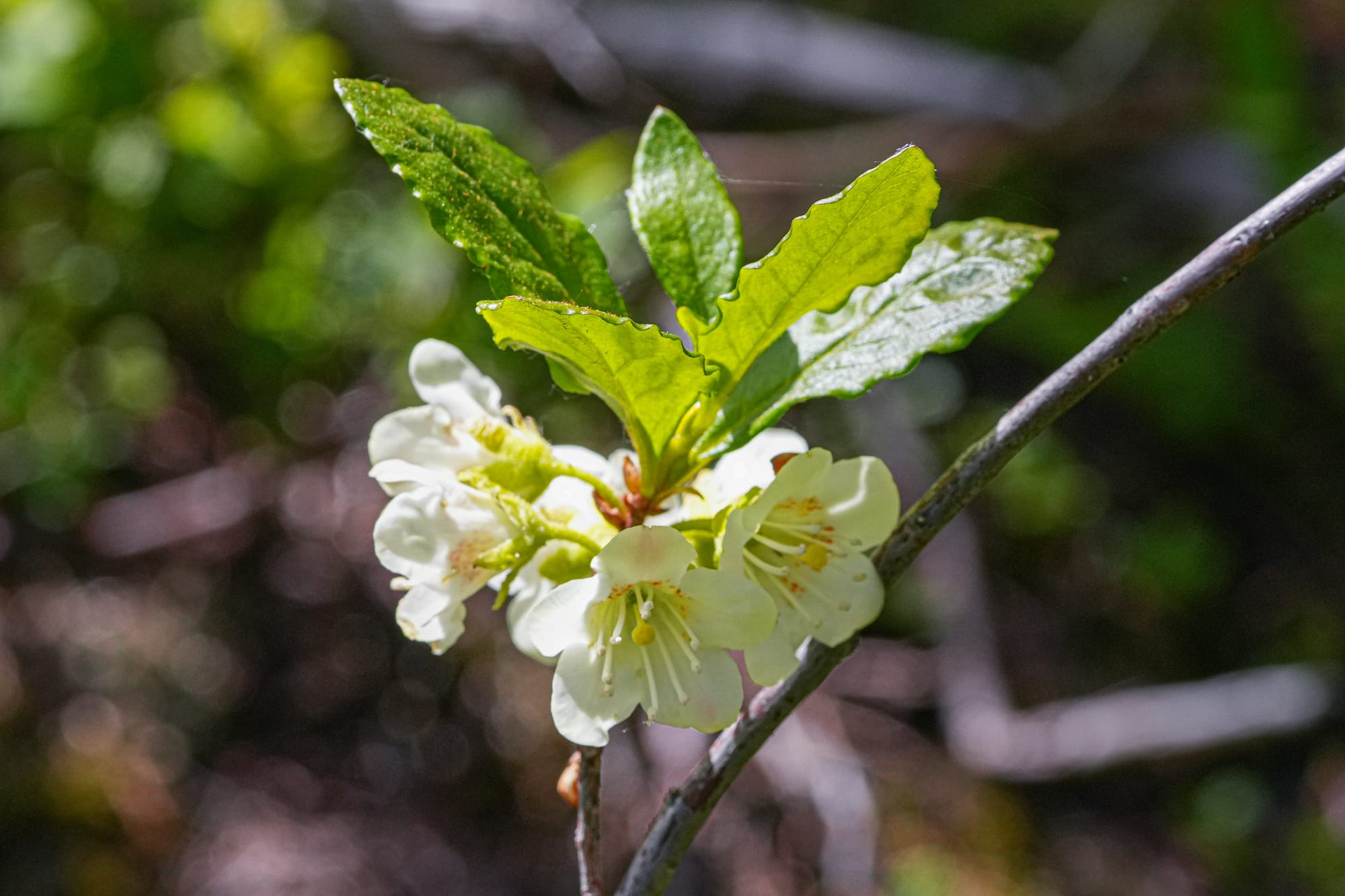
Here's a selection of some other mid-elevation flowers that I've been noticing this week:
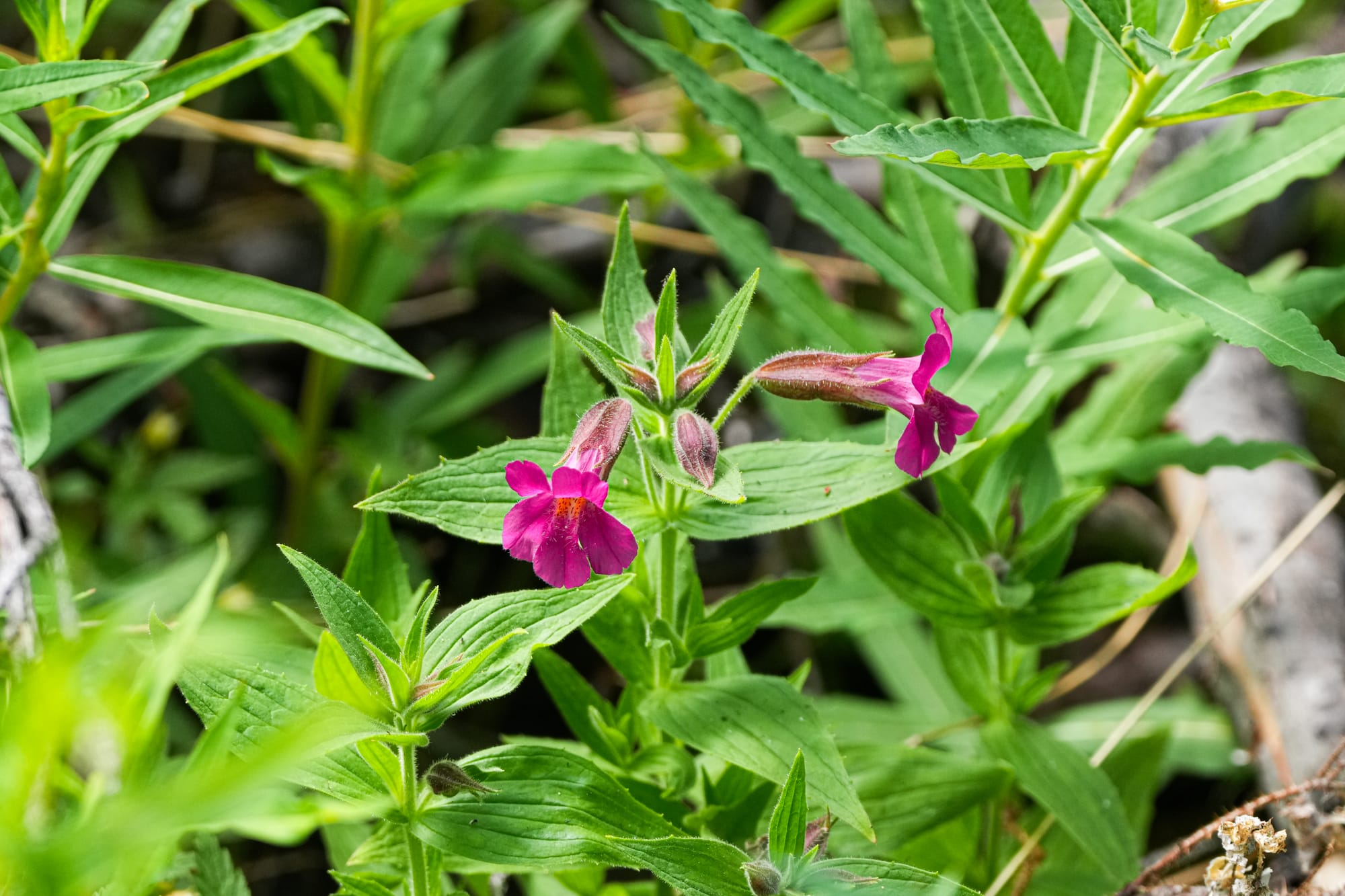
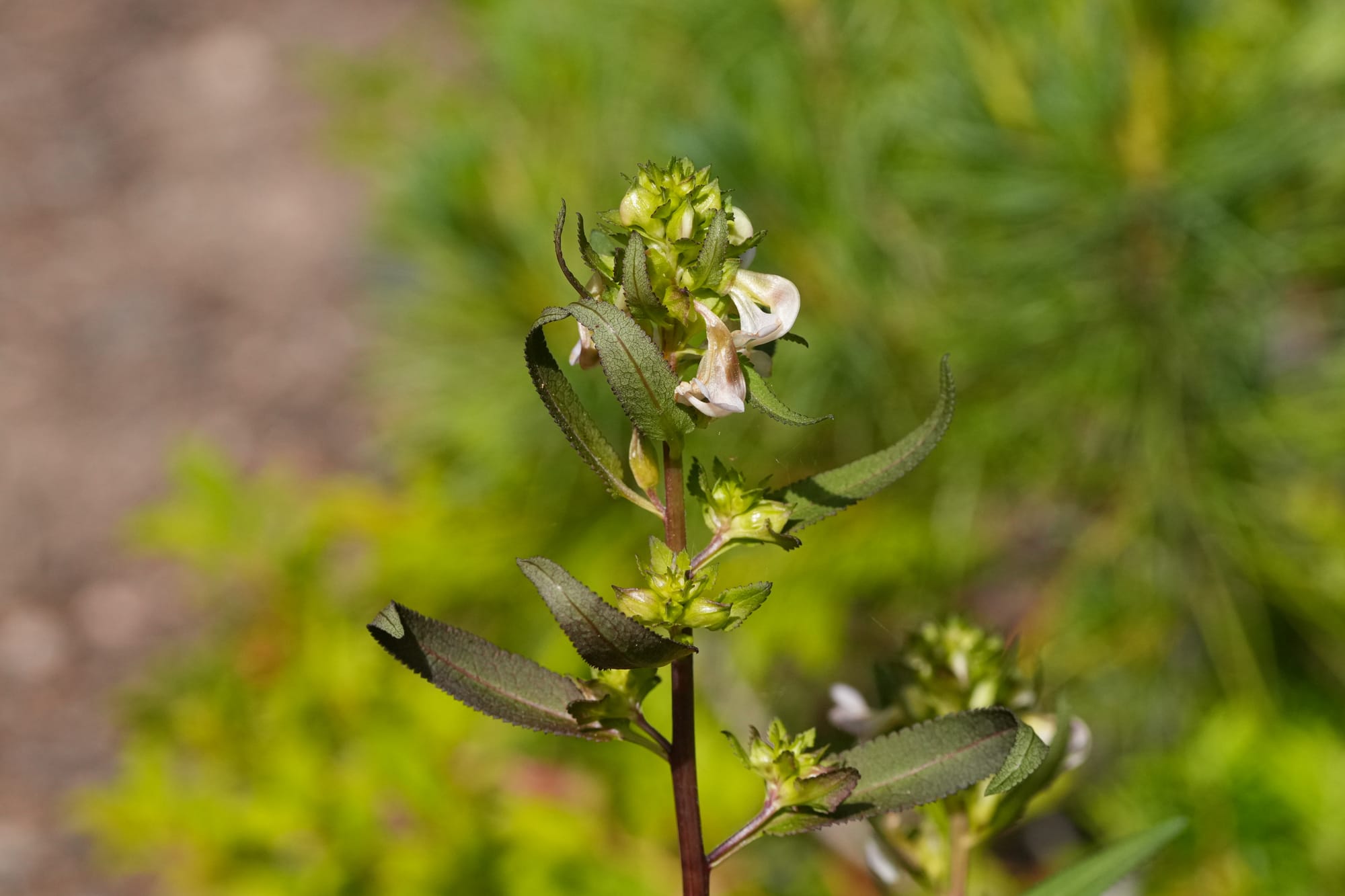
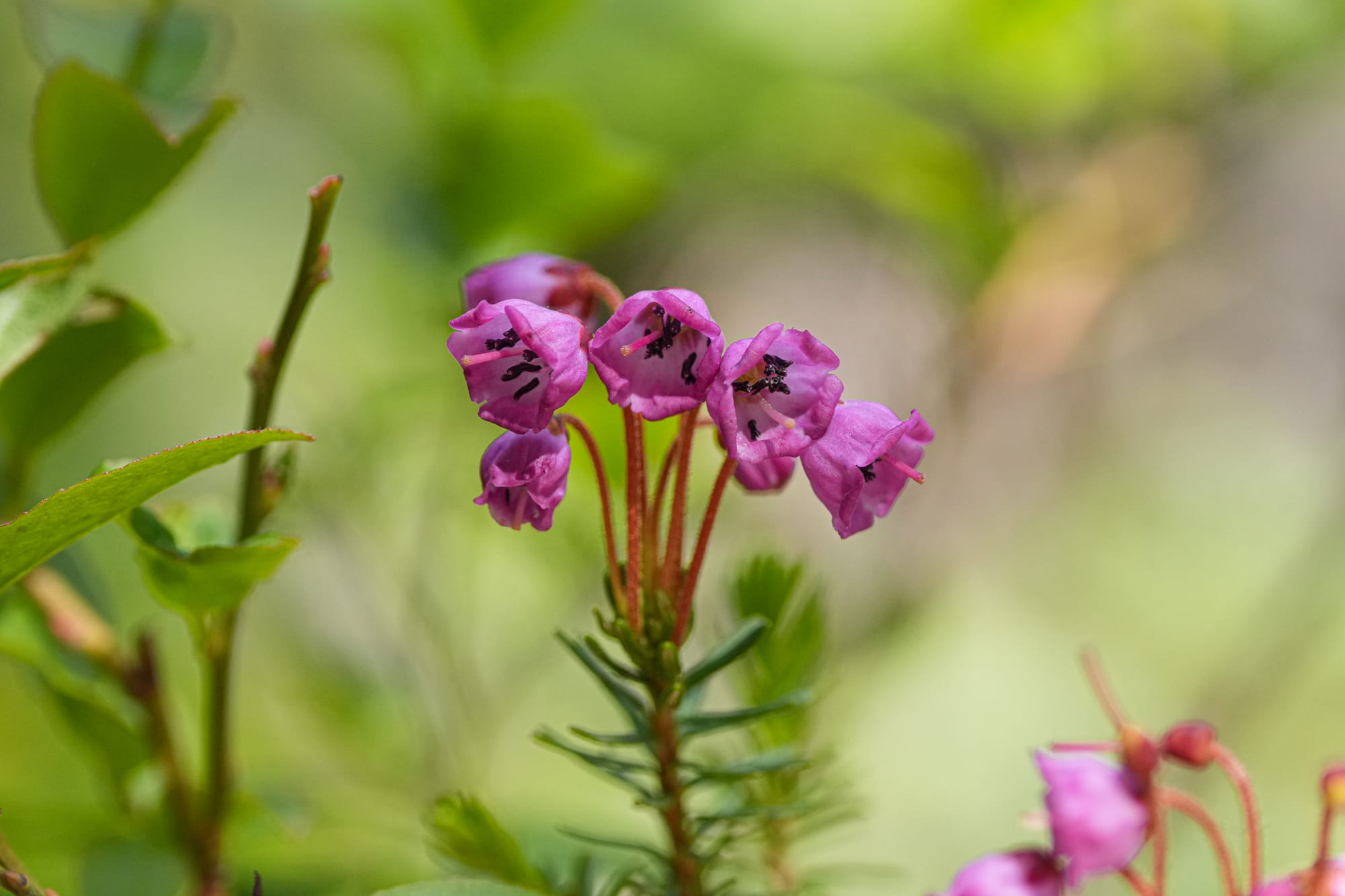
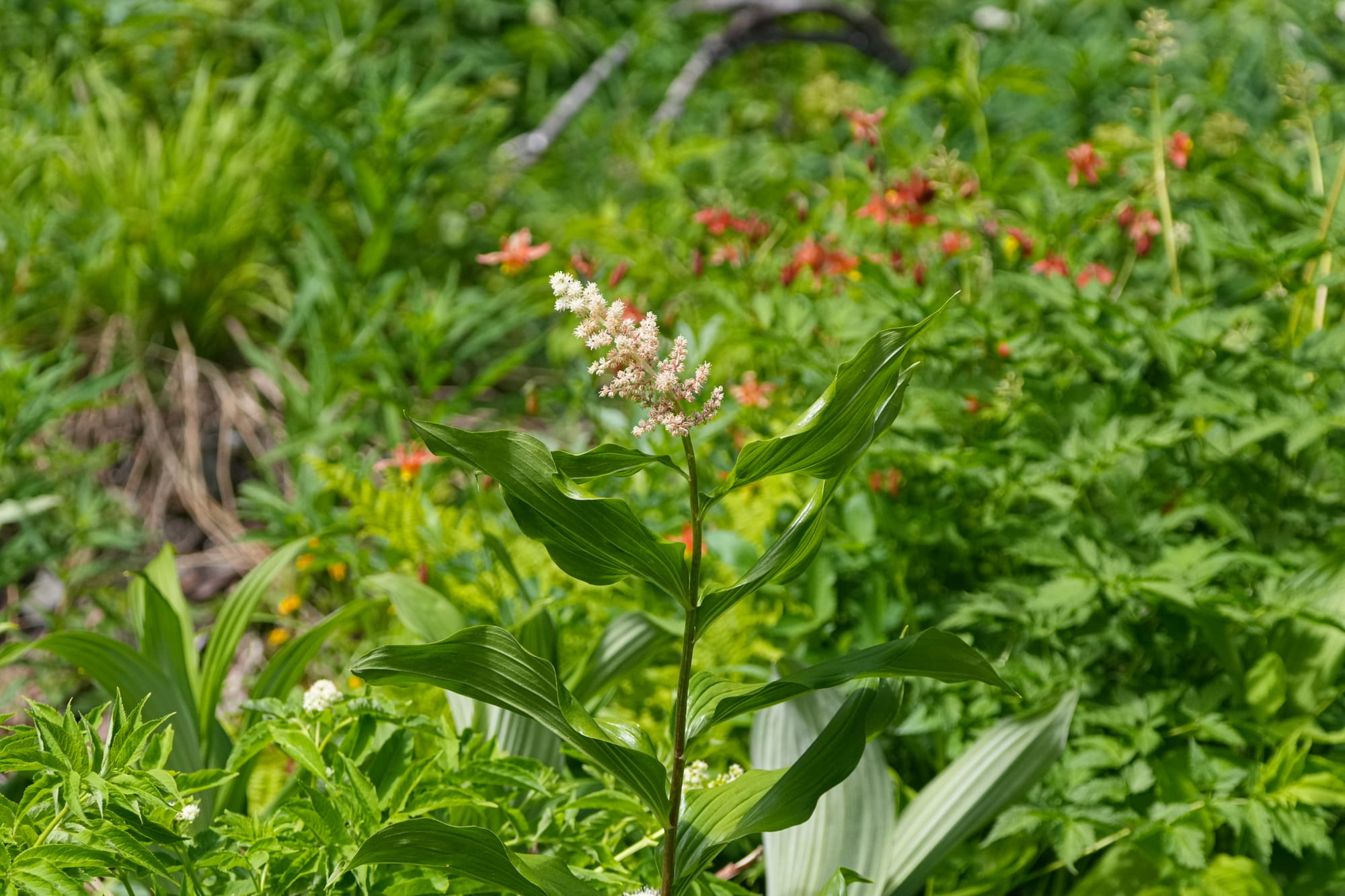
May you find time to get out and enjoy the beauty of this special place!
Further Reading:
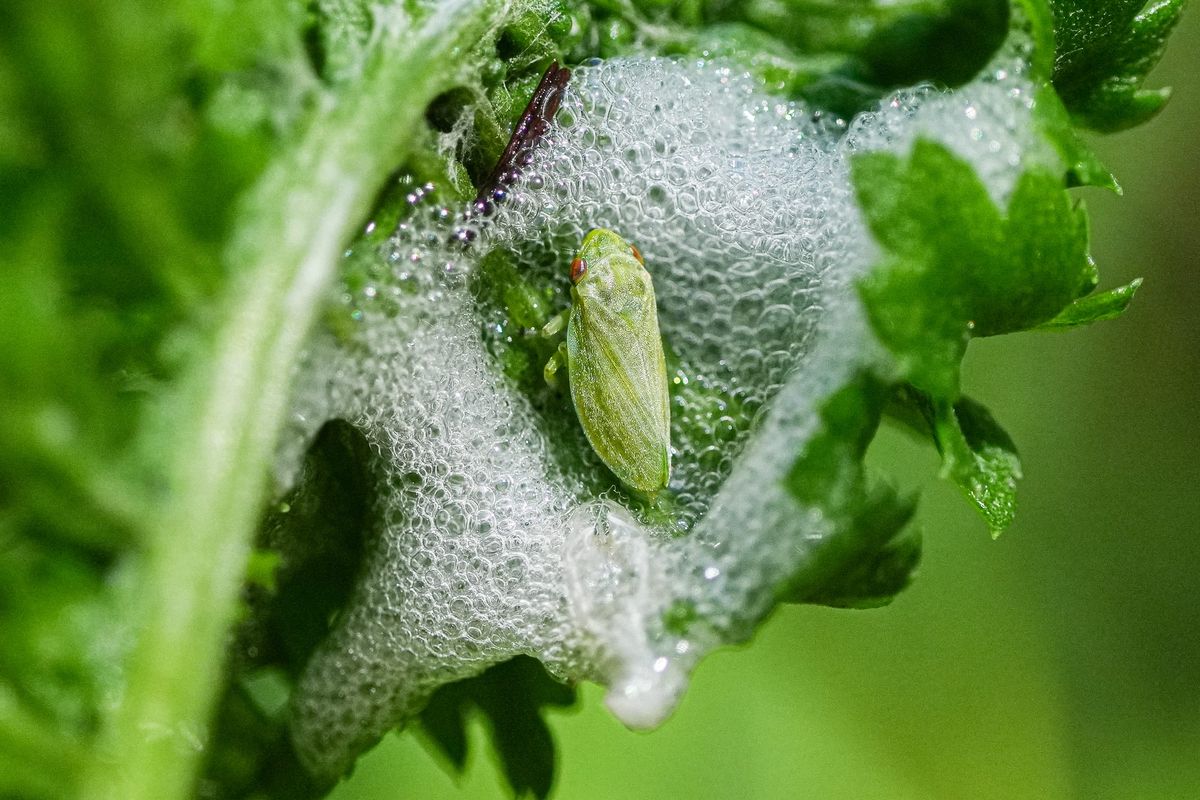
Last week I promised that I would write about spittlebugs in my Lukas Guides newsletter. It turned out to be a fascinating topic.
 David Lukas