Butterflies Oh My!
May 10-16, 2026

This has been an oddly mixed week, with both hot, sunny days and two days of rain that delivered a much-needed half inch of rain.
Week in Review
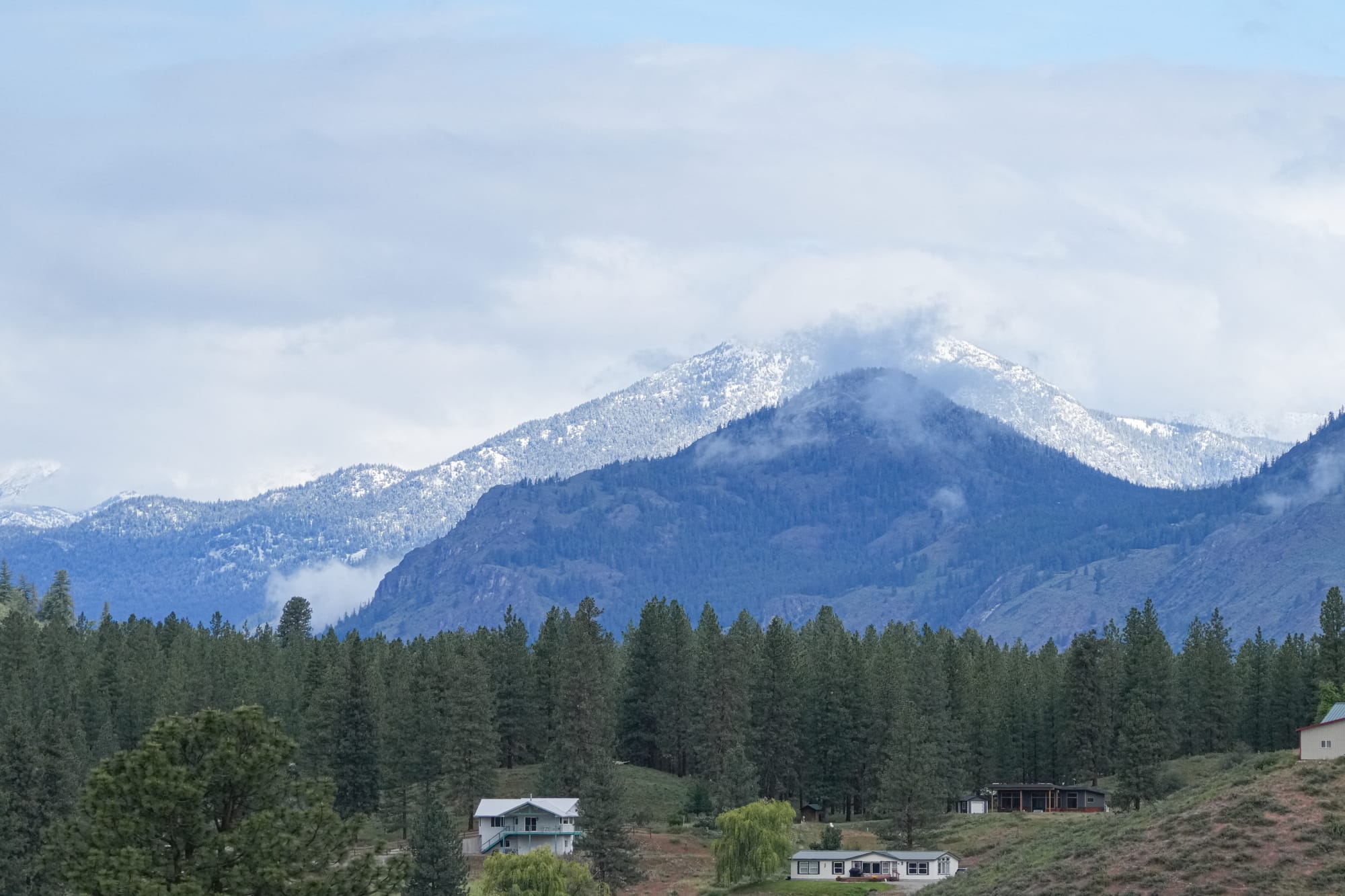
To our utter amazement, a week that started uncomfortably hot and sunny ended with a dash of fresh snow blanketing hills down to about 4300 feet! And, while that's the nature of mountain climates, fickle weather like this often tapers off in April.
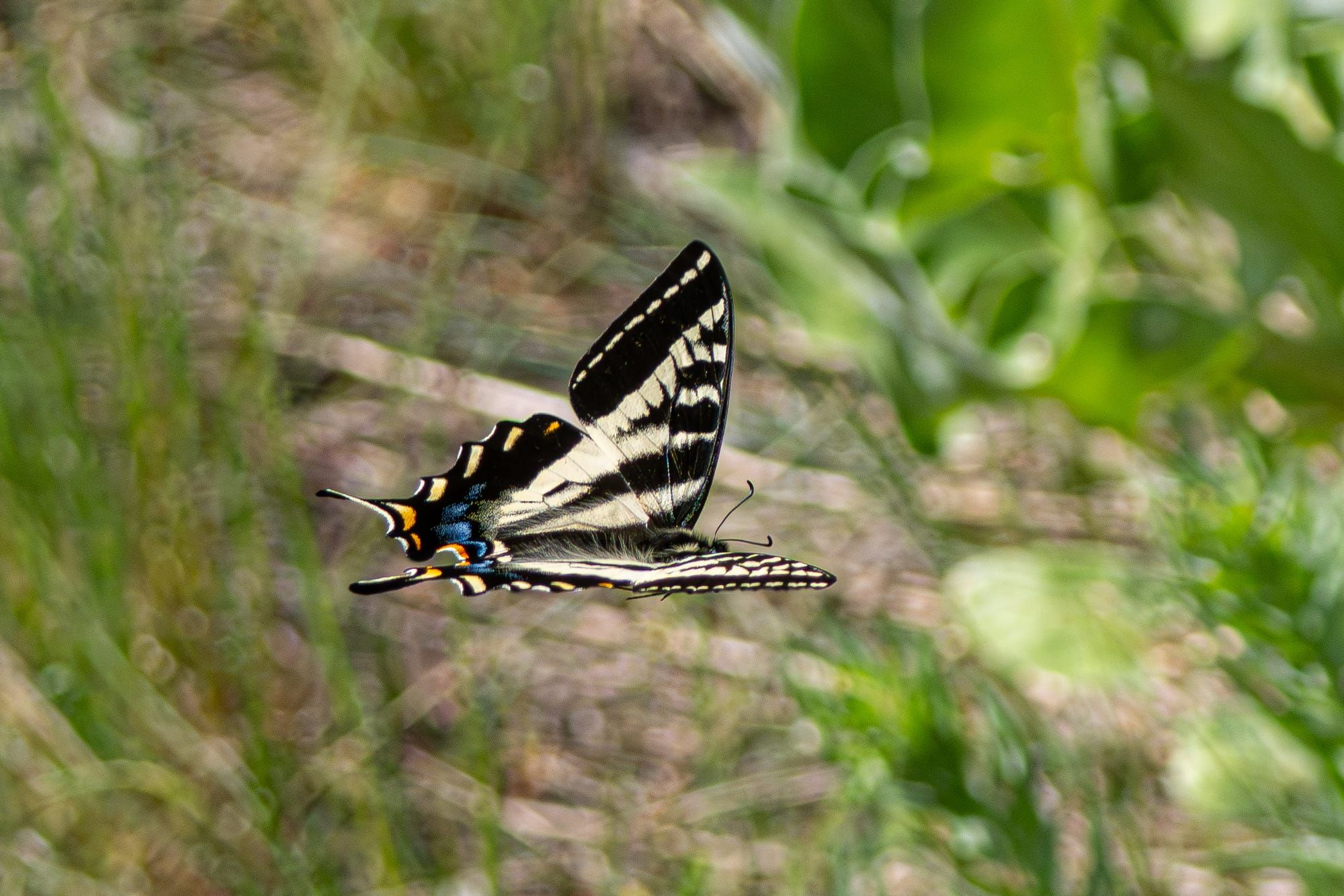
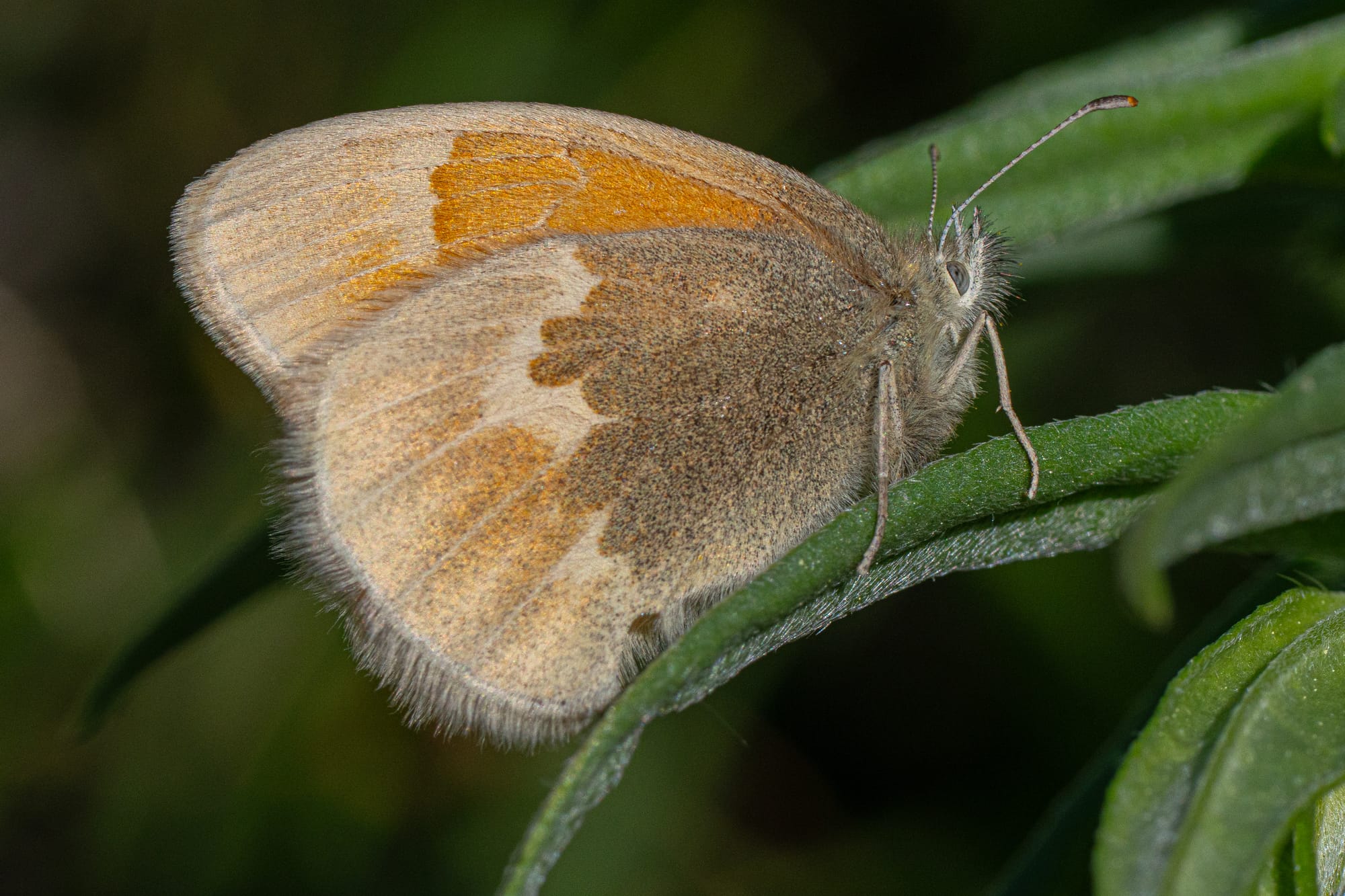
Overall, however, this has been a week filled with butterflies. On all my outings, I couldn't believe how many butterflies there were. At one point, I found myself in meadows that looked like they were sprinkled with blowing confetti from all the butterflies, and it was awesome.
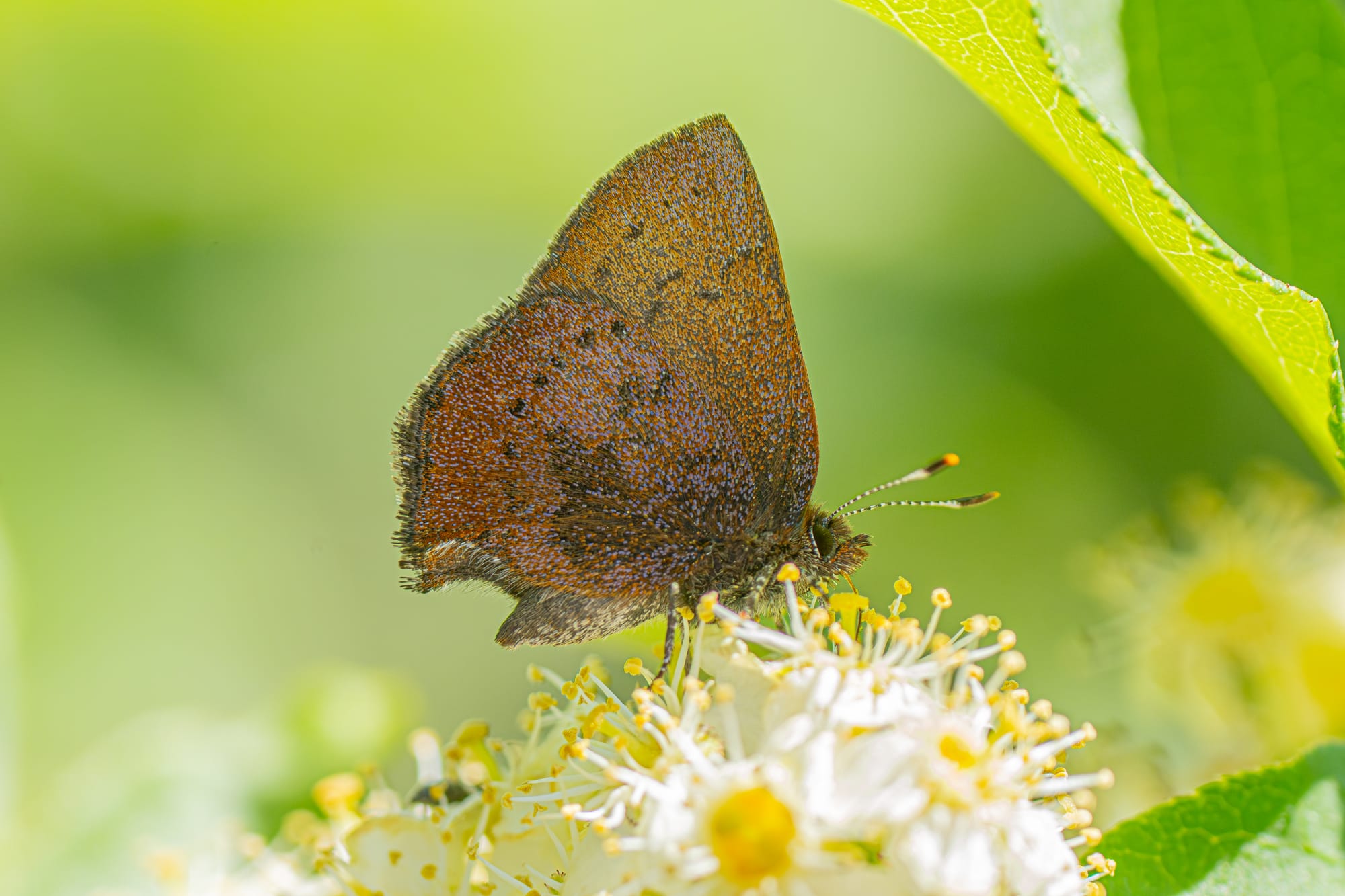
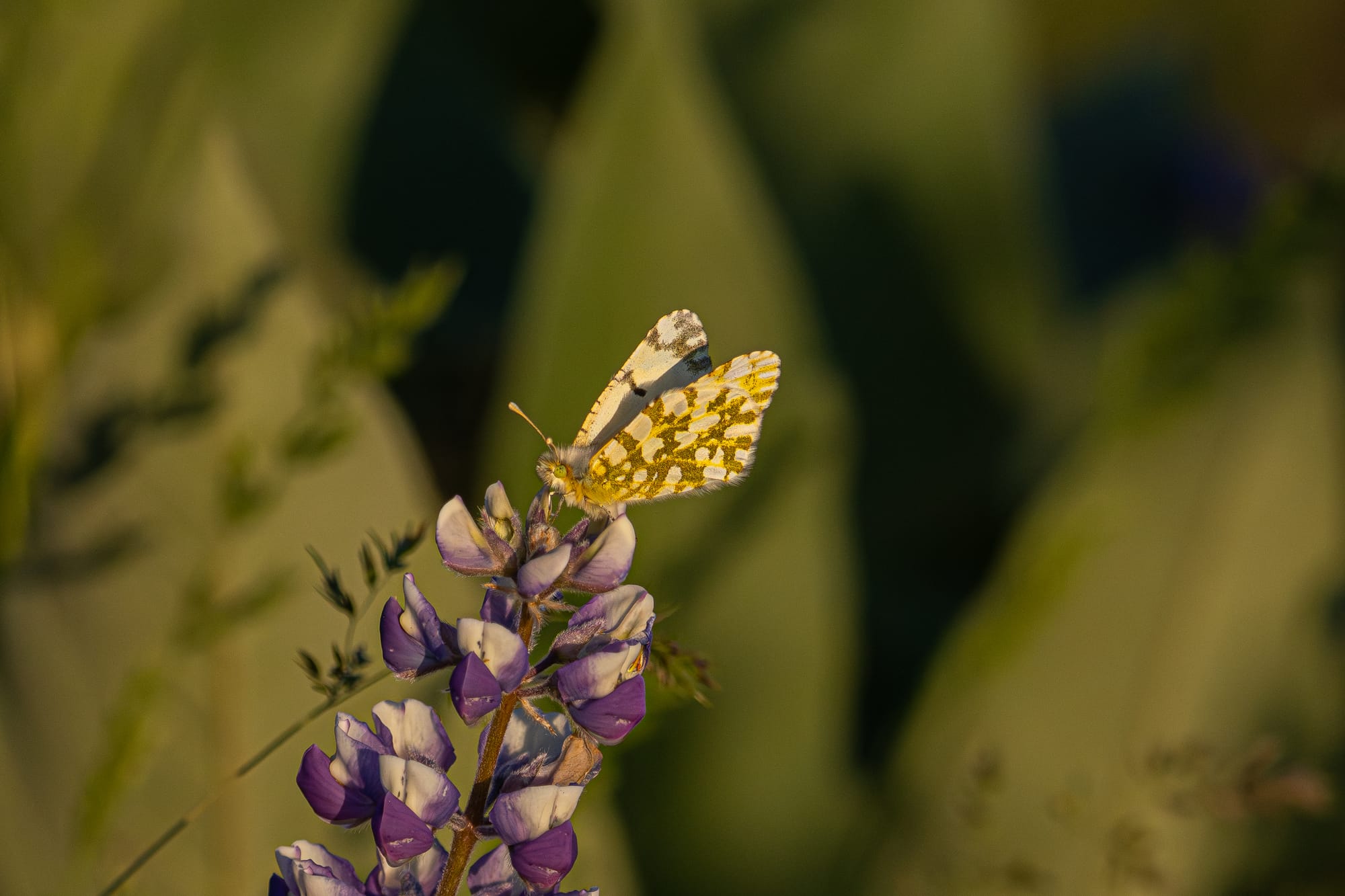
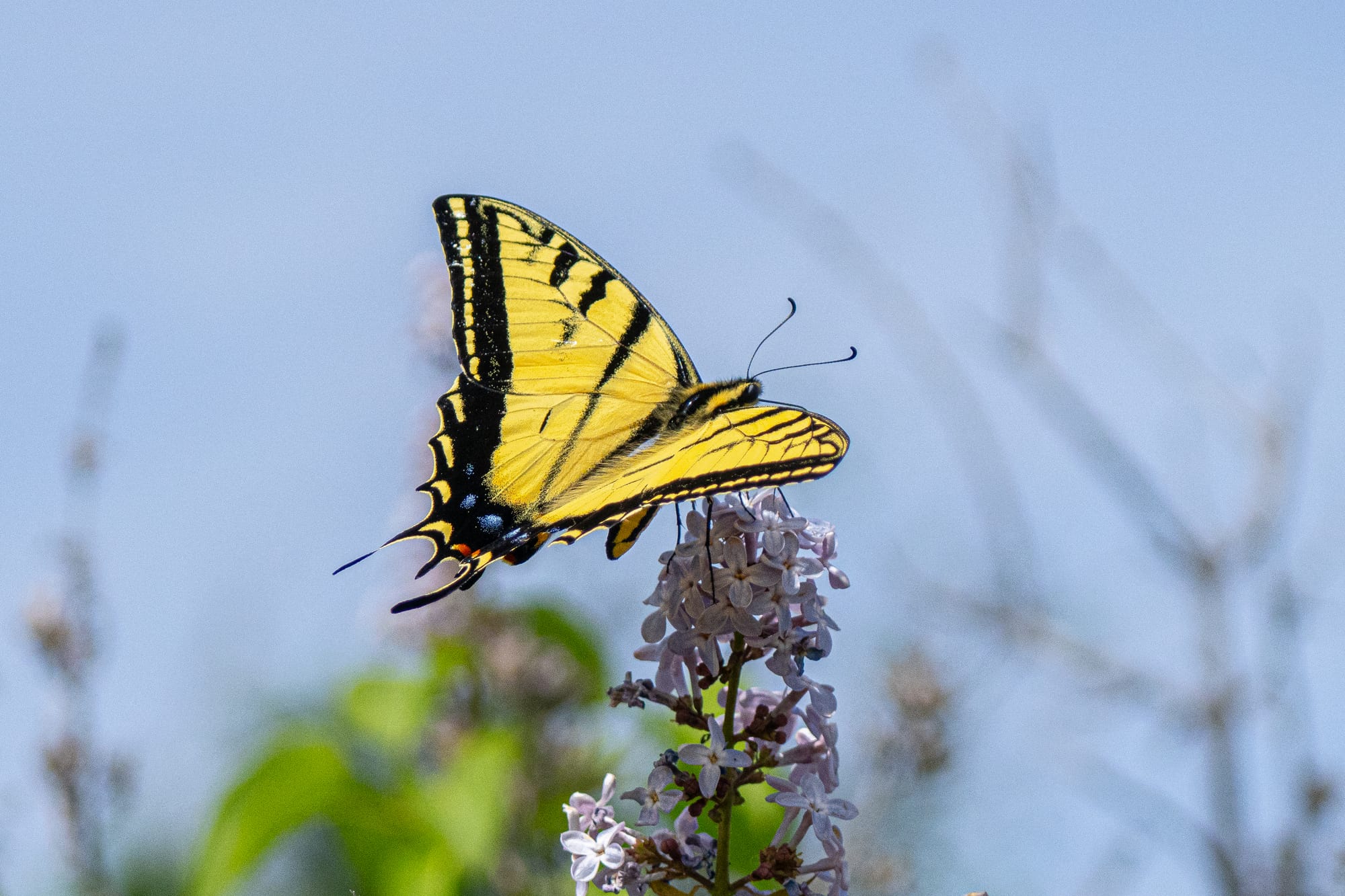
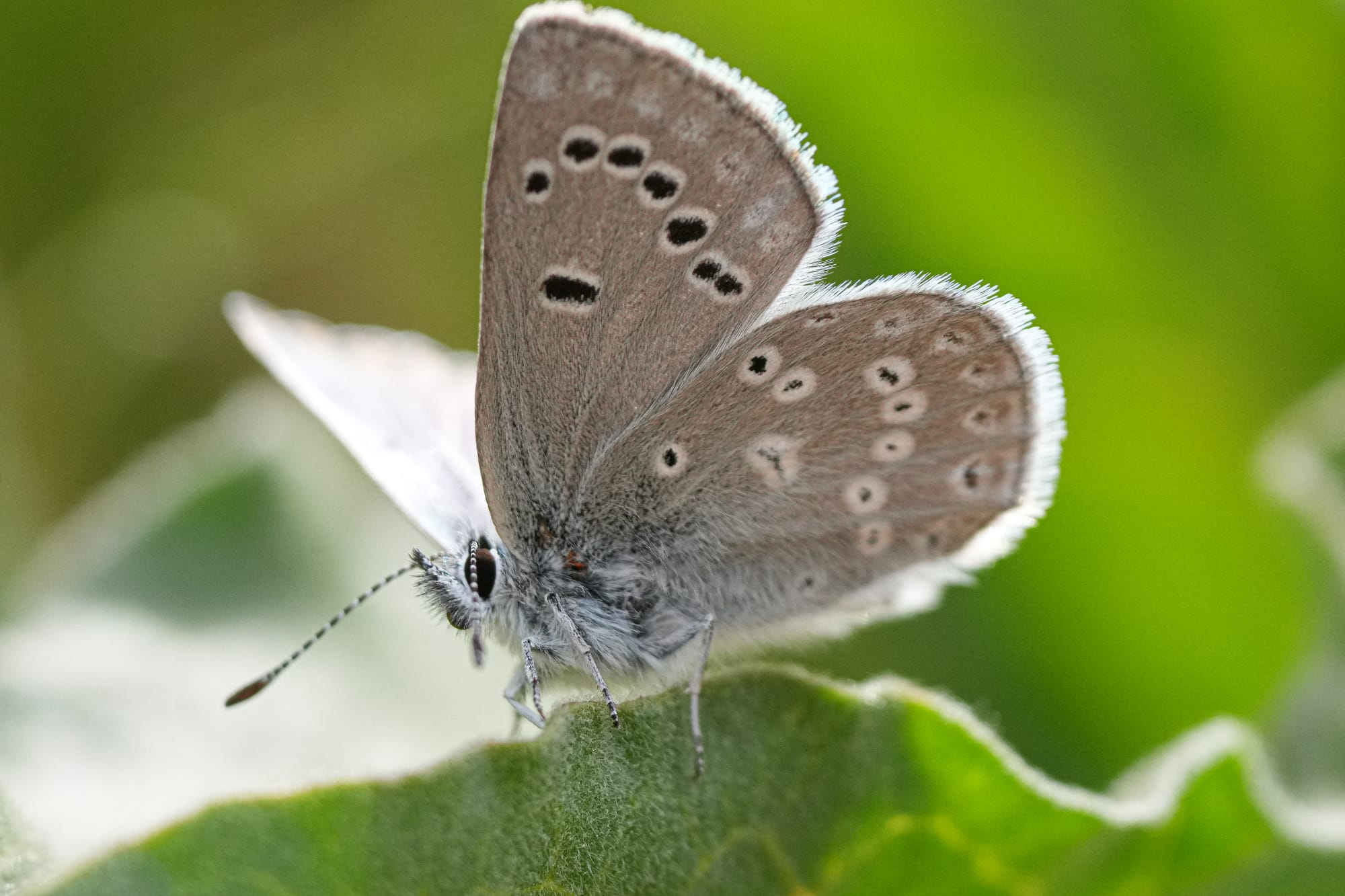
One indication of the changing patterns in butterflies is that over the past couple of weeks, every blue butterfly I've seen has been a spring (echo) azure. This week, I haven't seen a single spring azure, and every blue has instead been a Boisduval's blue. There are 12 species of blues in the Methow Valley, so I've been paying close attention this spring and trying to learn how to identify them.
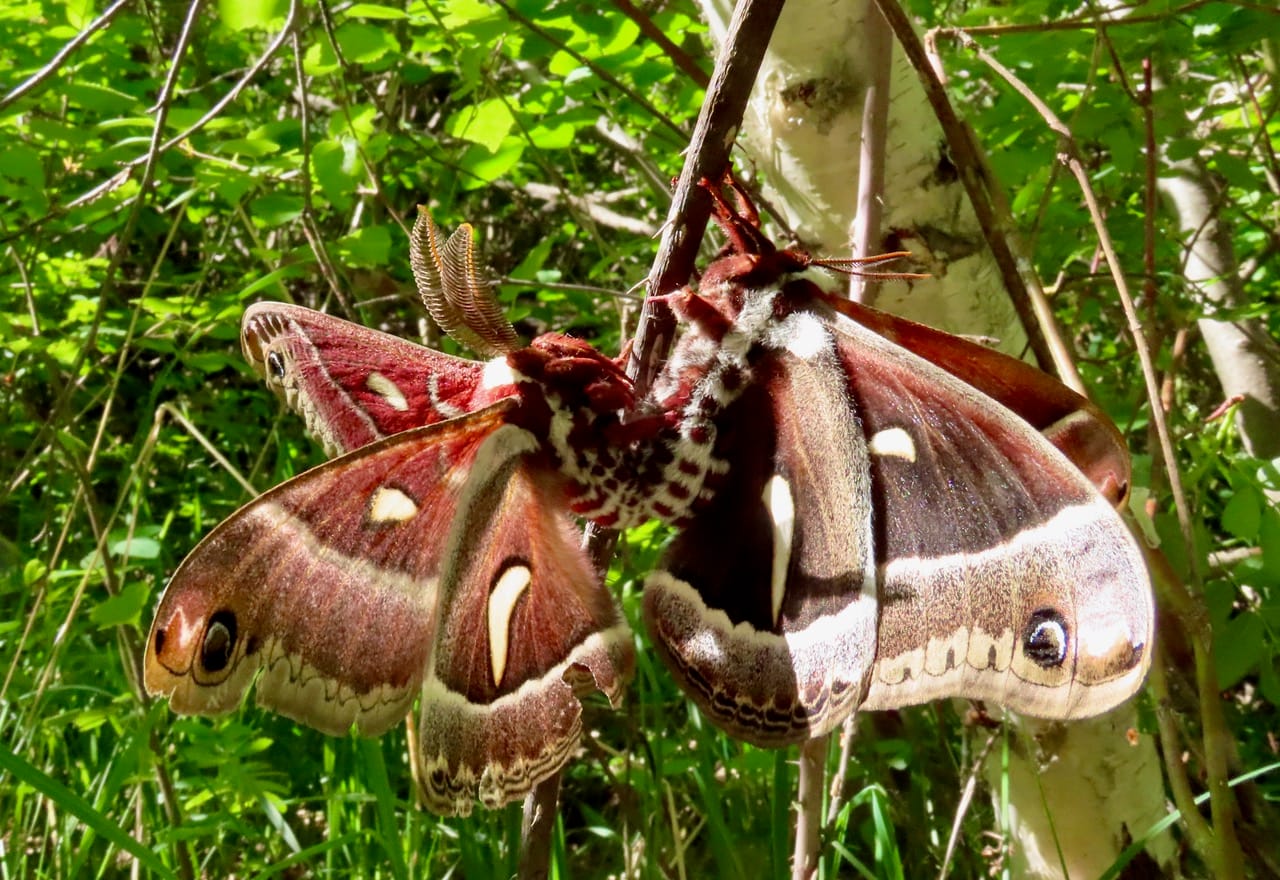
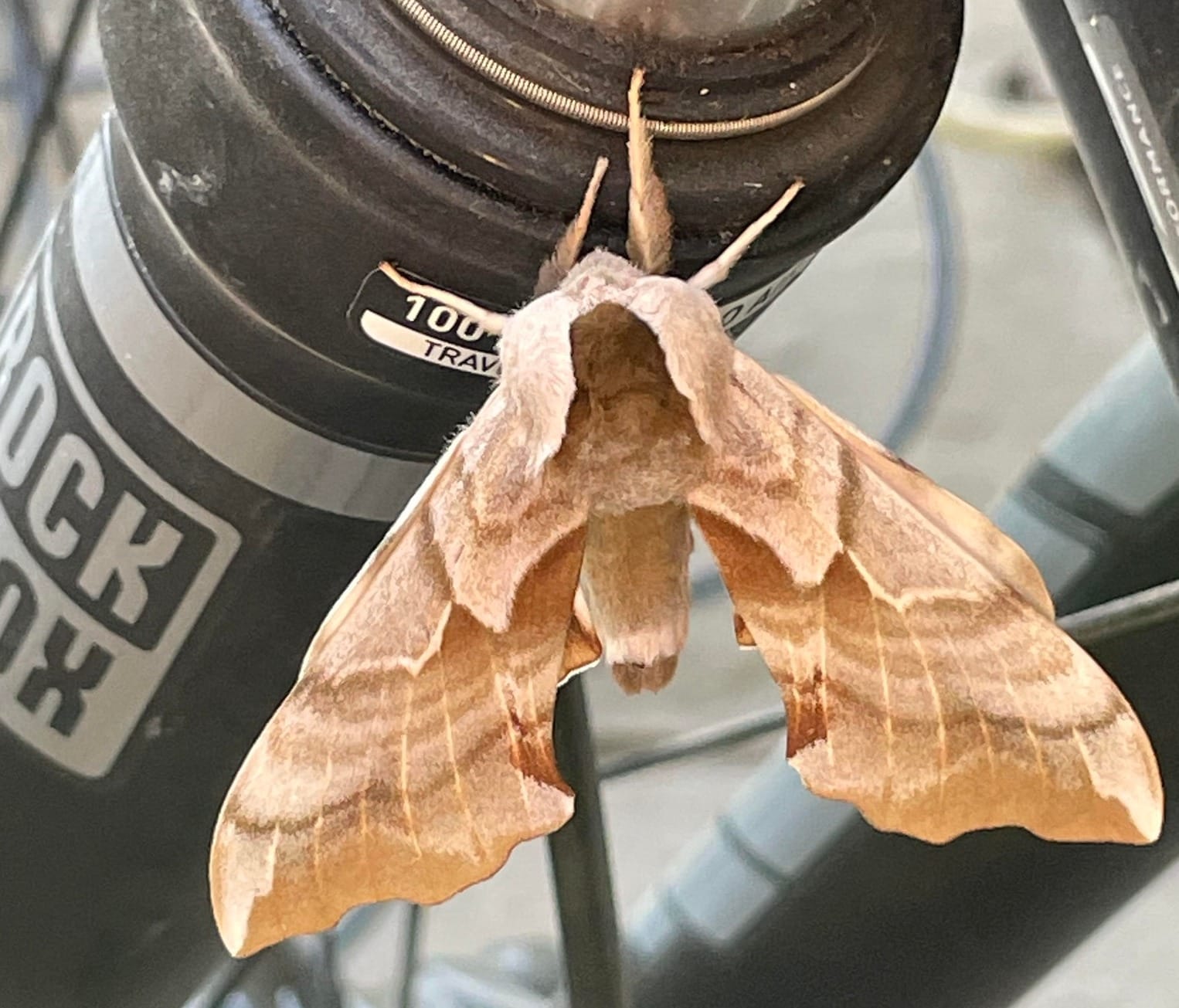
Speaking of butterflies, there have also been multiple sightings of ceanothus silk moths and other conspicuous moths this week. Some of these moths are so large that it's startling when they show up.
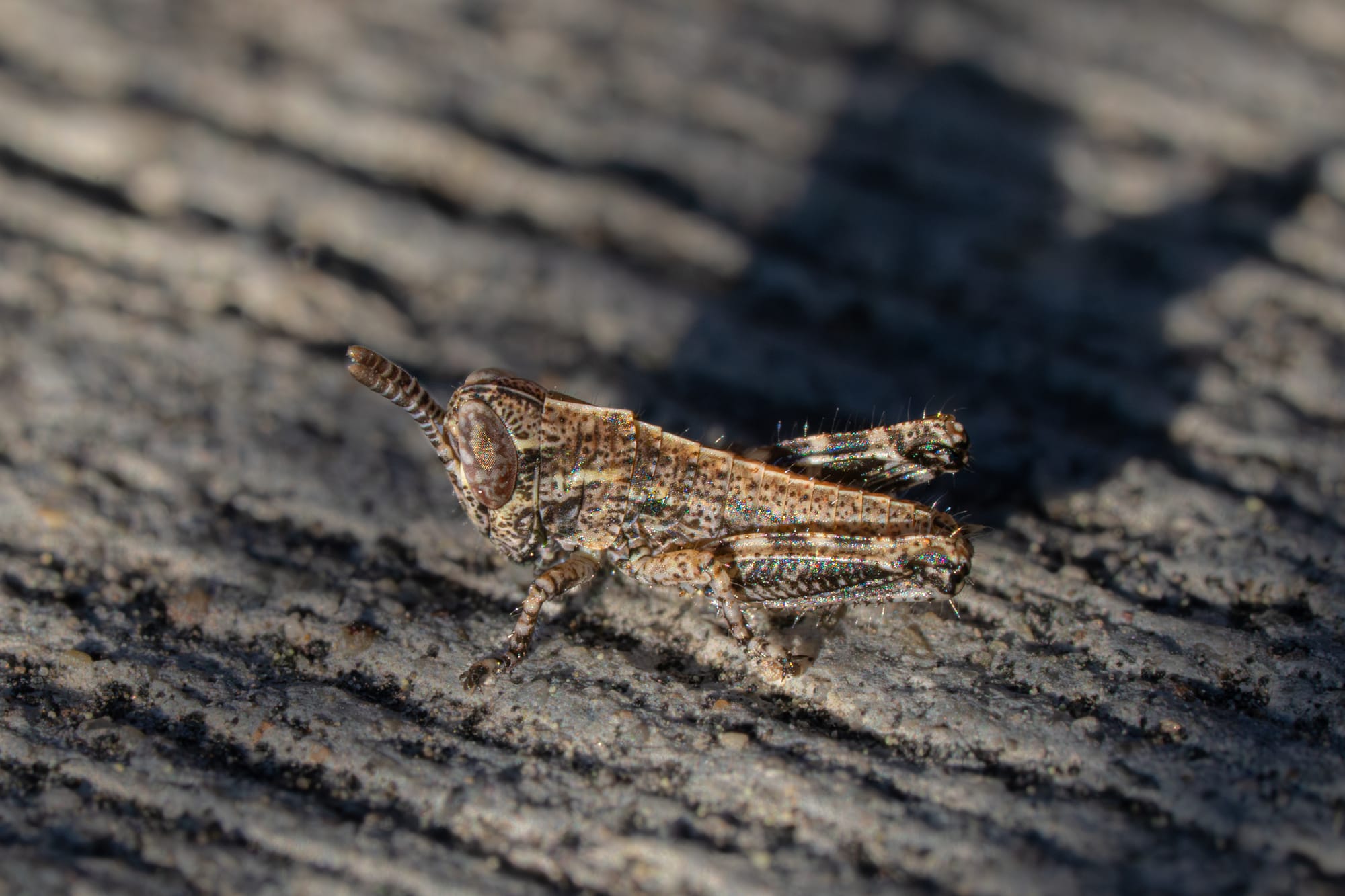
Last week, I mentioned seeing my first tiny grasshopper. They were even more conspicuous this week, and on one walk, there were so many grasshoppers that I'm getting worried that we'll have an outbreak this year.
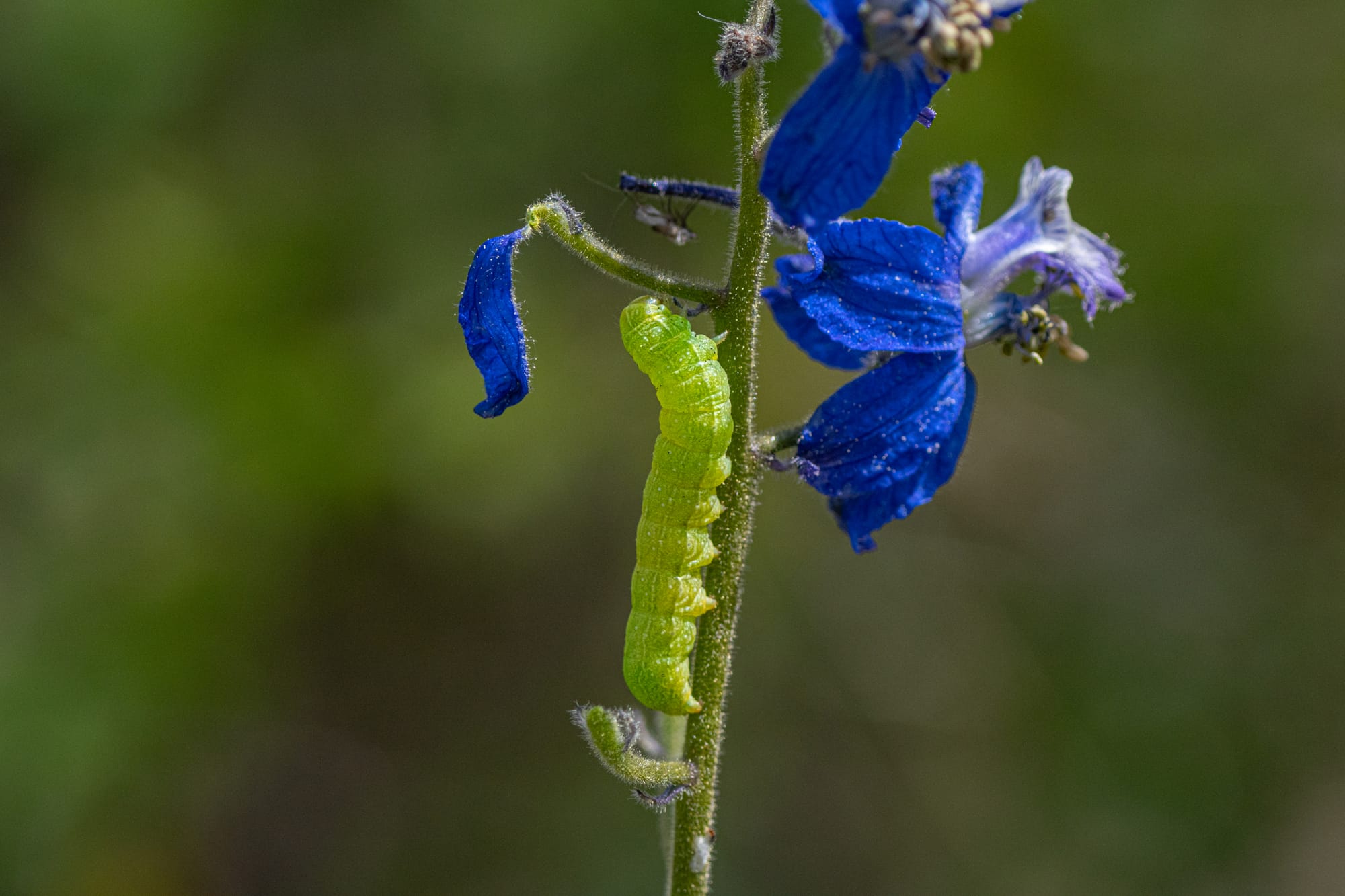
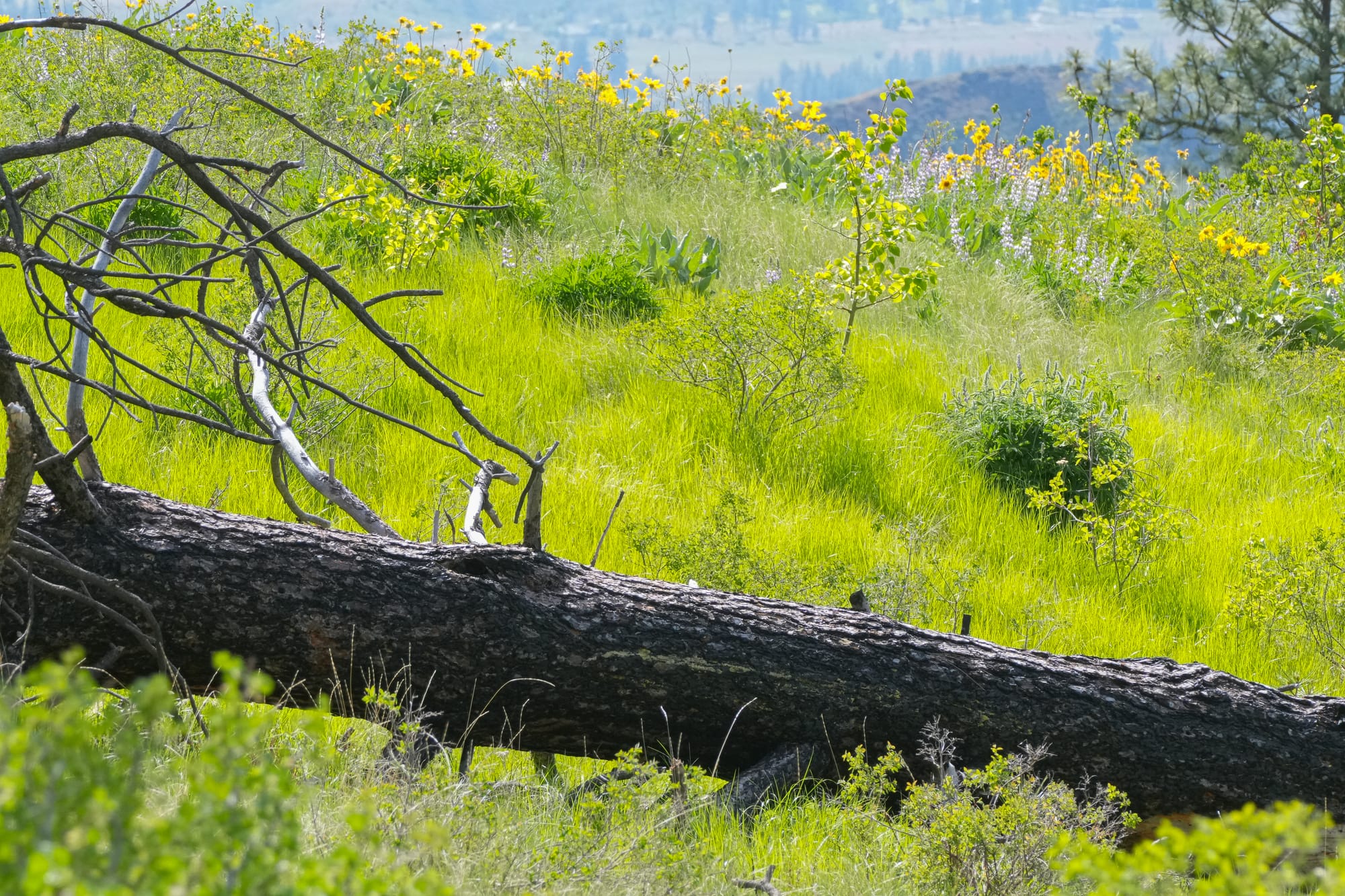
It makes sense that there are so many butterflies out now because the hills are absolutely alive with lush grasses and flowers. It's the perfect time to mate and lay eggs so your caterpillars have a chance to eat leaves and flowers while they're still fresh.
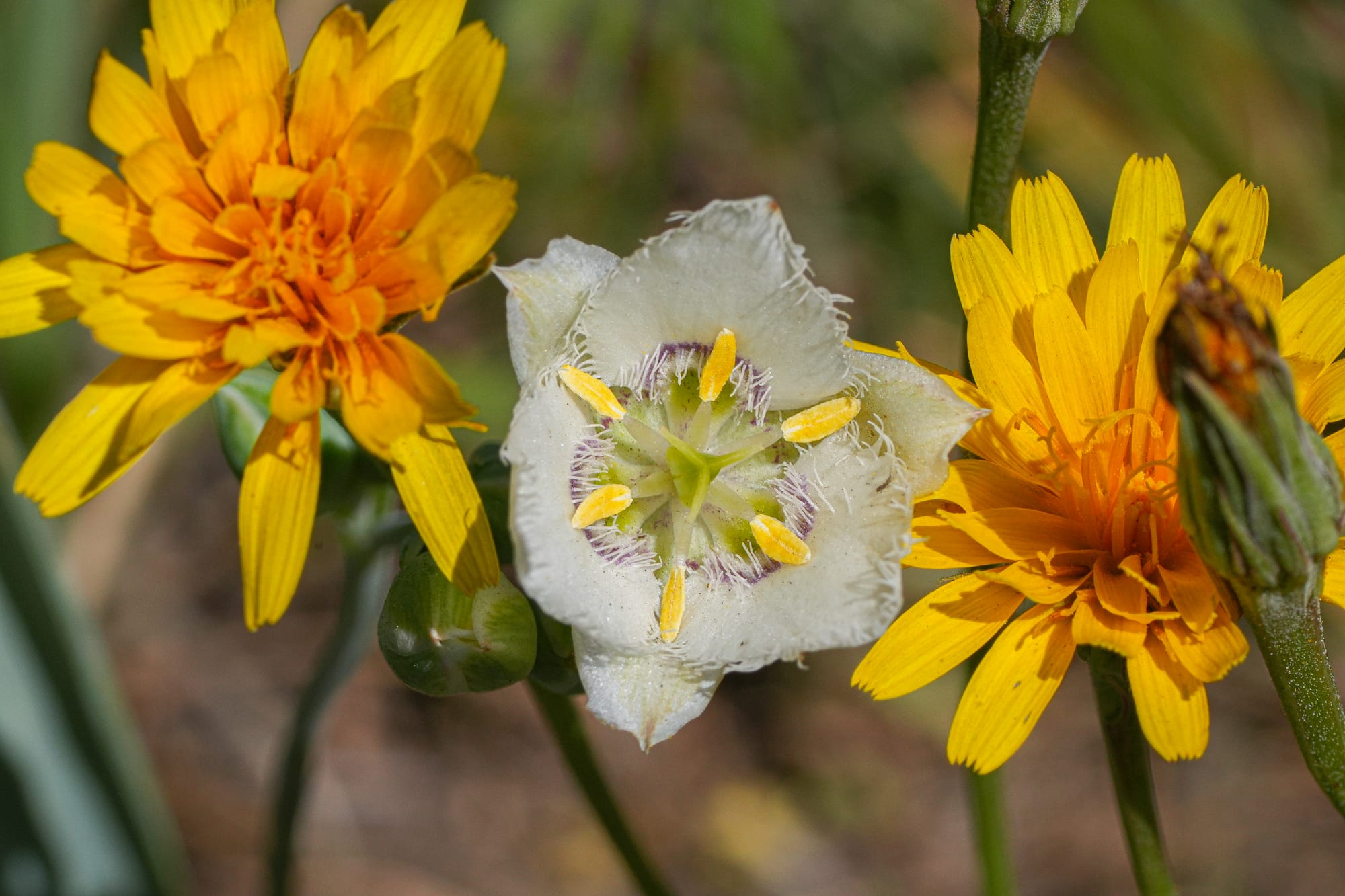
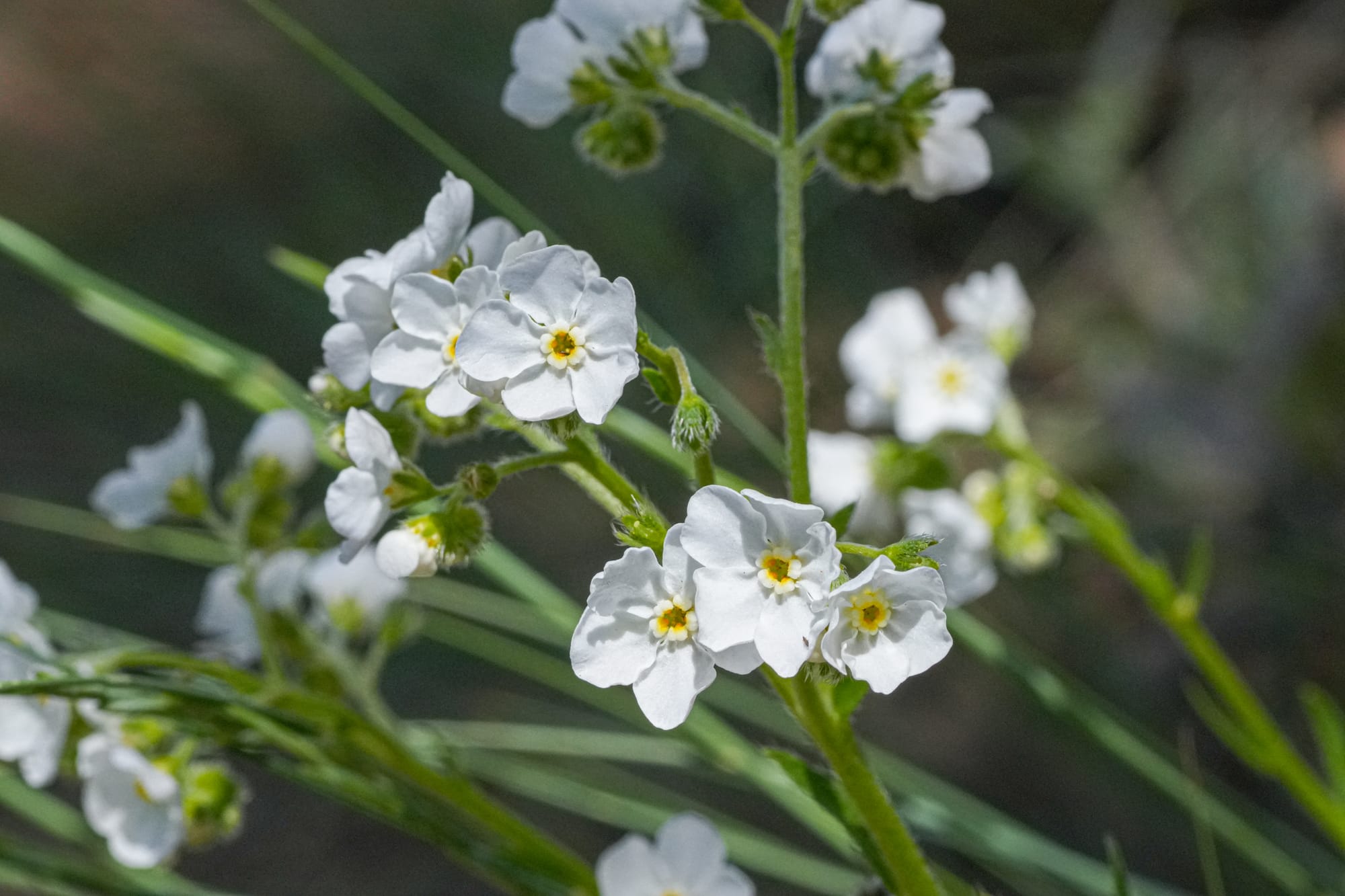
Many of our early flowers are already wilting and going to seed, but every day I'm seeing new ones, and it's an exciting time to be out looking for flowers.
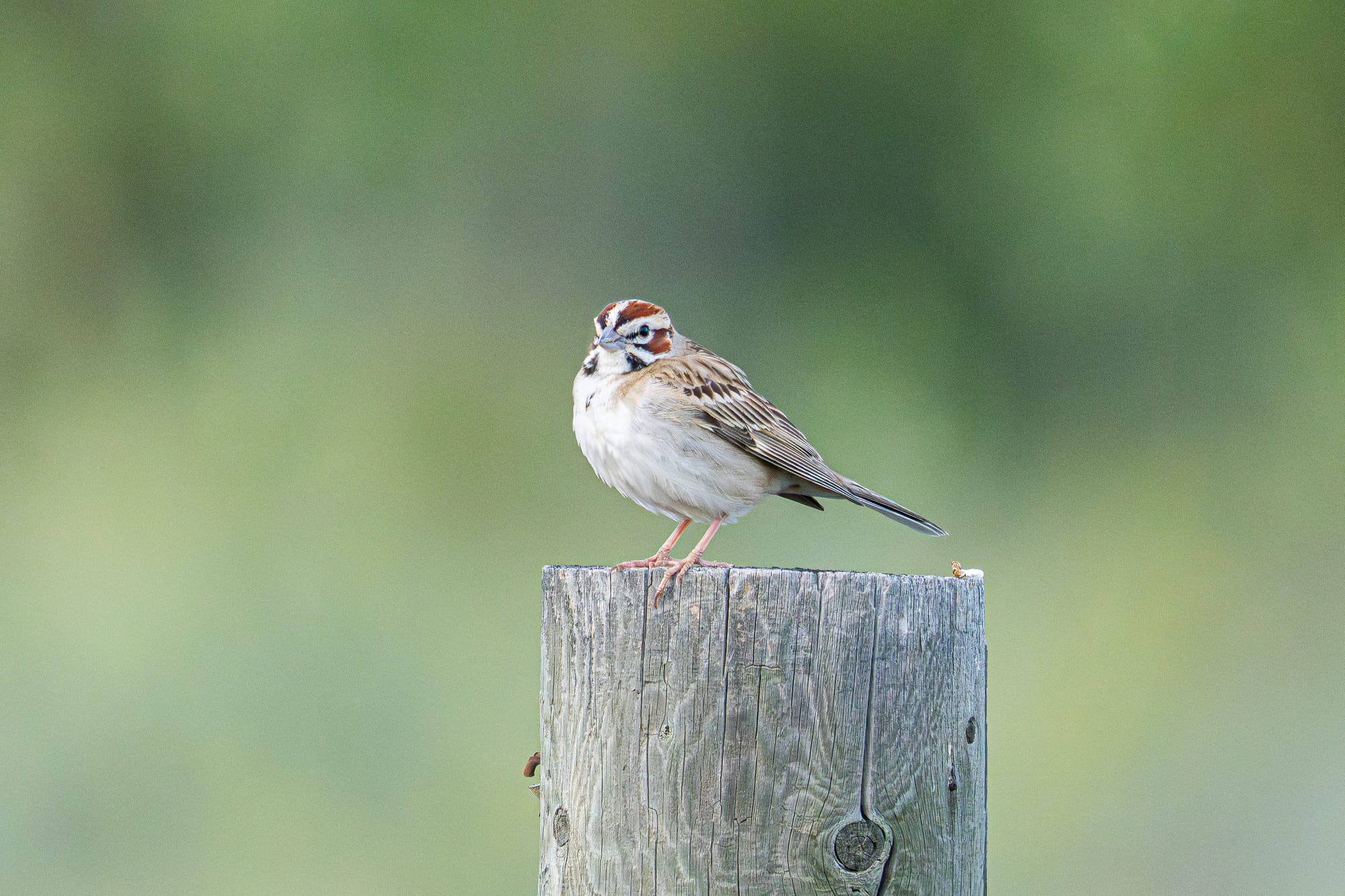
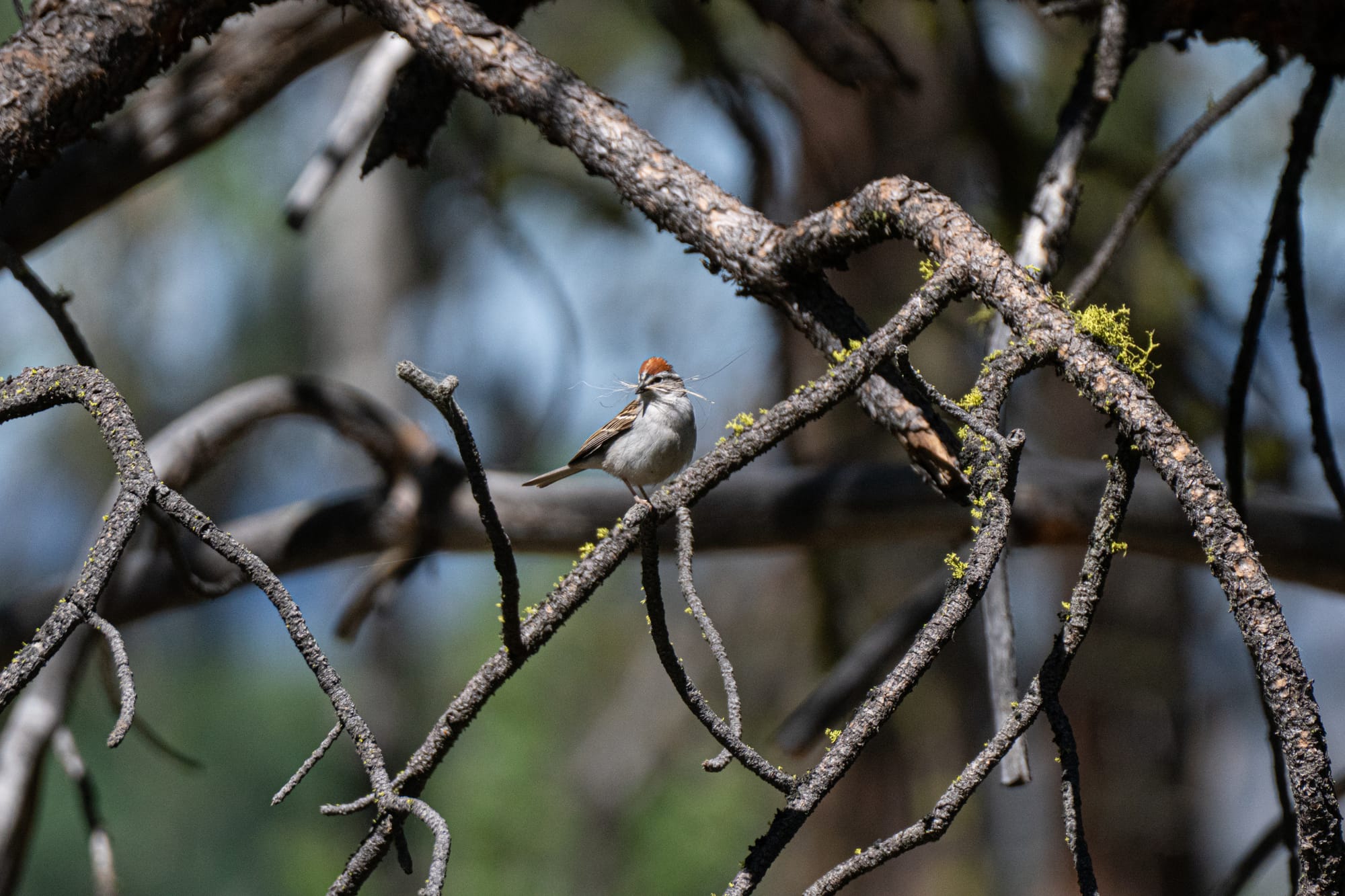
While there's been a lot of noisy commotion around our nest boxes over the past couple weeks, things have greatly quieted down so I suspect that our yard birds are finally sitting on eggs. At the same time, other birds are building nests and many birds are still migrating north. I've had numerous sightings of birds, including tanagers, flycatchers, warblers, and hummingbirds, stopping for a split second then disappearing as they keep heading north.
Road Trip: Yakima River Canyon
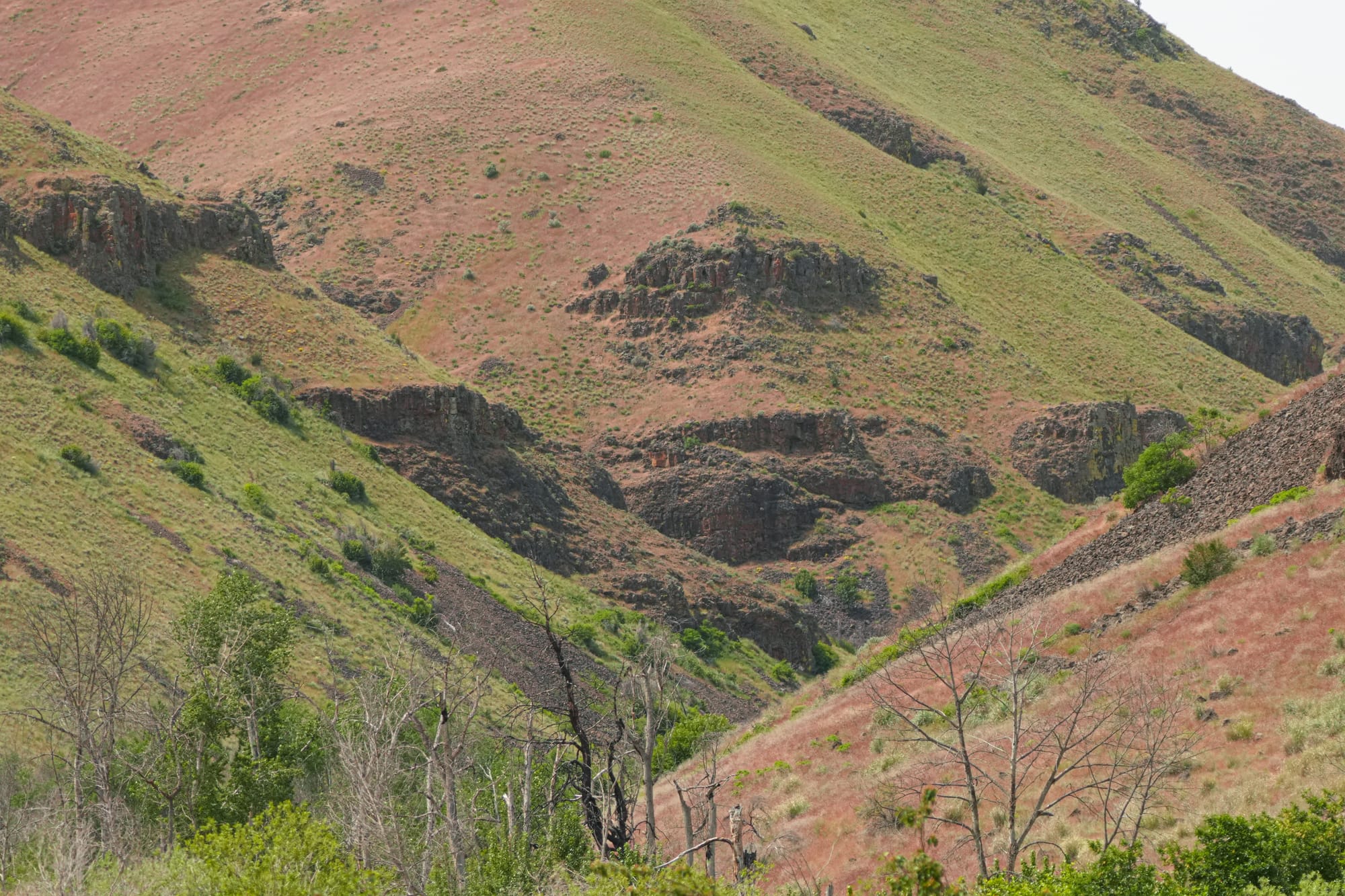
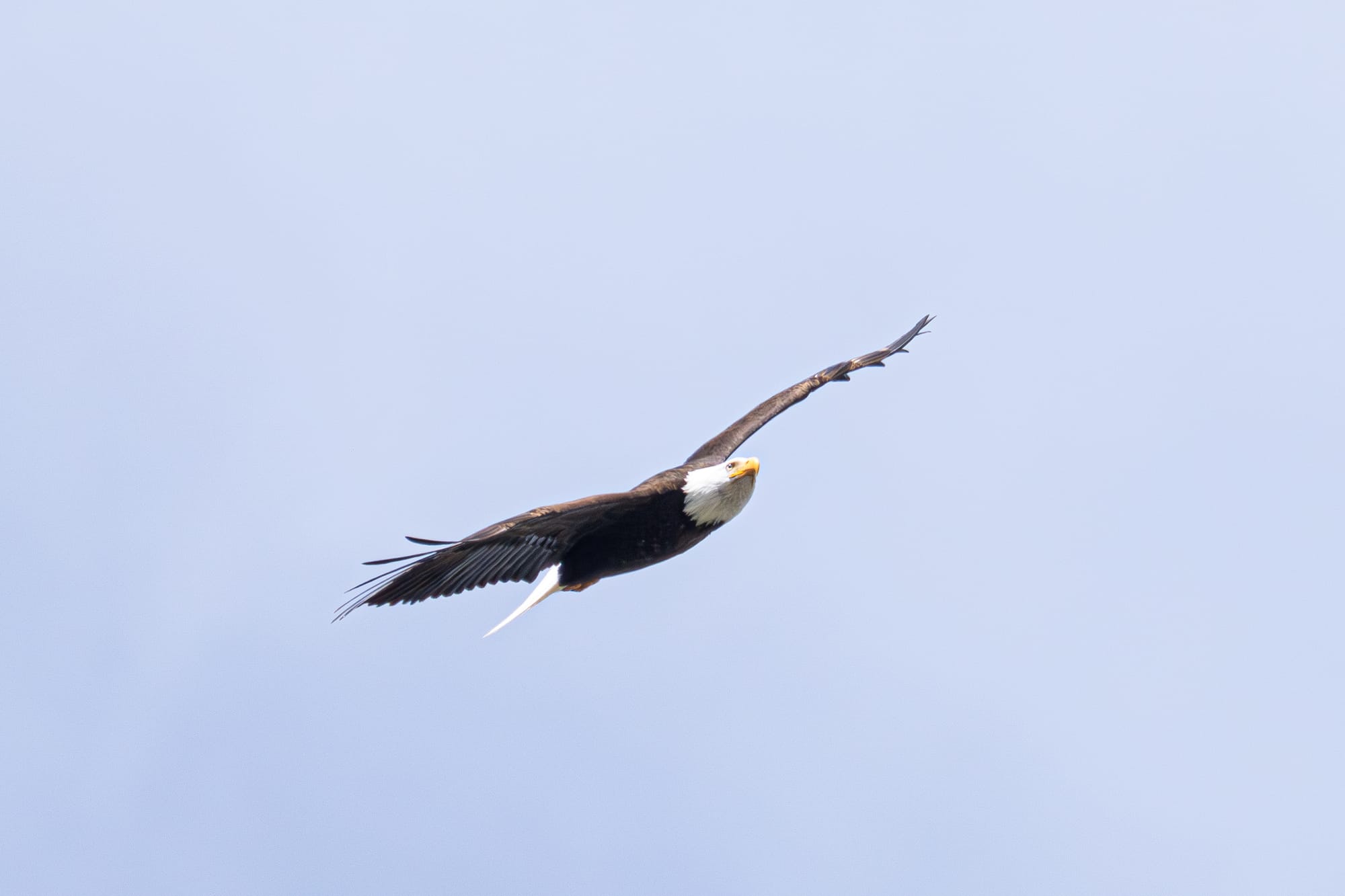
Once in a while, I post about other destinations worth visiting around the Methow Valley, and this week I want to celebrate the Yakima River Canyon. I realize this is a much longer road trip, but the Canyon is an exceptional natural feature that deserves your time, especially if you're already heading that way.
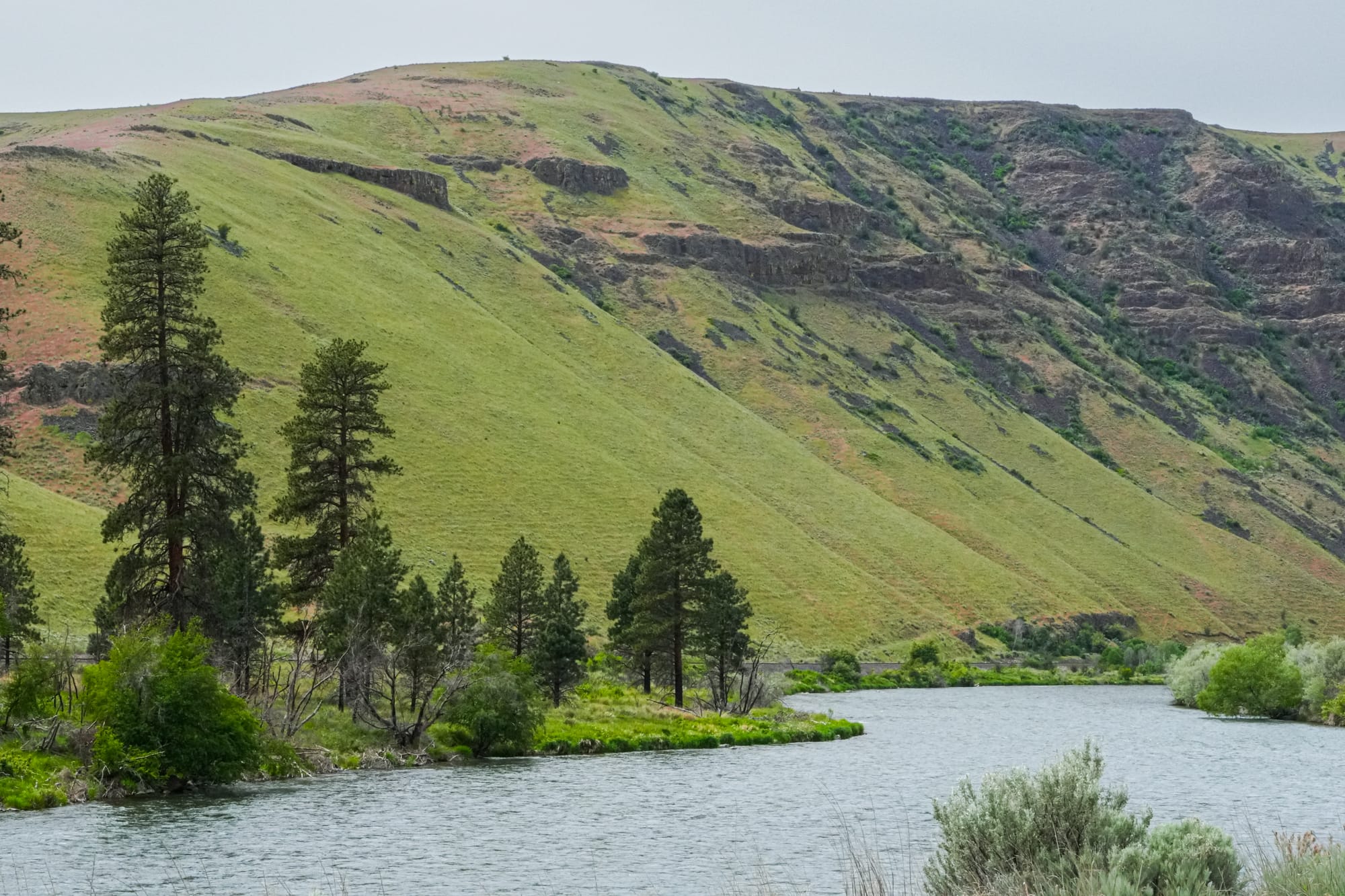
I have long bypassed the canyon on my drive between Ellensburg and Yakima because the main highway gets me where I'm going much faster than the twisting 27 miles of road that follows the river canyon.
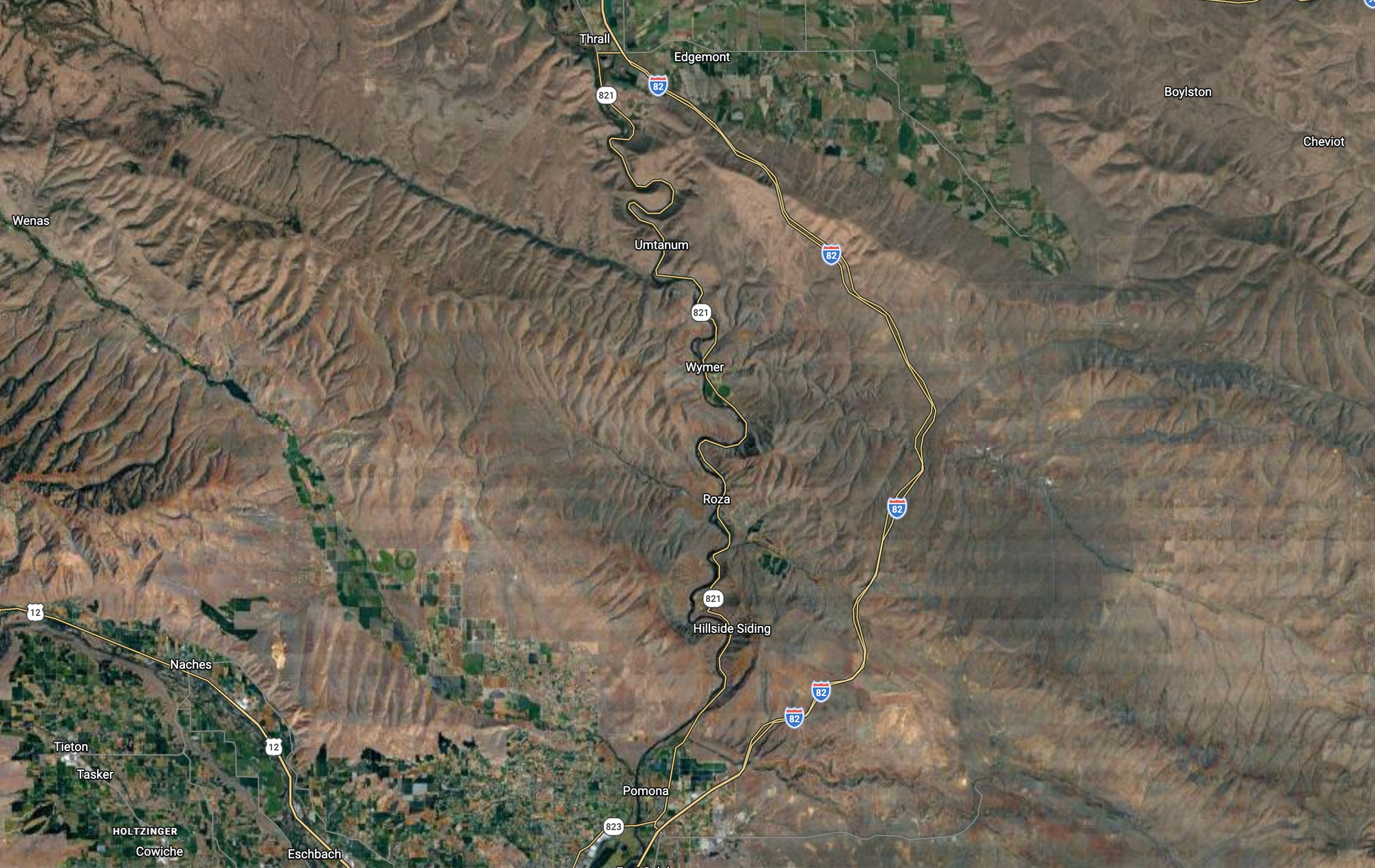
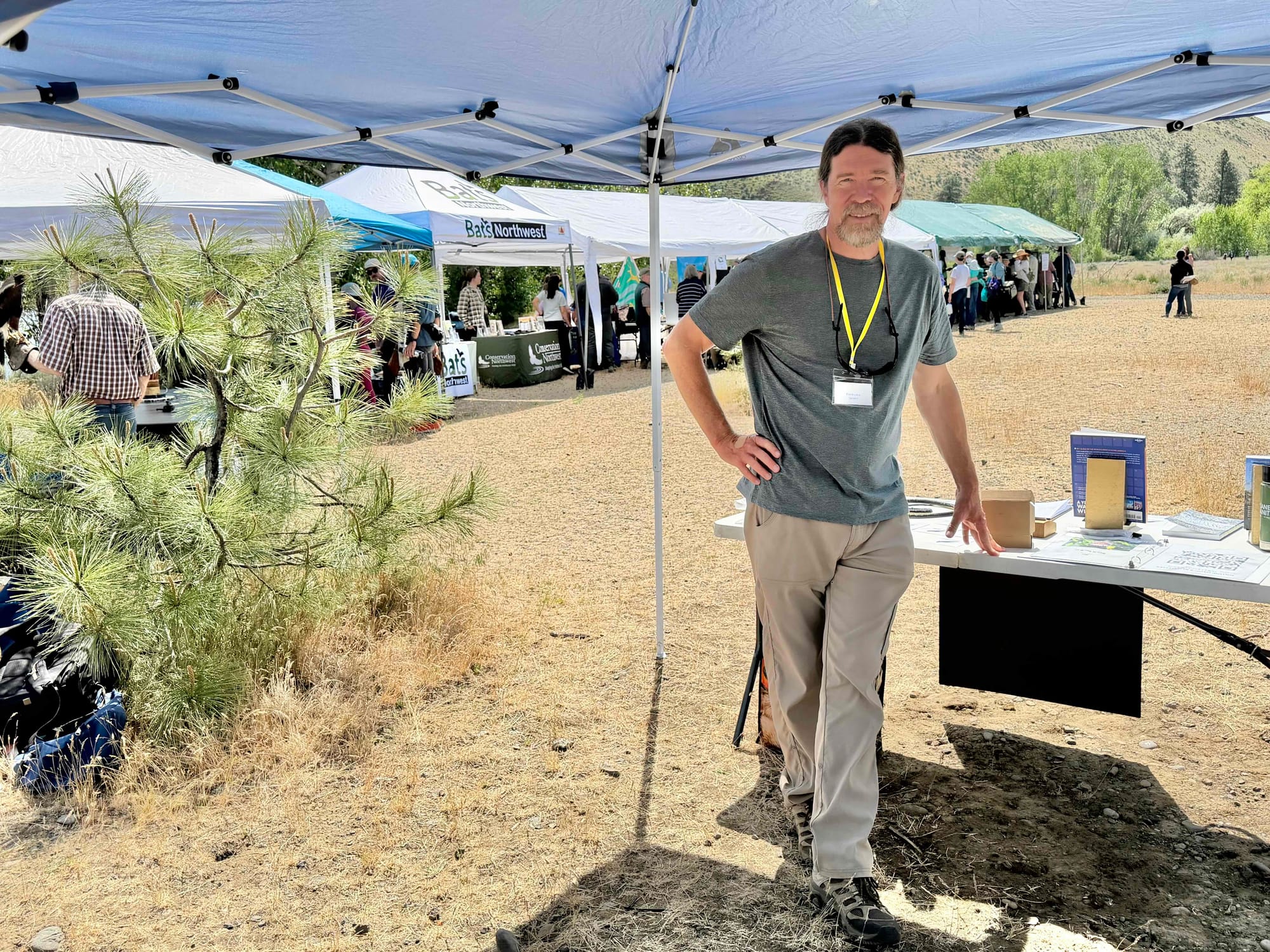
However, last week I gave a presentation at the "Get Intimate with the Shrub-Steppe" festival in Ellensburg, and my goal was to explore the canyon for the first time.
All I can say is "Wow!" It's rare to find a road and a natural landscape blending together so well in Washington, and every turn of the road was jaw-dropping beauty. I suppose it's possible to drive straight through the canyon, but it feels like this is a place where you'd want to linger.
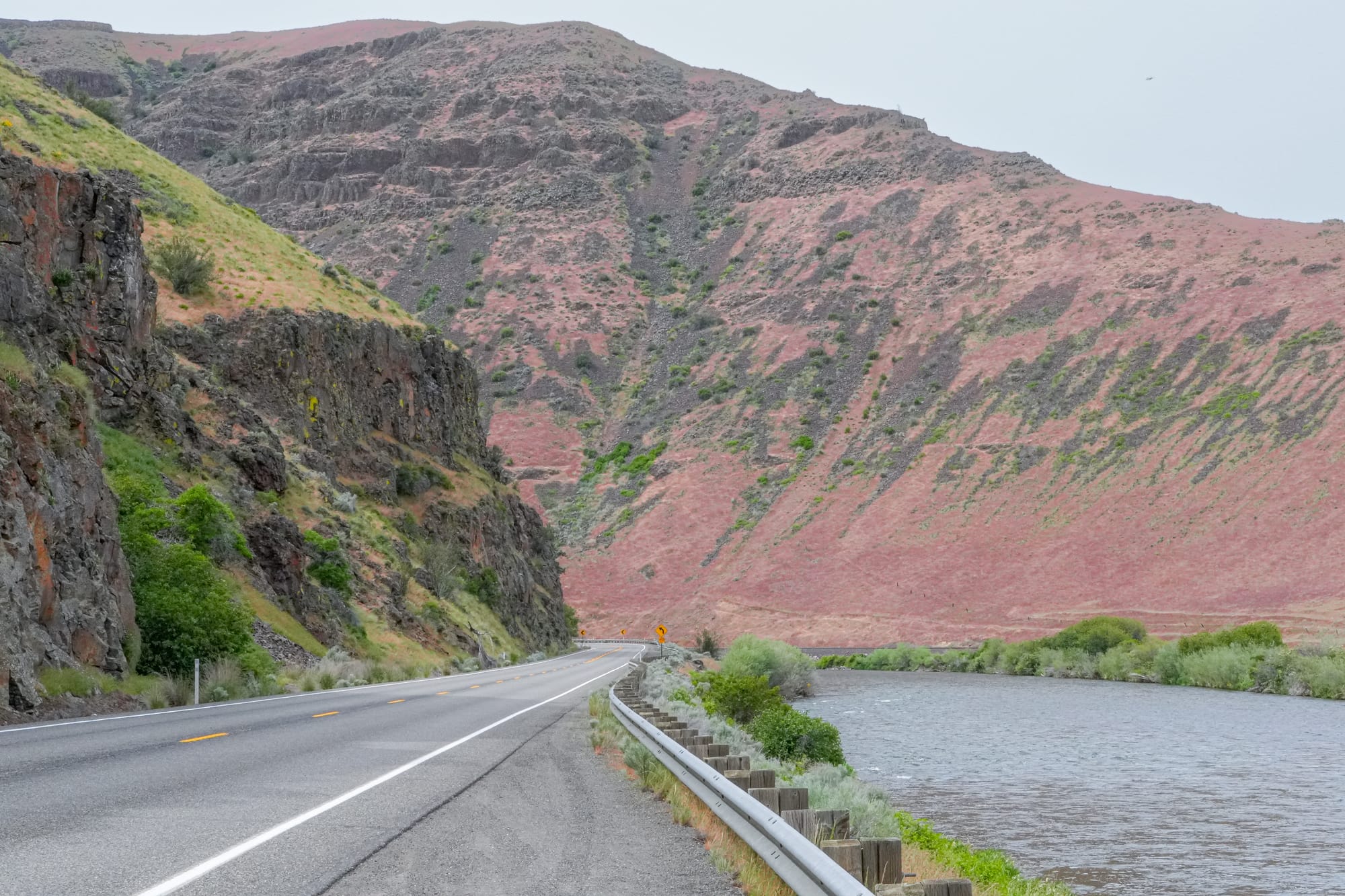
Consider pausing at the Umtanum Trailhead for an extended wander up Umtanum Creek, or stopping at the renowned Canyon River Grill for meals prepared along the river by a James Beard finalist for Best Chef in the Pacific Northwest.
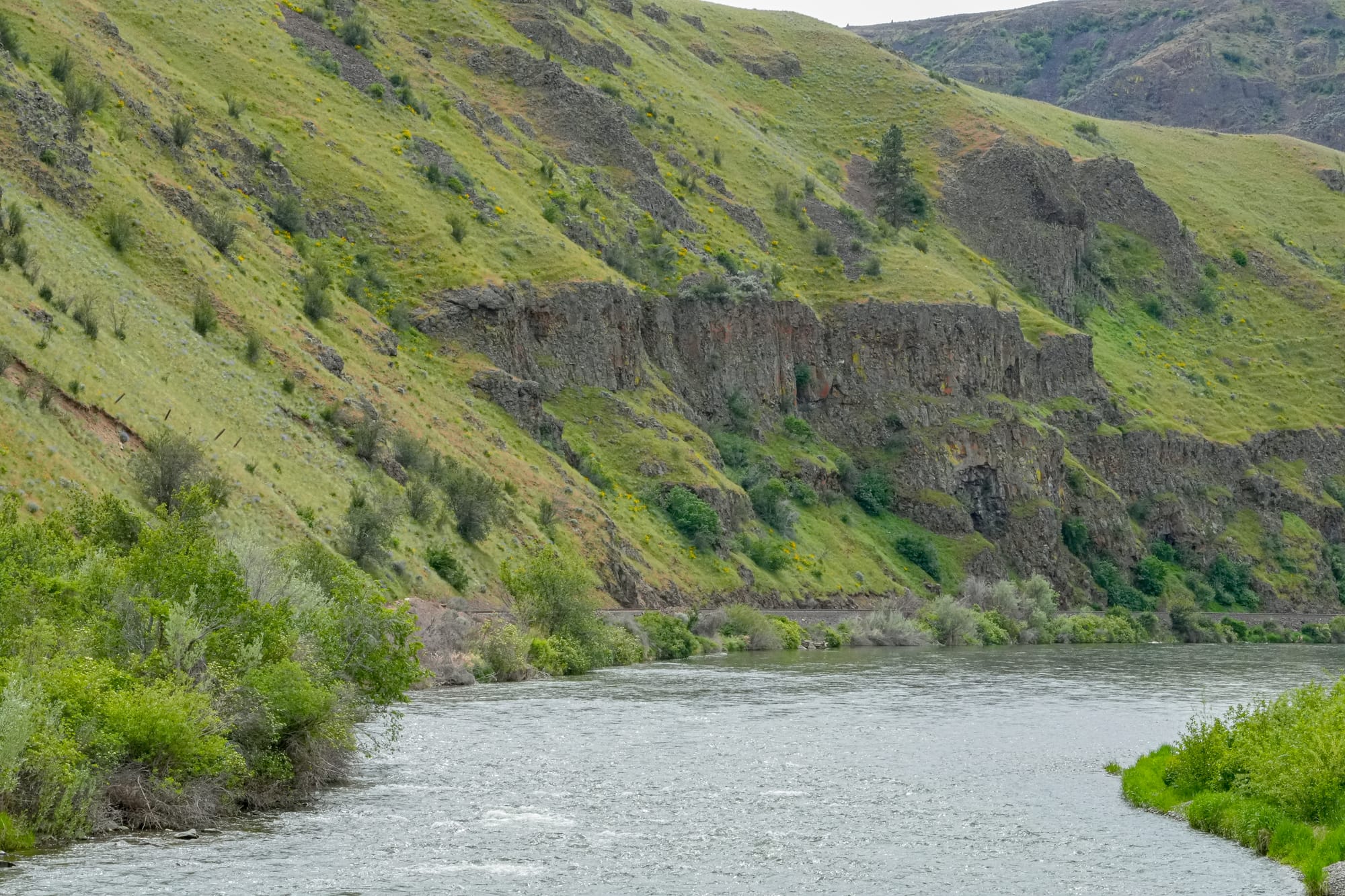
The canyon is especially gorgeous in the spring (though I've heard that fall colors are fantastic too). Walking up Umtanum Creek among the flowers, butterflies, and singing birds was so enchanting that I wanted to keep walking forever. In fact, there's a long, multi-day trail following the canyon rim, along with many side trails and other access points, but that would be an adventure for another day!