Clearing the Air
August 30-September 5, 2026

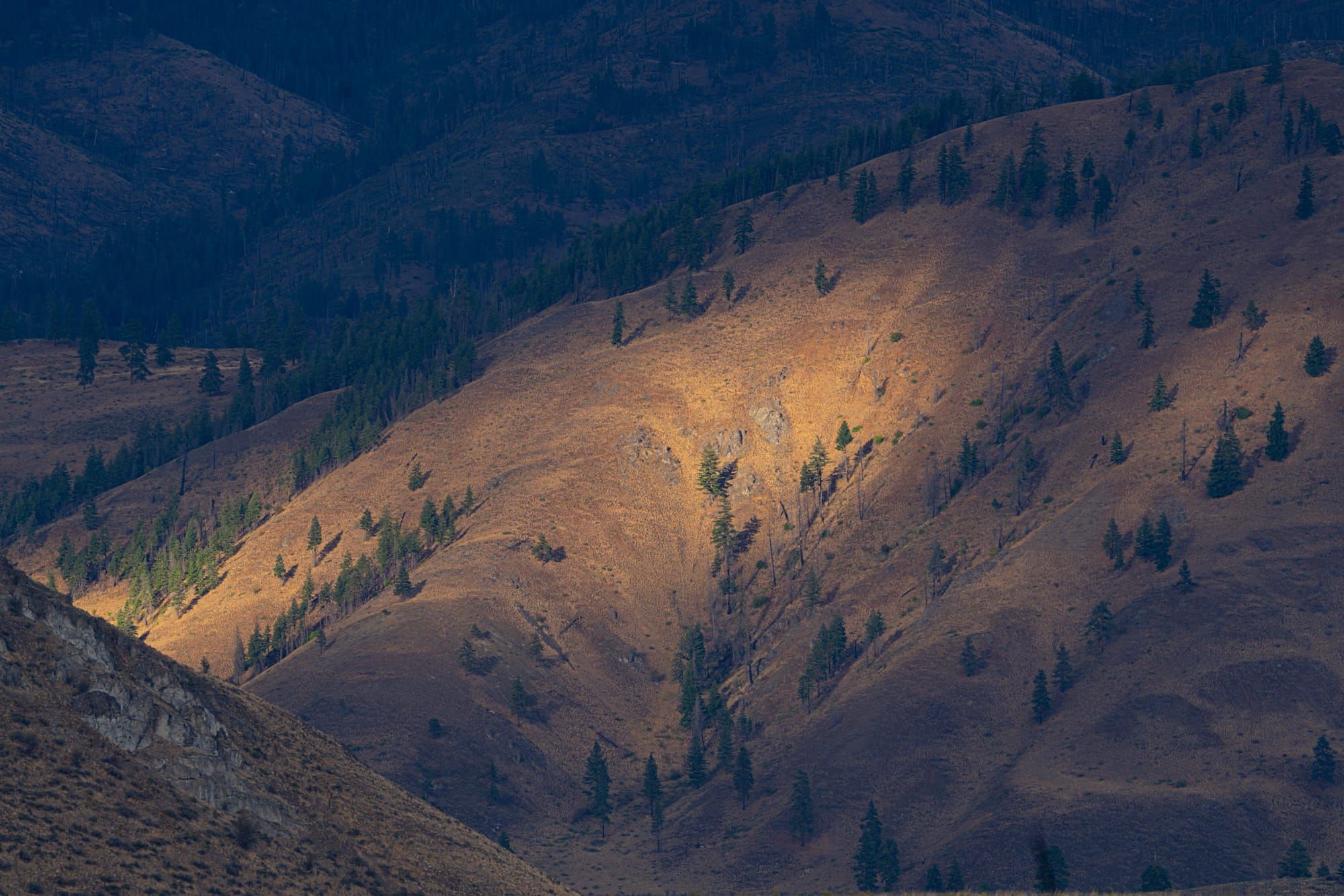
Crisp, cool weather, passing storm systems, and scattered rain slowed wildfire activity and cleared the air this week.
Week in Review
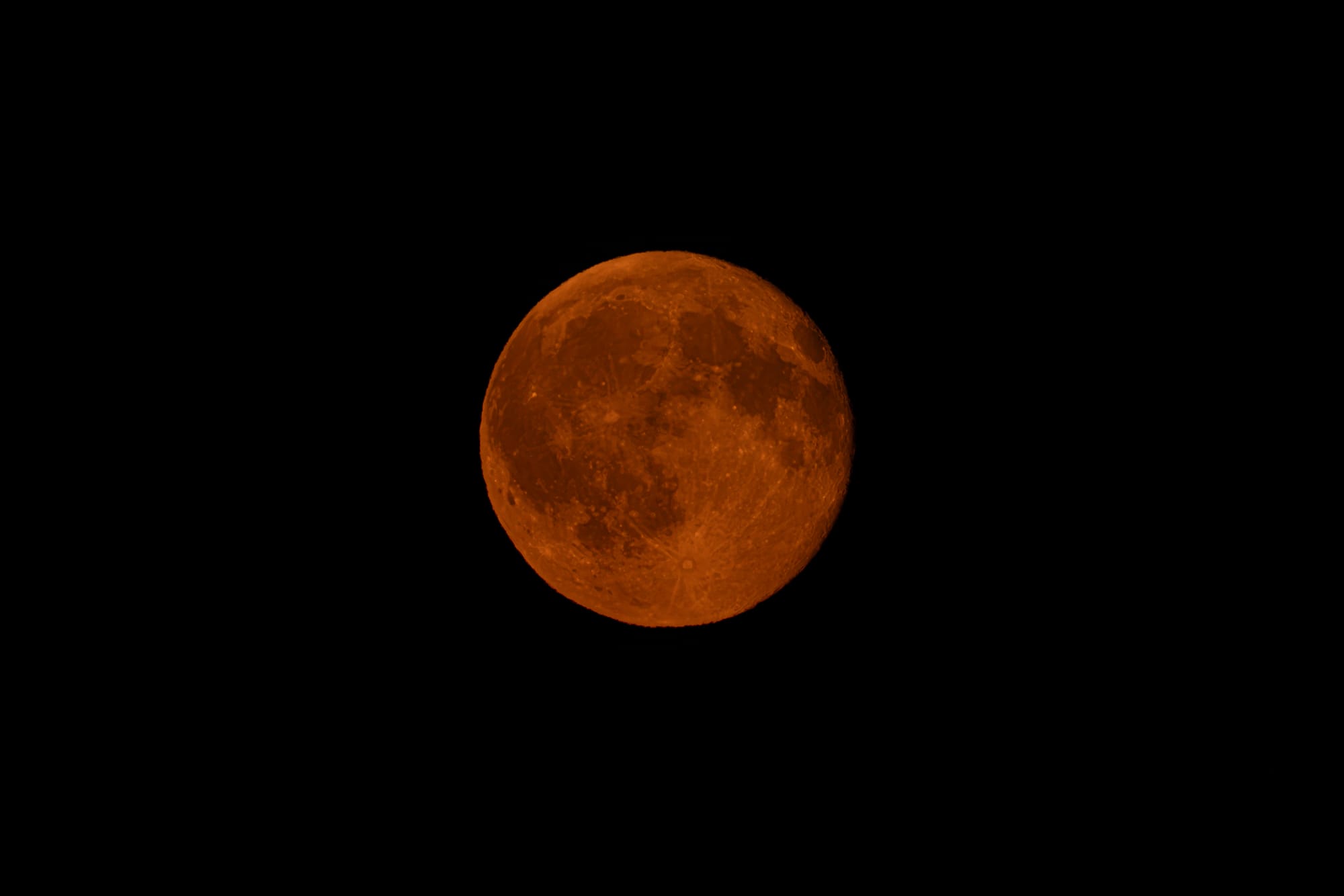
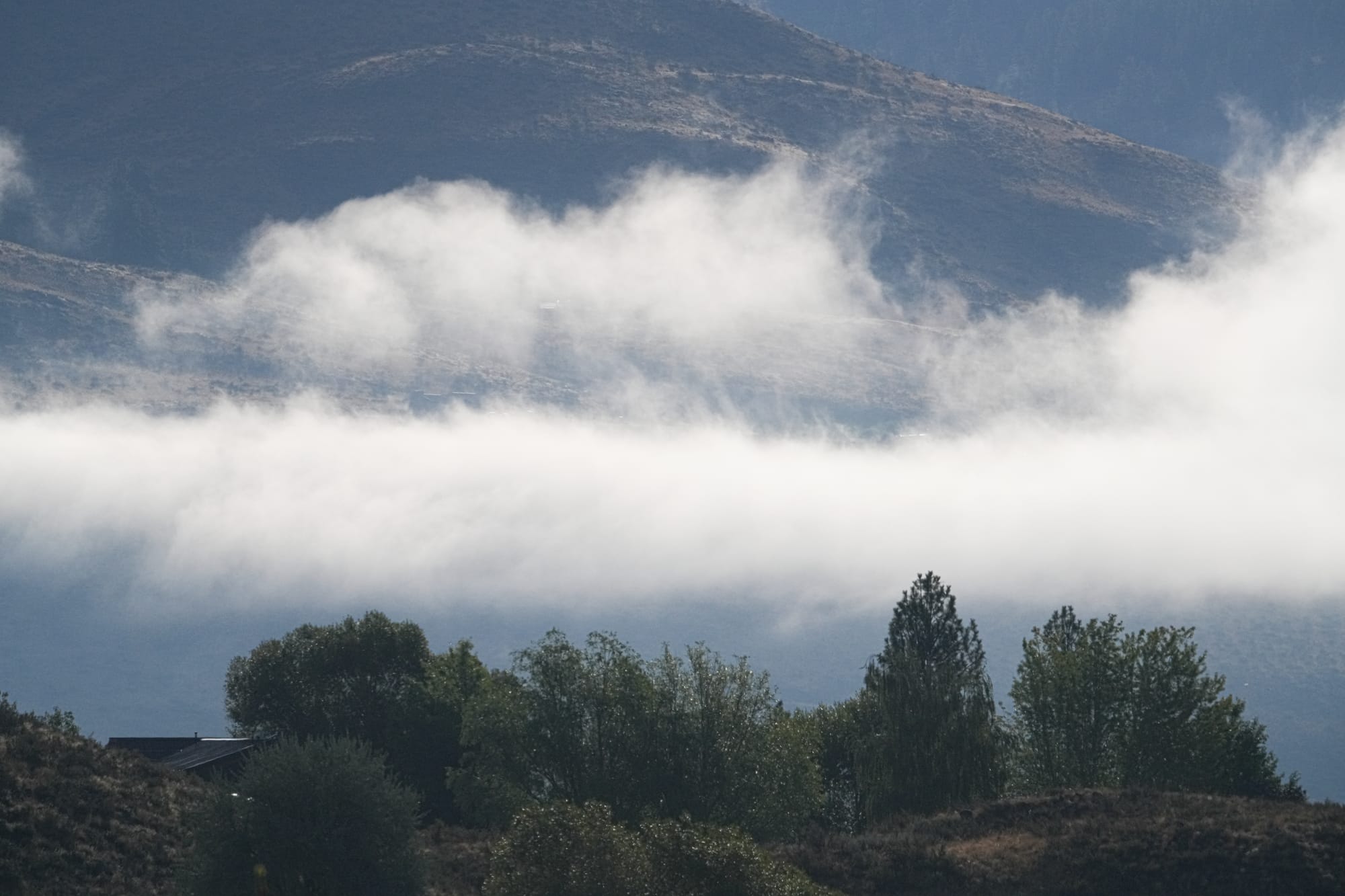
Cooling temperatures and clearing air helped highlight this week's shift into autumn weather. Even as the skies shed their smoky layers, we gained new clouds on the valley floor.
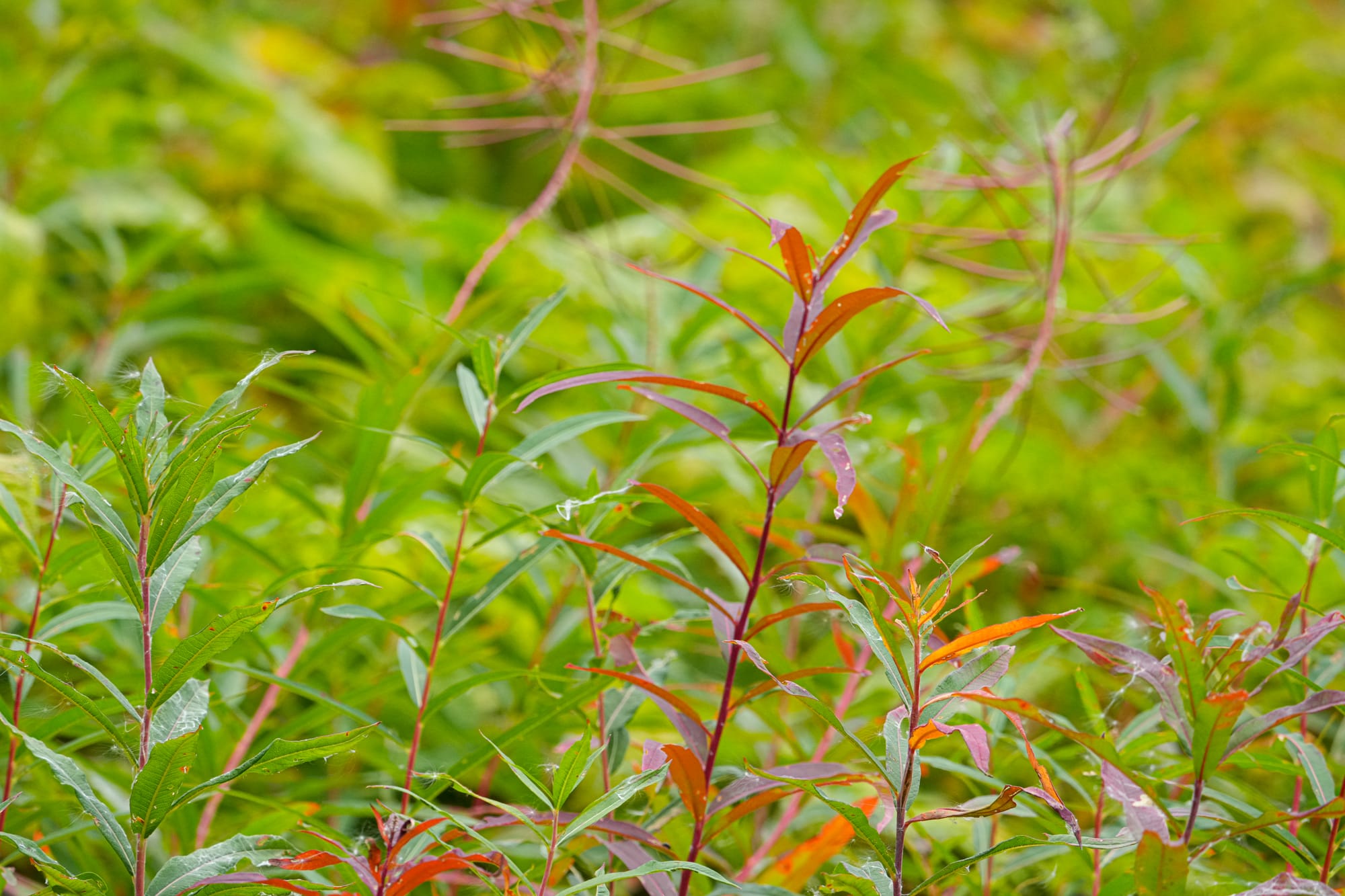
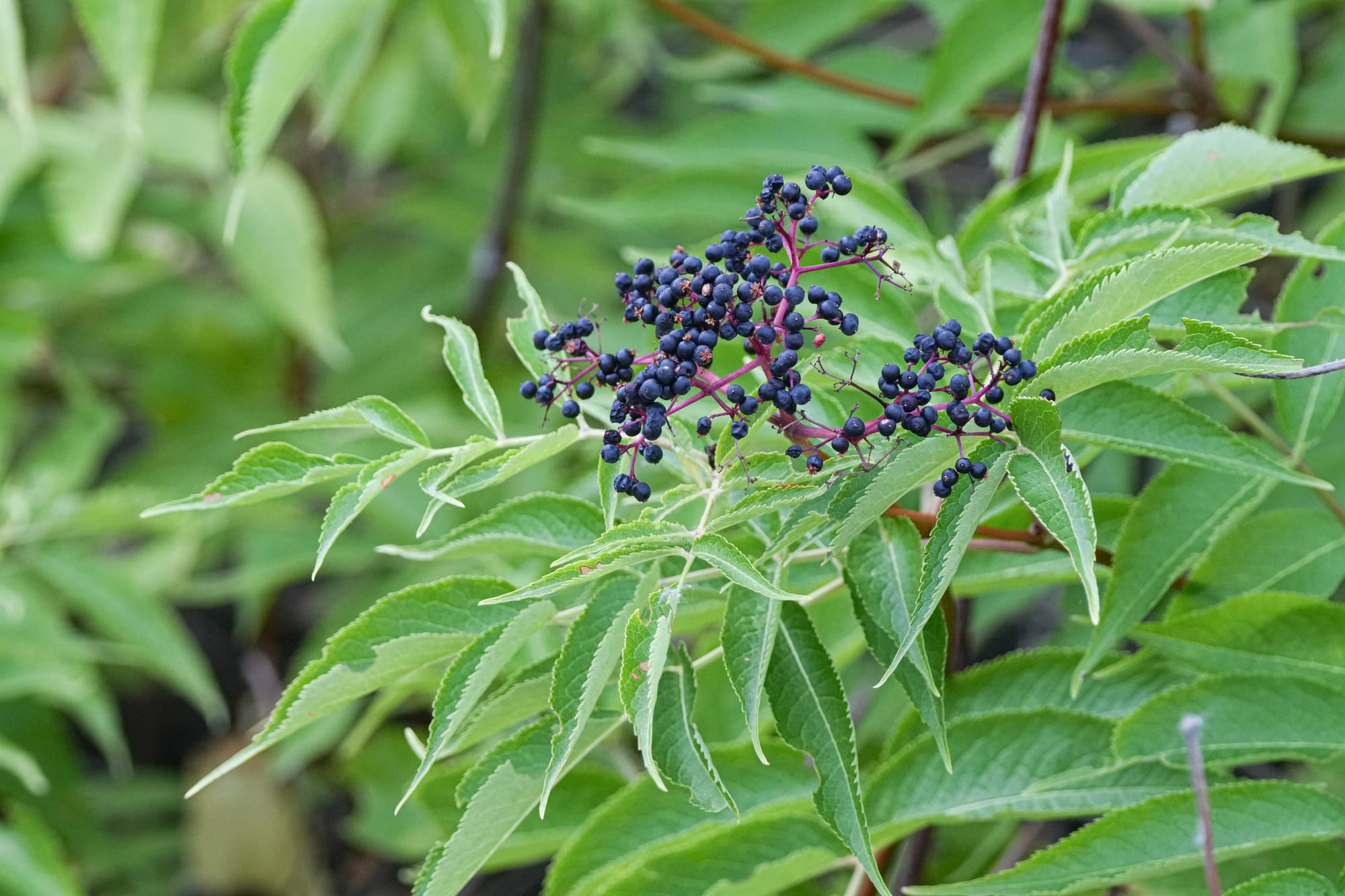
I hope you're looking forward to autumn as much as I am, and while we are weeks away from the advent of true fall colors, many leaves are already changing color.
This is also the season for fruiting plants, with berries showing up on a wide range of plants, as well as in animal droppings, especially in bear and coyote scat. Berries are loaded with sugars, and many birds and mammals rely on them to put on fat in preparation for winter.
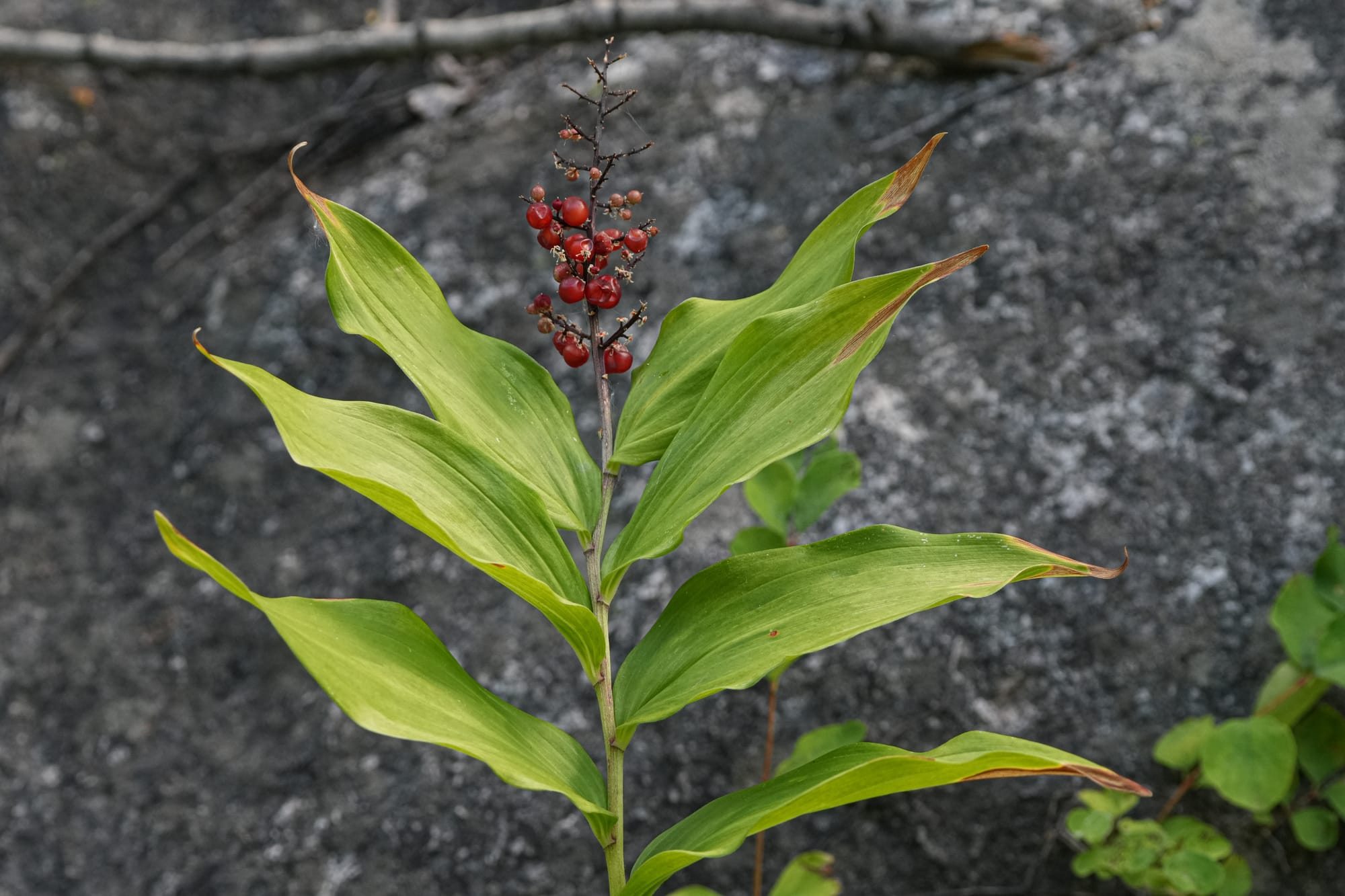
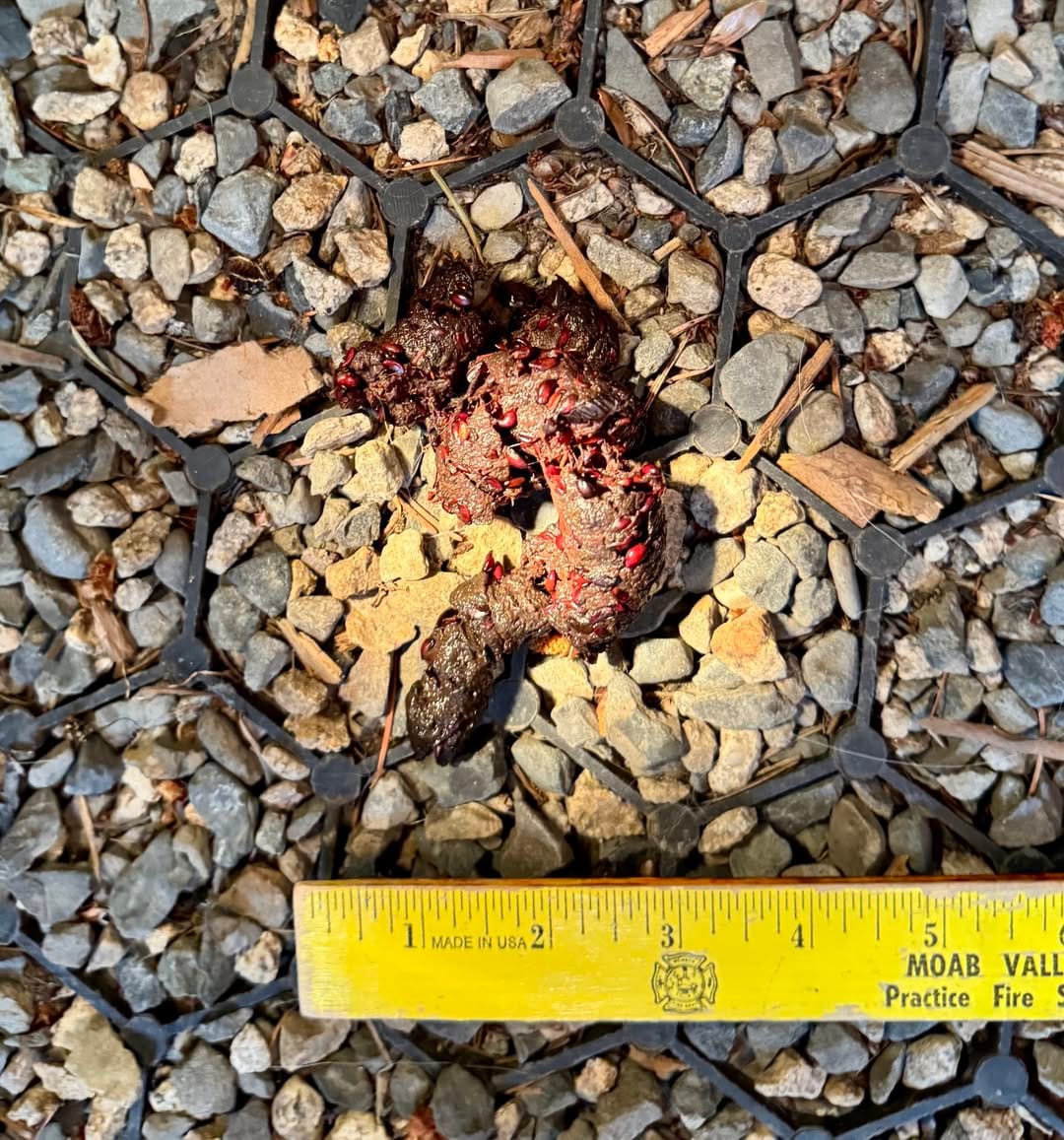
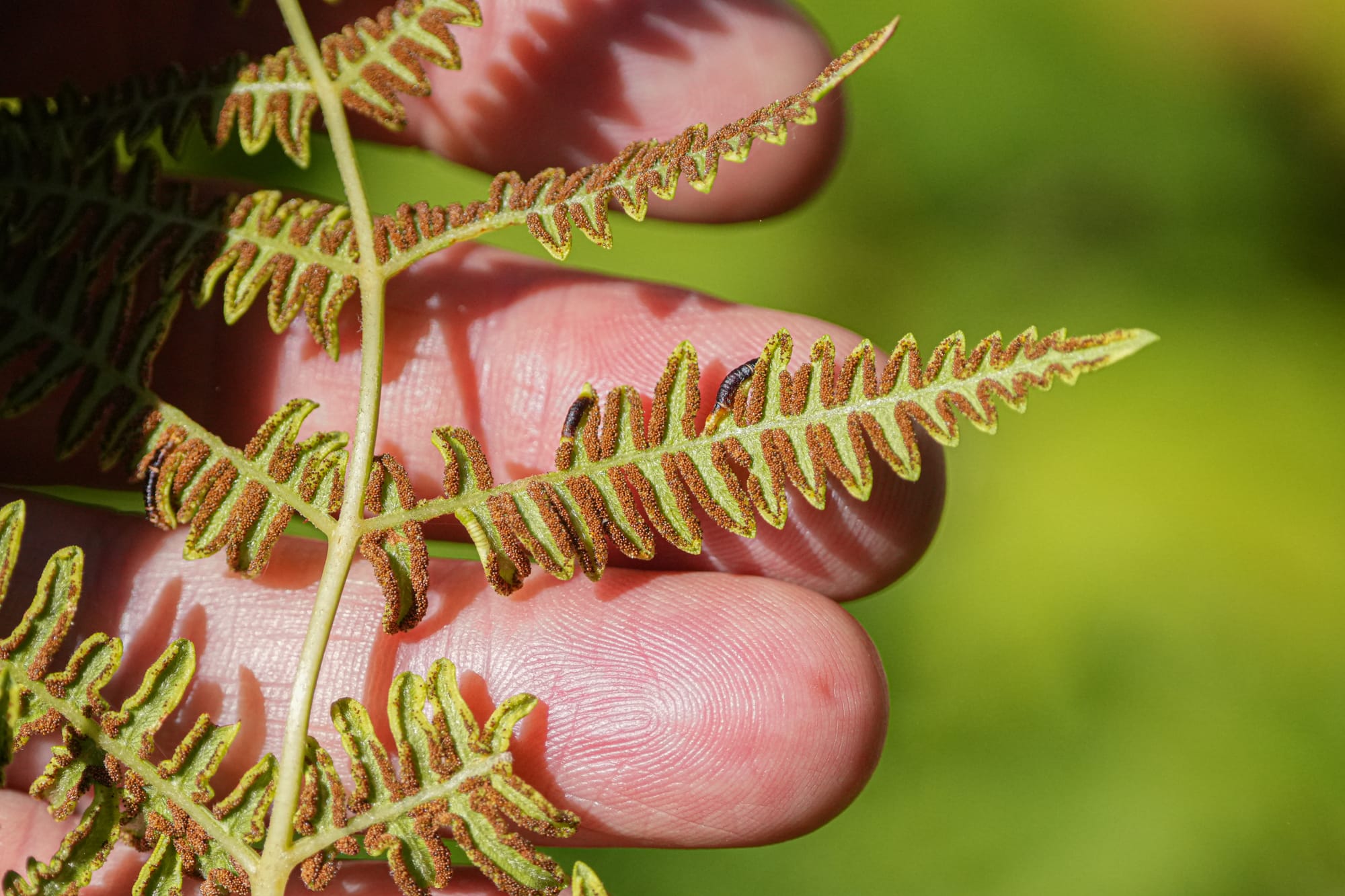
We are all familiar with many of our most common fruiting plants, but this is also a great time of year to look for more subtle forms of "fruiting" such as the spores produced by ferns. One of these days I'll write something about fern spores, but it's interesting to know that each type of fern produces a different arrangement of spore structures.
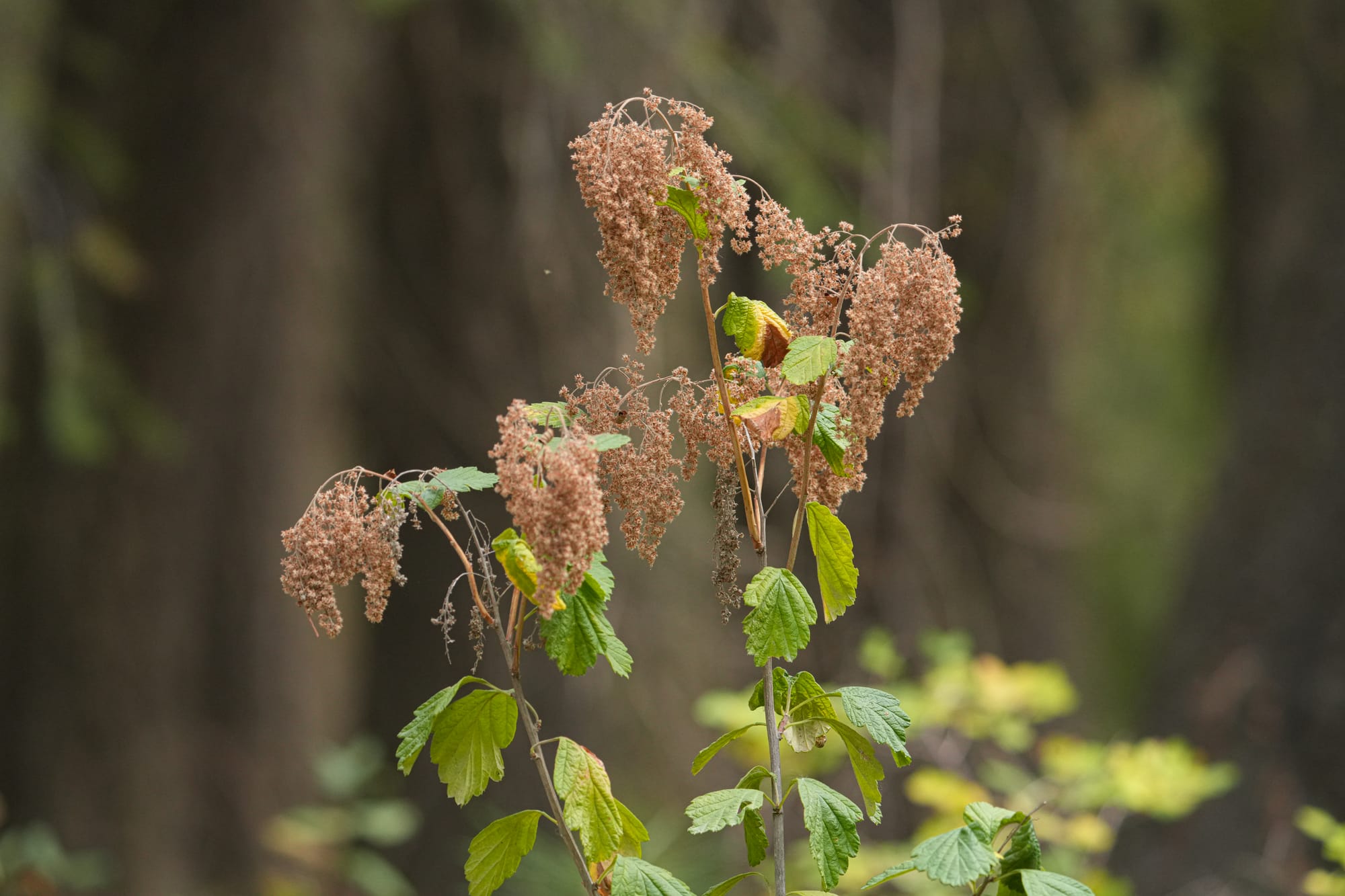
As I spent the week paying attention to plants, I was pleased to discover that the changing seasons can be an unexpected window into noticing plants that we'd otherwise overlook. It's a great reminder that there's always something new to discover here.
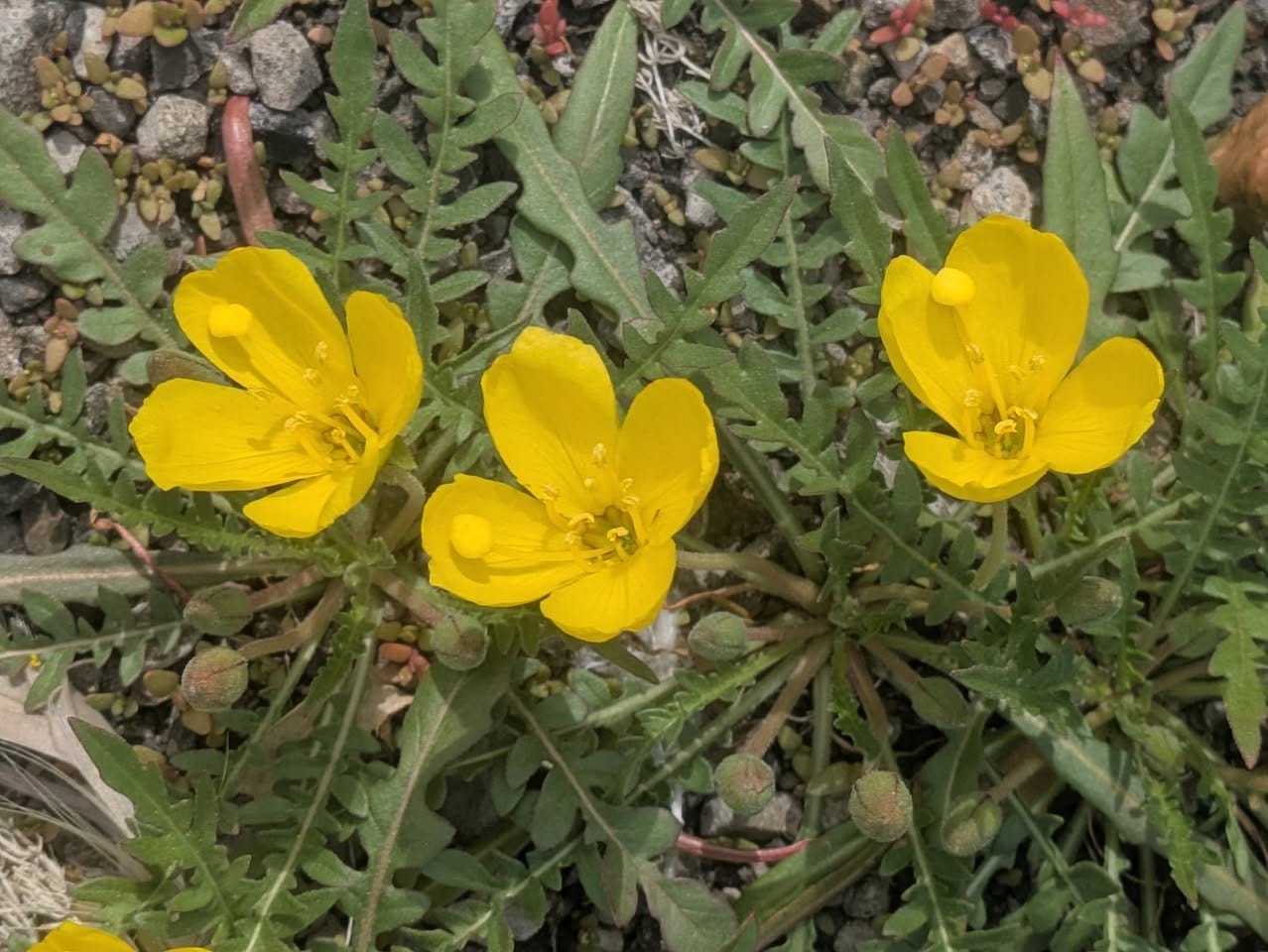
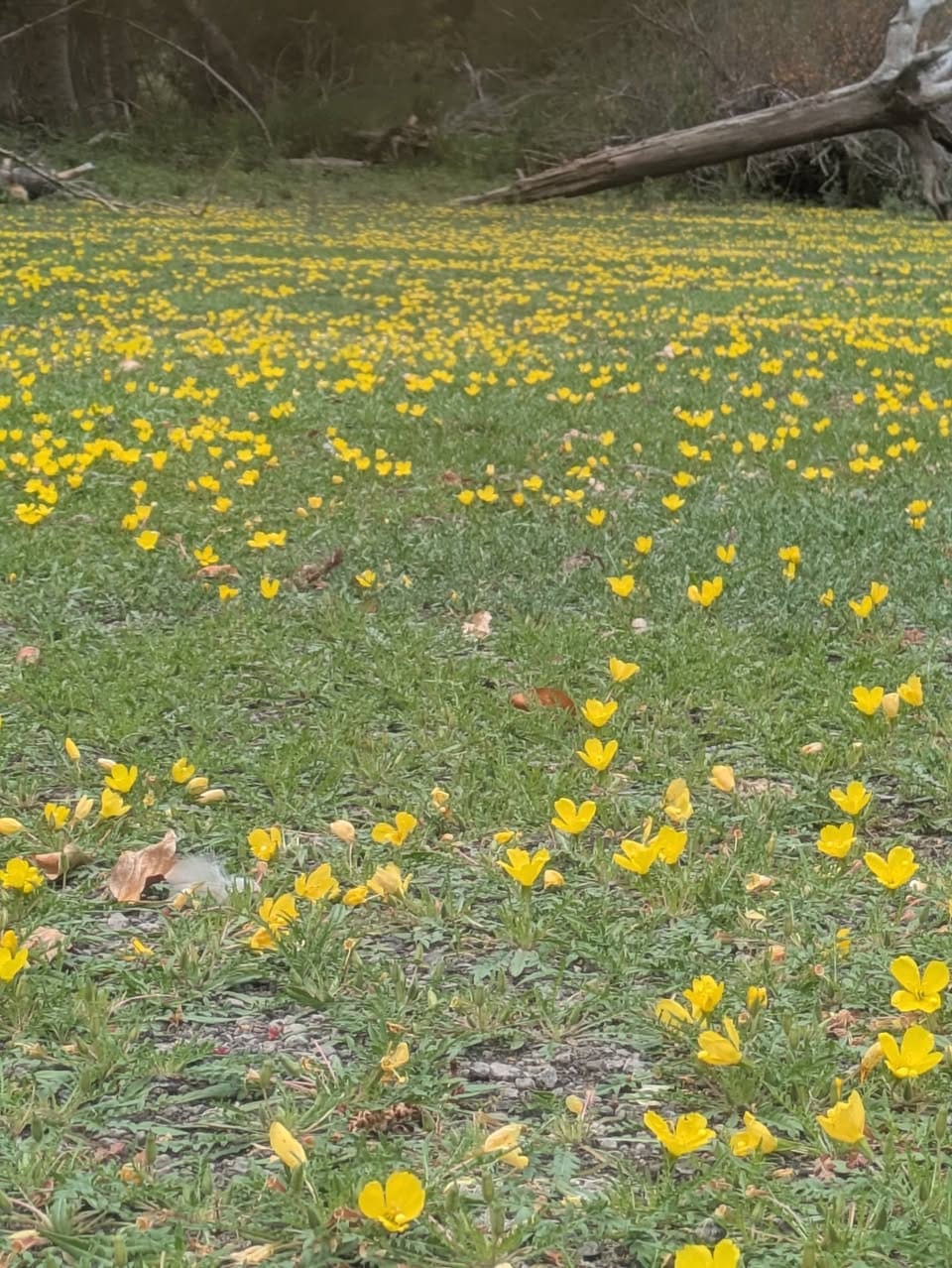
Late summer blooming of tansyleaf evening primrose (Taraxia tanacetifolia) at the south end of Patterson Lake. Photos by Brent Tannehill
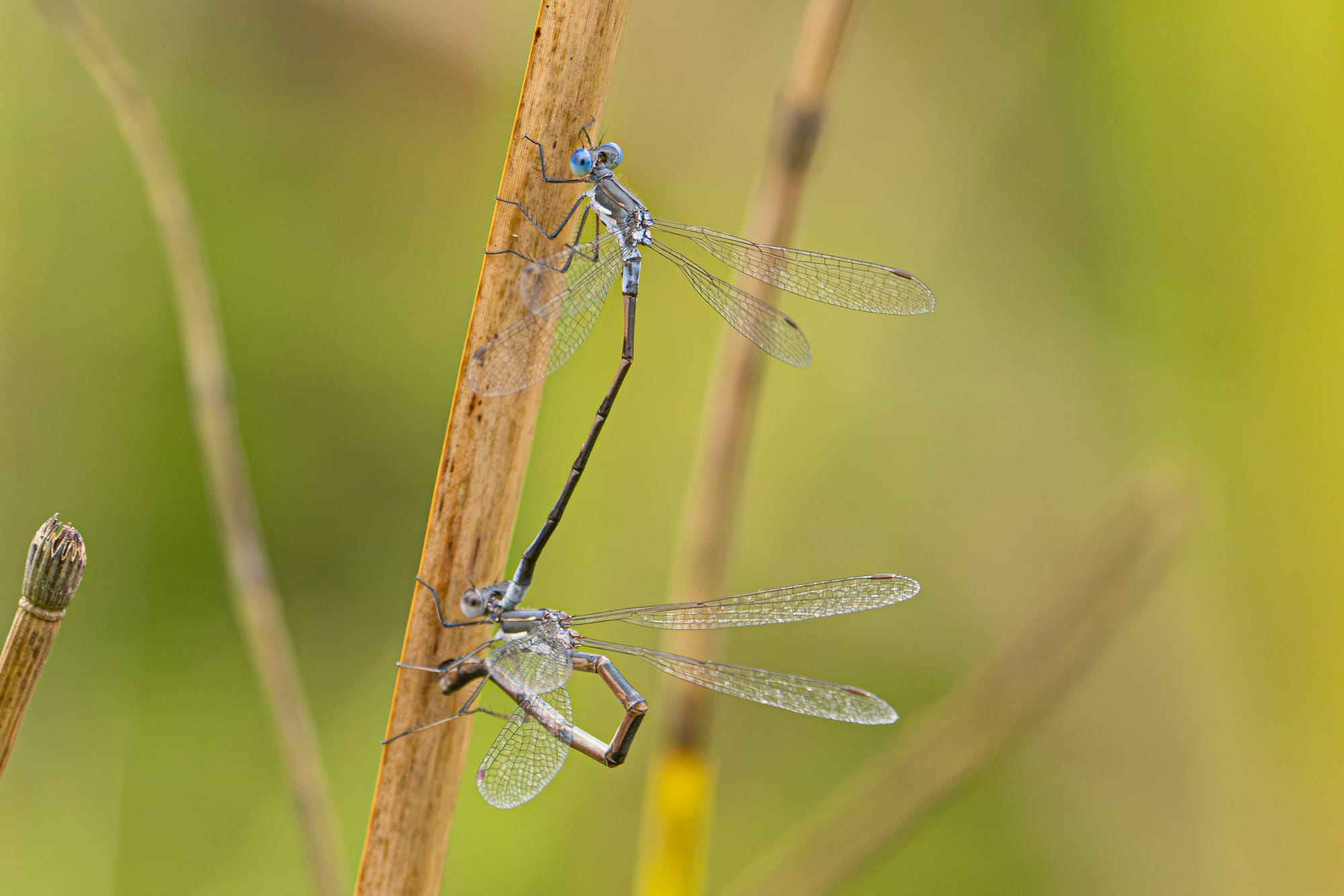
Even with the drop in temperatures there are still a lot of insects out and about. Dragonflies remain conspicuous and abundant, and we spotted our first small groups of flying woolly aphids, which have a knack for starting to fly as soon as insect-eating songbirds head south.
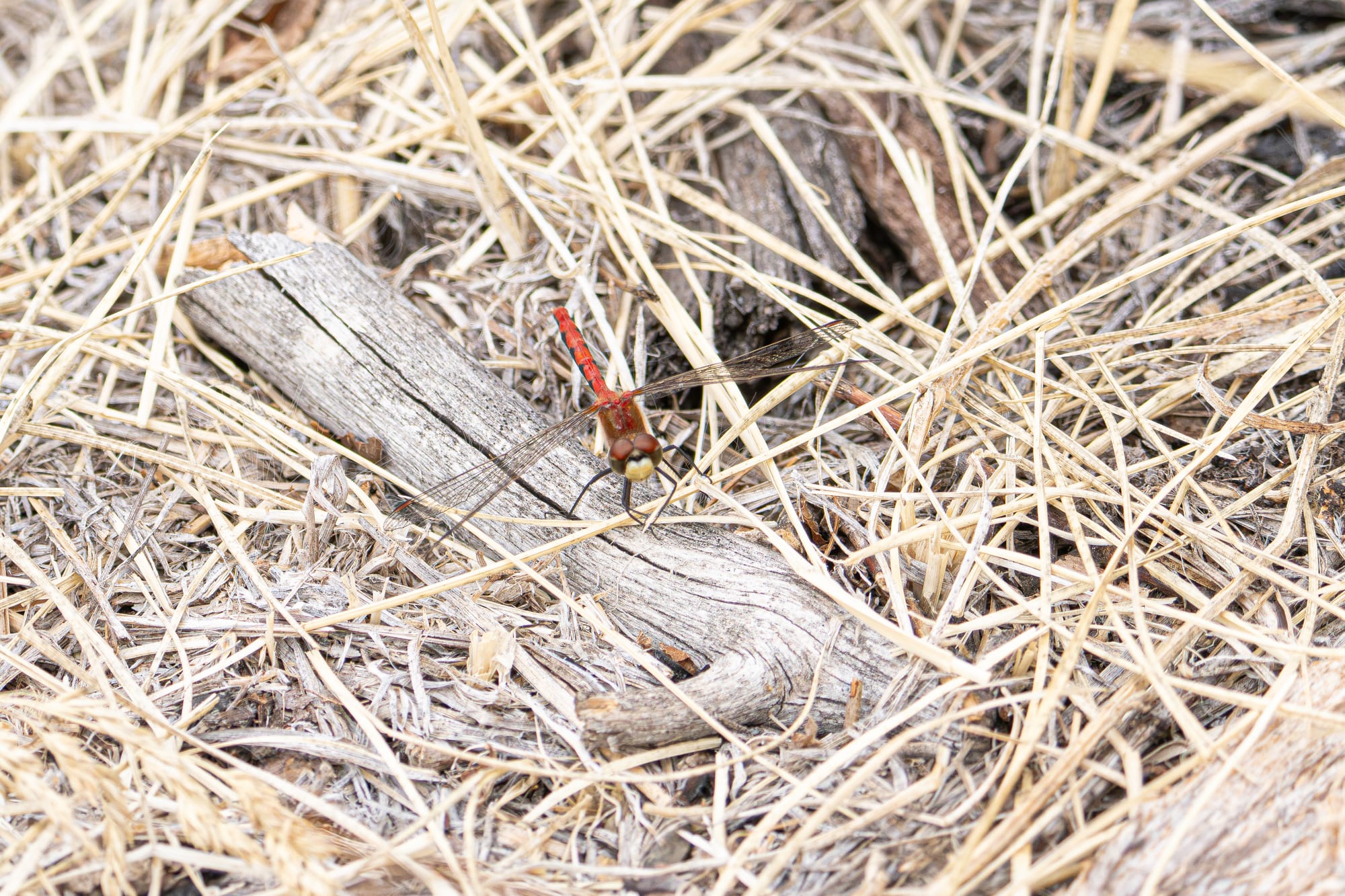
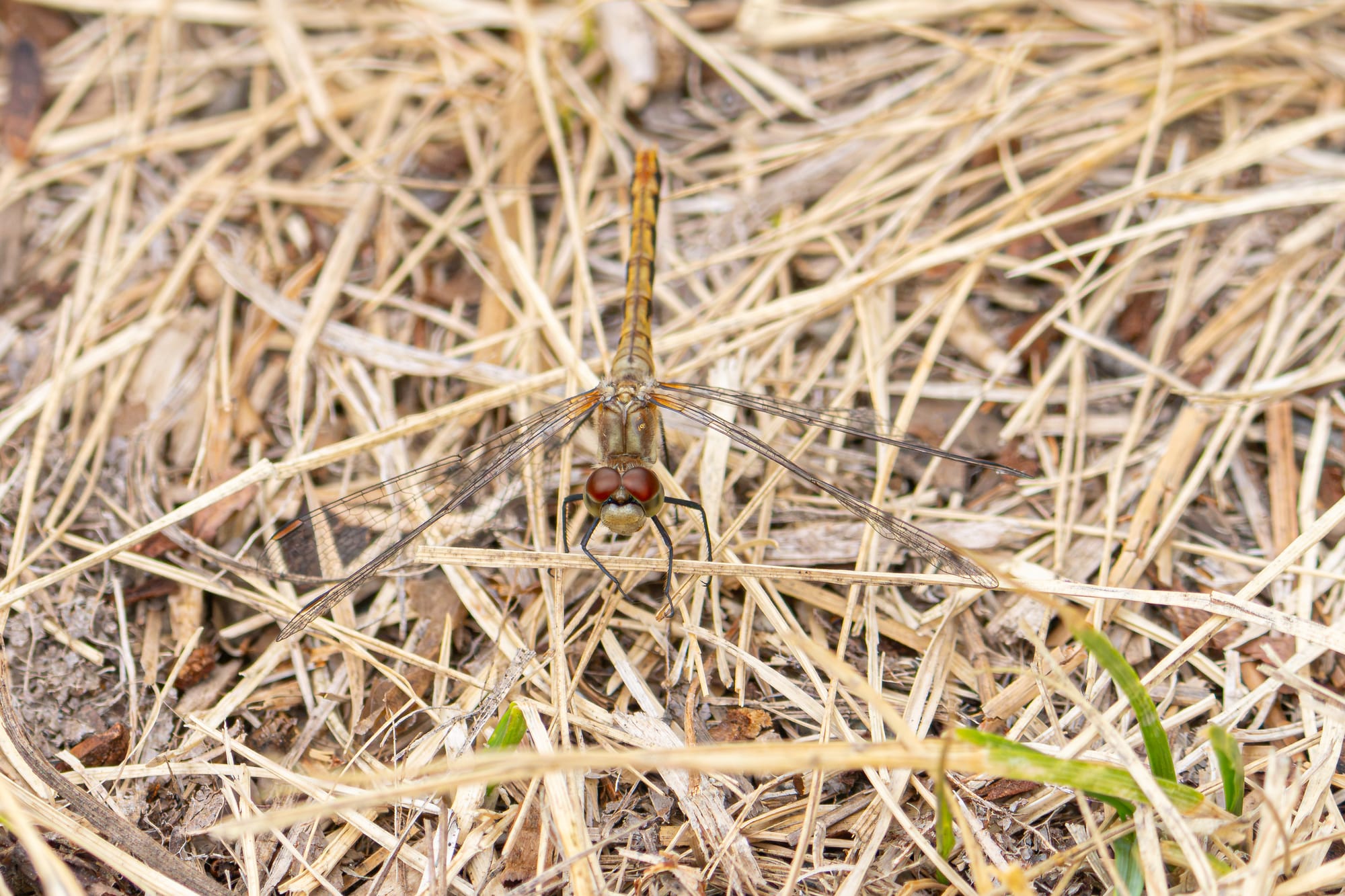
While blue-colored darners are everywhere there's open water, white-faced meadowhawks are abundant on dry land (male on left, female on right). Photos by David Lukas
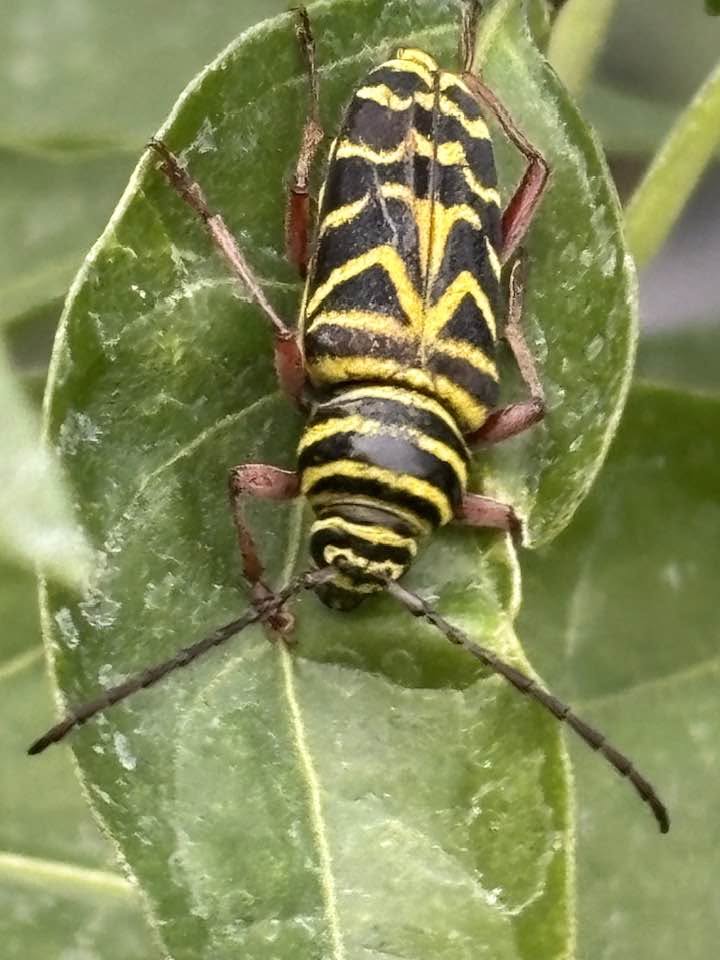
One notable insect that was reported on the Facebook group this week was a locust borer. This colorful beetle is native to the east coast, where it specializes on attacking black locust trees. As black locusts were planted as ornamental trees across the United States the beetles spread along with the trees and they now occasionally show up in places like the Methow Valley.
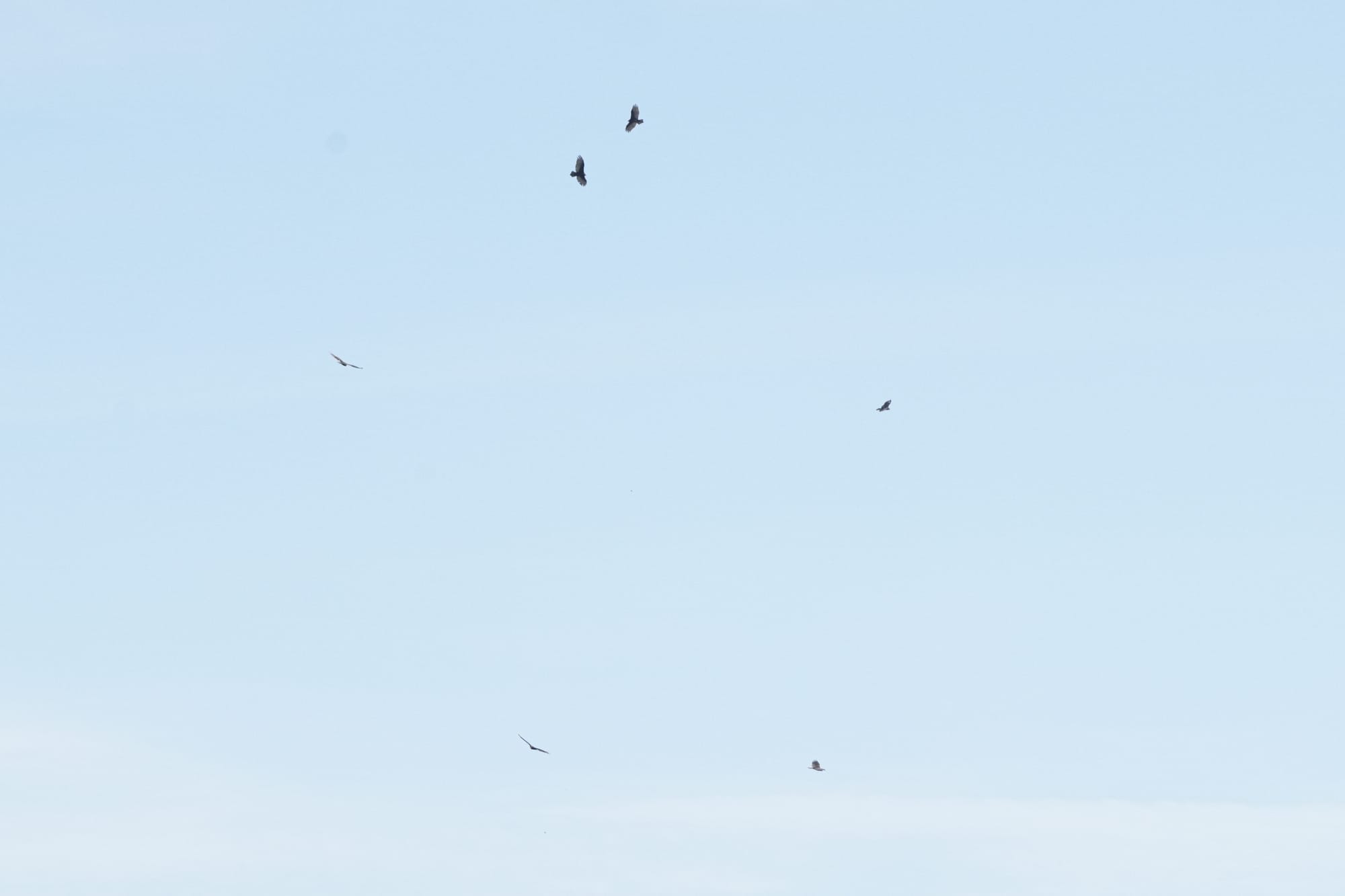
Over the past couple weeks, I've been mentioning the steady passage of migrating birds, but this week was epic, especially yesterday as rain and storm clouds cleared up. In addition to groups of migrating turkey vultures, there were so many flocks of yellow-rumped warblers and sparrows flying across the desert shrubs that at times they looked like confetti blowing in the wind.
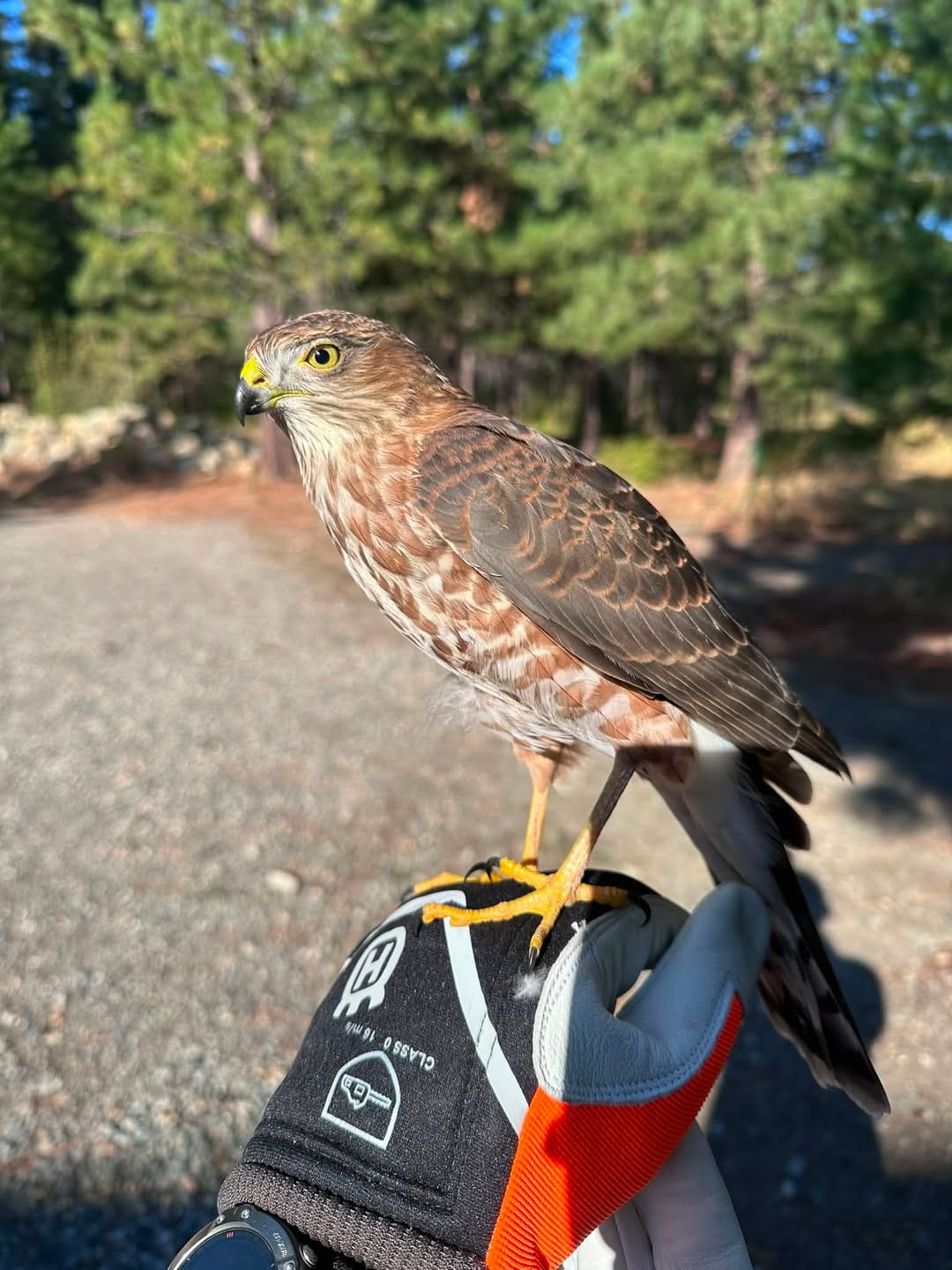
Observation of the Week: Elk in the Methow Valley?!
Someone posted a trail cam photo of a bull elk in the Nature Notes Facebook group this week. While elk are common on the west side of the Cascades, they are rarely found in the Methow Valley so this was a notable sighting.
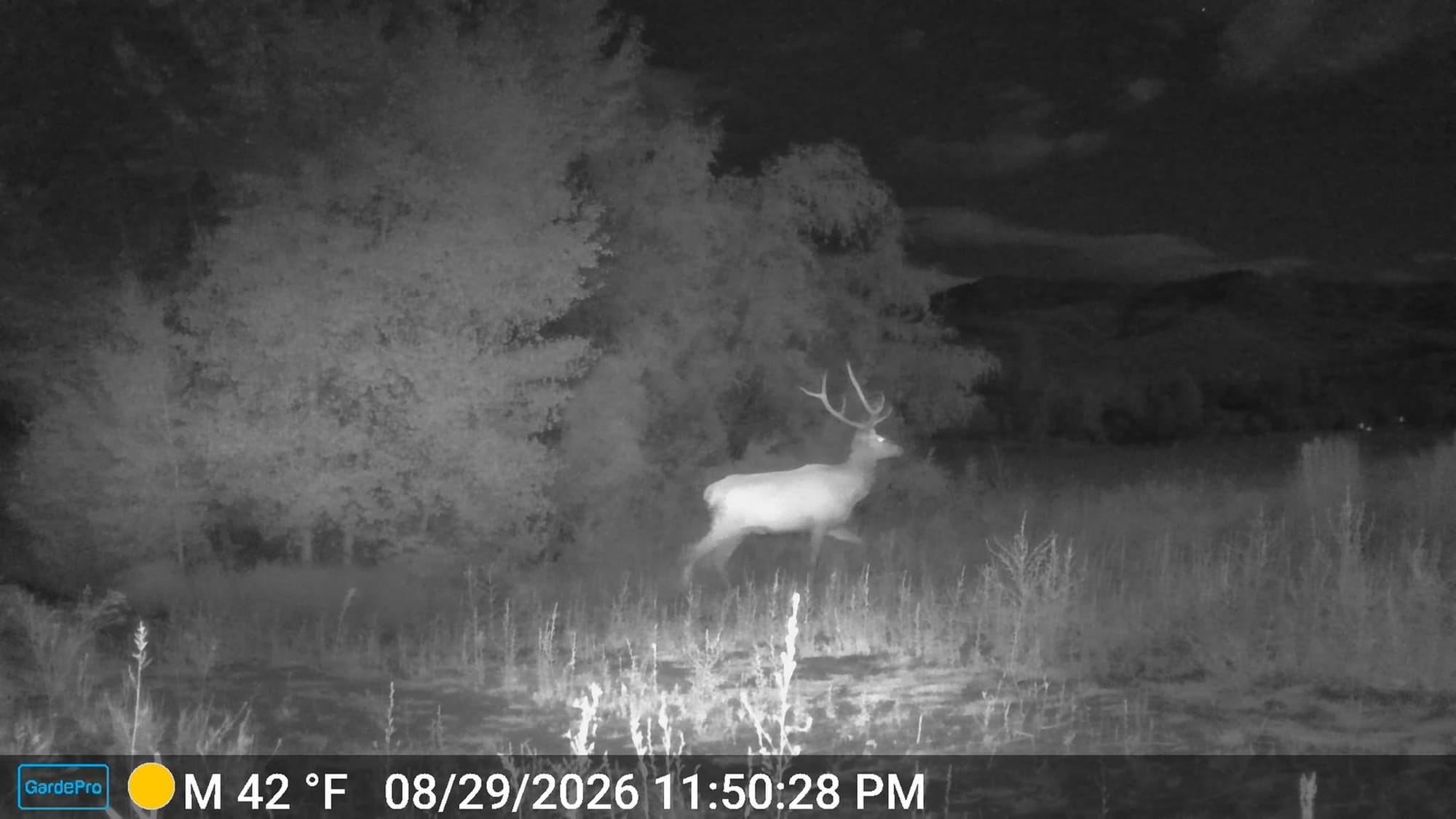
The large number of comments that followed this post caught my attention because no one could agree on whether or not the Washington Department of Fish & Game traps or kills the elk that show up in the Methow Valley. You would think that this is readily available public knowledge, and many knowledgeable people commented on the post, so why isn't there an obvious answer?!
It would be amazing if there were elk in the Methow Valley again, and in many places where they occur, they are popular (though admittedly problematic) attractions. If nothing else, the sound of them bugling in the fall is one of the greatest sounds in nature so it's a shame that we don't get to experience this here (check out these awesome recordings on this Yellowstone National Park page).
On this note, it was brought to my attention that WDFW is now taking comments on their proposed plans for the 2027-2029 hunting seasons. If you have any input or suggestions, especially for the Methow Valley, this might be a good time to send in your comments. When I searched the internet, I discovered that hunting groups are notifying their members of this open comment period, but it doesn't seem like many other people are aware that this is going on.
