Some Hints of Fall
August 23-29, 2026

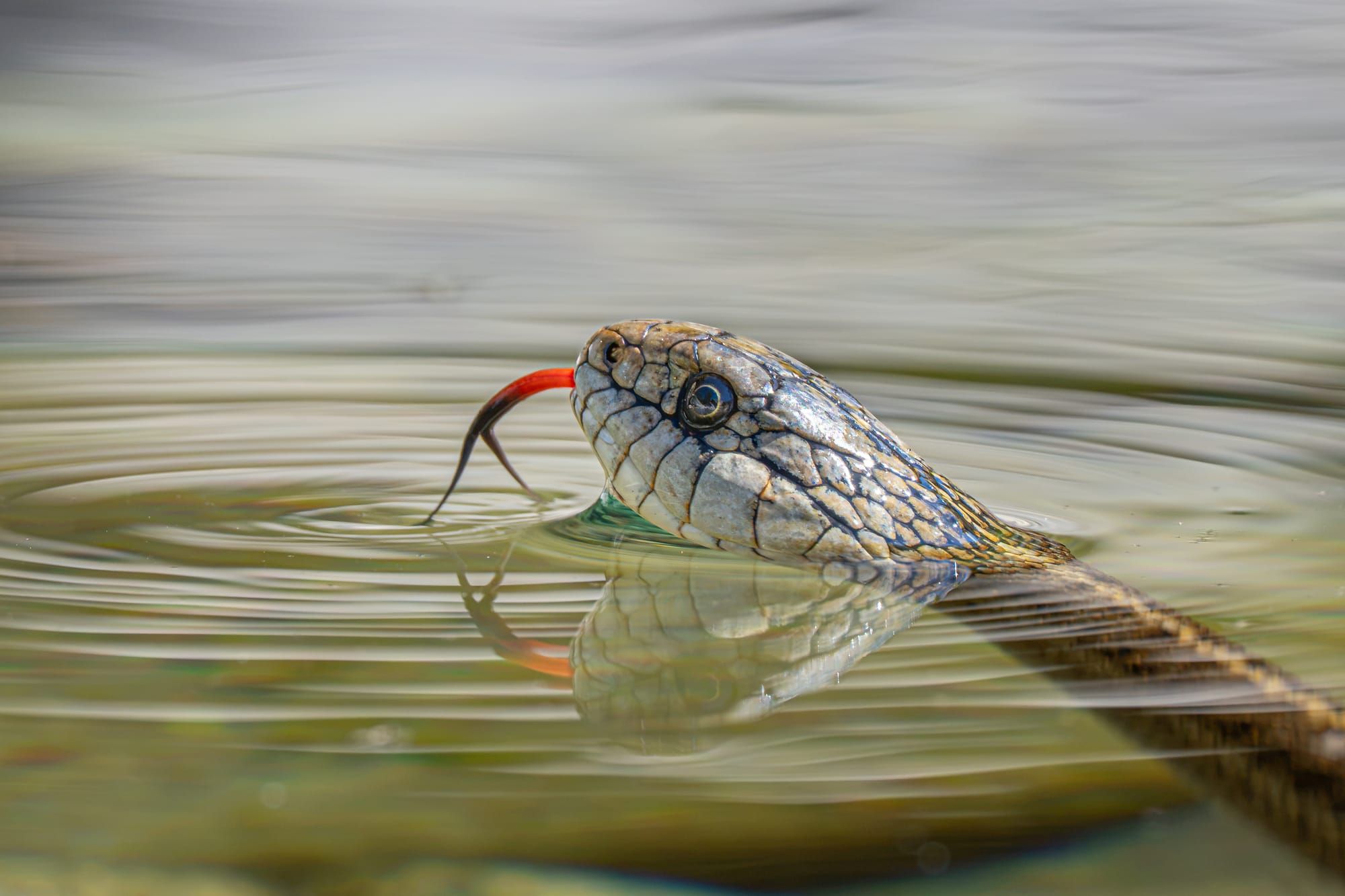
Yet another smoky week that ended with a glorious and much-needed dousing of rain.
Week in Review
Once again, persistent smoke made this a hard week to get outside for more than short periods of time. Two big fires around the Methow Valley—the Sinlahekin Fire and the Little Giant Fire—are still burning, making brief explosive runs and simmering within growing containment lines.
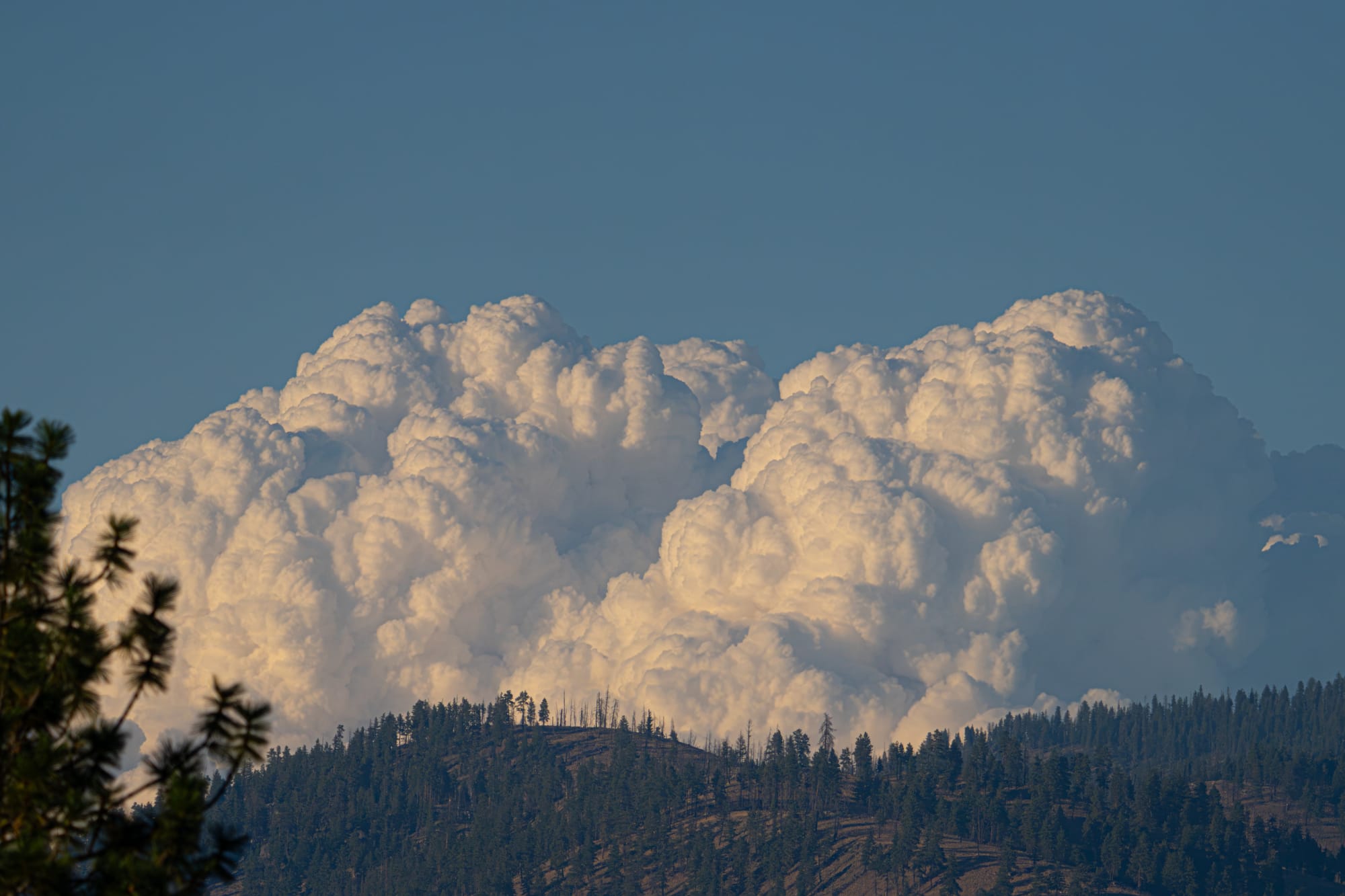
Fortunately, the skies cleared just enough to see this week's lunar eclipse. And, while the eclipse was really cool, the moon was even more dramatic the next night as it glowed an intense orange through wildfire smoke.

If there was one story this week, it would be the phenomenal numbers of birds that are around right now. I would even venture to say this has been one of the best weeks for birds I've experienced in the Methow Valley.
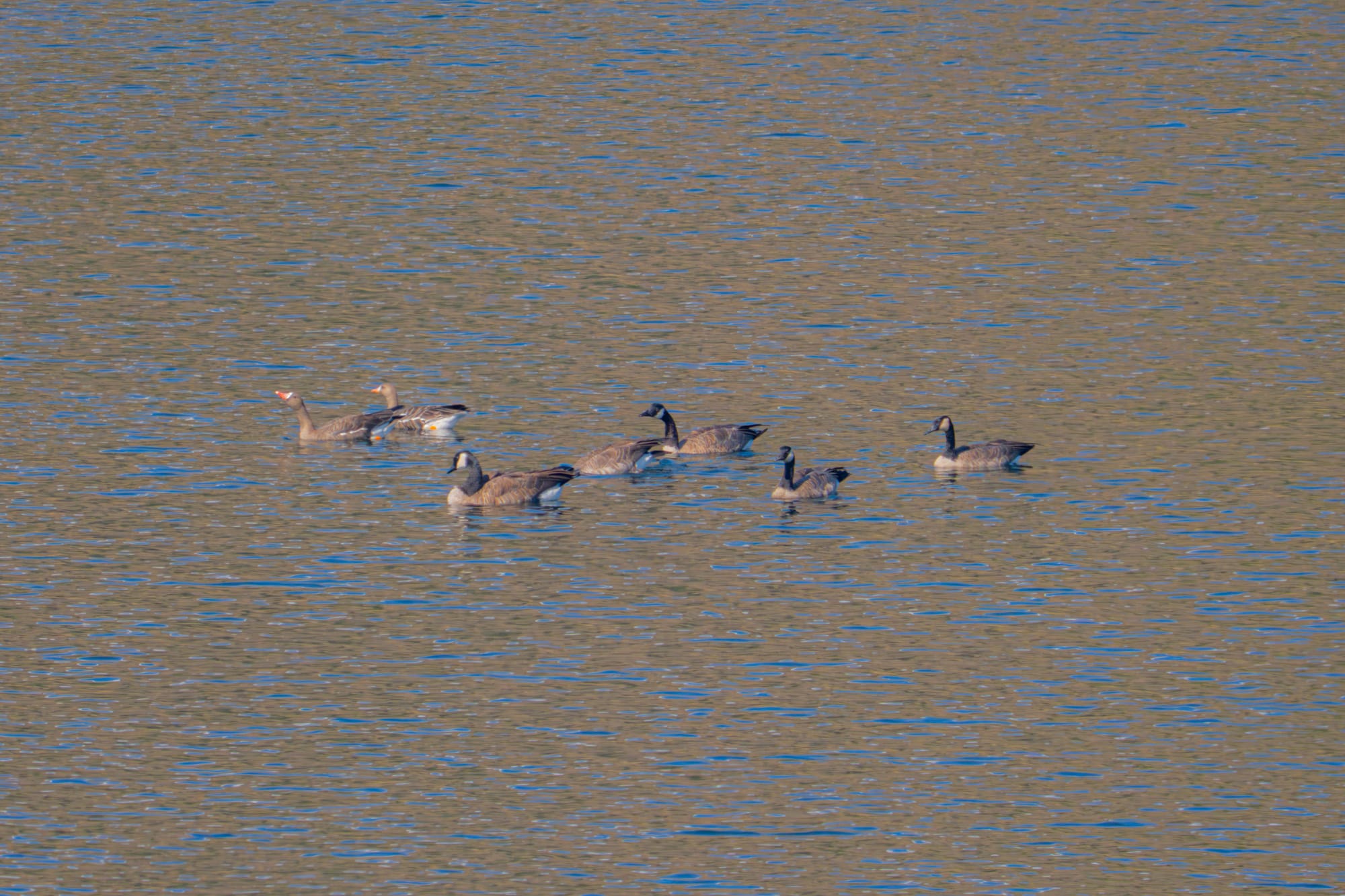
With the exception of hundreds of swallows that appeared on August 27, many of the birds I've been seeing have been migrating songbirds. This includes dozens of yellow-rumped warblers at a time, a scattering of western tanagers, and large numbers of evening grosbeaks. I'm guessing that common nighthawks are finally gone because the last one I saw was on the 18th.
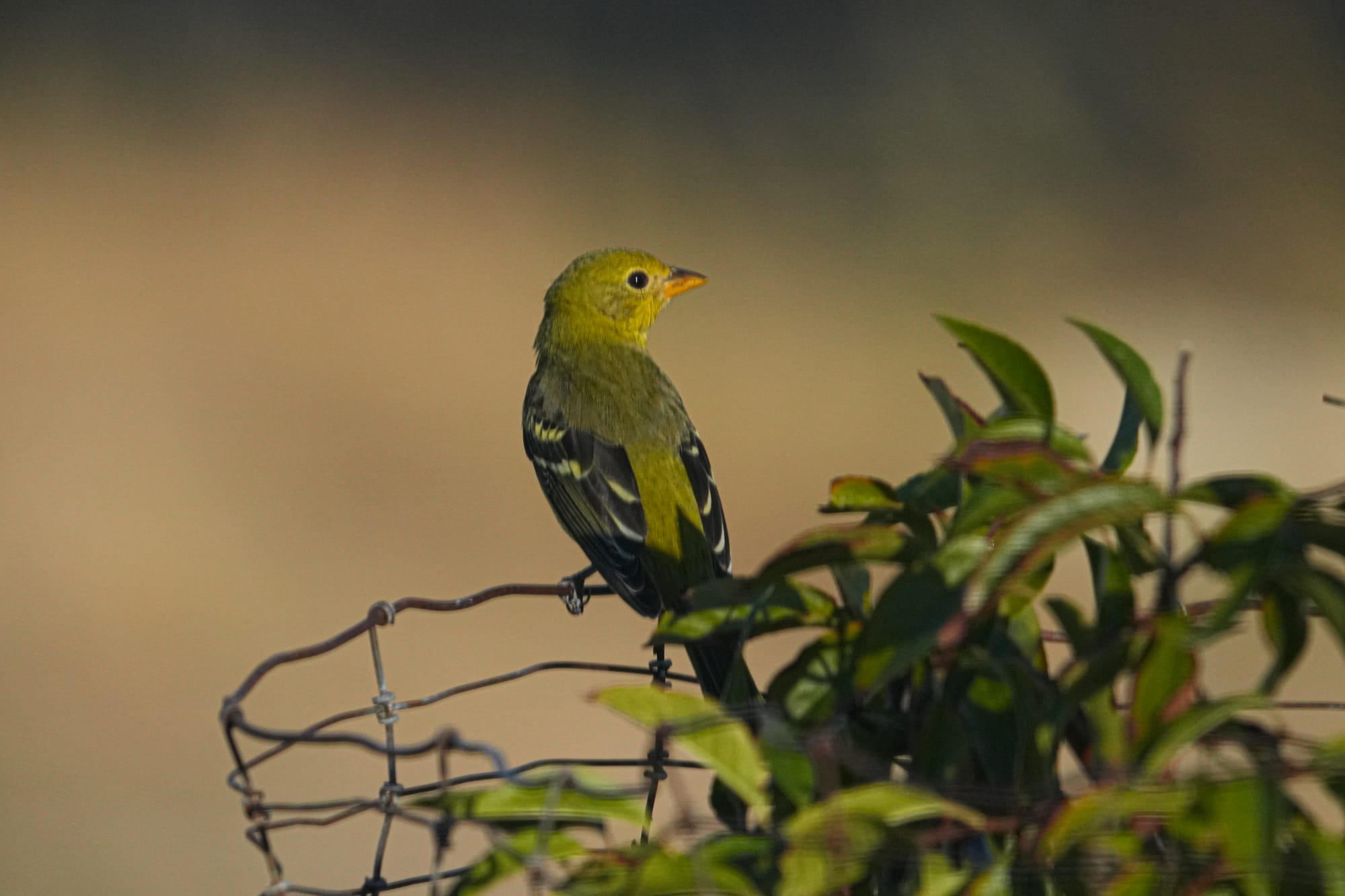
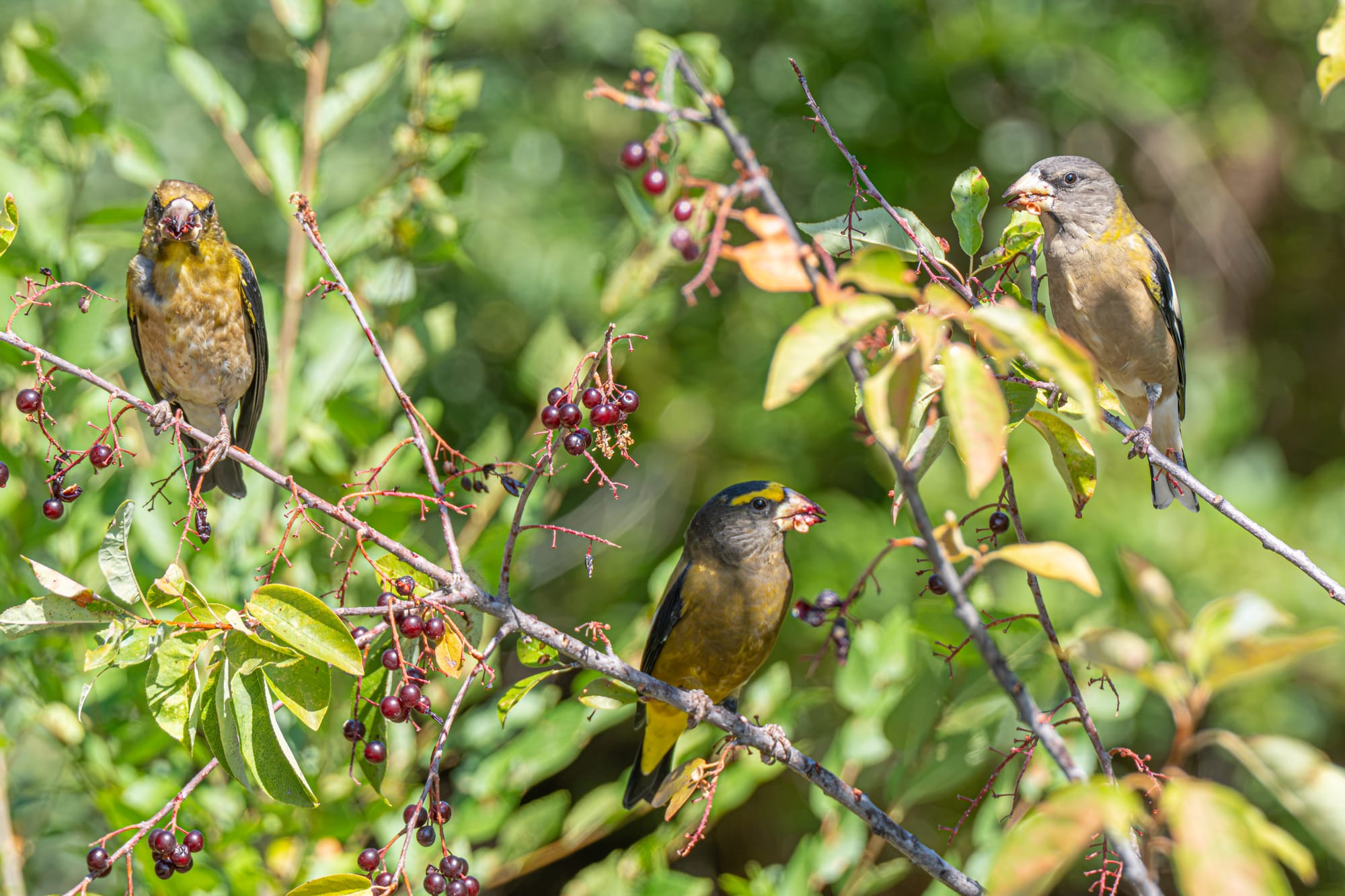
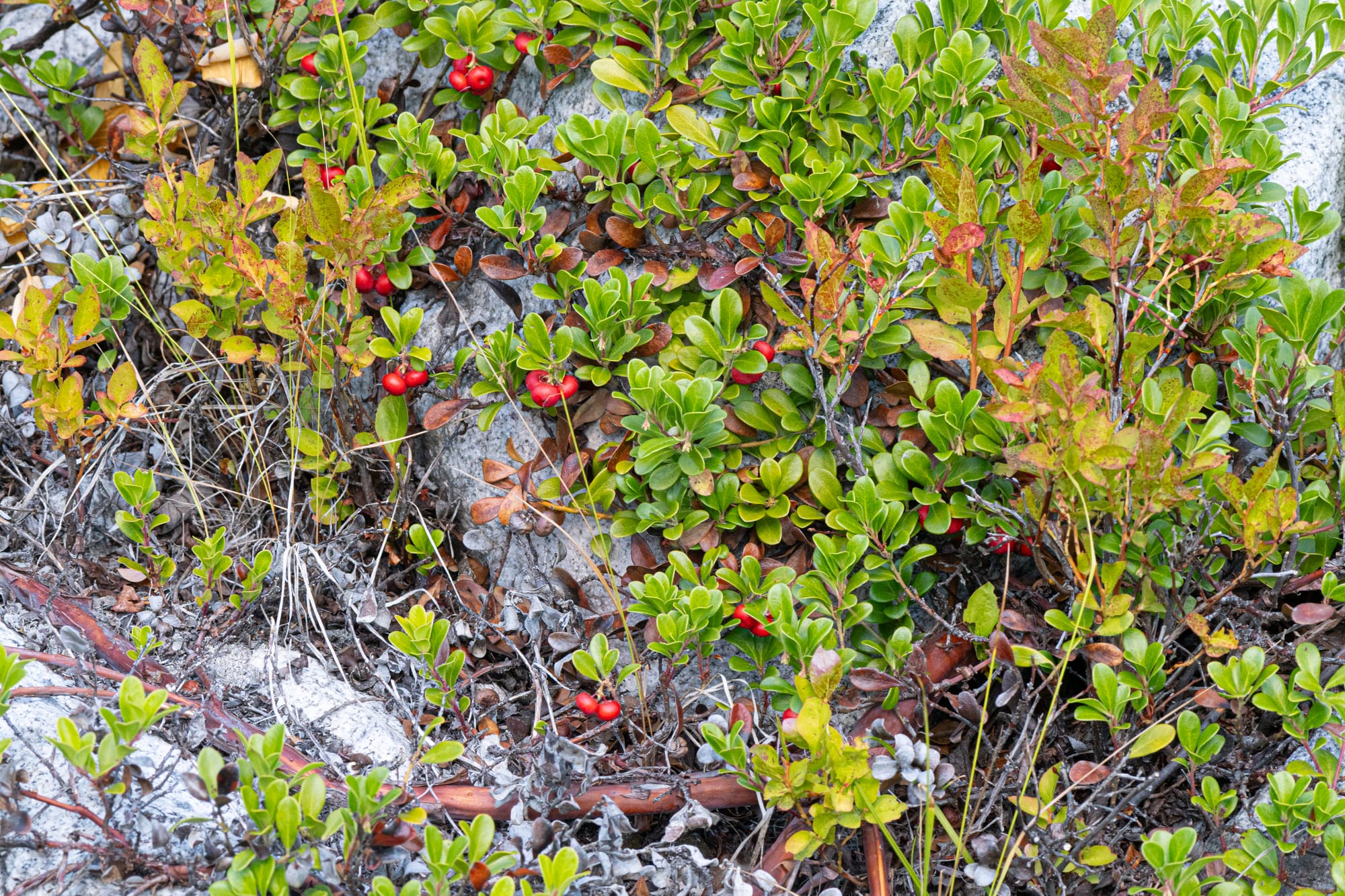
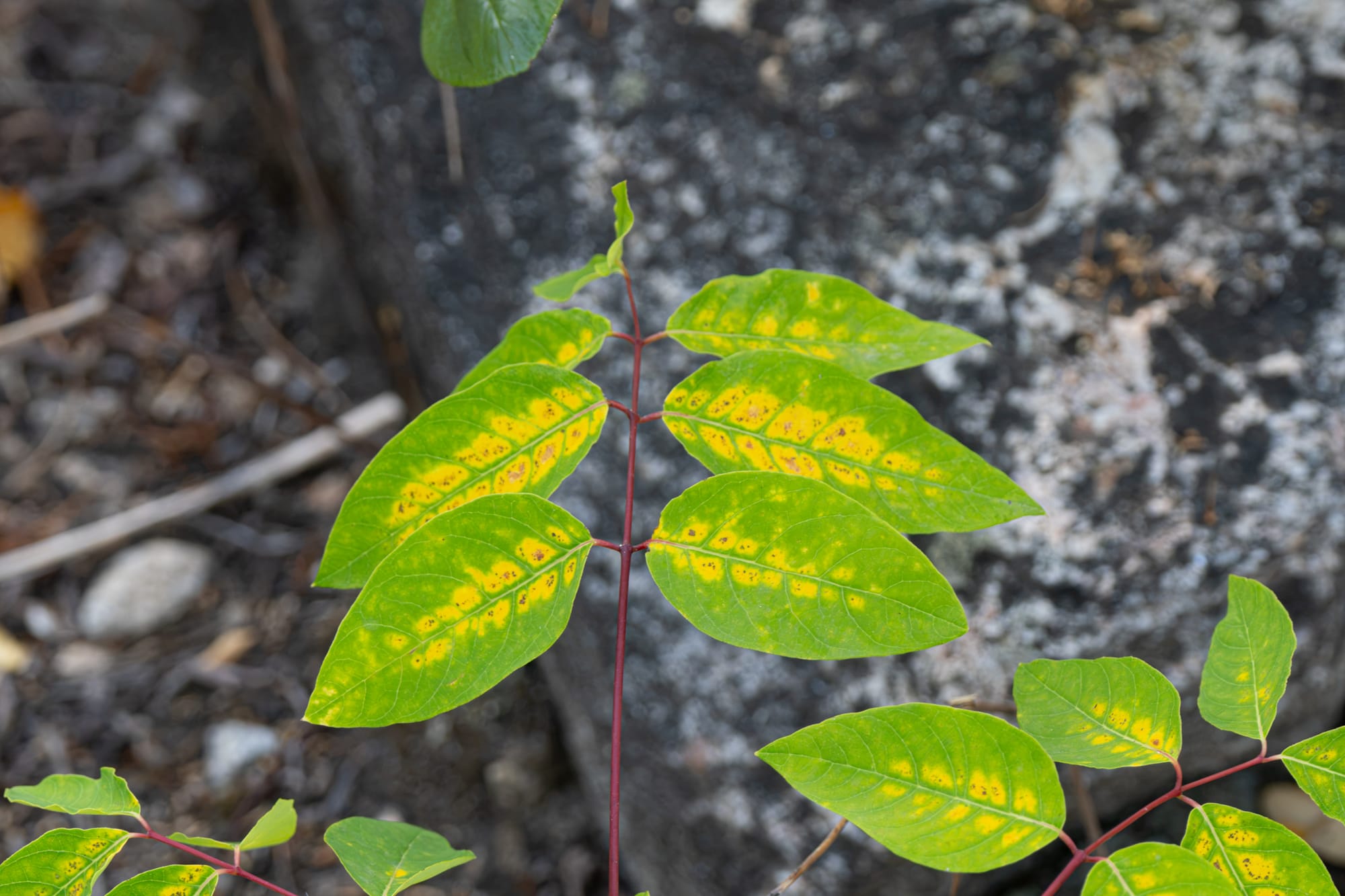
At the same time, there are many other signs of the changing seasons, ranging from ripening berries to hints of fall colors.
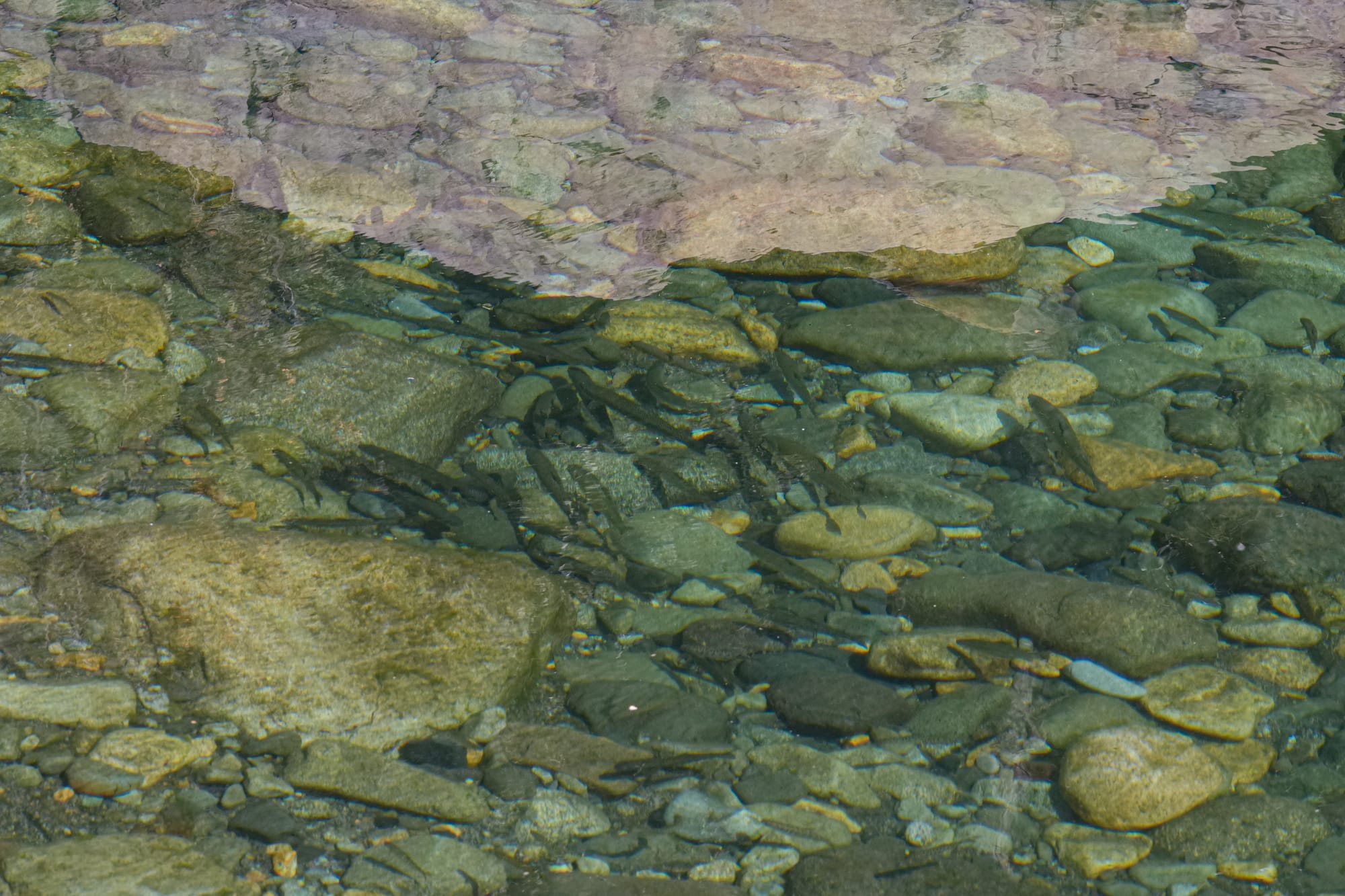
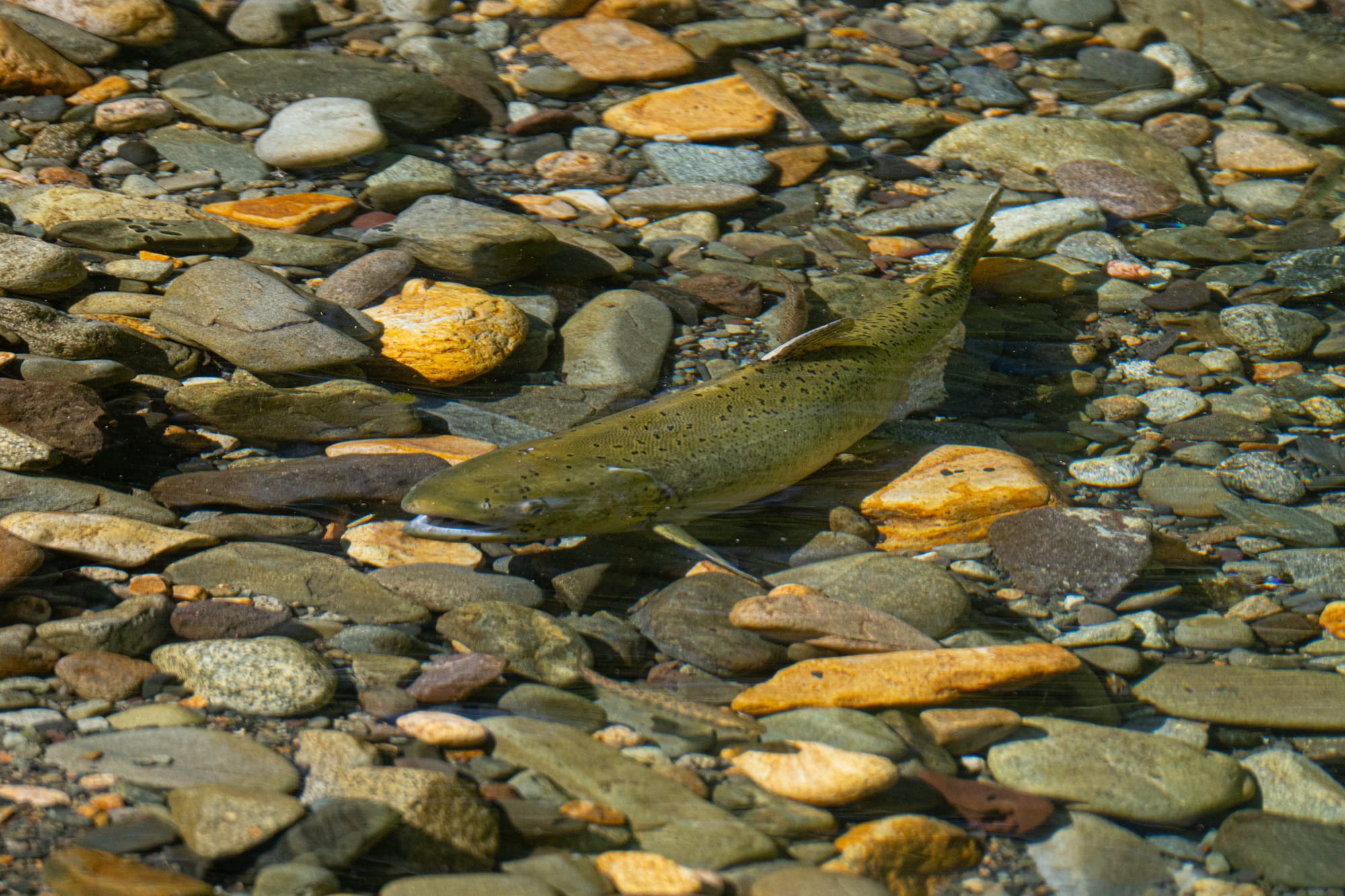
Perhaps most distressing is watching water levels drop in the river, with rapidly shrinking pools of water trapping large numbers of fish in some places. I realize this happens almost every summer, but it may be happening more and more and it's very hard to witness.
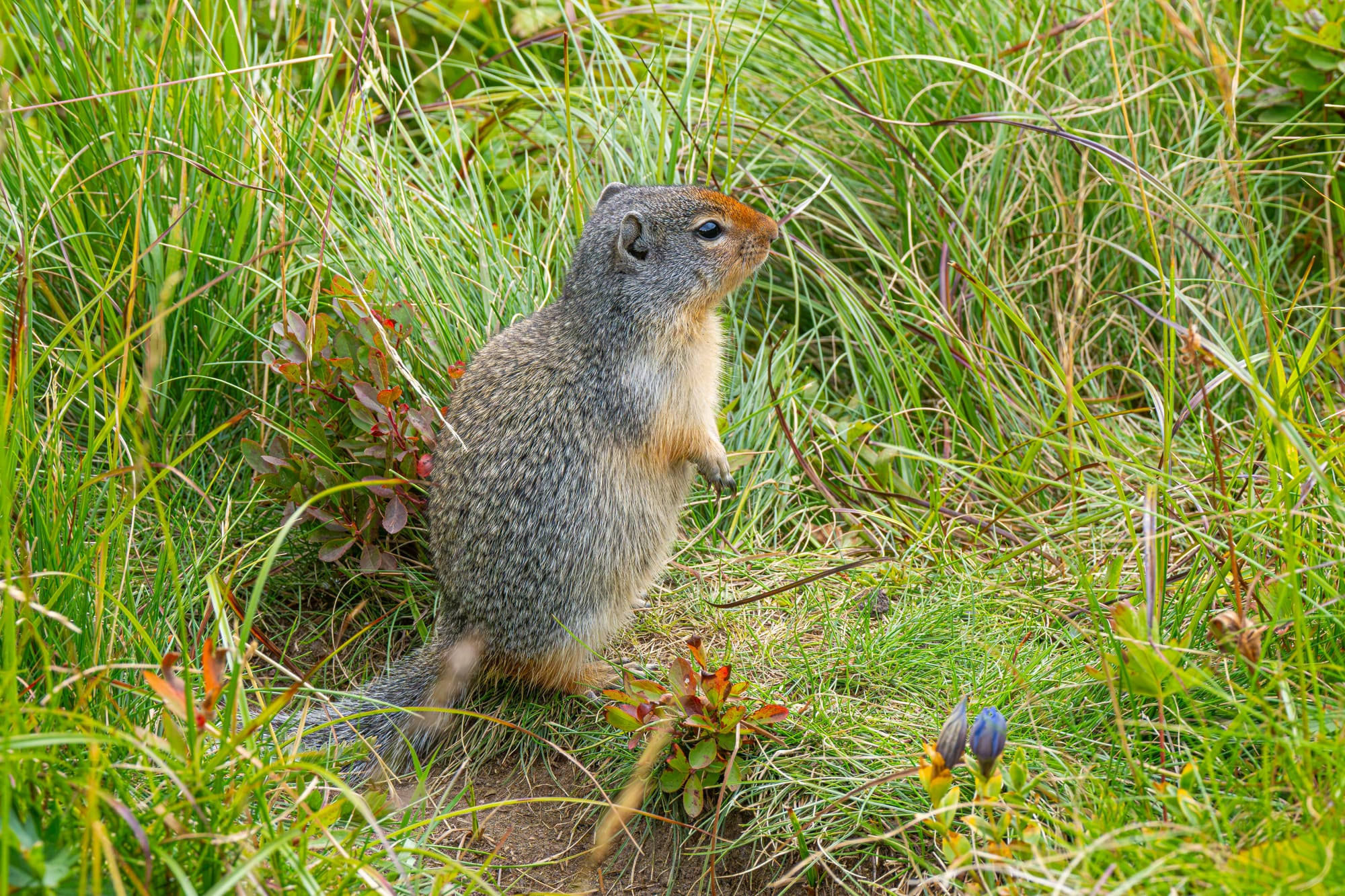
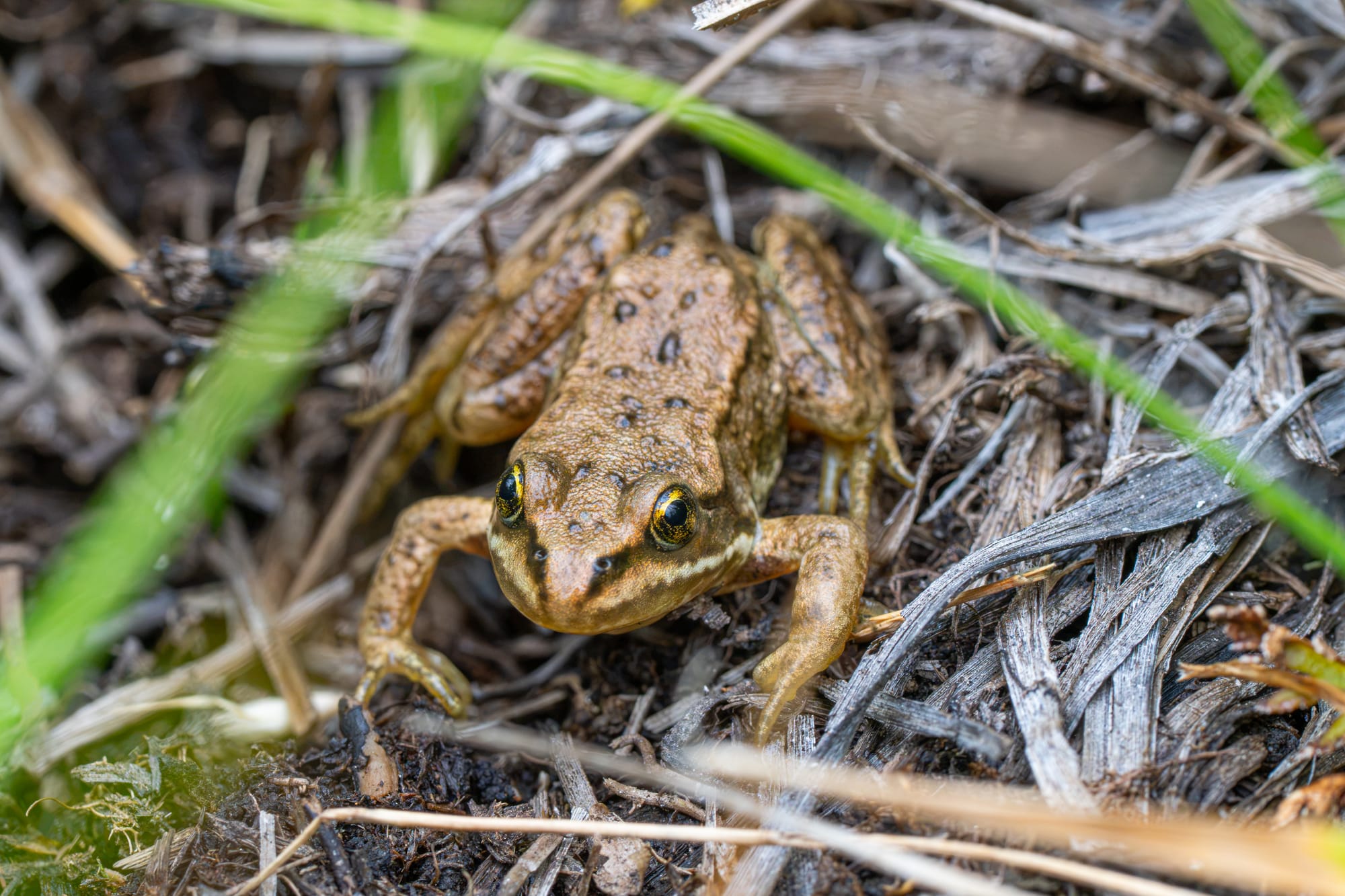
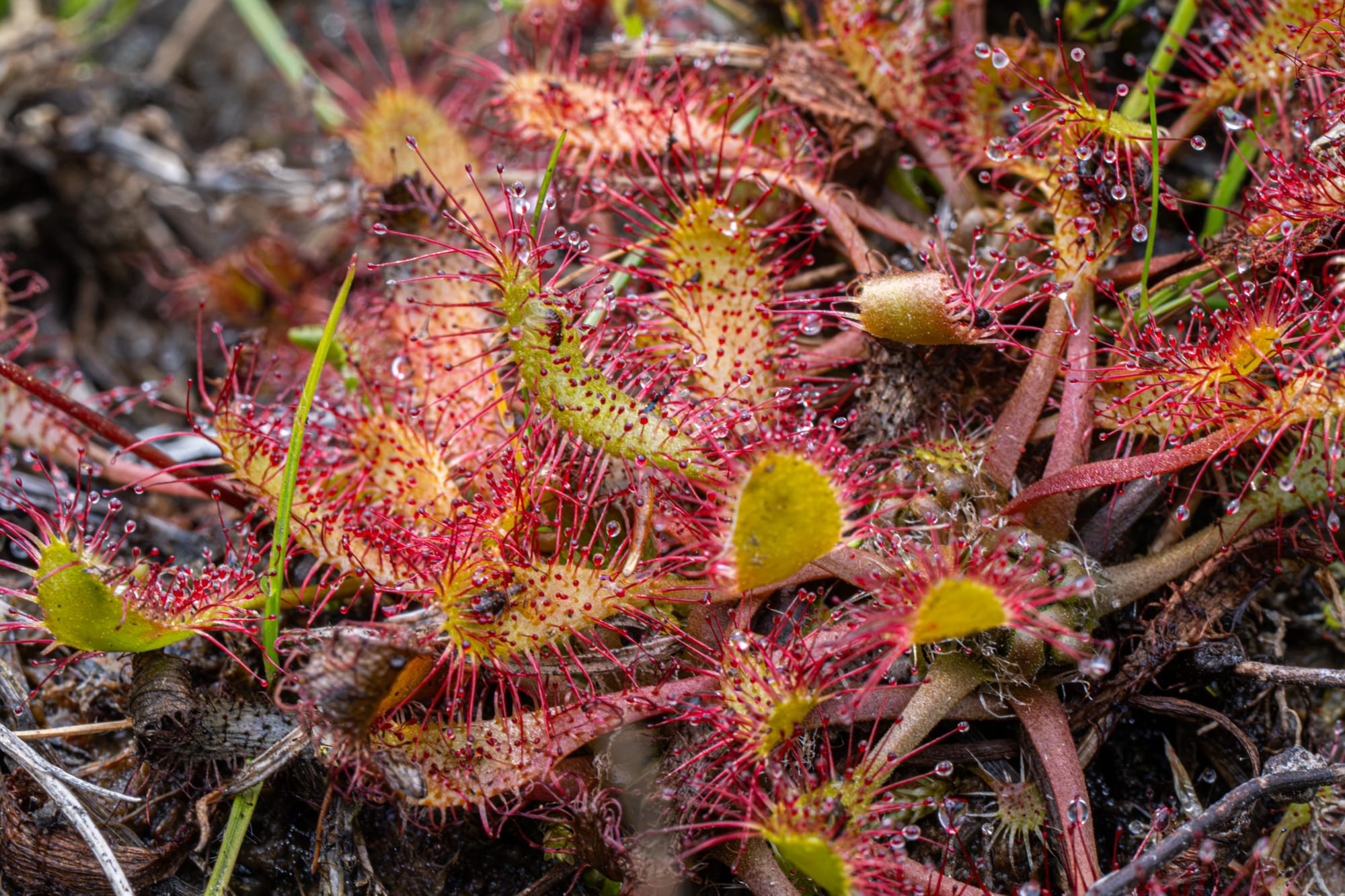
It's especially interesting to observe the changing seasons at higher elevations, where things are still relatively moist rather than dry and brittle. Around one wet meadow, for example, I discovered many newly transformed Columbian spotted frogs, along with Columbian ground squirrels and a rare plant that has never been found in the Methow Valley.
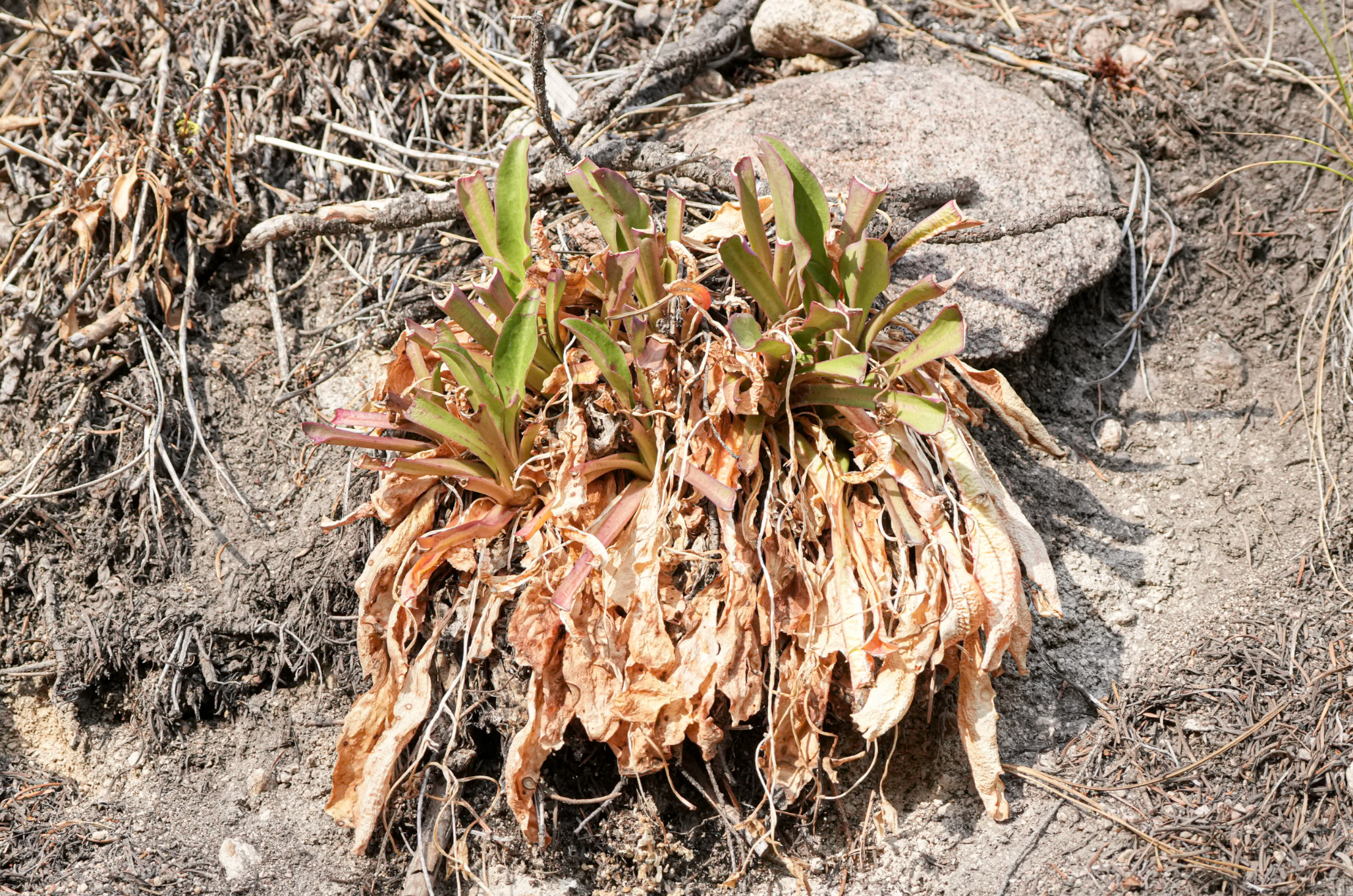
While it's easy to notice plants when they're in full bloom, it's a lot harder to remember to check in on them later in the season after they're done flowering. Along the upper Chewuch River this week, I had a chance to revisit one of the Methow Valley's most important plants, the rare Tweedy's lewisia (Lewisiopsis tweedyi) that is only found in a small area in north-central Washington. The flamboyant flowers are long gone, but it was interesting to notice that some animal likes to eat the leaves!
Observation of the Week: Fireweed Seeds
Fireweeds are easily the most common plants that grow back after wildfires, and in the late summer these abundant plants release millions of airborne seeds.
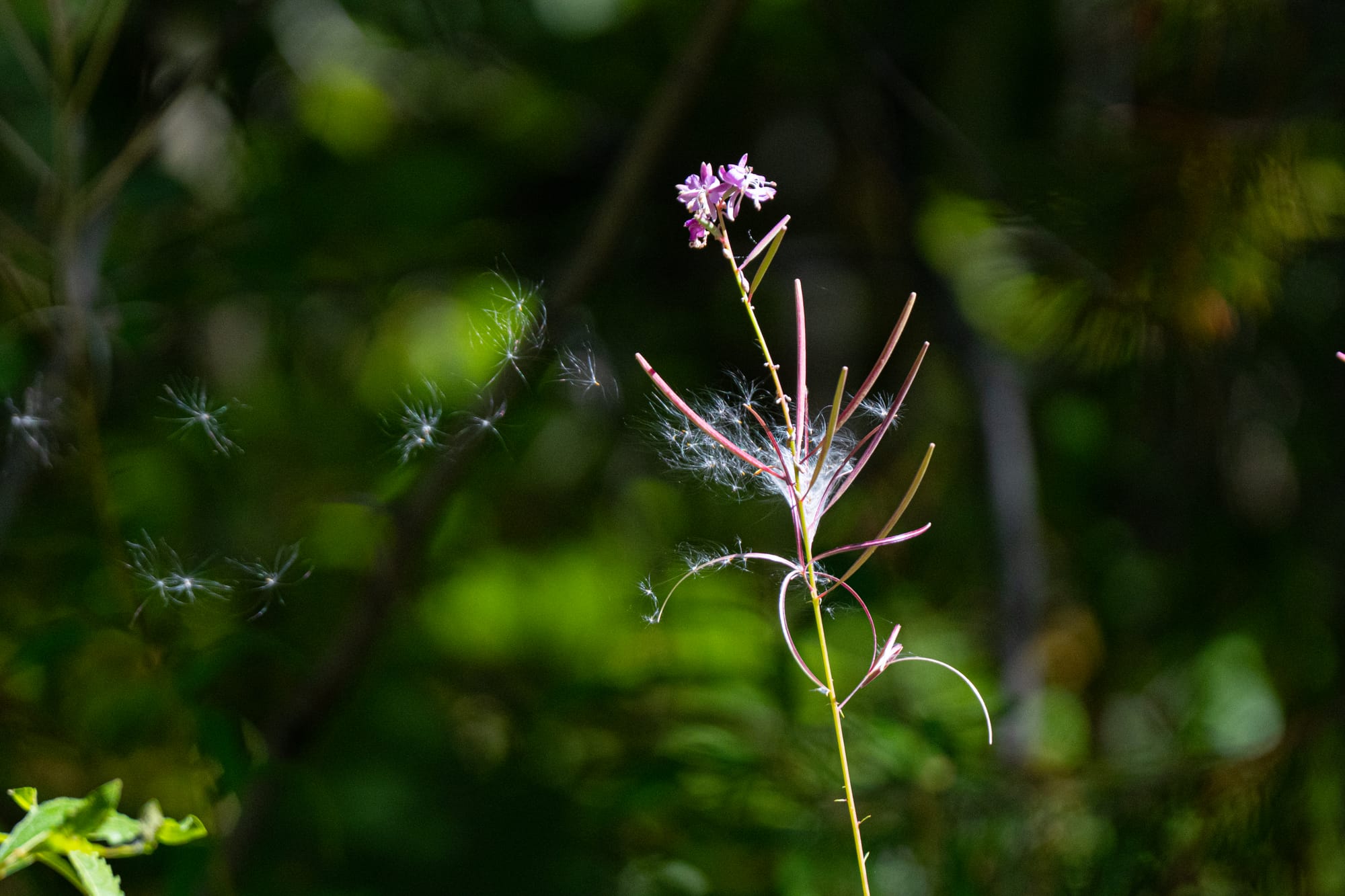
As members of Onagraceae, the evening primrose family, fireweeds produce seeds in long, skinny capsules. Each capsule contains 300-400 seeds, each seed with its own feathery tuft, and a plant produces around 80,000 seeds.
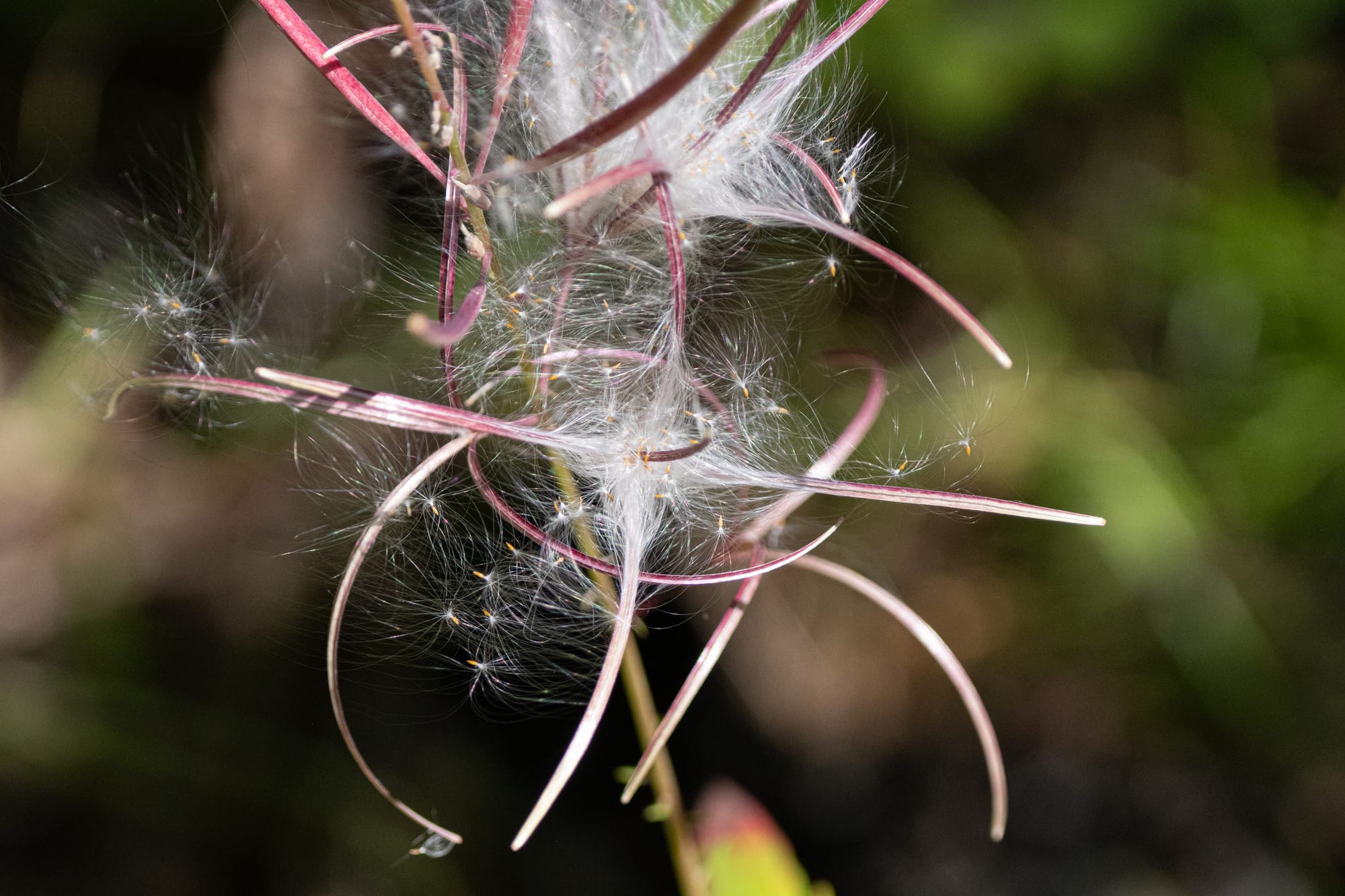
What's unique about these capsules is how they explosively split open to release their seeds. The capsule's four chambers will instantly curl back to expose their seeds at the slightest touch.
Triggering the release of seeds. Video from Wikipedia entry on fireweed
One of my favorite pastimes on a late summer hike is to walk down the trail, touching every fireweed capsule and jumping back as they spring open. If you've never done this, you have to try it on your next hike!
