Sure Signs of Change
September 6-12, 2026

As temperatures continue to cool, the weather this week felt subdued, with the sun feeling weaker on sunny days and clouds looking wispier on cloudy days.
Week in Review
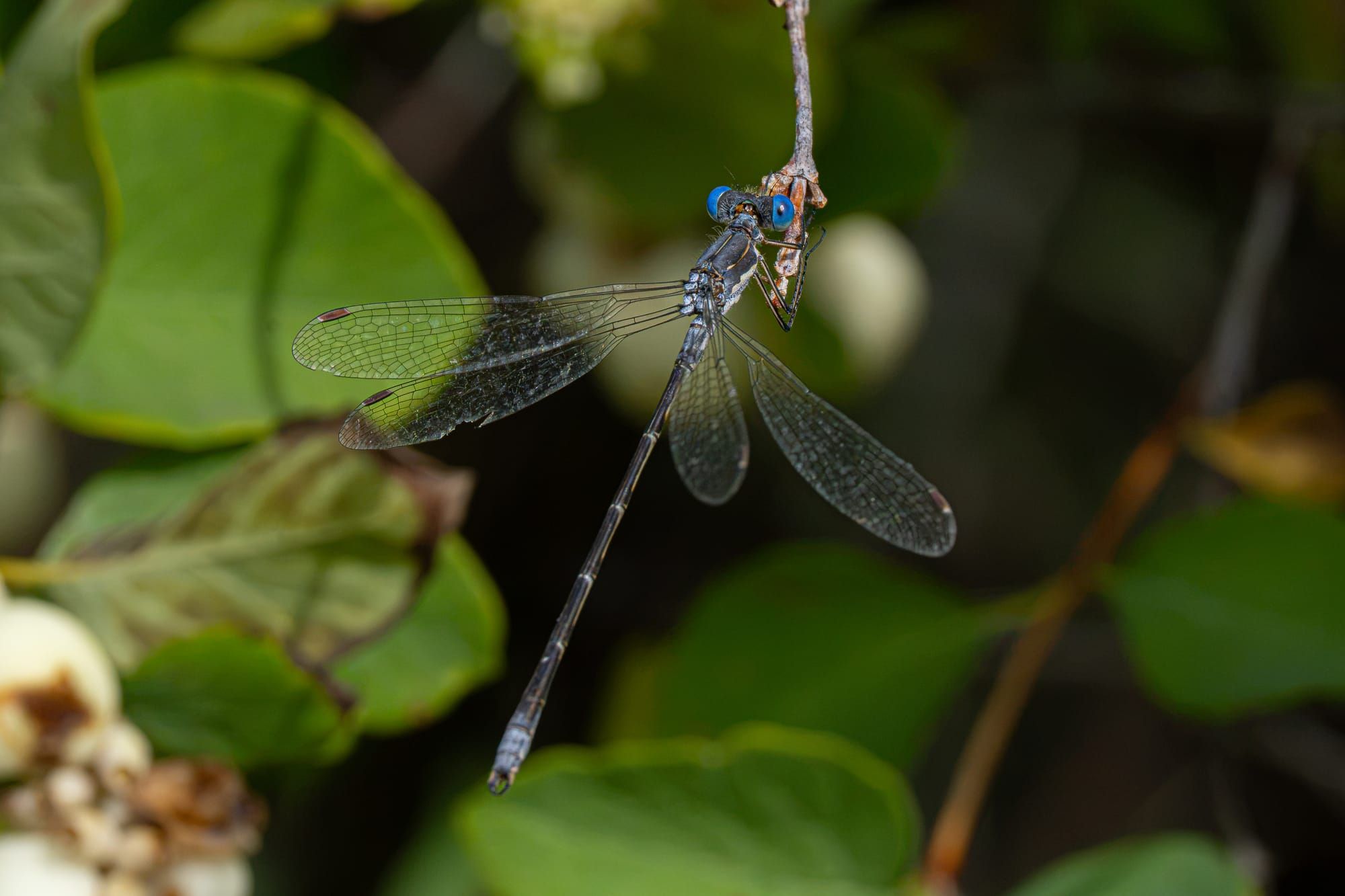
No matter where you look, it's hard to miss signs of the changing seasons, including a handful of late-season flowers, dragonflies, changing colors, and migrating birds. Yes, some days are still sunny, but they come with that bittersweet feeling that the brilliant, blazing days of summer are fading all too fast.
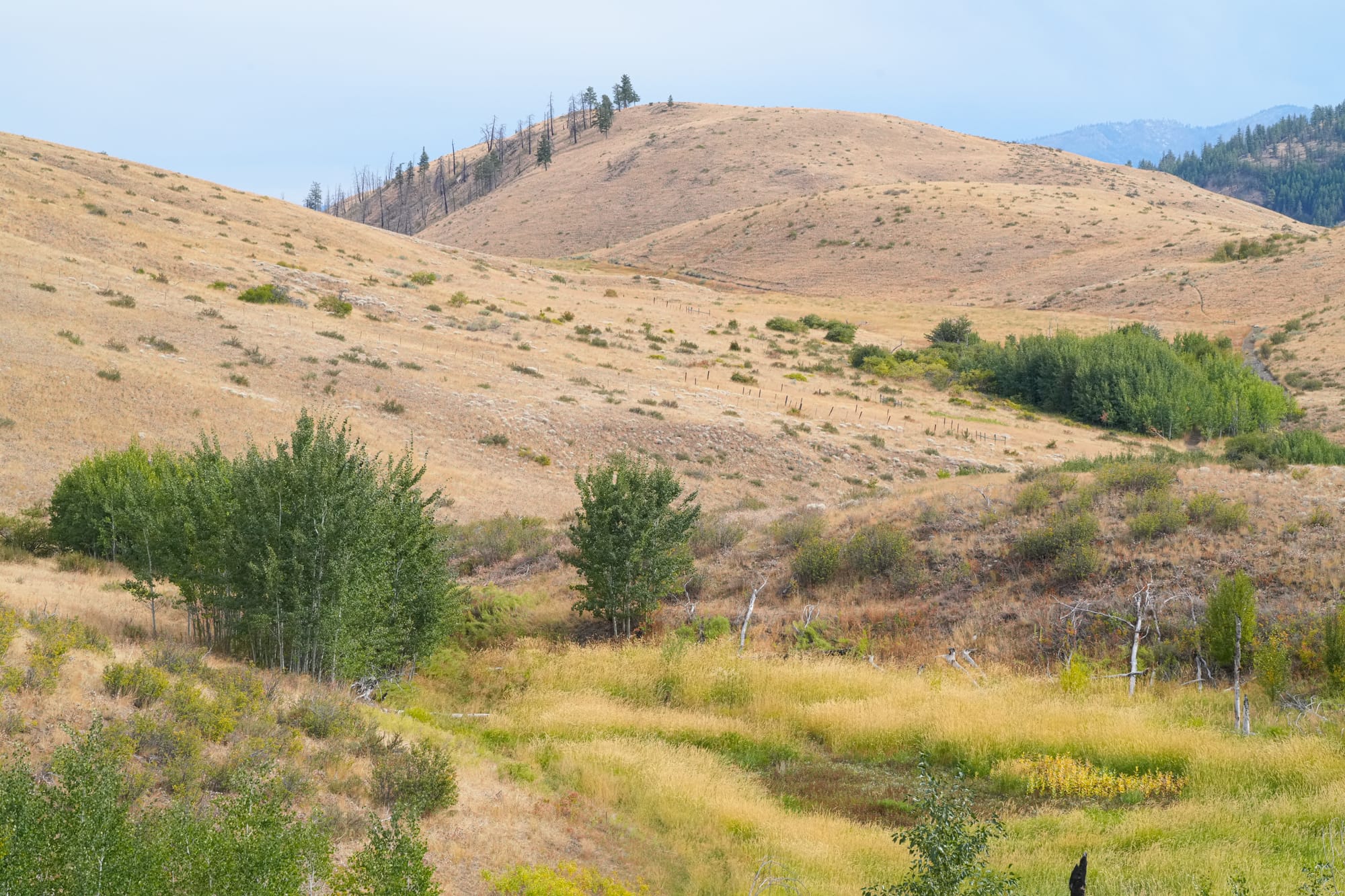
The colors of late summer and early fall landscapes are far more subtle than when colors start popping in October, but they are no less beautiful if you take the time to admire them. Even better, there's a good chance now that you can still find plants and animals lingering from summer that will be long gone by October.
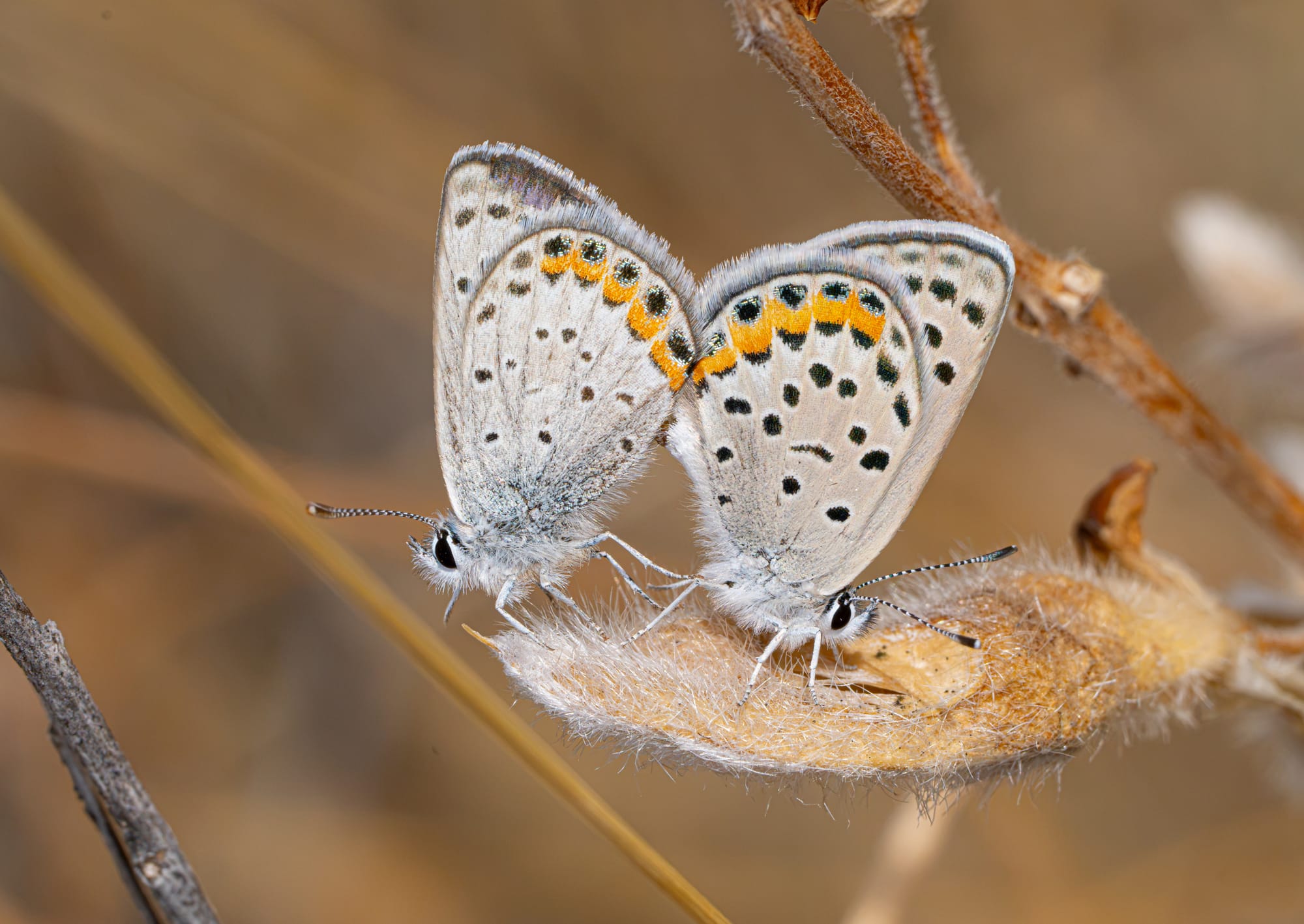
For example, I've been keeping my eye out for butterflies because there have been a handful of tortoishells and cabbage whites flitting around. To my amazement, I also spotted a pair of what I believe were lupine blues. These small butterflies added an unexpected dash of color amid the dry grasses and wilting leaves.
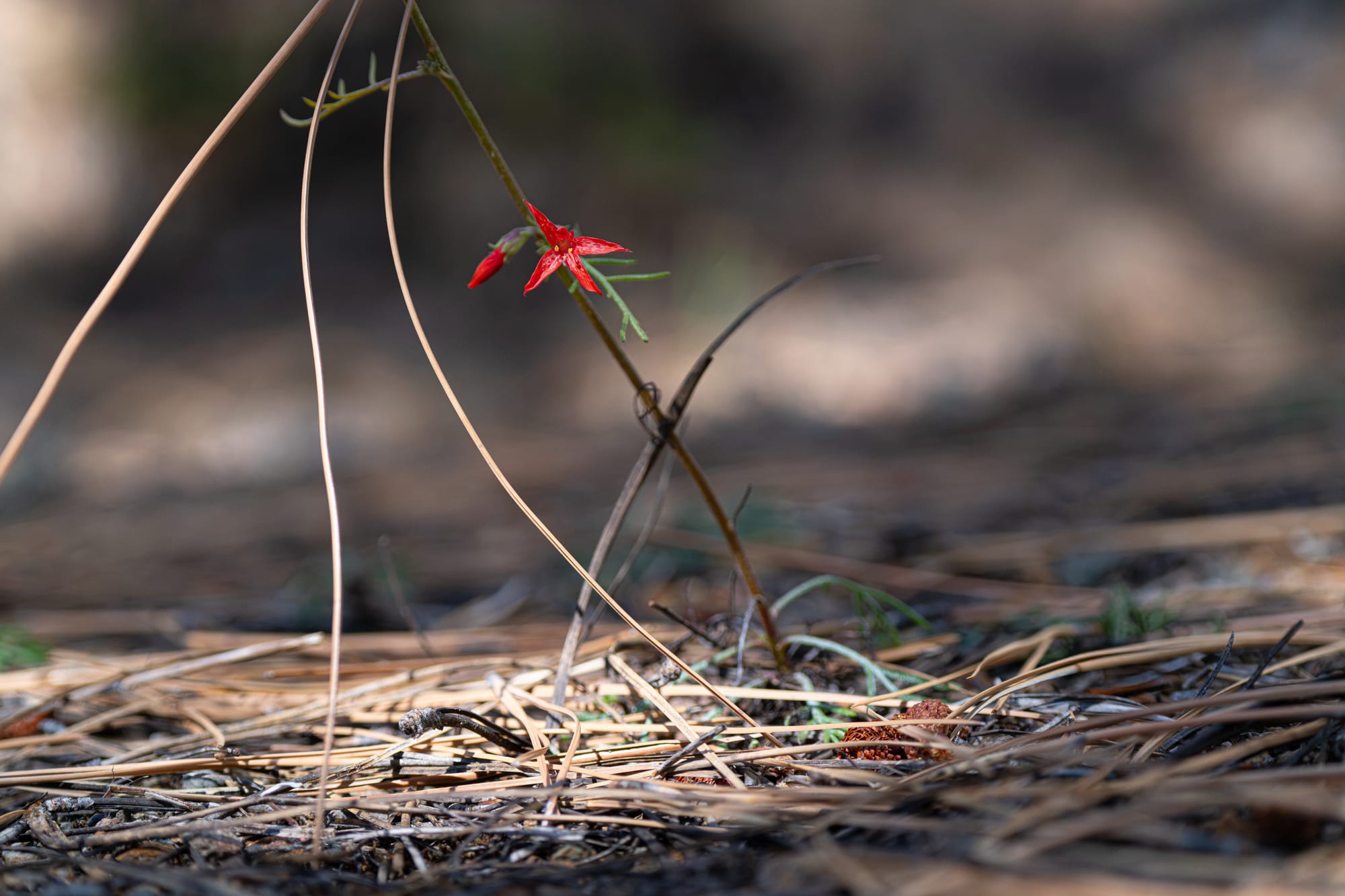
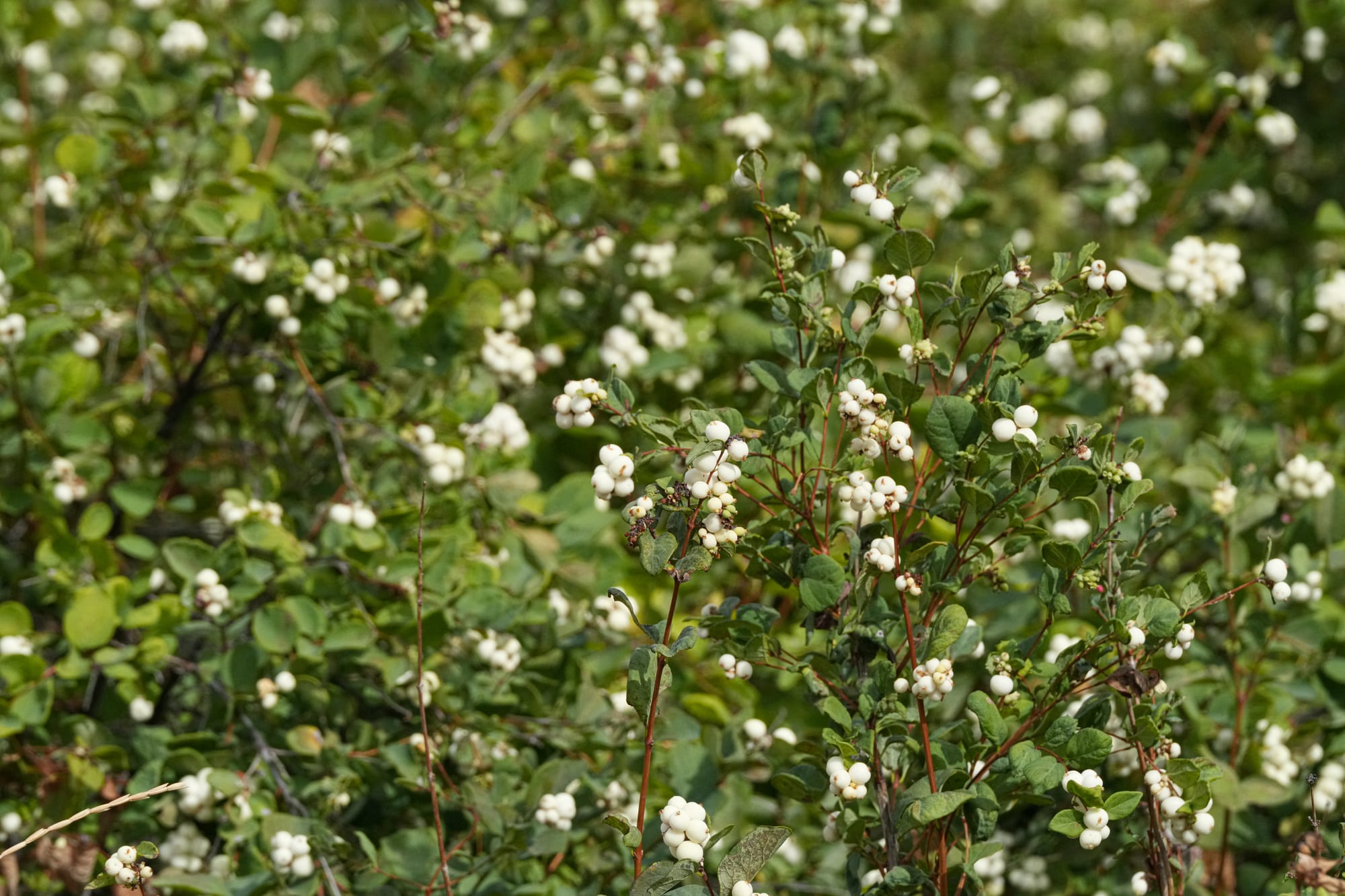
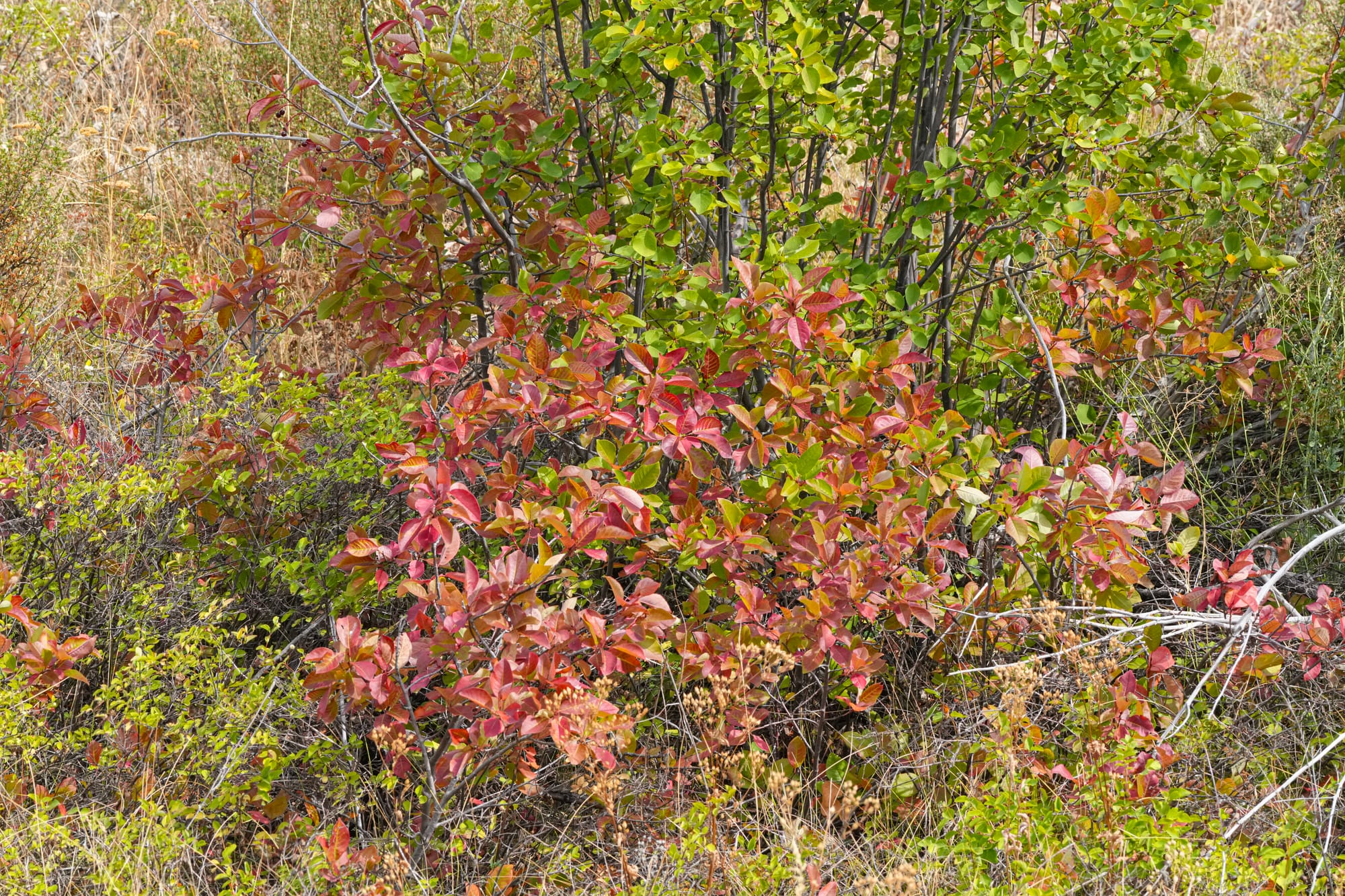
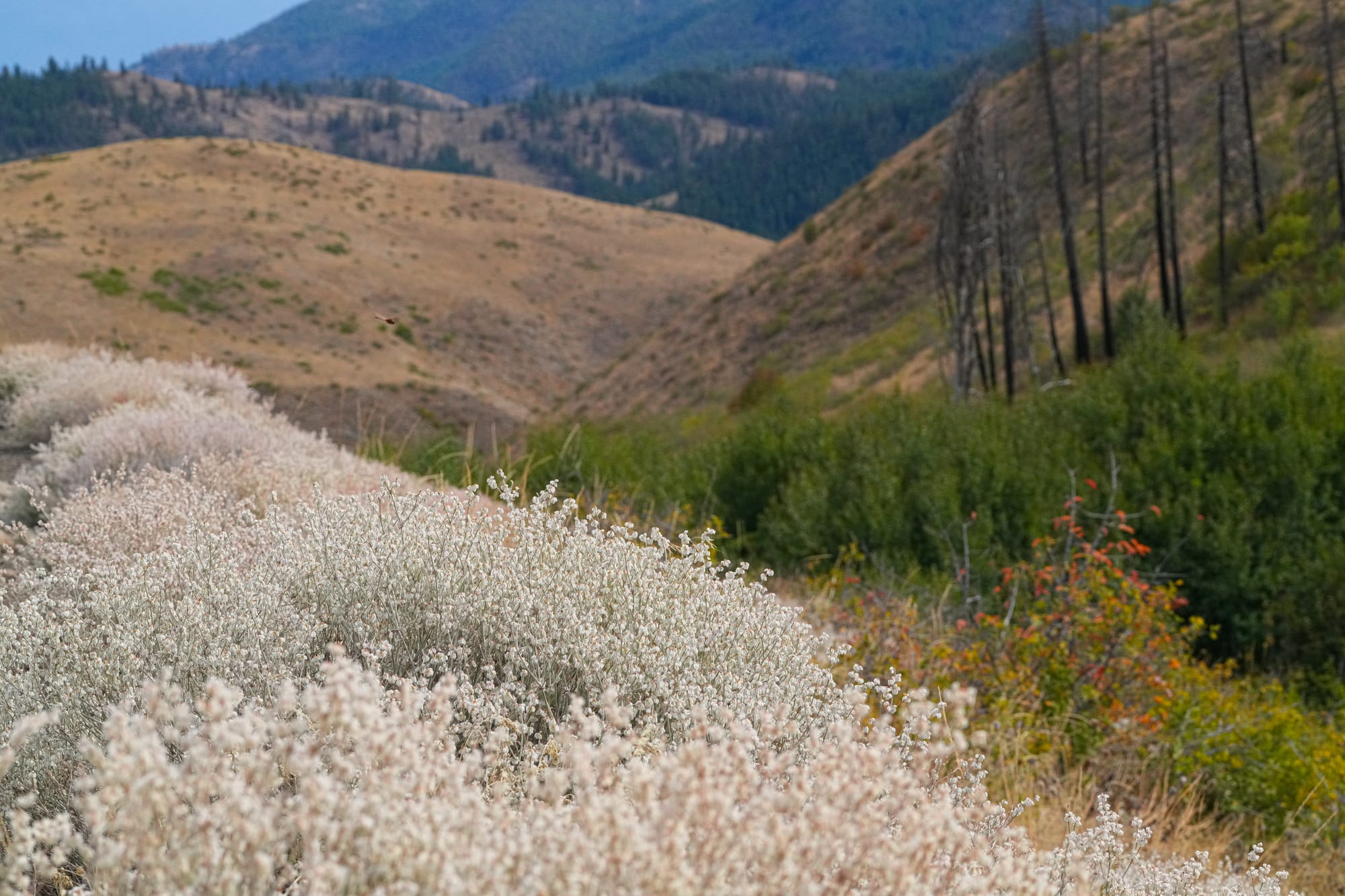
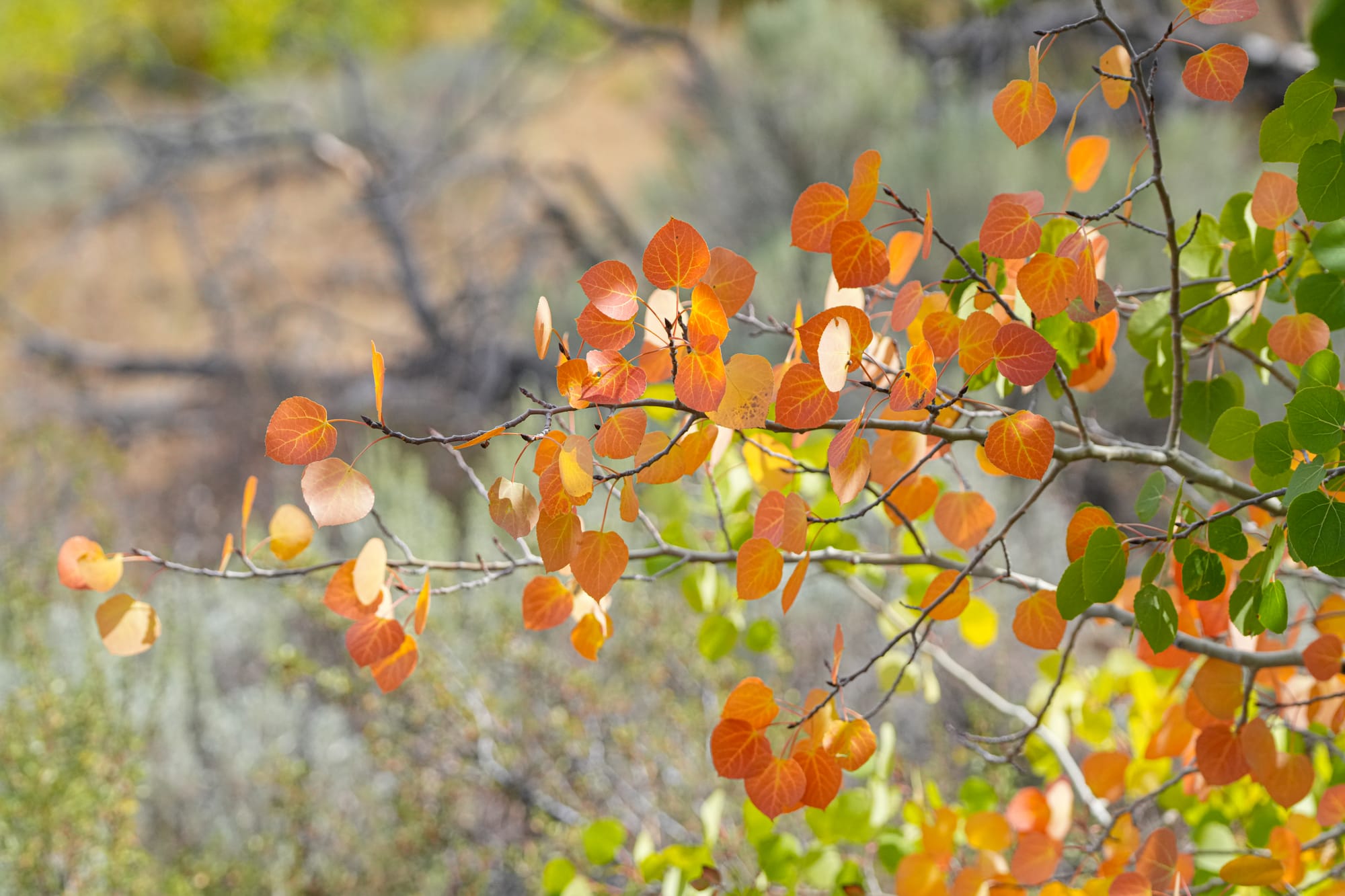
And speaking of plants, here are some images of classic early fall plants that are easily noticed at this time of year.
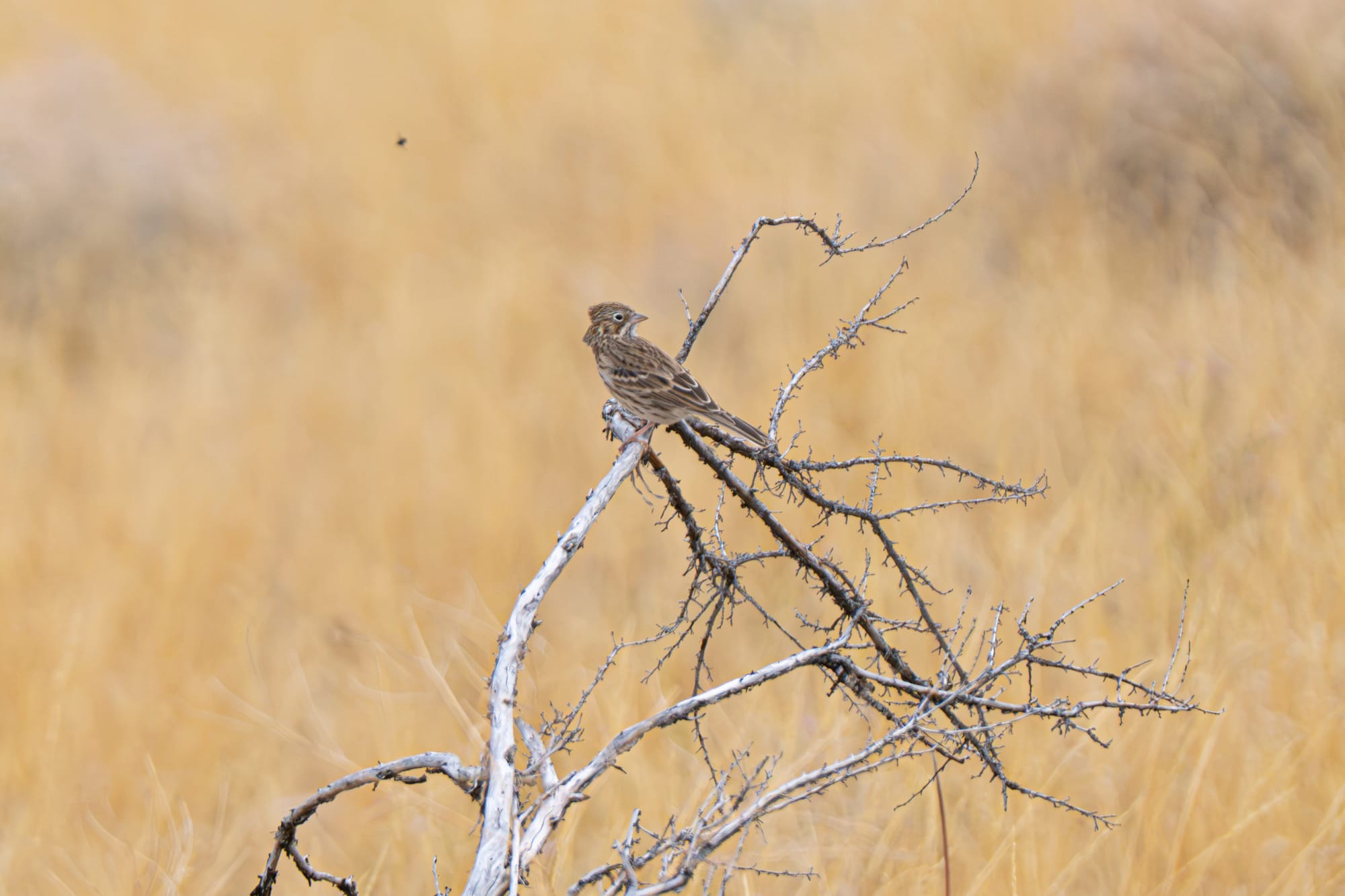
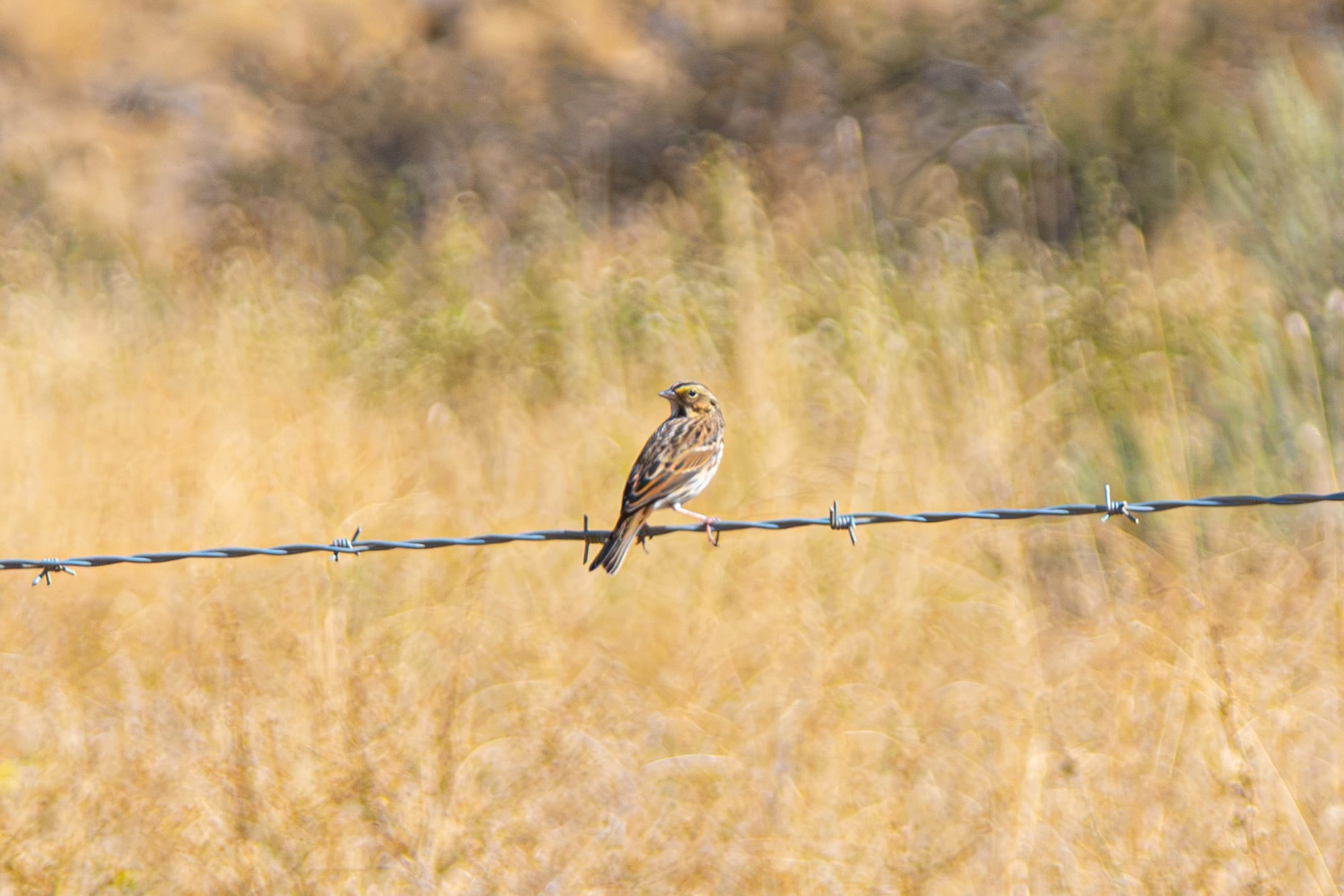
For yet another week, the most interesting activity was provided by migrating birds. Most notable was the continuing presence of huge numbers of sparrows, with hundreds of vesper and savannah sparrows flushing up as you walk through the shrub-steppe.
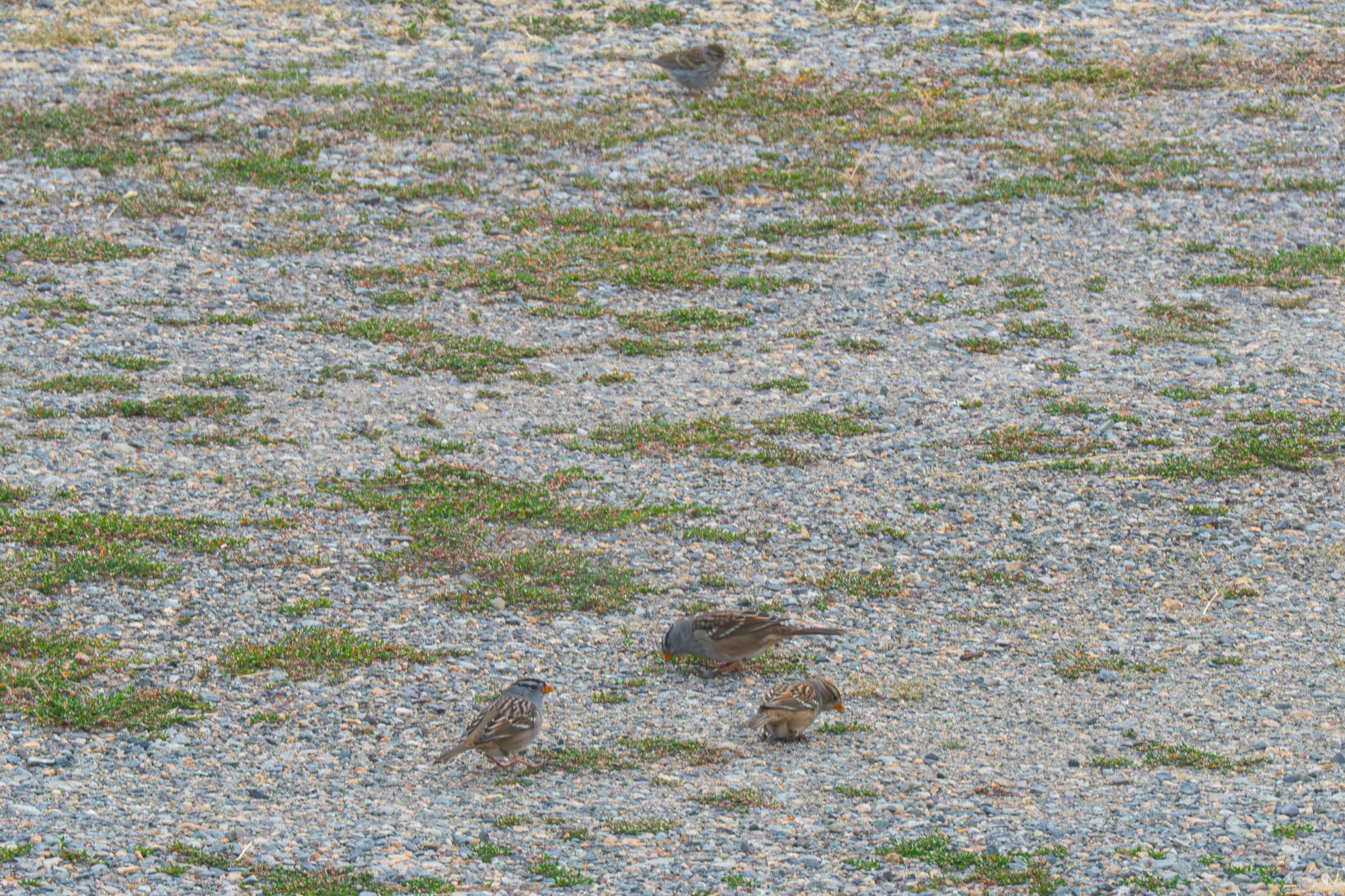
I spotted my first white-crowned sparrow of the season on September 9, and two days later there were dozens and dozens at a time hopping around on the ground, so it seems that they are making a major push south right now. Many of these birds are juveniles from this year, but there are also plenty of adults in the mix.
Other intriguing bird sightings included a red-necked phalarope and a juvenile white-fronted goose. Phalaropes are widespread migrants, and at least a handful are spotted in the Methow Valley each fall. This is also true of white-fronted geese, and I spotted a small group a few weeks ago, but this is the first time in my life that I remember seeing a juvenile.
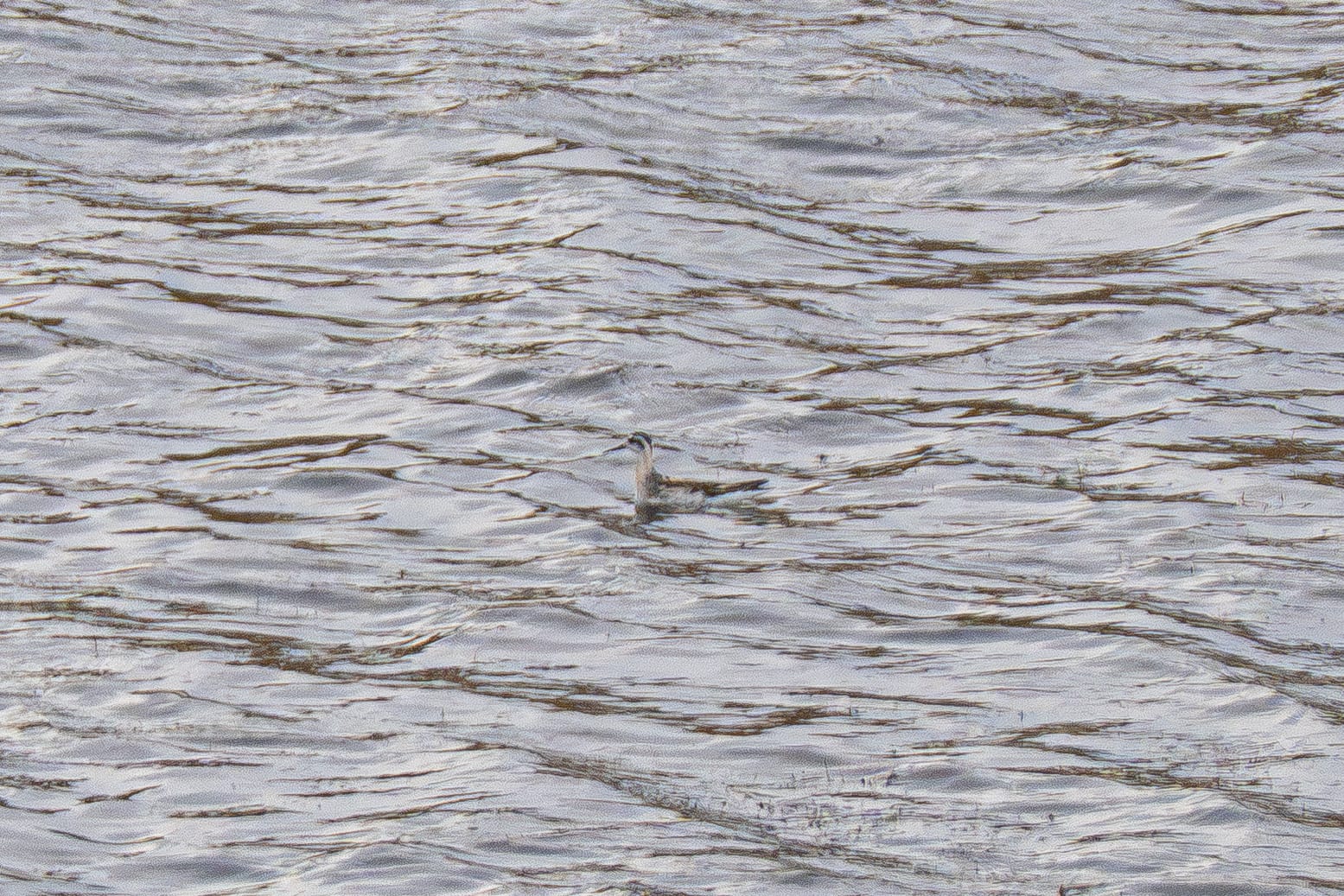
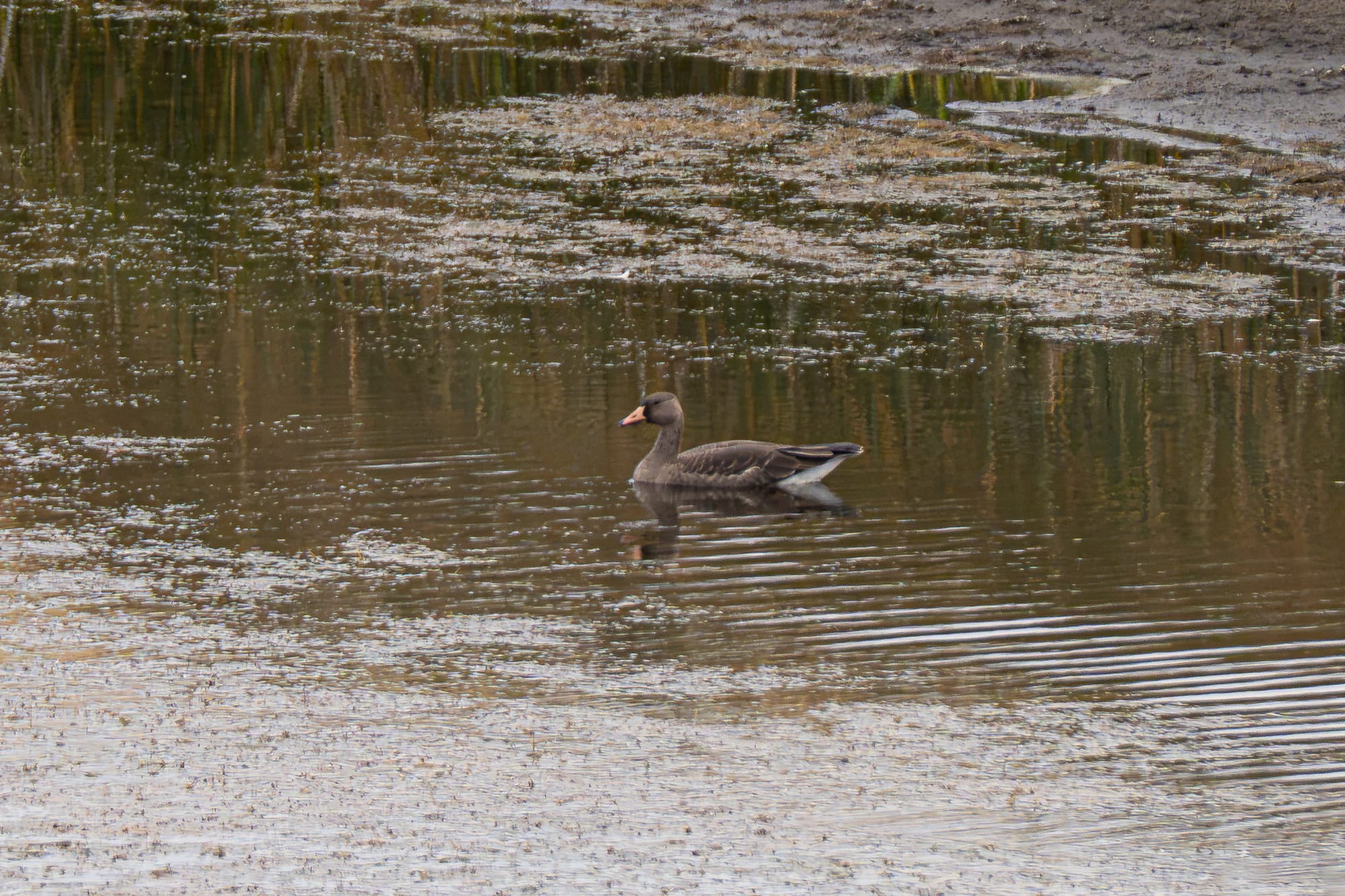
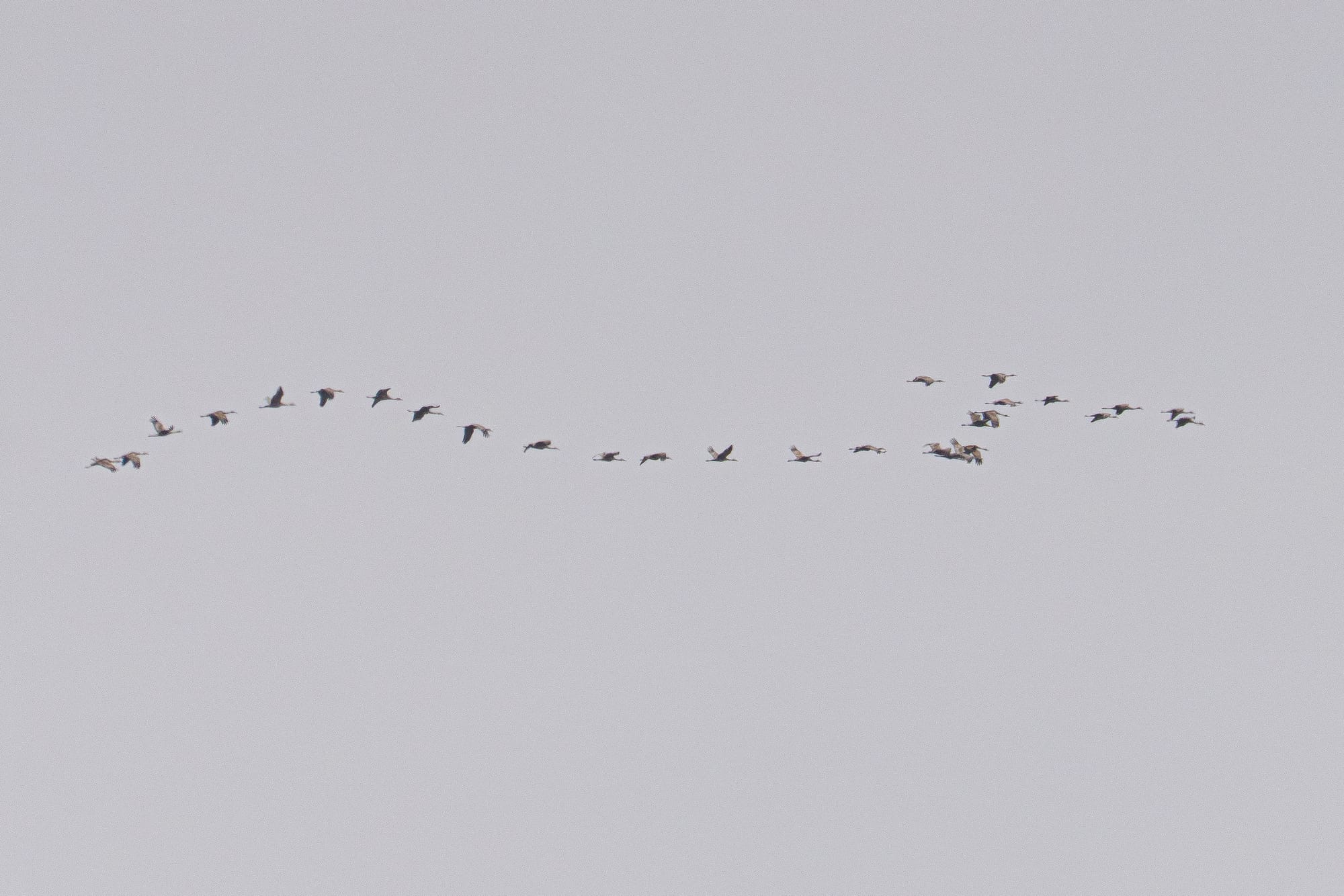
And finally, as I was writing today's newsletter, I kept hearing sandhill cranes and then spotted a group of 28 heading south towards Twisp. Checking the Nature Notes Facebook group, I noticed that several other people were seeing migrating cranes in Twisp, Pateros, and Okanogan Valley. Migrating cranes are definitely on the move today!