The Fullness of (Late) Spring
May 31-June 6, 2026

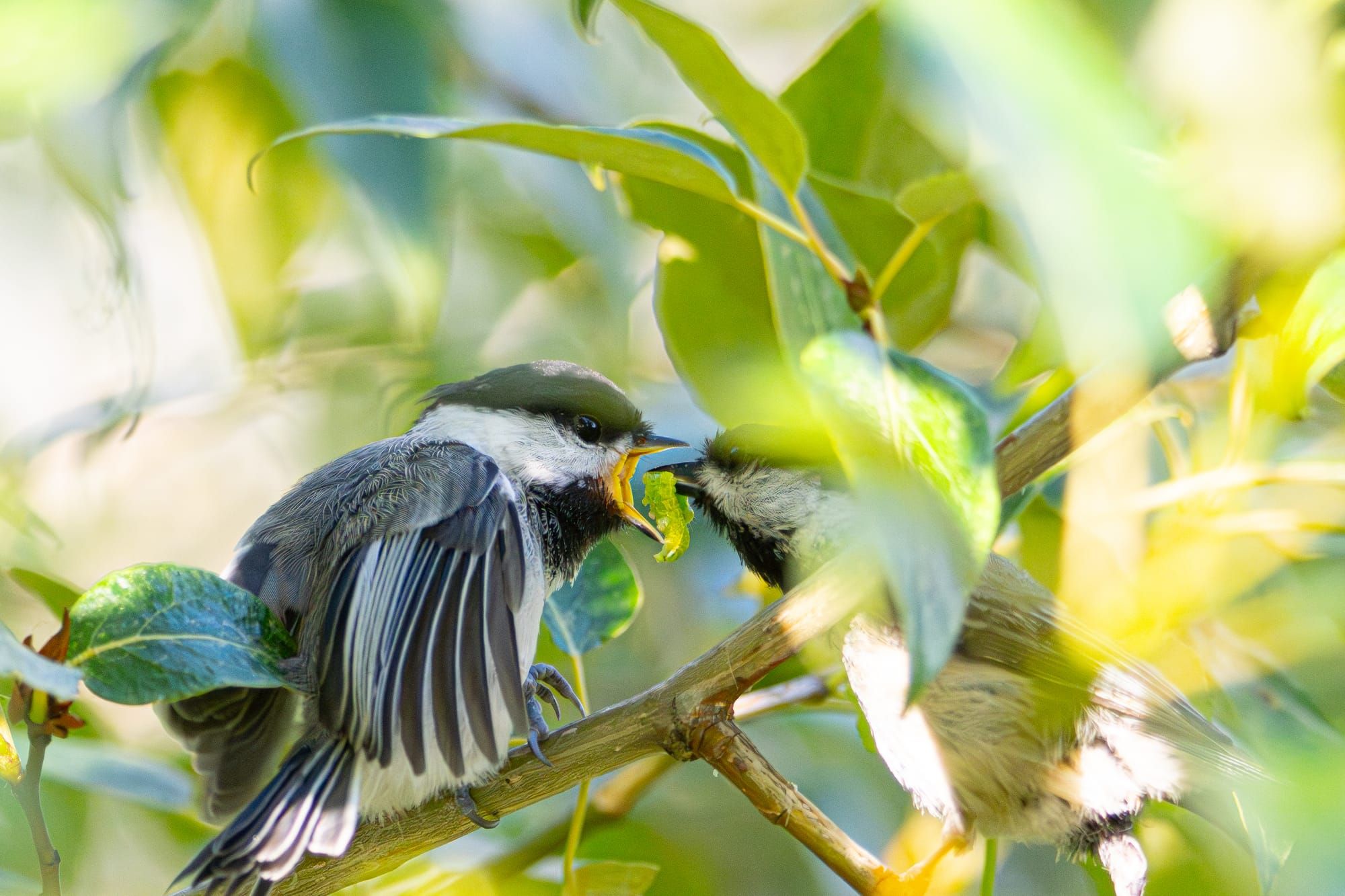
This might have been a week of mixed weather, but it's been a very busy week in the natural world.
Week in Review
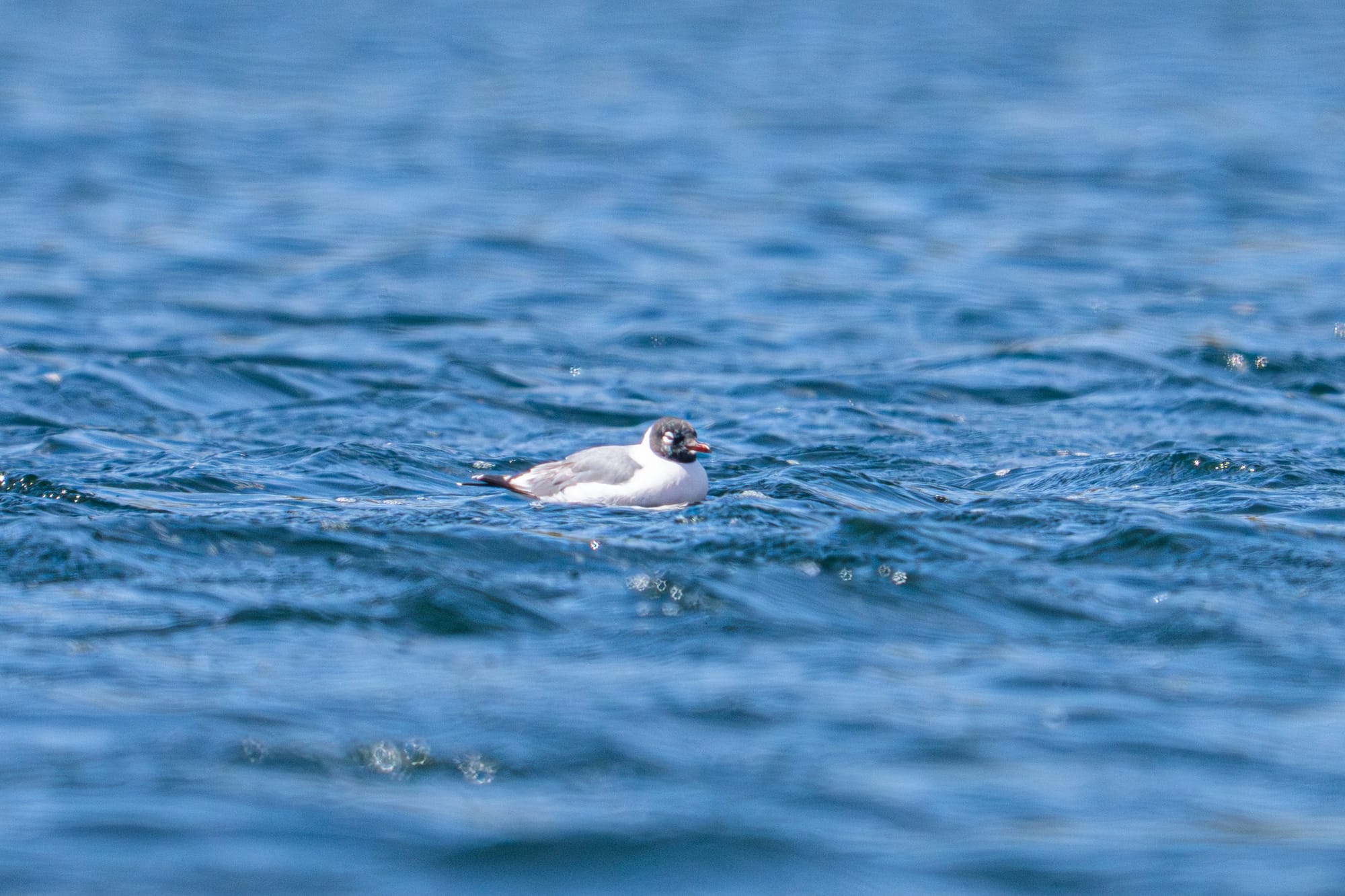
There's so much going on in nature right now that every day seems to bring new surprises. For example, last week's big storm apparently blew a Franklin's gull into the valley. This is a bird so rare that it's not even on the Methow Valley checklist!
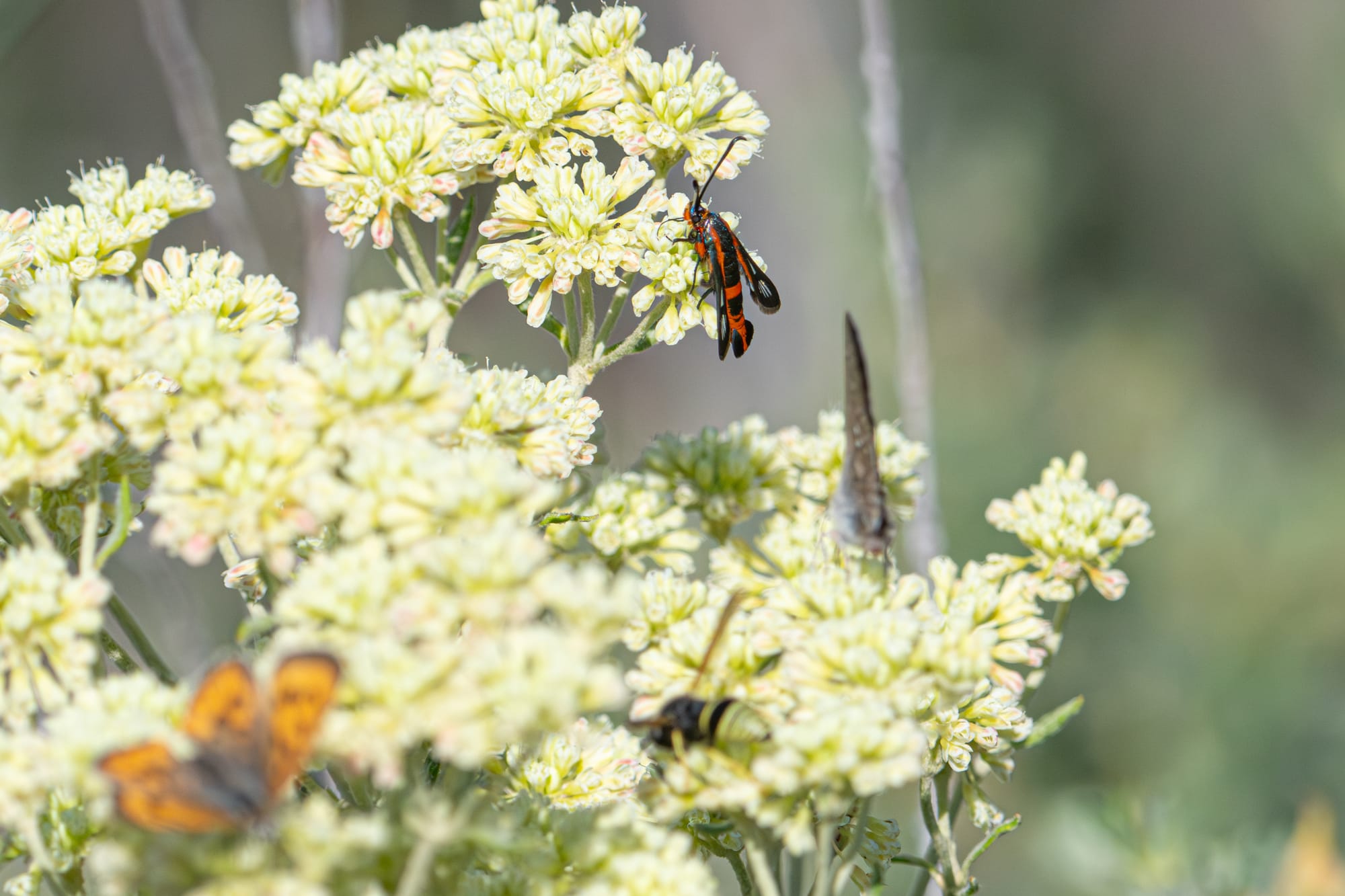
And then I spotted a very unusual moth. The buckwheat borer moth may not be rare, but it's so weird that it might as well be an alien species from another planet. As their name suggests, these moths seek out flowering buckwheats, and this one was hanging out with a bunch of butterflies and wasps on some big buckwheats (Eriogonum heracloides). Despite its garish appearance, I didn't even notice it until I looked at the photos I'd taken.
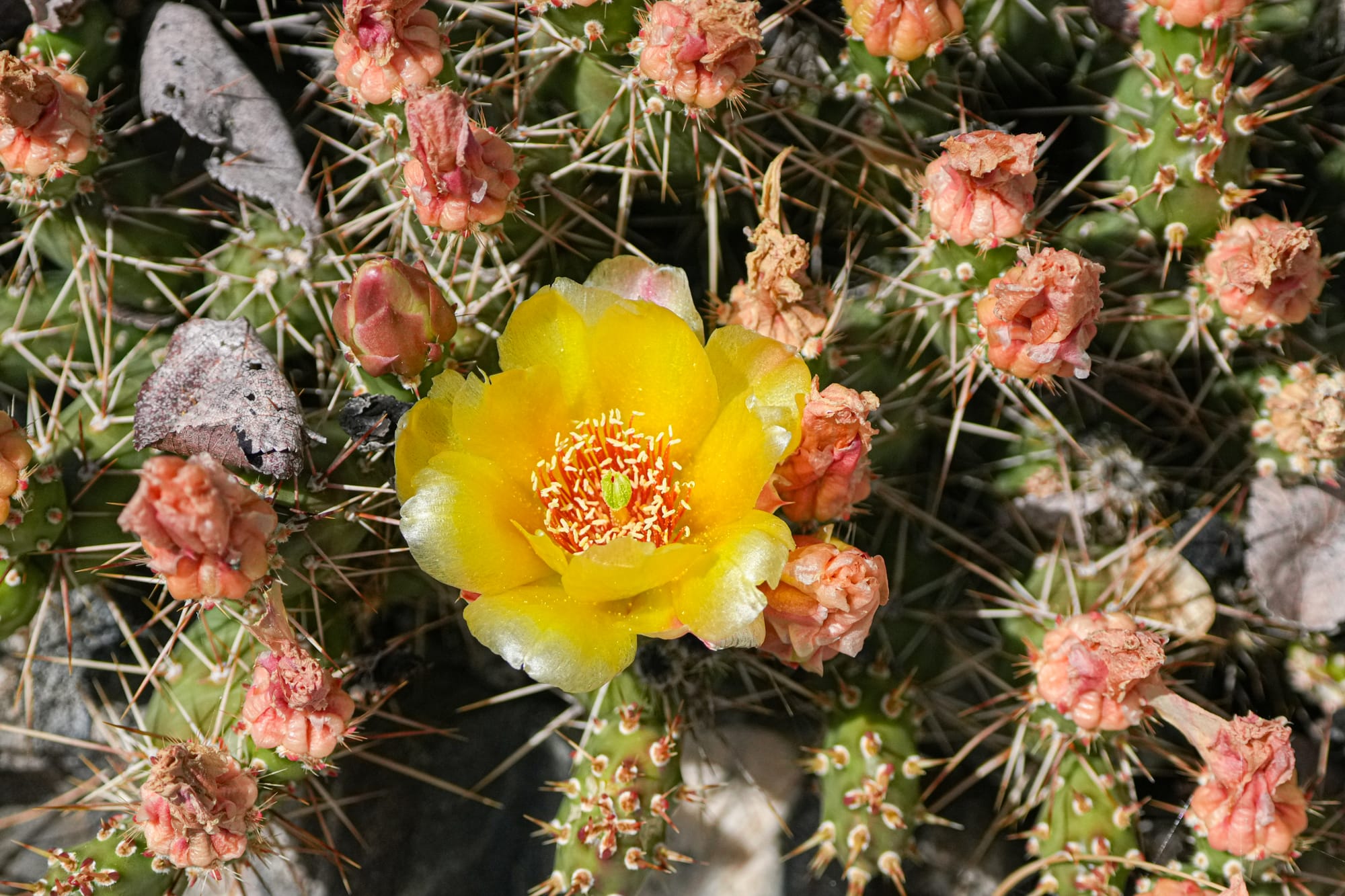
As if that wasn't enough, I also tracked down a rare and unexpected plant reported by a sharp-eyed observer in the lower Methow Valley. I had no idea there were cacti in the Methow Valley, so this sighting totally blew me away.
Moving on to more mundane sightings, common nighthawks were finally reported on June 1. This fits the pattern of the past several years when they've arrived on June 3 (2019, 2020, and 2022) and June 10 (2025). Last year they lingered in the valley until August 23, so of all the valley's nesting birds they spend the least amount of time here.
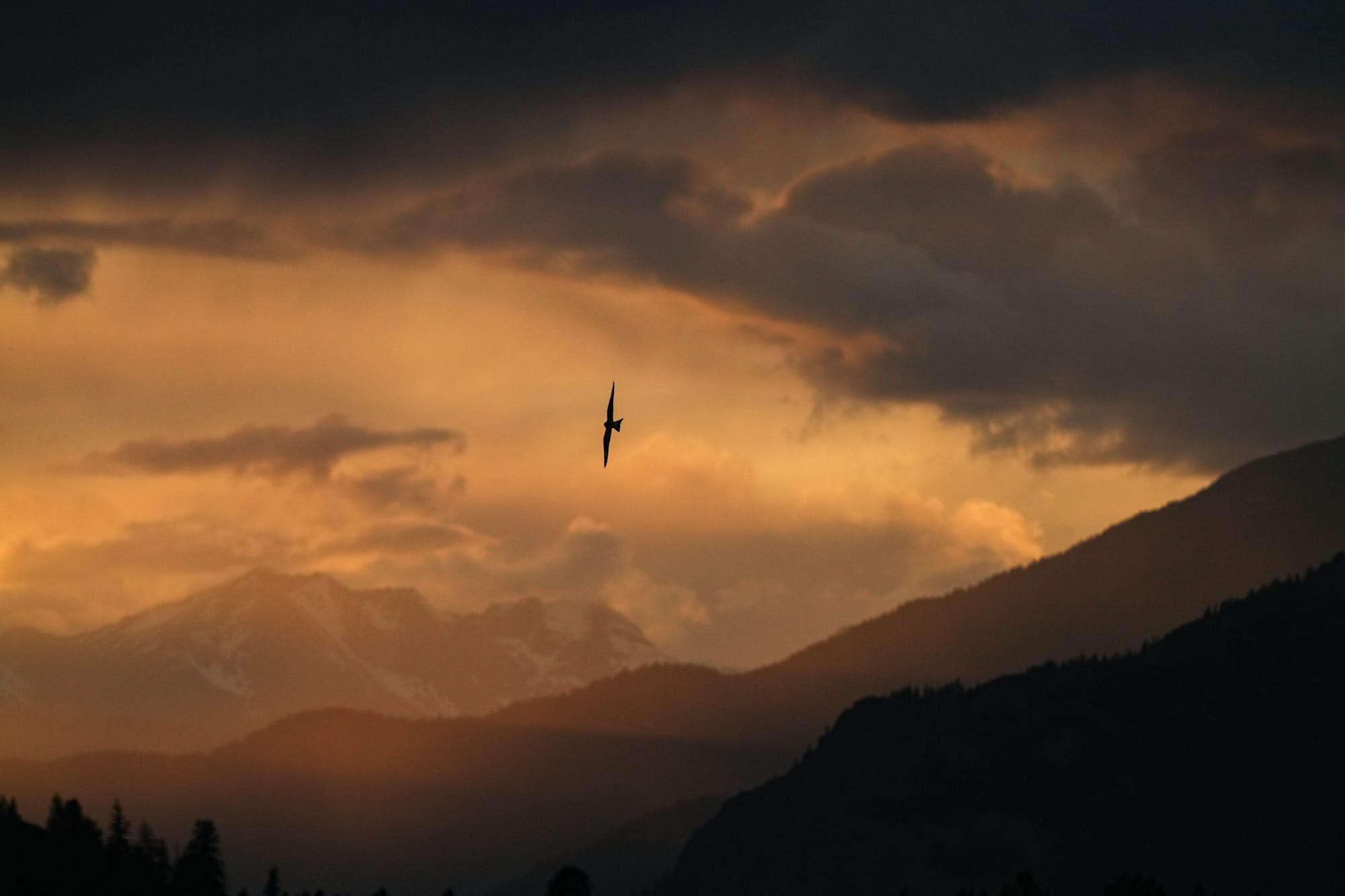
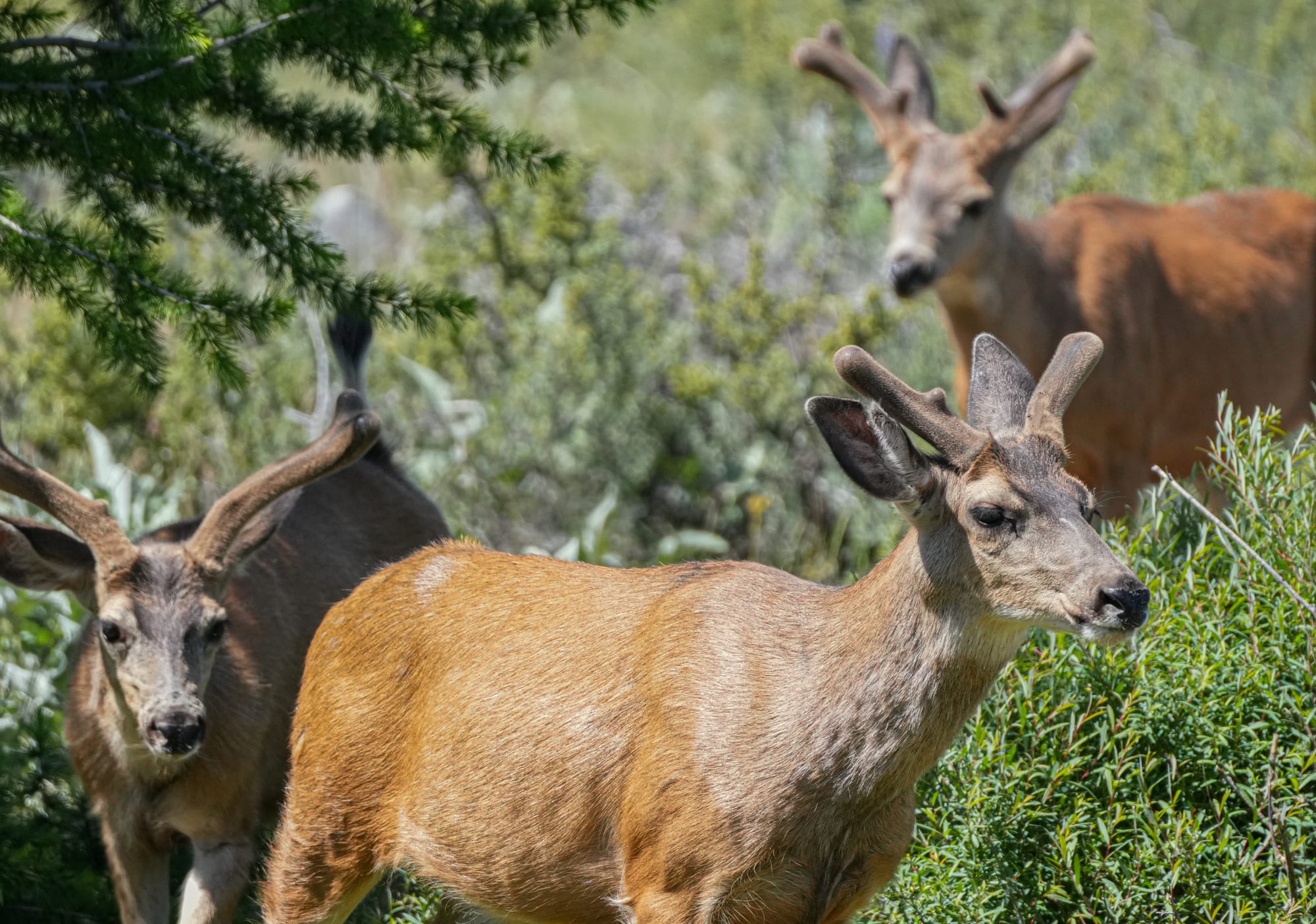
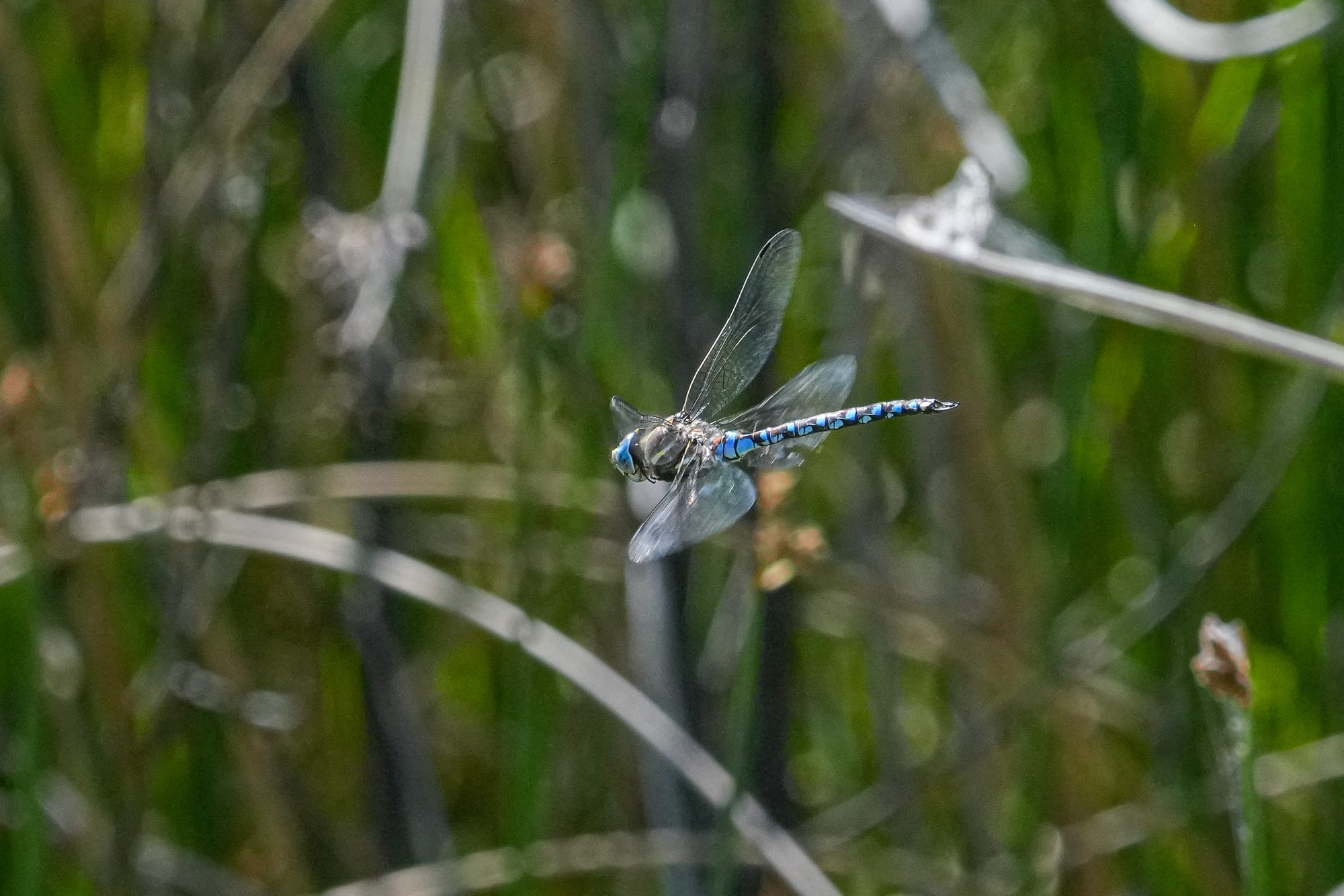
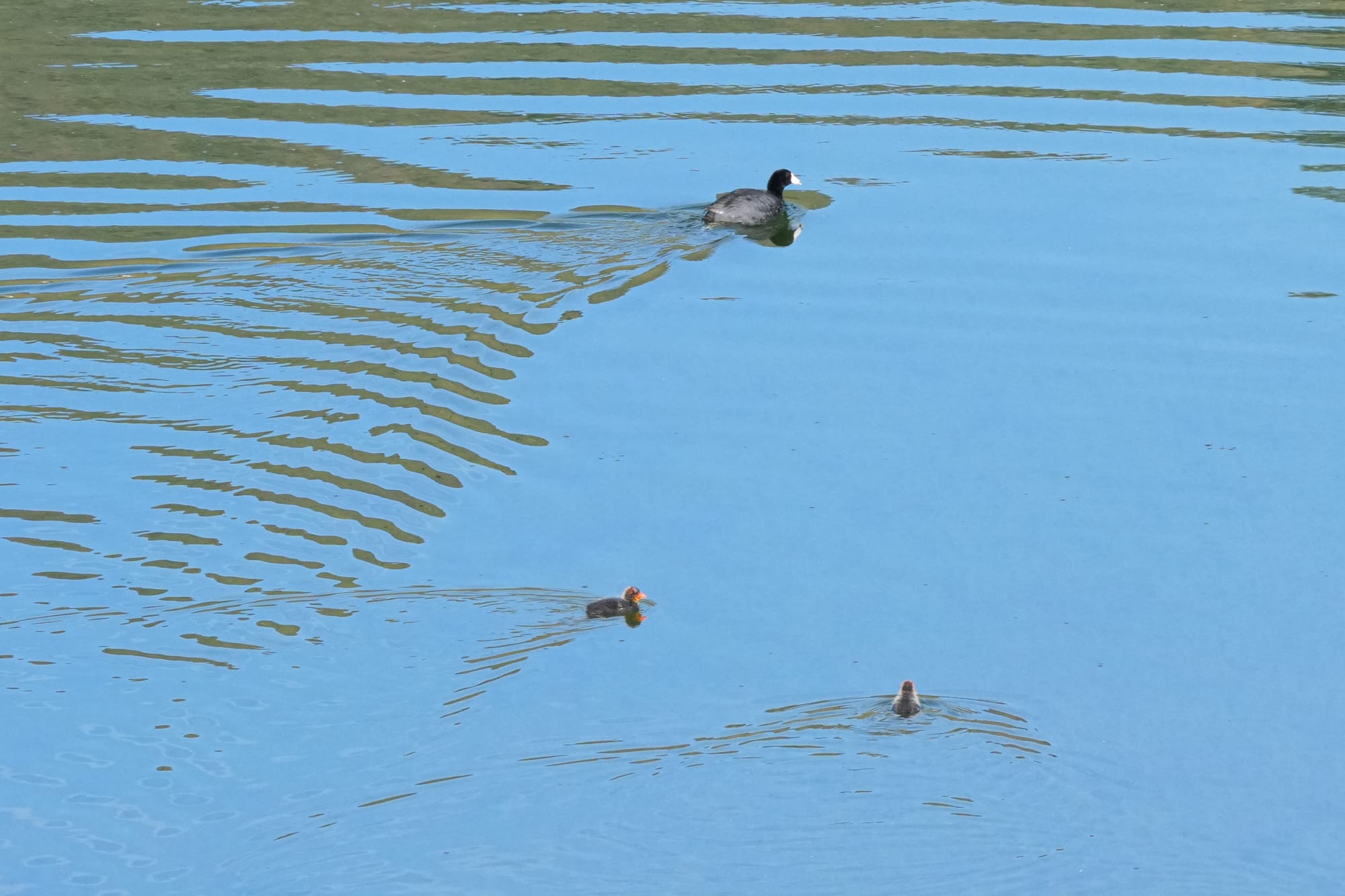
Of many other changes of note, male mule deer are developing velvet on their antlers, dragonflies are flying around everywhere right now, and American coots are feeding their adorable babies on nearly every local lake and pond.
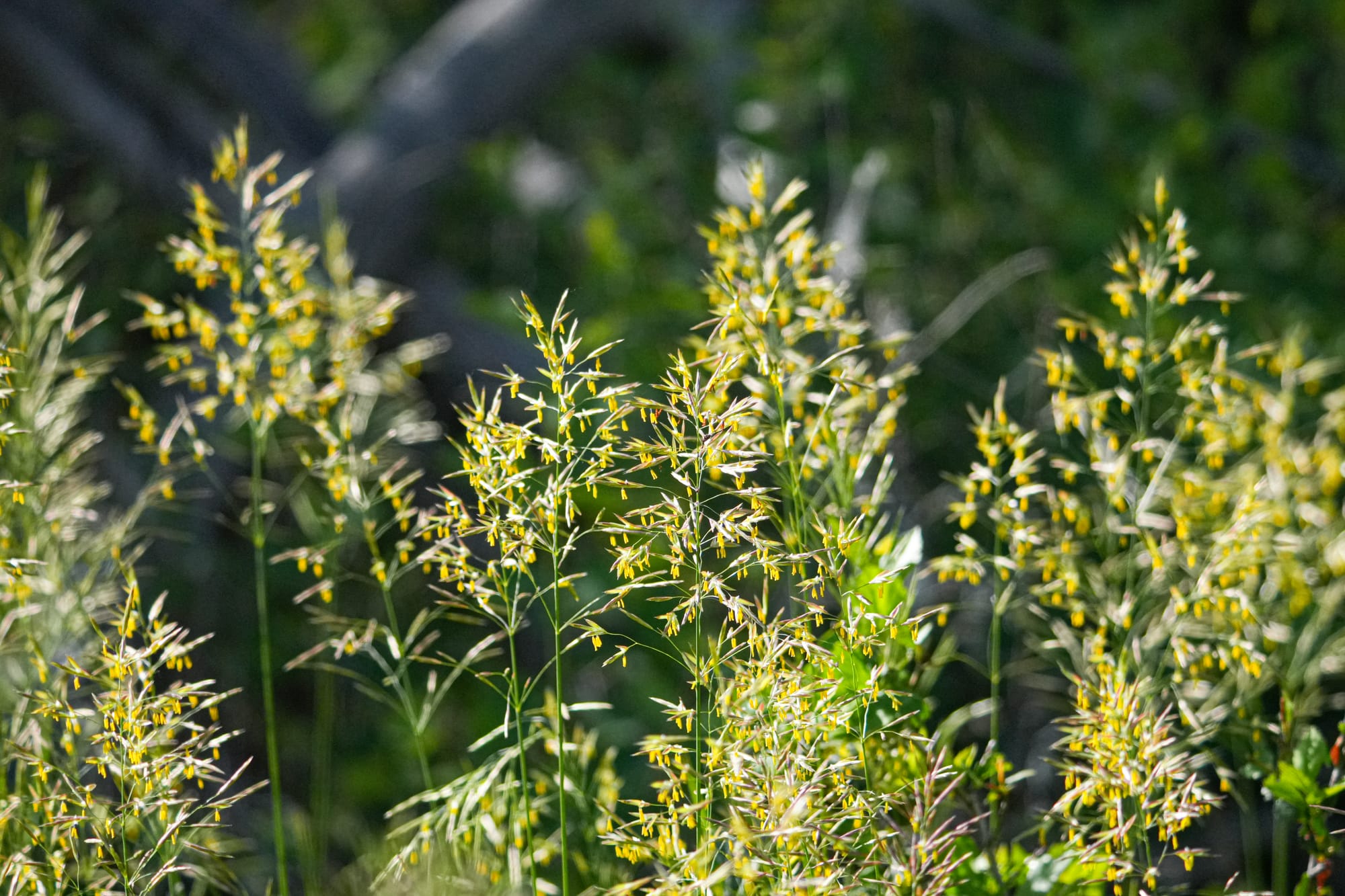
Many of the flowers in lower portions of the Methow Valley have finished blooming, but I've noticed that the grasses are in their full blooming splendor right now. It's easy to overlook grasses because they don't have showy, colorful blossoms but if you look closely, you'll discover that they are quite beautiful when flowering.
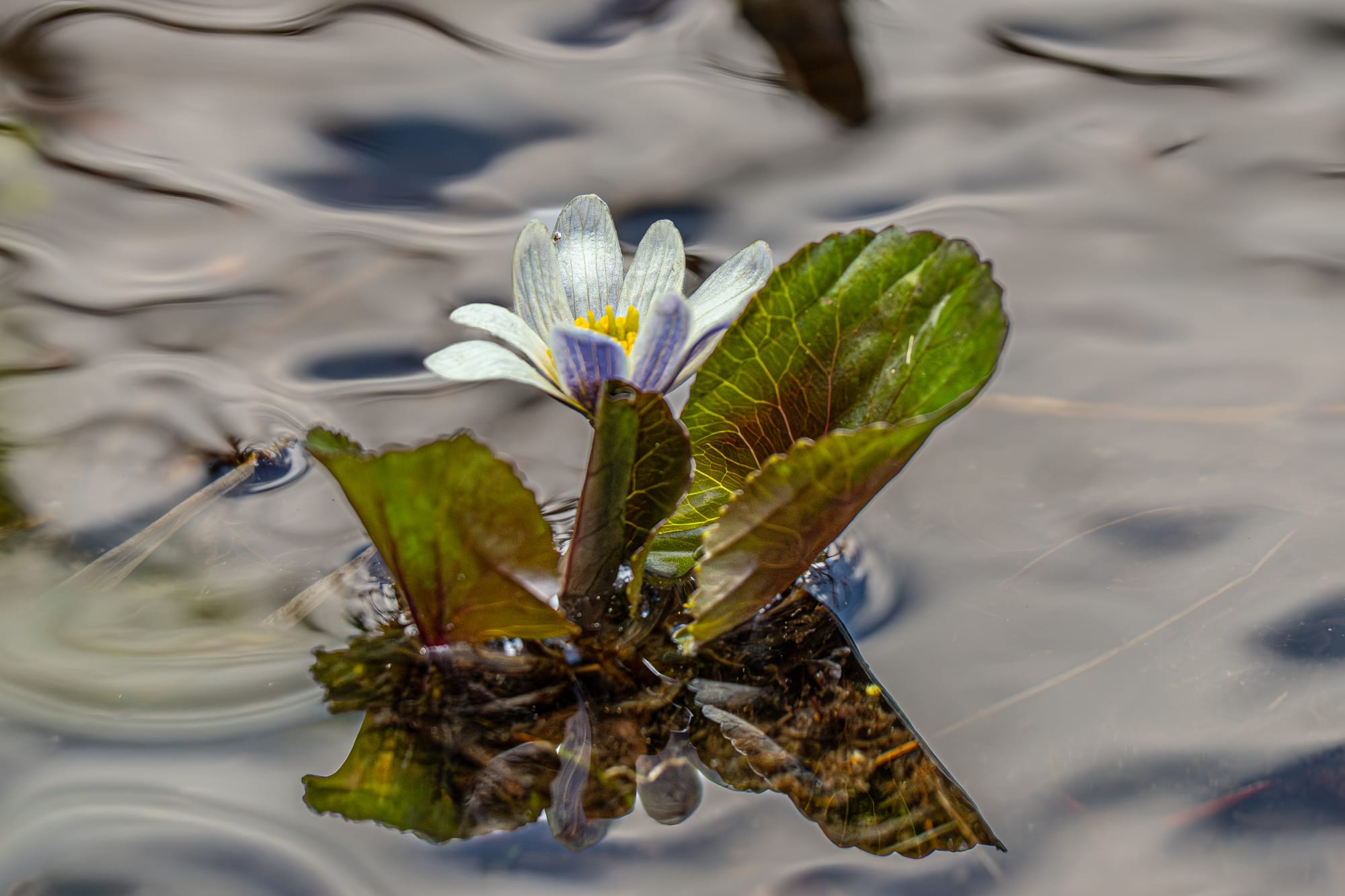
But to really see flowers at this time of year, it helps to start heading towards higher elevations. For instance, on a drive to Washington Pass this week, I noticed many flowers along the highway, and there were even flowers popping out between snowbanks at the pass.
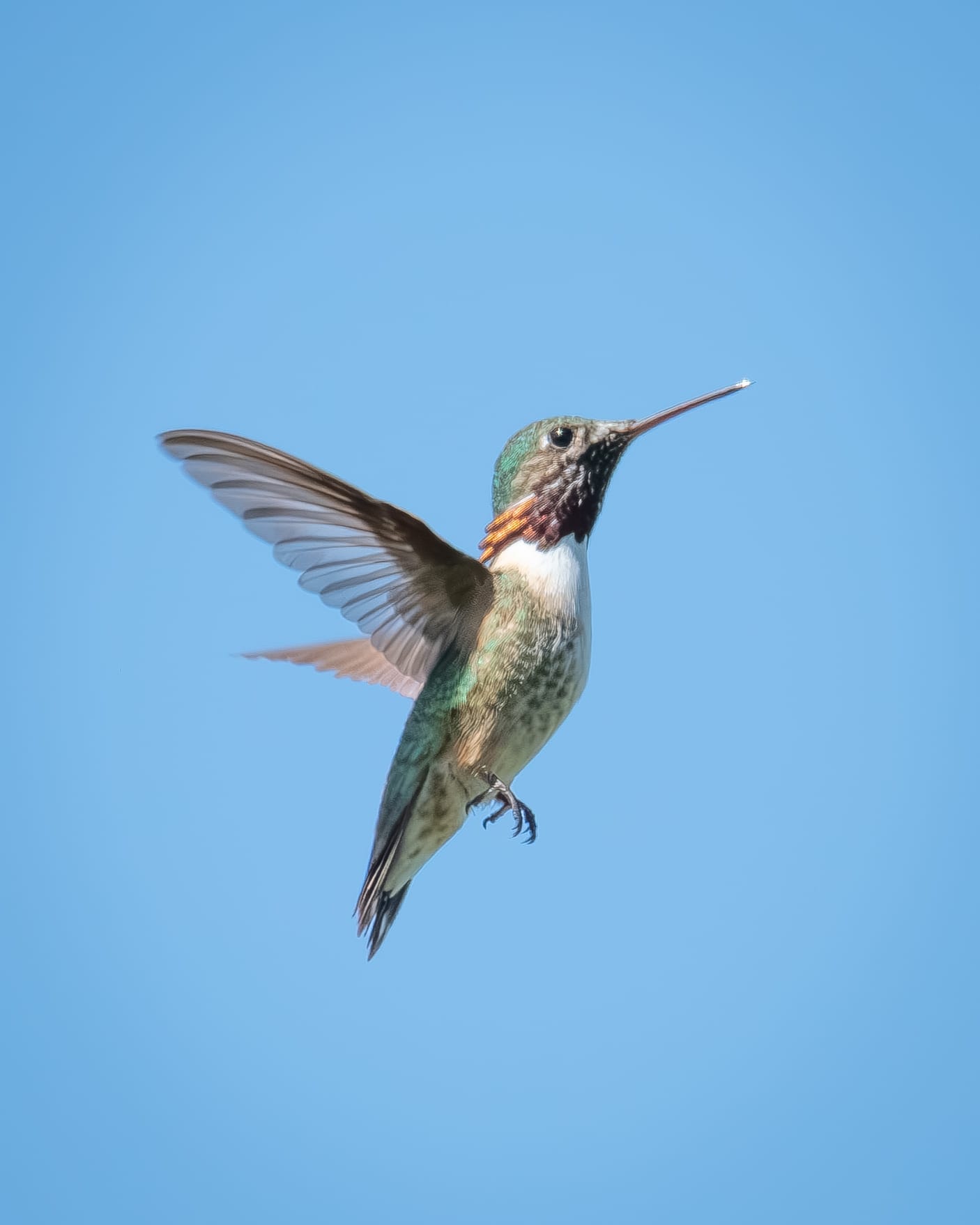
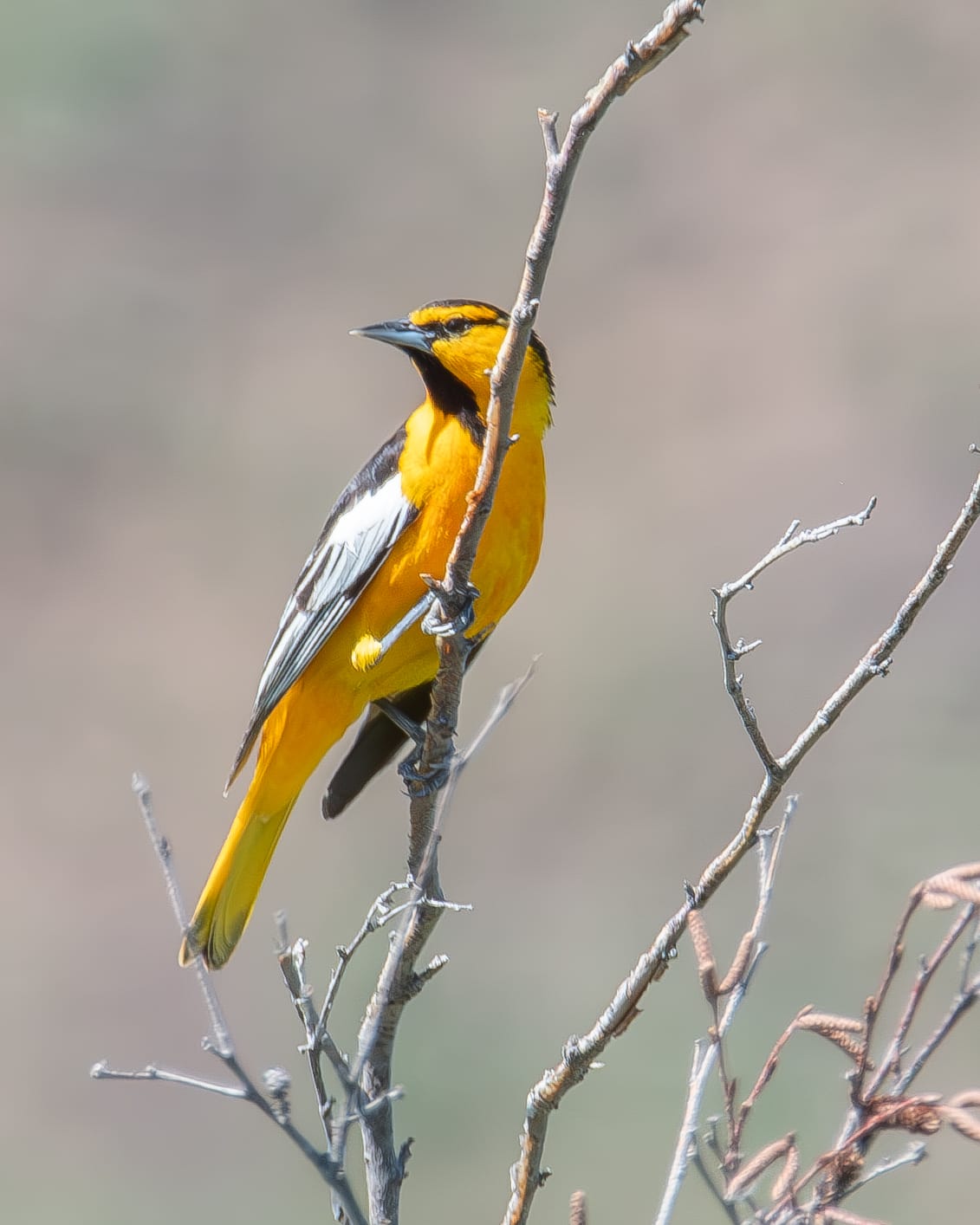
Finally, it's always a pleasure to highlight some of the birds being found in the Methow Valley these days. With the arrival of nighthawks this week, all of our expected nesting birds are finally here, including colorful birds like calliope hummingbirds and northern orioles.
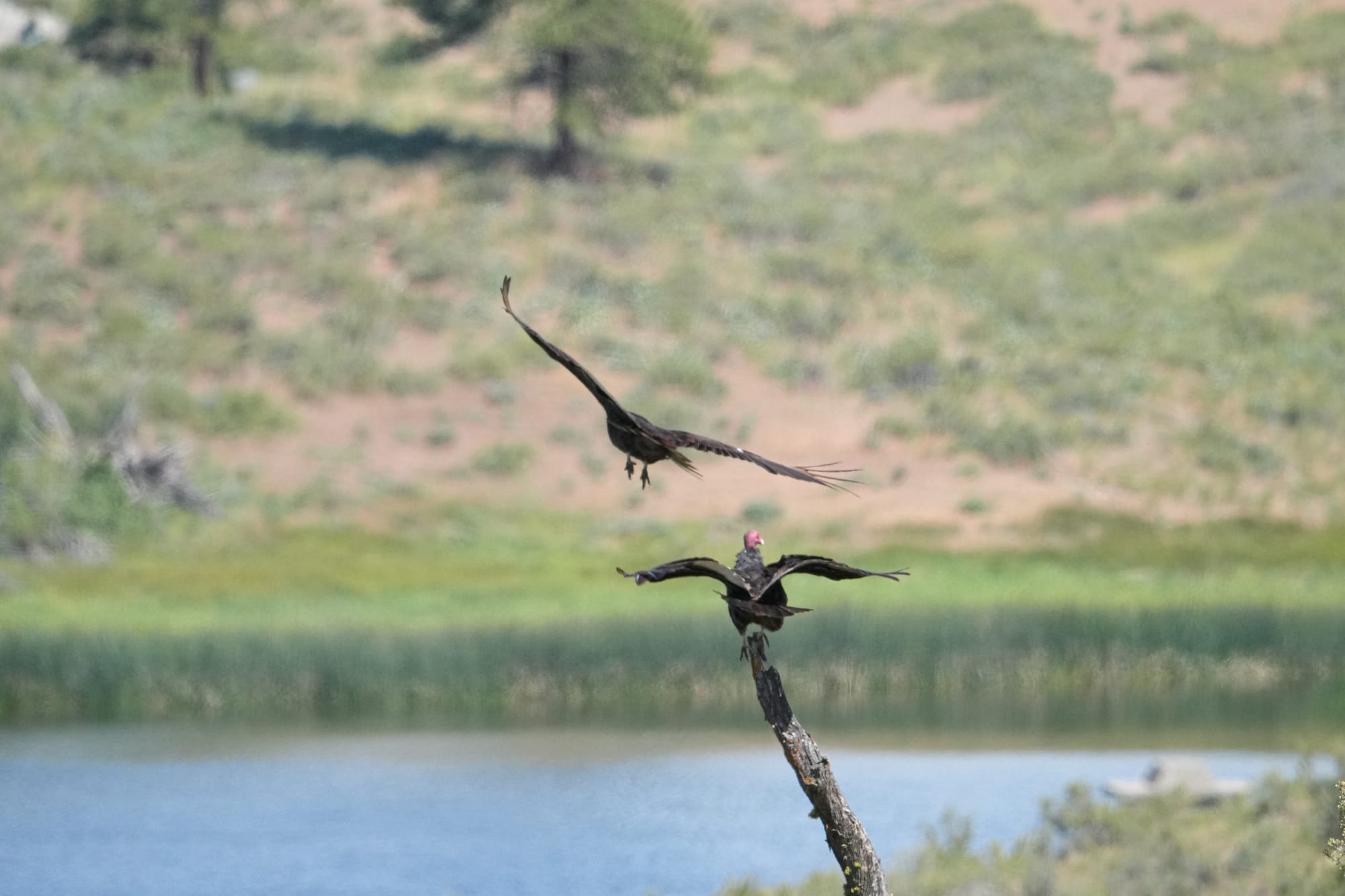
I was also startled to witness a pair of turkey vultures acting as if they were trying to mate. One bird kept landing on an exposed branch, while the other bird tried to approach it in a strong wind. We don't typically think of turkey vultures mating and nesting, but they obviously nest around the Methow Valley so this shouldn't be a surprise.
This will be a relatively short newsletter this week because I'm also giving a talk at the Puget Sound Bird Festival today, but before I sign off, I want to put in a special request. I'm looking to buy a campervan and I'm wondering if anyone knows of someone looking to sell one? I frequently travel far and wide in search of newsletter topics, and I'm often speaking at special events, so it would make a big difference to have a campervan for these many journeys. Thank you!
P.S. Last week I mentioned the cottonwood seeds being blown around these days, but I forgot to mention that I wrote about cottonwood seeds for my Lukas Guides newsletter. It's a surprisingly interesting topic if you'd like to read more.
Please help support the Newsletter!
